Dermatoscope and Magnifiers
 Diagnostic Kits
 Vital Signs Monitors
 Stethoscopes and Accessories
 Otoscopes, Ophthalmoscopes, and Retinoscopes
 Reflex Hammers and Neurological Tools
 Scales and Measuring Devices
 Spirometers and Pulmonary Function Tests
 Electrosurgical Units and Accessories
 Cutting Instruments
 Grasping and Holding Instruments
 Hemostatic Instruments
 Specialized Surgical Sets
 Single-Use Procedure Trays and Packs
 Surgical Drapes, Gowns, and Covers
 Tissue Unifying Instruments
 Radiation Protection
 X-Ray Machines and Accessories
 Ultrasound Systems and Probes
 MRI and CT Scanners
 Radiology Consumables
 Bone Densitometers
 Fluoroscopy Equipment
 Imaging Tables and Positioning Aids
 Microscopes and Accessories
 Centrifuges and Separators
 Analyzers
 Incubators and Ovens
 Pipettes, Dispensers, and Lab Glassware
 Refrigerators, Freezers, and Storage Units
 Lab Consumables
 Sterilizers and Autoclaves for Lab Use
 Multi-Parameter Monitors
 Ventilators and Respiratory Support Devices
 Defibrillators and AEDs
 Infusion Pumps and IV Systems
 Patient Warmers and Cooling Devices
 Central Monitoring Stations
 Accessories
 Anesthesia Machines and Workstations
 Oxygen Concentrators and Delivery Systems
 Nebulizers and Inhalers
 CPAP/BiPAP Machines
 Airway Management
 Anesthesia Masks, Circuits, and Bags
 Humidifiers and Heaters
 Respiratory Therapy Accessories
 First Aid Kits and Cabinets
 Emergency Resuscitation Equipment
 Trauma Supplies
 Emergency Carts and Crash Carts
 Burn Care Products
 Bleeding Control
 Automated External Defibrillators (AEDs)
 Transport and Evacuation
 Wheelchairs and Accessories
 Walkers, Crutches, and Canes
 Prosthetics and Orthotics
 Physical Therapy Equipment
 Transfer Devices
 Bathroom Safety
 Orthopedic Traction and Tables
 Hot/Cold Therapy Packs and Units
 Beds and Mattresses
 Chairs and Stools
 Tables
 Cabinets and Storage
 Privacy Screens & Curtains
 Stands and Racks
 Linens and Textiles
 Lighting
 Autoclaves and Sterilizers
 Ultrasonic Cleaners
 Disinfectant Solutions and Wipes
 Sterilization Pouches, Wraps, and Indicators
 Instrument Trays and Containers
 UV and Ozone Disinfection Devices
 Washer Disinfectors
 Wound Care
 Gloves
 Masks and Respirators
 Catheters and Tubing
 Swabs, Applicators, and Sponges
 Incontinence Products
 Personal Protective Equipment (PPE)
 Dental Chairs and Units
 Handpieces and Burs
 Instruments
 Consumables
 Sterilization for Dental Use
 Orthodontic Supplies
 Endodontic Tools
 Slit Lamps and Tonometers
 Lensometers and Phoropters
 Ophthalmic Surgical Instruments
 Eyewear Frames and Lenses
 Contact Lens Supplies
 Vision Testing Charts and Devices
 Eye Care Consumables
 Laser Systems for Eye Care
 ENT Exam Chairs and Tables
 Endoscopes
 Audiometers and Hearing Tests
 ENT Instruments
 Nasal and Throat Packs
 Hearing Aids and Accessories
 Otology Supplies
 Fetal Dopplers and Monitors
 Delivery Beds and Tables
 Gynecological Instruments
 Neonatal Incubators and Warmers
 Breast Pumps and Accessories
 Contraceptive Devices
 Maternity Supports and Pads
 Neonatal Consumables
 Cystoscopes and Urethroscopes
 Dialysis Machines and Supplies
 Urological Catheters and Bags
 Lithotripters
 Prostate Treatment Devices
 Urinary Incontinence Products
 Kidney Stone Management Tools
 Consumables & Disposables
 EEG and EMG Machines
 Neurosurgical Instruments
 Nerve Stimulators
 Headrests and Positioning Aids
 Lumbar Puncture Kits
 Seizure Monitoring Devices
 Consumables
 Rehabilitation for Neurological Conditions
 ECG Machines and Accessories
 Holter Monitors
 Stress Test Systems
 Pacemakers and Defibrillator Accessories
 Vascular Access Devices
 Cardiac Catheters and Guidewires
 Blood Flow Meters
 Consumables
 Orthopedic Instruments
 Casts, Splints, and Padding
 Joint Replacement Supplies
 Prosthetic Limbs and Components
 Bone Grafts and Substitutes
 Traction Devices
 Orthopedic Braces and Supports
 Rehabilitation Aids for Orthopedics
 Home Oxygen Therapy
 Hospital Beds for Home Use
 Mobility Aids
 Bathroom and Daily Living Aids
 Wound Care for Home
 Monitoring Devices
 Enteral Feeding Pumps and Tubes
 Hand Sanitizers and Dispensers
 Face Shields and Goggles
 Isolation Gowns and Suits
 Biohazard Waste Containers
 Air Purifiers and HEPA Filters
 Surface Disinfectants
 Sharps Containers
 Protective Barriers
 Cardiovascular & Endurance Training
 Strength Training & Weightlifting
 Functional Training & Core Conditioning
 Physical Therapy & Rehabilitation
 Sports & Outdoor Recreation
 Gym Flooring & Facility Equipment
 Fitness Monitoring & Accessories
 Kids & Novelties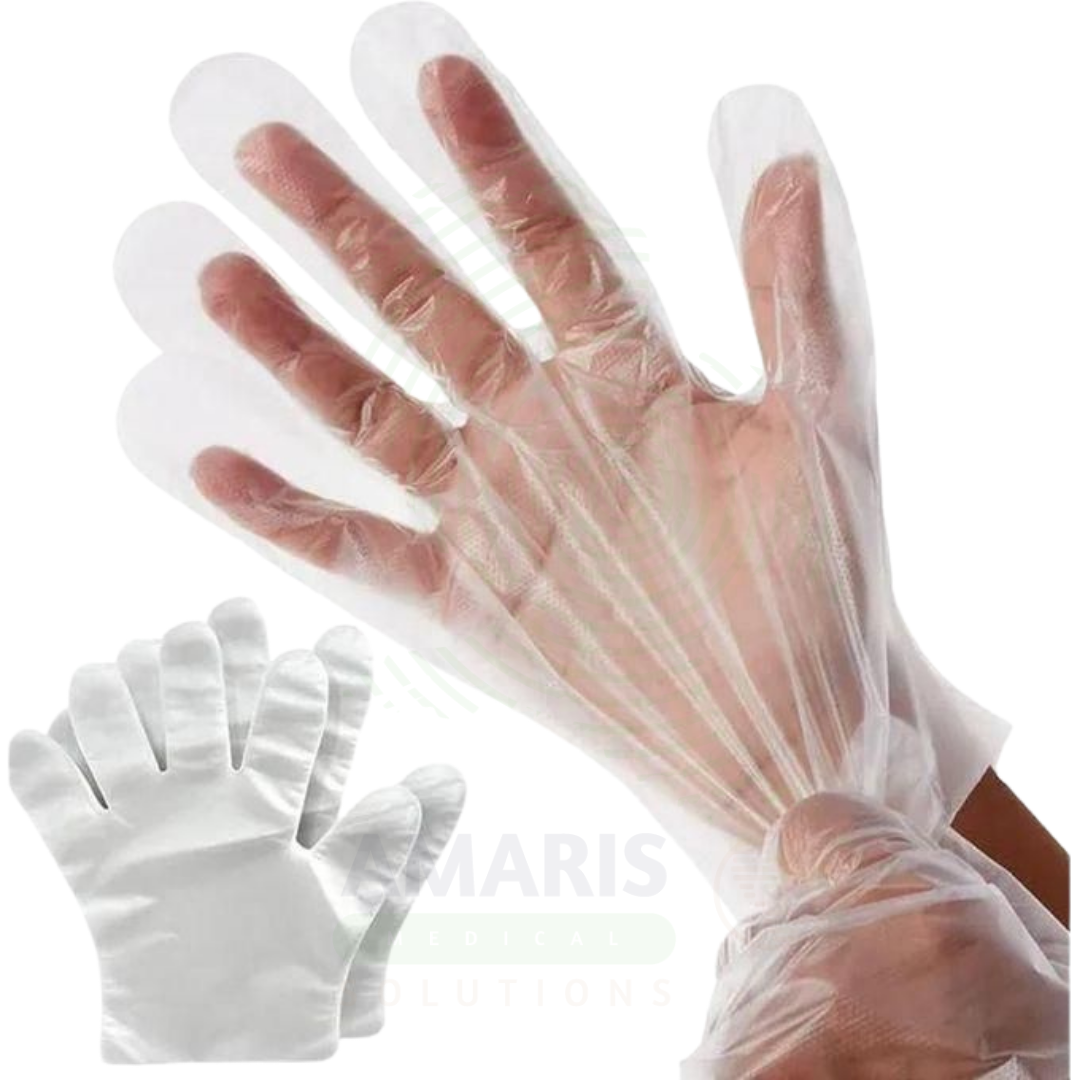
Disposable Polythene Gloves
$1.00
WhatsApp Order
Disposable Polythene Gloves are lightweight, economical, single-use gloves made from low-density polyethylene (LDPE), designed for low-risk, non-sterile applications in healthcare and food service settings. These loose-fitting, ambidextrous gloves provide basic barrier protection for tasks such as environmental cleaning, food handling, patient bathing, and linen management where exposure to blood, body fluids, or sharps is not expected. Latex-free and powder-free, they offer a safe alternative for individuals with latex allergy and are ideal for high-volume use by support staff, dietary workers, environmental services personnel, and visitors. While they do not provide the strength, durability, or tactile sensitivity required for clinical procedures, they serve as an essential component of basic infection control and hygiene practices in healthcare facilities.
Description
Disposable Polythene Gloves
PRIMARY CLINICAL & DIAGNOSTIC USES
1. Low-Risk Barrier Protection for Non-Sterile Procedures
-
Primary Use: Provides a lightweight, economical barrier protection for healthcare workers during low-risk, non-sterile procedures where exposure to blood or body fluids is unlikely, serving as a basic infection control measure.
-
How it helps: For the healthcare assistant, environmental services worker, and dietary staff, polythene gloves offer affordable, accessible hand protection for tasks that do not involve direct contact with mucous membranes or compromised tissue—reducing the risk of cross-contamination while preserving supply of higher-grade nitrile and latex gloves. For the patient, this ensures that healthcare workers are following basic infection prevention practices even during routine interactions, reducing the risk of healthcare-associated infections.
2. Protection During Non-Invasive Patient Care Activities
-
Primary Use: Protects hands during non-invasive patient care activities including bathing, toileting assistance, linen changes, and meal assistance where contact with intact skin or environmental surfaces occurs.
-
How it helps: For the certified nursing assistant and patient care technician, polythene gloves enable dignified care of patients requiring assistance with activities of daily living—protecting the worker from incidental contact with urine, feces, and other body fluids while maintaining comfort and dexterity. For the patient, this allows care to be delivered safely and respectfully without exposing either party to unnecessary contamination.
3. Environmental Cleaning and Disinfection
-
Primary Use: Provides hand protection during environmental cleaning, disinfection of surfaces, and management of non-hazardous waste in healthcare settings.
-
How it helps: For the environmental services worker, polythene gloves offer lightweight protection during routine cleaning tasks—protecting hands from cleaning chemicals and preventing transfer of microorganisms between surfaces. For the patient, this supports thorough environmental cleaning that reduces the reservoir of pathogens in the healthcare environment.
4. Food Service and Kitchen Operations
-
Primary Use: Used in hospital and healthcare facility kitchens and dining areas for food handling, preparation, and service to maintain food safety standards.
-
How it helps: For the dietary aide and food service worker, polythene gloves provide a sanitary barrier during food handling—preventing transmission of pathogens from hands to food and ensuring compliance with food safety regulations. For the patient, this reduces the risk of foodborne illness during hospitalization when immune systems may already be compromised.
5. Protection for Visitors and Family Members
-
Primary Use: Provides basic hand protection for visitors and family members when interacting with patients on isolation precautions or during outbreaks.
-
How it helps: For infection control practitioners, providing polythene gloves to visitors offers an accessible, low-cost option for family members to participate in patient care while following infection prevention protocols. For the patient, this allows meaningful family involvement in care while maintaining necessary isolation precautions.
SECONDARY & SUPPORTIVE USES
1. Hair Care and Grooming Services: Used by hospital barbers, cosmetologists, and staff providing grooming services to patients, protecting both worker and patient from incidental contact.
-
For the hospital barber or volunteer providing grooming services, polythene gloves offer a clean barrier during haircuts and shaves—preventing transfer of microorganisms while allowing necessary dexterity. For the patient, this maintains dignity and hygiene during hospitalization.
2. Laundry and Linen Handling: Provides hand protection for staff handling soiled linens, preventing contact with body fluids while sorting and transporting laundry.
-
For the laundry services worker, polythene gloves provide barrier protection during handling of contaminated linens—reducing occupational exposure risk while maintaining efficiency. For the patient, this ensures that linens are handled in a way that prevents cross-contamination between patients.
3. Art and Recreation Therapy: Used during art therapy, recreational activities, and group sessions where patients may handle materials that could be contaminated or require sanitary precautions.
-
For the recreational therapist, polythene gloves allow patients to engage in creative activities while maintaining infection control standards—particularly during outbreaks or for immunocompromised patients. For the patient, this enables continued engagement in therapeutic activities without compromising safety.
4. Specimen Collection and Transport (Non-Sterile): Provides basic hand protection during collection and transport of non-sterile specimens such as urine, stool, and sputum samples.
-
For the phlebotomist and laboratory assistant, polythene gloves offer protection during handling of specimen containers—preventing contact with external contamination while being economical for high-volume use. For the patient, this ensures that specimens are collected and transported safely without cross-contamination.
5. General Maintenance and Engineering: Used by hospital maintenance and engineering staff during routine repairs and inspections in patient care areas.
-
For the maintenance worker, polythene gloves provide basic hand protection during tasks that require minimal barrier protection while working in patient care environments. For the patient, this ensures that facility maintenance can occur without introducing infection risks.
6. Administrative and Reception Areas: Provides hand protection for administrative staff handling paperwork, files, and equipment in areas where patient contact is minimal but hygiene standards are maintained.
-
For the receptionist and administrative staff, polythene gloves offer protection during tasks such as handling patient belongings or managing supplies during outbreak situations. For the patient, this extends infection prevention practices beyond direct clinical care.
7. Volunteer Services: Used by hospital volunteers performing non-clinical tasks such as delivering mail, assisting with patient transport, and supporting nursing units.
-
For the volunteer coordinator, providing polythene gloves allows volunteers to assist safely during outbreaks or in areas where basic hand protection is warranted. For the patient, this enables volunteers to continue providing valuable support services.
8. Disaster Response and Community Health Events: Used during mass vaccination clinics, health fairs, and community outreach events for basic hand protection during non-invasive interactions.
-
For the public health nurse and event coordinator, polythene gloves offer an economical solution for large-scale events where thousands of individuals require basic barrier protection. For the community member, this ensures safety during public health interventions.
KEY PRODUCT FEATURES
1. BASIC IDENTIFICATION ATTRIBUTES
-
Device Type: A lightweight, single-use, disposable glove made from low-density polyethylene (LDPE) or linear low-density polyethylene (LLDPE) for basic barrier protection.
-
Designation: Polythene Gloves, Poly Gloves, Polyethylene Gloves, Plastic Gloves, Disposable Plastic Gloves, Food Service Gloves, General Purpose Gloves.
-
Key Components:
o Glove Body: Thin polyethylene film formed into glove shape; typically clear or translucent.
o Cuff: Loose-fitting cuff without beading; designed for easy donning and removal.
o Texture: Smooth surface; may have light texturing for basic grip.
o Ambidextrous Design: Not hand-specific; fits either left or right hand.
o Perforated Roll or Boxed: Available in perforated rolls for dispensing or individual pairs in boxes.
2. TECHNICAL & PERFORMANCE PROPERTIES
-
Material: Low-density polyethylene (LDPE) or linear low-density polyethylene (LLDPE).
-
Thickness: Typically 0.5 to 1.5 mils (0.0127 to 0.0381 mm); lighter weight than nitrile or latex.
-
Sizes: One size fits most; may be available in small, medium, large.
-
Fit: Loose-fitting, non-ambidextrous design; not form-fitting.
-
Strength: Low tensile strength; prone to tearing with sharp objects or forceful movements.
-
Chemical Resistance: Minimal; not suitable for protection against hazardous chemicals or chemotherapy agents.
-
Puncture Resistance: Low; not intended for use with sharps or procedures involving needles.
-
Powder: Powder-free; no cornstarch or powder coating.
-
Sterility: Non-sterile; intended for general use, not surgical or invasive procedures.
3. PHYSICAL & OPERATIONAL PROPERTIES
-
Construction: Heat-sealed polyethylene film; no seams or fingers individually formed.
-
Clarity: Clear or translucent for basic visibility.
-
Cuff Type: Straight cut; no rolled or beaded cuff.
-
Dispensing: Available in perforated rolls (often 100 or 200 gloves per roll) for convenient dispensing; also available in boxed pairs.
-
Packaging: Typically packaged in cardboard dispenser boxes, perforated rolls, or bulk packaging.
-
Durability: Low durability; intended for short-duration, low-risk tasks.
-
Tactile Sensitivity: Poor tactile sensitivity compared to latex or nitrile; limited dexterity.
4. SAFETY & COMPLIANCE ATTRIBUTES
-
Regulatory Status: Class I medical device (low-risk; generally exempt from premarket notification when labeled for examination use).
-
FDA Standards: Compliant with FDA requirements for medical examination gloves when labeled as such.
-
ASTM Standards: May comply with ASTM D6978 for low-risk applications; not typically tested for surgical glove standards.
-
Latex-Free: 100% latex-free; safe for patients and workers with latex allergy.
-
Powder-Free: No powder; eliminates risk of powder-related granulomas or allergic reactions.
-
DEHP-Free: Typically DEHP-free; does not contain plasticizers used in vinyl gloves.
-
Non-Sterile: Not sterilized; intended for non-invasive, non-sterile applications.
-
Food Contact Safe: FDA compliant for food contact applications.
5. STORAGE & HANDLING ATTRIBUTES
-
Storage: Store in a cool, dry location; protect from heat, direct sunlight, and sharp objects that could puncture packaging.
-
Shelf Life: Typically 2-3 years; check expiration date before use.
-
Sterility: Not applicable; non-sterile product.
-
Inspection: Inspect for tears, holes, or defects before use; discard if compromised.
-
Temperature Sensitivity: May become brittle in cold temperatures; store at room temperature.
6. LABORATORY & CLINICAL APPLICATIONS
-
Primary Application: Basic barrier protection for low-risk, non-invasive tasks in healthcare, food service, environmental services, and general patient care activities where exposure to blood, body fluids, or sharps is not expected.
-
Clinical Role: Essential for environmental services, dietary departments, patient care assistants, and support staff in hospitals, long-term care facilities, clinics, and community health settings.
SAFETY HANDLING PRECAUTIONS
1. SAFETY PRECAUTIONS
-
Not for Invasive Procedures: Do not use for surgical procedures, wound care, or any task involving exposure to blood, body fluids, mucous membranes, or non-intact skin.
-
Not for Chemotherapy: Do not use for handling chemotherapy agents or hazardous drugs; use appropriate chemotherapy-rated gloves.
-
Not for Sharps: Do not use when handling needles, scalpels, or any sharp instruments; provides no puncture protection.
-
Tear Risk: Inspect for tears before use; change immediately if tear occurs.
-
Hand Hygiene: Perform hand hygiene before donning and after removing.
-
Single-Use Only: Intended for single use; do not wash, disinfect, or reuse.
-
Proper Fit: Loose fit may compromise dexterity; use caution when handling delicate items.
-
Allergic Reactions: While latex-free, polyethylene is generally non-allergenic; discontinue use if irritation occurs.
2. FIRST AID MEASURES
-
Glove Tear During Use: If glove tears during patient care, remove immediately, perform hand hygiene, and replace with a new glove.
-
Chemical Exposure: If gloves fail during chemical use, remove immediately, wash hands thoroughly with soap and water, and report exposure.
-
Skin Irritation: If skin irritation occurs, discontinue use, wash hands, and consider alternative glove material.
3. FIRE FIGHTING MEASURES
-
Flammability: Polyethylene is highly flammable; melts and burns readily if exposed to flame or high heat.
-
Extinguishing Media: Use water, foam, dry chemical, or CO₂.
-
Fire Response: Keep away from open flames, sparks, and high-heat sources; gloves will melt and drip when burned.
Related products
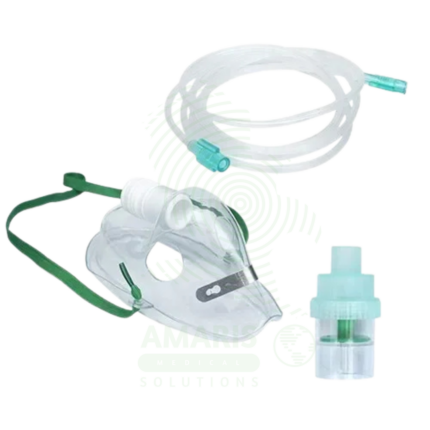
Adult & Pediatric Nebulizer Kit
An Adult & Pediatric Nebulizer Kit is a complete set of patient-contact components required for aerosol medication delivery, including a nebulizer cup, connecting tubing, and both an adult mouthpiece and a pediatric mask (or universal fit). Designed for use with a compressor, it provides the delivery circuit for treating asthma, COPD, and other respiratory conditions. Available in disposable (single-patient-use) formats for infection control in clinics or reusable formats for home care, its proper use, coupled with rigorous cleaning for reusable kits, is essential for effective therapy and preventing respiratory infections. The kit's universal connectors ensure compatibility with standard compressors.
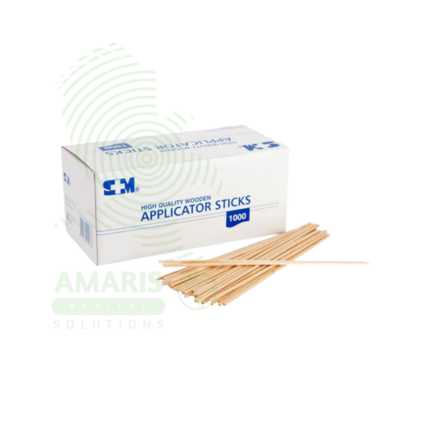
Applicator Sticks
Applicator Sticks are single-use medical devices with absorbent tips (cotton, rayon, flocked polyester) on wood, plastic, or paper shafts for collecting clinical specimens (throat, nasal, wound, cervical, urethral, rectal) for microbiological culture, rapid testing, and molecular diagnostics. Sterile individually wrapped or non-sterile bulk formats. Flocked swabs provide >90% specimen release for PCR testing. Primary applications include specimen collection for infection diagnosis, wound care and antiseptic application, gynecological sampling (Pap smears, STI testing), eye/ear specimen collection, laboratory slide preparation, and forensic evidence collection. Critical precautions include single-use only, sterile technique, proper collection method, and biohazard disposal. Essential consumable in all clinical settings.
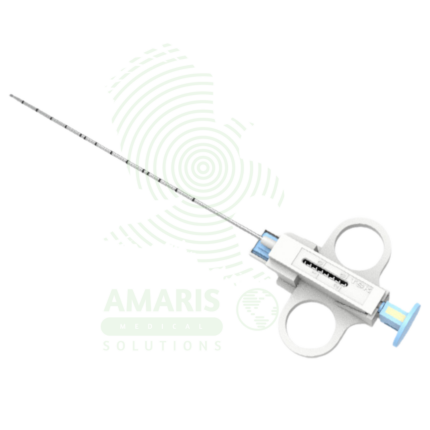
Biopsy Needles
Biopsy Needles are sterile, single-use precision medical devices designed to obtain tissue or cellular specimens from internal organs, masses, and lesions for histopathological or cytological diagnosis. Available in core biopsy (automatic spring-loaded, semi-automatic, vacuum-assisted, coaxial) and fine needle aspiration configurations, with gauges ranging from 14G-27G and lengths from 6-25 cm. Core biopsy needles obtain intact tissue cores preserving histological architecture; FNA needles aspirate cellular material for cytological evaluation. Specialized variants include bone marrow biopsy needles (Jamshidi, Illinois), echogenic-tip needles for ultrasound guidance, and MRI-compatible needles (nitinol, titanium). Critical safety requirements include strict image guidance for non-palpable lesions, verification of coagulation status, adherence to single-use protocols, and immediate post-procedure monitoring for complications (hemorrhage, pneumothorax, organ injury). An indispensable tool in interventional radiology, oncology, and minimally invasive diagnosis.
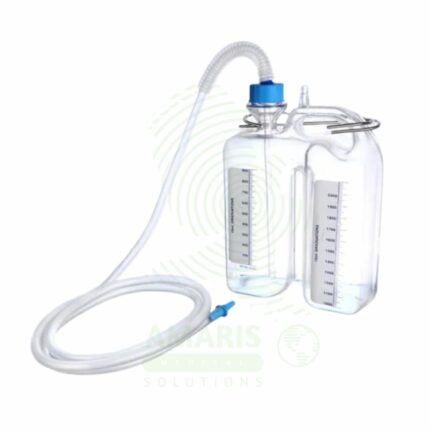
Chest Bottle
A Chest Bottle (Underwater Seal Drainage System) is a three-chamber disposable device used to drain air and fluid from the pleural space via a chest tube. Its critical component is a water seal chamber that acts as a one-way valve, preventing air from re-entering the chest while allowing drainage. It is used to treat pneumothorax, hemothorax, and pleural effusions, and is mandatory post-thoracic surgery. The system must always be kept upright and below the patient's chest level. It provides essential clinical information through tidaling in the water seal (indicating tube patency and lung expansion) and bubbling (indicating an air leak), making it both a therapeutic and diagnostic tool.
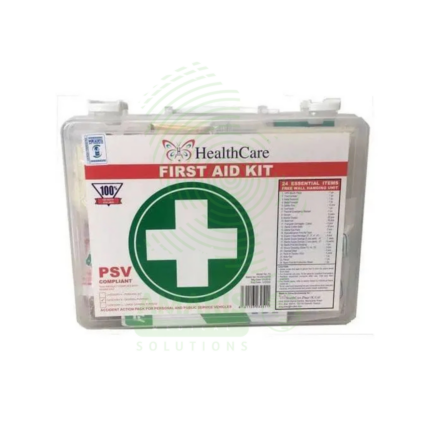
First Aid Kit
A First Aid Kit is an organized collection of medical supplies and equipment for providing initial care in emergency situations, available in various sizes and configurations for home, workplace, vehicle, travel, and specialized applications. Kits range from personal pouches (0.5-2 L) to comprehensive workplace cabinets (5-35 L) with soft-sided bags, hard cases, or wall-mounted containers. Contents are typically organized to meet regional standards (ANSI/ISEA Z308.1, CSA Z1220, BS 8599, DIN 13157/13169) and include wound care supplies (bandages, gauze, tape), antiseptics, burn care, eye care, emergency items (CPR mask, cold packs, foil blanket), instruments (scissors, tweezers), and PPE (gloves). Class A kits provide minimum supplies for low-hazard workplaces; Class B kits offer expanded quantities for high-hazard environments. Primary clinical applications include immediate treatment of minor injuries (cuts, abrasions, burns, sprains), bleeding control, wound care, fracture immobilization, and emergency assessment. Essential safety equipment for every home, workplace, vehicle, and public facility, providing critical medical supplies until professional care arrives.
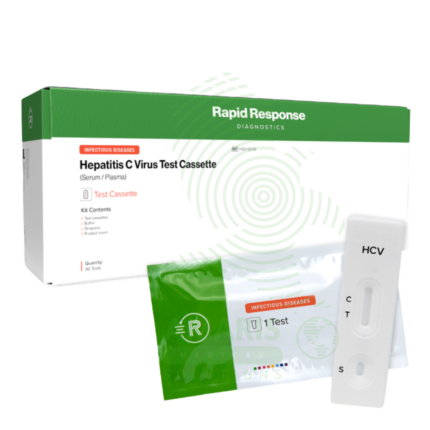
Hepatitis C Test Kit
The Hepatitis C Test Kit is an in vitro diagnostic device for the detection of Hepatitis C virus antibodies or RNA in human blood, serum, or plasma samples. Available in rapid, laboratory immunoassay, and molecular formats, it screens for HCV infection, confirms active infection with RNA testing, and monitors treatment response. With high sensitivity and specificity exceeding 99%, it is essential for identifying infected individuals, linking them to curative direct-acting antiviral therapy, and confirming cure. Essential applications include risk-based screening of high-risk populations, birth cohort screening of baby boomers, evaluation of acute hepatitis, management of occupational exposures, and monitoring of antiviral therapy that can cure over 95% of infections. All patient samples must be handled with universal precautions, and positive antibody results require confirmatory testing.
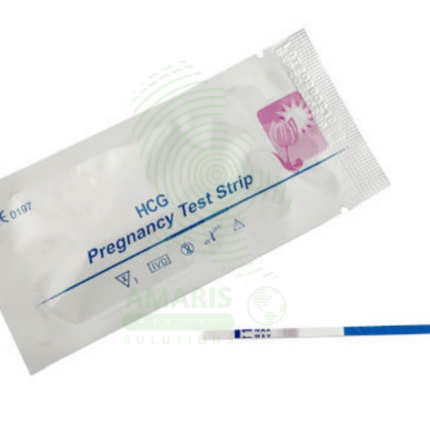
Pregnancy Test Strips
Pregnancy Test Strips are simple, dip-style lateral flow devices designed for the rapid, qualitative detection of human chorionic gonadotropin (hCG) in urine to indicate pregnancy. As the most fundamental format of home pregnancy tests, they offer high sensitivity (often from 10 mIU/mL), affordability, and a quick result within 3-5 minutes. Their ease of use makes them a widely accessible first step in pregnancy detection for personal use and clinical screening. A visible test line, even if faint, is a positive result, though confirmation with a healthcare provider is always recommended.