Dermatoscope and Magnifiers
 Diagnostic Kits
 Vital Signs Monitors
 Stethoscopes and Accessories
 Otoscopes, Ophthalmoscopes, and Retinoscopes
 Reflex Hammers and Neurological Tools
 Scales and Measuring Devices
 Spirometers and Pulmonary Function Tests
 Electrosurgical Units and Accessories
 Cutting Instruments
 Grasping and Holding Instruments
 Hemostatic Instruments
 Specialized Surgical Sets
 Single-Use Procedure Trays and Packs
 Surgical Drapes, Gowns, and Covers
 Tissue Unifying Instruments
 Radiation Protection
 X-Ray Machines and Accessories
 Ultrasound Systems and Probes
 MRI and CT Scanners
 Radiology Consumables
 Bone Densitometers
 Fluoroscopy Equipment
 Imaging Tables and Positioning Aids
 Microscopes and Accessories
 Centrifuges and Separators
 Analyzers
 Incubators and Ovens
 Pipettes, Dispensers, and Lab Glassware
 Refrigerators, Freezers, and Storage Units
 Lab Consumables
 Sterilizers and Autoclaves for Lab Use
 Multi-Parameter Monitors
 Ventilators and Respiratory Support Devices
 Defibrillators and AEDs
 Infusion Pumps and IV Systems
 Patient Warmers and Cooling Devices
 Central Monitoring Stations
 Accessories
 Anesthesia Machines and Workstations
 Oxygen Concentrators and Delivery Systems
 Nebulizers and Inhalers
 CPAP/BiPAP Machines
 Airway Management
 Anesthesia Masks, Circuits, and Bags
 Humidifiers and Heaters
 Respiratory Therapy Accessories
 First Aid Kits and Cabinets
 Emergency Resuscitation Equipment
 Trauma Supplies
 Emergency Carts and Crash Carts
 Burn Care Products
 Bleeding Control
 Automated External Defibrillators (AEDs)
 Transport and Evacuation
 Wheelchairs and Accessories
 Walkers, Crutches, and Canes
 Prosthetics and Orthotics
 Physical Therapy Equipment
 Transfer Devices
 Bathroom Safety
 Orthopedic Traction and Tables
 Hot/Cold Therapy Packs and Units
 Beds and Mattresses
 Chairs and Stools
 Tables
 Cabinets and Storage
 Privacy Screens & Curtains
 Stands and Racks
 Linens and Textiles
 Lighting
 Autoclaves and Sterilizers
 Ultrasonic Cleaners
 Disinfectant Solutions and Wipes
 Sterilization Pouches, Wraps, and Indicators
 Instrument Trays and Containers
 UV and Ozone Disinfection Devices
 Washer Disinfectors
 Wound Care
 Gloves
 Masks and Respirators
 Catheters and Tubing
 Swabs, Applicators, and Sponges
 Incontinence Products
 Personal Protective Equipment (PPE)
 Dental Chairs and Units
 Handpieces and Burs
 Instruments
 Consumables
 Sterilization for Dental Use
 Orthodontic Supplies
 Endodontic Tools
 Slit Lamps and Tonometers
 Lensometers and Phoropters
 Ophthalmic Surgical Instruments
 Eyewear Frames and Lenses
 Contact Lens Supplies
 Vision Testing Charts and Devices
 Eye Care Consumables
 Laser Systems for Eye Care
 ENT Exam Chairs and Tables
 Endoscopes
 Audiometers and Hearing Tests
 ENT Instruments
 Nasal and Throat Packs
 Hearing Aids and Accessories
 Otology Supplies
 Fetal Dopplers and Monitors
 Delivery Beds and Tables
 Gynecological Instruments
 Neonatal Incubators and Warmers
 Breast Pumps and Accessories
 Contraceptive Devices
 Maternity Supports and Pads
 Neonatal Consumables
 Cystoscopes and Urethroscopes
 Dialysis Machines and Supplies
 Urological Catheters and Bags
 Lithotripters
 Prostate Treatment Devices
 Urinary Incontinence Products
 Kidney Stone Management Tools
 Consumables & Disposables
 EEG and EMG Machines
 Neurosurgical Instruments
 Nerve Stimulators
 Headrests and Positioning Aids
 Lumbar Puncture Kits
 Seizure Monitoring Devices
 Consumables
 Rehabilitation for Neurological Conditions
 ECG Machines and Accessories
 Holter Monitors
 Stress Test Systems
 Pacemakers and Defibrillator Accessories
 Vascular Access Devices
 Cardiac Catheters and Guidewires
 Blood Flow Meters
 Consumables
 Orthopedic Instruments
 Casts, Splints, and Padding
 Joint Replacement Supplies
 Prosthetic Limbs and Components
 Bone Grafts and Substitutes
 Traction Devices
 Orthopedic Braces and Supports
 Rehabilitation Aids for Orthopedics
 Home Oxygen Therapy
 Hospital Beds for Home Use
 Mobility Aids
 Bathroom and Daily Living Aids
 Wound Care for Home
 Monitoring Devices
 Enteral Feeding Pumps and Tubes
 Hand Sanitizers and Dispensers
 Face Shields and Goggles
 Isolation Gowns and Suits
 Biohazard Waste Containers
 Air Purifiers and HEPA Filters
 Surface Disinfectants
 Sharps Containers
 Protective Barriers
 Cardiovascular & Endurance Training
 Strength Training & Weightlifting
 Functional Training & Core Conditioning
 Physical Therapy & Rehabilitation
 Sports & Outdoor Recreation
 Gym Flooring & Facility Equipment
 Fitness Monitoring & Accessories
 Kids & Novelties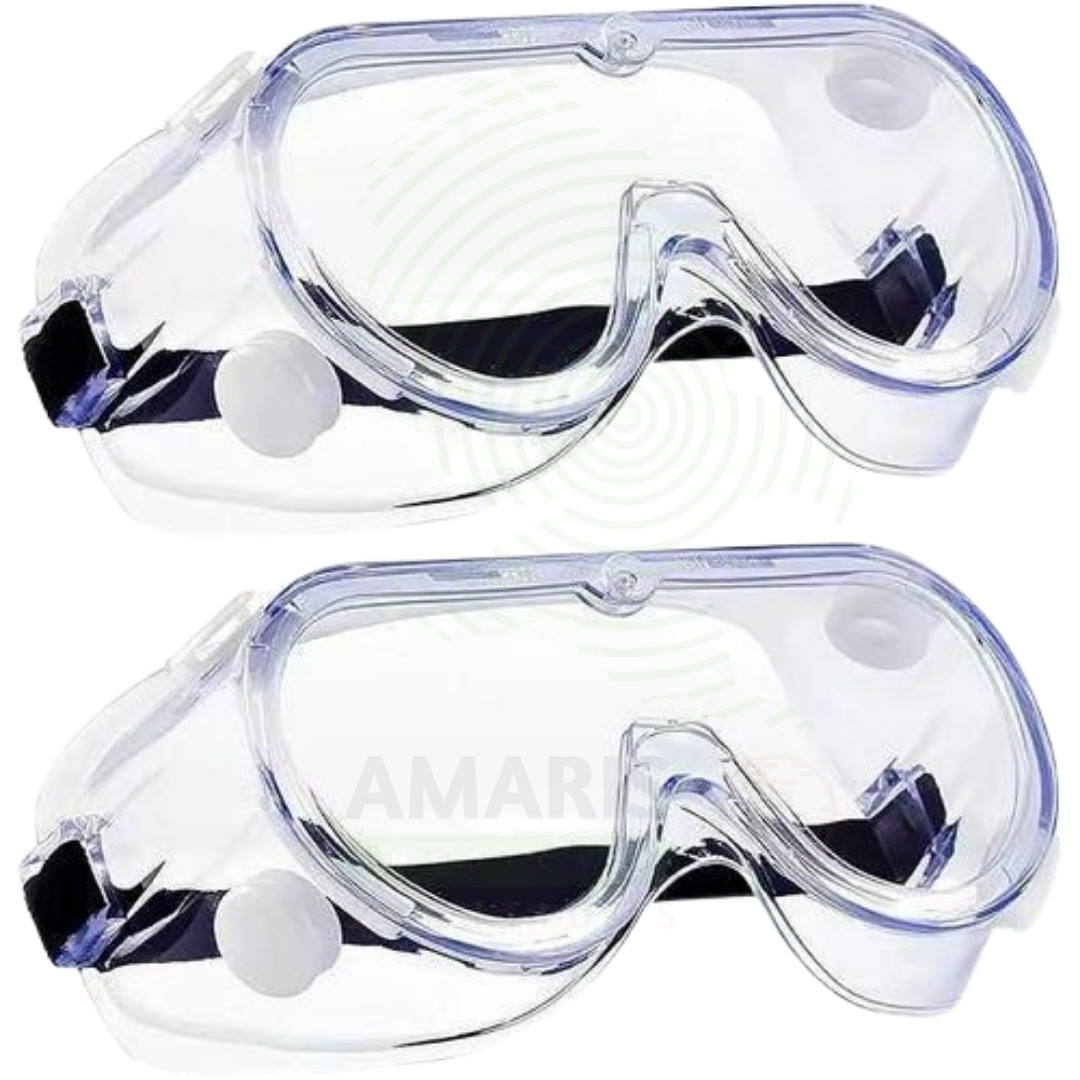
Plastic Eye Protection Goggles
$1.00
WhatsApp Order
Plastic Eye Protection Goggles are medical-grade protective devices that form a complete seal around the eyes to shield against splashes, sprays, and droplets of blood, body fluids, and hazardous chemicals. Constructed with clear polycarbonate or optical-grade lenses and flexible PVC or thermoplastic rubber frames, these goggles provide impact resistance meeting ANSI Z87.1 standards and splash protection essential for healthcare settings. Available in reusable or disposable options, with anti-fog coatings and over-the-glasses (OTG) designs for prescription eyewear compatibility, they are a fundamental component of Standard Precautions and OSHA Bloodborne Pathogens compliance. Essential for operating rooms, emergency departments, dental offices, laboratories, and any clinical setting where splashes or sprays are anticipated, plastic eye protection goggles protect healthcare workers from occupational exposures while enabling safe, uninterrupted patient care.
Description
Plastic Eye Protection Goggles
PRIMARY CLINICAL & DIAGNOSTIC USES
1. Protection Against Splashes and Sprays of Blood and Body Fluids
-
Primary Use: Provides a complete seal around the eyes to protect against splashes, sprays, and droplets of blood, body fluids, secretions, and excretions during patient care activities where such exposure is anticipated.
-
How it helps: For the nurse, physician, and emergency clinician, plastic eye protection goggles create a critical barrier that prevents mucous membrane exposure to infectious materials—reducing the risk of occupational transmission of bloodborne pathogens such as HIV, hepatitis B, and hepatitis C. For the patient, this protection ensures that clinicians can perform necessary procedures—such as wound irrigation, suctioning, and intubation—without hesitation or concern for personal safety.
2. Protection During Aerosol-Generating Procedures
-
Primary Use: Provides essential eye protection during aerosol-generating medical procedures including intubation, bronchoscopy, nebulized medication administration, suctioning, and dental procedures where infectious particles become suspended in the air.
-
How it helps: For the respiratory therapist, anesthesiologist, and dentist, plastic goggles offer a sealed barrier that prevents aerosolized particles from contacting the eyes—critical protection when performing procedures that generate infectious aerosols. For the patient undergoing these procedures, proper eye protection of the healthcare team ensures that the procedure can be performed safely and without interruption.
3. Standard Precautions Compliance
-
Primary Use: Serves as a fundamental component of Standard Precautions, the infection control practice requiring eye protection whenever splashes or sprays of blood or body fluids are anticipated during patient care.
-
How it helps: For the infection control practitioner and healthcare facility leadership, plastic goggles enable consistent compliance with OSHA Bloodborne Pathogens Standard and CDC infection control guidelines—protecting healthcare workers from occupational exposures. For the patient, this standardization ensures that regardless of the care setting, infection prevention practices are consistently followed.
4. Protection During Surgical and Procedural Activities
-
Primary Use: Provides eye protection for surgical team members and proceduralists during operations and invasive procedures where blood, irrigation fluids, or tissue debris may splash toward the face.
-
How it helps: For the surgeon and operating room staff, plastic goggles (often worn over prescription eyewear or under face shields) provide reliable protection against unexpected splashes during surgical procedures—reducing the risk of bloodborne pathogen exposure. For the patient undergoing surgery, this ensures that the surgical team can focus on the procedure without concern for occupational exposure.
SECONDARY & SUPPORTIVE USES
1. Emergency Department Trauma Care: Used during trauma resuscitations, wound management, and emergency procedures where blood and body fluid exposure risk is high.
-
For the emergency physician and trauma nurse, plastic goggles provide essential eye protection during high-acuity situations where splashes are unpredictable—enabling rapid, focused care without pausing to don protective equipment. For the trauma patient, this ensures that life-saving interventions can be delivered immediately without delay.
2. Dental and Oral Healthcare: Essential for dental professionals during cleanings, extractions, and surgical procedures where aerosols, splatter, and debris are generated.
-
For the dentist and dental hygienist, plastic goggles protect against spray of saliva, blood, and dental materials that can travel significant distances during procedures. For the dental patient, seeing their provider properly protected provides confidence in the safety of their dental care.
3. Laboratory and Pathology Safety: Worn by laboratory personnel when handling specimens that may splash or when performing procedures that may generate aerosols.
-
For the medical laboratory scientist and pathologist, plastic goggles provide protection during specimen processing, centrifugation, and handling of infectious materials. For the patient, this ensures that diagnostic testing can be performed safely by protected personnel.
4. Pharmacy Compounding of Hazardous Drugs: Used by pharmacy staff during preparation of hazardous drugs and chemotherapy agents to protect eyes from accidental splashes or aerosolized particles.
-
For the pharmacist and pharmacy technician, plastic goggles provide essential eye protection when handling hazardous drugs that can cause serious eye injury or systemic absorption. For the patient, this ensures that medications are prepared safely by protected personnel.
5. Environmental Services and Decontamination: Used by environmental services staff when handling hazardous chemicals, cleaning agents, or during decontamination procedures.
-
For the environmental services worker, plastic goggles protect against chemical splashes during cleaning and disinfection activities—preventing eye injuries that could result from accidental exposure. For the patient, this ensures that facility cleaning can occur safely without risk to staff.
6. Isolation Precautions and Outbreak Response: Used in combination with other PPE when caring for patients on droplet or airborne precautions during outbreaks of respiratory viruses.
-
For the nurse and infection control team, plastic goggles provide an additional layer of protection during outbreaks—covering a route of transmission that is often overlooked. For the patient, this comprehensive approach to PPE ensures that all potential routes of transmission are addressed.
7. Patient Transport of High-Risk Patients: Worn by transport staff when moving patients with known or suspected infectious diseases that may be transmitted via droplets or splashes.
-
For the patient transport technician, plastic goggles provide protection during close contact with patients in confined spaces such as elevators and hallways. For the patient being transported, a protected transporter reduces the risk of transmission to other patients encountered during transit.
8. EMS and Pre-Hospital Care: Used by paramedics and EMTs during patient assessment, treatment, and transport in the pre-hospital setting where exposure risks are unpredictable.
-
For the paramedic and emergency medical technician, plastic goggles provide essential eye protection in uncontrolled environments—where splashes, sprays, and airborne particles may be encountered unexpectedly. For the patient in the community, this ensures that emergency responders can provide care safely.
9. Dental Laboratory and Prosthetic Fabrication: Used by dental laboratory technicians during fabrication of dental prosthetics where grinding, polishing, and handling of materials may generate particles.
-
For the dental laboratory technician, plastic goggles protect against flying particles, dust, and chemical splashes during fabrication of crowns, bridges, and dentures. For the dental patient, this ensures that their dental appliances are fabricated safely.
10. Autopsy and Post-Mortem Procedures: Provides eye protection during post-mortem examinations where exposure to bloodborne pathogens and tissue splatter is a significant occupational risk.
-
For the pathologist and autopsy technician, plastic goggles provide essential protection during procedures where sharp instruments are used and exposure risk is high. For the deceased and their family, this ensures that post-mortem examination can be conducted safely and with dignity.
KEY PRODUCT FEATURES
1. BASIC IDENTIFICATION ATTRIBUTES
-
Device Type: A reusable or disposable protective device that forms a complete seal around the eyes to protect against splashes, sprays, and impact hazards.
-
Designation: Eye Protection Goggles, Safety Goggles, Anti-Splash Goggles, Chemical Splash Goggles, Medical Goggles, Protective Goggles, Over-the-Glasses Goggles, OTG Goggles.
-
Key Components:
o Lens: Clear polycarbonate or optical-grade plastic lens for impact resistance and clarity.
o Frame: Flexible PVC or thermoplastic rubber frame for comfortable seal against the face.
o Ventilation: Indirect or direct ventilation to prevent fogging while maintaining splash protection.
o Headband: Adjustable elastic strap for secure fit.
o Prescription Compatibility: Available in OTG (over-the-glasses) designs for wearers of prescription eyewear.
2. TECHNICAL & PERFORMANCE PROPERTIES
-
Lens Material: Polycarbonate, optical-grade plastic, or anti-fog treated materials.
-
Lens Coating: Anti-fog coating, anti-scratch coating, or UV protection available.
-
Frame Material: PVC, thermoplastic rubber (TPR), or silicone.
-
Ventilation Type: Indirect ventilation (sealed against splashes) or direct ventilation (for anti-fogging).
-
Impact Resistance: Meets ANSI Z87.1 impact resistance standards for high-velocity impact protection.
-
Splash Protection: Sealed design prevents ingress of liquids from all angles.
-
Optical Clarity: Distortion-free lens for clear vision during procedures.
-
Reusability: Available as reusable (cleanable) or disposable single-use options.
-
Latex-Free: Manufactured without natural rubber latex.
3. PHYSICAL & OPERATIONAL PROPERTIES
-
Construction: One-piece lens or dual-lens design; flexible frame for facial conformity.
-
Fit: Contoured to fit over prescription eyewear (OTG) or directly on face.
-
Headband: Wide elastic strap with adjustable buckle or slide mechanism.
-
Compatibility: Can be worn alone or with surgical masks, N95 respirators, and face shields.
-
Cleaning: Reusable goggles can be cleaned with disinfectant wipes or soap and water.
-
Packaging: Individually wrapped or bulk packaged.
-
Storage: Store in clean, dry location; protect from direct sunlight and heat.
4. SAFETY & COMPLIANCE ATTRIBUTES
-
Regulatory Status: Class I medical device (exempt from premarket notification) when used for medical splash protection.
-
ANSI Standards: Compliant with ANSI/ISEA Z87.1 (American National Standard for Occupational and Educational Personal Eye and Face Protection Devices) for impact and splash protection.
-
OSHA Compliance: Meets OSHA 29 CFR 1910.133 requirements for eye protection in healthcare settings.
-
FDA Compliance: Compliant with FDA requirements for medical eye protection devices.
-
Anti-Fog: Meets anti-fog standards for medical applications.
-
UV Protection: Some models provide UV-A and UV-B protection.
-
Latex-Free: Standard in most medical-grade goggles.
5. STORAGE & HANDLING ATTRIBUTES
-
Storage: Store in a clean, dry location; avoid exposure to direct sunlight, extreme temperatures, and chemicals that may degrade materials.
-
Shelf Life: Reusable goggles: indefinite with proper care; disposable goggles: typically 2-3 years.
-
Cleaning (Reusable): Clean with mild soap and water or hospital-grade disinfectant wipes; allow to air dry; avoid abrasive cleaners that may scratch lenses.
-
Inspection: Inspect for scratches, cracks, degraded elastic, or compromised seal before each use.
-
Disposal: Disposable goggles: discard after single use; reusable goggles: dispose when damaged or degraded.
6. LABORATORY & CLINICAL APPLICATIONS
-
Primary Application: Eye protection against splashes, sprays, and droplets of blood, body fluids, and hazardous chemicals during medical, surgical, dental, and laboratory procedures.
-
Clinical Role: Essential personal protective equipment in operating rooms, emergency departments, intensive care units, labor and delivery, dental offices, laboratories, pharmacies, environmental services, and any setting where splashes or sprays are anticipated.
SAFETY HANDLING PRECAUTIONS
1. SAFETY PRECAUTIONS
-
Proper Fit: Ensure goggles form a complete seal around eyes; adjust headband for secure, comfortable fit; verify that goggles fit properly over prescription eyewear if applicable.
-
Anti-Fog Management: Use anti-fog coated goggles or anti-fog wipes to maintain clear vision; ensure indirect ventilation is not blocked.
-
Compatibility with Other PPE: Wear goggles with surgical masks or N95 respirators; ensure no gaps between goggles and mask.
-
Donning: Perform hand hygiene before donning; handle by headband, not lens.
-
Doffing: Remove by handling headband only; avoid touching front of goggles; perform hand hygiene after removal.
-
Reusable Goggles Cleaning: Clean and disinfect between patients per facility protocol; inspect for damage before reuse.
-
Disposable Goggles: Intended for single use; discard after each patient encounter or when soiled or damaged.
-
Not for Laser or Intense Light: Standard goggles do not provide protection against laser radiation or intense light sources.
-
Not for Impact Alone: While ANSI-rated for impact, goggles are primarily for splash protection; use face shields for additional protection when indicated.
-
Storage: Store reusable goggles in clean container to prevent contamination.
2. FIRST AID MEASURES
-
Chemical Splash to Eyes: If chemical splash occurs despite goggles, remove goggles immediately, flush eyes with copious amounts of water for at least 15 minutes, and seek immediate medical evaluation.
-
Blood or Body Fluid Splash: If exposure occurs, remove goggles, irrigate eyes with water or saline, and follow facility exposure management protocol for bloodborne pathogen exposure.
-
Goggle Fogging: If fogging impairs vision during procedure, step away, remove goggles, clean with anti-fog wipe, and re-don before resuming care.
-
Skin Irritation: If skin irritation occurs from goggle material, discontinue use, clean area, and consider alternative style or material.
3. FIRE FIGHTING MEASURES
-
Flammability: Plastic components (polycarbonate, PVC) are combustible; may melt or burn if exposed to flame or high heat.
-
Extinguishing Media: Use water, foam, dry chemical, or CO₂ for fire involving plastic materials.
-
Fire Response: Goggles present no special fire hazard beyond typical combustible materials.
-
Heat Sensitivity: Avoid exposing goggles to high heat sources or open flames that may cause melting or deformation.
Related products
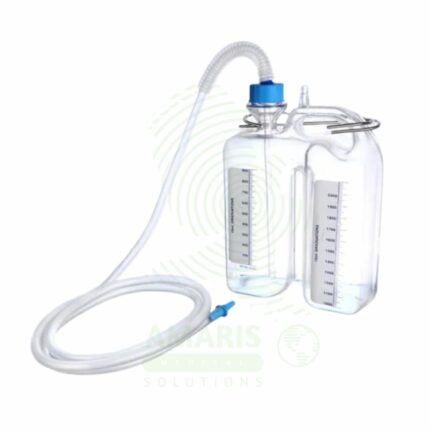
Chest Bottle
A Chest Bottle (Underwater Seal Drainage System) is a three-chamber disposable device used to drain air and fluid from the pleural space via a chest tube. Its critical component is a water seal chamber that acts as a one-way valve, preventing air from re-entering the chest while allowing drainage. It is used to treat pneumothorax, hemothorax, and pleural effusions, and is mandatory post-thoracic surgery. The system must always be kept upright and below the patient's chest level. It provides essential clinical information through tidaling in the water seal (indicating tube patency and lung expansion) and bubbling (indicating an air leak), making it both a therapeutic and diagnostic tool.
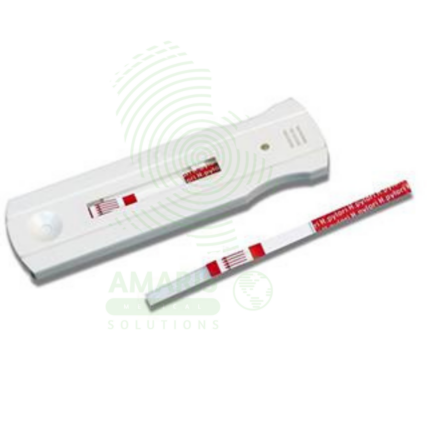
H. pylori Test Strips
H. pylori Test Strips are rapid, lateral flow immunochromatographic devices used for the qualitative detection of Helicobacter pylori antigens in human stool. As a non-invasive stool antigen test (SAT), it provides a convenient and reliable method for diagnosing active H. pylori infection and confirming eradication after therapy, with results available in under 15 minutes. Ideal for use in clinics and outpatient settings, it aids in the management of dyspepsia and peptic ulcer disease. Proper sample handling, adherence to pre-test medication restrictions, and strict biohazard precautions are essential for obtaining accurate results.
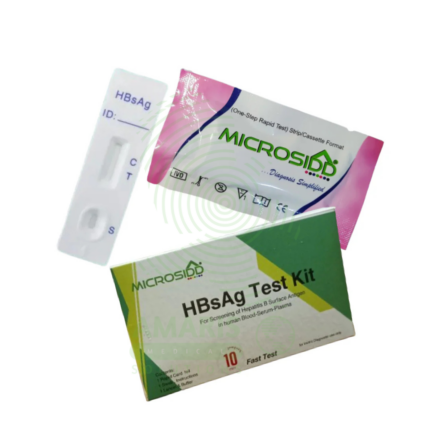
Hepatitis B Test Kit
The Hepatitis B Test Kit is an in vitro diagnostic device for the detection of Hepatitis B virus markers in human blood samples, available in rapid, ELISA, and molecular formats. It detects specific antigens (HBsAg) and antibodies (anti-HBc, anti-HBs) to diagnose acute and chronic infection, monitor treatment response, screen blood donations, and determine immunity status. With high sensitivity (>98%) and specificity (>99%), it provides results in 15 minutes to 4 hours depending on format. Essential applications include prenatal screening to prevent mother-to-child transmission, evaluation of acute hepatitis, pre-immunosuppression screening, and occupational health testing. All patient samples must be handled with universal precautions, and testing must include appropriate quality controls.
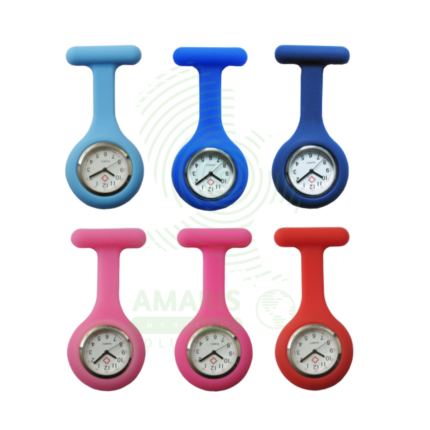
Nurse Watch
A Nurse Watch is a professional-grade analog wristwatch specifically designed for clinical use. Its hallmark is a built-in "pulsometer" scale that allows for rapid, on-the-spot calculation of a patient's heart rate by timing pulses over a short interval. Featuring a high-contrast dial with a clear sweep second hand, durable water-resistant construction, and a cleanable band, it is engineered for accuracy, legibility, and infection control in healthcare settings. It is an indispensable personal tool for nurses, enabling precise measurement of vital signs, timing of medications and procedures, and accurate clinical documentation throughout the shift.
Thermal Printing Paper Roll
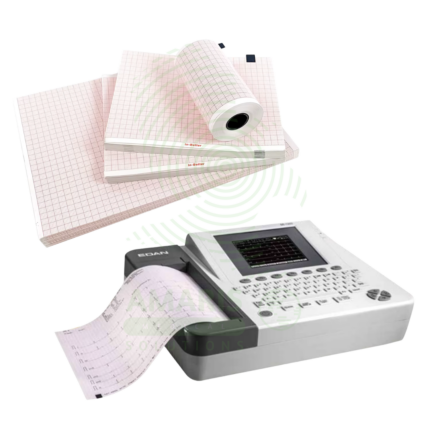
Thermal Printing Paper Roll is a heat-sensitive recording medium used with medical monitoring and diagnostic equipment including ECG machines, fetal monitors, ultrasound printers, and telemetry systems. The paper produces high-contrast, permanent images of physiological waveforms and data when passed over the printer's thermal head. Available in various widths, lengths, and grid patterns to match specific device requirements, it is an essential consumable for creating hard copy records for patient charts, consultation, and legal documentation. Proper storage away from light, heat, and moisture is essential to preserve image quality. BPA-free and archival-grade options are available for specific applications.
Ultrasound Gel
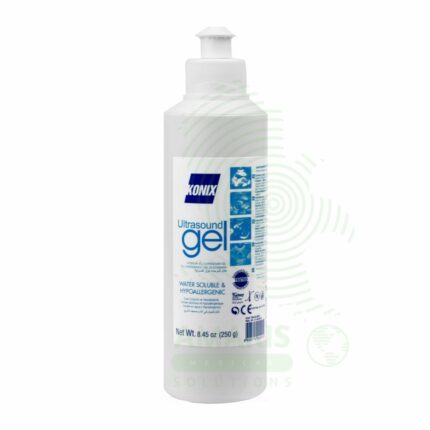
Ultrasound Gel is a water-based, hypoallergenic, acoustically conductive coupling medium essential for diagnostic and therapeutic ultrasound procedures. It eliminates air pockets between the transducer and skin, creating an efficient acoustic pathway for sound wave transmission and reception. Formulated to match the acoustic impedance of human tissue, it ensures high-quality imaging while providing lubrication for smooth probe movement and patient comfort. Available in standard, sterile, and hypoallergenic formulations, it is a single-use consumable critical for all ultrasound examinations. Proper storage, handling, and selection of appropriate sterile versus non-sterile formulations are essential for patient safety and image quality.
Vacutainer Needle Holder
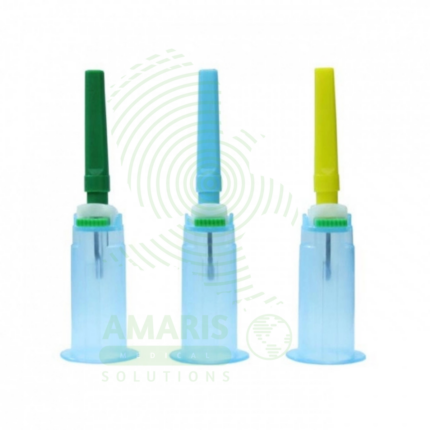
A Vacutainer Needle Holder is a disposable plastic device (Class I/II medical device) used to securely hold double-ended blood collection needles and evacuated tubes during venipuncture, enabling safe and efficient collection of multiple blood specimens from a single venipuncture. Made from medical-grade ABS plastic or polypropylene, latex-free, approximately 12 cm length, with threaded end for needle attachment and flanged opening with flexible fingers to securely hold standard evacuated tubes (13 × 75 mm, 16 × 100 mm). Compatible with all standard double-ended needles and safety-engineered needles. Primary clinical applications include blood collection for laboratory testing (hematology, chemistry, coagulation, blood banking), multiple tube collection from single venipuncture, standardized venipuncture procedures, infection control (works with safety needles), and phlebotomy training. Critical safety precautions include single-use only (never reuse), secure needle attachment, immediate disposal of an entire unit with a needle in a sharps container, never recapping needles, and inspection for damage before use. Essential components of blood collection systems in hospitals, clinics, and laboratories.