Dermatoscope and Magnifiers
 Diagnostic Kits
 Vital Signs Monitors
 Stethoscopes and Accessories
 Otoscopes, Ophthalmoscopes, and Retinoscopes
 Reflex Hammers and Neurological Tools
 Scales and Measuring Devices
 Spirometers and Pulmonary Function Tests
 Electrosurgical Units and Accessories
 Cutting Instruments
 Grasping and Holding Instruments
 Hemostatic Instruments
 Specialized Surgical Sets
 Single-Use Procedure Trays and Packs
 Surgical Drapes, Gowns, and Covers
 Tissue Unifying Instruments
 Radiation Protection
 X-Ray Machines and Accessories
 Ultrasound Systems and Probes
 MRI and CT Scanners
 Radiology Consumables
 Bone Densitometers
 Fluoroscopy Equipment
 Imaging Tables and Positioning Aids
 Microscopes and Accessories
 Centrifuges and Separators
 Analyzers
 Incubators and Ovens
 Pipettes, Dispensers, and Lab Glassware
 Refrigerators, Freezers, and Storage Units
 Lab Consumables
 Sterilizers and Autoclaves for Lab Use
 Multi-Parameter Monitors
 Ventilators and Respiratory Support Devices
 Defibrillators and AEDs
 Infusion Pumps and IV Systems
 Patient Warmers and Cooling Devices
 Central Monitoring Stations
 Accessories
 Anesthesia Machines and Workstations
 Oxygen Concentrators and Delivery Systems
 Nebulizers and Inhalers
 CPAP/BiPAP Machines
 Airway Management
 Anesthesia Masks, Circuits, and Bags
 Humidifiers and Heaters
 Respiratory Therapy Accessories
 First Aid Kits and Cabinets
 Emergency Resuscitation Equipment
 Trauma Supplies
 Emergency Carts and Crash Carts
 Burn Care Products
 Bleeding Control
 Automated External Defibrillators (AEDs)
 Transport and Evacuation
 Wheelchairs and Accessories
 Walkers, Crutches, and Canes
 Prosthetics and Orthotics
 Physical Therapy Equipment
 Transfer Devices
 Bathroom Safety
 Orthopedic Traction and Tables
 Hot/Cold Therapy Packs and Units
 Beds and Mattresses
 Chairs and Stools
 Tables
 Cabinets and Storage
 Privacy Screens & Curtains
 Stands and Racks
 Linens and Textiles
 Lighting
 Autoclaves and Sterilizers
 Ultrasonic Cleaners
 Disinfectant Solutions and Wipes
 Sterilization Pouches, Wraps, and Indicators
 Instrument Trays and Containers
 UV and Ozone Disinfection Devices
 Washer Disinfectors
 Wound Care
 Gloves
 Masks and Respirators
 Catheters and Tubing
 Swabs, Applicators, and Sponges
 Incontinence Products
 Personal Protective Equipment (PPE)
 Dental Chairs and Units
 Handpieces and Burs
 Instruments
 Consumables
 Sterilization for Dental Use
 Orthodontic Supplies
 Endodontic Tools
 Slit Lamps and Tonometers
 Lensometers and Phoropters
 Ophthalmic Surgical Instruments
 Eyewear Frames and Lenses
 Contact Lens Supplies
 Vision Testing Charts and Devices
 Eye Care Consumables
 Laser Systems for Eye Care
 ENT Exam Chairs and Tables
 Endoscopes
 Audiometers and Hearing Tests
 ENT Instruments
 Nasal and Throat Packs
 Hearing Aids and Accessories
 Otology Supplies
 Fetal Dopplers and Monitors
 Delivery Beds and Tables
 Gynecological Instruments
 Neonatal Incubators and Warmers
 Breast Pumps and Accessories
 Contraceptive Devices
 Maternity Supports and Pads
 Neonatal Consumables
 Cystoscopes and Urethroscopes
 Dialysis Machines and Supplies
 Urological Catheters and Bags
 Lithotripters
 Prostate Treatment Devices
 Urinary Incontinence Products
 Kidney Stone Management Tools
 Consumables & Disposables
 EEG and EMG Machines
 Neurosurgical Instruments
 Nerve Stimulators
 Headrests and Positioning Aids
 Lumbar Puncture Kits
 Seizure Monitoring Devices
 Consumables
 Rehabilitation for Neurological Conditions
 ECG Machines and Accessories
 Holter Monitors
 Stress Test Systems
 Pacemakers and Defibrillator Accessories
 Vascular Access Devices
 Cardiac Catheters and Guidewires
 Blood Flow Meters
 Consumables
 Orthopedic Instruments
 Casts, Splints, and Padding
 Joint Replacement Supplies
 Prosthetic Limbs and Components
 Bone Grafts and Substitutes
 Traction Devices
 Orthopedic Braces and Supports
 Rehabilitation Aids for Orthopedics
 Home Oxygen Therapy
 Hospital Beds for Home Use
 Mobility Aids
 Bathroom and Daily Living Aids
 Wound Care for Home
 Monitoring Devices
 Enteral Feeding Pumps and Tubes
 Hand Sanitizers and Dispensers
 Face Shields and Goggles
 Isolation Gowns and Suits
 Biohazard Waste Containers
 Air Purifiers and HEPA Filters
 Surface Disinfectants
 Sharps Containers
 Protective Barriers
 Cardiovascular & Endurance Training
 Strength Training & Weightlifting
 Functional Training & Core Conditioning
 Physical Therapy & Rehabilitation
 Sports & Outdoor Recreation
 Gym Flooring & Facility Equipment
 Fitness Monitoring & Accessories
 Kids & Novelties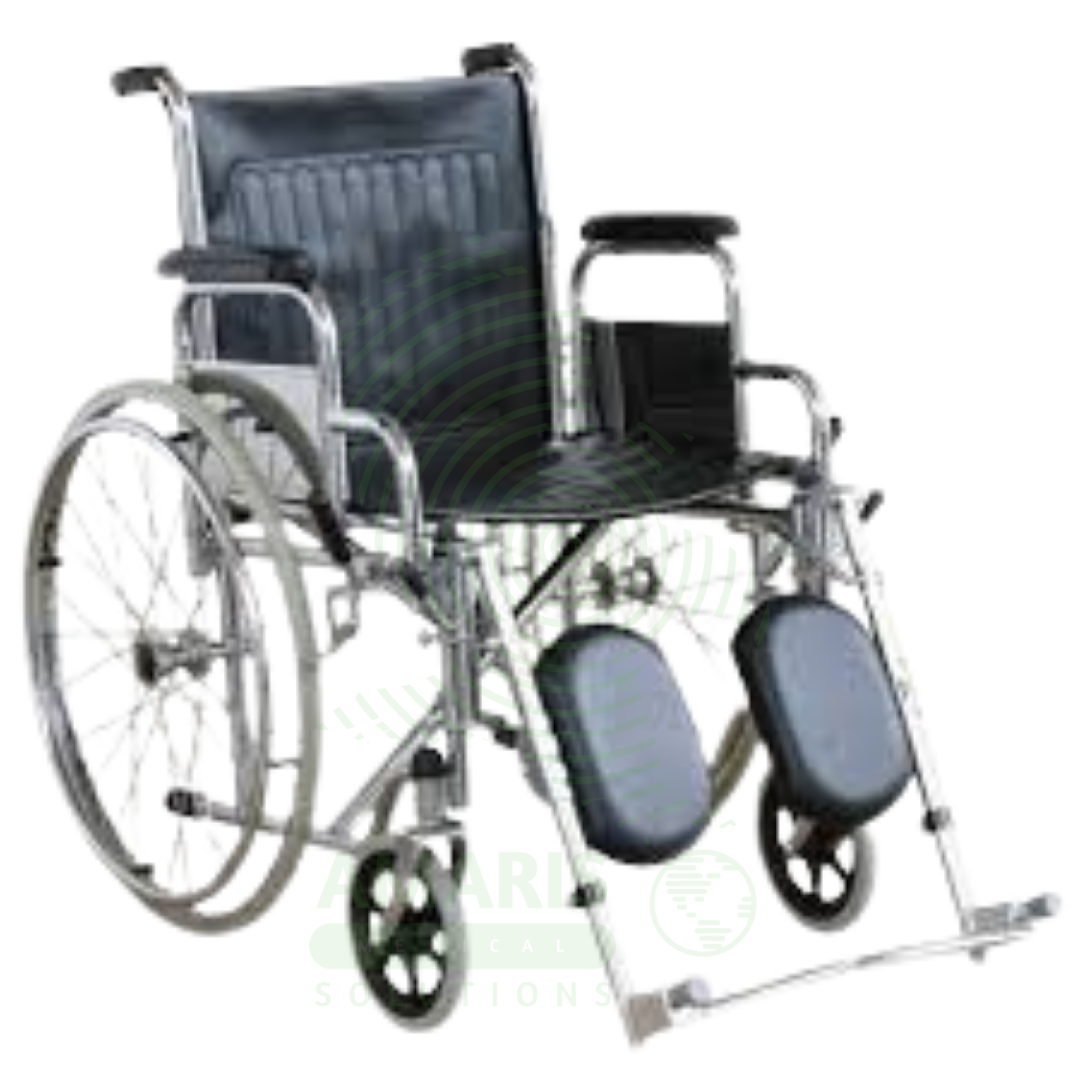
Detachable Wheelchair
WhatsApp Order
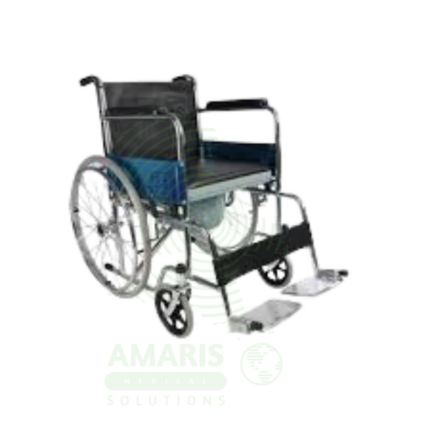
A Detachable Wheelchair is a manual wheelchair designed for easy disassembly and transport. Its key feature is a folding X-frame and quick-release wheels, allowing it to break down into compact parts for storage in car trunks or small spaces. While offering superior portability and convenience for travel and occasional use, it is generally less efficient for long-distance self-propulsion than a rigid-frame wheelchair. Safety depends on ensuring all components, especially wheels and frame locks, are securely assembled before each use.
Description
Detachable Wheelchair
PRIMARY CLINICAL & DIAGNOSTIC USES
1. Transportable Mobility for Community Access and Travel
-
Primary Use: Provides full wheelchair functionality in a package that can be easily disassembled into smaller, lighter parts for storage in a car trunk, on public transport, or during air travel, enabling users to maintain mobility away from home.
-
How it helps: For the occupational therapist and travel mobility specialist, the detachable wheelchair solves the fundamental problem of how to maintain independence when away from home—breaking down into manageable pieces that fit in a standard car trunk, comply with airline baggage requirements, and can be stored in hotel rooms. For the user who values their independence, a detachable wheelchair means they can visit family, take vacations, attend events, and live a full life without being confined to the places their standard wheelchair can reach.
2. Space-Efficient Storage in Homes and Vehicles
-
Primary Use: Designed for users and caregivers with limited storage space, it can be broken down and stored in a closet, under a bed, or in a compact car, unlike bulky rigid-frame wheelchairs.
-
How it helps: For the home care coordinator and family living in smaller spaces, a detachable wheelchair means mobility equipment no longer dominates the living area—the chair can live in a closet when not needed and emerge ready for use when it is. For the user navigating a small apartment or shared living situation, having a wheelchair that doesn’t permanently occupy valuable floor space preserves both function and dignity.
3. Backup or Occasional-Use Mobility Solution
-
Primary Use: Ideal for individuals who do not require a wheelchair full-time but need one for longer outings, specific events, or during periods of increased fatigue or pain.
-
How it helps: For the physiatrist and rehabilitation specialist managing patients with fluctuating mobility needs, a detachable wheelchair offers a flexible solution—available for days when fatigue is high, pain is flaring, or long distances must be covered, yet easily stored away when not needed. For the individual with multiple sclerosis, COPD, or arthritis whose mobility varies day to day, having a wheelchair that deploys when needed and disappears when not means they can maintain their active lifestyle without committing to full-time chair use.
4. Facilitation of Air Travel and Holiday Mobility
-
Primary Use: The detachable design is often compatible with airline requirements for gate-checking or storage, and makes it practical to take on trips where mobility is required at the destination.
-
How it helps: For the travel medicine specialist and disability travel advocate, a detachable wheelchair opens up the world to individuals with mobility limitations—complying with airline regulations, fitting into rental cars, and providing independence at destinations that may not offer accessible equipment. For the traveler with disabilities, having their own chair that travels with them means they can explore new places with confidence, knowing they won’t be stranded without mobility at their destination.
SECONDARY & SUPPORTIVE USES
1. Rental and Loaner Equipment: Commonly used by medical equipment rental companies due to its adjustable, one-size-fits-many design and easy transport for delivery. For the facility serving multiple patients, detachable chairs simplify inventory management and delivery logistics.
2. Therapy and Rehabilitation Centers: Used in clinics where equipment needs to be stored compactly or transported between locations. For the therapist working across multiple sites, a chair that breaks down easily expands treatment options.
3. Emergency Preparedness: Kept as a backup mobility device in case of injury or for assisting visitors with temporary mobility needs. For facilities and families, having a stored detachable chair means being prepared for unexpected mobility challenges.
4. Pediatric Growth Accommodation: Some detachable pediatric wheelchairs allow for incremental size adjustments to accommodate a child’s growth over several years. For parents facing the expense of frequent equipment replacements, a chair that grows with their child provides both practical and financial relief.
KEY PRODUCT FEATURES
1. BASIC IDENTIFICATION ATTRIBUTES
-
Product Type: A manual wheelchair specifically engineered to be taken apart into major components without tools for transport and storage. Often called a folding wheelchair or transit wheelchair.
-
Core Design: Features a folding X-frame (cross-brace) that allows the wheelchair to collapse sideways, and components like wheels, footrests, and sometimes the seat, which can be quickly detached.
-
Key Components:
-
Folding X-Frame: The central folding mechanism using a scissor-style cross-brace.
-
Quick-Release Axles: Push-button axles that allow the rear wheels to be removed instantly.
-
Swing-Away/Removable Footrests: Footrests that flip up or detach entirely.
-
Detachable or Folding Backrest: Some models have a backrest that folds down or is removable.
-
Removable Armrests: Often flip-up or detachable.
-
Carrying Bag: Many include a dedicated bag for transporting the disassembled parts.
-
2. TECHNICAL & PERFORMANCE PROPERTIES
-
Foldability: The frame collapses to a width of 10-12 inches (25-30 cm).
-
Weight: Lighter than rigid wheelchairs, typically 30-45 lbs (14-20 kg) for standard models, with ultra-lightweight versions available.
-
Assembly/Disassembly Time: Designed for rapid breakdown, often under 60 seconds with practice.
-
Weight Capacity: Standard capacities of 250-300 lbs (113-136 kg).
3. PHYSICAL & OPERATIONAL PROPERTIES
-
Construction: Frame is typically aluminum. Upholstery is vinyl or nylon.
-
Performance Trade-off: The folding frame has more flex and is generally less energy-efficient for self-propulsion over long distances compared to a rigid frame, making it more suited for attendant pushing or short-term self-use.
-
Adjustability: Often has limited adjustability compared to high-end rigid chairs.
4. SAFETY & COMPLIANCE ATTRIBUTES
-
Regulatory Status: Class I medical device.
-
Safety Standards: Must comply with wheelchair safety and performance standards (e.g., ISO 7176). Quick-release mechanisms must be secure.
5. STORAGE & HANDLING ATTRIBUTES
-
Storage: Should be stored clean and dry, preferably folded and/or disassembled.
-
Cleaning & Disinfection: Standard cleaning of frame and upholstery. Pay attention to crevices in the folding mechanism.
-
Maintenance: Regular inspection of the cross-brace pins and hinges, quick-release axles, and folding mechanism for wear or looseness.
6. LABORATORY & CLINICAL APPLICATIONS
-
Primary Application: A practical mobility solution prioritizing transportability and storage over high-performance propulsion. It is the most common type of wheelchair for occasional users, travelers, and those who rely on vehicular transport.
SAFETY HANDLING PRECAUTIONS
1. SAFETY PRECAUTIONS
-
Secure Assembly (CRITICAL): Ensure the frame is fully opened and locked, wheels are securely clicked onto the axles, and all pins are engaged before use. A loose wheel or collapsed frame during use can cause a serious fall.
-
Weight Limit Adherence: Do not exceed the stated capacity, as the folding joints are stress points.
-
Brake Function: Test brakes after assembly, as the folding action can sometimes affect brake cable tension.
-
Proper Lifting Technique: When lifting the disassembled or folded chair, use proper biomechanics to avoid caregiver injury.
2. FIRST AID MEASURES
-
Frame Collapse during Use: If the frame folds unexpectedly, carefully lower the user to the ground if possible. Do not attempt to use the chair until the locking mechanism is repaired.
-
Wheel Detachment: If a quick-release wheel comes off, stabilize the user and reattach the wheel securely. Check the axle mechanism for damage.
3. FIRE FIGHTING MEASURES
-
Flammability: Upholstery and tires are combustible.
-
Extinguishing Media: Use water, foam, or CO₂.
Related products
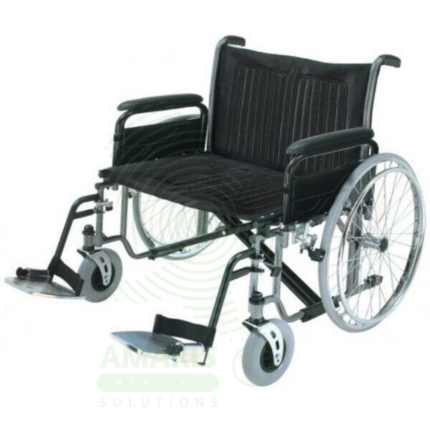
Extra Wide Wheelchair
An Extra Wide Wheelchair is a heavy-duty manual wheelchair designed with a seat width greater than 20 inches to safely and comfortably accommodate bariatric patients or individuals with unique seating needs. Key features include a reinforced wide frame, high weight capacity, wide footrests, and robust components. Its primary use is to provide dignified and stable mobility for patients of size, though its increased dimensions require careful planning for doorway accessibility and make it heavier and less maneuverable than standard chairs. It is a fundamental tool for safe patient handling in bariatric care.
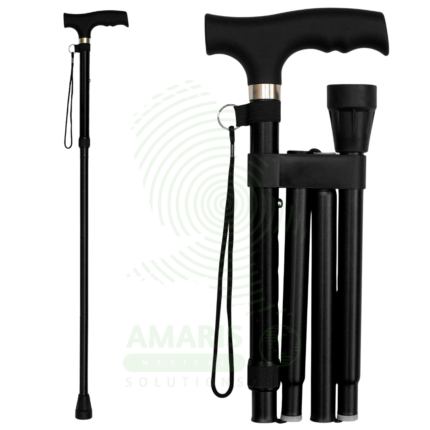
Foldable Walking Stick
A Foldable Walking Stick combines a stabilizing four-point base with a multi-section shaft that folds for compact storage and portability. It is designed for individuals who need reliable stability for moderate balance or weight-bearing issues but also require a discreet, transportable aid for use in the community. Key safety features include secure segment locking mechanisms and a quad base that must be placed flat. It is ideal for travel, occasional use, and active seniors, but requires diligent checking of all locks before each use to prevent collapse.
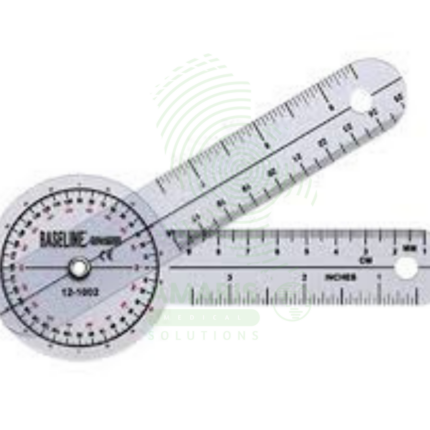
Goniometer
A goniometer is a calibrated, handheld measuring instrument designed to precisely quantify joint range of motion in degrees. Essential for physical and occupational therapy, orthopedic assessment, and rehabilitation medicine, it consists of a protractor-like body with two arms—one stationary, one movable—that align with the patient's limb segments. Available in various sizes for different joints (from fingers to hips) and in materials including transparent plastic, stainless steel, and digital formats, it transforms subjective observations of mobility into objective, reproducible data. This fundamental clinical tool guides diagnosis, documents treatment progress, supports disability determinations, and provides the evidence base for therapeutic interventions.
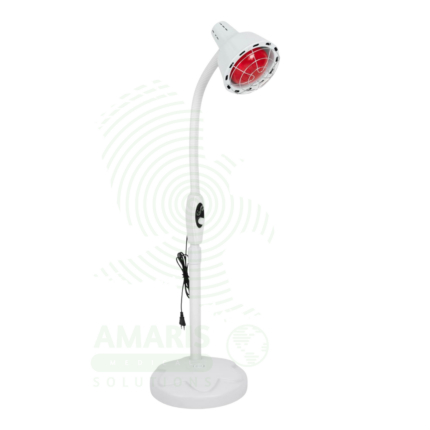
Infrared Therapy Lamp Stand
An Infrared Therapy Lamp Stand is a professional-grade, floor-standing device that emits broad-spectrum infrared radiation to deliver deep-heat therapy to large areas of the body. Designed for clinical use in physical therapy, chiropractic, and pain management clinics, it features adjustable height and tilt panels on a stable, mobile stand for targeted treatment of the back, shoulders, and legs. Its primary uses include pain relief for musculoskeletal conditions, tissue warming for rehabilitation, and promoting muscle relaxation. Safe operation requires strict adherence to contraindications, treatment time/distance guidelines, and continuous patient monitoring to prevent burns or overheating.
Orthopedic Commode Chair
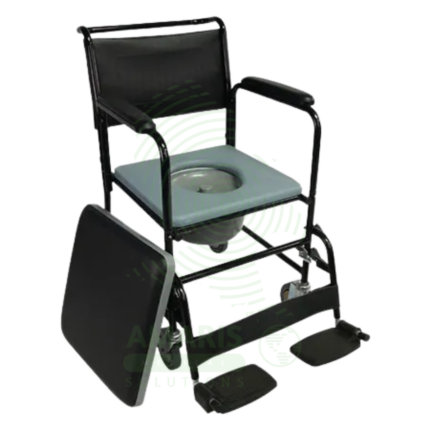
An Orthopedic Commode Chair is a specialized hybrid device designed for patients with lower limb injuries or surgeries requiring non-weight-bearing status. It combines an extended-frame orthopedic wheelchair with an elevating leg rest and a commode seat, allowing for simultaneous fracture management (leg elevation/immobilization), pressure sore prevention (heel off-loading), and safe, hygienic toileting without dangerous transfers. Its use mandates the constant engagement of anti-tip levers due to a high risk of backwards tipping and requires careful navigation of its substantial length.
Reclining Commode Wheelchair
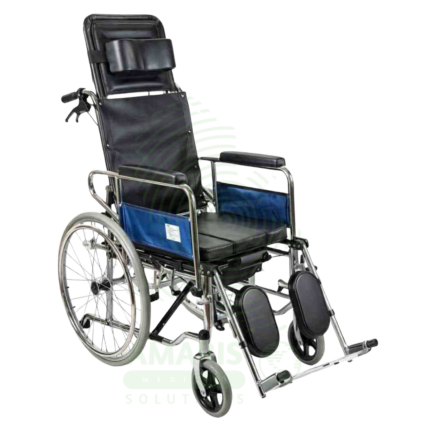
A Reclining Commode Wheelchair is a complex manual chair that integrates a reclining backrest with a commode seat. It is designed for patients who require adjustable positioning for pressure relief, respiratory support, or comfort, and who need a built-in toileting solution. It addresses the needs of individuals with severe neurological conditions, spinal injuries, or advanced illnesses. Critical safety features include anti-tip levers, a mandatory seat belt, and a robust recline lock. Its use requires vigilant attention to stability and shear prevention, making it a specialized tool for high-dependency care settings.
Rollator Walking Aid
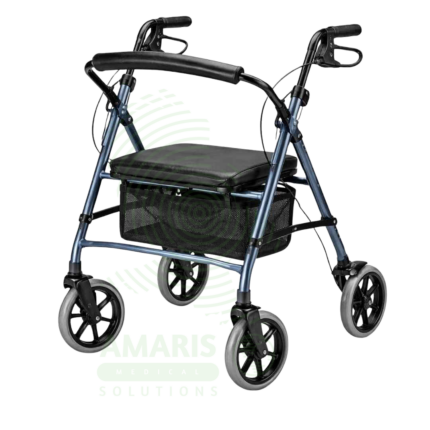
A Rollator Walking Aid is a wheeled walking aid with hand brakes, a seat, and a storage basket, designed to provide stability, rest, and carrying capacity for individuals with balance or endurance issues. It allows for continuous, rolling support during walking, making it ideal for both indoor and community mobility. Key safety features include height-adjustable handles, reliable hand brakes for speed control, and a locking function to secure the device when using the seat. It is a fundamental tool for promoting safe, independent ambulation and social participation among the elderly and those with mobility impairments.