Dermatoscope and Magnifiers
 Diagnostic Kits
 Vital Signs Monitors
 Stethoscopes and Accessories
 Otoscopes, Ophthalmoscopes, and Retinoscopes
 Reflex Hammers and Neurological Tools
 Scales and Measuring Devices
 Spirometers and Pulmonary Function Tests
 Electrosurgical Units and Accessories
 Cutting Instruments
 Grasping and Holding Instruments
 Hemostatic Instruments
 Specialized Surgical Sets
 Single-Use Procedure Trays and Packs
 Surgical Drapes, Gowns, and Covers
 Tissue Unifying Instruments
 Radiation Protection
 X-Ray Machines and Accessories
 Ultrasound Systems and Probes
 MRI and CT Scanners
 Radiology Consumables
 Bone Densitometers
 Fluoroscopy Equipment
 Imaging Tables and Positioning Aids
 Microscopes and Accessories
 Centrifuges and Separators
 Analyzers
 Incubators and Ovens
 Pipettes, Dispensers, and Lab Glassware
 Refrigerators, Freezers, and Storage Units
 Lab Consumables
 Sterilizers and Autoclaves for Lab Use
 Multi-Parameter Monitors
 Ventilators and Respiratory Support Devices
 Defibrillators and AEDs
 Infusion Pumps and IV Systems
 Patient Warmers and Cooling Devices
 Central Monitoring Stations
 Accessories
 Anesthesia Machines and Workstations
 Oxygen Concentrators and Delivery Systems
 Nebulizers and Inhalers
 CPAP/BiPAP Machines
 Airway Management
 Anesthesia Masks, Circuits, and Bags
 Humidifiers and Heaters
 Respiratory Therapy Accessories
 First Aid Kits and Cabinets
 Emergency Resuscitation Equipment
 Trauma Supplies
 Emergency Carts and Crash Carts
 Burn Care Products
 Bleeding Control
 Automated External Defibrillators (AEDs)
 Transport and Evacuation
 Wheelchairs and Accessories
 Walkers, Crutches, and Canes
 Prosthetics and Orthotics
 Physical Therapy Equipment
 Transfer Devices
 Bathroom Safety
 Orthopedic Traction and Tables
 Hot/Cold Therapy Packs and Units
 Beds and Mattresses
 Chairs and Stools
 Tables
 Cabinets and Storage
 Privacy Screens & Curtains
 Stands and Racks
 Linens and Textiles
 Lighting
 Autoclaves and Sterilizers
 Ultrasonic Cleaners
 Disinfectant Solutions and Wipes
 Sterilization Pouches, Wraps, and Indicators
 Instrument Trays and Containers
 UV and Ozone Disinfection Devices
 Washer Disinfectors
 Wound Care
 Gloves
 Masks and Respirators
 Catheters and Tubing
 Swabs, Applicators, and Sponges
 Incontinence Products
 Personal Protective Equipment (PPE)
 Dental Chairs and Units
 Handpieces and Burs
 Instruments
 Consumables
 Sterilization for Dental Use
 Orthodontic Supplies
 Endodontic Tools
 Slit Lamps and Tonometers
 Lensometers and Phoropters
 Ophthalmic Surgical Instruments
 Eyewear Frames and Lenses
 Contact Lens Supplies
 Vision Testing Charts and Devices
 Eye Care Consumables
 Laser Systems for Eye Care
 ENT Exam Chairs and Tables
 Endoscopes
 Audiometers and Hearing Tests
 ENT Instruments
 Nasal and Throat Packs
 Hearing Aids and Accessories
 Otology Supplies
 Fetal Dopplers and Monitors
 Delivery Beds and Tables
 Gynecological Instruments
 Neonatal Incubators and Warmers
 Breast Pumps and Accessories
 Contraceptive Devices
 Maternity Supports and Pads
 Neonatal Consumables
 Cystoscopes and Urethroscopes
 Dialysis Machines and Supplies
 Urological Catheters and Bags
 Lithotripters
 Prostate Treatment Devices
 Urinary Incontinence Products
 Kidney Stone Management Tools
 Consumables & Disposables
 EEG and EMG Machines
 Neurosurgical Instruments
 Nerve Stimulators
 Headrests and Positioning Aids
 Lumbar Puncture Kits
 Seizure Monitoring Devices
 Consumables
 Rehabilitation for Neurological Conditions
 ECG Machines and Accessories
 Holter Monitors
 Stress Test Systems
 Pacemakers and Defibrillator Accessories
 Vascular Access Devices
 Cardiac Catheters and Guidewires
 Blood Flow Meters
 Consumables
 Orthopedic Instruments
 Casts, Splints, and Padding
 Joint Replacement Supplies
 Prosthetic Limbs and Components
 Bone Grafts and Substitutes
 Traction Devices
 Orthopedic Braces and Supports
 Rehabilitation Aids for Orthopedics
 Home Oxygen Therapy
 Hospital Beds for Home Use
 Mobility Aids
 Bathroom and Daily Living Aids
 Wound Care for Home
 Monitoring Devices
 Enteral Feeding Pumps and Tubes
 Hand Sanitizers and Dispensers
 Face Shields and Goggles
 Isolation Gowns and Suits
 Biohazard Waste Containers
 Air Purifiers and HEPA Filters
 Surface Disinfectants
 Sharps Containers
 Protective Barriers
 Cardiovascular & Endurance Training
 Strength Training & Weightlifting
 Functional Training & Core Conditioning
 Physical Therapy & Rehabilitation
 Sports & Outdoor Recreation
 Gym Flooring & Facility Equipment
 Fitness Monitoring & Accessories
 Kids & Novelties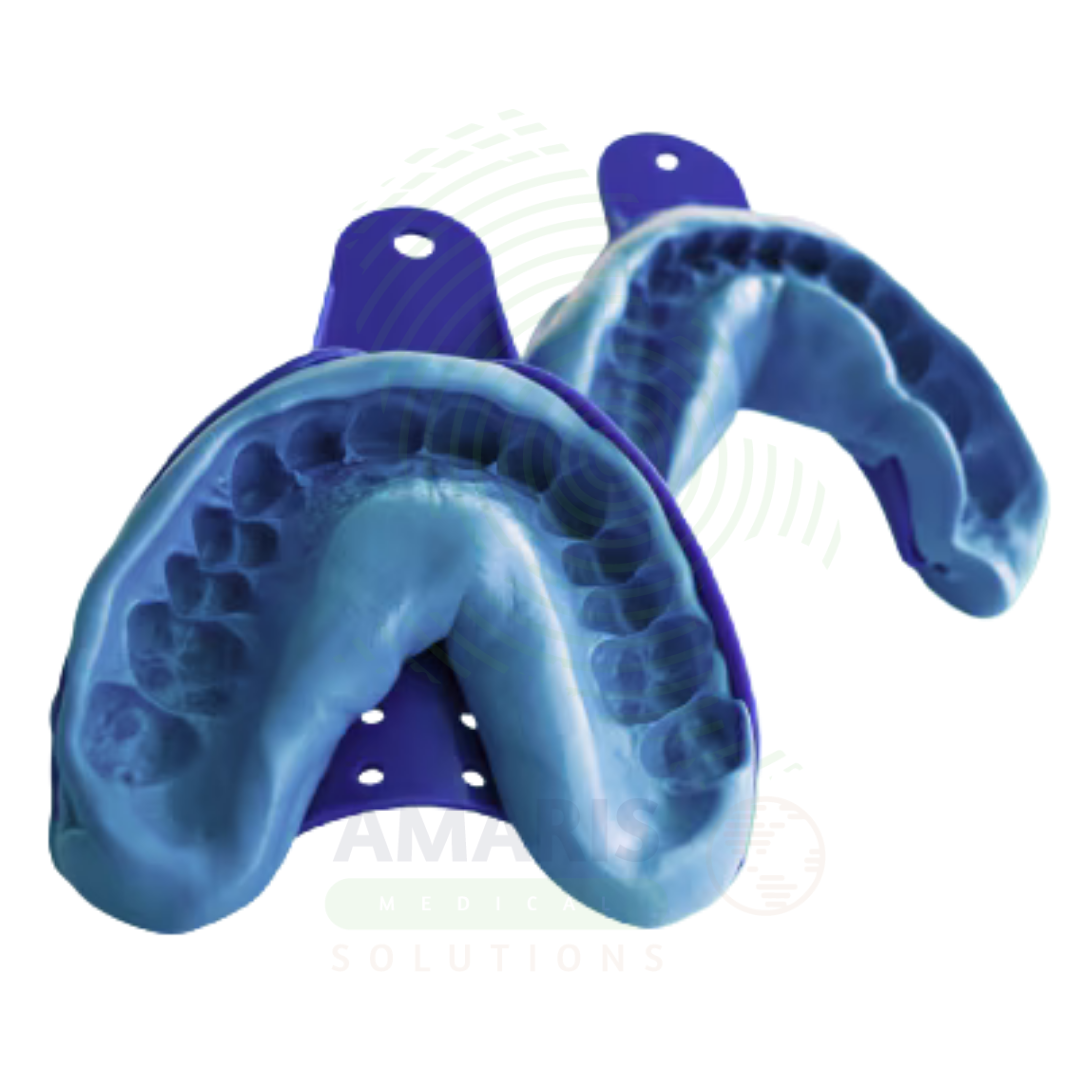
Alginate
$1.00
WhatsApp Order
Alginate is an irreversible hydrocolloid impression material derived from seaweed, used primarily for taking fast, accurate, and economical preliminary impressions in dentistry. Valued for its ease of mixing, patient comfort, and good surface detail reproduction, it is the standard for creating study models, diagnostic casts, and custom trays. Its critical limitation is poor dimensional stability due to its water-based nature, requiring the impression to be poured in stone immediately to avoid shrinkage. As a hydrophilic material, it is technique-sensitive but remains an indispensable workhorse for initial records in general practice, orthodontics, and prosthodontics.
Description
Alginate
PRIMARY CLINICAL & DIAGNOSTIC USES
1. Making Preliminary Impressions for Removable Prosthodontics
-
Primary Use: Takes accurate, detailed preliminary impressions of the edentulous or partially edentulous dental arches to fabricate diagnostic casts, custom impression trays, temporary dentures, and orthodontic appliances.
-
How it helps: For the dentist and prosthodontist, alginate provides a fast, affordable, and accurate material for capturing the initial arch form—enabling the fabrication of study models essential for treatment planning and appliance fabrication. For the patient, this means efficient, comfortable impressions that serve as the foundation for successful removable prostheses.
2. Taking Impressions for Diagnostic Models
-
Primary Use: Creates study models for treatment planning, case presentation, monitoring treatment progress, and for patient records.
-
How it helps: For the clinician, diagnostic models provide a tangible representation of the patient’s oral anatomy—allowing for accurate treatment planning, patient communication, and documentation of pre-treatment conditions. For the patient, this enables visualization of their condition and proposed treatment, supporting informed decision-making.
3. Fabrication of Custom Trays
-
Primary Use: Impressions are poured in plaster to create a stone model, on which a custom acrylic or light-cured resin tray is fabricated for final, more precise impressions with other materials.
-
How it helps: For the dentist, alginate impressions provide the foundation for creating custom trays that ensure optimal fit and accuracy for final impressions. For the patient, custom trays made from alginate models contribute to better-fitting final restorations.
4. Orthodontic Study Models
-
Primary Use: Standard material for obtaining initial impressions to create pre-treatment study models essential for orthodontic diagnosis and planning.
-
How it helps: For the orthodontist, study models provide the three-dimensional representation needed for arch analysis, space assessment, and treatment planning. For the patient, these models help visualize the orthodontic plan and serve as records of the pre-treatment condition.
5. Obtaining Impressions for Opposing Dental Arches
-
Primary Use: Routinely used to take an impression of the opposing arch to articulate models correctly on a dental articulator.
-
How it helps: For the clinician, opposing arch impressions ensure accurate mounting of models for proper occlusal analysis and restoration fabrication. For the patient, this contributes to restorations that fit harmoniously with their existing dentition.
6. Capturing Accurate Anatomical Detail
-
Primary Use: The material’s flowability captures fine anatomical details including gingival margins, frenal attachments, and palatal rugae essential for diagnostic evaluation.
-
How it helps: For the dentist, alginate’s ability to flow into undercuts and capture fine detail provides comprehensive anatomical records. For the patient, this means diagnostic models that accurately represent their oral structures.
7. Fast Setting Time for Efficient Workflow
-
Primary Use: Sets in 2-5 minutes, allowing for rapid impression taking and efficient clinical workflow.
-
How it helps: For the clinician, fast setting times reduce chair time and improve practice efficiency. For the patient, this means shorter impression appointments and less time with material in the mouth.
8. Hydrophilic Properties for Moist Environments
-
Primary Use: Naturally hydrophilic, alginate works well in the moist oral environment, flowing readily over tissues and capturing detail even in the presence of saliva.
-
How it helps: For the dentist, alginate’s hydrophilic nature ensures good flow and detail reproduction even in areas with moisture. For the patient, this means accurate impressions without the need for extensive drying procedures.
9. Economical and Disposable
-
Primary Use: Cost-effective material that is used as a single-use disposable impression material, eliminating the need for cleaning and sterilization.
-
How it helps: For the dental practice, alginate provides an affordable impression material with no sterilization costs. For the patient, this contributes to overall treatment affordability.
10. Comfortable for Patients
-
Primary Use: Non-toxic, non-irritating, and has a pleasant taste and texture that improves patient acceptance compared to other impression materials.
-
How it helps: For the clinician, improved patient acceptance facilitates easier impression taking. For the patient, this means a more pleasant, less anxiety-provoking impression experience.
11. Ease of Removal
-
Primary Use: Has adequate flexibility to be removed from undercuts without tearing when properly manipulated, yet sufficient rigidity to capture detail.
-
How it helps: For the dentist, proper alginate consistency allows for removal from undercuts without tearing. For the patient, this means complete impressions without the discomfort of tearing or need for retakes.
12. Compatibility with Gypsum Products
-
Primary Use: Compatible with dental plasters, stones, and die materials used to pour diagnostic casts and working models.
-
How it helps: For the clinician, this compatibility ensures accurate casts with predictable expansion and setting characteristics. For the patient, this contributes to accurately fabricated appliances and restorations.
SECONDARY & SUPPORTIVE USES
1. Preliminary Impressions for Crown and Bridge: May be used for single-unit crown or short-span bridge impressions where extreme precision is not the primary goal, often for temporization or in emergency treatments. For the dentist, this provides a quick, economical option for preliminary planning; for the patient, this enables efficient emergency care and treatment planning.
2. Impressions for Sports Mouthguards and Night Guards: Used to create models over which protective mouthguards or occlusal splints are vacuum-formed or fabricated. For the clinician, alginate provides the accurate models needed for guard fabrication; for the patient, this ensures properly fitting protective appliances.
3. Facial Moulages: In maxillofacial prosthetics, alginate can be used to take impressions of facial features for creating prosthetic ears, noses, or ocular prostheses. For the maxillofacial prosthetist, alginate provides a safe, comfortable material for facial impressions; for the patient, this enables the creation of lifelike facial prostheses.
4. Recording Tissue Conditioner Molds: Used to take an impression over a tissue conditioning material in a denture to record the mucosal surface. For the prosthodontist, this supports denture relining procedures; for the patient, it contributes to better-fitting, more comfortable dentures.
5. Educational and Demonstrational Models: Used in dental schools and training courses for students to practice impression-taking techniques. For dental educators, alginate provides an economical, safe material for student training; for future patients, this ensures that graduating dentists have developed competent impression-taking skills.
6. Tissue Conditioning Assessment: Alginate impressions can be used to assess the fit of existing dentures and identify areas requiring tissue conditioning. For the clinician, this aids in denture adjustment; for the patient, it contributes to improved denture comfort and function.
7. Occlusal Registration Support: Can be used to create models for occlusal analysis and articulation. For the dentist, this supports comprehensive occlusal evaluation; for the patient, it contributes to restorations that are harmoniously integrated with their occlusion.
8. Pre-Surgical Models: Used to create models for pre-surgical planning in implant dentistry and oral surgery. For the surgeon, this enables accurate preoperative planning; for the patient, it contributes to safer, more predictable surgical outcomes.
KEY PRODUCT FEATURES
1. BASIC IDENTIFICATION ATTRIBUTES
-
Type: An irreversible hydrocolloid impression material derived from seaweed.
-
Designation: Irreversible Hydrocolloid, often referred to by brand names (e.g., Jeltrate, Kromopan, Blueprint).
-
Common Variants:
-
By Setting Time: Fast Set (1.5-2 minutes working time, sets in 1-2 minutes in mouth) and Regular Set (2-3 minutes working time, sets in 2-4.5 minutes in mouth).
-
By Consistency/Flow: Type I - Fast Set, Type II - Normal Set. Available in different viscosities for various techniques.
-
With or Without Additives: May contain color-changing indicators (changes color when set), anti-syneresis agents (reduce water loss), or flavors.
-
2. TECHNICAL & PERFORMANCE PROPERTIES
-
Setting Mechanism: An irreversible chemical reaction. Powder contains soluble sodium or potassium alginate. When mixed with water, a reaction with calcium sulfate (present in the powder) occurs, forming an insoluble calcium alginate gel.
-
Key Properties:
-
Hydrophilic: Affinity for water, which allows it to record details in a moist environment but also makes it dimensionally unstable if left in air.
-
Elastic Recovery: Has good elastic properties, allowing it to be withdrawn from undercuts without permanent deformation.
-
Dimensional Stability: Poor. It continuously loses water (syneresis) or gains water (imbibition) if left in air or water, leading to shrinkage or expansion. Impressions must be poured immediately (within 12-15 minutes) to avoid inaccuracies.
-
Tear Strength: Relatively low, especially in thin areas. Requires adequate bulk in the tray.
-
-
Mixing: Mixed by hand in a rubber bowl with a wide, stiff spatula or mechanically in an alginate mixer for a consistent, bubble-free mix.
3. PHYSICAL & OPERATIONAL PROPERTIES
-
Mixing Ratio: A specific water-to-powder ratio (by volume or weight) is critical for proper consistency and setting time.
-
Loading and Seating: The mixed material is loaded into a perforated stock tray (mechanical retention) or a rim-lock tray. It is seated in the mouth with a single, firm motion and held stable without movement until set.
-
Disinfection: After removal, the impression must be rinsed, shaken dry, and disinfected with an approved spray or immersion solution (e.g., iodophor, sodium hypochlorite dilution) before being poured or stored in a humidor.
4. SAFETY & COMPLIANCE ATTRIBUTES
-
Regulatory Status: Class II medical device.
-
Biocompatibility: Non-toxic and safe for intraoral use. However, inhalation of dust from the powder should be avoided.
-
Latex-Free: Typically latex-free.
5. STORAGE & HANDLING ATTRIBUTES
-
Storage: Keep powder in a cool, dry place in a tightly sealed container to prevent moisture absorption, which would alter setting times.
-
Shelf Life: Powder has a shelf life (typically 2-3 years). Old powder may not set properly.
-
Clean-up: Sets quickly on instruments; clean with cold water before it sets.
6. LABORATORY & CLINICAL APPLICATIONS
-
Primary Application: The most common and economical material for taking preliminary impressions in general dental practices, orthodontic offices, and prosthodontic clinics.
-
User: Mixed and taken by dentists or dental assistants.
SAFETY HANDLING PRECAUTIONS
1. SAFETY PRECAUTIONS
-
Adequate Bulk: Ensure the tray is overfilled to provide sufficient material thickness (at least 3-4mm) to prevent tear upon removal and to ensure strength.
-
Avoid Gagging: Use fast-set material and proper tray selection/size to minimize gag reflex. Inform the patient to breathe through their nose.
-
Immediate Pouring: To prevent dimensional change, the impression must be poured in dental stone or plaster immediately after disinfection (or stored in 100% humidity for a very short time).
-
Tray Selection and Adhesion: Use a properly sized, rigid stock tray. Perforations provide mechanical retention; adhesive sprays are not typically used with alginate.
-
Allergy: Although rare, some patients may be allergic to components like seaweed derivatives.
2. FIRST AID MEASURES
-
Aspiration of Material: If the patient gags and inhales material, it is a medical emergency. Maintain airway and seek immediate emergency medical assistance.
-
Ingestion: If swallowed, rinse mouth. Material is non-toxic but may cause a foreign body sensation.
-
Eye Contact: Rinse thoroughly with water.
3. FIRE FIGHTING MEASURES
-
Flammability: Powder is combustible.
-
Extinguishing Media: Use water, foam, or CO₂.
Related products
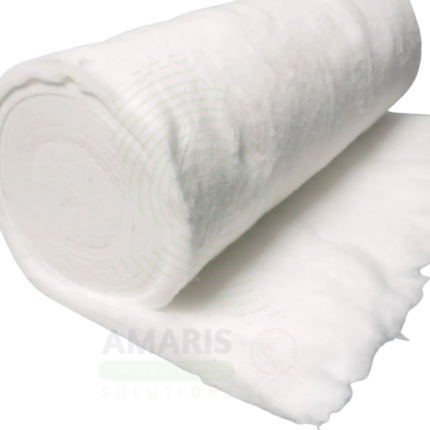
Cotton Rolls
Cotton Rolls are sterile or non-sterile, single-use cylinders of 100% purified, highly absorbent cotton, most commonly used in dentistry for moisture control and oral isolation. Placed in the buccal vestibule or sublingually, they absorb saliva and blood, creating a dry operative field essential for adhesive restorations, impressions, and minor surgical procedures. Standard dimensions are 1.5 inches in length and 0.5 inches in diameter, with jumbo, pediatric, tapered, and banded variants available. Critical performance properties include high absorbency (20-25x fluid weight), wet strength, and low-linting. Sterile rolls are required for surgical procedures contacting open wounds. Strict single-use protocol and careful count/retrieval are mandatory to prevent aspiration hazards. An indispensable, high-volume consumable in dental practice.
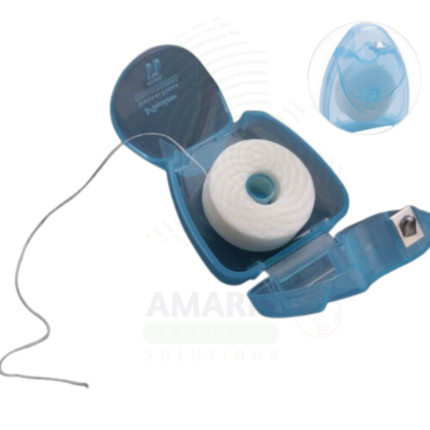
Dental Floss
Dental Floss is a thin, strong filament—available in materials like nylon or PTFE and forms such as waxed, unwaxed, or tape—designed specifically for the mechanical removal of dental plaque biofilm and debris from between teeth (interdental spaces) and below the gumline. Its daily use is a critical, evidence-based practice for preventing interdental tooth decay (caries) and gum disease (gingivitis and periodontitis), forming an indispensable part of a complete oral hygiene routine. Proper technique is essential to avoid gum injury and ensure effective cleaning.
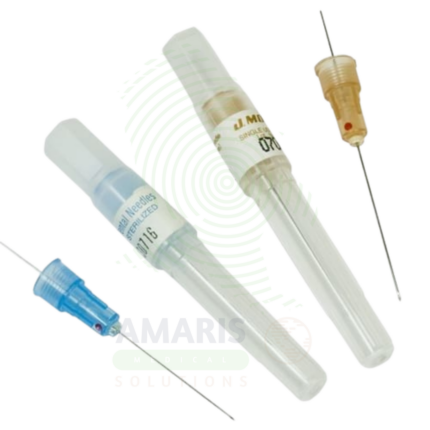
Dental Needles
Dental Needles are sterile, single-use hypodermic needles specifically designed for the administration of local anesthesia in dentistry. Characterized by their gauge (diameter) and length, they are selected to target specific nerves (e.g., long 27G for mandibular blocks, short 30G for infiltrations). Their primary functions are to penetrate oral tissue precisely, allow for aspiration to ensure safe extravascular placement, and deliver anesthetic solution. As sharps, their safe handling and immediate disposal in a designated container are paramount to prevent needlestick injuries and cross-contamination, making them a critical safety-focused consumable in dental practice.
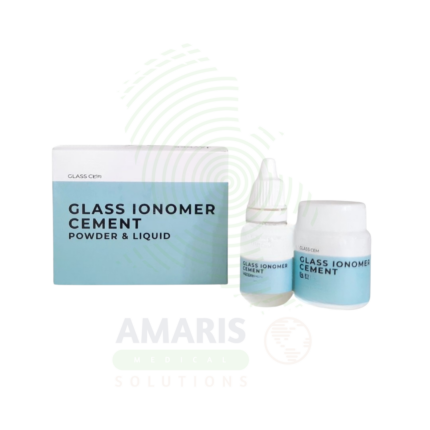
Glass Ionomer Cement
Glass Ionomer Cement (GIC) is a versatile, water-based dental material known for its unique ability to chemically bond to tooth structure and release therapeutic fluoride. Used for permanent cementation of restorations, as a filling material in low-stress areas, a cavity liner/base, and a fissure sealant, it promotes tooth health and minimizes recurrent decay. Available as conventional hand-mixed formulas and resin-modified light-cured versions, its success depends critically on proper moisture control during placement. Its biocompatibility, adhesion, and cariostatic properties make it a fundamental material in preventive and restorative dentistry.
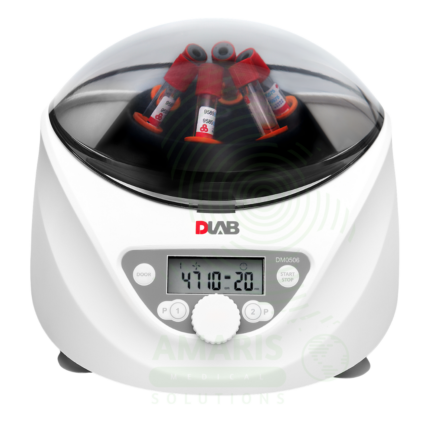
Low Speed Centrifuge (DM0506)
The Low Speed Centrifuge (DM0506) is a compact benchtop centrifuge designed for routine clinical diagnostic sample processing, including blood component separation (serum/plasma), urinalysis, and general laboratory applications . Operating at speeds from 300 to 5,000 rpm (up to 2,600 × g) with a maintenance-free brushless DC motor, this centrifuge provides gentle, low-speed operation that preserves cellular integrity .
The fixed-angle A6-15P rotor accommodates 6 × 15 mL, 10 mL, 7 mL, or 1.5–5 mL tubes, with program memory for two pre-set protocols (P1/P2) to streamline repetitive tasks . The LCD display allows easy switching between RPM and RCF values, ensuring precise 1-second timer logic and optimal separation consistency .
For the medical technologist, the DM0506 facilitates serum and plasma separation for blood chemistry testing, coagulation studies (PT/PTT), and lipid panels. It supports urinalysis sediment preparation for microscopic examination, nucleic acid extraction for molecular diagnostics, and PRP preparation for aesthetic medicine applications .
The centrifuge features comprehensive safety protections including door interlock, over-speed detection, and automatic internal diagnosis, holding CE and cTUVus safety certifications . With a compact footprint (300×240×180 mm) and weight of 5.2 kg, the DM0506 provides reliable, consistent performance for routine laboratory workflows supporting patient diagnosis and treatment monitoring .
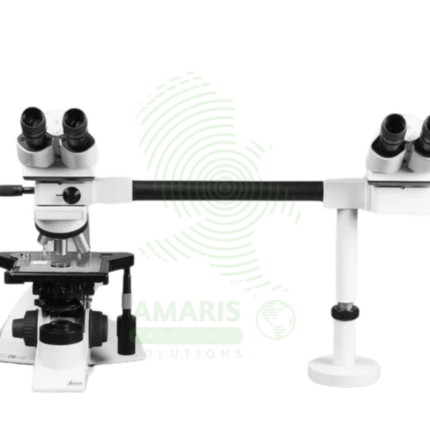
Series Multi-viewing Microscope
A Series Multi-viewing Microscope is a specialized clinical and teaching instrument that allows multiple observers (2-5) to simultaneously view the same specimen through multiple binocular heads connected to a single main objective and stage. Available in double-headed, triple-headed, and quintuple-headed configurations with independent diopter adjustment, interpupillary distance adjustment, and illuminated LED pointers for each viewer. Features plan or plan apochromatic objectives (4×, 10×, 40×, 100× oil), 10× widefield eyepieces, high-intensity halogen or LED illumination, Abbe condenser with Köhler alignment, large mechanical stage, master focus control, and optional trinocular camera port. Magnification range 40× to 1000×. Primary clinical applications include consensus diagnosis in pathology (challenging cases, frozen sections, tumor board preparation), hematology-oncology team reviews (leukemia classification, bone marrow aspirates), cytology quality assurance (Pap smear review, FNA interpretation), microbiology infectious disease rounds (unusual organism identification, parasitology confirmation), and medical education (residency training, medical student teaching, CME workshops). Essential equipment for teaching hospitals, academic medical centers, group pathology practices, and multidisciplinary conferences requiring collaborative microscopic review.
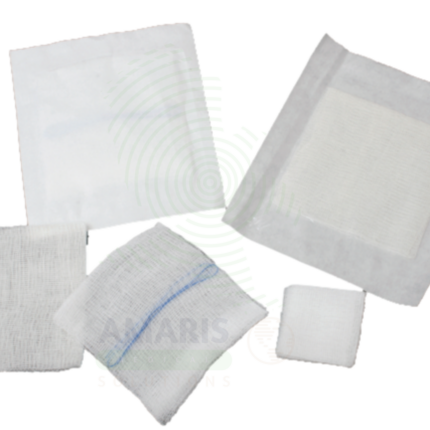
Sterile Gauze Sponges
Sterile Gauze Sponges are single-use, absorbent textile products used for wound cleansing, fluid absorption, wound packing, and barrier protection in medical and surgical settings. Available in woven 100% cotton or non-woven fabric, these sponges come in various sizes from 2x2 inches to 8x8 inches, with ply counts ranging from 2-ply to 16-ply depending on absorbency requirements. Sterilized by ethylene oxide or gamma irradiation, they are supplied in individually wrapped sterile packages to maintain sterility until point of use. X-ray detectable options with radiopaque thread are available for surgical applications to prevent retained sponge incidents. For the clinician, sterile gauze sponges provide reliable, consistent performance for wound management, surgical preparation, and post-operative care. For the patient, they support optimal wound healing by maintaining a clean environment, absorbing excess fluid, and protecting the wound from contamination.