Dermatoscope and Magnifiers
 Diagnostic Kits
 Vital Signs Monitors
 Stethoscopes and Accessories
 Otoscopes, Ophthalmoscopes, and Retinoscopes
 Reflex Hammers and Neurological Tools
 Scales and Measuring Devices
 Spirometers and Pulmonary Function Tests
 Electrosurgical Units and Accessories
 Cutting Instruments
 Grasping and Holding Instruments
 Hemostatic Instruments
 Specialized Surgical Sets
 Single-Use Procedure Trays and Packs
 Surgical Drapes, Gowns, and Covers
 Tissue Unifying Instruments
 Radiation Protection
 X-Ray Machines and Accessories
 Ultrasound Systems and Probes
 MRI and CT Scanners
 Radiology Consumables
 Bone Densitometers
 Fluoroscopy Equipment
 Imaging Tables and Positioning Aids
 Microscopes and Accessories
 Centrifuges and Separators
 Analyzers
 Incubators and Ovens
 Pipettes, Dispensers, and Lab Glassware
 Refrigerators, Freezers, and Storage Units
 Lab Consumables
 Sterilizers and Autoclaves for Lab Use
 Multi-Parameter Monitors
 Ventilators and Respiratory Support Devices
 Defibrillators and AEDs
 Infusion Pumps and IV Systems
 Patient Warmers and Cooling Devices
 Central Monitoring Stations
 Accessories
 Anesthesia Machines and Workstations
 Oxygen Concentrators and Delivery Systems
 Nebulizers and Inhalers
 CPAP/BiPAP Machines
 Airway Management
 Anesthesia Masks, Circuits, and Bags
 Humidifiers and Heaters
 Respiratory Therapy Accessories
 First Aid Kits and Cabinets
 Emergency Resuscitation Equipment
 Trauma Supplies
 Emergency Carts and Crash Carts
 Burn Care Products
 Bleeding Control
 Automated External Defibrillators (AEDs)
 Transport and Evacuation
 Wheelchairs and Accessories
 Walkers, Crutches, and Canes
 Prosthetics and Orthotics
 Physical Therapy Equipment
 Transfer Devices
 Bathroom Safety
 Orthopedic Traction and Tables
 Hot/Cold Therapy Packs and Units
 Beds and Mattresses
 Chairs and Stools
 Tables
 Cabinets and Storage
 Privacy Screens & Curtains
 Stands and Racks
 Linens and Textiles
 Lighting
 Autoclaves and Sterilizers
 Ultrasonic Cleaners
 Disinfectant Solutions and Wipes
 Sterilization Pouches, Wraps, and Indicators
 Instrument Trays and Containers
 UV and Ozone Disinfection Devices
 Washer Disinfectors
 Wound Care
 Gloves
 Masks and Respirators
 Catheters and Tubing
 Swabs, Applicators, and Sponges
 Incontinence Products
 Personal Protective Equipment (PPE)
 Dental Chairs and Units
 Handpieces and Burs
 Instruments
 Consumables
 Sterilization for Dental Use
 Orthodontic Supplies
 Endodontic Tools
 Slit Lamps and Tonometers
 Lensometers and Phoropters
 Ophthalmic Surgical Instruments
 Eyewear Frames and Lenses
 Contact Lens Supplies
 Vision Testing Charts and Devices
 Eye Care Consumables
 Laser Systems for Eye Care
 ENT Exam Chairs and Tables
 Endoscopes
 Audiometers and Hearing Tests
 ENT Instruments
 Nasal and Throat Packs
 Hearing Aids and Accessories
 Otology Supplies
 Fetal Dopplers and Monitors
 Delivery Beds and Tables
 Gynecological Instruments
 Neonatal Incubators and Warmers
 Breast Pumps and Accessories
 Contraceptive Devices
 Maternity Supports and Pads
 Neonatal Consumables
 Cystoscopes and Urethroscopes
 Dialysis Machines and Supplies
 Urological Catheters and Bags
 Lithotripters
 Prostate Treatment Devices
 Urinary Incontinence Products
 Kidney Stone Management Tools
 Consumables & Disposables
 EEG and EMG Machines
 Neurosurgical Instruments
 Nerve Stimulators
 Headrests and Positioning Aids
 Lumbar Puncture Kits
 Seizure Monitoring Devices
 Consumables
 Rehabilitation for Neurological Conditions
 ECG Machines and Accessories
 Holter Monitors
 Stress Test Systems
 Pacemakers and Defibrillator Accessories
 Vascular Access Devices
 Cardiac Catheters and Guidewires
 Blood Flow Meters
 Consumables
 Orthopedic Instruments
 Casts, Splints, and Padding
 Joint Replacement Supplies
 Prosthetic Limbs and Components
 Bone Grafts and Substitutes
 Traction Devices
 Orthopedic Braces and Supports
 Rehabilitation Aids for Orthopedics
 Home Oxygen Therapy
 Hospital Beds for Home Use
 Mobility Aids
 Bathroom and Daily Living Aids
 Wound Care for Home
 Monitoring Devices
 Enteral Feeding Pumps and Tubes
 Hand Sanitizers and Dispensers
 Face Shields and Goggles
 Isolation Gowns and Suits
 Biohazard Waste Containers
 Air Purifiers and HEPA Filters
 Surface Disinfectants
 Sharps Containers
 Protective Barriers
 Cardiovascular & Endurance Training
 Strength Training & Weightlifting
 Functional Training & Core Conditioning
 Physical Therapy & Rehabilitation
 Sports & Outdoor Recreation
 Gym Flooring & Facility Equipment
 Fitness Monitoring & Accessories
 Kids & Novelties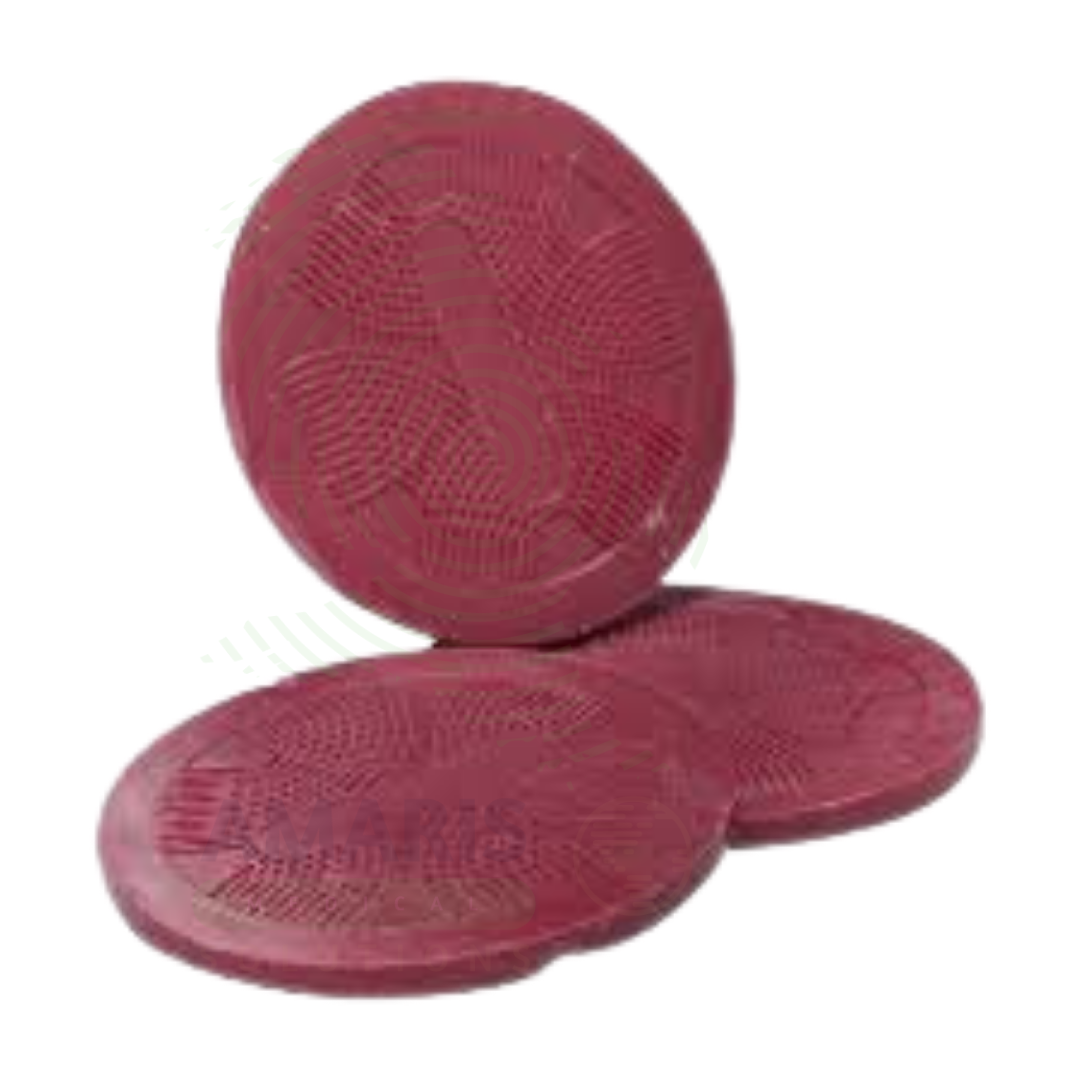
Impression Compound
$1.00
WhatsApp Order
Impression Compound is a rigid, thermoplastic material used in dentistry primarily for border molding of custom denture trays and preliminary impressions of edentulous arches. Softened by heat and hardened by cooling, it allows for precise functional molding of vestibular borders but cannot be elastically withdrawn from undercuts. Its use demands careful temperature control to avoid burns and ensure proper flow, making it a technique-sensitive material. While largely supplanted by modern elastomers for most impressions, it remains a valuable and sometimes irreplaceable tool in advanced complete denture prosthodontics and certain corrective impression techniques.
Description
Impression Compound
PRIMARY CLINICAL & DIAGNOSTIC USES
1. Taking Preliminary Impressions of Edentulous Ridges
-
Primary Use: Obtains initial impressions of completely toothless arches, with its ability to be softened, molded, and then rigidly set making it suitable for capturing the broad anatomy of the ridges and peripheral borders in a stable, non-elastic form.
-
How it helps: For the prosthodontist and dentist, the impression compound provides a stable, dimensionally accurate material for capturing the edentulous ridge—serving as the foundation for custom trays and final denture impressions. For the edentulous patient, this ensures that the preliminary impressions capture the essential anatomy needed for well-fitting, comfortable dentures.
2. Correcting or Modifying Existing Impression Trays (Border Molding)
-
Primary Use: Used in the border molding technique for complete dentures, where sticks or sheets of compound are softened and applied to tray borders and shaped using functional movements to record the depth and width of the functional vestibule and posterior palatal seal area.
-
How it helps: For the prosthodontist, border molding with impression compound captures the functional anatomy of the vestibule—ensuring that the final denture borders will be properly extended without impinging on muscle attachments or being under-extended. For the patient, this means dentures that stay in place during function, with optimal retention, stability, and comfort.
3. Making Impressions for Individual Teeth (Copper Band Impressions)
-
Primary Use: Used in closed-mouth or corrected impression techniques where a thin copper band filled with softened compound is seated over a prepared tooth to obtain a detailed impression of a single crown or inlay preparation.
-
How it helps: For the restorative dentist, copper band impressions provide a reliable method for capturing detailed impressions of prepared teeth—especially in situations where modern elastomers may be contraindicated. For the patient, this technique ensures accurate impressions that lead to well-fitting crowns and inlays.
4. Recording Occlusal Rims for Jaw Relation
-
Primary Use: Used to attach occlusion rims to temporary bases for recording jaw relationships in complete denture fabrication.
-
How it helps: For the prosthodontist, the impression compound provides a stable, rigid base for occlusion rims—ensuring accurate recording of vertical dimension, centric relation, and occlusal plane. For the patient, this contributes to dentures that function harmoniously and provide balanced occlusion.
5. Impression Material for Severely Undercut Areas
-
Primary Use: Because it is rigid, it can be used to impress areas with severe undercuts where an elastic material might tear or be impossible to remove, though it must be sectioned for removal.
-
How it helps: For the clinician, the impression compound provides a solution for capturing complex anatomy where elastic materials would fail. For the patient, this ensures that even challenging anatomical situations can be accurately recorded for appropriate treatment planning.
6. Thermoplastic Properties for Controlled Manipulation
-
Primary Use: Softens at 55-60°C (130-140°F) in a water bath, allowing controlled manipulation, and hardens at mouth temperature, providing a stable, rigid impression.
-
How it helps: For the dentist, the predictable working properties of impression compound allow for precise manipulation and placement. For the patient, this means impressions can be taken comfortably without prolonged waiting for material to set.
7. Low Shrinkage Upon Setting
-
Primary Use: Exhibits minimal dimensional change during setting, providing accurate reproduction of recorded anatomical structures.
-
How it helps: For the clinician, low shrinkage ensures that the captured anatomy is accurately represented in the final impression. For the patient, this contributes to well-fitting dentures and appliances.
8. Ability to Add or Correct
-
Primary Use: Can be softened and added to existing impressions or trays to correct deficiencies or extend borders, allowing for incremental modification.
-
How it helps: For the dentist, this additive property allows for precise refinement of impressions without the need for complete retakes. For the patient, this means more efficient appointments and fewer repeat impressions.
9. Stability During Storage
-
Primary Use: Rigid set material maintains dimensional stability and can be stored without immediate pouring, allowing for laboratory work scheduling.
-
How it helps: For the dental practice and laboratory, impression compounds stability allows for flexible workflow scheduling. For the patient, this ensures that impressions remain accurate even if not poured immediately.
10. Compatibility with Other Materials
-
Primary Use: Compatible with other impression materials and can be used in combination with elastomers for specific techniques.
-
How it helps: For the clinician, this compatibility allows for hybrid impression techniques that leverage the benefits of multiple materials. For the patient, this enables the use of optimal impression protocols for complex cases.
SECONDARY & SUPPORTIVE USES
1. Stabilizing Loose Teeth for Impressions: Can be used to splint and stabilize loose teeth temporarily before taking an impression with another material. For the dentist, this prevents tooth movement during impression taking; for the patient, this ensures accurate impressions despite tooth mobility.
2. Creating Temporary Crowns (Swaged Crowns): In an emergency, a compound impression of the prepared tooth can be filled with acrylic to create a temporary crown directly in the mouth. For the clinician, this provides a quick, chairside temporary solution; for the patient, this means immediate provisional restoration without laboratory fabrication.
3. Sealing Perforations in Impression Trays: Used to block out undercuts or seal holes in trays before taking final impressions. For the dentist, this prevents impression material from flowing through tray perforations; for the patient, this contributes to cleaner, more comfortable impression procedures.
4. Laboratory Uses: Used in dental labs for flasking procedures or as a stabilizing medium. For the dental technician, the impression compound provides a stable, reusable material for laboratory procedures; for the patient, this contributes to accurately fabricated prostheses.
5. Temporary Reline of Ill-Fitting Dentures: Can be used as a temporary soft reline material to improve fit while definitive treatment is planned. For the dentist, this provides an interim solution for uncomfortable dentures; for the patient, this offers temporary relief while awaiting definitive relining or new dentures.
6. Post-Dam Development: Used to develop the posterior palatal seal area in complete denture fabrication. For the prosthodontist, this ensures optimal retention of the maxillary denture; for the patient, this contributes to dentures that stay in place during function.
7. Recording Functional Sulcus Depth: Used in conjunction with border molding to record the functional depth of the buccal and lingual sulci. For the clinician, this ensures proper denture border extension; for the patient, this contributes to dentures that are retentive without impinging on movable tissues.
8. Temporary Splinting: Can be used as a temporary splint for mobile teeth during impression procedures. For the dentist, this provides stabilization during critical impression steps; for the patient, this ensures accurate impressions despite tooth mobility.
KEY PRODUCT FEATURES
1. BASIC IDENTIFICATION ATTRIBUTES
-
Type: A thermoplastic, rigid impression material that softens with heat and hardens with cooling.
-
Designation: Modeling Plastic, Corrective Composition, or Tray Compound.
-
Common Variants by Form and Use:
-
Impression Compound Sticks: Cylindrical sticks used primarily for border molding and tray modification.
-
Impression Compound Sheets/Cakes: Flat sheets or cakes that can be adapted into a stock tray for full-arch impressions.
-
Low-Fusing vs. High-Fusing: Different softening temperatures. Low-fusing (Type I) is used for intraoral impressions. High-fusing (Type II) is used for tray construction or in the laboratory.
-
By Color: Often color-coded to indicate softening temperature or flow characteristics (e.g., red for high-flow, green for low-flow).
-
2. TECHNICAL & PERFORMANCE PROPERTIES
-
Composition: A mixture of natural resins (like copal or shellac), waxes (carnauba, ceresin), fillers (talc, stearic acid), and pigments.
-
Thermoplastic Behavior: It has a glass transition temperature rather than a sharp melting point. It softens over a range (approximately 45-55°C for Type I) becoming plastic and moldable, and hardens upon cooling to mouth temperature, becoming rigid with minimal dimensional change.
-
Key Properties:
-
Rigidity: Sets to a very hard, inflexible state. Cannot be withdrawn from undercuts without distorting or fracturing unless it is sectioned.
-
Good Detail Reproduction: Can capture fine surface details when properly softened and seated.
-
Dimensional Stability: Excellent if stored at room temperature after setting, as no chemical reaction is involved.
-
Adhesion: Can adhere to itself and to acrylic trays when softened.
-
-
Flow: Varies with temperature. Must be heated uniformly to the correct, kneadable consistency for use.
3. PHYSICAL & OPERATIONAL PROPERTIES
-
Heating Method: Softened in a water bath at a controlled temperature (using a thermostatically controlled compound heater) or over a flame (for sticks, with careful rotation to avoid burning). Overheating causes constituents to leach out, making it sticky and unusable.
-
Kneading: After heating, it must be kneaded with wet, gloved hands to ensure uniform temperature and consistency and to create a smooth surface.
-
Seating: Must be seated in the mouth with firm, steady pressure and held immobile until completely hardened (cooled).
-
Removal: Due to rigidity, it may require a sharp, sudden pull to break the seal. For undercut areas, the impression or the material itself may need to be cut for removal.
4. SAFETY & COMPLIANCE ATTRIBUTES
-
Regulatory Status: Class I medical device.
-
Biocompatibility: Generally safe for brief intraoral use. Should not be overheated to avoid release of irritants.
-
Burn Hazard: The material and heating equipment can cause thermal burns to patient or clinician if not handled carefully.
5. STORAGE & HANDLING ATTRIBUTES
-
Storage: Store in a cool place away from direct heat sources.
-
Shelf Life: Very long if stored properly.
-
Cleaning: Can be sterilized and reused for the same patient in a multi-step impression technique, but is typically considered single-use for hygiene reasons.
6. LABORATORY & CLINICAL APPLICATIONS
-
Primary Application: A traditional material with specialized uses in complete denture prosthodontics for border molding and preliminary impressions, and in crown and bridge for specific closed-mouth techniques. Its use has declined in favor of modern elastomers but remains essential for certain advanced prosthetic procedures.
-
Technique-Sensitive: Requires significant skill and experience to heat, temper, and manipulate correctly.
SAFETY HANDLING PRECAUTIONS
1. SAFETY PRECAUTIONS
-
Thermal Injury (CRITICAL): Always test the temperature on the back of your gloved hand or on the oral mucosa (e.g., palate) before seating in the patient's mouth. It should be comfortably warm, not hot.
-
Uniform Heating: Heat slowly and evenly to avoid creating a hardened core inside a soft exterior, which will lead to distortion.
-
Avoid Overheating: Do not overheat in water bath or flame. Overheated compound becomes brittle, grainy, and loses flow.
-
Use of Water Bath: A temperature-controlled water bath is safer and provides more uniform heating than an open flame.
-
Patient Communication: Warn the patient it will feel warm. Instruct them to remain very still and not to close their mouth until the material is hard and cold.
2. FIRST AID MEASURES
-
Thermal Burn in Mouth: Rinse with cool water. Apply a topical soothing agent. Severe burns require medical attention.
-
Aspiration of Material: If a piece breaks off and is inhaled, it is a medical emergency. Seek immediate help.
-
Ingestion: Unlikely due to size and rigidity. If swallowed, it will likely pass without issue.
3. FIRE FIGHTING MEASURES
-
Flammability: The material is combustible, especially when heated over a flame.
-
Extinguishing Media: Use water, foam, or CO₂.
Related products
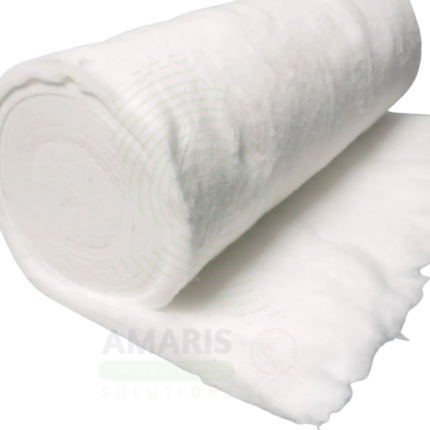
Cotton Rolls
Cotton Rolls are sterile or non-sterile, single-use cylinders of 100% purified, highly absorbent cotton, most commonly used in dentistry for moisture control and oral isolation. Placed in the buccal vestibule or sublingually, they absorb saliva and blood, creating a dry operative field essential for adhesive restorations, impressions, and minor surgical procedures. Standard dimensions are 1.5 inches in length and 0.5 inches in diameter, with jumbo, pediatric, tapered, and banded variants available. Critical performance properties include high absorbency (20-25x fluid weight), wet strength, and low-linting. Sterile rolls are required for surgical procedures contacting open wounds. Strict single-use protocol and careful count/retrieval are mandatory to prevent aspiration hazards. An indispensable, high-volume consumable in dental practice.
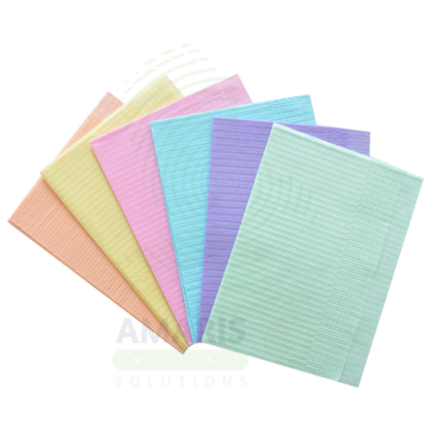
Dental Napkins
Dental Napkins are sterile or non-sterile, disposable absorbent pads (typically 2"x2") made of non-woven cellulose or gauze. They are a fundamental consumable in dentistry used primarily for intraoral isolation and moisture control. By absorbing saliva, water, and blood, they keep the operative field dry, enhance visibility, protect soft tissues, and significantly improve patient comfort during procedures. Their secure placement and strict single-use protocol are critical for safety and infection prevention.
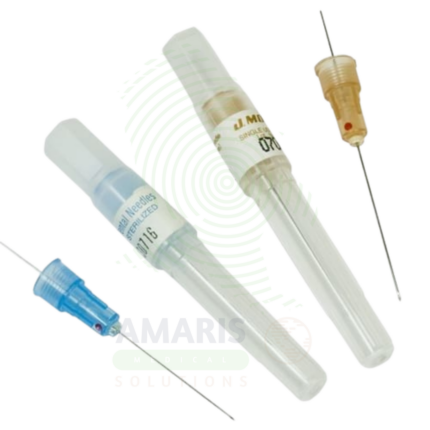
Dental Needles
Dental Needles are sterile, single-use hypodermic needles specifically designed for the administration of local anesthesia in dentistry. Characterized by their gauge (diameter) and length, they are selected to target specific nerves (e.g., long 27G for mandibular blocks, short 30G for infiltrations). Their primary functions are to penetrate oral tissue precisely, allow for aspiration to ensure safe extravascular placement, and deliver anesthetic solution. As sharps, their safe handling and immediate disposal in a designated container are paramount to prevent needlestick injuries and cross-contamination, making them a critical safety-focused consumable in dental practice.
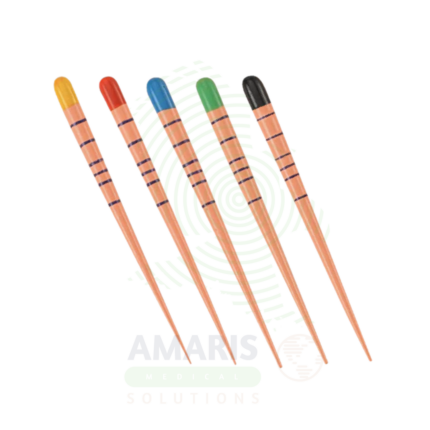
Gutta Percha Points
Gutta Percha Points are cone-shaped, thermoplastic filling materials used as the core component for permanently obturating (filling) root canals after endodontic therapy. Composed of gutta-percha polymer, zinc oxide, and radiopacifiers, they provide a biocompatible, stable, and adaptable fill when used with a sealer. Available in standardized sizes and tapers to match prepared canals, they are employed in cold lateral or warm vertical compaction techniques to achieve a three-dimensional seal that prevents bacterial re-infection. Their correct selection and placement are critical to the long-term success of root canal treatment.

Handpiece Spray
Handpiece Spray is a specialized aerosol lubricant essential for the daily maintenance and sterilization of dental handpieces. Its primary function is to lubricate internal turbines and bearings, reducing friction, preventing wear, and ensuring optimal performance and longevity. Applied directly into the handpiece's air inlet and distributed by running the handpiece without a bur, it must be used after every cleaning and before each autoclave cycle as per the manufacturer's strict instructions. Using the correct lubricant is critical to prevent damage and maintain warranty compliance. It is a fundamental, non-negotiable consumable in dental infection control and equipment care protocols.
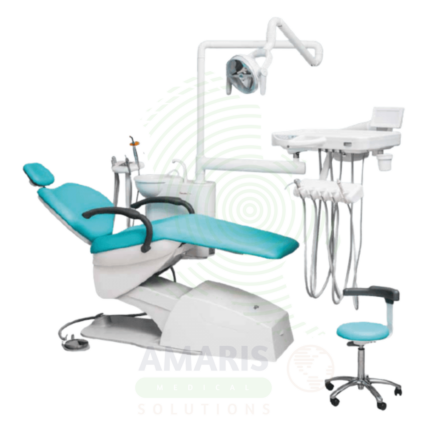
High-End Dental Chair
A High-End Dental Chair is an advanced, ergonomically engineered patient positioning system that forms the core of a modern dental operatory. It combines superior patient comfort features—such as heated surfaces, memory foam, and programmable positions—with critical ergonomic design for the dental team, including narrow backrests and multi-axis articulation. Integrated control systems manage the chair, lighting, and often other operational functions seamlessly. Built for durability and infection control with seamless upholstery, it supports a wide range of procedures while enhancing workflow efficiency, clinical outcomes, and overall patient experience in demanding dental practices.
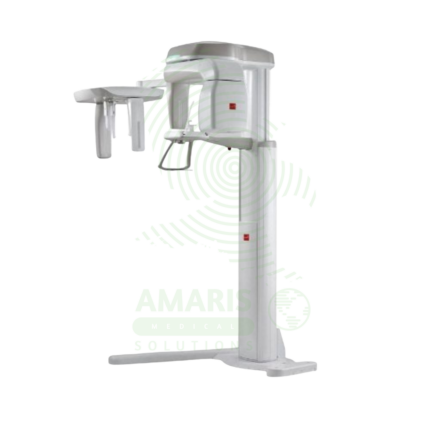
Panoramic X-ray Dental Machine
A Panoramic X-ray Dental Machine is a rotating extraoral radiographic system that produces a single, broad 2D image of the entire jaws, teeth, TMJs, and sinuses. By focusing on a curved "focal trough," it provides an efficient screening tool for wisdom teeth evaluation, orthodontic planning, and detecting large jaw pathologies. While offering a valuable overview with a relatively low radiation dose, its diagnostic utility is entirely dependent on precise patient positioning to avoid blurring and distortion. It is a cornerstone of modern dental diagnostic imaging, serving as a crucial first step in comprehensive oral assessment and treatment planning.