Dermatoscope and Magnifiers
 Diagnostic Kits
 Vital Signs Monitors
 Stethoscopes and Accessories
 Otoscopes, Ophthalmoscopes, and Retinoscopes
 Reflex Hammers and Neurological Tools
 Scales and Measuring Devices
 Spirometers and Pulmonary Function Tests
 Electrosurgical Units and Accessories
 Cutting Instruments
 Grasping and Holding Instruments
 Hemostatic Instruments
 Specialized Surgical Sets
 Single-Use Procedure Trays and Packs
 Surgical Drapes, Gowns, and Covers
 Tissue Unifying Instruments
 Radiation Protection
 X-Ray Machines and Accessories
 Ultrasound Systems and Probes
 MRI and CT Scanners
 Radiology Consumables
 Bone Densitometers
 Fluoroscopy Equipment
 Imaging Tables and Positioning Aids
 Microscopes and Accessories
 Centrifuges and Separators
 Analyzers
 Incubators and Ovens
 Pipettes, Dispensers, and Lab Glassware
 Refrigerators, Freezers, and Storage Units
 Lab Consumables
 Sterilizers and Autoclaves for Lab Use
 Multi-Parameter Monitors
 Ventilators and Respiratory Support Devices
 Defibrillators and AEDs
 Infusion Pumps and IV Systems
 Patient Warmers and Cooling Devices
 Central Monitoring Stations
 Accessories
 Anesthesia Machines and Workstations
 Oxygen Concentrators and Delivery Systems
 Nebulizers and Inhalers
 CPAP/BiPAP Machines
 Airway Management
 Anesthesia Masks, Circuits, and Bags
 Humidifiers and Heaters
 Respiratory Therapy Accessories
 First Aid Kits and Cabinets
 Emergency Resuscitation Equipment
 Trauma Supplies
 Emergency Carts and Crash Carts
 Burn Care Products
 Bleeding Control
 Automated External Defibrillators (AEDs)
 Transport and Evacuation
 Wheelchairs and Accessories
 Walkers, Crutches, and Canes
 Prosthetics and Orthotics
 Physical Therapy Equipment
 Transfer Devices
 Bathroom Safety
 Orthopedic Traction and Tables
 Hot/Cold Therapy Packs and Units
 Beds and Mattresses
 Chairs and Stools
 Tables
 Cabinets and Storage
 Privacy Screens & Curtains
 Stands and Racks
 Linens and Textiles
 Lighting
 Autoclaves and Sterilizers
 Ultrasonic Cleaners
 Disinfectant Solutions and Wipes
 Sterilization Pouches, Wraps, and Indicators
 Instrument Trays and Containers
 UV and Ozone Disinfection Devices
 Washer Disinfectors
 Wound Care
 Gloves
 Masks and Respirators
 Catheters and Tubing
 Swabs, Applicators, and Sponges
 Incontinence Products
 Personal Protective Equipment (PPE)
 Dental Chairs and Units
 Handpieces and Burs
 Instruments
 Consumables
 Sterilization for Dental Use
 Orthodontic Supplies
 Endodontic Tools
 Slit Lamps and Tonometers
 Lensometers and Phoropters
 Ophthalmic Surgical Instruments
 Eyewear Frames and Lenses
 Contact Lens Supplies
 Vision Testing Charts and Devices
 Eye Care Consumables
 Laser Systems for Eye Care
 ENT Exam Chairs and Tables
 Endoscopes
 Audiometers and Hearing Tests
 ENT Instruments
 Nasal and Throat Packs
 Hearing Aids and Accessories
 Otology Supplies
 Fetal Dopplers and Monitors
 Delivery Beds and Tables
 Gynecological Instruments
 Neonatal Incubators and Warmers
 Breast Pumps and Accessories
 Contraceptive Devices
 Maternity Supports and Pads
 Neonatal Consumables
 Cystoscopes and Urethroscopes
 Dialysis Machines and Supplies
 Urological Catheters and Bags
 Lithotripters
 Prostate Treatment Devices
 Urinary Incontinence Products
 Kidney Stone Management Tools
 Consumables & Disposables
 EEG and EMG Machines
 Neurosurgical Instruments
 Nerve Stimulators
 Headrests and Positioning Aids
 Lumbar Puncture Kits
 Seizure Monitoring Devices
 Consumables
 Rehabilitation for Neurological Conditions
 ECG Machines and Accessories
 Holter Monitors
 Stress Test Systems
 Pacemakers and Defibrillator Accessories
 Vascular Access Devices
 Cardiac Catheters and Guidewires
 Blood Flow Meters
 Consumables
 Orthopedic Instruments
 Casts, Splints, and Padding
 Joint Replacement Supplies
 Prosthetic Limbs and Components
 Bone Grafts and Substitutes
 Traction Devices
 Orthopedic Braces and Supports
 Rehabilitation Aids for Orthopedics
 Home Oxygen Therapy
 Hospital Beds for Home Use
 Mobility Aids
 Bathroom and Daily Living Aids
 Wound Care for Home
 Monitoring Devices
 Enteral Feeding Pumps and Tubes
 Hand Sanitizers and Dispensers
 Face Shields and Goggles
 Isolation Gowns and Suits
 Biohazard Waste Containers
 Air Purifiers and HEPA Filters
 Surface Disinfectants
 Sharps Containers
 Protective Barriers
 Cardiovascular & Endurance Training
 Strength Training & Weightlifting
 Functional Training & Core Conditioning
 Physical Therapy & Rehabilitation
 Sports & Outdoor Recreation
 Gym Flooring & Facility Equipment
 Fitness Monitoring & Accessories
 Kids & Novelties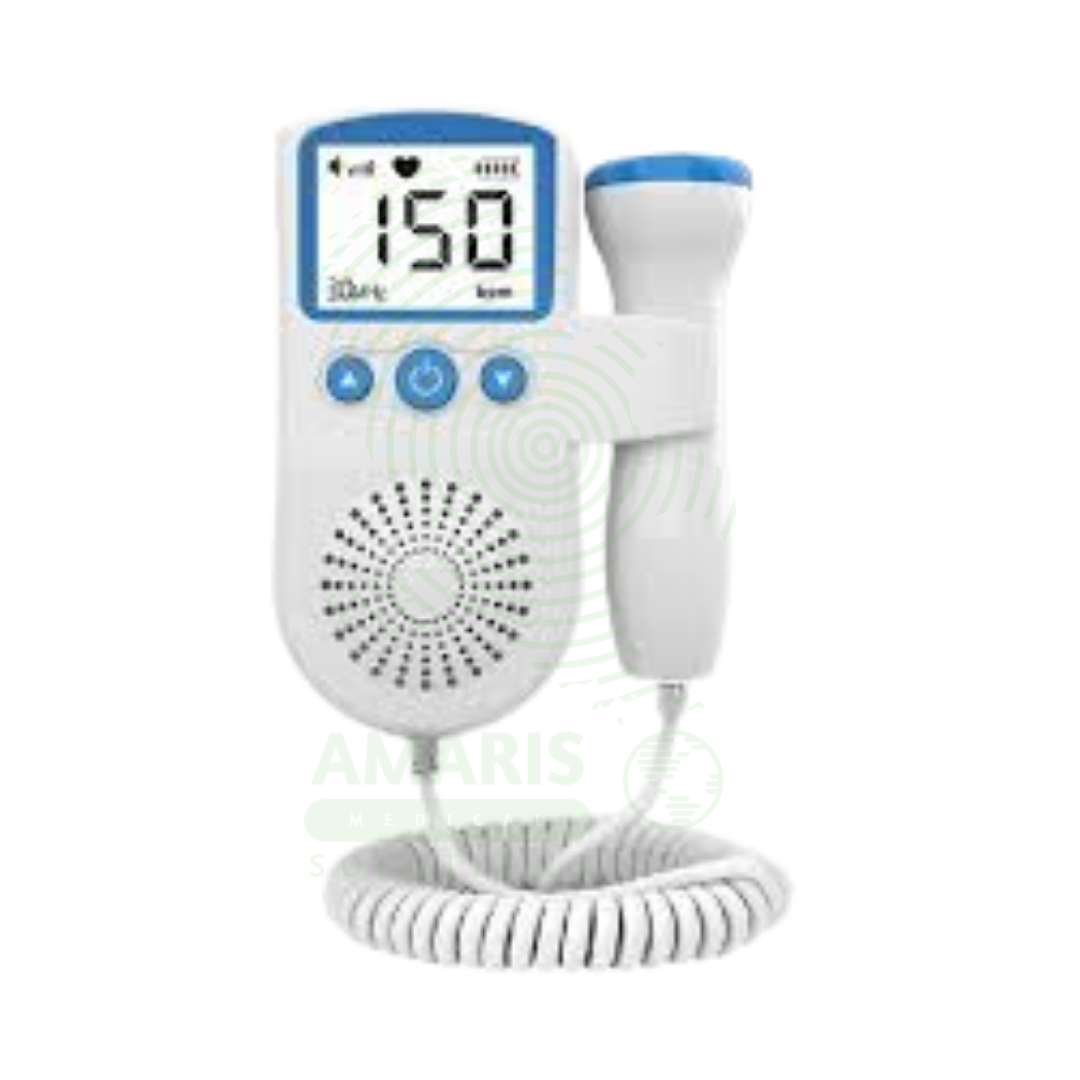
Fetoheart Sonic Aid Doppler (clinic/hospital use)
WhatsApp Order
A Fetoheart Sonic Aid Doppler (Fetal Doppler) is a Class II medical ultrasound device (2-3 MHz probe) for real-time detection and audible/visual display of fetal heart rate in clinical obstetric settings from 10-12 weeks gestation. Features include handheld or tabletop console, waterproof probe, digital heart rate display (30-240 bpm), amplified speaker, headphone jack, and rechargeable battery or AC power operation. Continuous wave or pulsed wave Doppler technology with auto-correlation signal processing rejects maternal artifact. Primary clinical applications include fetal heart rate detection and monitoring during routine prenatal visits, confirmation of fetal viability in first trimester, intermittent fetal monitoring during labor, non-stress test administration, multiple gestation assessment, fetal presentation determination, and post-procedure confirmation (amniocentesis, CVS, ECV). Critical safety considerations include following ALARA principle (minimum necessary exposure), appropriate ultrasound gel use, probe pressure avoidance, infection control (probe cleaning between patients), differentiation of fetal from maternal signals, and interpretation by qualified providers. Essential equipment in outpatient obstetric clinics, hospital labor and delivery units, and prenatal care settings.
Description
Fetoheart Sonic Aid Doppler (clinic/hospital use)
PRIMARY CLINICAL & DIAGNOSTIC USES
1. Fetal Heart Rate Detection and Monitoring:
-
Primary Use: Provides real-time audible and visual display of fetal heart rate using Doppler ultrasound technology, allowing clinicians to assess fetal cardiac activity, rate, and rhythm during routine prenatal visits from as early as 10-12 weeks gestation.
-
How it helps: Gives obstetricians and midwives an immediate window into the baby’s well-being at every prenatal visit, providing objective evidence that the pregnancy is progressing normally and alerting them to any concerns that need further investigation.
2. Confirmation of Fetal Viability:
-
Primary Use: Rapid, non-invasive confirmation of fetal cardiac activity in first-trimester pregnancies, particularly valuable for patients with history of miscarriage, bleeding, or cramping where viability assessment is clinically indicated.
-
How it helps: Provides anxious parents and their doctors with immediate answers during moments of uncertainty, offering reassurance that the pregnancy is viable when there are concerns about miscarriage.
3. Intermittent Fetal Monitoring During Labor:
-
Primary Use: Used in hospital labor and delivery units for periodic assessment of fetal heart rate between contractions in low-risk pregnancies, providing audible feedback of fetal response to labor.
-
How it helps: Allows laboring mothers to maintain mobility and a less restrictive birth experience while still ensuring their baby is regularly checked for any signs of distress.
4. Non-Stress Test (NST) Administration:
-
Primary Use: Integrated with fetal monitors for non-stress testing in outpatient obstetric clinics, assessing fetal heart rate accelerations in response to fetal movement as an indicator of fetal well-being.
-
How it helps: Provides reassurance that a baby in a high-risk pregnancy is healthy and receiving enough oxygen, helping doctors make informed decisions about delivery timing.
5. Multiple Gestation Assessment:
-
Primary Use: Allows identification and monitoring of individual fetal heart rates in twin and higher-order multiple pregnancies, with experienced clinicians able to distinguish between fetuses.
-
How it helps: Helps clinicians caring for mothers expecting multiples ensure each baby is developing normally, providing individual attention to every fetus in the womb.
6. Fetal Presentation and Position Determination:
-
Primary Use: The point of maximal intensity of fetal heart sounds helps experienced practitioners determine fetal lie and presentation, particularly in later gestation.
-
How it helps: Gives clinicians valuable information about how the baby is positioned before delivery, helping them plan for a safe birth and anticipate any potential complications.
7. Post-Procedure Confirmation:
-
Primary Use: Used after amniocentesis, chorionic villus sampling, or external cephalic version to confirm continued fetal well-being and cardiac activity.
-
How it helps: Provides immediate reassurance after invasive procedures that the baby is tolerating the intervention well and that fetal heart activity remains normal.
SECONDARY & SUPPORTIVE USES
1. Patient Reassurance: Provides audible fetal heart sounds to expectant parents during prenatal visits, enhancing bonding and reducing anxiety by letting them hear their baby’s heartbeat.
2. Teaching Tool: Used in obstetric education to teach students and residents fetal heart rate auscultation and interpretation, training the next generation of healthcare providers.
3. Triage Assessment: Rapid assessment of fetal heart rate in patients presenting to labor and delivery with decreased fetal movement or other concerns, helping prioritize care.
4. Preoperative Verification: Confirms fetal heart rate prior to cerclage placement or other obstetric procedures, ensuring the baby is stable before interventions.
5. Research Applications: Used in studies requiring fetal heart rate data collection, contributing to scientific understanding of fetal development and pregnancy complications.
KEY PRODUCT FEATURES
1. BASIC IDENTIFICATION ATTRIBUTES
-
Device Type: Handheld or tabletop Doppler ultrasound device for fetal heart rate detection.
-
Common Names: Fetal Doppler, Fetal Heart Detector, Fetal Monitor, Doptone, Fetal Sonic Aid.
-
Components:
-
Main Unit: Handheld or tabletop console with controls and display.
-
Probe/Transducer: 2-3 MHz waterproof probe with integrated ultrasound crystal.
-
Display: LCD showing fetal heart rate (numeric) and sometimes signal strength.
-
Speaker: Built-in speaker for audible heart sounds; headphone jack available.
-
Power Source: Rechargeable battery, AC power, or replaceable batteries.
-
-
Probe Frequencies: 2 MHz (deeper penetration, later gestation, obese patients), 3 MHz (better resolution, earlier gestation, thin patients).
-
Display Range: 30-240 bpm typical.
2. TECHNICAL & PERFORMANCE PROPERTIES
-
Ultrasound Technology: Continuous wave or pulsed wave Doppler detecting motion of fetal heart structures.
-
Output Display: Digital numeric display of fetal heart rate (averaged over 3-6 beats).
-
Audio Output: Amplified heart sounds through speaker; adjustable volume.
-
Auto-Correlation: Signal processing to reject maternal vessel noise and artifact.
-
Depth Penetration: Up to 15-20 cm depending on frequency and tissue characteristics.
-
Detection Threshold: Capable of detecting fetal heart activity from 10-12 weeks gestation; earlier in thin patients, later in obese or with retroverted uterus.
-
Battery Life: 2-8 hours continuous use depending on model.
-
Wall-Plug Operation: Continuous use capability for labor and delivery settings.
3. PHYSICAL & OPERATIONAL PROPERTIES
-
Handheld Unit Dimensions: 15-20 cm × 5-8 cm × 3-5 cm (6-8 × 2-3 × 1-2 inches).
-
Weight: 200-500 grams (7-18 ounces) depending on battery configuration.
-
Probe: 10-15 cm length, 2-3 cm diameter; with 1.5-2 meter cable.
-
Display: 2-4 cm high LCD with large numerals.
-
Controls: On/off, volume, probe selection (if multi-probe), freeze (select models).
-
Speaker: 1-2 watts; clear audio in quiet clinical environment.
-
Headphone Jack: 3.5 mm for private listening or noisy environments.
-
Probe Storage: Built-in probe holder or separate storage compartment.
-
Carrying Case: Padded case for transport; wall-mountable bracket available.
4. SAFETY & COMPLIANCE ATTRIBUTES
-
Regulatory Status: Class II medical device requiring FDA 510(k) clearance.
-
Intended Use: For detection of fetal heart rate during pregnancy and labor.
-
Ultrasound Safety: Output within FDA limits for diagnostic fetal use; mechanical index (MI) < 1.9, thermal index (TI) < 1.0.
-
Electrical Safety: Compliant with IEC 60601-1 for medical electrical equipment; Type BF applied part.
-
ALARA Principle: Device operates at lowest feasible output to obtain adequate signal.
-
Probe Disinfection: Waterproof probes allow cleaning with appropriate low-level disinfectant; probe covers available for specific indications.
-
Sterility: Probes non-sterile; not for intrauterine use.
-
EMC Compliance: IEC 60601-1-2 electromagnetic compatibility; immune to typical clinical interference.
5. STORAGE & HANDLING ATTRIBUTES
-
Storage: Store in clean, dry environment in carrying case or on wall mount; protect probes from damage.
-
Battery Maintenance: Recharge after each use; maintain spare charged battery for continuous use settings.
-
Probe Care: Do not drop probes; inspect cable for damage; clean after each use with approved disinfectant wipe; do not immerse probe in liquids unless specified waterproof.
-
Cleaning: Wipe unit and probe with EPA-registered hospital disinfectant between patients.
-
Calibration: Annual calibration verification recommended per facility biomedical engineering protocol.
-
Inspection: Before each use, check probe cable, connector, and housing; verify audio output and display function.
6. LABORATORY & CLINICAL APPLICATIONS
-
Primary Application: Real-time fetal heart rate detection and monitoring in outpatient obstetric clinics, hospital labor and delivery units, and prenatal care settings.
-
Gestational Age Considerations:
-
10-12 weeks: Earliest detection in ideal conditions.
-
12-14 weeks: Reliable detection in most patients with appropriate technique.
-
14-16 weeks: Consistent detection in nearly all patients.
-
16+ weeks: Routine use for all prenatal visits.
-
-
Technique:
-
Apply ultrasound gel to maternal abdomen.
-
Position probe suprapubically, angled toward pelvis.
-
Slowly sweep until fetal heart tones identified.
-
Adjust angle for optimal signal.
-
Count rate (displayed) or auscultate for 60 seconds.
-
Limitations: May be difficult in early gestation, maternal obesity, retroverted uterus, or with anterior placenta; requires ultrasound gel for acoustic coupling.
SAFETY HANDLING PRECAUTIONS
1. SAFETY PRECAUTIONS
-
Ultrasound Safety: Follow ALARA principle (As Low As Reasonably Achievable); use minimum power and duration necessary. No known adverse effects at diagnostic output levels for fetal use.
-
Gel Use: Always use appropriate ultrasound gel; never use with dry probe.
-
Probe Pressure: Avoid excessive pressure on maternal abdomen, especially in early pregnancy.
-
Infection Control: Clean probe between each patient; use disposable probe covers if probe will contact mucous membranes or if patient has known infection.
-
Interpretation: Fetal heart rate must be interpreted by qualified healthcare providers; rates <110 or >160 bpm warrant further evaluation.
-
Maternal Signal Differentiation: Distinguish fetal heart rate (typically 110-160 bpm) from maternal vessel signal (rate equals maternal pulse).
-
Doppler Not for Home Use: These clinical-grade devices intended for trained healthcare providers; not for unsupervised home use.
-
EMI Caution: May be affected by strong electromagnetic fields; avoid use near MRI.
2. FIRST AID MEASURES
-
Inability to Detect Fetal Heart: Reposition patient; try different probe angle; use different frequency probe if available; if persistent absence after 12 weeks with previous detection, arrange urgent ultrasound.
-
Gel in Eyes: Flush with copious water; seek medical attention if irritation persists.
-
Equipment Malfunction: Discontinue use; return for service; document malfunction.
-
Maternal Discomfort: Reposition; reduce probe pressure.
3. FIRE FIGHTING MEASURES
-
Flammability: Plastic casing and components are combustible.
-
Extinguishing Media: For electrical fire, use CO₂ or dry chemical (Class C) extinguisher.
-
Battery Fire: Damaged lithium battery may ignite; use Class D extinguisher or sand.
Related products
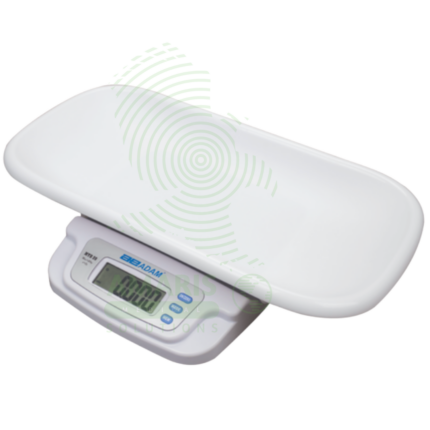
Digital Baby Weighing Scale
A Digital Baby Weighing Scale is a high-precision medical device designed exclusively for the safe and accurate measurement of infant and toddler weight. Featuring a stable, hygienic platform with gram-level precision, it is indispensable in hospitals (especially NICUs), pediatric clinics, and community health settings. Its core functions—such as hold, tare, and zeroing—ensure reliable readings even with a moving child. Accurate weight data is foundational for assessing growth, calculating medication doses, managing nutrition, and detecting early signs of health issues, making this scale a critical tool for safeguarding infant health and development.
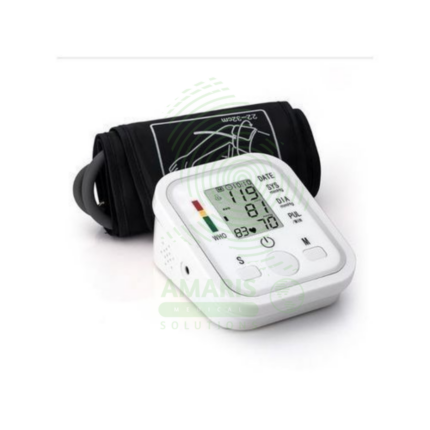
Digital Blood Pressure Monitor
A Digital Blood Pressure Monitor is an automatic electronic device that measures and displays systolic pressure, diastolic pressure, and pulse rate using the oscillometric method. Designed primarily for home and clinical use, it offers a user-friendly alternative to manual aneroid devices, requiring minimal training. Key features often include irregular heartbeat detection, multi-user memory, and connectivity for data tracking. Its accuracy, when clinically validated and used with correct technique, makes it an indispensable tool for the diagnosis and management of hypertension, empowering patients and supporting healthcare providers with reliable ambulatory data.
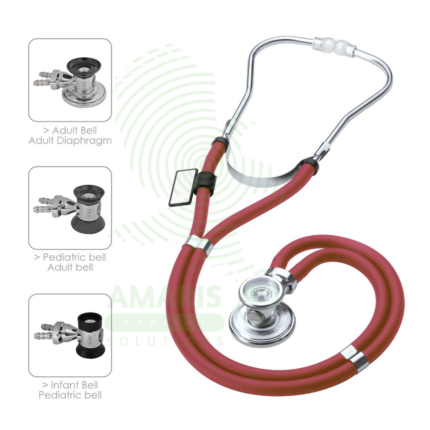
Dual Head Stethoscope
The Dual Head Stethoscope is the classic, essential acoustic diagnostic tool used by healthcare professionals worldwide. Its defining feature is a two-sided chestpiece, combining a diaphragm for high-frequency sounds (breath sounds, normal heart tones) and a bell for low-frequency sounds (heart murmurs, abnormal heart tones). Through mechanical sound conduction, it provides critical information for assessing cardiac, pulmonary, and vascular systems during physical examinations and manual blood pressure measurement. Its effectiveness relies on proper technique, a good acoustic seal, and consistent cleaning. As a fundamental symbol of medical practice, it balances functionality, durability, and affordability.
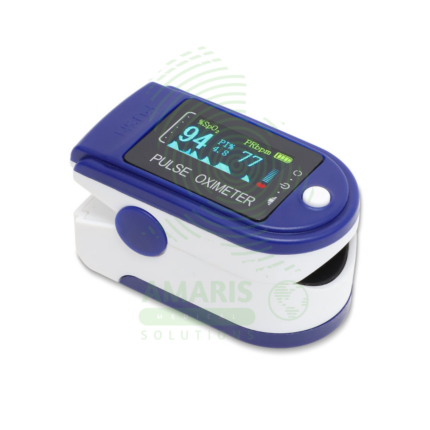
Fingertip Pulse Oximeter
A Fingertip Pulse Oximeter is a compact, non-invasive medical device that clips onto a finger to measure peripheral arterial oxygen saturation (SpO2) and pulse rate in seconds. Utilizing light-based technology, it provides critical, real-time data on respiratory and circulatory status. Its portability and ease of use make it indispensable in hospitals (from ORs to general wards), for patients managing chronic lung conditions at home, and for situational monitoring in sports or high-altitude environments. While an extremely valuable screening tool, readings must be interpreted in context, considering factors like patient movement, perfusion, and clinical symptoms.
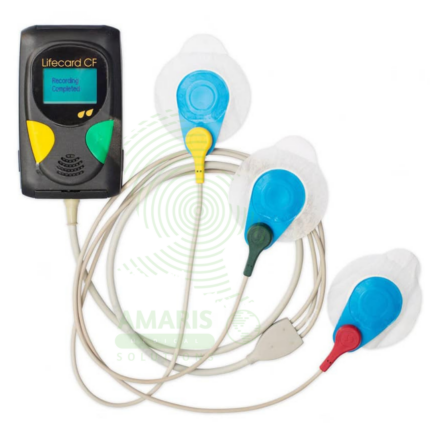
Holter ECG Monitor
A Holter ECG Monitor is a portable, wearable medical device used for continuous, long-term recording of a patient's heart's electrical activity over 24 to 48 hours or more. It is the cornerstone diagnostic tool for detecting intermittent cardiac arrhythmias, evaluating unexplained symptoms like syncope or palpitations, and monitoring the efficacy of antiarrhythmic treatments or implanted cardiac device function. Consisting of a small digital recorder connected to chest electrodes (or an all-in-one adhesive patch), it allows patients to maintain their normal daily routine while capturing a comprehensive electrocardiographic record.
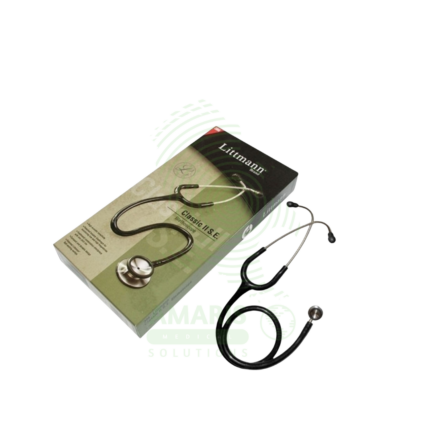
Littmann Stethoscope (Classic II)
A Littmann Stethoscope (Classic II) is a premium, acoustic dual-head stethoscope renowned for its diagnostic clarity, durability, and innovative tunable diaphragm technology. It allows healthcare professionals to hear both high and low-frequency sounds by simply adjusting pressure on the single-sided chestpiece, eliminating the need to rotate it. With its superior acoustics, comfortable fit, and wide range of colors, it is the instrument of choice for medical students, nurses, and physicians across all specialties who require reliable performance for physical assessment, auscultation of heart and lung sounds, and manual blood pressure measurement.
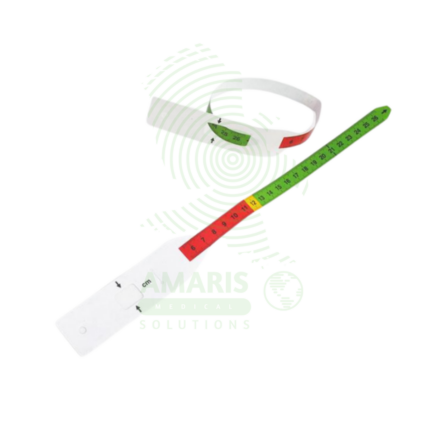
MUAC Tape
A MUAC Tape (Mid-Upper Arm Circumference) is a specialized, color-coded measuring tape used globally as the primary field tool for screening children aged 6-59 months for acute malnutrition. Its simple design—featuring red, yellow, and green zones corresponding to Severe Acute Malnutrition, Moderate Acute Malnutrition, and normal nutritional status—allows for instant, non-invasive assessment without the need for scales, calculation, or literacy. Durable, portable, and inexpensive, it is the cornerstone of community-based nutrition programs, emergency relief efforts, and public health surveillance, enabling early detection and life-saving intervention for malnourished children in even the most resource-constrained settings.