Dermatoscope and Magnifiers
 Diagnostic Kits
 Vital Signs Monitors
 Stethoscopes and Accessories
 Otoscopes, Ophthalmoscopes, and Retinoscopes
 Reflex Hammers and Neurological Tools
 Scales and Measuring Devices
 Spirometers and Pulmonary Function Tests
 Electrosurgical Units and Accessories
 Cutting Instruments
 Grasping and Holding Instruments
 Hemostatic Instruments
 Specialized Surgical Sets
 Single-Use Procedure Trays and Packs
 Surgical Drapes, Gowns, and Covers
 Tissue Unifying Instruments
 Radiation Protection
 X-Ray Machines and Accessories
 Ultrasound Systems and Probes
 MRI and CT Scanners
 Radiology Consumables
 Bone Densitometers
 Fluoroscopy Equipment
 Imaging Tables and Positioning Aids
 Microscopes and Accessories
 Centrifuges and Separators
 Analyzers
 Incubators and Ovens
 Pipettes, Dispensers, and Lab Glassware
 Refrigerators, Freezers, and Storage Units
 Lab Consumables
 Sterilizers and Autoclaves for Lab Use
 Multi-Parameter Monitors
 Ventilators and Respiratory Support Devices
 Defibrillators and AEDs
 Infusion Pumps and IV Systems
 Patient Warmers and Cooling Devices
 Central Monitoring Stations
 Accessories
 Anesthesia Machines and Workstations
 Oxygen Concentrators and Delivery Systems
 Nebulizers and Inhalers
 CPAP/BiPAP Machines
 Airway Management
 Anesthesia Masks, Circuits, and Bags
 Humidifiers and Heaters
 Respiratory Therapy Accessories
 First Aid Kits and Cabinets
 Emergency Resuscitation Equipment
 Trauma Supplies
 Emergency Carts and Crash Carts
 Burn Care Products
 Bleeding Control
 Automated External Defibrillators (AEDs)
 Transport and Evacuation
 Wheelchairs and Accessories
 Walkers, Crutches, and Canes
 Prosthetics and Orthotics
 Physical Therapy Equipment
 Transfer Devices
 Bathroom Safety
 Orthopedic Traction and Tables
 Hot/Cold Therapy Packs and Units
 Beds and Mattresses
 Chairs and Stools
 Tables
 Cabinets and Storage
 Privacy Screens & Curtains
 Stands and Racks
 Linens and Textiles
 Lighting
 Autoclaves and Sterilizers
 Ultrasonic Cleaners
 Disinfectant Solutions and Wipes
 Sterilization Pouches, Wraps, and Indicators
 Instrument Trays and Containers
 UV and Ozone Disinfection Devices
 Washer Disinfectors
 Wound Care
 Gloves
 Masks and Respirators
 Catheters and Tubing
 Swabs, Applicators, and Sponges
 Incontinence Products
 Personal Protective Equipment (PPE)
 Dental Chairs and Units
 Handpieces and Burs
 Instruments
 Consumables
 Sterilization for Dental Use
 Orthodontic Supplies
 Endodontic Tools
 Slit Lamps and Tonometers
 Lensometers and Phoropters
 Ophthalmic Surgical Instruments
 Eyewear Frames and Lenses
 Contact Lens Supplies
 Vision Testing Charts and Devices
 Eye Care Consumables
 Laser Systems for Eye Care
 ENT Exam Chairs and Tables
 Endoscopes
 Audiometers and Hearing Tests
 ENT Instruments
 Nasal and Throat Packs
 Hearing Aids and Accessories
 Otology Supplies
 Fetal Dopplers and Monitors
 Delivery Beds and Tables
 Gynecological Instruments
 Neonatal Incubators and Warmers
 Breast Pumps and Accessories
 Contraceptive Devices
 Maternity Supports and Pads
 Neonatal Consumables
 Cystoscopes and Urethroscopes
 Dialysis Machines and Supplies
 Urological Catheters and Bags
 Lithotripters
 Prostate Treatment Devices
 Urinary Incontinence Products
 Kidney Stone Management Tools
 Consumables & Disposables
 EEG and EMG Machines
 Neurosurgical Instruments
 Nerve Stimulators
 Headrests and Positioning Aids
 Lumbar Puncture Kits
 Seizure Monitoring Devices
 Consumables
 Rehabilitation for Neurological Conditions
 ECG Machines and Accessories
 Holter Monitors
 Stress Test Systems
 Pacemakers and Defibrillator Accessories
 Vascular Access Devices
 Cardiac Catheters and Guidewires
 Blood Flow Meters
 Consumables
 Orthopedic Instruments
 Casts, Splints, and Padding
 Joint Replacement Supplies
 Prosthetic Limbs and Components
 Bone Grafts and Substitutes
 Traction Devices
 Orthopedic Braces and Supports
 Rehabilitation Aids for Orthopedics
 Home Oxygen Therapy
 Hospital Beds for Home Use
 Mobility Aids
 Bathroom and Daily Living Aids
 Wound Care for Home
 Monitoring Devices
 Enteral Feeding Pumps and Tubes
 Hand Sanitizers and Dispensers
 Face Shields and Goggles
 Isolation Gowns and Suits
 Biohazard Waste Containers
 Air Purifiers and HEPA Filters
 Surface Disinfectants
 Sharps Containers
 Protective Barriers
 Cardiovascular & Endurance Training
 Strength Training & Weightlifting
 Functional Training & Core Conditioning
 Physical Therapy & Rehabilitation
 Sports & Outdoor Recreation
 Gym Flooring & Facility Equipment
 Fitness Monitoring & Accessories
 Kids & Novelties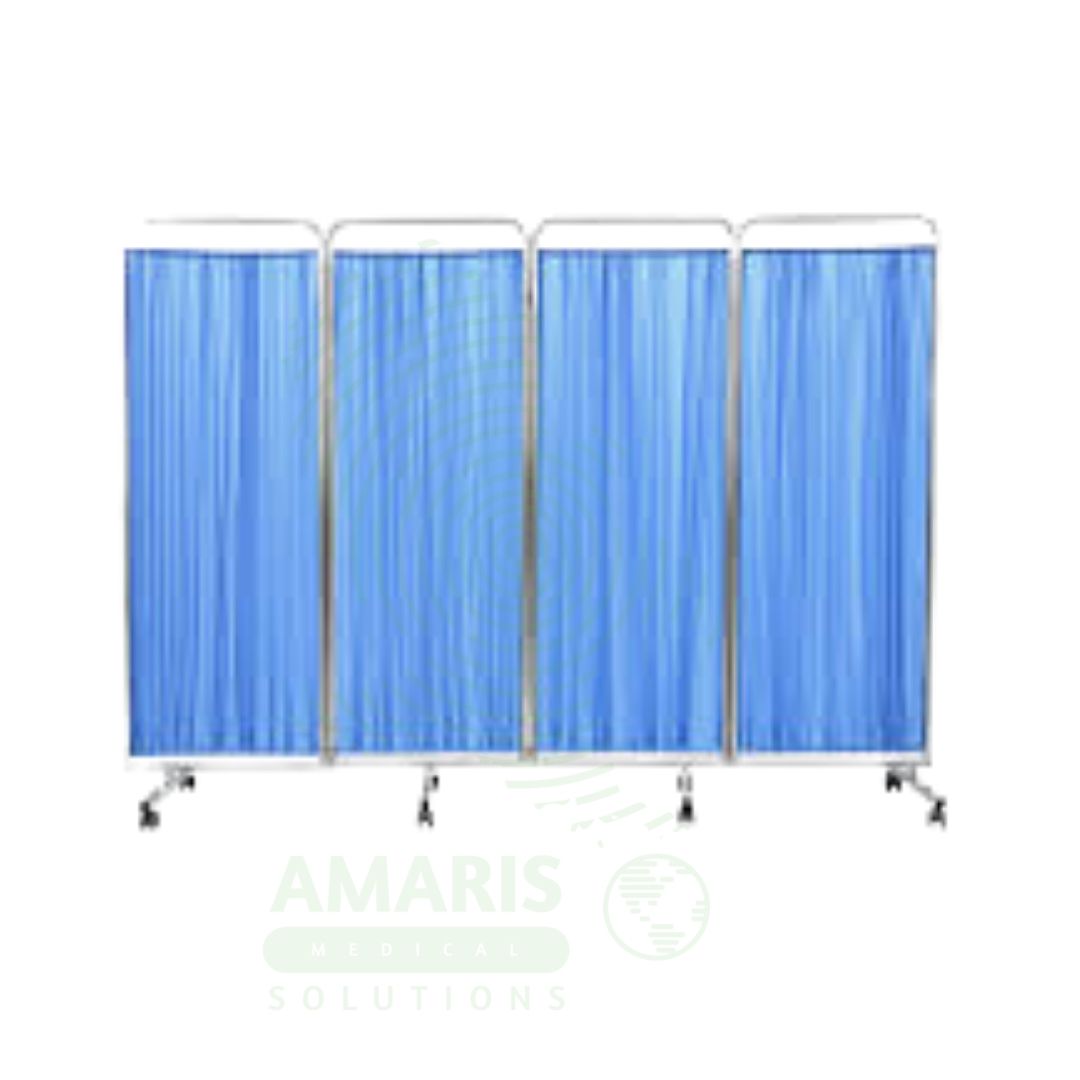
Foldable Ward Screen
WhatsApp Order
A Foldable Ward Screen is a portable, folding partition used to create instant visual privacy around a patient’s bed or procedure area in multi-bed hospital wards, emergency departments, and clinics. Typically consisting of three hinged opaque panels, it provides dignity during examinations and personal care, aids in infection control by creating temporary barriers, and helps manage the clinical environment. Its free-standing, foldable design allows for easy deployment, storage, and cleaning, making it a fundamental piece of non-clinical equipment for patient-centered care in shared spaces.
Description
Foldable Ward Screen
PRIMARY CLINICAL & DIAGNOSTIC USES
1. Provision of Visual Privacy for Patients
-
Definitive Use: Creates a temporary, movable barrier around a patient’s bed or examination area in multi-bed wards, emergency departments, or outpatient clinics, ensuring dignity and confidentiality during physical examinations, consultations, procedures, and personal care activities.
-
How it helps: For the nurse conducting a physical assessment, the physician discussing sensitive results, or the aide assisting with personal care, the ward screen transforms a semi-public space into a private sanctuary—a visual boundary that signals to others that this patient deserves the same privacy they would have in a private room. For the patient in a shared ward, being examined or discussing personal health matters within earshot of strangers can be deeply distressing; the simple act of pulling a screen around them restores dignity and creates a space where they can feel safe and respected.
2. Infection Control and Containment
-
Primary Use: Serves as a physical barrier to help contain airborne droplets or create a defined isolation zone for patients with contagious respiratory infections in open ward settings, pending transfer to a negative-pressure room.
-
How it helps: For the infection prevention team and bedside nurse, a ward screen placed around a coughing patient with suspected tuberculosis or influenza provides an immediate, though imperfect, barrier—containing droplets, reminding staff and visitors to use appropriate PPE, and clearly demarcating an isolation zone until proper respiratory isolation can be arranged. For the patient with a contagious illness, and for the vulnerable immunocompromised patient in the next bed, this simple barrier reduces the risk of transmission while more definitive measures are implemented.
3. Creation of a Temporary Procedural or Treatment Space
-
Primary Use: Used to delineate and enclose an area for performing minor procedures, medication administration, or patient education, providing a focused, distraction-free environment for both the patient and clinician.
-
How it helps: For the clinician performing a sterile procedure at the bedside—inserting a urinary catheter, changing a complex dressing, or starting a difficult IV—the ward screen creates a defined workspace that reduces distractions, improves focus, and signals to others that an invasive procedure is in progress. For the patient undergoing a potentially uncomfortable or anxiety-provoking procedure, being screened off from the view and awareness of other patients reduces stress and allows them to focus on coping with the procedure itself.
4. Management of Environmental Stimuli
-
Primary Use: Helps shield sensitive or distressed patients from the overstimulation of a busy ward environment, aiding in rest and recovery, particularly for neurological or psychiatric patients.
-
How it helps: For the nurse caring for a patient with delirium, traumatic brain injury, or sensory processing disorders, a ward screen placed around their bed reduces visual stimuli, buffers noise, and creates a calmer environment that supports neurological recovery. For the patient whose brain is struggling to process the constant activity of a busy ward, the screen provides a visual boundary that simplifies their environment and reduces the cognitive load contributing to their distress.
SECONDARY & SUPPORTIVE USES
1. Space Division and Ward Management: Employed to temporarily divide large spaces into functional sections, such as creating a separate triage area in an emergency department during a surge or partitioning a section of a ward for cohorting patients with similar conditions. For the charge nurse managing patient flow during a busy shift, movable screens provide flexible space management that adapts to changing needs.
2. Decorative and Wayfinding Purposes: In some settings, screens are used for non-clinical purposes such as concealing equipment storage, creating a pleasant backdrop in waiting areas, or displaying hospital information and wayfinding signs. For the patient and family navigating an unfamiliar hospital environment, well-placed screens can reduce visual clutter and improve the overall experience.
3. Teaching and Simulation: Used in clinical skills laboratories to simulate multi-bed ward environments, allowing students to practice procedures and communication while maintaining patient privacy in a simulated setting. For the future clinicians learning to provide care with dignity, practicing with screens builds habits of privacy and respect that will benefit their patients.
4. Mortuary and Post-Mortem Area Screening: Provides respectful visual screening in temporary morgue settings or around a deceased patient in a ward until transfer to the mortuary. For the deceased and their family, and for other patients and visitors in the vicinity, a screen provides dignity and privacy during a difficult time, shielding them from the view of those who should not witness these moments.
KEY PRODUCT FEATURES
1. BASIC IDENTIFICATION ATTRIBUTES
-
Product Type: A portable, folding partition screen used to create temporary visual barriers in clinical environments.
-
Core Design: Consists of three or four rigid panels connected by durable hinges, allowing it to be folded for storage and unfolded into a free-standing "Z" or "W" shape. The "3/4 fold" designation typically refers to a 3-panel screen.
-
Key Components:
-
Panels: Rigid frames (metal or wood) covered with fabric, vinyl, or plastic.
-
Hinges: Heavy-duty, often piano-style hinges that allow easy folding and unfolding while maintaining panel alignment.
-
Feet: Stabilizing feet, often with non-marking rubber caps, to prevent tipping.
-
Carrying Handles: Integrated handles on the side panels for easy transport.
-
2. TECHNICAL & PERFORMANCE PROPERTIES
-
Stability: Designed with a wide base and low center of gravity to remain free-standing without support, even when bumped lightly.
-
Opacity: The panel covering material is opaque to ensure complete visual privacy.
-
Flame Retardancy: Materials must meet hospital fire safety standards (e.g., BS 5852, CAL 117) to be non-flammable or flame-retardant.
-
Acoustic Properties: While primarily visual, some screens with thicker, fabric-covered panels can provide minor sound dampening.
3. PHYSICAL & OPERATIONAL PROPERTIES
-
Construction: Frame typically made of powder-coated steel or aluminum. Panel infill can be vinyl-laminated board, laminated fabric, or clear PVC in upper sections.
-
Mobility: Lightweight and easily carried by one person. Folds flat for compact storage in a closet or against a wall.
-
Cleanability: Surfaces must be easily wipeable with hospital-grade disinfectants. Vinyl or plastic surfaces are most common for high-infection-control areas.
4. SAFETY & COMPLIANCE ATTRIBUTES
-
Regulatory Status: Generally considered hospital furnishings, not a medical device.
-
Fire Safety Compliance: Must carry certification for flame retardancy as per local hospital building and safety codes.
-
Stability Standards: Should be tested to not tip over under normal use conditions.
5. STORAGE & HANDLING ATTRIBUTES
-
Storage: Stored flat-folded in a designated storage area, closet, or leaned against a wall in an unused corner of a ward.
-
Cleaning & Disinfection: Must be cleaned regularly, especially after use in isolation. Wipe down all surfaces, including hinges and feet, with a compatible disinfectant. Fabric panels may require specific cleaning agents.
-
Maintenance: Inspect hinges for smooth operation and security. Check feet for wear and stability. Look for tears or damage to the panel covering that could compromise privacy or cleanability.
6. LABORATORY & CLINICAL APPLICATIONS
-
Primary Application: An essential piece of non-clinical infrastructure in any open-plan patient care area. It is a fundamental tool for maintaining patient dignity, confidentiality, and infection control in space-constrained environments.
SAFETY HANDLING PRECAUTIONS
1. SAFETY PRECAUTIONS
-
Secure Placement: Ensure the screen is fully unfolded and the feet are properly planted on the floor before leaving it unattended around a patient.
-
Awareness of Lines and Cords: When positioning around a patient, ensure the screen does not compress, pull, or trip over IV lines, oxygen tubing, monitor cables, or call bell cords.
-
Infection Control: In isolation settings, the screen should be considered contaminated after use and must be thoroughly disinfected before being used for another patient.
-
Moving with Caution: Be aware of the screen's full width when unfolding or moving it in a busy ward to avoid bumping into other equipment, beds, or people.
2. FIRST AID MEASURES
-
Tip-Over Incident: If the screen tips and falls on a patient or staff, remove it immediately and assess for injuries. Check for any damage to medical lines or equipment that was struck.
-
Contamination Exposure: If a screen used for infection control is not properly cleaned and leads to suspected cross-contamination, follow institutional infection control protocols for reporting and management.
3. FIRE FIGHTING MEASURES
-
Flammability: While flame-retardant, materials will combust in a sufficient fire.
-
Extinguishing Media: Use water, foam, or CO₂. Remove the screen from the area if it is safe to do so.
Related products
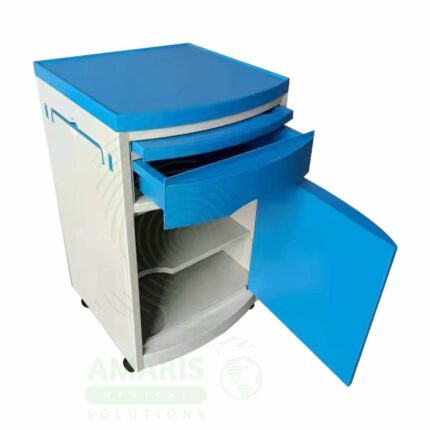
Bedside Cabinet
A Bedside Cabinet is a lockable storage unit designed for placement next to a hospital bed. It provides patients with secure storage for personal belongings and offers organized space for their clinical supplies. Typically featuring a laminate top surface, drawers, and a lockable cupboard, it serves to personalize the patient's space, enhance security, and maintain tidiness in the clinical environment. Its easy-to-clean surfaces are crucial for infection control, requiring thorough disinfection between patient uses. It is a standard and essential furnishing in inpatient hospital rooms.

Cellular Blankets
Cellular Blankets are lightweight, breathable blankets with a distinctive honeycomb knit structure. Primarily used in healthcare for patient warmth and thermal regulation, they work by trapping insulating air within their cells while allowing moisture to escape, preventing overheating and sweating. Available in reusable (cotton/polyester) or disposable forms, they are essential for maintaining patient comfort, dignity, and temperature stability in wards, recovery areas, and during transport. Their safety depends on strict adherence to single-patient use and proper high-temperature laundering for reusable versions.
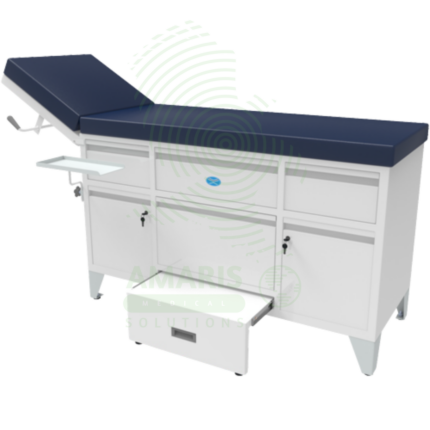
Examination Couch
An Examination Couch is a versatile, height-adjustable table designed as the central fixture in medical exam rooms. It provides a clean, comfortable, and adaptable surface for patient examinations, minor outpatient procedures, and diagnostic testing. Key features often include an adjustable backrest, extendable stirrups for gynecological/urological exams, and easy-clean upholstery. Its primary function is to facilitate efficient and ergonomic patient care while ensuring comfort and safety for both the patient and the clinician in general practice, specialty clinics, and urgent care settings.
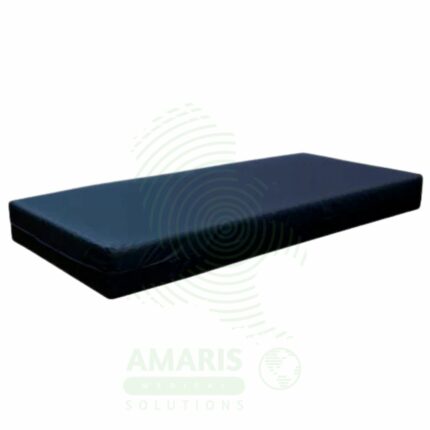
Hospital Mattress with Rexine
A Hospital Mattress with Rexine is a medical-grade mattress designed for use on hospital beds in clinical and home care settings. Featuring a high-density foam core for pressure redistribution and support, and a waterproof, fluid-resistant Rexine cover for infection control, it provides a comfortable, hygienic surface for patients requiring bed rest. The durable construction withstands repeated cleaning and disinfection, making it suitable for high-use environments. Essential for pressure injury prevention and patient comfort during hospitalization or long-term care.
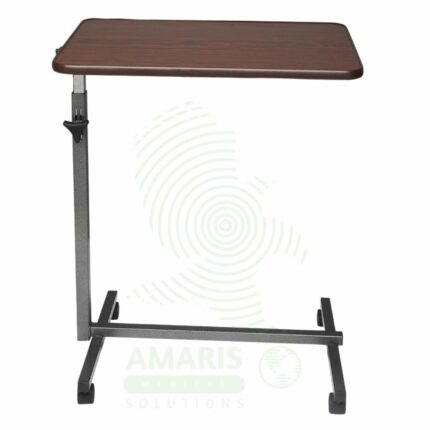
Overbed Table
An Overbed Table is a mobile, height-adjustable table on a wheeled base, featuring a swing-arm that allows its surface to be positioned over a patient's bed or chair. Its primary function is to provide a stable, convenient surface for in-bed dining, recreational activities, and personal organization, significantly enhancing comfort and independence for bedridden or mobility-limited patients. It also serves as a versatile utility table for nursing procedures and holding supplies at the bedside. Its adjustable, lockable design makes it an essential piece of patient-centered furniture in hospitals, nursing homes, and rehabilitation facilities.
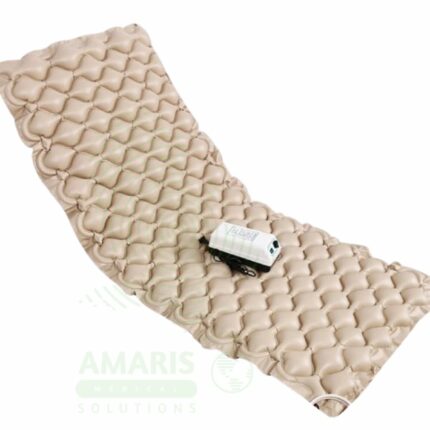
Ripple Mattress
A Ripple Mattress is an active alternating pressure mattress system designed to prevent and treat pressure injuries. It consists of a series of air cells connected to an electric pump that cyclically inflates and deflates, creating a "rippling" effect that constantly shifts pressure away from bony prominences. This promotes blood flow and relieves tissue ischemia in immobile, high-risk patients. Essential in ICUs, wards, and long-term care, it is a key component of pressure injury prevention protocols and includes critical safety features like low-pressure alarms and battery backup to ensure continuous therapy.
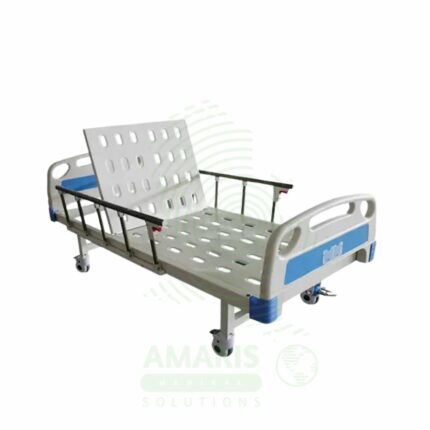
Single Crank Hospital Bed
A Single Crank Hospital Bed is the most basic type of manually adjustable bed, featuring only one hand crank to raise and lower the head section. It provides essential backrest elevation for patient comfort, feeding, and respiratory support but lacks knee elevation and height adjustment. Its simplicity makes it durable and low-cost, but it poses significant risks: patients are prone to sliding down the bed, and caregivers face ergonomic hazards due to the fixed height and manual operation. It is suitable only for minimal-care settings where patient mobility and clinical needs are very low.