Dermatoscope and Magnifiers
 Diagnostic Kits
 Vital Signs Monitors
 Stethoscopes and Accessories
 Otoscopes, Ophthalmoscopes, and Retinoscopes
 Reflex Hammers and Neurological Tools
 Scales and Measuring Devices
 Spirometers and Pulmonary Function Tests
 Electrosurgical Units and Accessories
 Cutting Instruments
 Grasping and Holding Instruments
 Hemostatic Instruments
 Specialized Surgical Sets
 Single-Use Procedure Trays and Packs
 Surgical Drapes, Gowns, and Covers
 Tissue Unifying Instruments
 Radiation Protection
 X-Ray Machines and Accessories
 Ultrasound Systems and Probes
 MRI and CT Scanners
 Radiology Consumables
 Bone Densitometers
 Fluoroscopy Equipment
 Imaging Tables and Positioning Aids
 Microscopes and Accessories
 Centrifuges and Separators
 Analyzers
 Incubators and Ovens
 Pipettes, Dispensers, and Lab Glassware
 Refrigerators, Freezers, and Storage Units
 Lab Consumables
 Sterilizers and Autoclaves for Lab Use
 Multi-Parameter Monitors
 Ventilators and Respiratory Support Devices
 Defibrillators and AEDs
 Infusion Pumps and IV Systems
 Patient Warmers and Cooling Devices
 Central Monitoring Stations
 Accessories
 Anesthesia Machines and Workstations
 Oxygen Concentrators and Delivery Systems
 Nebulizers and Inhalers
 CPAP/BiPAP Machines
 Airway Management
 Anesthesia Masks, Circuits, and Bags
 Humidifiers and Heaters
 Respiratory Therapy Accessories
 First Aid Kits and Cabinets
 Emergency Resuscitation Equipment
 Trauma Supplies
 Emergency Carts and Crash Carts
 Burn Care Products
 Bleeding Control
 Automated External Defibrillators (AEDs)
 Transport and Evacuation
 Wheelchairs and Accessories
 Walkers, Crutches, and Canes
 Prosthetics and Orthotics
 Physical Therapy Equipment
 Transfer Devices
 Bathroom Safety
 Orthopedic Traction and Tables
 Hot/Cold Therapy Packs and Units
 Beds and Mattresses
 Chairs and Stools
 Tables
 Cabinets and Storage
 Privacy Screens & Curtains
 Stands and Racks
 Linens and Textiles
 Lighting
 Autoclaves and Sterilizers
 Ultrasonic Cleaners
 Disinfectant Solutions and Wipes
 Sterilization Pouches, Wraps, and Indicators
 Instrument Trays and Containers
 UV and Ozone Disinfection Devices
 Washer Disinfectors
 Wound Care
 Gloves
 Masks and Respirators
 Catheters and Tubing
 Swabs, Applicators, and Sponges
 Incontinence Products
 Personal Protective Equipment (PPE)
 Dental Chairs and Units
 Handpieces and Burs
 Instruments
 Consumables
 Sterilization for Dental Use
 Orthodontic Supplies
 Endodontic Tools
 Slit Lamps and Tonometers
 Lensometers and Phoropters
 Ophthalmic Surgical Instruments
 Eyewear Frames and Lenses
 Contact Lens Supplies
 Vision Testing Charts and Devices
 Eye Care Consumables
 Laser Systems for Eye Care
 ENT Exam Chairs and Tables
 Endoscopes
 Audiometers and Hearing Tests
 ENT Instruments
 Nasal and Throat Packs
 Hearing Aids and Accessories
 Otology Supplies
 Fetal Dopplers and Monitors
 Delivery Beds and Tables
 Gynecological Instruments
 Neonatal Incubators and Warmers
 Breast Pumps and Accessories
 Contraceptive Devices
 Maternity Supports and Pads
 Neonatal Consumables
 Cystoscopes and Urethroscopes
 Dialysis Machines and Supplies
 Urological Catheters and Bags
 Lithotripters
 Prostate Treatment Devices
 Urinary Incontinence Products
 Kidney Stone Management Tools
 Consumables & Disposables
 EEG and EMG Machines
 Neurosurgical Instruments
 Nerve Stimulators
 Headrests and Positioning Aids
 Lumbar Puncture Kits
 Seizure Monitoring Devices
 Consumables
 Rehabilitation for Neurological Conditions
 ECG Machines and Accessories
 Holter Monitors
 Stress Test Systems
 Pacemakers and Defibrillator Accessories
 Vascular Access Devices
 Cardiac Catheters and Guidewires
 Blood Flow Meters
 Consumables
 Orthopedic Instruments
 Casts, Splints, and Padding
 Joint Replacement Supplies
 Prosthetic Limbs and Components
 Bone Grafts and Substitutes
 Traction Devices
 Orthopedic Braces and Supports
 Rehabilitation Aids for Orthopedics
 Home Oxygen Therapy
 Hospital Beds for Home Use
 Mobility Aids
 Bathroom and Daily Living Aids
 Wound Care for Home
 Monitoring Devices
 Enteral Feeding Pumps and Tubes
 Hand Sanitizers and Dispensers
 Face Shields and Goggles
 Isolation Gowns and Suits
 Biohazard Waste Containers
 Air Purifiers and HEPA Filters
 Surface Disinfectants
 Sharps Containers
 Protective Barriers
 Cardiovascular & Endurance Training
 Strength Training & Weightlifting
 Functional Training & Core Conditioning
 Physical Therapy & Rehabilitation
 Sports & Outdoor Recreation
 Gym Flooring & Facility Equipment
 Fitness Monitoring & Accessories
 Kids & Novelties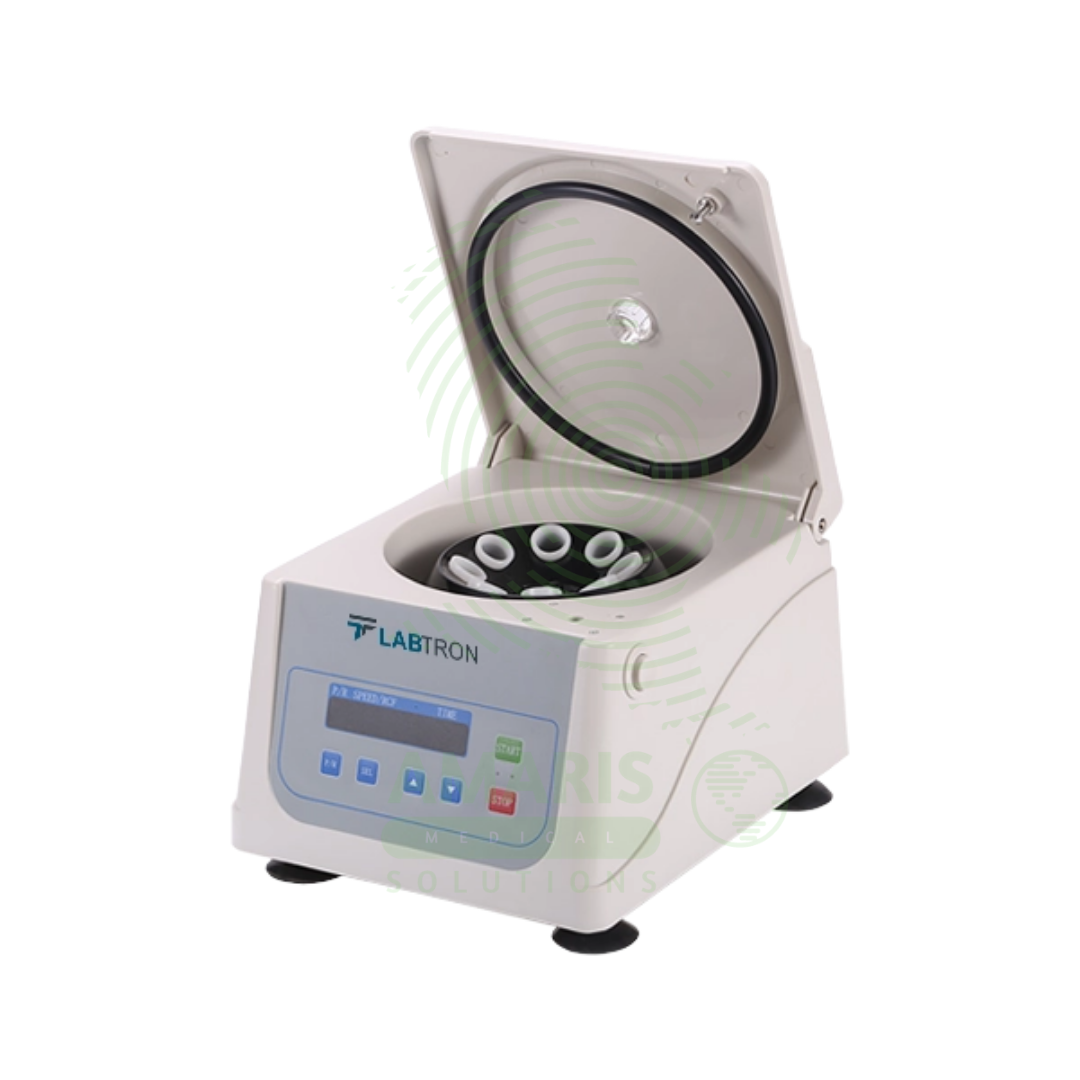
Low Speed Centrifuge
$1.00
WhatsApp Order
A Low Speed Centrifuge is a benchtop or floor-standing laboratory instrument designed for routine separation of biological samples at speeds of 3,000-6,000 RPM and RCF up to 5,000 x g. Available with swinging-bucket or fixed-angle rotors accepting blood collection tubes (3-10 mL), 15 mL and 50 mL conical tubes, urine tubes, and microplates. Features include digital controls, programmable protocols, imbalance detection, safety lid lock, and refrigerated options (4°C to ambient). Primary clinical applications include serum/plasma separation for clinical chemistry, urine sediment preparation for microscopy, platelet-rich plasma (PRP) preparation for regenerative medicine, cytology and body fluid concentration, blood bank and transfusion applications, coagulation testing sample preparation, and microbiology specimen concentration. Essential equipment in clinical laboratories, hospital blood banks, and research facilities requiring gentle, efficient separation of routine clinical samples.
Description
Low Speed Centrifuge
PRIMARY CLINICAL & DIAGNOSTIC USES
1. Routine Blood Separation for Clinical Chemistry:
-
Primary Use: Low speed centrifuges are essential for separating serum or plasma from whole blood samples by spinning at 3,000-4,000 RPM for 10-15 minutes, enabling analysis of biochemical parameters including glucose, electrolytes, liver enzymes, and renal function markers.
-
How it helps: Transforms whole blood into the clear serum or plasma that automated chemistry analyzers need to run tests, providing doctors with critical information about organ function, metabolism, and overall health.
2. Urine Sediment Preparation for Microscopy:
-
Primary Use: Used to concentrate cellular elements, casts, crystals, and microorganisms from urine specimens by centrifugation at 400-600 x g for 5-10 minutes, enabling microscopic examination for diagnosis of urinary tract infections and renal disorders.
-
How it helps: Makes invisible problems visible by concentrating tiny particles in urine that would otherwise be too dilute to see, helping doctors identify kidney stones, infections, and other urinary tract conditions.
3. Platelet-Rich Plasma (PRP) Preparation:
-
Primary Use: Employed in regenerative medicine and orthopedic practices to prepare PRP from patient’s own blood for therapeutic injections into joints, tendons, and soft tissues to promote healing.
-
How it helps: Harnesses the body’s natural healing factors by concentrating platelets and their growth factors, offering patients a minimally invasive treatment option for chronic pain and injuries that may avoid the need for surgery.
4. Cytology and Body Fluid Concentration:
-
Primary Use: Concentrates cells from ascitic fluid, pleural fluid, pericardial fluid, and cerebrospinal fluid for cytological examination to detect malignant cells or assess for infection.
-
How it helps: Gives pathologists a richer sample to examine, improving the detection of cancer cells or infectious organisms in body fluids and helping doctors make earlier, more accurate diagnoses.
5. Blood Bank and Transfusion Applications:
-
Primary Use: Used for preparing packed red blood cells, platelet concentrates, and for compatibility testing (cross-matching) by gently spinning blood samples to observe agglutination reactions.
-
How it helps: Makes the most of every blood donation by separating whole blood into components that can help multiple patients, and ensures that when a patient needs blood, it is compatible and safe for transfusion.
6. Coagulation Testing Sample Preparation:
-
Primary Use: Prepares platelet-poor plasma by centrifugation at 2,500-3,500 RPM for coagulation studies including PT, APTT, and fibrinogen testing.
-
How it helps: Removes platelets and cellular debris that could interfere with coagulation testing, ensuring that patients on blood thinners or with bleeding disorders receive accurate test results.
7. Microbiology Specimen Concentration:
-
Primary Use: Concentrates bacteria from body fluids (CSF, pleural fluid, synovial fluid) for culture and Gram stain, improving diagnostic yield in infectious disease testing.
-
How it helps: Increases the chances of finding and identifying bacteria in difficult-to-diagnose infections, ensuring patients with serious conditions like meningitis or septic arthritis receive the right antibiotics quickly.
SECONDARY & SUPPORTIVE USES
1. Veterinary Diagnostics: Used in veterinary laboratories for processing blood, urine, and other specimens from animals, helping veterinarians diagnose and treat illnesses in pets and livestock with the same accuracy as human medicine.
2. Research and Clinical Trials: Essential for processing biological samples in research settings including cell culture, protein analysis, and drug development studies, supporting scientific discovery.
3. Fertility and Reproductive Medicine: Used to process semen samples for sperm count and motility analysis, helping couples achieve their dream of starting a family.
4. Food Safety and Quality Control: Used in food testing laboratories to concentrate pathogens from food samples, helping prevent foodborne illness outbreaks.
5. Pharmaceutical Quality Control: Employed in pharmaceutical manufacturing to test product stability and purity, ensuring medications are safe and effective.
6. Educational and Teaching Laboratories: Essential equipment in medical, nursing, and clinical laboratory science education programs, training future healthcare professionals.
7. Environmental Testing: Used to concentrate water samples for analysis of microorganisms or chemical contaminants, helping protect public health by ensuring drinking water is safe.
KEY PRODUCT FEATURES
1. BASIC IDENTIFICATION ATTRIBUTES
-
Product Type: Benchtop or floor-standing centrifuge designed for routine separation of biological samples at lower speeds.
-
Common Names: Low Speed Centrifuge, Clinical Centrifuge, Bench Centrifuge, Blood Bank Centrifuge, General Purpose Centrifuge.
-
Rotor Types:
-
Swinging-Bucket Rotor: Buckets swing out horizontally; ideal for blood collection tubes, urine tubes, and gradient separations.
-
Fixed-Angle Rotor: Tubes held at fixed angle; faster pelting, for routine clinical applications.
-
-
Rotor Capacity: 4-48 tubes per run depending on model and tube size.
-
Maximum Speed: 3,000-6,000 RPM typical.
-
Maximum RCF: 2,000-5,000 x g.
-
Tube Compatibility: Accepts standard blood collection tubes (3-10 mL), 15 mL conical tubes, 50 mL conical tubes, and microtiter plates.
-
Drive System: Brushless induction motor or carbon brush motor.
-
Display: Digital LCD or LED showing speed, RCF, time, and program status.
-
Controls: Touchpad or rotary knob for programming.
-
Timing: Digital timer from 1-99 minutes or continuous run.
-
Program Memory: Stores multiple protocols for frequently used applications.
-
Temperature Control: Some models offer refrigeration (4°C to ambient) for temperature-sensitive samples.
-
Acceleration/Deceleration: Programmable rates to prevent sample disturbance.
2. TECHNICAL & PERFORMANCE PROPERTIES
-
Speed Range: 500-6,000 RPM depending on model.
-
RCF Range: Up to 5,000 x g.
-
Rotor Options:
-
Swinging-Bucket: For blood collection tubes (various sizes), 15 mL, 50 mL conical tubes.
-
Fixed-Angle: For higher RCF applications, smaller tubes.
-
Microplate Rotor: For centrifuging microtiter plates.
-
-
Capacity Examples:
-
Blood Tubes (3-10 mL): 12-48 tubes.
-
15 mL Conical: 12-32 tubes.
-
50 mL Conical: 4-16 tubes.
-
Microplates: 2-4 plates.
-
-
Acceleration/Deceleration: Programmable rates for gentle or rapid separation.
-
Imbalance Detection: Automatic shutoff if load is unbalanced, protecting rotor and motor.
-
Lid Lock: Automatic locking during operation for safety; prevents opening while rotor spinning.
-
Noise Level: 50-65 dB depending on model and speed.
-
Cooling (Refrigerated Models): 4°C to ambient for temperature-sensitive samples.
3. PHYSICAL & OPERATIONAL PROPERTIES
-
Dimensions: 40-70 cm × 50-80 cm × 30-50 cm (varies by model).
-
Weight: 30-80 kg depending on model and refrigeration.
-
Construction: Durable steel or ABS plastic exterior; stainless steel bowl interior.
-
Display: Digital LCD or LED with backlight.
-
Rotor Compatibility: Multiple rotor options for various tube types and applications.
-
Tube Adapters: Available for different tube sizes within the same rotor.
-
Accessories: Tube racks, rotor exchange tools, spare o-rings.
-
Power Requirements: 100-240 VAC, 50/60 Hz.
-
Certifications: Meets relevant safety and quality standards for medical devices.
4. SAFETY & COMPLIANCE ATTRIBUTES
-
Regulatory Status: Class I medical device (FDA, CE marked for IVD use when used with IVD applications).
-
Safety Standards: Complies with IEC 61010-2-020 for safety requirements for centrifuges.
-
Imbalance Detection: Automatic shutoff if load unbalanced, prevents damage and inaccurate results.
-
Lid Lock: Mechanical or electronic lock prevents opening while rotor spinning.
-
Emergency Lid Release: Manual release in case of power failure.
-
Over-speed Protection: Prevents operation above rotor's maximum rated speed.
-
Biohazard Safety: Sealed rotors or buckets available for infectious samples.
-
Quality Management: Manufactured under ISO 13485 or ISO 9001 certified processes.
-
CE Mark: Complies with European safety and EMC requirements.
5. STORAGE & HANDLING ATTRIBUTES
-
Storage: Store in clean, dry laboratory environment; avoid dust, humidity, and temperature extremes.
-
Installation: Place on rigid, level, non-flammable surface; ensure adequate ventilation (especially refrigerated models).
-
Cleaning: Wipe exterior with mild detergent; disinfect with EPA-registered disinfectant if spills occur. Clean rotor and bowl per manufacturer instructions.
-
Rotor Care: Inspect regularly for corrosion or cracks; clean and dry after each use.
-
Calibration: Annual speed and temperature (refrigerated models) calibration verification recommended.
-
Maintenance: Regular preventive maintenance per manufacturer schedule (motor, brushes if applicable, refrigeration system).
-
Inspection: Before each use, inspect the rotor for cracks or damage; check lid lock function; verify balance.
6. LABORATORY & CLINICAL APPLICATIONS
-
Primary Application: Routine separation of biological samples for clinical chemistry, hematology, urinalysis, and blood banking applications.
-
Typical Protocols:
-
Serum/Plasma Separation: 3,000-4,000 RPM for 10-15 minutes.
-
Urine Sediment: 400-600 x g for 5-10 minutes.
-
PRP Preparation: 1,000-1,500 RPM for 10-15 minutes (specific protocols vary).
-
Coagulation Plasma: 2,500-3,500 RPM for 10-15 minutes.
-
Blood Bank Applications: 1,000-2,000 RPM for 5-10 minutes (gentle spinning).
-
-
Sample Compatibility:
-
Blood Collection Tubes: 3 mL, 5 mL, 7 mL, 10 mL (various brands).
-
Conical Tubes: 15 mL, 50 mL.
-
Urine Tubes: Standard urine collection containers with adapters.
-
Microplates: 96-well, 384-well plates with appropriate rotor.
-
-
RCF Calculation: RCF = 1.118 × 10⁻⁵ × r × RPM² (r = radius in cm).
-
Limitations: Lower maximum RCF than high-speed centrifuges; not suitable for molecular biology applications requiring >5,000 x g.
SAFETY HANDLING PRECAUTIONS
1. SAFETY PRECAUTIONS
-
Balancing Loads: Always balance tubes by weight (not just number). Opposing tubes must have the same weight ±0.5-1.0 grams. Imbalance causes damage, inaccurate results, and potential injury.
-
Tube Compatibility: Use only tubes rated for the speed and RCF generated; tubes may break if exceeded.
-
Rotor Inspection: Inspect rotors regularly for corrosion, cracks, or white deposits (aluminum corrosion). Replace immediately if damaged.
-
Overloading: Never exceed rotor's maximum rated speed or sample volume.
-
Biohazard Safety: Use sealed rotors or buckets for infectious samples (blood, body fluids). Clean spills immediately.
-
Lid Lock: Never attempt to open the lid while the rotor is spinning; wait for complete stop.
-
Temperature-Sensitive Samples: Use refrigerated model or allow samples to reach appropriate temperature before centrifugation.
-
Training: Only trained personnel should operate centrifuges.
-
Chemical Resistance: Ensure tubes and rotors are compatible with chemicals used (acids, organics may damage rotors).
2. FIRST AID MEASURES
-
Tube Breakage During Run: Stop centrifuge immediately. Do not open the lid for 30 minutes to allow aerosol settling. Wear PPE and carefully remove broken tube fragments. Disinfect rotor and bowl thoroughly.
-
Chemical Spill: Follow chemical spill protocol; use appropriate PPE and absorbent materials.
-
Biohazard Spill: Contain with absorbent material; disinfect area with 10% bleach solution; dispose as biohazard waste.
-
Eye Contact with Contents: Flush eyes with copious water for 15 minutes; seek medical attention.
-
Electrical Malfunction: Disconnect power; do not use until serviced.
3. FIRE FIGHTING MEASURES
-
Flammability: Electrical components and plastic parts combustible.
-
Extinguishing Media: For electrical fire, use CO₂ or dry chemical (Class C) extinguisher; water may be used for surrounding materials.
-
Power Off: Disconnect power if safe to do so.
Related products
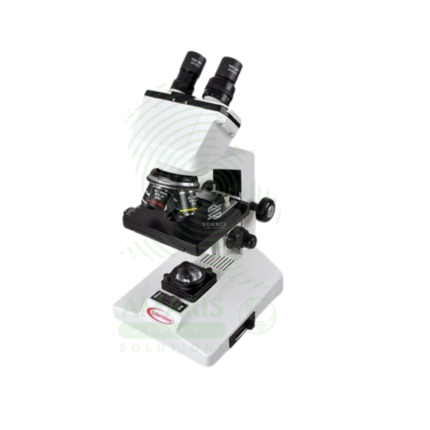
Binocular Microscope
A Binocular Microscope is a high-precision, compound optical instrument fundamental to clinical diagnostics. Featuring dual eyepieces for comfortable viewing and a suite of parfocal objective lenses (4x, 10x, 40x, 100x oil), it provides magnifications from 40x to 1000x. Its integrated LED illumination, mechanical stage, and Abbe condenser enable the detailed examination of stained blood films, tissue sections, microbiological specimens, and cytological preparations. As the primary tool for pathologists and laboratory scientists, it is indispensable for definitive diagnoses in hematology, histopathology, microbiology, and urinalysis, demanding skilled operation and meticulous maintenance for optimal performance.
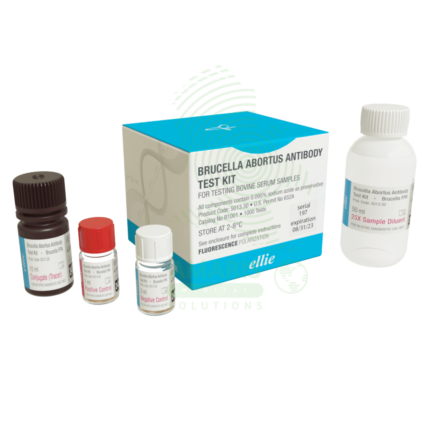
Brucella Set
A Brucella Set is a comprehensive serological test system (Class II medical device, CE-marked/FDA-cleared) for qualitative and quantitative detection of antibodies against Brucella species (B. abortus, B. melitensis, B. suis, B. canis) using multiple methodologies including tube agglutination, slide agglutination, and 2-mercaptoethanol (2-ME) testing. The set includes killed, stained Brucella antigens, positive and negative controls, dilution tubes, reaction cards, and 2-ME reagent for IgM/IgG differentiation. Diagnostic titer ≥1:160 or fourfold rise confirms brucellosis. Primary clinical applications include diagnosis of brucellosis in endemic regions (undulant fever, night sweats, arthralgia), fever of unknown origin investigation, occupational health screening in high-risk workers (veterinarians, farmers, slaughterhouse workers), diagnosis of focal complications (sacroiliitis, spondylitis, meningitis, endocarditis), treatment monitoring (fourfold decline indicates response), outbreak investigation, and public health surveillance. Critical safety precautions include handling all samples in biosafety cabinet (Brucella is highly infectious via aerosol), 2-ME reagent toxicity (use fume hood), awareness of prozone phenomenon (serial dilutions essential), cross-reactions with other Gram-negative bacteria, and mandatory reporting to public health authorities. Essential test for brucellosis diagnosis in endemic regions and occupational health settings.
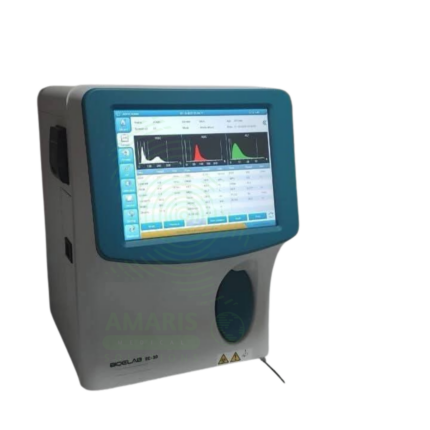
Hematology Analyzer
A Hematology Analyzer is a compact, automated benchtop analyzer designed to perform Complete Blood Counts (CBC) with a 3-part white blood cell differential. Utilizing impedance and photometric methods, it delivers rapid, precise results for red blood cells, white blood cells, platelets, and key indices from a small blood sample. Ideal for physician offices, small clinics, and satellite laboratories, it enables in-house hematology testing with walk-away operation. Its automated flagging system highlights abnormal results that require further manual smear review. As a core instrument for initial hematological screening, it combines efficiency with essential diagnostic capability for routine patient management.
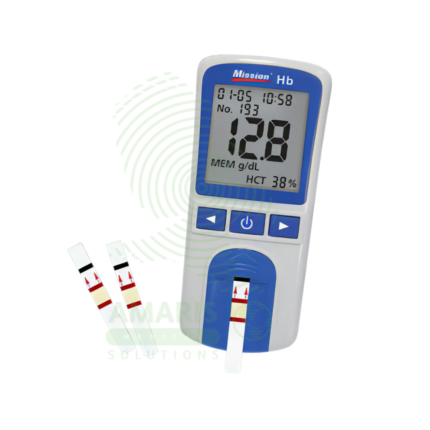
Hemoglobin Meter
A Hemoglobin Meter is a Class II medical device (FDA-cleared, CE-marked) for quantitative point-of-care measurement of hemoglobin concentration in capillary or venous blood, providing results in 5-60 seconds from a 5-20 µL sample. The meter uses photometric, electrochemical, or conductivity technology to measure hemoglobin, with accuracy ±0.3-0.5 g/dL compared to reference methods. Features include backlit LCD display, memory storage for 100-1000 results, USB/Bluetooth connectivity for data transfer, and compatibility with single-use disposable cuvettes or test strips. Primary clinical applications include anemia screening and diagnosis (WHO criteria), preoperative assessment and surgical planning, antenatal care and maternal health monitoring, malaria-endemic region screening, chronic disease management (CKD, IBD, cancer), nutritional assessment and intervention programs, and blood donor screening. Critical safety precautions include single-use lancets, proper hand hygiene, correct sample application, quality control with control solutions, proper cuvette storage (protect from heat, light, humidity), and never using expired cuvettes. Essential point-of-care device for hemoglobin testing in hospitals, clinics, community health programs, and blood donation centers.
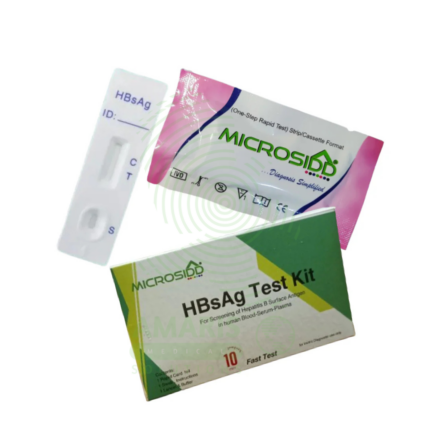
Hepatitis B Test Kit
The Hepatitis B Test Kit is an in vitro diagnostic device for the detection of Hepatitis B virus markers in human blood samples, available in rapid, ELISA, and molecular formats. It detects specific antigens (HBsAg) and antibodies (anti-HBc, anti-HBs) to diagnose acute and chronic infection, monitor treatment response, screen blood donations, and determine immunity status. With high sensitivity (>98%) and specificity (>99%), it provides results in 15 minutes to 4 hours depending on format. Essential applications include prenatal screening to prevent mother-to-child transmission, evaluation of acute hepatitis, pre-immunosuppression screening, and occupational health testing. All patient samples must be handled with universal precautions, and testing must include appropriate quality controls.
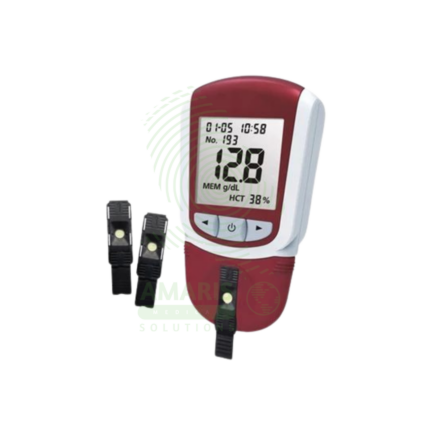
Mission Plus HB Machine
The Mission Plus HB Machine is a portable, battery-operated hemoglobin meter (Class II medical device, FDA-cleared/CE-marked) using photometric technology to measure hemoglobin concentration in capillary or venous blood within 5-15 seconds. Features include backlit LCD display, memory storage for 100-500 results, simple one-button operation, and disposable single-use cuvettes (5-20 µL sample volume). Accuracy ±0.3 g/dL compared to reference methods, measurement range 4-24 g/dL. Primary clinical applications include rapid anemia screening in outpatient clinics, preoperative assessment, antenatal care and maternal health monitoring, malaria-endemic region screening, chronic disease management (CKD, IBD, cancer), nutritional assessment and intervention programs, and blood donor screening. Critical safety precautions include single-use lancets, proper hand hygiene, correct sample application, quality control with control solutions, proper cuvette storage (protect from heat, light, humidity), and never using expired cuvettes. Essential point-of-care device for hemoglobin testing in diverse healthcare settings.
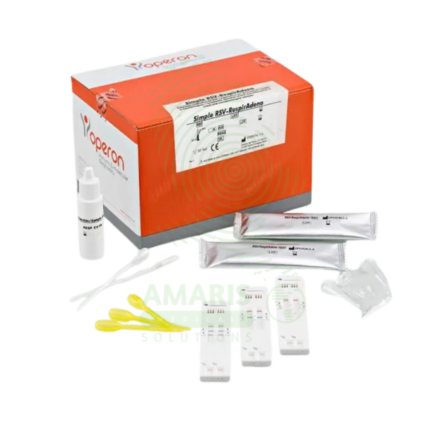
Rota virus
Rota virus rapid tests are immunochromatographic assays (CE-marked, FDA-cleared for some brands) for qualitative detection of rotavirus group A antigens in stool specimens, providing results in 10-20 minutes. The test principle uses monoclonal or polyclonal antibodies against rotavirus antigens (typically VP6 protein) immobilized on membranes, capturing antigens that form a visible line. Sensitivity 90-98%, specificity 95-99% compared to ELISA or PCR. The kit includes individually foil-wrapped test devices, sample diluent, and collection applicators. Primary clinical applications include rapid diagnosis of acute gastroenteritis in children (rotavirus is the leading cause of severe diarrhea in under-5 children), outbreak investigation in daycare centers and schools, hospital infection control and isolation precautions, differential diagnosis of acute diarrhea (viral vs. bacterial vs. parasitic), vaccine effectiveness monitoring and surveillance, assessment of dehydration risk, and evaluation of immunocompromised patients. Critical safety precautions include proper specimen collection (clean container, avoid contamination), biological hazard precautions (all stool potentially infectious), quality control verification, and awareness that a negative test does not rule out other causes of gastroenteritis. Essential tool for pediatric gastroenteritis management, infection control, and public health surveillance.