Dermatoscope and Magnifiers
 Diagnostic Kits
 Vital Signs Monitors
 Stethoscopes and Accessories
 Otoscopes, Ophthalmoscopes, and Retinoscopes
 Reflex Hammers and Neurological Tools
 Scales and Measuring Devices
 Spirometers and Pulmonary Function Tests
 Electrosurgical Units and Accessories
 Cutting Instruments
 Grasping and Holding Instruments
 Hemostatic Instruments
 Specialized Surgical Sets
 Single-Use Procedure Trays and Packs
 Surgical Drapes, Gowns, and Covers
 Tissue Unifying Instruments
 Radiation Protection
 X-Ray Machines and Accessories
 Ultrasound Systems and Probes
 MRI and CT Scanners
 Radiology Consumables
 Bone Densitometers
 Fluoroscopy Equipment
 Imaging Tables and Positioning Aids
 Microscopes and Accessories
 Centrifuges and Separators
 Analyzers
 Incubators and Ovens
 Pipettes, Dispensers, and Lab Glassware
 Refrigerators, Freezers, and Storage Units
 Lab Consumables
 Sterilizers and Autoclaves for Lab Use
 Multi-Parameter Monitors
 Ventilators and Respiratory Support Devices
 Defibrillators and AEDs
 Infusion Pumps and IV Systems
 Patient Warmers and Cooling Devices
 Central Monitoring Stations
 Accessories
 Anesthesia Machines and Workstations
 Oxygen Concentrators and Delivery Systems
 Nebulizers and Inhalers
 CPAP/BiPAP Machines
 Airway Management
 Anesthesia Masks, Circuits, and Bags
 Humidifiers and Heaters
 Respiratory Therapy Accessories
 First Aid Kits and Cabinets
 Emergency Resuscitation Equipment
 Trauma Supplies
 Emergency Carts and Crash Carts
 Burn Care Products
 Bleeding Control
 Automated External Defibrillators (AEDs)
 Transport and Evacuation
 Wheelchairs and Accessories
 Walkers, Crutches, and Canes
 Prosthetics and Orthotics
 Physical Therapy Equipment
 Transfer Devices
 Bathroom Safety
 Orthopedic Traction and Tables
 Hot/Cold Therapy Packs and Units
 Beds and Mattresses
 Chairs and Stools
 Tables
 Cabinets and Storage
 Privacy Screens & Curtains
 Stands and Racks
 Linens and Textiles
 Lighting
 Autoclaves and Sterilizers
 Ultrasonic Cleaners
 Disinfectant Solutions and Wipes
 Sterilization Pouches, Wraps, and Indicators
 Instrument Trays and Containers
 UV and Ozone Disinfection Devices
 Washer Disinfectors
 Wound Care
 Gloves
 Masks and Respirators
 Catheters and Tubing
 Swabs, Applicators, and Sponges
 Incontinence Products
 Personal Protective Equipment (PPE)
 Dental Chairs and Units
 Handpieces and Burs
 Instruments
 Consumables
 Sterilization for Dental Use
 Orthodontic Supplies
 Endodontic Tools
 Slit Lamps and Tonometers
 Lensometers and Phoropters
 Ophthalmic Surgical Instruments
 Eyewear Frames and Lenses
 Contact Lens Supplies
 Vision Testing Charts and Devices
 Eye Care Consumables
 Laser Systems for Eye Care
 ENT Exam Chairs and Tables
 Endoscopes
 Audiometers and Hearing Tests
 ENT Instruments
 Nasal and Throat Packs
 Hearing Aids and Accessories
 Otology Supplies
 Fetal Dopplers and Monitors
 Delivery Beds and Tables
 Gynecological Instruments
 Neonatal Incubators and Warmers
 Breast Pumps and Accessories
 Contraceptive Devices
 Maternity Supports and Pads
 Neonatal Consumables
 Cystoscopes and Urethroscopes
 Dialysis Machines and Supplies
 Urological Catheters and Bags
 Lithotripters
 Prostate Treatment Devices
 Urinary Incontinence Products
 Kidney Stone Management Tools
 Consumables & Disposables
 EEG and EMG Machines
 Neurosurgical Instruments
 Nerve Stimulators
 Headrests and Positioning Aids
 Lumbar Puncture Kits
 Seizure Monitoring Devices
 Consumables
 Rehabilitation for Neurological Conditions
 ECG Machines and Accessories
 Holter Monitors
 Stress Test Systems
 Pacemakers and Defibrillator Accessories
 Vascular Access Devices
 Cardiac Catheters and Guidewires
 Blood Flow Meters
 Consumables
 Orthopedic Instruments
 Casts, Splints, and Padding
 Joint Replacement Supplies
 Prosthetic Limbs and Components
 Bone Grafts and Substitutes
 Traction Devices
 Orthopedic Braces and Supports
 Rehabilitation Aids for Orthopedics
 Home Oxygen Therapy
 Hospital Beds for Home Use
 Mobility Aids
 Bathroom and Daily Living Aids
 Wound Care for Home
 Monitoring Devices
 Enteral Feeding Pumps and Tubes
 Hand Sanitizers and Dispensers
 Face Shields and Goggles
 Isolation Gowns and Suits
 Biohazard Waste Containers
 Air Purifiers and HEPA Filters
 Surface Disinfectants
 Sharps Containers
 Protective Barriers
 Cardiovascular & Endurance Training
 Strength Training & Weightlifting
 Functional Training & Core Conditioning
 Physical Therapy & Rehabilitation
 Sports & Outdoor Recreation
 Gym Flooring & Facility Equipment
 Fitness Monitoring & Accessories
 Kids & Novelties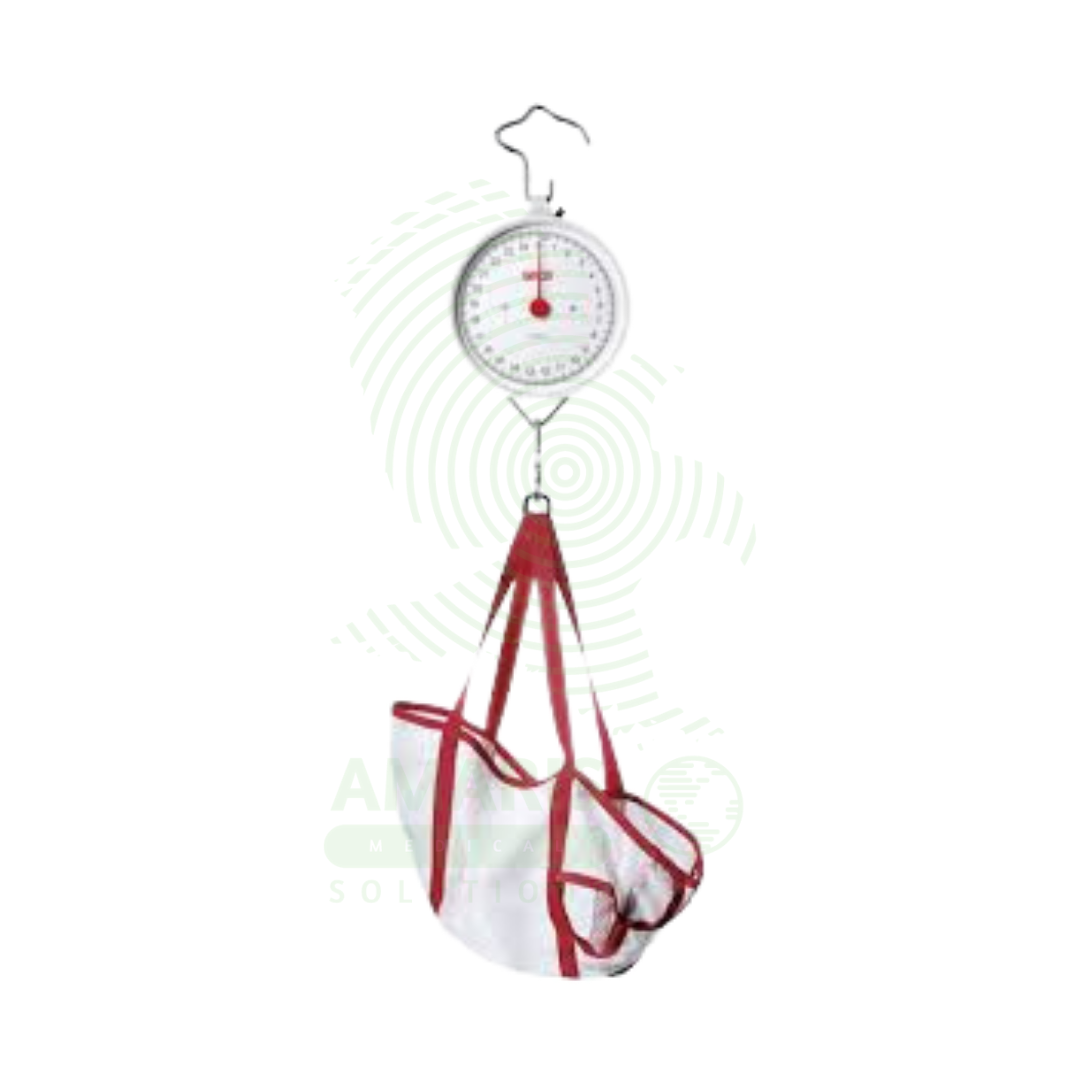
Infant Hanging Scale
WhatsApp Order
An Infant Hanging Scale is a Class II medical device (mechanical spring/balance or digital load cell) designed for accurate weight measurement of neonates and infants up to 2-3 years (capacity 10-25 kg, accuracy ±5-10 g) using a suspended sling or pan. Features include soft, washable fabric sling with head support and leg openings, tare function to zero out sling weight, mechanical dial or backlit digital display, hold function for active infants, test-weighing mode for breastfeeding assessment (digital models), and portable carrying case. Primary clinical applications include newborn weight monitoring in hospital nurseries (detecting excessive weight loss), NICU daily weights (tracking growth, calculating fluids), breastfeeding adequacy assessment (test-weighing), pediatric outpatient and well-child visits, home healthcare and visiting nurse services, malnutrition screening in developing world, and research studies requiring precise infant weights. Critical safety considerations include secure hanging from sturdy support (never ceiling tiles), thorough sling inspection before each use, proper infant positioning with head support, tare verification with sling attached, never leaving infants unattended, and strict infection control with clean sling per patient. Essential equipment for accurate infant growth monitoring and nutritional assessment in all healthcare settings serving pediatric populations.
Description
Infant Hanging Scale
PRIMARY CLINICAL & DIAGNOSTIC USES
1. Newborn Weight Monitoring in Hospital Nurseries:
-
Primary Use: Provides accurate weight measurement for newborns immediately after delivery and throughout hospital stay to assess initial weight loss, ensure adequate feeding, and detect dehydration or other complications requiring intervention.
-
How it helps: Gives healthcare providers and new parents confidence that a newborn is thriving, catching problems like excessive weight loss or dehydration early when interventions are most effective.
2. Neonatal Intensive Care Unit (NICU) Daily Weights:
-
Primary Use: Enables precise, daily weight monitoring of premature and critically ill neonates to track growth, calculate fluid requirements, adjust medication dosages, and assess response to nutritional interventions.
-
How it helps: Provides the tiny, precise measurements needed to care for the most vulnerable patients, ensuring that premature infants receive exactly the right amount of fluids and nutrition to support their fragile development.
3. Breastfeeding Adequacy Assessment:
-
Primary Use: Allows healthcare providers to perform test weighing, where infants are weighed before and after breastfeeding to determine milk intake, ensuring adequate nutrition in breastfed newborns, particularly those with poor weight gain or feeding difficulties.
-
How it helps: Takes the guesswork out of breastfeeding, giving worried mothers objective evidence that their baby is getting enough milk and helping lactation consultants identify problems early.
4. Pediatric Outpatient and Well-Child Visits:
-
Primary Use: Provides accurate weight measurement for infants during routine well-child checks, immunization visits, and acute illness assessments in outpatient clinics, pediatric offices, and community health centers.
-
How it helps: Tracks a baby’s growth journey over time, ensuring they are hitting developmental milestones and alerting pediatricians to potential problems that need further investigation.
5. Home Healthcare and Visiting Nurse Services:
-
Primary Use: Enables visiting nurses and home health providers to obtain accurate infant weights during home visits for newborns discharged early, infants with feeding difficulties, or those requiring close growth monitoring.
-
How it helps: Brings hospital-quality monitoring into the home, allowing fragile infants to receive close follow-up care without the stress and infection risk of repeated hospital visits.
6. Malnutrition Screening in Developing World:
-
Primary Use: Essential tool for community health workers in resource-limited settings to screen infants for malnutrition, monitor growth in supplementation programs, and identify those requiring urgent nutritional intervention.
-
How it helps: Saves lives in the world’s poorest communities by identifying malnourished infants before they reach critical condition, allowing for timely intervention that can prevent permanent developmental damage.
7. Research Studies Requiring Precise Infant Weights:
-
Primary Use: Used in pediatric research protocols requiring accurate weight data for studies on growth, nutrition, medication pharmacokinetics, and developmental outcomes.
-
How it helps: Contributes to scientific understanding of infant development and helps develop better treatments and interventions for the smallest patients.
SECONDARY & SUPPORTIVE USES
1. Breastfeeding Support and Lactation Consultation: Used by lactation consultants to assess milk transfer and guide breastfeeding management for mothers experiencing difficulties, helping establish successful nursing.
2. Foster Care and Adoption Medical Evaluations: Provides documented weight for infants entering foster care or being evaluated for adoption as part of comprehensive health assessments, ensuring these vulnerable children receive proper care.
3. International Aid and Humanitarian Programs: Distributed in refugee camps and developing world clinics for infant malnutrition screening and monitoring, bringing essential care to displaced populations.
4. Tribal and Remote Community Health Programs: Used by traveling health teams to monitor infant growth in isolated communities without access to clinic-based scales, ensuring no child is left behind.
5. Veterinary Medicine for Small Animals: Adapted for weighing newborn puppies, kittens, and other small animals in veterinary practices, helping veterinarians care for the youngest animal patients.
6. Midwifery and Home Birth Practice: Used by midwives for newborn weight assessment during home births and follow-up visits, supporting safe out-of-hospital birth options.
7. Parent Education and Reassurance: Allows healthcare providers to demonstrate infant weight gain to concerned parents, providing objective evidence of adequate nutrition and peace of mind.
KEY PRODUCT FEATURES
1. BASIC IDENTIFICATION ATTRIBUTES
-
Device Type: Mechanical or digital scale designed to weigh infants while suspended in a sling, hammock, or pan.
-
Common Names: Infant Hanging Scale, Baby Scale, Pediatric Scale, Neonatal Scale, Suspension Scale, Test-Weighing Scale.
-
Components:
-
Scale Head: Mechanical dial or digital display unit with hanging hook.
-
Sling/Hammock: Fabric, mesh, or plastic suspension device for holding infants.
-
Pan (optional): Rigid plastic or metal pan for infant placement (older infants).
-
Hanging Mechanism: Hook or chain for suspending sling from scale head.
-
Zero Adjustment: Tare function to zero out sling weight before weighing.
-
Carrying Case: Protective case for transport and storage.
-
-
Weight Capacity: 10-25 kg (22-55 lbs) typical; sufficient for infants up to 2-3 years.
-
Graduation: 5-10 g (0.01-0.02 lb) for clinical accuracy; 2 g on precision models.
-
Accuracy: ±5-10 g (±0.01-0.02 lb) for clinical-grade scales.
2. TECHNICAL & PERFORMANCE PROPERTIES
-
Measurement Technology:
-
Mechanical (Spring): Precision spring mechanism with dial indicator; no batteries required.
-
Mechanical (Balance): Counterbalance beam with sliding poises; extremely accurate.
-
Digital (Load Cell): Electronic load cell with digital display; highest precision.
-
-
Weighing Modes:
-
Static Weight: Standard weight measurement.
-
Test-Weighing Mode: Some digital models calculate differences between pre-feed and post-feed weights automatically.
-
Hold Function: Locks display for active infants.
-
-
Tare Function: Zeroes out weight of sling, hammock, or pan; essential for accurate infant weight.
-
Units: Switchable between grams (g) and kilograms (kg); some models include pounds/ounces.
-
Auto-Off: Digital models power off after inactivity to conserve battery.
-
Low Battery Indicator: Alerts when battery replacement is needed (digital models).
3. PHYSICAL & OPERATIONAL PROPERTIES
-
Scale Head Dimensions: 15-25 cm × 10-15 cm × 5-10 cm (6-10 × 4-6 × 2-4 inches).
-
Sling/Hammock Material: Soft, washable fabric (cotton, polyester, mesh) or flexible plastic.
-
Sling Design: Contoured to support infant head and body; leg openings for safety.
-
Pan (older infants): Rigid plastic or metal with raised sides.
-
Hanging Height: Requires 60-100 cm (24-40 inches) clearance below scale.
-
Weight: 2-5 kg (4.4-11 lbs) complete with case.
-
Display: Mechanical dial with clear graduations or backlit digital LCD.
-
Power Source (Digital): 2-4×AA batteries or rechargeable via USB.
-
Carrying Case: Hard or soft case with compartments for scale head and sling.
4. SAFETY & COMPLIANCE ATTRIBUTES
-
Regulatory Status: Class II medical device requiring FDA 510(k) clearance for clinical use.
-
Clinical Standards: Meets ASTM E898 or NIST Handbook 44 requirements for clinical scales.
-
Weight Capacity: Clearly marked; do not exceed.
-
Sling Safety: Reinforced seams; weight-tested to exceed capacity; secure attachment points.
-
Material Safety: Sling materials meet ISO 10993 for infant skin contact; BPA-free, phthalate-free, latex-free.
-
Stability: Scale head must be securely mounted or hung from stable support.
-
Hanging Hardware: Reinforced hooks and chains; safety clasp prevents accidental release.
-
Tare Accuracy: Must zero accurately with sling attached.
-
Cleaning: Sling should be machine washable or easily disinfected.
-
Electrical Safety (Digital): Compliant with IEC 60601-1; low-voltage battery operation.
5. STORAGE & HANDLING ATTRIBUTES
-
Storage: Store in a carrying case in a clean, dry environment; protect from impact and moisture.
-
Sling Care: Remove sling; machine wash or disinfect between patients per manufacturer instructions. The air is completely dry.
-
Scale Head Cleaning: Wipe with EPA-registered hospital disinfectant; do not immerse.
-
Calibration: Annual calibration verification with certified test weights required for clinical use.
-
Zero Check: Before each use, verify scale reads zero with sling attached (tare function).
-
Battery Maintenance (Digital): Replace batteries annually or when a low indicator appears; remove if storing long-term.
-
Inspection: Before each use, check sling for wear, tears, or loose stitching; verify hanging hardware security; test tare function.
6. LABORATORY & CLINICAL APPLICATIONS
-
Primary Application: Accurate weight measurement for neonates and infants up to 2-3 years in hospital nurseries, NICUs, pediatric clinics, and home healthcare settings.
-
Weighing Guidelines:
-
Preparation: Zero scale with sling/pan attached (tare function).
-
Positioning: Place infants securely in a sling or pan with head support.
-
Weighing: Allow infants to settle; use hold function for active infants.
-
Recording: Record weight to nearest 5-10 g (0.01-0.02 lb).
-
-
Test-Weighing Protocol (Breastfeeding Assessment):
-
Weigh infants immediately before breastfeeding (pre-feed weight).
-
Infant breastfeeds normally.
-
Weigh infants immediately after breastfeeding (post-feed weight) without changing diapers.
-
Difference = milk intake in grams (1 g = 1 mL).
-
Perform over 24 hours for total daily intake.
-
-
Growth Monitoring: Plot weights on WHO or CDC growth charts for age- and sex-appropriate percentiles.
-
Clinical Significance:
-
Newborn weight loss >7-10% in first days requires evaluation.
-
Expected gain: 20-30 g/day (0.7-1 oz/day) in first months.
-
-
Limitations: Requires adequate hanging height; infants must be calm for accurate reading.
SAFETY HANDLING PRECAUTIONS
1. SAFETY PRECAUTIONS
-
Secure Hanging: Always hang scale from sturdy, stable support capable of holding at least 25 kg (55 lbs). Never suspend from ceiling tiles, light fixtures, or unsecured hooks.
-
Sling Inspection: Inspect sling for wear, tears, or loose stitching before each use. Do not use it if damaged.
-
Infant Positioning: Ensure infant's head and neck are supported; legs positioned through openings; infant never left unattended.
-
Tare Verification: Always zero scale with sling attached before placing the infant.
-
Weight Capacity: Never exceed maximum weight capacity; scale damage or sling failure may occur.
-
Active Infants: Use hold function to lock display; do not attempt to restrain forcefully.
-
Infection Control: Use clean sling for each infant; disinfect scale head between patients.
-
Never Leave Unattended: An infant must never be left alone on a hanging scale.
-
Stable Surface: Ensure scale head is stable and not swinging; hold sling steady during weighing.
-
Training: Only trained healthcare providers should perform infant hanging scale measurements.
2. FIRST AID MEASURES
-
Sling Failure: If sling tears or detaches during use, catch infants immediately; assess for injury; document incidents.
-
Infant Distress: If an infant becomes distressed, remove immediately; comfort and reassess.
-
Scale Drop: If scale falls, inspect for damage; do not use until verified safe.
-
Inaccurate Reading Suspected: Verify calibration with test weight; zero with sling attached; repeat measurement.
3. FIRE FIGHTING MEASURES
-
Flammability: Plastic and fabric components are combustible.
-
Extinguishing Media: Use water, foam, CO₂, or dry chemical as appropriate for surrounding fire.
Related products
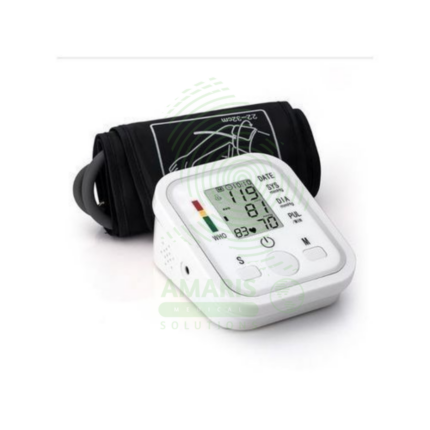
Digital Blood Pressure Monitor
A Digital Blood Pressure Monitor is an automatic electronic device that measures and displays systolic pressure, diastolic pressure, and pulse rate using the oscillometric method. Designed primarily for home and clinical use, it offers a user-friendly alternative to manual aneroid devices, requiring minimal training. Key features often include irregular heartbeat detection, multi-user memory, and connectivity for data tracking. Its accuracy, when clinically validated and used with correct technique, makes it an indispensable tool for the diagnosis and management of hypertension, empowering patients and supporting healthcare providers with reliable ambulatory data.
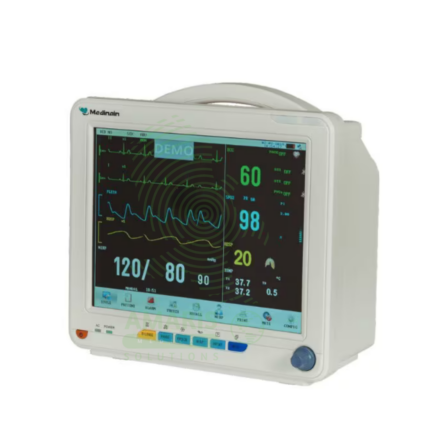
ECG Machine
An ECG Machine is a Class II medical device that records and displays the electrical activity of the heart through surface electrodes, producing an electrocardiogram for diagnosis of cardiac conditions. Standard diagnostic machines record 12 simultaneous leads (3 limb, 6 precordial, 1 ground) with frequency response 0.05-150 Hz, sampling rate 500-1,000 Hz, and high-resolution (5-10 µV) signal acquisition. Features include color touchscreen display, thermal array printer, computerized interpretation algorithms, internal memory (50-500+ ECGs), and network connectivity for EMR integration. Lead wires (AHA or IEC color coding) connect to disposable adhesive electrodes. Portable models (5-15 kg) with rechargeable batteries enable bedside and mobile use; cart-mounted units provide full diagnostic capability. Primary clinical applications include diagnosis of arrhythmias (AF, VT, bradycardia), detection of myocardial ischemia/infarction (STEMI, NSTEMI), evaluation of chest pain, preoperative cardiac risk assessment, monitoring electrolyte imbalances, assessment of chamber enlargement, and drug effect/toxicity monitoring. Essential diagnostic equipment in emergency departments, cardiology clinics, ICUs, operating rooms, and primary care settings worldwide.
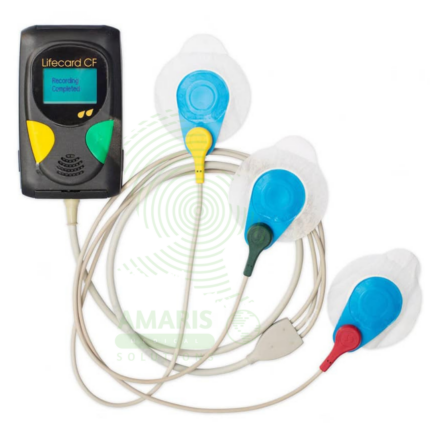
Holter ECG Monitor
A Holter ECG Monitor is a portable, wearable medical device used for continuous, long-term recording of a patient's heart's electrical activity over 24 to 48 hours or more. It is the cornerstone diagnostic tool for detecting intermittent cardiac arrhythmias, evaluating unexplained symptoms like syncope or palpitations, and monitoring the efficacy of antiarrhythmic treatments or implanted cardiac device function. Consisting of a small digital recorder connected to chest electrodes (or an all-in-one adhesive patch), it allows patients to maintain their normal daily routine while capturing a comprehensive electrocardiographic record.
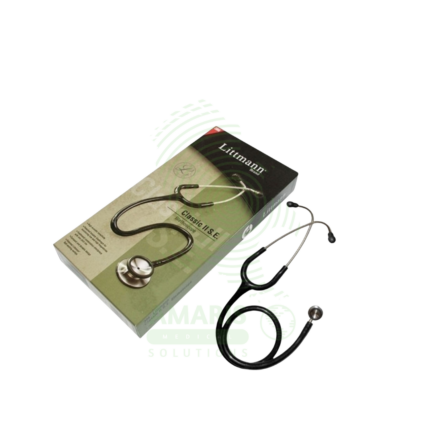
Littmann Stethoscope (Classic II)
A Littmann Stethoscope (Classic II) is a premium, acoustic dual-head stethoscope renowned for its diagnostic clarity, durability, and innovative tunable diaphragm technology. It allows healthcare professionals to hear both high and low-frequency sounds by simply adjusting pressure on the single-sided chestpiece, eliminating the need to rotate it. With its superior acoustics, comfortable fit, and wide range of colors, it is the instrument of choice for medical students, nurses, and physicians across all specialties who require reliable performance for physical assessment, auscultation of heart and lung sounds, and manual blood pressure measurement.
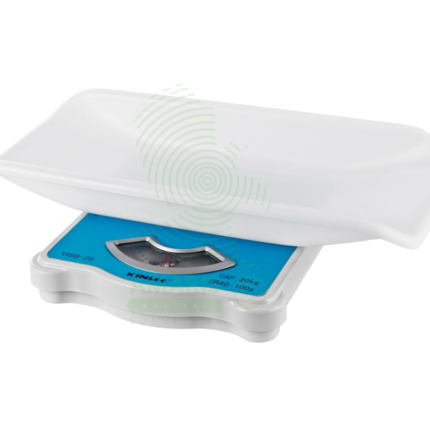
Manual Baby Weighing Scale
A Manual Baby Weighing Scale is a simple, mechanical device used to measure infant weight without the need for electricity or batteries. Operating on a spring or balance principle, it features a suspended sling or seat and a dial display. Its primary advantage is durability and portability for use in community health, outreach programs, and areas with unreliable power. While less precise than digital scales, it provides a reliable and accessible means to monitor growth trends and screen for undernutrition in resource-limited settings, making it a vital tool for basic pediatric care in the field.
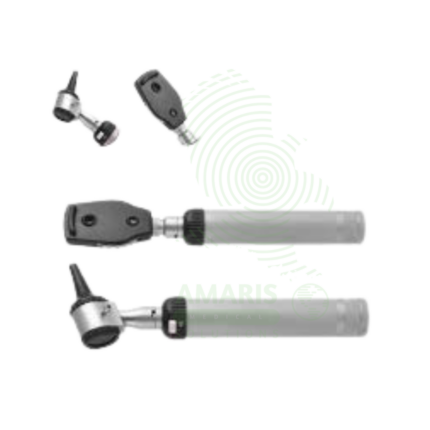
Ophthalmoscope
An Ophthalmoscope is a handheld diagnostic instrument used to examine the interior of the eye, specifically the fundus (retina, optic disc, blood vessels, and macula). By providing illuminated magnification, it serves as a vital screening tool for detecting ocular diseases like glaucoma and retinal disorders, and more importantly, for identifying signs of systemic conditions such as diabetes, hypertension, and increased intracranial pressure. Its operation involves selecting appropriate apertures and compensating lenses to obtain a clear view. While offering a detailed but narrow field of vision, mastery of the direct ophthalmoscope remains a cornerstone skill in general medicine, neurology, and ophthalmology for assessing vascular and neurological health.
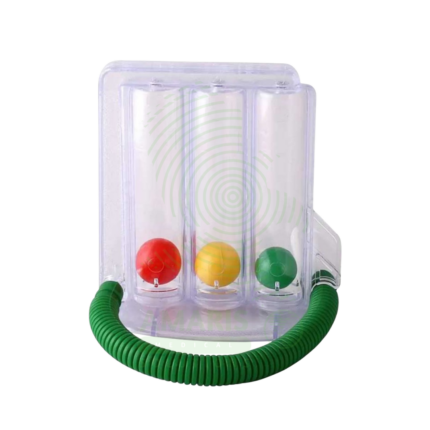
Spirometer
A Spirometer is an essential diagnostic medical device used to measure how much and how quickly air can be inhaled and exhaled by the lungs. By performing forced breathing maneuvers, it generates key parameters—primarily Forced Vital Capacity (FVC) and Forced Expiratory Volume in 1 second (FEV1)—that are fundamental for diagnosing and monitoring obstructive and restrictive lung diseases like Asthma and COPD. Requiring daily calibration and strict adherence to international standards (ATS/ERS), it provides the objective, reproducible data needed for clinical decision-making in pulmonology, primary care, occupational health, and pre-operative assessment.