Dermatoscope and Magnifiers
 Diagnostic Kits
 Vital Signs Monitors
 Stethoscopes and Accessories
 Otoscopes, Ophthalmoscopes, and Retinoscopes
 Reflex Hammers and Neurological Tools
 Scales and Measuring Devices
 Spirometers and Pulmonary Function Tests
 Electrosurgical Units and Accessories
 Cutting Instruments
 Grasping and Holding Instruments
 Hemostatic Instruments
 Specialized Surgical Sets
 Single-Use Procedure Trays and Packs
 Surgical Drapes, Gowns, and Covers
 Tissue Unifying Instruments
 Radiation Protection
 X-Ray Machines and Accessories
 Ultrasound Systems and Probes
 MRI and CT Scanners
 Radiology Consumables
 Bone Densitometers
 Fluoroscopy Equipment
 Imaging Tables and Positioning Aids
 Microscopes and Accessories
 Centrifuges and Separators
 Analyzers
 Incubators and Ovens
 Pipettes, Dispensers, and Lab Glassware
 Refrigerators, Freezers, and Storage Units
 Lab Consumables
 Sterilizers and Autoclaves for Lab Use
 Multi-Parameter Monitors
 Ventilators and Respiratory Support Devices
 Defibrillators and AEDs
 Infusion Pumps and IV Systems
 Patient Warmers and Cooling Devices
 Central Monitoring Stations
 Accessories
 Anesthesia Machines and Workstations
 Oxygen Concentrators and Delivery Systems
 Nebulizers and Inhalers
 CPAP/BiPAP Machines
 Airway Management
 Anesthesia Masks, Circuits, and Bags
 Humidifiers and Heaters
 Respiratory Therapy Accessories
 First Aid Kits and Cabinets
 Emergency Resuscitation Equipment
 Trauma Supplies
 Emergency Carts and Crash Carts
 Burn Care Products
 Bleeding Control
 Automated External Defibrillators (AEDs)
 Transport and Evacuation
 Wheelchairs and Accessories
 Walkers, Crutches, and Canes
 Prosthetics and Orthotics
 Physical Therapy Equipment
 Transfer Devices
 Bathroom Safety
 Orthopedic Traction and Tables
 Hot/Cold Therapy Packs and Units
 Beds and Mattresses
 Chairs and Stools
 Tables
 Cabinets and Storage
 Privacy Screens & Curtains
 Stands and Racks
 Linens and Textiles
 Lighting
 Autoclaves and Sterilizers
 Ultrasonic Cleaners
 Disinfectant Solutions and Wipes
 Sterilization Pouches, Wraps, and Indicators
 Instrument Trays and Containers
 UV and Ozone Disinfection Devices
 Washer Disinfectors
 Wound Care
 Gloves
 Masks and Respirators
 Catheters and Tubing
 Swabs, Applicators, and Sponges
 Incontinence Products
 Personal Protective Equipment (PPE)
 Dental Chairs and Units
 Handpieces and Burs
 Instruments
 Consumables
 Sterilization for Dental Use
 Orthodontic Supplies
 Endodontic Tools
 Slit Lamps and Tonometers
 Lensometers and Phoropters
 Ophthalmic Surgical Instruments
 Eyewear Frames and Lenses
 Contact Lens Supplies
 Vision Testing Charts and Devices
 Eye Care Consumables
 Laser Systems for Eye Care
 ENT Exam Chairs and Tables
 Endoscopes
 Audiometers and Hearing Tests
 ENT Instruments
 Nasal and Throat Packs
 Hearing Aids and Accessories
 Otology Supplies
 Fetal Dopplers and Monitors
 Delivery Beds and Tables
 Gynecological Instruments
 Neonatal Incubators and Warmers
 Breast Pumps and Accessories
 Contraceptive Devices
 Maternity Supports and Pads
 Neonatal Consumables
 Cystoscopes and Urethroscopes
 Dialysis Machines and Supplies
 Urological Catheters and Bags
 Lithotripters
 Prostate Treatment Devices
 Urinary Incontinence Products
 Kidney Stone Management Tools
 Consumables & Disposables
 EEG and EMG Machines
 Neurosurgical Instruments
 Nerve Stimulators
 Headrests and Positioning Aids
 Lumbar Puncture Kits
 Seizure Monitoring Devices
 Consumables
 Rehabilitation for Neurological Conditions
 ECG Machines and Accessories
 Holter Monitors
 Stress Test Systems
 Pacemakers and Defibrillator Accessories
 Vascular Access Devices
 Cardiac Catheters and Guidewires
 Blood Flow Meters
 Consumables
 Orthopedic Instruments
 Casts, Splints, and Padding
 Joint Replacement Supplies
 Prosthetic Limbs and Components
 Bone Grafts and Substitutes
 Traction Devices
 Orthopedic Braces and Supports
 Rehabilitation Aids for Orthopedics
 Home Oxygen Therapy
 Hospital Beds for Home Use
 Mobility Aids
 Bathroom and Daily Living Aids
 Wound Care for Home
 Monitoring Devices
 Enteral Feeding Pumps and Tubes
 Hand Sanitizers and Dispensers
 Face Shields and Goggles
 Isolation Gowns and Suits
 Biohazard Waste Containers
 Air Purifiers and HEPA Filters
 Surface Disinfectants
 Sharps Containers
 Protective Barriers
 Cardiovascular & Endurance Training
 Strength Training & Weightlifting
 Functional Training & Core Conditioning
 Physical Therapy & Rehabilitation
 Sports & Outdoor Recreation
 Gym Flooring & Facility Equipment
 Fitness Monitoring & Accessories
 Kids & Novelties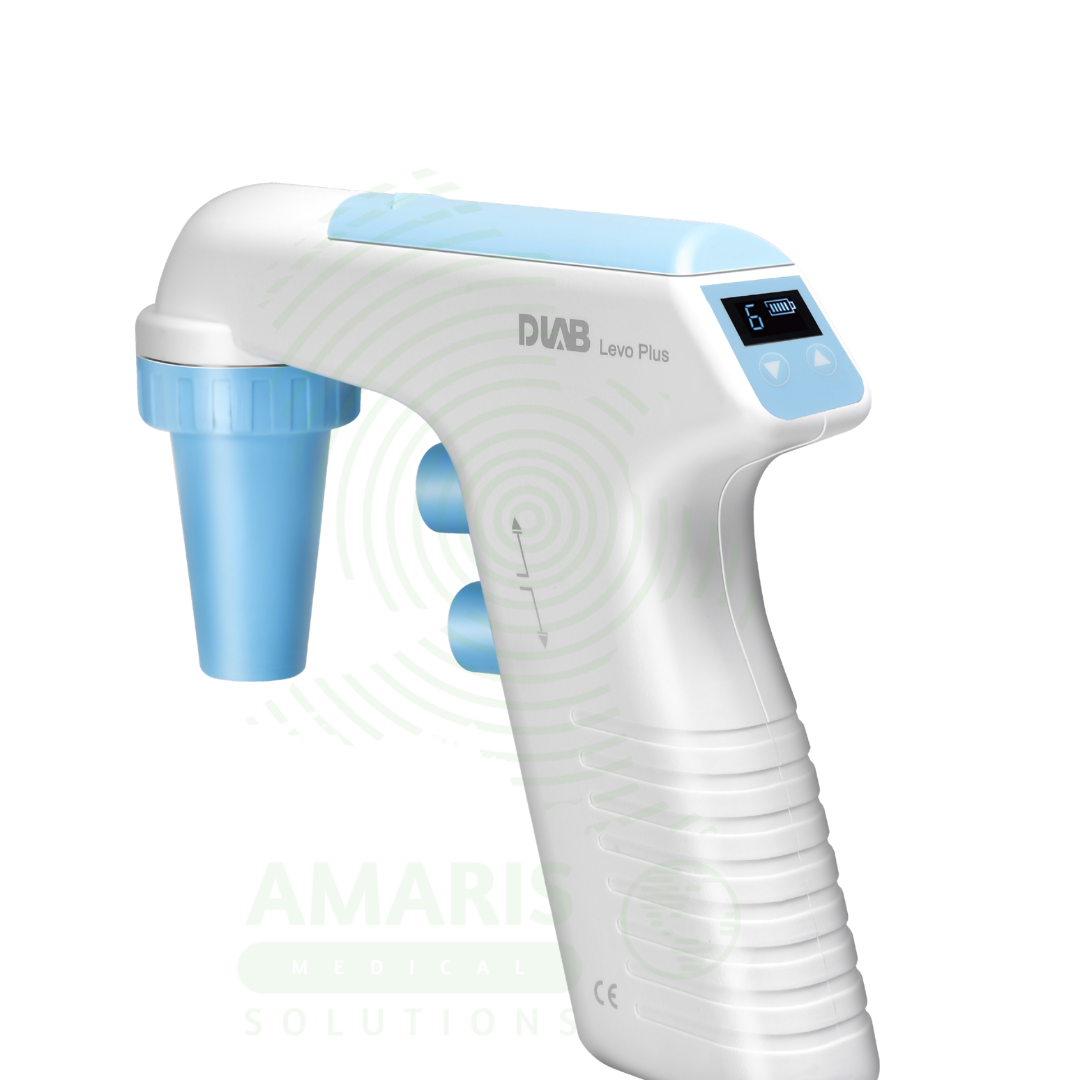

Levo Plus Pipette Filler
WhatsApp Order
The Levo Plus Pipette Filler is a lightweight, high-capacity motorized pipette controller from DLAB that offers exceptional speed, precision, and ergonomic comfort for high-throughput serological pipetting. Designed for use with all common glass or plastic serological pipettes (0.1–100 mL) and Pasteur pipettes, this device is an essential tool for any busy laboratory.
For the laboratory scientist, the Levo Plus delivers a powerful yet quiet performance. Its robust motor can aspirate 25 mL of liquid in less than 5 seconds, dramatically improving workflow efficiency. The device features six intuitive speed settings for both aspiration and dispensing, giving users precise control to avoid foaming or splashing, whether handling delicate cell cultures or transferring viscous reagents. A large, integrated LCD screen clearly displays the current speed setting and battery status, ensuring informed and error-free operation.
The ergonomic, lightweight design (200 g) and touch-sensitive concave triggers minimize hand strain, reducing the risk of repetitive strain injuries (RSI) during long pipetting sessions. The unit is powered by a high-capacity lithium-ion battery that provides over 8 hours of intermittent use on a 2–3 hour charge and can be operated while charging to eliminate downtime. A replaceable 0.45 µm hydrophobic filter protects both the user and the instrument from biohazardous aerosols, and the autoclavable silicone nose cone adapter ensures aseptic technique.
For the patient, the Levo Plus’s speed, precision, and safety features help ensure that clinical samples are processed efficiently, consistently, and without contamination, directly supporting the accuracy and timeliness of critical diagnostic results.
Description
Levo Plus Pipette Filler
PRIMARY CLINICAL & DIAGNOSTIC USES
1. Motorized Liquid Handling for High-Throughput Labs
-
Primary Use: Provides a high-capacity, 6-speed motorized pipette controller designed for fast and efficient liquid handling, compatible with glass or plastic serological pipettes from 0.1 to 100 mL.
-
How it helps: For the clinical laboratory scientist and research technician, the Levo Plus’s powerful motor aspirates 25 mL of liquid in less than 5 seconds, dramatically speeding up repetitive tasks such as media preparation, reagent dispensing, and sample transfer. The six intuitive speed settings allow precise control, making it suitable for both delicate cell cultures and rapid, high-volume transfers. For the patient, this efficiency translates to faster, more consistent sample processing, reducing turnaround times for critical diagnostic tests.
2. Ergonomic Design for Fatigue-Free Pipetting
-
Primary Use: Engineered with a lightweight, ergonomic body (200 g / 0.44 lbs) and touch-sensitive concave triggers, designed to minimize hand fatigue during long and repetitive pipetting sessions.
-
How it helps: For the high-throughput laboratory staff, the lightweight design and smooth, single-handed operation help mitigate the risk of repetitive strain injury (RSI), allowing for comfortable extended use. The intuitive triggers provide fine speed control, reducing user error. For the patient, a more comfortable and focused technician is less likely to make errors, contributing to the overall accuracy and reliability of their diagnostic results.
3. Intuitive LCD Display for Operational Control
-
Primary Use: Features a large LCD screen that clearly displays the current speed setting and battery status, providing visual confirmation of operational parameters at a glance.
-
How it helps: For the laboratory manager and technician, the clear display allows for quick workflow adjustments and prevents errors caused by incorrect speed settings. The battery status indicator helps manage charging schedules, preventing unexpected downtime. For the patient, this user-friendly interface helps maintain consistent technique across different operators, supporting the reproducibility of laboratory assays.
4. High-Capacity Rechargeable Battery for Extended Use
-
Primary Use: Powered by a high-capacity, user-replaceable lithium-ion battery providing over 8 hours of intermittent use on a 2–3 hour charge, with the ability to operate while charging to eliminate downtime.
-
How it helps: For the busy clinical laboratory, the long battery life supports full daily shifts without recharging, and the option to use it while charging ensures continuous operation. For the patient, this reduces the risk of process delays and ensures that laboratory workflows can proceed without interruption, supporting timely diagnostic reporting.
5. Sterile and Safe Liquid Handling with Aerosol Protection
-
Primary Use: Comes with a replaceable 0.45 µm hydrophobic filter that acts as a sterile barrier, preventing liquid aerosols from contaminating the internal mechanism and protecting the user from biohazards.
-
How it helps: For the biosafety officer and laboratory personnel, this filter is a critical safety feature when handling infectious samples or volatile reagents. It safeguards the equipment and the user from potential contamination. The autoclavable nose cone further ensures sterility for sensitive applications. For the patient, this prevents cross-contamination between samples, supporting the generation of accurate and reliable test results.
SECONDARY & SUPPORTIVE USES
1. Cell Culture and Media Preparation: Used for the sterile transfer of cell culture media, buffers, and reagents, helping to maintain aseptic conditions and prevent contamination.
2. Clinical Chemistry and Sample Preparation: Used to aliquot patient sera, plasma, or urine samples for various diagnostic panels and to prepare reagents for automated analyzers.
3. Microbiology and Bacteriology: Used to transfer liquid media, broths, and bacterial suspensions to tubes or plates for culture and antimicrobial susceptibility testing (AST).
4. Pharmaceutical Quality Control (QC): Used to transfer test solutions, dissolution media, and QC samples during the analysis of drug products, ensuring accurate dosing and purity.
5. Analytical Chemistry Laboratories: Used for the precise transfer of solvents, standards, and samples for techniques such as HPLC, GC, and ICP-MS.
6. Blood Bank and Transfusion Medicine: Used to transfer reagents and patient samples for blood typing, cross-matching, and antibody screening.
7. Veterinary Diagnostic Laboratories: Assists with the transfer of samples and reagents for diagnostic testing of animal diseases, supporting animal health and public health surveillance.
8. Food and Beverage Testing: Used to transfer food extracts, buffers, and reagents for quality control and safety testing, including tests for pathogens, allergens, and nutritional content.
9. Vaccine Development and Production: Used in the preparation of culture media, antigens, and formulations during vaccine research and manufacturing.
10. Environmental Testing Laboratories: Used to transfer water, soil, and effluent samples for chemical and microbiological analysis, helping to monitor environmental safety.
11. Educational and Research Institutions: A valuable teaching tool for students to learn accurate liquid handling techniques and a reliable workhorse for routine laboratory tasks.
KEY PRODUCT FEATURES
1. BASIC IDENTIFICATION ATTRIBUTES
-
Device Type: A motorized, handheld serological pipette controller designed for efficient, high-capacity liquid handling using standard glass or plastic pipettes.
-
Designation: Levo Plus Pipette Filler, Motorized Pipette Controller, Serological Pipettor, DLAB Levo Plus.
-
Key Components:
-
Aspiration and Dispensing Buttons: Separate controls for liquid uptake and release, with 6 adjustable speed settings.
-
Large LCD Display: Integrated screen for monitoring speed setting and battery charge level.
-
Ergonomic Housing: Lightweight (200 g) body designed for comfortable, single-handed use.
-
Silicone Adapter & Nose Cone: The liquid-contact parts are designed to be autoclavable for sterilization.
-
Replaceable Hydrophobic Filter: A 0.45 μm PES membrane filter that prevents over-aspiration and aerosol contamination.
-
Charging Stand: Allows the device to be stored upright while charging, saving bench space.
-
Lithium-ion Battery: High-capacity, user-replaceable rechargeable battery for extended wireless operation.
-
2. TECHNICAL & PERFORMANCE PROPERTIES
-
Pipette Type & Volume Compatibility: For use with glass or plastic serological pipettes (0.1–100 mL) and Pasteur pipettes.
-
Aspiration Speed: Aspirates 25 mL of water in less than 5 seconds.
-
Dispensing Speed: Dispensing can be performed by gravity or by motor with 6 adjustable speed levels.
-
Speed Settings: Six adjustable levels for both aspiration and dispensing.
-
Battery Type: High-capacity, user-replaceable lithium-ion (Li-ion) battery.
-
Battery Service Life: More than 8 hours of intermittent use per full charge.
-
Charging Time: Fully recharges in 2–3 hours.
-
Protective Filter: Equipped with a replaceable 0.45 μm hydrophobic filter.
-
Weight: Approximately 200 g (approx. 0.44 lbs), contributing to a lightweight, ergonomic feel.
-
Autoclavable Parts: The silicone adapter and the device's nose cone are fully autoclavable at 121°C for sterilization.
-
Voltage: Universal voltage (100-240V) power adapter included [3†L10].
3. PHYSICAL & OPERATIONAL PROPERTIES
-
Construction: Robust, chemical-resistant housing for durability in demanding laboratory environments. Made from PVDF material, which is corrosion-resistant and durable.
-
Operation: Ergonomic single-handed operation with 6-speed selection for aspiration and dispensing.
-
Filtration: The 0.45 μm hydrophobic filter protects internal components and prevents the release of biohazardous aerosols.
-
Charging: The handpiece can be used immediately while charging, minimizing downtime.
-
Portability: Lightweight, battery-powered unit for easy use on the bench or inside a biosafety cabinet.
-
Battery Status: An LCD display shows the current speed setting and battery status.
-
Sterilization: The silicone nose cone adapter can be removed and autoclaved to prevent cross-contamination between users or applications.
4. SAFETY & COMPLIANCE ATTRIBUTES
-
Regulatory Status: General laboratory equipment for in vitro diagnostic use; CE certified.
-
Safety Features: The hydrophobic filter acts as a critical safety barrier, trapping aerosols and preventing liquid from entering the internal mechanism, thus protecting both the user and the equipment.
-
Electrical Safety: Low-voltage operation with a certified AC adapter and an integrated lithium-ion battery management system.
-
Chemical Resistance: The housing is made from PVDF, a durable, chemical-resistant plastic to withstand long-term contact with solvents and disinfectants.
5. STORAGE & HANDLING ATTRIBUTES
-
Storage: Store the pipette controller upright on its included charging stand when not in use.
-
Cleaning: Wipe the external surfaces of the handpiece with 70% isopropyl alcohol. Ensure the device is disconnected from the charger during deep cleaning.
-
Autoclaving: Remove the silicone adapter and the nose cone; these components can be autoclaved at 121°C for 20 minutes for effective sterilization.
-
Charging: A replaceable lithium-ion battery can be charged either in the unit or separately using a universal AC adapter and a wall/bench stand.
-
Filter Maintenance: A replaceable hydrophobic filter should be installed to protect the unit from contamination and is readily available from laboratory supply vendors.
6. LABORATORY & CLINICAL APPLICATIONS
-
Primary Application: Motorized, high-speed liquid handling for cell culture, media preparation, clinical chemistry, and microbiology in high-throughput diagnostic and research laboratories.
-
Clinical Role: An essential tool for sample preparation and liquid handling in clinical chemistry, molecular diagnostics, cell culture, and pharmaceutical quality control.
SAFETY HANDLING PRECAUTIONS
1. SAFETY PRECAUTIONS
-
Chemical Compatibility: Ensure the silicone adapter, housing, and filter are compatible with the solvents and reagents being used.
-
Proper Pipette Fit: Always ensure the serological pipette is securely inserted into the silicone adapter before use to prevent leakage or inaccurate volume aspiration.
-
Filter Integrity: Check that the hydrophobic filter is properly seated and dry before operation. A clogged or saturated filter will reduce suction performance and must be replaced.
-
Charging: Use only the supplied AC power adapter and stand to charge the lithium-ion battery. Do not leave the battery on charge indefinitely.
-
Autoclaving: Never attempt to autoclave the entire unit. Only the removable silicone adapter and nose cone are autoclavable.
2. FIRST AID MEASURES
-
Sample Splash: If a biological or chemical sample splashes onto the skin, wash immediately with soap and water. If a splash enters the eyes, flush with copious amounts of water for at least 15 minutes and seek medical attention.
-
Chemical Exposure: If a large volume of a hazardous chemical is aspirated, refer to the specific chemical's Safety Data Sheet (SDS) for detailed first-aid instructions.
-
Mechanical Injury: If a pipette tip punctures the skin (sharps injury), wash the wound thoroughly and follow your facility's exposure management protocol for bloodborne pathogens.
3. FIRE FIGHTING MEASURES
-
Flammability: The plastic components are combustible. The primary fire risk comes from the flammable reagents being used in the laboratory.
-
Extinguishing Media: Use a multi-purpose ABC dry chemical fire extinguisher, CO₂, or alcohol-resistant foam for fires involving electrical equipment or flammable liquids.
Related products
Applicator Sticks
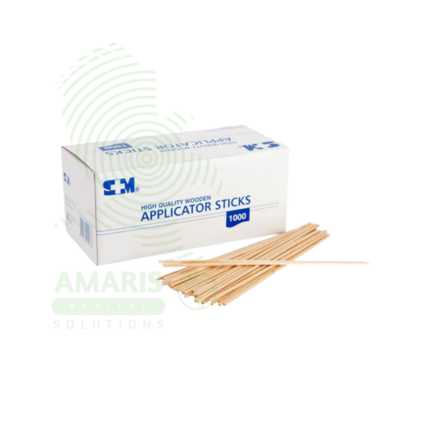
Applicator Sticks are single-use medical devices with absorbent tips (cotton, rayon, flocked polyester) on wood, plastic, or paper shafts for collecting clinical specimens (throat, nasal, wound, cervical, urethral, rectal) for microbiological culture, rapid testing, and molecular diagnostics. Sterile individually wrapped or non-sterile bulk formats. Flocked swabs provide >90% specimen release for PCR testing. Primary applications include specimen collection for infection diagnosis, wound care and antiseptic application, gynecological sampling (Pap smears, STI testing), eye/ear specimen collection, laboratory slide preparation, and forensic evidence collection. Critical precautions include single-use only, sterile technique, proper collection method, and biohazard disposal. Essential consumable in all clinical settings.
Binocular Microscope
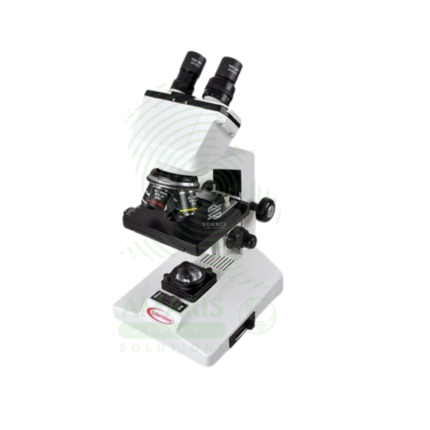
A Binocular Microscope is a high-precision, compound optical instrument fundamental to clinical diagnostics. Featuring dual eyepieces for comfortable viewing and a suite of parfocal objective lenses (4x, 10x, 40x, 100x oil), it provides magnifications from 40x to 1000x. Its integrated LED illumination, mechanical stage, and Abbe condenser enable the detailed examination of stained blood films, tissue sections, microbiological specimens, and cytological preparations. As the primary tool for pathologists and laboratory scientists, it is indispensable for definitive diagnoses in hematology, histopathology, microbiology, and urinalysis, demanding skilled operation and meticulous maintenance for optimal performance.
ESR Tubes Glass
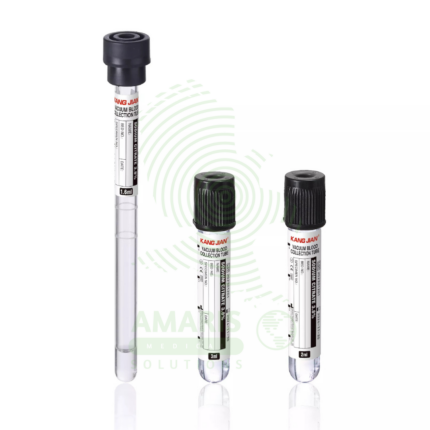
ESR Tubes Glass are specialized glass tubes (300 mm length, 2.55 mm bore diameter, graduated 0-200 mm in 1 mm intervals) meeting ICSH and CLSI Westergren specifications for measuring erythrocyte sedimentation rate, a non-specific marker of inflammation. Used with citrated or diluted EDTA blood, filled to exactly 200 mm, placed vertically in Westergren stand, and read at 60 minutes. Primary clinical applications include determination of ESR for diagnosing and monitoring inflammatory conditions (infections, autoimmune disorders, malignancies), monitoring disease activity in rheumatoid arthritis, assessment of temporal arteritis and polymyalgia rheumatica, evaluation of infection and inflammatory response, screening for occult inflammatory conditions, and monitoring chronic inflammatory diseases (SLE, IBD, vasculitis). Critical safety precautions include handling glass tubes carefully to avoid breakage (sharps hazard), proper disposal in sharps containers as biohazardous waste, ensuring vertical alignment and constant temperature (18-25°C), reading at exactly 60 minutes, and avoiding air bubbles and vibration. Essential consumable for reference Westergren ESR testing in clinical laboratories.
Finecare Analyzer
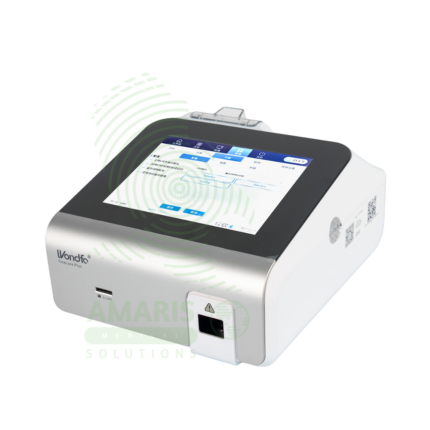
The Finecare Analyzer is a Class II medical device (FDA-cleared, CE-marked) fluorescence immunoassay system manufactured by Wondfo Biotech for quantitative detection of cardiac markers (troponin I, CK-MB, myoglobin), inflammatory markers (CRP, procalcitonin), thyroid hormones (TSH, FT3, FT4), diabetes markers (HbA1c), reproductive hormones (LH, FSH, prolactin), tumor markers (AFP, CEA, PSA), and infectious disease markers. Features include time-resolved fluorescence technology, color touchscreen interface, built-in printer (select models), USB/Ethernet connectivity, and internal rechargeable battery for portable use. Test time 3-15 minutes, sample volume 50-100 µL (whole blood, serum, plasma). Primary clinical applications include rapid diagnosis of acute myocardial infarction in chest pain patients, early detection of sepsis and bacterial infections, thyroid disorder diagnosis and monitoring, long-term glycemic control assessment in diabetes, fertility and reproductive health evaluation, cancer screening and surveillance, and infectious disease testing in endemic and clinical settings. Critical safety precautions include proper test cartridge storage (2-8°C), regular quality control, biohazard safety protocols, and operator training. Essential point-of-care testing system for hospitals, clinics, and remote healthcare facilities requiring rapid, quantitative results.
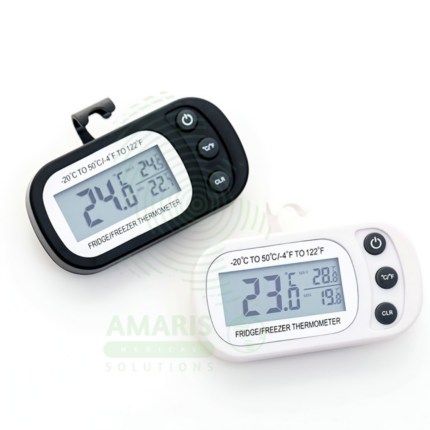
Fridge Thermometer
A Fridge Thermometer is a precision temperature monitoring device designed for continuous use inside medical and laboratory refrigerators and freezers. Its primary role is to safeguard the potency of vaccines, medications, and biological samples by ensuring storage temperatures remain within a critical specified range (e.g., +2°C to +8°C). Available in analog or digital formats, accurate models with memory functions are essential for compliance with cold chain protocols, requiring daily monitoring, logging, and regular calibration. It is a fundamental quality control tool in pharmacies, clinics, immunization centers, and laboratories.
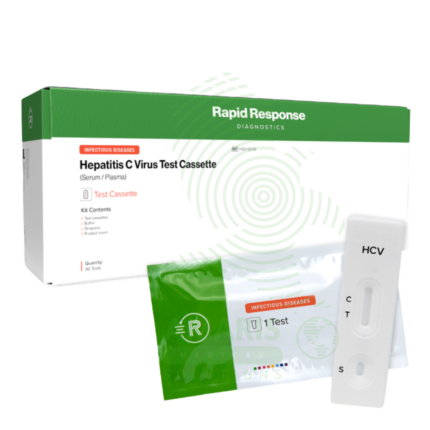
Hepatitis C Test Kit
The Hepatitis C Test Kit is an in vitro diagnostic device for the detection of Hepatitis C virus antibodies or RNA in human blood, serum, or plasma samples. Available in rapid, laboratory immunoassay, and molecular formats, it screens for HCV infection, confirms active infection with RNA testing, and monitors treatment response. With high sensitivity and specificity exceeding 99%, it is essential for identifying infected individuals, linking them to curative direct-acting antiviral therapy, and confirming cure. Essential applications include risk-based screening of high-risk populations, birth cohort screening of baby boomers, evaluation of acute hepatitis, management of occupational exposures, and monitoring of antiviral therapy that can cure over 95% of infections. All patient samples must be handled with universal precautions, and positive antibody results require confirmatory testing.
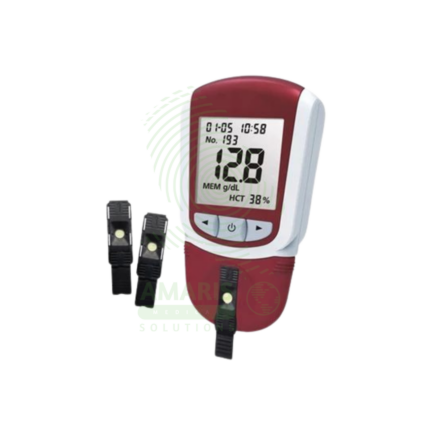
Mission Plus HB Machine
The Mission Plus HB Machine is a portable, battery-operated hemoglobin meter (Class II medical device, FDA-cleared/CE-marked) using photometric technology to measure hemoglobin concentration in capillary or venous blood within 5-15 seconds. Features include backlit LCD display, memory storage for 100-500 results, simple one-button operation, and disposable single-use cuvettes (5-20 µL sample volume). Accuracy ±0.3 g/dL compared to reference methods, measurement range 4-24 g/dL. Primary clinical applications include rapid anemia screening in outpatient clinics, preoperative assessment, antenatal care and maternal health monitoring, malaria-endemic region screening, chronic disease management (CKD, IBD, cancer), nutritional assessment and intervention programs, and blood donor screening. Critical safety precautions include single-use lancets, proper hand hygiene, correct sample application, quality control with control solutions, proper cuvette storage (protect from heat, light, humidity), and never using expired cuvettes. Essential point-of-care device for hemoglobin testing in diverse healthcare settings.