Dermatoscope and Magnifiers
 Diagnostic Kits
 Vital Signs Monitors
 Stethoscopes and Accessories
 Otoscopes, Ophthalmoscopes, and Retinoscopes
 Reflex Hammers and Neurological Tools
 Scales and Measuring Devices
 Spirometers and Pulmonary Function Tests
 Electrosurgical Units and Accessories
 Cutting Instruments
 Grasping and Holding Instruments
 Hemostatic Instruments
 Specialized Surgical Sets
 Single-Use Procedure Trays and Packs
 Surgical Drapes, Gowns, and Covers
 Tissue Unifying Instruments
 Radiation Protection
 X-Ray Machines and Accessories
 Ultrasound Systems and Probes
 MRI and CT Scanners
 Radiology Consumables
 Bone Densitometers
 Fluoroscopy Equipment
 Imaging Tables and Positioning Aids
 Microscopes and Accessories
 Centrifuges and Separators
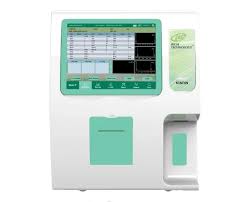
 Analyzers
 Incubators and Ovens
 Pipettes, Dispensers, and Lab Glassware
 Refrigerators, Freezers, and Storage Units
 Lab Consumables
 Sterilizers and Autoclaves for Lab Use
 Multi-Parameter Monitors
 Ventilators and Respiratory Support Devices
 Defibrillators and AEDs
 Infusion Pumps and IV Systems
 Patient Warmers and Cooling Devices
 Central Monitoring Stations
 Accessories
 Anesthesia Machines and Workstations
 Oxygen Concentrators and Delivery Systems
 Nebulizers and Inhalers
 CPAP/BiPAP Machines
 Airway Management
 Anesthesia Masks, Circuits, and Bags
 Humidifiers and Heaters
 Respiratory Therapy Accessories
 First Aid Kits and Cabinets
 Emergency Resuscitation Equipment
 Trauma Supplies
 Emergency Carts and Crash Carts
 Burn Care Products
 Bleeding Control
 Automated External Defibrillators (AEDs)
 Transport and Evacuation
 Wheelchairs and Accessories
 Walkers, Crutches, and Canes
 Prosthetics and Orthotics
 Physical Therapy Equipment
 Transfer Devices
 Bathroom Safety
 Orthopedic Traction and Tables
 Hot/Cold Therapy Packs and Units
 Beds and Mattresses
 Chairs and Stools
 Tables
 Cabinets and Storage
 Privacy Screens & Curtains
 Stands and Racks
 Linens and Textiles
 Lighting
 Autoclaves and Sterilizers
 Ultrasonic Cleaners
 Disinfectant Solutions and Wipes
 Sterilization Pouches, Wraps, and Indicators
 Instrument Trays and Containers
 UV and Ozone Disinfection Devices
 Washer Disinfectors
 Wound Care
 Gloves
 Masks and Respirators
 Catheters and Tubing
 Swabs, Applicators, and Sponges
 Incontinence Products
 Personal Protective Equipment (PPE)
 Dental Chairs and Units
 Handpieces and Burs
 Instruments
 Consumables
 Sterilization for Dental Use
 Orthodontic Supplies
 Endodontic Tools
 Slit Lamps and Tonometers
 Lensometers and Phoropters
 Ophthalmic Surgical Instruments
 Eyewear Frames and Lenses
 Contact Lens Supplies
 Vision Testing Charts and Devices
 Eye Care Consumables
 Laser Systems for Eye Care
 ENT Exam Chairs and Tables
 Endoscopes
 Audiometers and Hearing Tests
 ENT Instruments
 Nasal and Throat Packs
 Hearing Aids and Accessories
 Otology Supplies
 Fetal Dopplers and Monitors
 Delivery Beds and Tables
 Gynecological Instruments
 Neonatal Incubators and Warmers
 Breast Pumps and Accessories
 Contraceptive Devices
 Maternity Supports and Pads
 Neonatal Consumables
 Cystoscopes and Urethroscopes
 Dialysis Machines and Supplies
 Urological Catheters and Bags
 Lithotripters
 Prostate Treatment Devices
 Urinary Incontinence Products
 Kidney Stone Management Tools
 Consumables & Disposables
 EEG and EMG Machines
 Neurosurgical Instruments
 Nerve Stimulators
 Headrests and Positioning Aids
 Lumbar Puncture Kits
 Seizure Monitoring Devices
 Consumables
 Rehabilitation for Neurological Conditions
 ECG Machines and Accessories
 Holter Monitors
 Stress Test Systems
 Pacemakers and Defibrillator Accessories
 Vascular Access Devices
 Cardiac Catheters and Guidewires
 Blood Flow Meters
 Consumables
 Orthopedic Instruments
 Casts, Splints, and Padding
 Joint Replacement Supplies
 Prosthetic Limbs and Components
 Bone Grafts and Substitutes
 Traction Devices
 Orthopedic Braces and Supports
 Rehabilitation Aids for Orthopedics
 Home Oxygen Therapy
 Hospital Beds for Home Use
 Mobility Aids
 Bathroom and Daily Living Aids
 Wound Care for Home
 Monitoring Devices
 Enteral Feeding Pumps and Tubes
 Hand Sanitizers and Dispensers
 Face Shields and Goggles
 Isolation Gowns and Suits
 Biohazard Waste Containers
 Air Purifiers and HEPA Filters
 Surface Disinfectants
 Sharps Containers
 Protective Barriers
 Cardiovascular & Endurance Training
 Strength Training & Weightlifting
 Functional Training & Core Conditioning
 Physical Therapy & Rehabilitation
 Sports & Outdoor Recreation
 Gym Flooring & Facility Equipment
 Fitness Monitoring & Accessories
 Kids & Novelties














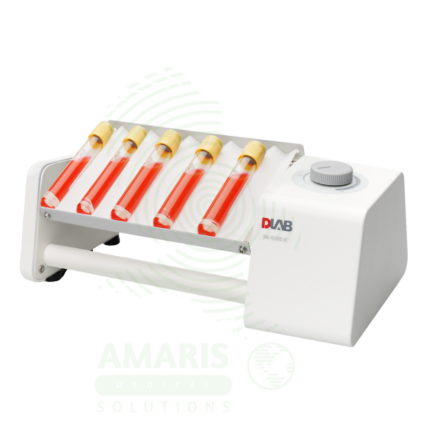
Short Deck Rocking Rotator (SK-R30S-E)
The Short Deck Rocking Rotator is a compact short-deck single-layer rocking rotator featuring adjustable speed control (0-30 rpm), fixed 40° tilt angle, continuous operation mode, and a maintenance-free brushless DC motor, designed for gentle, uniform mixing of blood tubes, serology specimens, and molecular biology samples in space-constrained clinical diagnostic and research laboratories .
Key features include a short deck (235mm length) that accommodates up to 8 × 5-10mL blood collection tubes, 4 × 50mL centrifuge tubes, or 10 × 15mL centrifuge tubes using interchangeable silicone mattresses, fixed 40° ± 3° rocking motion for gentle, thorough mixing, continuous operation mode for extended use, analog speed control (0-30 rpm) with On/Off switch and indicator light, and a maintenance-free brushless DC motor for quiet, reliable operation . The unit's compact footprint (235 × 160 × 130 mm) and lightweight design (1.9 kg) allow easy benchtop placement in space-constrained laboratories .
The Short Deck Rocking Rotator accommodates a variety of tube formats via interchangeable silicone mattress accessories (8-position for 5-10mL blood tubes, 4-position for 50mL tubes, 10-position for 15mL tubes), with universal voltage (100-240V, 50/60Hz) enabling use in laboratories worldwide without voltage conversion . The cold room and incubator compatibility (5-40°C operating temperature, ≤80% RH) allows sample mixing under controlled temperature conditions for temperature-sensitive applications .
For the clinical laboratory scientist and phlebotomist, the SK-R30S-E ensures gentle, thorough mixing of blood samples after collection—preventing clot formation, platelet activation, and hemolysis that could compromise complete blood count (CBC) and coagulation study (PT/PTT) results . For the immunology technologist, it supports RPR and VDRL serological testing for infectious diseases (HIV, syphilis, hepatitis) . For the molecular biologist, it facilitates gentle mixing of DNA, RNA, and protein samples for PCR and sequencing workflows .
Universal voltage (100-240V, 50/60Hz) enables use in laboratories worldwide without voltage conversion . The silicone mattresses provide secure tube retention and are easy to clean and decontaminate between sample batches .
For the patient undergoing coagulation monitoring (warfarin, heparin), complete blood count (CBC), serological testing for infectious diseases, or molecular diagnostic testing, the SK-R30S-E's gentle rocking motion ensures accurate test results that guide appropriate treatment decisions—preventing false-negative or false-positive results due to improper sample mixing, clot formation, or platelet activation .
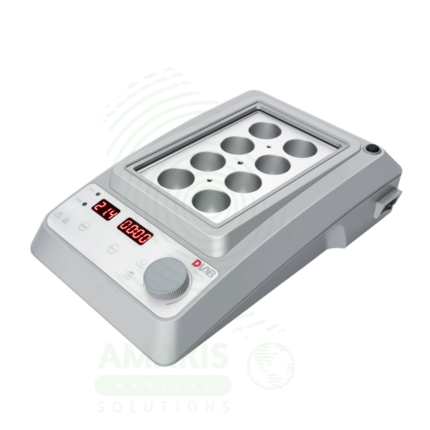
Digital Dry Bath (HB120-S)
The Digital Dry Bath (HB120-S) is a compact benchtop dry thermostat with extended high-temperature capability up to 120°C, designed for specialized molecular biology applications, protein denaturation, and high-temperature diagnostic assay preparation in clinical and research laboratories . With a temperature range from room temperature +5°C to 120°C and temperature control accuracy of ±0.5°C, this dry bath provides consistent, uniform heating for protocols requiring temperatures above the standard 100°C boiling point .
The HB120-S features a microprocessor-controlled system with LED display for real-time temperature and time monitoring, an intuitive control knob for simple operation without complex menus, and interchangeable aluminum heating blocks compatible with various tube formats and sizes . The unit supports both timing mode (0 to 99 hours 59 minutes) and continuous operation mode, with built-in temperature self-calibration function for long-term accuracy .
For the molecular biologist and clinical laboratory scientist, the HB120-S supports complete heat inactivation of restriction enzymes and heat-labile enzymes (preventing interference with downstream diagnostic assays), protein denaturation for SDS-PAGE and Western blotting, DNA denaturation for GC-rich templates and challenging PCR protocols, and high-temperature sample preparation for specialized diagnostic workflows .
Safety features include over-temperature protection and an insulated lid that prevents heat loss and contamination . The extended temperature range (up to 120°C) enables specialized protocols requiring higher temperatures than standard dry baths, making the HB120-S an essential tool for reference laboratories and molecular diagnostics facilities.
For the patient undergoing specialized molecular testing, the HB120-S's extended temperature capability ensures complete enzyme inactivation, thorough DNA denaturation for challenging templates, and reliable high-temperature sample preparation—supporting accurate diagnostic results for complex genetic conditions, infectious diseases, and oncology testing .
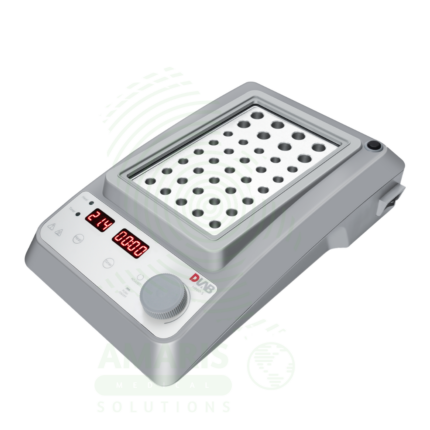
Digital Dry Bath (HB60-S)
The Digital Dry Bath (HB60-S) (LED Digital Dry Bath) is a compact, low-profile benchtop dry thermostat designed for precise temperature-controlled incubation in clinical diagnostic, molecular biology, and research laboratories . With a temperature range from room temperature +5°C to 60°C and five discrete temperature settings (25°C, 30°C, 37°C, 45°C, 60°C), this dry bath provides control accuracy of ±0.5°C and excellent temperature uniformity of ±0.3°C at 37°C .
The dual-purpose heating block accommodates up to 30 × 1.5/2.0 mL tubes or 8 × 5-10 mL tubes, offering flexibility for different sample volumes and tube formats . The LED display provides real-time monitoring of temperature and time, while the intuitive control knob allows easy operation without complex menus . The microprocessor-controlled unit supports both timing mode (0 to 99 hours 59 minutes) and continuous operation mode .
For the clinical laboratory scientist and medical technologist, the HB60-S supports enzyme-substrate reactions for biochemical tests and clinical chemistry, serum inactivation (56°C) for immunoassays and serological testing, DNA/RNA preparation for molecular diagnostics and PCR workflows, and sample warming and reagent thawing for diagnostic testing .
Safety features include over-temperature protection (80°C safety cut-off) and an insulated lid that prevents heat loss and contamination . The low-profile, space-saving design (175 × 290 × 85 mm) and lightweight construction (2.5 kg) minimize benchtop footprint while delivering reliable heating performance .
For the patient undergoing diagnostic testing for infectious diseases, autoimmune disorders, or genetic conditions, the HB60-S's precise temperature control ensures reliable enzyme reaction conditions, consistent DNA denaturation, and accurate sample preparation—supporting reliable test results that guide appropriate treatment decisions across clinical chemistry, molecular diagnostics, and research applications .
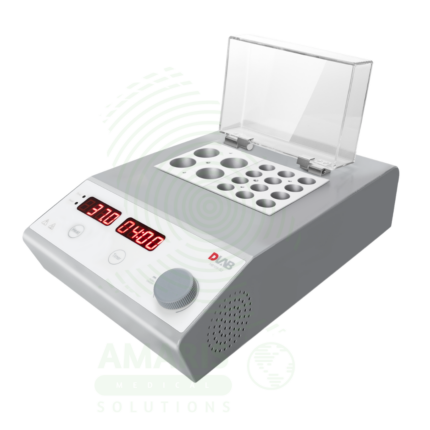
Digital Dry Bath Dual Block (HB105-S2)
The Digital Dry Bath Dual Block (HB105-S2) is a dual-block benchtop dry thermostat designed for high-throughput, precise temperature-controlled incubation in clinical diagnostic, molecular biology, and research laboratories . With a temperature range from room temperature +5°C to 105°C and temperature control accuracy of ±0.5°C, this dry bath provides consistent, uniform heating across two independently controlled blocks .
The HB105-S2 features a microprocessor-controlled system with independent LED displays and control knobs for each block, allowing simultaneous processing of protocols requiring different incubation temperatures (e.g., 37°C for enzyme reactions on block one, 56°C for serum inactivation on block two, 95°C for DNA denaturation on either block as needed) . The dual-block design saves valuable bench space while doubling throughput compared to single-block units .
For the clinical laboratory scientist and medical technologist, the HB105-S2 supports enzyme-substrate reactions for biochemical tests and clinical chemistry, serum inactivation (56°C) for immunoassays and serological testing, DNA denaturation for nucleic acid amplification and PCR preparation, and sample warming and reagent thawing for diagnostic testing . The independent block operation allows concurrent processing of different assay types without cross-contamination or temperature interference .
Safety features include independent over-temperature protection for each block and insulated lids that prevent heat loss and contamination . Built-in temperature self-calibration ensures long-term accuracy for both blocks . For the patient undergoing diagnostic testing for infectious diseases, autoimmune disorders, or genetic conditions, the HB105-S2's high-throughput, precise temperature control ensures reliable enzyme reaction conditions, consistent DNA denaturation, and accurate sample preparation—supporting reliable test results that guide appropriate treatment decisions across clinical chemistry, molecular diagnostics, and research applications .
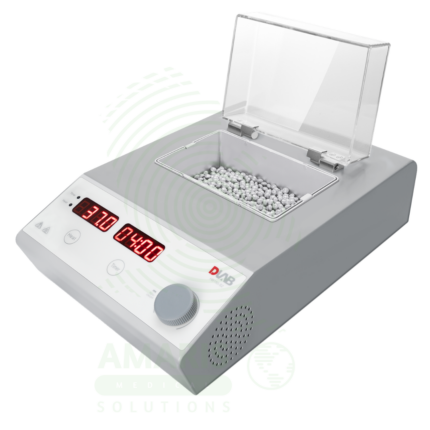
Digital Dry Bath Dual Block (HB150-S2)
The Digital Dry BathDual Block (HB150-S2) is a compact benchtop dry thermostat with extended high-temperature capability up to 150°C and dual independent heating blocks, designed for high-throughput advanced molecular biology applications, thermostable enzyme inactivation, and high-temperature diagnostic assay preparation in clinical and research laboratories . With a temperature range from room temperature +5°C to 150°C and temperature control accuracy of ±0.3°C (25-90°C) and ±0.6°C (90-150°C), this dry bath provides consistent, uniform heating across two independently controlled blocks for protocols requiring extreme temperatures up to 150°C .
The HB150-S2 features a microprocessor-controlled system with independent LED displays and control knobs for each block, allowing simultaneous processing of protocols requiring different elevated temperatures (e.g., 95°C for DNA denaturation on block one, 120°C for thermostable enzyme inactivation on block two, 150°C for specialized high-temperature applications) . The dual independent block operation saves valuable bench space while doubling throughput compared to single-block units .
The unit accepts various optional interchangeable aluminum heating blocks for different tube formats including 0.2mL, 0.5mL, 1.5/2mL, 5mL, 15mL, and 50mL tubes . Each block has an independent heat-preserving lid that prevents contamination and ensures temperature stability . A sound reminder function alerts users when set temperature is reached and at run completion for each block .
For the molecular biologist and clinical laboratory scientist, the HB150-S2 supports complete heat inactivation of thermostable restriction enzymes and heat-labile enzymes (preventing interference with downstream diagnostic assays), protein denaturation for SDS-PAGE and Western blotting at elevated temperatures, DNA denaturation for GC-rich templates and challenging PCR protocols, and high-throughput sample preparation for specialized diagnostic workflows .
For the patient undergoing specialized molecular testing, the HB150-S2's extended temperature capability (up to 150°C) combined with independent dual-block operation ensures complete inactivation of even thermostable enzymes, thorough DNA denaturation for the most challenging templates, and efficient processing of diverse high-temperature protocols—supporting accurate diagnostic results for complex genetic conditions, infectious diseases, and oncology testing that require extreme temperature control with high-throughput capacity.
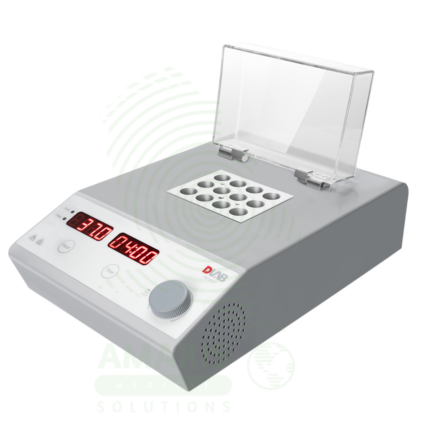
Digital Dry Bath Single Block (HB150-S1)
The Digital Dry Bath Single Block (HB150-S1) is a compact benchtop dry thermostat with extended high-temperature capability up to 150°C, designed for advanced molecular biology applications, thermostable enzyme inactivation, and high-temperature diagnostic assay preparation in clinical and research laboratories . With a temperature range from room temperature +5°C to 150°C and temperature control accuracy of ±0.3°C (25-90°C) and ±0.6°C (90-150°C), this dry bath provides consistent, uniform heating for protocols requiring extreme temperatures up to 150°C—enabling specialized assays that cannot be performed on standard dry baths with lower maximum temperatures .
The HB150-S1 features a microprocessor-controlled system with LED display for real-time temperature and time monitoring, an intuitive control knob for simple operation without complex menus, and interchangeable aluminum heating blocks compatible with various tube formats including 0.2mL, 0.5mL, 1.5/2mL, 5mL, 15mL, and 50mL tubes . The unit supports both timing mode (0 to 99 hours 59 minutes) and continuous operation mode, with built-in overheating protection for equipment and sample safety .
Key advanced features include an external temperature sensor port (PT1000 compatible) for real-time sample temperature verification , USB interface for data export and quality record traceability , and a heat-preserving block lid that prevents contamination and ensures temperature stability . A sound reminder function alerts users when set temperature is reached and at run completion .
For the molecular biologist and clinical laboratory scientist, the HB150-S1 supports complete heat inactivation of thermostable restriction enzymes and heat-labile enzymes (preventing interference with downstream diagnostic assays), protein denaturation for SDS-PAGE and Western blotting at elevated temperatures, DNA denaturation for GC-rich templates and challenging PCR protocols, and high-temperature sample preparation with external temperature verification for quality assurance .
For the patient undergoing specialized molecular testing, the HB150-S1's extended temperature capability (up to 150°C) ensures complete inactivation of even thermostable enzymes, thorough DNA denaturation for the most challenging templates, and reliable high-temperature sample preparation with documented temperature verification—supporting accurate diagnostic results for complex genetic conditions, infectious diseases, and oncology testing that require extreme temperature control .
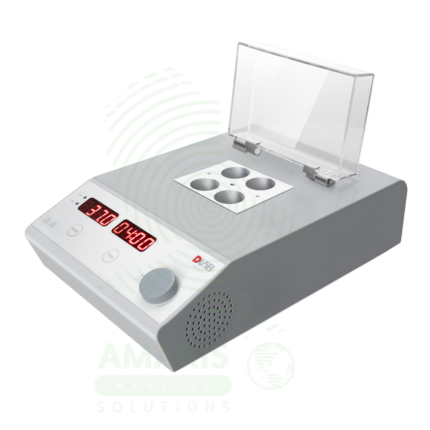
Digital Dry Bath Single Block(HB105-S1)
The Digital Dry Bath Single Block(HB105-S1) is a compact, single-block benchtop dry thermostat designed for precise temperature-controlled incubation in clinical diagnostic, molecular biology, and research laboratories . With a temperature range from room temperature +5°C to 105°C and temperature control accuracy of ±0.5°C, this dry bath provides consistent, uniform heating for a wide range of diagnostic and research applications .
The HB105-S1 features a microprocessor-controlled system with LED display for real-time temperature and time monitoring, an intuitive control knob for simple operation without complex menus, and interchangeable aluminum heating blocks compatible with various tube formats and sizes . The unit supports both timing mode (0 to 99 hours 59 minutes) and continuous operation mode, with built-in temperature self-calibration function for long-term accuracy .
For the clinical laboratory scientist and medical technologist, the HB105-S1 supports enzyme-substrate reactions for biochemical tests and clinical chemistry, serum inactivation (56°C) for immunoassays and serological testing, DNA denaturation for nucleic acid amplification and PCR preparation, and sample warming and reagent thawing for diagnostic testing . The compact, single-block design is ideal for space-constrained laboratories while delivering reliable heating performance .
Safety features include over-temperature protection and an insulated lid that prevents heat loss and contamination . For the patient undergoing diagnostic testing for infectious diseases, autoimmune disorders, or genetic conditions, the HB105-S1's precise temperature control ensures reliable enzyme reaction conditions, consistent DNA denaturation, and accurate sample preparation—supporting reliable test results that guide appropriate treatment decisions across clinical chemistry, molecular diagnostics, and research applications .
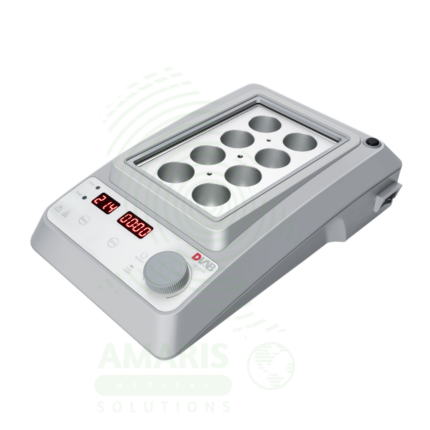
Digital Dry Bath with Calibration (HB120-SC)
The HDigital Dry Bath with Calibration (HB120-SC) is a compact benchtop dry thermostat with extended high-temperature capability up to 120°C and factory calibration certification, designed for regulated diagnostic applications requiring documented temperature accuracy in ISO 15189, CLIA, and CAP-accredited clinical and research laboratories .
With a temperature range from room temperature +5°C to 120°C and temperature control accuracy of ±0.5°C, this calibrated dry bath provides consistent, uniform heating for specialized molecular biology protocols while the included factory calibration certificate provides traceable temperature verification for regulatory compliance and quality assurance records .
The HB120-SC features a microprocessor-controlled system with LED display for real-time temperature and time monitoring, an intuitive control knob for simple operation without complex menus, and interchangeable aluminum heating blocks compatible with various tube formats and sizes . The unit supports both timing mode (0 to 99 hours 59 minutes) and continuous operation mode .
For the molecular biologist and quality assurance manager, the HB120-SC supports complete heat inactivation of restriction enzymes and heat-labile enzymes for regulated molecular diagnostics, protein denaturation for SDS-PAGE and Western blotting, DNA denaturation for GC-rich templates and challenging PCR protocols, and high-temperature sample preparation with documented temperature control .
Safety features include over-temperature protection and an insulated lid that prevents heat loss and contamination . The factory calibration certification provides documented evidence of temperature performance for laboratory accreditation inspections, supporting compliance with ISO 15189, CLIA, and CAP quality standards .
For the patient undergoing specialized molecular testing in an accredited laboratory, the HB120-SC's calibrated temperature performance ensures complete enzyme inactivation, thorough DNA denaturation for challenging templates, and reliable high-temperature sample preparation—supporting accurate diagnostic results for complex genetic conditions, infectious diseases, and oncology testing with documented quality control.
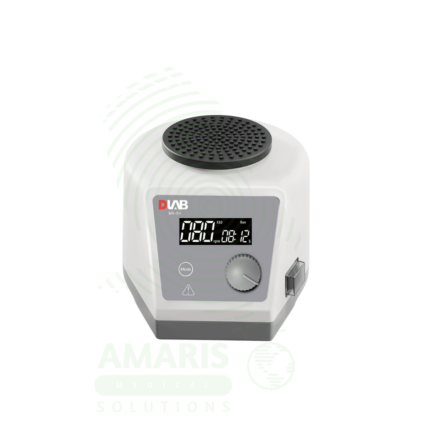
Digital Vortex Mixer (MX-S+)
The Digital Vortex Mixer (MX-S+) is a precision benchtop vortex mixer featuring an LCD display, variable speed control (100-3000 rpm), programmable timer (1 second to 99 minutes 59 seconds), and a maintenance-free DC brushless motor. This digital mixer provides optimal, reproducible mixing for blood collection tubes, reagents, and biological samples in clinical diagnostic and research laboratories.
Key features include a large LCD digital display for real-time monitoring of speed and time, dual operating modes (touch activation for quick mixing of individual tubes, continuous mode for extended operation), variable speed control for precise adjustment of mixing intensity from gentle to vigorous, and a programmable timer for automated, reproducible mixing protocols. The DC brushless motor provides high stability, smooth operation, low noise, and maintenance-free performance.
The pressure-mounted accessory system accommodates a wide range of sample containers—including 0.2 mL PCR tubes, 1.5-2.0 mL microcentrifuge tubes, 5-50 mL conical tubes, blood collection tubes (various sizes), PCR strip tubes, and (using optional adapters) 96-well microplates. The low-profile rubber suction feet ensure stable benchtop placement, preventing "walking" during high-speed operation.
For the clinical laboratory scientist and phlebotomist, the Digital Vortex Mixer (MX-S+) ensures optimal mixing of blood collection tubes after venipuncture with digital precision—gentle speeds for light blue top coagulation tubes (PT/PTT) to prevent platelet activation, and higher speeds for lavender top EDTA tubes (CBC) and serum separator tubes to ensure thorough mixing of anticoagulants and clot activators. For the molecular biologist, it facilitates resuspension of nucleic acid pellets, mixing of PCR reaction components, and homogenization of buffers for diagnostic assays.
Universal voltage (100-240V, 50/60Hz) enables use in laboratories worldwide without voltage conversion, while the compact footprint (160 × 146 × 115 mm) and moderate weight (3.4 kg) allow easy benchtop placement. The IP21 protection class provides durability against dust and moisture in typical laboratory environments.
For the patient undergoing coagulation monitoring (warfarin, heparin), complete blood count (CBC), molecular diagnostic testing (COVID-19, influenza, hepatitis), or routine chemistry panels, the MX-S+'s digital precision, programmable timer, and versatile sample format compatibility ensure accurate test results that guide appropriate treatment decisions—preventing false-negative or false-positive results due to improper sample mixing.
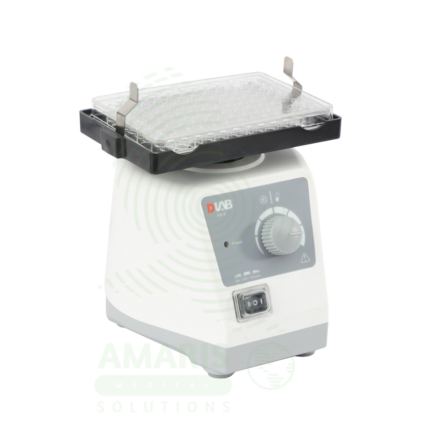
Digital Vortex Mixer + 96-well microplate (MX-S+)
The MX-S+ Digital Vortex Mixer is a precision benchtop mixer equipped with a 96-well microplate adapter. It features an LCD display, variable speed control (100-3000 rpm), a programmable timer (1 second to 99 minutes 59 seconds), and a maintenance-free DC brushless motor. This versatile system is designed for high-throughput mixing of 96-well microplates for ELISA and immunoassays, as well as individual blood collection tubes, PCR tubes, and centrifuge tubes.
For the clinical laboratory scientist, the MX-S+ with its microplate capability ensures uniform mixing across all 96 wells, reducing well-to-well variability and improving the sensitivity of diagnostic assays for autoimmune and infectious diseases. For the patient, this technology ensures accurate antibody detection and reliable test results that guide treatment decisions.
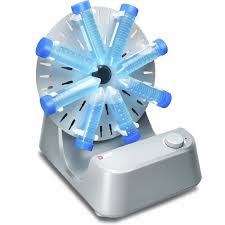
Disk Rotator (MX-RD-E)
The Disk Rotator (MX-RD-E) is a variable-speed disk rotator (0-80 rpm) designed for gentle, uniform end-over-end mixing of blood tubes, serology specimens, and molecular biology samples in clinical diagnostic and research laboratories . The 360-degree disk rotation motion provides thorough mixing without foaming, hemolysis, or activation of sensitive blood components—critical for coagulation testing, serology, and molecular diagnostics .
For the clinical laboratory scientist and coagulation technologist, the Disk Rotator (MX-RD-E) supports gentle mixing of blood coagulation samples (PT, PTT, fibrinogen, D-dimer)—preventing clot activation while ensuring proper distribution of anticoagulants for accurate test results . For the serology technologist, the disk rotator provides gentle mixing of serum and plasma specimens for infectious disease testing (HIV, syphilis, hepatitis), antibody screening, and blood bank compatibility testing .
The Disk Rotator (MX-RD-E) features variable speed control (0-80 rpm) allowing precise adjustment of mixing intensity for different sample types, tube holders that accommodate blood collection tubes (1-10 mL) and microcentrifuge tubes (0.5-2.0 mL), and low-noise operation suitable for clinical laboratory environments . Digital models include programmable timer (0-99h59min) for automated workflows .
For the patient undergoing coagulation monitoring for anticoagulant therapy (warfarin, heparin), serological testing for infectious diseases, or molecular diagnostic testing for genetic disorders, the Disk Rotator (MX-RD-E) gentle, uniform mixing ensures accurate test results that guide appropriate treatment decisions—preventing false-negative or false-positive results due to improper sample mixing .
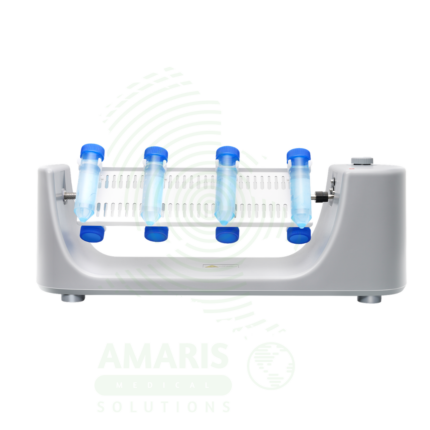
Economical Rotator (MX-RL-E)
The Economical Rotator (MX-RL-E) is a cost-effective, fixed-speed rotator with analog speed control (0-80 rpm), designed for gentle, uniform mixing of blood tubes, serology specimens, and coagulation samples in clinical diagnostic and research laboratories . The 360-degree end-over-end rotation provides thorough mixing without foaming, hemolysis, or activation of sensitive blood components—critical for coagulation testing, serology, and blood bank applications .
For the clinical laboratory scientist and coagulation technologist, the Economical Rotator (MX-RL-E) supports gentle mixing of blood coagulation samples (PT, PTT, fibrinogen, D-dimer)—preventing clot activation while ensuring thorough distribution of anticoagulants for accurate test results . The analog speed control (rotary knob) allows quick, intuitive adjustment of mixing intensity (0-80 rpm) without complex programming, making it ideal for routine laboratory use where simplicity and reliability are priorities .
Key features include multi-tube capacity accommodating up to 12 blood collection tubes or 20 microcentrifuge tubes for batch processing, end-over-end rotation for gentle, thorough mixing, low-noise operation suitable for clinical laboratory environments, and universal voltage (100-240V, 50/60Hz) for international use . The economical design provides a cost-effective solution for routine mixing applications without compromising sample quality .
For the patient undergoing coagulation monitoring for anticoagulant therapy (warfarin, heparin), serological testing for infectious diseases, blood bank compatibility testing, or routine hematology testing, the Economical Rotator (MX-RL-E) gentle, uniform mixing ensures accurate test results that guide appropriate treatment decisions—preventing false-negative or false-positive results due to improper sample mixing, all at an economical price point .
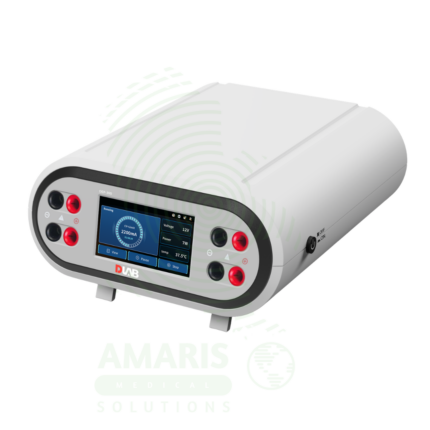
Electrophoresis power supply (DEP-300)
The Electrophoresis power supply (DEP-300) is a programmable, high-precision power supply designed for nucleic acid and protein electrophoresis in clinical diagnostic and research laboratories . Featuring constant voltage, constant current, and constant power output modes (0-300V, 0-600mA, 0-150W) with automatic mode switching and 1V/1mA resolution , this unit provides stable, reliable power for DNA/RNA gel electrophoresis, SDS-PAGE, and Western blotting applications .
Key features include a 4.3-inch LCD touchscreen for intuitive programming , four output jacks enabling simultaneous connection of up to four electrophoresis units for high-throughput processing , USB port for real-time data recording , and programmable memory for storing validated multi-step electrophoresis methods . Safety features include short-circuit protection, no-load protection, configurable buzzer alarm, and power failure recovery .
For the molecular biologist and clinical laboratory scientist, the DEP-300 supports PCR product confirmation for infectious disease testing , restriction fragment analysis for genetic screening , protein separation for autoimmune disease diagnosis , and transfer procedures for Northern and Southern blotting . The unit's anti-slip groove design allows stacking of multiple power supplies, saving valuable benchtop space .
For the patient undergoing genetic testing for hereditary disorders, infectious diseases (e.g., COVID-19, hepatitis, influenza), or oncology biomarkers, the DEP-300's precise and stable power delivery ensures accurate electrophoretic separation—supporting reliable diagnostic results that guide appropriate treatment decisions across molecular diagnostics, clinical pathology, and research applications .
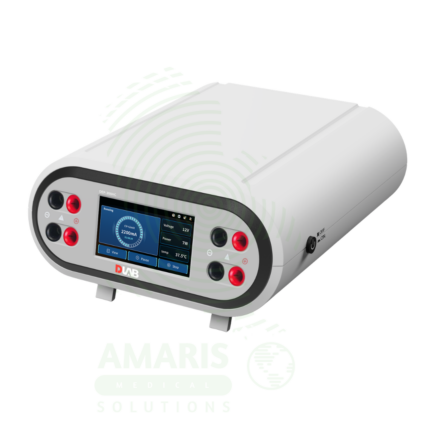
Electrophoresis power supply (DEP-300HC)
The Electrophoresis power supply (DEP-300HC) is a programmable, high-current power supply designed for nucleic acid and protein electrophoresis, Western blotting, and high-throughput diagnostic applications in clinical and research laboratories . Featuring constant voltage (0-300V), constant current (0-3000mA), and constant power (0-400W) output modes with automatic mode switching and 1V/1mA resolution , this unit provides extended current capacity more than double that of standard electrophoresis power supplies—enabling rapid, high-volume separation of DNA, RNA, and protein samples.
Key features include a 4.3-inch LCD touchscreen for intuitive programming , four output jacks enabling simultaneous connection of up to four electrophoresis units for high-throughput processing , USB port for real-time data recording and traceability , and programmable memory for storing validated multi-step electrophoresis methods . Safety features include short-circuit protection, no-load protection, configurable buzzer alarm, power failure recovery, and low current maintenance (up to 30mA) .
For the molecular biologist and clinical laboratory scientist, the DEP-300HC supports PCR product confirmation for infectious disease testing (COVID-19, influenza, hepatitis), restriction fragment analysis for genetic screening, SDS-PAGE for protein purity assessment, Western blotting for confirmatory diagnostic testing, and high-throughput DNA/RNA electrophoresis . The unit's anti-slip groove design allows stacking of multiple power supplies, saving valuable benchtop space .
For the patient undergoing genetic testing for hereditary disorders, infectious diseases, or oncology biomarkers, the DEP-300HC's extended current capacity (3000mA) and precise power delivery ensure rapid, accurate electrophoretic separation—supporting reliable diagnostic results that guide appropriate treatment decisions across molecular diagnostics, clinical immunology, and pathology applications.
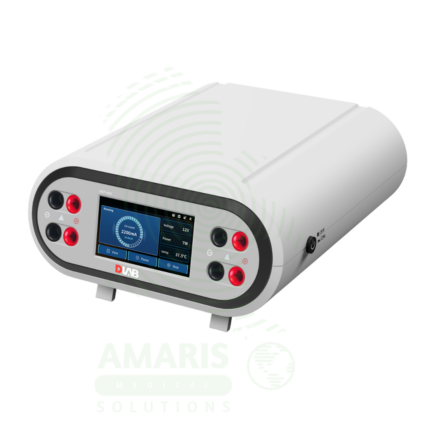
Electrophoresis power supply (DEP-600)
The Electrophoresis power supply (DEP-600) is a programmable, high-power, high-voltage power supply designed for nucleic acid and protein electrophoresis, DNA sequencing, isoelectric focusing, and advanced clinical diagnostic applications in clinical and research laboratories . Featuring constant voltage (0-600V), constant current (0-1200mA), and constant power (0-500W) output modes with automatic mode switching and 1V/1mA resolution, this unit provides extended voltage capacity up to 600V for high-resolution electrophoresis applications .
Key features include a 4.3-inch LCD touchscreen for intuitive programming , four sets of output jacks (parallel output) enabling simultaneous connection of up to four electrophoresis units for high-throughput processing , USB port for real-time data recording and traceability , and programmable memory for storing validated multi-step electrophoresis methods . Safety features include short-circuit protection, no-load protection, overload protection, configurable buzzer alarm, and power failure recovery .
For the molecular biologist and clinical laboratory scientist, the DEP-600 supports PCR product confirmation for infectious disease testing, high-resolution DNA sequencing gels for genetic analysis, SSCP for mutation detection, SDS-PAGE and native-PAGE for protein characterization, isoelectric focusing for protein isoform analysis, 2D gel electrophoresis, Western blotting for confirmatory diagnostic testing, and serum protein electrophoresis for multiple myeloma diagnosis .
For the patient undergoing genetic testing for hereditary disorders, infectious diseases, or oncology biomarkers, the DEP-600's extended voltage range (600V) and precise power delivery ensure rapid, accurate electrophoretic separation—supporting reliable diagnostic results that guide appropriate treatment decisions across molecular diagnostics, clinical immunology, and pathology applications .
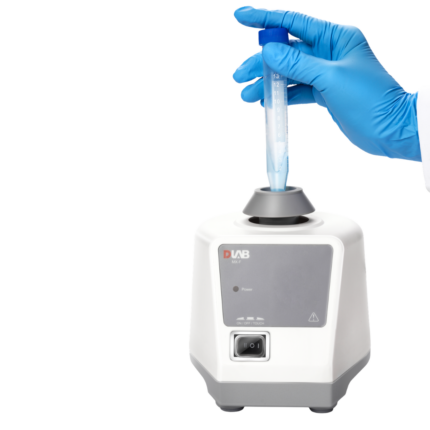
Fixed Speed Vortex Mixer (MX-F)
The Fixed Speed Vortex Mixer (MX-F) is a compact, reliable benchtop vortex mixer designed for general laboratory mixing applications in clinical diagnostic, molecular biology, and research laboratories . Operating at a fixed speed of 3000 rpm with a 4 mm orbit diameter, this vortex mixer provides consistent, reproducible mixing of blood collection tubes, reagents, buffers, and biological samples .
Key features include two operating modes—touch activation (press tube into cup head for immediate mixing) for quick, on-demand mixing of individual tubes, and continuous operation mode (switch-activated) for extended mixing of larger volumes or multiple samples . The universal voltage (100-240V, 50/60Hz) and low power consumption (60W) enable use in laboratories worldwide without voltage conversion . The impact-resistant plastic housing with rubber suction feet provides stability and prevents "walking" during operation .
For the clinical laboratory scientist and phlebotomist, the Fixed Speed Vortex Mixer (MX-F) ensures immediate mixing of blood collection tubes after venipuncture—preventing clot formation and ensuring accurate hematology, coagulation, and chemistry results . For the molecular biologist, the MX-F facilitates resuspension of nucleic acid pellets, mixing of PCR reaction components, and homogenization of buffers for diagnostic assays . The optional multi-tube head for 0.2 mL PCR strips and flat rubber pad for larger vessels extend the versatility of this fixed-speed mixer .
With its compact footprint (127 × 130 × 160 mm), lightweight design (2.0 kg), and simple operation, theFixed Speed Vortex Mixer (MX-F) is an essential tool for clinical diagnostic laboratories, molecular diagnostics labs, blood banks, physician office laboratories, and research facilities requiring reliable, consistent vortex mixing for patient sample preparation and diagnostic testing .
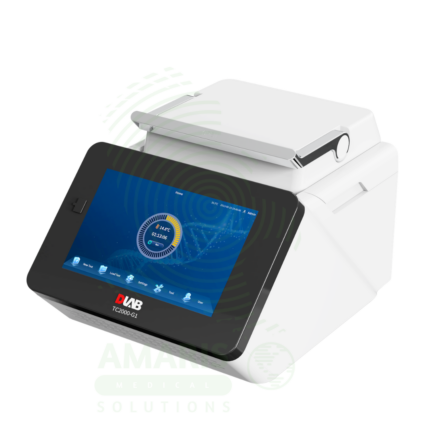
Gene Amplification Instrument (TC2000-G1)
The Gene Amplification Instrument (TC2000-G1) is a 96-well gradient thermal cycler featuring advanced Peltier heating/cooling technology (5°C/sec ramp rate), precise temperature control (±0.1°C accuracy), excellent temperature uniformity (±0.2°C at 55°C), edge temperature compensation, 10.1-inch LCD color touchscreen (1280×800), gradient capability (1-42°C span), Touchdown PCR support (-10°C to +10°C), Long PCR support (-600 sec to +600 sec), power failure protection, Wi-Fi connectivity, email notification, and three-level user permission management with password protection, designed for DNA amplification in clinical diagnostic, molecular biology, and research laboratories .
Key features include a 96-well aluminum block compatible with PCR tubes, 8-strips, and 96-well PCR plates (no skirt, half-skirt, full-skirt), self-adaptive pressure lever hot cap with one-step lid closure (30-115°C), 10.1-inch touchscreen with visual countdown circle display for real-time run progress, automatic self-test at power-up, standard and fast temperature control modes, program suspension and skip-to-next-step functions, USB 2.0 and built-in Wi-Fi interfaces, email notification upon run completion, run record and abnormal event logging, and USB-based software updates .
The Gene Amplification Instrument(TC2000-G1) supports standard PCR, Touchdown PCR (-10°C to +10°C) for enhanced specificity, and Long PCR (-600 sec to +600 sec) for large fragment amplification . Edge temperature compensation technology minimizes "edge effect" and ensures consistent amplification across all 96 wells . The self-adaptive pressure lever hot cap adapts to different PCR tube heights with one-step closure . Power failure protection automatically resumes unfinished cycles upon power restoration, ensuring sample safety during extended runs .
Three-level user permission management (guest, account authentication, administrator) with password protection ensures data security and regulatory compliance . The built-in Wi-Fi module allows simultaneous control of multiple PCR instruments from one computer via LAN, with email notifications sent upon run completion . The 10.1-inch touchscreen provides intuitive program editing with up to 199 cycles and 30 steps per program, and storage for over 20,000 programs via USB flash drive .
For the clinical laboratory scientist and molecular biologist, the Gene Amplification Instrument supports infectious disease detection (COVID-19, HIV, hepatitis B/C, tuberculosis, HPV, influenza), genetic mutation screening (β-thalassemia, BRCA, CFTR), viral load monitoring, gene cloning, DNA sequencing preparation, forensic DNA analysis (STR amplification), food safety pathogen detection and GMO screening, and Touchdown/Long PCR applications .
Universal voltage (100-240V, 50/60Hz) enables use in laboratories worldwide without voltage conversion, while the compact footprint (422 × 310 × 264 mm) and moderate weight (11 kg) allow easy benchtop placement . The 0-105°C temperature range, 5°C/sec ramp rate, and Peltier lifespan of up to 200,000 cycles provide rapid, reliable thermal cycling for routine and advanced diagnostic applications .
For the patient undergoing infectious disease testing, genetic screening for hereditary disorders, or viral load monitoring for chronic infections, the Gene Amplification Instrument precise temperature control, gradient optimization capability, rapid ramp rate, and data security features ensure accurate, reproducible PCR results that guide appropriate treatment decisions across clinical infectious disease, oncology, genetics, and molecular diagnostics applications .
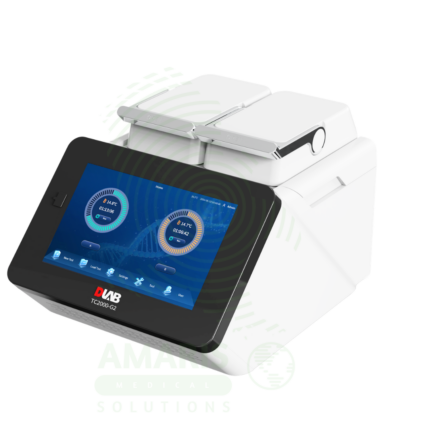
Gene Amplification Instrument (TC2000-G2)
The Gene Amplification Instrument is a dual-block independent gradient thermal cycler featuring two separate 48-well aluminum blocks (96 total wells), each with independent temperature control, advanced Peltier heating/cooling technology (5°C/sec ramp rate), precise temperature control (±0.1°C accuracy), excellent temperature uniformity (±0.2°C at 55°C), edge temperature compensation, 10.1-inch LCD color touchscreen (1280×800), independent gradient capability (1-25°C span per block), Touchdown PCR support (-10°C to +10°C), Long PCR support (-600 sec to +600 sec), power failure protection, Wi-Fi connectivity, email notification, three-level user permission management with password protection, and independent operation logs, designed for high-throughput DNA amplification in clinical diagnostic, molecular biology, and research laboratories .
Key features include two independent 48-well aluminum blocks that can run different PCR programs simultaneously—enabling concurrent processing of different patient panels, doubling throughput while maintaining independent temperature control and gradient settings per block. The self-adaptive pressure lever hot cap for each block provides one-step lid closure (30-115°C), adaptable to different PCR tube heights. The 10.1-inch touchscreen displays real-time progress for both blocks simultaneously via independent countdown circles .
The Gene Amplification Instrument supports standard PCR, Touchdown PCR (-10°C to +10°C) for enhanced specificity, and Long PCR (-600 sec to +600 sec) for large fragment amplification . Independent dual-block gradient functionality allows simultaneous optimization of annealing temperatures for two different primer sets in a single run. Edge temperature compensation technology minimizes "edge effect" and ensures consistent amplification across all wells . Independent cavity design prevents cross-contamination between different sample types .
Three-level user permission management (guest, account authentication, administrator) with password protection ensures data security and regulatory compliance for high-throughput diagnostic laboratories . The built-in Wi-Fi module allows simultaneous control of multiple PCR instruments from one computer via LAN, with email notifications sent upon run completion . Automatic self-test at power-up detects all working modules .
For the clinical laboratory scientist and molecular biologist, the TC2000-G2 supports high-throughput infectious disease detection (concurrent COVID-19 and HIV testing, respiratory and bloodborne pathogen panels), independent genetic mutation screening, viral load monitoring, gene cloning, DNA sequencing preparation, forensic DNA analysis (STR amplification), food safety pathogen detection and GMO screening, and Touchdown/Long PCR applications .
Universal voltage (100-240V, 50/60Hz) enables use in laboratories worldwide without voltage conversion, while the moderate footprint (422 × 310 × 261 mm) and weight (11 kg) allow easy benchtop placement . The 0-105°C temperature range, 5°C/sec ramp rate, and Peltier lifespan of up to 200,000 cycles provide rapid, reliable thermal cycling for high-throughput routine and advanced diagnostic applications .
For the patient undergoing infectious disease testing, genetic screening for hereditary disorders, or viral load monitoring for chronic infections, the Gene Amplification Instrument is an independent dual-block design, precise temperature control, gradient optimization capability, and rapid ramp rate ensure accurate, reproducible PCR results with faster turnaround times—guiding appropriate treatment decisions across clinical infectious disease, oncology, genetics, and molecular diagnostics applications.
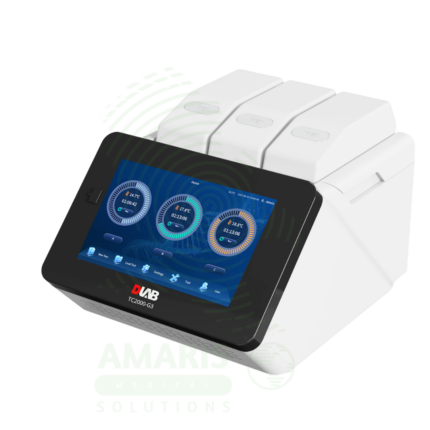
Gene Amplification Instrument (TC2000-G3)
The Gene Amplification Instrument is a triple-block independent gradient thermal cycler featuring three separate 32-well aluminum blocks (96 total wells), each with independent temperature control, advanced Peltier heating/cooling technology (5°C/sec ramp rate), precise temperature control (±0.1°C accuracy), excellent temperature uniformity (±0.2°C at 55°C), edge temperature compensation, 10.1-inch LCD color touchscreen (1280×800), independent gradient capability (1-25°C span per block), Touchdown PCR support (-10°C to +10°C), Long PCR support (-600 sec to +600 sec), power failure protection, Wi-Fi connectivity, email notification, three-level user permission management with password protection, and independent operation logs, designed for ultra-high-throughput DNA amplification in clinical diagnostic, molecular biology, and research laboratories .
Key features include three independent 32-well aluminum blocks that can run different PCR programs simultaneously—enabling concurrent processing of up to three different patient panels (e.g., respiratory panel, bloodborne panel, gastrointestinal panel), tripling throughput while maintaining independent temperature control and gradient settings per block . The self-adaptive pressure lever hot cap for each block provides one-step lid closure (30-115°C), adaptable to different PCR tube heights . The 10.1-inch touchscreen displays real-time progress for all three blocks simultaneously via independent countdown circles .
The Gene Amplification Instrument supports standard PCR, Touchdown PCR (-10°C to +10°C) for enhanced specificity, and Long PCR (-600 sec to +600 sec) for large fragment amplification . Triple independent block gradient functionality allows simultaneous optimization of annealing temperatures for three different primer sets in a single run. Edge temperature compensation technology minimizes "edge effect" and ensures consistent amplification across all wells . Independent cavity design prevents cross-contamination between different sample types .
Three-level user permission management (guest, account authentication, administrator) with password protection ensures data security and regulatory compliance for ultra-high-throughput diagnostic laboratories . The built-in Wi-Fi module allows simultaneous control of multiple PCR instruments from one computer via LAN, with email notifications sent upon run completion . Automatic self-test at power-up detects all working modules .
For the clinical laboratory scientist and molecular biologist, the Gene Amplification Instrument supports ultra-high-throughput infectious disease detection (concurrent COVID-19, HIV, and hepatitis testing; respiratory, bloodborne, and gastrointestinal pathogen panels), triple independent genetic mutation screening, viral load monitoring, gene cloning, DNA sequencing preparation, forensic DNA analysis (STR amplification), food safety pathogen detection and GMO screening, and Touchdown/Long PCR applications .
Universal voltage (100-240V, 50/60Hz) enables use in laboratories worldwide without voltage conversion, while the moderate footprint (422 × 310 × 252 mm) and weight (11 kg) allow easy benchtop placement . The 0-105°C temperature range, 5°C/sec ramp rate, and Peltier lifespan of up to 200,000 cycles (supporting 20,000 cycles) provide rapid, reliable thermal cycling for ultra-high-throughput routine and advanced diagnostic applications . At 1500W power consumption, the G3 model provides the highest throughput capacity in the TC2000 series for maximum laboratory productivity .
For the patient undergoing infectious disease testing, genetic screening for hereditary disorders, or viral load monitoring for chronic infections, the Gene Amplification Instrument is a triple independent block design, precise temperature control, gradient optimization capability, and rapid ramp rate ensure accurate, reproducible PCR results with the fastest possible turnaround times—guiding appropriate treatment decisions across clinical infectious disease, oncology, genetics, and molecular diagnostics applications.
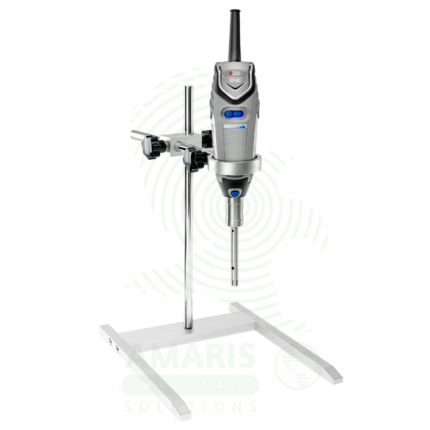
Handheld Homogenizer (D-160)
The Handheld Homogenizer is a portable, lightweight rotor-stator homogenizer featuring variable speed control (8,000-32,000 rpm with 10 speed settings), interchangeable autoclavable 316L stainless steel dispersing shafts, and an ergonomic handheld design, engineered for rapid homogenization, dispersion, and emulsification of biological tissues, cells, and clinical specimens in diagnostic and research laboratories .
Key features include a 160W AC carbon brush motor, 10-stage adjustable speed dial for precise control of homogenization intensity , interchangeable dispersing shafts (DS-160/5: 5mm diameter, 0.1-50 mL working volume; DS-160/10: 10mm diameter, 1-250 mL working volume) , and fully autoclavable 316L stainless steel construction with PTFE seals for chemical resistance and contamination prevention . The compact (45 × 55 × 190 mm) and lightweight (0.54 kg) design allows single-handed operation and easy transport between workstations . An optional H370 stand enables hands-free, stationary operation .
For the histotechnologist and pathologist, the D-160 processes tissue samples such as muscle, liver, breast, and other organs in 10-30 seconds —enabling rapid preparation of homogenized specimens for histological examination, immunohistochemistry, and diagnostic pathology . For the molecular biologist, it supports cell disruption and nucleic acid extraction for PCR-based infectious disease testing, genetic screening, and oncology biomarker detection . For the clinical microbiologist, it processes bacterial and fungal specimens for pathogen identification and antimicrobial susceptibility testing .
For the patient undergoing biopsy for suspected cancer, inflammatory disease, or infectious condition, the Handheld Homogenizer rapid tissue homogenization reduces turnaround time for diagnostic results, enabling earlier diagnosis and treatment initiation . For patients requiring molecular diagnostic testing, efficient cell lysis and nucleic acid extraction ensure accurate PCR and sequencing results that guide appropriate treatment decisions across clinical pathology, molecular diagnostics, and infectious disease testing applications .
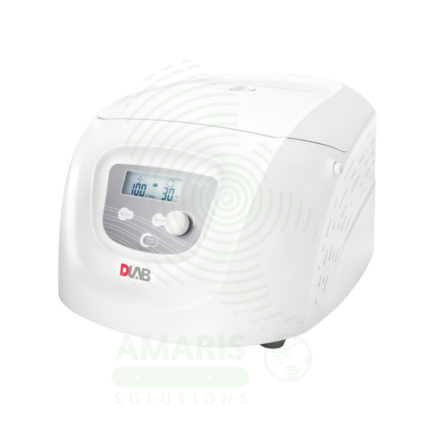
Hematocrit Centrifuge (DM1224)
The Hematocrit Centrifuge (DM1224) is a specialized high-speed benchtop centrifuge designed for hematocrit determination, packed cell volume (PCV) measurement, and microvolume blood sample processing in clinical diagnostic and research laboratories . Operating at speeds up to 12,000 rpm (13,680 × g) with a maintenance-free brushless DC motor, this centrifuge features a dedicated 24-place AC24 capillary rotor specifically engineered for standard hematocrit capillary tubes .
For the hematologist and clinical laboratory scientist, the DM1224 enables precise measurement of packed cell volume—a critical diagnostic parameter for screening and monitoring anemia, polycythemia, dehydration, and other hematological disorders . The microvolume capability (50-75 μL blood samples) makes this centrifuge ideal for pediatric, neonatal, geriatric, and critical care patients where blood conservation is essential . The integrated rotor design with optional hematocrit reader allows direct measurement of PCV values, providing rapid results for clinical decision-making .
The centrifuge features microprocessor-controlled operation with precise speed control (500-12,000 rpm, increment: 100 rpm), LCD display with speed/RCF switchover, and programmable run times from 10 seconds to 99 minutes or continuous operation . The Pulse key enables instantaneous centrifugation for quick spin-down needs, while the timer logic ensures accurate separation times by commencing once set speed is reached . Acceleration and deceleration are completed in 40 seconds each, optimizing cycle times for high-volume clinical laboratories .
Safety features include double door lock system (door interlock) preventing operation with open lid, over-speed detection, and automatic internal diagnosis, with CE safety certification . The high-strength metal rotor with excellent dynamic balancing ensures quiet, stable operation at high speeds .
With a compact footprint (364 × 280 × 213 mm), lightweight design (8.5 kg), and 24-tube capacity, the DM1224 provides reliable, specialized performance for hematocrit determination, PCV measurement, and microvolume blood processing—supporting patient diagnosis across clinical hematology, pediatrics, oncology, and transfusion medicine .
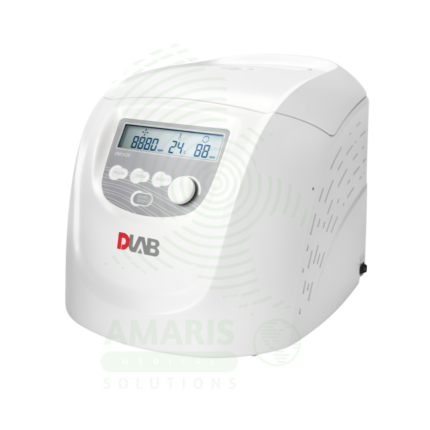
Hematocrit Centrifuge(DM1424)
The Hematocrit Centrifuge(DM1424) is a specialized high-speed benchtop centrifuge designed for hematocrit determination, packed cell volume (PCV) measurement, and micro-volume blood sample processing in clinical diagnostic and research laboratories . Operating at speeds from 200 to 14,000 rpm (up to 18,620 × g) with a maintenance-free brushless DC motor, this centrifuge features a dedicated AC24P hematocrit rotor for 24 × standard capillary tubes (12,000 rpm max) used for determination of erythrocyte volume fractions in blood and for separation of micro blood and solutions . An optional A24-2P microtube rotor (24 × 1.5/2.0 mL tubes, 14,000 rpm max) enables the same instrument to serve as a general-purpose microcentrifuge for DNA/RNA extraction, protein separation, and PCR sample preparation .
For the hematologist and clinical laboratory scientist, the DM1424 enables precise measurement of hematocrit (HCT) and packed cell volume (PCV)—critical diagnostic parameters for screening and monitoring anemia, polycythemia, dehydration, and other hematological disorders . The micro-volume capability makes this centrifuge ideal for neonatal bilirubin testing (photometric determination of bilirubin content in neonate blood samples for jaundice management), pediatric hematology, and critical care patients where blood conservation is essential . Additional clinical applications include doping tests, veterinary hematology, infant vitamin testing, and general clinical diagnostic testing .
The centrifuge features microprocessor-controlled operation with precise speed increments (10 rpm), LCD display with speed/RCF switchover, programmable run times (30 seconds to 99 minutes or continuous), and timer logic that commences once set speed is reached for accurate separation times . The PULSE key enables instantaneous quick spins, while parameters can be modified after set speed is reached without stopping the centrifuge . The lid automatically releases when operation has stopped, and a sound alert signals run completion .
Safety features include door interlock (prevents operation with open lid), over-speed detection, over-temperature detection, and automatic internal diagnosis, with CE, cTUVus, and FCC safety certifications . The centrifuge has passed MCA test according to IEC/EN61010-2-20 including explosion-proof and bio-safe tests, and complies with EN61010-2-101:2002 requirements for In Vitro Diagnostic (IVD) medical equipment .
With a compact footprint (approximately 15 × 11 × 11 inches), lightweight design (22 lbs), 2-year manufacturer warranty, and quiet, stable operation, the DM1424 provides reliable, specialized performance for hematocrit determination, PCV measurement, neonatal bilirubin testing, and micro-volume blood processing—supporting patient diagnosis across clinical hematology, neonatology, pediatrics, oncology, and transfusion medicine .
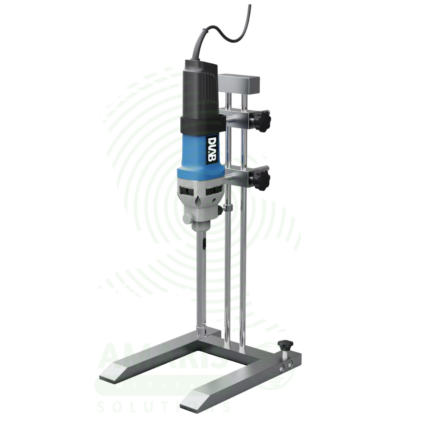
High Shear Homogenizer (D-500)
The High Shear Homogenizer is a powerful benchtop rotor-stator homogenizer featuring a 500W AC carbon brush motor, variable speed control (10,000-30,000 rpm with 6 speed settings), interchangeable autoclavable 316L stainless steel dispersing shafts, and a wide working volume range of 10-40,000 mL, designed for rapid homogenization, dispersion, and emulsification of biological tissues, pharmaceutical formulations, and chemical samples in clinical diagnostic, pharmaceutical, and research laboratories .
Key features include a 500W high-power motor handling samples up to 10,000 mPa·s viscosity , 6-stage adjustable speed dial for precise control of homogenization intensity , interchangeable dispersing shafts ( High Shear Homogenize/1 for solid-liquid mixing and tissue homogenization; High Shear Homogenize/2 for emulsification and cream preparation) , fully autoclavable 316L stainless steel construction with PTFE seals for chemical resistance and contamination prevention, automatic overload protection and smooth motor start for safety and extended motor life, emergency stop safety switch for immediate shutdown, and compact (75 × 75 × 280 mm) and lightweight (1.7 kg) design for benchtop or stand-mounted operation . An optional H-600 stand enables hands-free, stationary operation .
For the histotechnologist and pathologist, the High Shear Homogenize processes tough tissue samples such as muscle, liver, breast, and other organs in seconds—enabling rapid preparation of homogenized specimens for histological examination, immunohistochemistry, and diagnostic pathology . For the molecular biologist, it supports cell disruption and nucleic acid extraction for PCR-based infectious disease testing, genetic screening, and oncology biomarker detection. For the pharmaceutical QC chemist, it processes high-viscosity formulations, creams, and ointments for stability testing and quality release.
For the patient undergoing biopsy for suspected cancer, inflammatory disease, or infectious condition, the High Shear Homogenize rapid tissue homogenization reduces turnaround time for diagnostic results, enabling earlier diagnosis and treatment initiation . For patients requiring pharmaceutical products, consistent formulation testing ensures that medications, topical creams, and biological products meet quality standards for safety and efficacy. For patients requiring molecular diagnostic testing, efficient cell lysis and nucleic acid extraction ensure accurate PCR and sequencing results that guide appropriate treatment decisions across clinical pathology, molecular diagnostics, infectious disease testing, and pharmaceutical quality control applications.
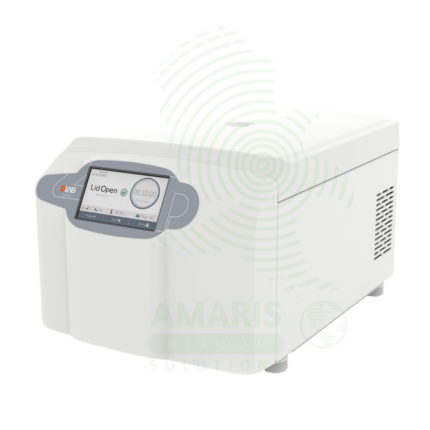
High Speed Centrifuge (DG1616)
The High Speed Centrifuge (DG1616) is a large-capacity benchtop centrifuge designed for high-throughput sample processing in clinical diagnostic, molecular biology, pharmaceutical, and industrial research laboratories . With a maximum speed of 16,000 rpm (up to 28,621 × g) and maximum capacity of 4 × 400 mL (1.6 liters), this centrifuge provides the speed and capacity needed for high-volume sample processing in clinical pathology, molecular diagnostics, and research settings .
The centrifuge features a maintenance-free brushless DC motor, new upgraded touch UI interface for user-friendly operation, and automatic rotor identification for safety . The SR400 SOR swing-out rotor accommodates 4 × 400 mL tubes with snap-on bio-caps, handling tube sizes from 2 mL to 100 mL, while fixed-angle rotors are available for high-speed applications up to 16,000 rpm . The refrigerated DG1616R model maintains sample temperatures from -10°C to 40°C, protecting temperature-sensitive biological samples during high-speed runs .
For the clinical laboratory scientist and medical technologist, the DG1616 facilitates serum and plasma separation for blood chemistry testing, coagulation studies, and lipid panels in high-volume clinical laboratories . It supports platelet-poor plasma preparation for advanced coagulation analysis, nucleic acid extraction and purification for molecular diagnostics, protein precipitation for biochemical assays, and cell pelleting for culture processing. Additional applications include urinalysis and fecal sample processing, microbiology sample preparation, and pharmaceutical quality control testing .
The centrifuge incorporates comprehensive safety features including electronic magnetic door locking, automatic rotor identification, imbalance detection, and 3-layer sealed rotors that are fully autoclavable at 121°C for biosafety . With programmable run times (30 seconds to 99 hours), 9 acceleration and 9 deceleration profiles, up to 100 program storage capacity, and a robust 70-90 kg construction, the DG1616 provides reliable, consistent performance for routine laboratory workflows supporting patient diagnosis and treatment monitoring .
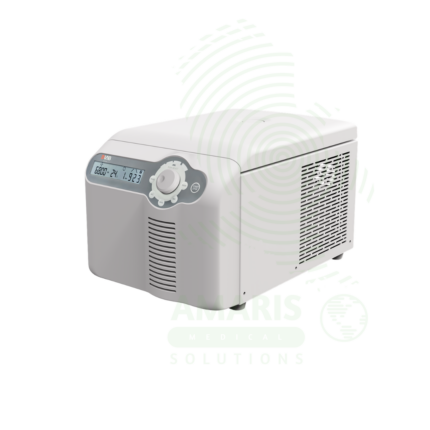
High Speed Micro Centrifuge (D1524)
The High Speed Micro Centrifuge (D1524) is a benchtop high-speed centrifuge designed for clinical diagnostic sample processing, molecular biology applications, and research laboratory use . With a maximum speed of 15,000 rpm (up to 21,380 × g), this centrifuge provides the speed and capacity needed for high-throughput sample processing in moderate to large volume diagnostic laboratories .
The standard A24-2 rotor accommodates 24 × 1.5/2.0 mL microcentrifuge tubes with 0.5 mL and 0.2 mL adapters, while an optional A12-PCR8 rotor supports 12 × 0.2 mL PCR tubes or 8-strip PCR tubes for molecular diagnostics . The digital LCD display with touch panel control allows precise speed (500-15,000 rpm, step: 100 rpm) and time (20 seconds to 99 minutes) adjustment .
For the clinical laboratory scientist and medical technologist, the D1524 facilitates serum and plasma separation for blood chemistry testing, coagulation studies, and lipid panels . It supports platelet-poor plasma preparation for advanced coagulation analysis, nucleic acid extraction and purification for molecular diagnostics, PCR sample preparation (with spin-down and continuous operation modes), and protein precipitation steps for biochemical assays .
The automatic imbalance detection, lid safety interlock, and durable engineering polymer/aluminum alloy rotor construction ensure safe, reliable operation throughout years of daily laboratory use . With a quiet DC motor (≤55 dB) and compact benchtop footprint (210 × 250 × 170 mm), the D1524 provides versatile, consistent performance for routine laboratory workflows supporting patient diagnosis and treatment monitoring.
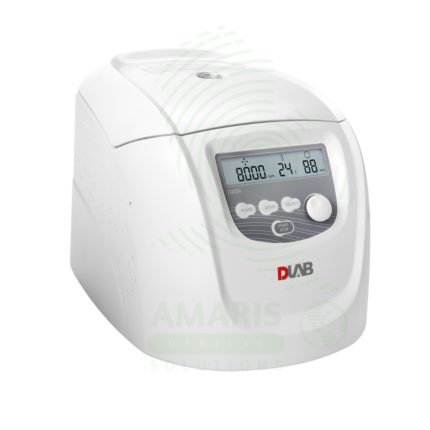
High Speed Micro Centrifuge (D3024)
The High Speed Micro Centrifuge (D3024) is a benchtop high-speed centrifuge designed for clinical diagnostic sample processing, molecular biology applications, and research laboratory use. With a maximum speed of 15,000 rpm (up to 21,380 × g), this centrifuge provides the speed and capacity needed for high-throughput sample processing in moderate to large volume diagnostic laboratories.
The standard A24-2 rotor accommodates 24 × 1.5/2.0 mL microcentrifuge tubes with 0.5 mL and 0.2 mL adapters, while optional rotors support 0.2 mL × 36, 0.5 mL × 36, PCR strips × 4, 5 mL × 12, and 5 mL × 18 configurations. The LCD display with touch panel control allows precise speed (500-15,000 rpm, step: 100 rpm) and time (20 seconds to 99 minutes) adjustment.
For the clinical laboratory scientist and medical technologist, the D3024 facilitates serum and plasma separation for blood chemistry testing, coagulation studies, and lipid panels. It supports nucleic acid extraction and purification for molecular diagnostics, PCR sample preparation (with spin-down and continuous operation modes), protein precipitation steps for biochemical assays, and cell pelleting for culture processing.
The automatic imbalance detection, lid safety interlock, over-speed detection, over-temperature detection, and durable rotor construction ensure safe, reliable operation throughout years of daily laboratory use. With a quiet brushless DC motor (≤55 dB) and compact benchtop footprint (210 × 250 × 170 mm), the D3024 provides versatile, consistent performance for routine laboratory workflows supporting patient diagnosis and treatment monitoring.
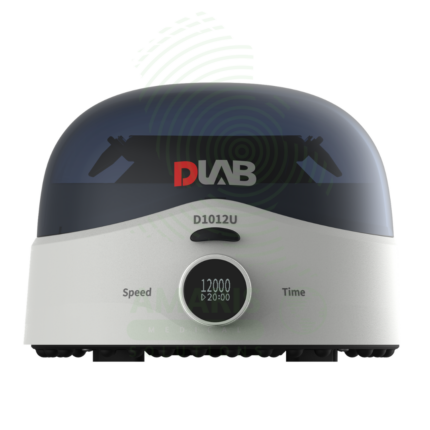
High Speed Palm Micro Centrifuge(D1012U)
The High Speed Palm Micro Centrifuge(D1012U) is a compact, high-speed centrifuge designed for rapid sample processing in clinical and research laboratories. Operating at speeds up to 12,000 rpm (up to 6,708 × g) with a quiet DC motor, this palm-sized centrifuge supports multiple rotor configurations—including 12 x 0.5/1.5/2.0 mL microcentrifuge tubes, 44 x 0.2 mL PCR tubes, and 4 x 0.2 mL PCR 8-strips . The OLED display allows precise monitoring and adjustment of speed (1,000-12,000 rpm) and run time (10 seconds to 20 minutes), while the clamp-locking rotor design ensures safe, secure operation . For the clinical laboratory scientist and medical technologist, the D1012U facilitates rapid separation of blood components for diagnostic testing, PCR sample preparation for molecular diagnostics, microfiltration of body fluids for urinalysis and cytology, and cell pelleting for cytological examination . Its compact footprint (210 x 180 x 130 mm) and lightweight design (1.5 kg) make it ideal for point-of-care testing, physician office laboratories, and space-constrained benchtops . Wide voltage technology (100-240V) ensures consistent performance across different laboratory power conditions . This centrifuge provides reliable, consistent performance for routine laboratory workflows supporting patient diagnosis and treatment monitoring.
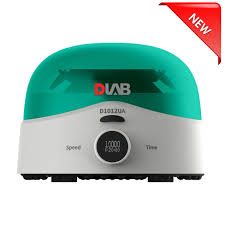
High Speed Palm Micro Centrifuge(D1012UA )
The High Speed Palm Micro Centrifuge(D1012UA ) is a compact, high-speed centrifuge designed for rapid sample processing in clinical and research laboratories. Operating at speeds up to 10,000 rpm (up to 7,490 × g) with a quiet DC brushless motor, this palm-sized centrifuge supports multiple rotor configurations—including 12 x 0.5/1.5/2.0 mL microcentrifuge tubes, 44 x 0.2 mL PCR tubes, and 4 x 0.2 mL PCR 8-strips . The OLED display allows precise monitoring and adjustment of speed (2,000-10,000 rpm) and run time (10 seconds to 20 minutes) . The FA12-2P combo rotor features a durable clamp-locking design for safe, secure operation .
For the clinical laboratory scientist and medical technologist, the D1012UA facilitates rapid spin-down of samples for PCR preparation , microfiltration of body fluids for urinalysis and cytology, cell pelleting for cytological examination , and nucleic acid extraction and purification workflows . The screen buttons allow adjustment of motor start/stop with support for both soft braking and instant stop modes .
Its compact footprint (210 x 180 x 130 mm) and lightweight design (1.5 kg) make it ideal for point-of-care testing, physician office laboratories, and space-constrained benchtops . Wide voltage technology (100-240V) ensures consistent performance across different laboratory power conditions . This centrifuge provides reliable, consistent performance for routine laboratory workflows supporting patient diagnosis and treatment monitoring.
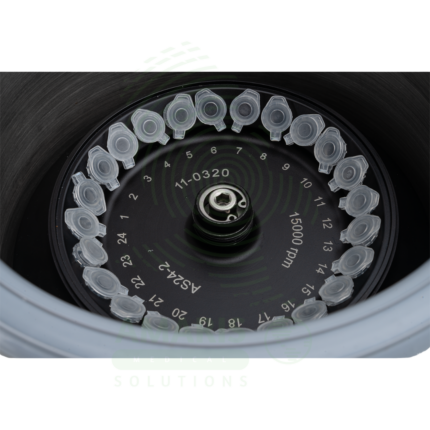
High Speed Refrigerated Centrifuge (D1524R)
The High Speed Refrigerated Centrifuge (D1524R) is a benchtop refrigerated microcentrifuge designed for temperature-sensitive sample processing in clinical diagnostic, molecular biology, and research laboratories. With a maximum speed of 15,000 rpm (up to 21,380 × g) and a temperature range of -20°C to 40°C, this centrifuge maintains sample integrity during high-speed runs—preventing protein denaturation, enzyme inactivation, and nucleic acid degradation .
The refrigerated centrifuge features a powerful R290 fluorine-free refrigerant compressor with pre-cooling function, reaching 4°C from room temperature in just 7 minutes . The standard AS24-2 bio-safe rotor accommodates 24 × 1.5/2.0 mL microcentrifuge tubes with 0.5 mL and 0.2 mL adapters, while optional rotors support 0.2 mL × 36, 0.5 mL × 36, PCR-8 strips × 4, 5 mL × 12, and 5 mL × 18 configurations .
For the clinical laboratory scientist and medical technologist, the D1524R facilitates serum and plasma separation for blood chemistry testing, coagulation studies, and lipid panels under refrigerated conditions. For the molecular biologist, it supports DNA/RNA extraction and purification, PCR sample preparation (spin-down of 0.2 mL PCR tubes and strip tubes), protein precipitation for biochemical assays, and cell pelleting for culture processing .
The centrifuge incorporates comprehensive safety features including dual door lock, over-speed detection, over-temperature detection, rotor imbalance detection alarm, and an internal diagnosis system . The three-layer sealed biosafety rotors prevent aerosol escape and cross-contamination, while the high-strength aluminum alloy rotors withstand repeated autoclave sterilization at 121°C .
With an LCD display, 9-level adjustable acceleration and deceleration, and up to 9 program storage capacity, the D1524R provides reliable, reproducible performance for temperature-controlled centrifugation supporting patient diagnosis, treatment monitoring, and research outcomes .
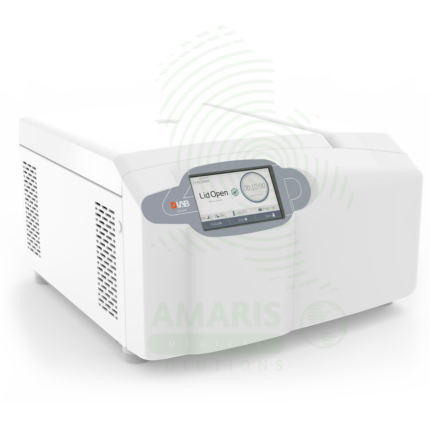
High Speed Refrigerated Centrifuge (DG1616R)
The High Speed Refrigerated Centrifuge (DG1616R) is a refrigerated, large-capacity benchtop centrifuge designed for temperature-controlled high-throughput sample processing in clinical diagnostic, molecular biology, pharmaceutical, and industrial research laboratories . With a maximum speed of 16,000 rpm (up to 28,621 × g) and maximum capacity of 4 × 400 mL (1.6 liters), this centrifuge provides the speed, capacity, and refrigeration needed for high-volume sample processing while protecting temperature-sensitive biological samples .
The active refrigeration system maintains sample temperatures from -10°C to 40°C, with a pre-cooling function that reaches 4°C in minutes—preventing protein denaturation, enzyme inactivation, and RNA degradation during high-speed runs . The DG1616R features a maintenance-free brushless DC motor, new upgraded touch UI interface for user-friendly operation, and automatic rotor identification for safety . The SR400 SOR swing-out rotor accommodates 4 × 400 mL tubes with snap-on bio-caps, handling tube sizes from 2 mL to 100 mL, while fixed-angle rotors are available for high-speed applications up to 16,000 rpm .
For the clinical laboratory scientist and medical technologist, the DG1616R facilitates serum and plasma separation for blood chemistry testing, coagulation studies, and lipid panels under refrigerated conditions . It supports platelet-poor plasma preparation for advanced coagulation analysis, nucleic acid extraction and purification for molecular diagnostics (preventing RNA degradation), protein precipitation for biochemical assays, and cell pelleting for culture processing while maintaining cell viability through temperature control. Additional applications include urinalysis, fecal sample processing, microbiology sample preparation, and pharmaceutical quality control testing .
The centrifuge incorporates comprehensive safety features including electronic magnetic door locking, automatic rotor identification, imbalance detection, and 3-layer sealed rotors that are fully autoclavable at 121°C for biosafety . With programmable run times (30 seconds to 99 hours), 9 acceleration and 9 deceleration profiles, up to 100 program storage capacity, and a robust 90 kg construction, the DG1616R provides reliable, temperature-controlled performance for routine laboratory workflows supporting patient diagnosis and treatment monitoring .
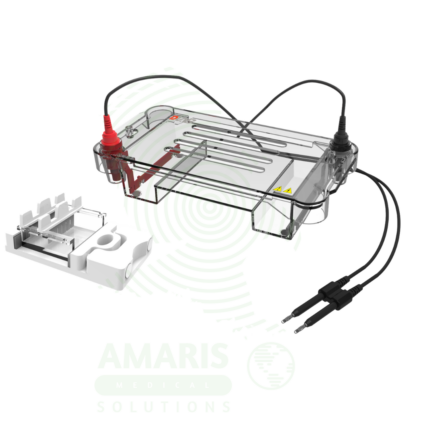
Horizontal Electrophoresis Tank (DL-SUB01)
The Horizontal Electrophoresis Tank (DL-SUB01) is a compact, high-transparency horizontal gel box designed for rapid DNA and RNA fragment separation, PCR product confirmation, and nucleic acid quality assessment in clinical diagnostic and research laboratories . Featuring interchangeable gel trays (60 × 60 mm and 120 × 60 mm) and multiple comb configurations (1-2 wells for larger sample volumes, 5-10 wells for multiple samples), this system provides resolution of nucleic acid fragments from 5 to 2500 base pairs .
For the molecular biologist and clinical laboratory scientist, the DL-SUB01 supports PCR product confirmation for infectious disease testing (COVID-19, influenza, hepatitis, HIV), restriction fragment analysis for genetic screening (sickle cell disease, cystic fibrosis), nucleic acid quality assessment (DNA/RNA integrity and purity), multiplex PCR product resolution for respiratory virus panels, gel extraction for downstream applications, and microbial pathogen identification workflows .
Constructed from high-strength, high-transparency plastic with platinum wire electrodes, the DL-SUB01 provides a clear view of the electrophoresis process while protecting operators during UV visualization. The lightweight design (0.8 kg) and compact footprint (190 × 110 × 50 mm) make it ideal for space-constrained laboratories, while the interchangeable tray and comb system allows rapid adaptation to varying sample volumes and throughput demands .
For the patient undergoing molecular diagnostic testing for infectious diseases, inherited genetic conditions, or oncology biomarkers, the DL-SUB01's reliable DNA fragment separation ensures accurate PCR product confirmation, restriction fragment analysis, and nucleic acid quality assessment—supporting reliable diagnostic results that guide appropriate treatment decisions across molecular diagnostics, genetic screening, and clinical pathology applications.
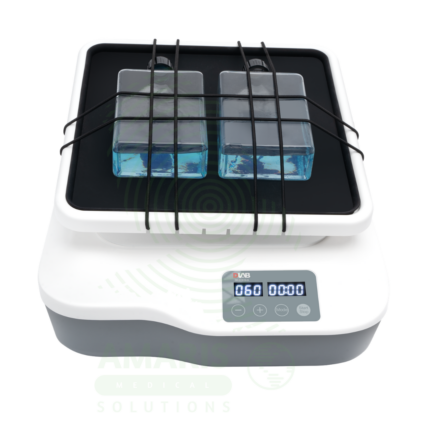
Intelligent 3D Shaker (SK-D1810-S)
The Intelligent 3D Shaker (SK-D1810-S) featuring fixed 10° tilt angle, variable speed control (10-80 rpm), dual independent LED displays, programmable timer (1 minute to 99 hours 59 minutes), and a maintenance-free brushless DC motor, designed for gentle, uniform mixing of cell cultures, molecular biology samples, and diagnostic assays in clinical and research laboratories.
Key features include a 3-dimensional rocking motion at fixed 10° tilt angle for gentle, uniform mixing, dual independent LED displays for simultaneous monitoring of speed and time, programmable timer with automatic stop (1 minute to 99 hours 59 minutes), and a non-slip silicone work platform (268 × 268 mm) that securely holds flasks, culture flasks, petri dishes, centrifuge tubes, and blotting containers.
The Intelligent 3D Shaker (SK-D1810-S) accommodates a variety of laboratory vessels, with a maximum load capacity of 3 kg and universal voltage (100-240V, 50/60Hz) enabling use in laboratories worldwide without voltage conversion. The cold room and incubator compatibility (5-40°C operating temperature, 80% RH) allows sample mixing under controlled temperature conditions for temperature-sensitive applications. The IP21 protection rating provides durability against dust and moisture in typical laboratory environments.
For the clinical laboratory scientist and molecular biologist, the Intelligent 3D Shaker (SK-D1810-S) supports cell culture maintenance (uniform distribution of cells, nutrients, and reagents), DNA/RNA extraction protocols, Western blotting and antibody incubations (consistent reagent distribution across membranes), gel staining and destaining (automated, reproducible dye distribution), hybridization reactions for nucleic acid research, and immunoassays (ELISA plate incubation, reducing well-to-well variability).
Universal voltage (100-240V, 50/60Hz) enables use in laboratories worldwide without voltage conversion, while the compact footprint (294 × 348 × 123 mm) and moderate weight (3.7 kg) allow easy benchtop placement. The whisper-quiet brushless DC motor and wear-resistant silicone platform ensure minimal noise, extended service life, and easy cleaning.
For the patient undergoing diagnostic testing for infectious diseases, genetic disorders, or cancer biomarkers, the SK-D1810-S's gentle, uniform mixing ensures consistent cell culture conditions, reliable DNA extraction, reproducible antibody incubations, and accurate gel electrophoresis results—supporting reliable diagnostic outcomes that guide appropriate treatment decisions across molecular diagnostics, immunology, and cell biology applications.
Intelligent Decolorizing Shaker (SK-O180-S)
The Intelligent Decolorizing Shaker (SK-O180-S) is an intelligent orbital shaker featuring adjustable speed (50-350 rpm), fixed 20mm orbit amplitude, programmable timer (1-1199 minutes), RS232 interface, and a maintenance-free brushless DC motor, designed for uniform mixing of electrophoresis gels, Western blot membranes, and biological samples in clinical diagnostic and research laboratories .
Key features include orbital shaking action at 20mm orbit diameter for thorough, uniform mixing, dual independent LED displays for simultaneous monitoring of speed and time, programmable timer with automatic stop (1-1199 minutes), RS232 interface for computer connectivity and free PC software for real-time monitoring, user calibration support for speed accuracy, and a maintenance-free brushless DC motor for quiet, reliable operation . The 330 × 330 mm work platform with 3 kg load capacity securely holds culture dishes, flasks, beakers, blotting containers, and gel staining trays .
The Intelligent Decolorizing Shaker (SK-O180-S) accommodates a variety of laboratory vessels, with universal voltage (100-240V, 50/60Hz) enabling use in laboratories worldwide without voltage conversion . The cold room and incubator compatibility (5-40°C operating temperature, 80% RH) allows sample mixing under controlled temperature conditions for temperature-sensitive applications such as hybridizations and cell culture . The IP21 protection rating provides durability against dust and moisture in typical laboratory environments .
For the clinical laboratory scientist and molecular biologist, the SK-O180-S supports electrophoresis gel decolorization and staining (Coomassie blue, silver nitrate), Western blot membrane washing and antibody incubations, Southern and Northern blot hybridization reactions, immunoprecipitation (IP) protocols, liquid-solid suspension mixing (cell pellets, tissue homogenates), clinical sample preparation, and general liquid mixing for aeration and extraction applications .
Universal voltage (100-240V, 50/60Hz) enables use in laboratories worldwide without voltage conversion, while the moderate weight (6.5 kg) allows benchtop stability and efficient space utilization . The whisper-quiet brushless DC motor and safety speed protection ensure minimal noise, extended service life, and enhanced laboratory safety .
For the patient undergoing diagnostic testing for infectious diseases, genetic disorders, or cancer biomarkers, the Intelligent Decolorizing Shaker (SK-O180-S) uniform orbital mixing ensures consistent gel staining, reproducible antibody incubations, and accurate nucleic acid hybridization results—supporting reliable diagnostic outcomes that guide appropriate treatment decisions across molecular diagnostics, immunology, and cell biology applications .
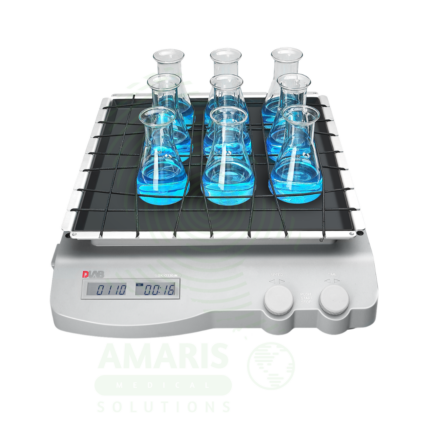
Intelligent Decolorizing Shaker (SK-O330-M)
The Intelligent Orbital Decolorizing Shaker is a high-capacity, large-format digital orbital shaker featuring 10 mm orbit amplitude, variable speed control (70-400 rpm), dual independent LCD displays, programmable timer (1 minute to 99 hours 59 minutes), and a maintenance-free brushless DC motor, designed for high-throughput uniform mixing of electrophoresis gels, Western blot membranes, and biological samples in clinical diagnostic and research laboratories .
Key features include orbital shaking action at 10 mm orbit diameter for thorough, uniform mixing, dual independent LCD displays for simultaneous monitoring of speed and time, programmable timer with automatic stop (1 min to 99 hours 59 min), continuous or timed operation mode, and a maintenance-free brushless DC motor for quiet, reliable operation . The large 335 × 335 mm work platform with 3 kg load capacity securely holds multiple culture dishes, flasks, beakers, blotting containers, and gel staining trays .
The Intelligent Orbital Decolorizing Shaker accommodates a variety of laboratory vessels, with universal voltage (100-240V, 50/60Hz) enabling use in laboratories worldwide without voltage conversion . The cold room and incubator compatibility (5-40°C operating temperature, 80% RH) allows sample mixing under controlled temperature conditions for temperature-sensitive applications such as hybridizations and cell culture . The IP21 protection rating provides durability against dust and moisture in typical laboratory environments .
For the clinical laboratory scientist and molecular biologist, the Intelligent Orbital Decolorizing Shaker supports high-throughput electrophoresis gel decolorization and staining (Coomassie blue, silver nitrate), Western blot membrane washing and antibody incubations across multiple membranes, Southern and Northern blot hybridization reactions, immunoprecipitation (IP) protocols, liquid-solid suspension mixing (cell pellets, tissue homogenates), clinical sample preparation, and general liquid mixing for aeration and extraction applications .
Universal voltage (100-240V, 50/60Hz) enables use in laboratories worldwide without voltage conversion, while the moderate weight (9.8 kg) and compact footprint (420 × 370 × 100 mm) allow benchtop stability and efficient space utilization . The whisper-quiet brushless DC motor and over-speed detection and protection ensure minimal noise, extended service life, and enhanced laboratory safety .
For the patient undergoing diagnostic testing for infectious diseases, genetic disorders, or cancer biomarkers, the Intelligent Orbital Decolorizing Shaker uniform orbital mixing across large sample batches ensures consistent gel staining, reproducible antibody incubations, and accurate nucleic acid hybridization results—supporting reliable diagnostic outcomes that guide appropriate treatment decisions across high-volume molecular diagnostics, immunology, and cell biology applications.
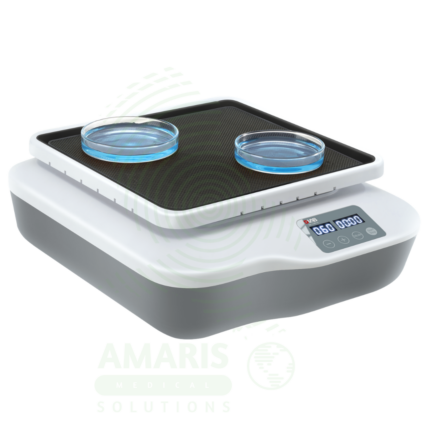
Intelligent Linear Decolorizing Shaker (SK-L180-S)
The Intelligent Linear Decolorizing Shaker (SK-L180-S) is a digital linear reciprocating shaker featuring 20mm amplitude, variable speed control (40-200 rpm), dual independent LED displays, programmable timer (1 minute to 99 hours 59 minutes), and a maintenance-free brushless DC motor, designed for uniform mixing of electrophoresis gels, Western blot membranes, and biological samples in clinical diagnostic and research laboratories .
Key features include linear reciprocating shaking action at 20mm amplitude for thorough, uniform mixing , dual independent LED displays for simultaneous monitoring of speed and time, programmable timer with automatic stop (1 minute to 99 hours 59 minutes) , and a maintenance-free brushless DC motor for quiet, reliable operation . The 268 × 268 mm work platform securely holds culture dishes, flasks, beakers, and blotting containers .
The Intelligent Linear Decolorizing Shaker (SK-L180-S) accommodates a variety of laboratory vessels, with a maximum load capacity of 2 kg and universal voltage (100-240V, 50/60Hz) enabling use in laboratories worldwide without voltage conversion . The cold room and incubator compatibility (5-40°C operating temperature, 80% RH) allows sample mixing under controlled temperature conditions for temperature-sensitive applications. The IP20 protection rating provides durability against dust and moisture in typical laboratory environments .
For the clinical laboratory scientist and molecular biologist, the Intelligent Linear Decolorizing Shaker (SK-L180-S) supports electrophoresis gel decolorization and staining (Coomassie blue, silver nitrate), Western blot membrane washing and antibody incubations, Southern and Northern blot hybridization reactions, clinical sample preparation, and general liquid mixing for aeration and extraction applications .
Universal voltage (100-240V, 50/60Hz) enables use in laboratories worldwide without voltage conversion, while the compact footprint (294 × 348 × 123 mm) and moderate weight (3.4 kg) allow easy benchtop placement . The whisper-quiet brushless DC motor and safety speed protection ensure minimal noise, extended service life, and enhanced laboratory safety .
For the patient undergoing diagnostic testing for infectious diseases, genetic disorders, or cancer biomarkers, the Intelligent Linear Decolorizing Shaker (SK-L180-S) uniform linear mixing ensures consistent gel staining, reproducible antibody incubations, and accurate nucleic acid hybridization results—supporting reliable diagnostic outcomes that guide appropriate treatment decisions across molecular diagnostics, immunology, and cell biology applications.
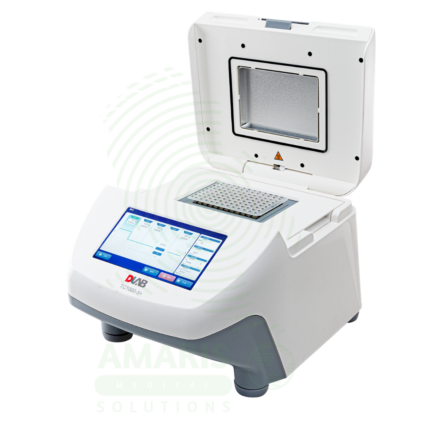
Isometric gene amplification instrument (TC1000-S)
The Isometric Gene Amplification Instrument is a 96-well benchtop thermal cycler (PCR instrument) featuring advanced Peltier heating/cooling technology (5°C/sec ramp rate), precise temperature control (accuracy ±0.3°C at 55°C), excellent temperature uniformity (<0.3°C at 55°C), edge temperature compensation to minimize "edge effect", 7-inch LCD color touchscreen (800×480), Touchdown PCR support (-9.9°C to +9.9°C), Long PCR support (-9min 59s to +9min 59s), power failure protection with automatic program recovery, and one-click fast incubation for denaturation/enzyme digestion/ELISA, designed for DNA amplification in clinical diagnostic, molecular biology, and research laboratories .
Key features include a 96-well aluminum block compatible with PCR tubes, 8-strips, and 96-well PCR plates, heated lid with automatic temperature control (30-110°C) and auto-off function when block <30°C, intuitive 7-inch color touchscreen for easy program editing, user-defined file system supporting up to 30 segments and 99 cycles per program, and storage for over 200 custom programs across 16 folders .
The Isometric gene amplification instrument supports standard PCR, Touchdown PCR for enhanced specificity (minimizing nonspecific amplification and primer-dimer formation), and Long PCR for large fragment amplification . Edge temperature compensation technology ensures consistent amplification across all 96 wells, eliminating temperature variation at block edges . One-click fast incubation provides quick access to common laboratory protocols including denaturation, enzyme digestion/ligation, and ELISA, reducing setup time and minimizing programming errors . Power failure protection automatically resumes unfinished cycles upon power restoration, ensuring sample safety during extended runs .
For the clinical laboratory scientist and molecular biologist, the Isometric gene amplification instrument supports infectious disease detection (COVID-19, HIV, hepatitis, tuberculosis, HPV, influenza), genetic mutation screening (β-thalassemia, BRCA, CFTR), gene cloning, DNA sequencing preparation, forensic DNA analysis (STR amplification), genotyping and SNP detection, and food safety pathogen detection .
Universal voltage (100-120V/200-240V, 50/60Hz) enables use in laboratories worldwide without voltage conversion, while the compact footprint (280 × 370 × 250 mm) and moderate weight (11 kg) allow easy benchtop placement . The 4-105°C temperature range and 5°C/sec ramp rate provide rapid, reliable thermal cycling for routine diagnostic applications .
For the patient undergoing infectious disease testing, genetic screening for hereditary disorders, or oncology biomarker detection, the Isometric gene amplification instrument precise temperature control, edge temperature compensation, and Touchdown PCR capability ensure accurate, reproducible PCR results that guide appropriate treatment decisions across clinical infectious disease, oncology, genetics, and molecular diagnostics applications .
Laboratory Water Bath (DWB20-S)
The Laboratory Water Bath (DWB20-S) is a digital benchtop water bath with 20-liter capacity, designed for precise temperature-controlled incubation of clinical samples, reagents, and diagnostic test preparations in clinical diagnostic and research laboratories . With a temperature range from ambient +5°C to 99.9°C and temperature control accuracy of ≤±0.5°C, this water bath provides stable, uniform heating for clinical chemistry, immunology, microbiology, and molecular diagnostics workflows .
For the clinical laboratory scientist and medical technologist, the DWB20-S supports enzymatic assay preparation for liver function tests (ALT, AST), cardiac biomarkers (CK, LDH), and other enzyme-based diagnostic assays . It provides precise temperature control for ELISA and immunoassay incubation in infectious disease and autoimmune testing, sample thawing and reagent warming for coagulation studies (PT, PTT), and microbiological culture media warming for bacterial growth and antimicrobial susceptibility testing .
The DWB20-S features a corrosion-resistant stainless steel tank, microprocessor-controlled digital interface with PID temperature regulation, programmable timer (0-99 hours 59 minutes), and over-temperature protection for sample safety . The insulated lid minimizes heat loss and evaporation, while the drain valve facilitates easy water changes and tank cleaning .
For the patient undergoing diagnostic testing for myocardial infarction, hepatitis, autoimmune disorders, or bacterial infections, the DWB20-S's precise temperature control ensures accurate enzymatic assay results, reliable immunoassay detection, and consistent culture-based identification—supporting appropriate treatment decisions and optimal clinical outcomes .
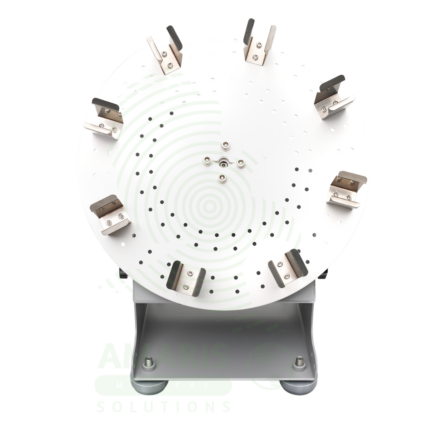
LCD Digital Tube Rotator (MX-RD-Pro)
The LCD Digital Tube Rotator (MX-RD-Pro) is a programmable digital tube rotator with LCD display, variable speed (0-80 rpm), adjustable tilt angle (0-90°), and programmable memory (9 programs), designed for precise, gentle mixing of blood tubes, serology specimens, coagulation samples, and molecular biology preparations in clinical diagnostic and research laboratories . The end-over-end rotation with adjustable tilt angle (0-90°) provides optimized mixing conditions for different sample types—from gentle end-over-end mixing for blood coagulation to more vigorous tumbling for viscous samples .
For the clinical laboratory scientist and coagulation technologist, the LCD Digital Tube Rotator (MX-RD-Pro) supports programmable mixing of blood coagulation samples (PT, PTT, fibrinogen, D-dimer)—preventing clot activation while ensuring thorough distribution of anticoagulants for accurate test results . The programmable memory (9 programs) allows storage of validated mixing protocols (speed, time, tilt angle) for different test types, ensuring consistent sample processing across runs and operators, reducing variability, and supporting GLP compliance .
Key features include variable speed control (0-80 rpm) for precise adjustment of mixing intensity, adjustable tilt angle (0-90°) for optimization of mixing conditions, digital timer (0-99h59min) with continuous operation mode for batch processing, and large LCD display for real-time monitoring of speed, time, tilt angle, and program number. The universal voltage (100-240V, 50/60Hz) enables use in laboratories worldwide without voltage conversion .
For the patient undergoing coagulation monitoring for anticoagulant therapy (warfarin, heparin, DOACs), serological testing for infectious diseases, blood bank compatibility testing, or molecular diagnostic testing for genetic disorders, the LCD Digital Tube Rotator (MX-RD-Pro) precise, programmable mixing ensures accurate test results that guide appropriate treatment decisions—preventing false-negative or false-positive results due to improper sample mixing.
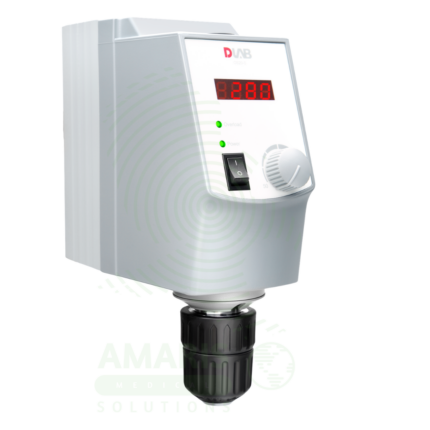
LED Overhead Stirrer (OS20-S)
The LED Overhead Stirrer is an LED digital overhead mechanical stirrer featuring a brushless DC motor (60W input / 50W output), microprocessor-controlled speed regulation (50-2200 rpm), LED display for real-time speed monitoring, and overload protection with automatic motor stop, designed for high-viscosity (up to 10,000 mPa·s) and large-volume (up to 20 liters) mixing, homogenizing, and suspending applications in clinical diagnostic, pharmaceutical, and research laboratories .
Key features include a maintenance-free, explosion-proof brushless DC motor for quiet, long-lasting operation and safe use in volatile environments; through-shaft design for easy impeller height adjustment; anti-spill slow-start mechanism to prevent sample splashing; overload protection (LED indicator, automatic motor stop/standby) for equipment and sample safety; and compatibility with a wide range of stirrer shafts (0.5-10 mm chuck diameter) .
For the pharmaceutical formulation scientist and quality control chemist, the LED Overhead Stirrer supports mixing of creams, ointments, gels, and suspensions, API dissolution testing, and large-volume buffer and media preparation . For the clinical laboratory scientist, it facilitates bulk reagent preparation for immunoassays and clinical chemistry analyzers . For the analytical chemist, it enables precise mixing for chemical synthesis, polymerization, and organic synthesis workflows .
Universal voltage (100-240V, 50/60Hz) enables use in laboratories worldwide without voltage conversion, while the compact (83 × 220 × 186 mm) and lightweight (2.6 kg) design allows easy benchtop placement . The IP21/IP42-rated splash-resistant housing ensures safe operation in biosafety cabinets and fume hoods, including handling of biohazardous materials .
For the patient undergoing pharmaceutical therapy, the LED Overhead Stirrer precise speed control and overload protection ensure consistent formulation quality, batch-to-batch uniformity, and accurate API release testing—supporting the manufacturing of safe, effective medications . For patients requiring diagnostic testing, consistent reagent preparation across large batches reduces inter-run variability and improves the reliability of diagnostic test results across clinical chemistry, pharmaceutical QC, and analytical testing applications .
LED Overhead Stirrer (OS40-S)
The LED Overhead Stirrer is a high-capacity LED digital overhead mechanical stirrer featuring a brushless DC motor (120W input / 100W output), microprocessor-controlled speed regulation (50-2200 rpm, accuracy ±3 rpm), LED display for real-time speed monitoring, enhanced torque (60 N·cm), and increased viscosity handling (up to 50,000 mPa·s), designed for demanding high-viscosity and large-volume (up to 40 liters) mixing, homogenizing, and suspending applications in clinical diagnostic, pharmaceutical, and research laboratories .
Key features include a maintenance-free, explosion-proof brushless DC motor for quiet, long-lasting operation and safe use in volatile environments; through-shaft design for easy impeller height adjustment; anti-spill slow-start mechanism to prevent sample splashing; overload protection (LED indicator lights, motor automatic stop in case of continuous overload) for equipment and sample safety; and compatibility with a wide range of stirrer shafts (0.5-10 mm chuck diameter) .
The LED Overhead Stirrer represents a significant upgrade from the LED Overhead Stirrer, with double the stirring capacity (40L vs 20L), double the output power (100W vs 50W), 50% higher torque (60 N·cm vs 40 N·cm), and five times higher viscosity handling (50,000 mPa·s vs 10,000 mPa·s), making it suitable for the most demanding high-viscosity applications .
For the pharmaceutical formulation scientist and quality control chemist, the LED Overhead Stirrer supports mixing of high-viscosity creams, ointments, gels, and suspensions at batch sizes up to 40L, API dissolution testing, and large-volume buffer and media preparation . For the biopharmaceutical manufacturing scientist, it enables processing of cell pastes, protein solutions, and fermentation broths with viscosity up to 50,000 mPa·s . For the clinical laboratory scientist, it facilitates bulk reagent preparation for high-volume immunoassays and clinical chemistry analyzers .
Universal voltage (100-240V, 50/60Hz) enables use in laboratories worldwide without voltage conversion, while the compact (83 × 220 × 186 mm) and lightweight (2.8 kg) design allows easy benchtop placement . The IP42-rated splash-resistant housing ensures safe operation in biosafety cabinets and fume hoods, including handling of biohazardous materials .
For the patient undergoing pharmaceutical therapy, the LED Overhead Stirrer enhanced torque and viscosity handling ensure consistent formulation quality, batch-to-batch uniformity, and accurate API release testing—supporting the manufacturing of safe, effective high-viscosity medications such as topical creams, ointments, and biopharmaceuticals . For patients requiring diagnostic testing, consistent large-volume reagent preparation reduces inter-run variability and improves the reliability of diagnostic test results across high-volume clinical chemistry, pharmaceutical QC, and analytical testing applications .
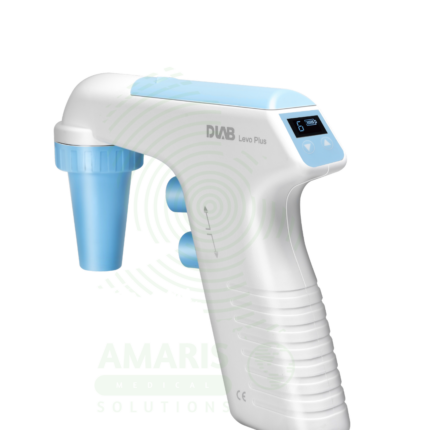
Levo Plus Pipette Filler
The Levo Plus Pipette Filler is a lightweight, high-capacity motorized pipette controller from DLAB that offers exceptional speed, precision, and ergonomic comfort for high-throughput serological pipetting. Designed for use with all common glass or plastic serological pipettes (0.1–100 mL) and Pasteur pipettes, this device is an essential tool for any busy laboratory.
For the laboratory scientist, the Levo Plus delivers a powerful yet quiet performance. Its robust motor can aspirate 25 mL of liquid in less than 5 seconds, dramatically improving workflow efficiency. The device features six intuitive speed settings for both aspiration and dispensing, giving users precise control to avoid foaming or splashing, whether handling delicate cell cultures or transferring viscous reagents. A large, integrated LCD screen clearly displays the current speed setting and battery status, ensuring informed and error-free operation.
The ergonomic, lightweight design (200 g) and touch-sensitive concave triggers minimize hand strain, reducing the risk of repetitive strain injuries (RSI) during long pipetting sessions. The unit is powered by a high-capacity lithium-ion battery that provides over 8 hours of intermittent use on a 2–3 hour charge and can be operated while charging to eliminate downtime. A replaceable 0.45 µm hydrophobic filter protects both the user and the instrument from biohazardous aerosols, and the autoclavable silicone nose cone adapter ensures aseptic technique.
For the patient, the Levo Plus's speed, precision, and safety features help ensure that clinical samples are processed efficiently, consistently, and without contamination, directly supporting the accuracy and timeliness of critical diagnostic results.
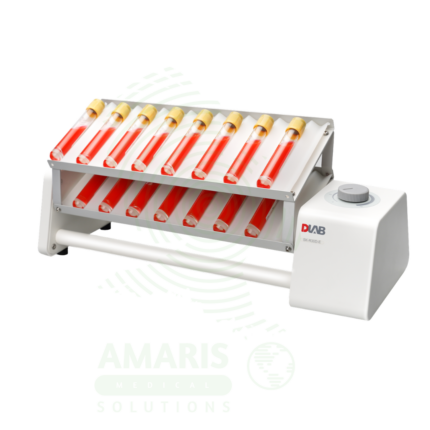
-17%
Long Deck Double Layer Rocking Rotator (SK-R30D-E )
The Long Deck Double Layer Rocking Rotator is a long-deck double-layer rocking rotator featuring adjustable speed control (0-30 rpm), fixed 40° tilt angle, continuous operation mode, and a maintenance-free brushless DC motor, designed for gentle, uniform mixing of blood tubes, serology specimens, and molecular biology samples in clinical diagnostic and research laboratories .
Key features include a double-layer deck design (405mm length) that accommodates up to 16 × 5-10mL blood collection tubes or 6 × 50mL centrifuge tubes per layer (up to 32 tubes total) using interchangeable silicone mattresses, fixed 40° ± 3° rocking motion for gentle, thorough mixing, continuous operation mode for extended use, analog speed control (0-30 rpm), and a maintenance-free brushless DC motor for quiet, reliable operation . The unit's compact footprint (405 × 160 × 160 mm) and lightweight design (2.2 kg) allow easy benchtop placement .
The SK-R30D-E accommodates a variety of tube formats via interchangeable silicone mattress accessories, with universal voltage (100-240V, 50/60Hz) enabling use in laboratories worldwide without voltage conversion . The cold room and incubator compatibility (5-40°C operating temperature, ≤80% RH) allows sample mixing under controlled temperature conditions for temperature-sensitive applications .
For the clinical laboratory scientist and phlebotomist, the SK-R30D-E ensures gentle, thorough mixing of blood samples after collection—preventing clot formation, platelet activation, and hemolysis that could compromise complete blood count (CBC) and coagulation study (PT/PTT) results . For the immunology technologist, it supports RPR and VDRL serological testing for infectious diseases (HIV, syphilis, hepatitis) . For the molecular biologist, it facilitates gentle mixing of DNA, RNA, and protein samples for PCR and sequencing workflows .
Universal voltage (100-240V, 50/60Hz) enables use in laboratories worldwide without voltage conversion . The double-layer design maximizes throughput while maintaining a small benchtop footprint . The silicone mattresses provide secure tube retention and are easy to clean and decontaminate between sample batches .
For the patient undergoing coagulation monitoring (warfarin, heparin), complete blood count (CBC), serological testing for infectious diseases, or molecular diagnostic testing, the SK-R30D-E's gentle rocking motion ensures accurate test results that guide appropriate treatment decisions—preventing false-negative or false-positive results due to improper sample mixing, clot formation, or platelet activation .
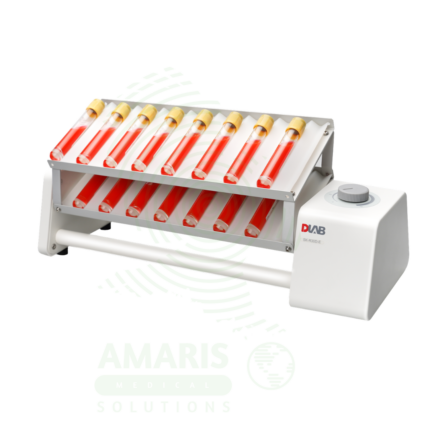
Long Deck Double Layer Rocking Rotator (SK-R30D-E)
The Long Deck Double Layer Rocking Rotator is a long-deck double-layer rocking rotator featuring adjustable speed control (0-30 rpm), fixed 40° tilt angle, continuous operation mode, and a maintenance-free brushless DC motor, designed for gentle, uniform mixing of blood tubes, serology specimens, and molecular biology samples in clinical diagnostic and research laboratories .
Key features include a double-layer deck design (405mm length) that accommodates up to 16 × 5-10mL blood collection tubes or 6 × 50mL centrifuge tubes per layer (up to 32 tubes total) using interchangeable silicone mattresses, fixed 40° ± 3° rocking motion for gentle, thorough mixing, continuous operation mode for extended use, analog speed control (0-30 rpm), and a maintenance-free brushless DC motor for quiet, reliable operation . The unit's compact footprint (405 × 160 × 160 mm) and lightweight design (2.2 kg) allow easy benchtop placement .
The SK-R30D-E accommodates a variety of tube formats via interchangeable silicone mattress accessories, with universal voltage (100-240V, 50/60Hz) enabling use in laboratories worldwide without voltage conversion . The cold room and incubator compatibility (5-40°C operating temperature, ≤80% RH) allows sample mixing under controlled temperature conditions for temperature-sensitive applications .
For the clinical laboratory scientist and phlebotomist, the SK-R30D-E ensures gentle, thorough mixing of blood samples after collection—preventing clot formation, platelet activation, and hemolysis that could compromise complete blood count (CBC) and coagulation study (PT/PTT) results . For the immunology technologist, it supports RPR and VDRL serological testing for infectious diseases (HIV, syphilis, hepatitis) . For the molecular biologist, it facilitates gentle mixing of DNA, RNA, and protein samples for PCR and sequencing workflows .
Universal voltage (100-240V, 50/60Hz) enables use in laboratories worldwide without voltage conversion . The double-layer design maximizes throughput while maintaining a small benchtop footprint . The silicone mattresses provide secure tube retention and are easy to clean and decontaminate between sample batches .
For the patient undergoing coagulation monitoring (warfarin, heparin), complete blood count (CBC), serological testing for infectious diseases, or molecular diagnostic testing, the Long Deck Double Layer Rocking Rotator
gentle rocking motion ensures accurate test results that guide appropriate treatment decisions—preventing false-negative or false-positive results due to improper sample mixing, clot formation, or platelet activation .
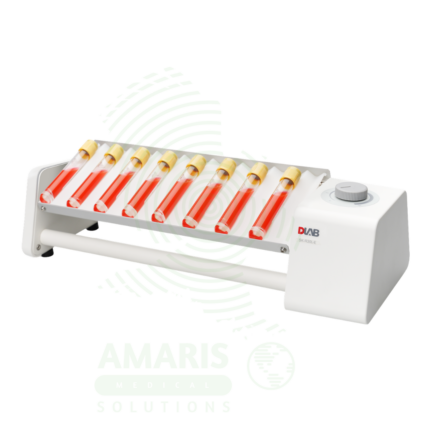
Long Deck Rocking Rotator (SK-R30L-E)
The Long Deck Rocking Rotator is a long-deck single-layer rocking rotator featuring adjustable speed control (0-30 rpm), fixed 40° tilt angle, continuous operation mode, and a maintenance-free brushless DC motor, designed for gentle, uniform mixing of blood tubes, serology specimens, and molecular biology samples in clinical diagnostic and research laboratories .
Key features include a long deck (405mm length) that accommodates up to 16 × 5-10mL blood collection tubes, 6 × 50mL centrifuge tubes, or 14 × 15mL centrifuge tubes using interchangeable silicone mattresses, fixed 40° ± 3° rocking motion for gentle, thorough mixing, continuous operation mode for extended use, analog speed control (0-30 rpm) with On/Off switch and indicator light, and a maintenance-free brushless DC motor for quiet, reliable operation . The unit's compact footprint (405 × 160 × 130 mm) and lightweight design (2.2 kg) allow easy benchtop placement .
The Long Deck Rocking Rotator accommodates a variety of tube formats via interchangeable silicone mattress accessories (16-position for 5-10mL blood tubes, 6-position for 50mL tubes, 14-position for 15mL tubes), with universal voltage (100-240V, 50/60Hz) enabling use in laboratories worldwide without voltage conversion . The cold room and incubator compatibility (5-40°C operating temperature, ≤80% RH) allows sample mixing under controlled temperature conditions for temperature-sensitive applications .
For the clinical laboratory scientist and phlebotomist, the SK-R30L-E ensures gentle, thorough mixing of blood samples after collection—preventing clot formation, platelet activation, and hemolysis that could compromise complete blood count (CBC) and coagulation study (PT/PTT) results . For the immunology technologist, it supports RPR and VDRL serological testing for infectious diseases (HIV, syphilis, hepatitis) . For the molecular biologist, it facilitates gentle mixing of DNA, RNA, and protein samples for PCR and sequencing workflows .
Universal voltage (100-240V, 50/60Hz) enables use in laboratories worldwide without voltage conversion . The silicone mattresses provide secure tube retention and are easy to clean and decontaminate between sample batches .
For the patient undergoing coagulation monitoring (warfarin, heparin), complete blood count (CBC), serological testing for infectious diseases, or molecular diagnostic testing, the Long Deck Rocking Rotator gentle rocking motion ensures accurate test results that guide appropriate treatment decisions—preventing false-negative or false-positive results due to improper sample mixing, clot formation, or platelet activation .
Low Speed Centrifuge (DM0306)
The Low Speed Centrifuge (DM0306) is a benchtop centrifuge designed for routine clinical diagnostic sample processing, blood component separation, and general laboratory applications. With low-speed operation optimized for serum and plasma preparation, this centrifuge provides gentle, controlled centrifugation that preserves cellular integrity while effectively separating blood components for routine chemistry panels, coagulation studies, and basic hematology testing.
For the medical technologist and clinical laboratory scientist, the DM0306 facilitates serum and plasma separation for blood chemistry testing, coagulation studies, and lipid panels. It supports urinalysis sediment preparation for microscopic examination, cerebrospinal fluid cell concentration for neurological diagnostic testing, and blood bank compatibility testing for transfusion medicine. The centrifuge also handles routine clinical chemistry sample preparation for liver function tests, renal function tests, electrolytes, glucose, and lipid profiles.
The DM0306 features reliable motor operation, simple controls for speed and time adjustment, and essential safety features including automatic lid lock and imbalance detection. With a compact benchtop footprint suitable for standard laboratory benchtops, this centrifuge provides consistent, reliable performance for routine laboratory workflows supporting patient diagnosis and treatment monitoring.
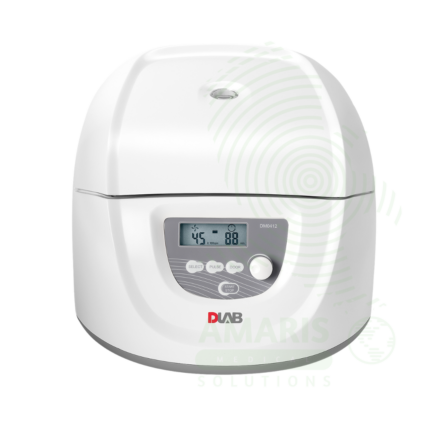
Low Speed Centrifuge (DM0412)
The Low Speed Centrifuge (DM0412) is a clinical benchtop centrifuge designed for routine diagnostic sample processing including blood component separation, serum and plasma preparation, urinalysis, and general laboratory applications . Operating at speeds from 300 to 4,500 rpm (up to 2,490 × g) with a quiet, maintenance-free brushless DC motor, this centrifuge supports multiple rotor configurations—including the A12-10P rotor for 12 x 10mL/7mL/5mL vacutainer tubes and 8 x 15mL tubes, and the A6-50P rotor for 6 x 50mL tubes .
For the medical technologist and clinical laboratory scientist, the DM0412 facilitates serum and plasma separation for blood chemistry testing, coagulation studies, and lipid panels. It supports urinalysis sediment preparation for microscopic examination, blood bank compatibility testing for transfusion medicine, nucleic acid extraction for molecular diagnostics, and PCR sample preparation for infectious disease testing . The centrifuge also handles routine clinical chemistry sample preparation for liver function tests, renal function tests, electrolytes, glucose, and lipid profiles.
The DM0412 features an easy-to-read LCD display with speed/RCF switchover, quick spin (PULSE) function for instantaneous centrifugation, and timer logic that commences once set speed is reached for accurate separation time . The centrifuge has passed stringent explosion-proof testing according to IEC/EN61010-2-20 and complies with In Vitro Diagnostic (IVD) medical equipment requirements (EN61010-2-101:2002), holding CE, cTUVus, and FCC safety certifications .
With excellent dynamic balancing ensuring stable operation even with moderate imbalance, double-layer safety protection housing, high-strength plastic rotors, and a compact benchtop footprint with 6 kg weight, the DM0412 provides reliable, consistent performance for routine laboratory workflows supporting patient diagnosis and treatment monitoring .
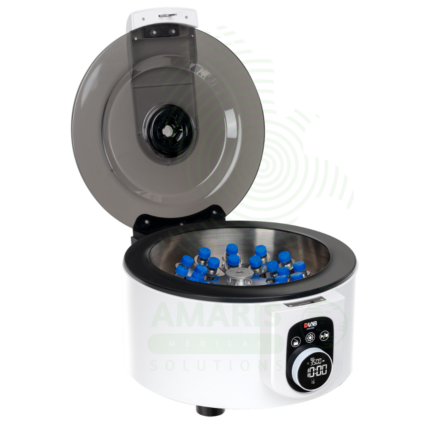
Low Speed Centrifuge (DM0436E)
The Low Speed Centrifuge (DM0436E) is a large-capacity benchtop centrifuge designed for high-throughput clinical diagnostic sample processing, blood component separation, urinalysis, and general laboratory applications. With a standard rotor capacity of 36 × 5/7/10 mL vacutainer tubes, this centrifuge provides the throughput needed for high-volume clinical laboratories while maintaining low-speed operation optimal for serum and plasma preparation.
For the medical technologist and clinical laboratory scientist, the DM0436E facilitates serum and plasma separation for blood chemistry testing (liver function tests, renal function tests, electrolytes, glucose, lipid profiles), coagulation studies (PT, PTT), and routine hematology workflows. It supports urinalysis sediment preparation for microscopic examination, cerebrospinal fluid cell concentration for neurological diagnostic testing, blood bank compatibility testing for transfusion medicine, and nucleic acid extraction for molecular diagnostics.
The centrifuge features a maintenance-free brushless DC motor, LCD display with speed/RCF switchover, quick spin (PULSE) function for instantaneous centrifugation, and tool-free rotor exchange for versatile application switching. The standard rotor accommodates 36 × 5/7/10 mL vacutainer tubes, with optional rotors available for 50 mL conical tubes, 15 mL tubes, 20 mL urine tubes, and 32 × 5/7 mL configurations, as well as tube adapters for smaller blood collection tubes.
Safety features include door interlock, over-speed detection, imbalance detection alarm, and over-temperature protection, with CE safety certification. The DM0436E provides reliable, high-throughput performance for routine laboratory workflows supporting patient diagnosis and treatment monitoring.
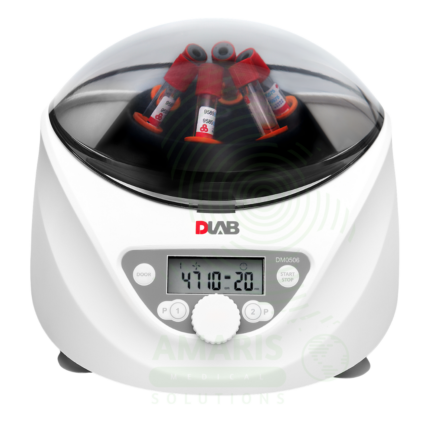
Low Speed Centrifuge (DM0506)
The Low Speed Centrifuge (DM0506) is a compact benchtop centrifuge designed for routine clinical diagnostic sample processing, including blood component separation (serum/plasma), urinalysis, and general laboratory applications . Operating at speeds from 300 to 5,000 rpm (up to 2,600 × g) with a maintenance-free brushless DC motor, this centrifuge provides gentle, low-speed operation that preserves cellular integrity .
The fixed-angle A6-15P rotor accommodates 6 × 15 mL, 10 mL, 7 mL, or 1.5–5 mL tubes, with program memory for two pre-set protocols (P1/P2) to streamline repetitive tasks . The LCD display allows easy switching between RPM and RCF values, ensuring precise 1-second timer logic and optimal separation consistency .
For the medical technologist, the DM0506 facilitates serum and plasma separation for blood chemistry testing, coagulation studies (PT/PTT), and lipid panels. It supports urinalysis sediment preparation for microscopic examination, nucleic acid extraction for molecular diagnostics, and PRP preparation for aesthetic medicine applications .
The centrifuge features comprehensive safety protections including door interlock, over-speed detection, and automatic internal diagnosis, holding CE and cTUVus safety certifications . With a compact footprint (300×240×180 mm) and weight of 5.2 kg, the DM0506 provides reliable, consistent performance for routine laboratory workflows supporting patient diagnosis and treatment monitoring .
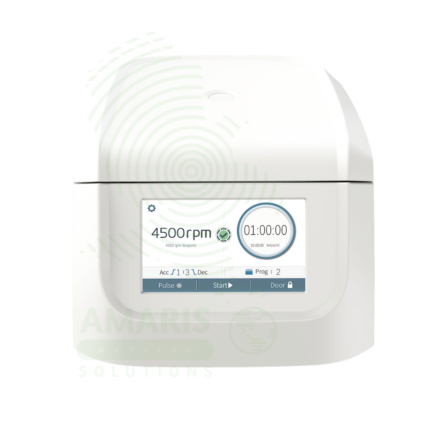
Low Speed Centrifuge (DM0612)
The Low Speed Centrifuge (DM0612) is a benchtop centrifuge designed for clinical diagnostic sample processing, blood component separation, urinalysis, and general laboratory applications. With a rotor capacity of 12 × 15 mL tubes, this centrifuge provides the throughput needed for moderate-volume clinical laboratories while maintaining low-speed operation optimal for serum and plasma preparation.
For the medical technologist and clinical laboratory scientist, the DM0612 facilitates serum and plasma separation for blood chemistry testing (liver function tests, renal function tests, electrolytes, glucose, lipid profiles), coagulation studies (PT, PTT), and routine hematology workflows. It supports urinalysis sediment preparation for microscopic examination, cerebrospinal fluid cell concentration for neurological diagnostic testing, blood bank compatibility testing for transfusion medicine, and nucleic acid extraction for molecular diagnostics.
The centrifuge features a maintenance-free brushless DC motor, simple interface for speed and time adjustment, and essential safety features including door interlock and imbalance detection. Tube adaptors allow processing of various tube sizes including 10 mL, 7 mL, and 5 mL vacutainer tubes, as well as 1.5-2 mL microcentrifuge tubes.
Safety features include door interlock and imbalance detection, with CE safety certification. The DM0612 provides reliable, consistent performance for routine laboratory workflows supporting patient diagnosis and treatment monitoring.