Dermatoscope and Magnifiers
 Diagnostic Kits
 Vital Signs Monitors
 Stethoscopes and Accessories
 Otoscopes, Ophthalmoscopes, and Retinoscopes
 Reflex Hammers and Neurological Tools
 Scales and Measuring Devices
 Spirometers and Pulmonary Function Tests
 Electrosurgical Units and Accessories
 Cutting Instruments
 Grasping and Holding Instruments
 Hemostatic Instruments
 Specialized Surgical Sets
 Single-Use Procedure Trays and Packs
 Surgical Drapes, Gowns, and Covers
 Tissue Unifying Instruments
 Radiation Protection
 X-Ray Machines and Accessories
 Ultrasound Systems and Probes
 MRI and CT Scanners
 Radiology Consumables
 Bone Densitometers
 Fluoroscopy Equipment
 Imaging Tables and Positioning Aids
 Microscopes and Accessories
 Centrifuges and Separators
 Analyzers
 Incubators and Ovens
 Pipettes, Dispensers, and Lab Glassware
 Refrigerators, Freezers, and Storage Units
 Lab Consumables
 Sterilizers and Autoclaves for Lab Use
 Multi-Parameter Monitors
 Ventilators and Respiratory Support Devices
 Defibrillators and AEDs
 Infusion Pumps and IV Systems
 Patient Warmers and Cooling Devices
 Central Monitoring Stations
 Accessories
 Anesthesia Machines and Workstations
 Oxygen Concentrators and Delivery Systems
 Nebulizers and Inhalers
 CPAP/BiPAP Machines
 Airway Management
 Anesthesia Masks, Circuits, and Bags
 Humidifiers and Heaters
 Respiratory Therapy Accessories
 First Aid Kits and Cabinets
 Emergency Resuscitation Equipment
 Trauma Supplies
 Emergency Carts and Crash Carts
 Burn Care Products
 Bleeding Control
 Automated External Defibrillators (AEDs)
 Transport and Evacuation
 Wheelchairs and Accessories
 Walkers, Crutches, and Canes
 Prosthetics and Orthotics
 Physical Therapy Equipment
 Transfer Devices
 Bathroom Safety
 Orthopedic Traction and Tables
 Hot/Cold Therapy Packs and Units
 Beds and Mattresses
 Chairs and Stools
 Tables
 Cabinets and Storage
 Privacy Screens & Curtains
 Stands and Racks
 Linens and Textiles
 Lighting
 Autoclaves and Sterilizers
 Ultrasonic Cleaners
 Disinfectant Solutions and Wipes
 Sterilization Pouches, Wraps, and Indicators
 Instrument Trays and Containers
 UV and Ozone Disinfection Devices
 Washer Disinfectors
 Wound Care
 Gloves
 Masks and Respirators
 Catheters and Tubing
 Swabs, Applicators, and Sponges
 Incontinence Products
 Personal Protective Equipment (PPE)
 Dental Chairs and Units
 Handpieces and Burs
 Instruments
 Consumables
 Sterilization for Dental Use
 Orthodontic Supplies
 Endodontic Tools
 Slit Lamps and Tonometers
 Lensometers and Phoropters
 Ophthalmic Surgical Instruments
 Eyewear Frames and Lenses
 Contact Lens Supplies
 Vision Testing Charts and Devices
 Eye Care Consumables
 Laser Systems for Eye Care
 ENT Exam Chairs and Tables
 Endoscopes
 Audiometers and Hearing Tests
 ENT Instruments
 Nasal and Throat Packs
 Hearing Aids and Accessories
 Otology Supplies
 Fetal Dopplers and Monitors
 Delivery Beds and Tables
 Gynecological Instruments
 Neonatal Incubators and Warmers
 Breast Pumps and Accessories
 Contraceptive Devices
 Maternity Supports and Pads
 Neonatal Consumables
 Cystoscopes and Urethroscopes
 Dialysis Machines and Supplies
 Urological Catheters and Bags
 Lithotripters
 Prostate Treatment Devices
 Urinary Incontinence Products
 Kidney Stone Management Tools
 Consumables & Disposables
 EEG and EMG Machines
 Neurosurgical Instruments
 Nerve Stimulators
 Headrests and Positioning Aids
 Lumbar Puncture Kits
 Seizure Monitoring Devices
 Consumables
 Rehabilitation for Neurological Conditions
 ECG Machines and Accessories
 Holter Monitors
 Stress Test Systems
 Pacemakers and Defibrillator Accessories
 Vascular Access Devices
 Cardiac Catheters and Guidewires
 Blood Flow Meters
 Consumables
 Orthopedic Instruments
 Casts, Splints, and Padding
 Joint Replacement Supplies
 Prosthetic Limbs and Components
 Bone Grafts and Substitutes
 Traction Devices
 Orthopedic Braces and Supports
 Rehabilitation Aids for Orthopedics
 Home Oxygen Therapy
 Hospital Beds for Home Use
 Mobility Aids
 Bathroom and Daily Living Aids
 Wound Care for Home
 Monitoring Devices
 Enteral Feeding Pumps and Tubes
 Hand Sanitizers and Dispensers
 Face Shields and Goggles
 Isolation Gowns and Suits
 Biohazard Waste Containers
 Air Purifiers and HEPA Filters
 Surface Disinfectants
 Sharps Containers
 Protective Barriers
 Cardiovascular & Endurance Training
 Strength Training & Weightlifting
 Functional Training & Core Conditioning
 Physical Therapy & Rehabilitation
 Sports & Outdoor Recreation
 Gym Flooring & Facility Equipment
 Fitness Monitoring & Accessories
 Kids & Novelties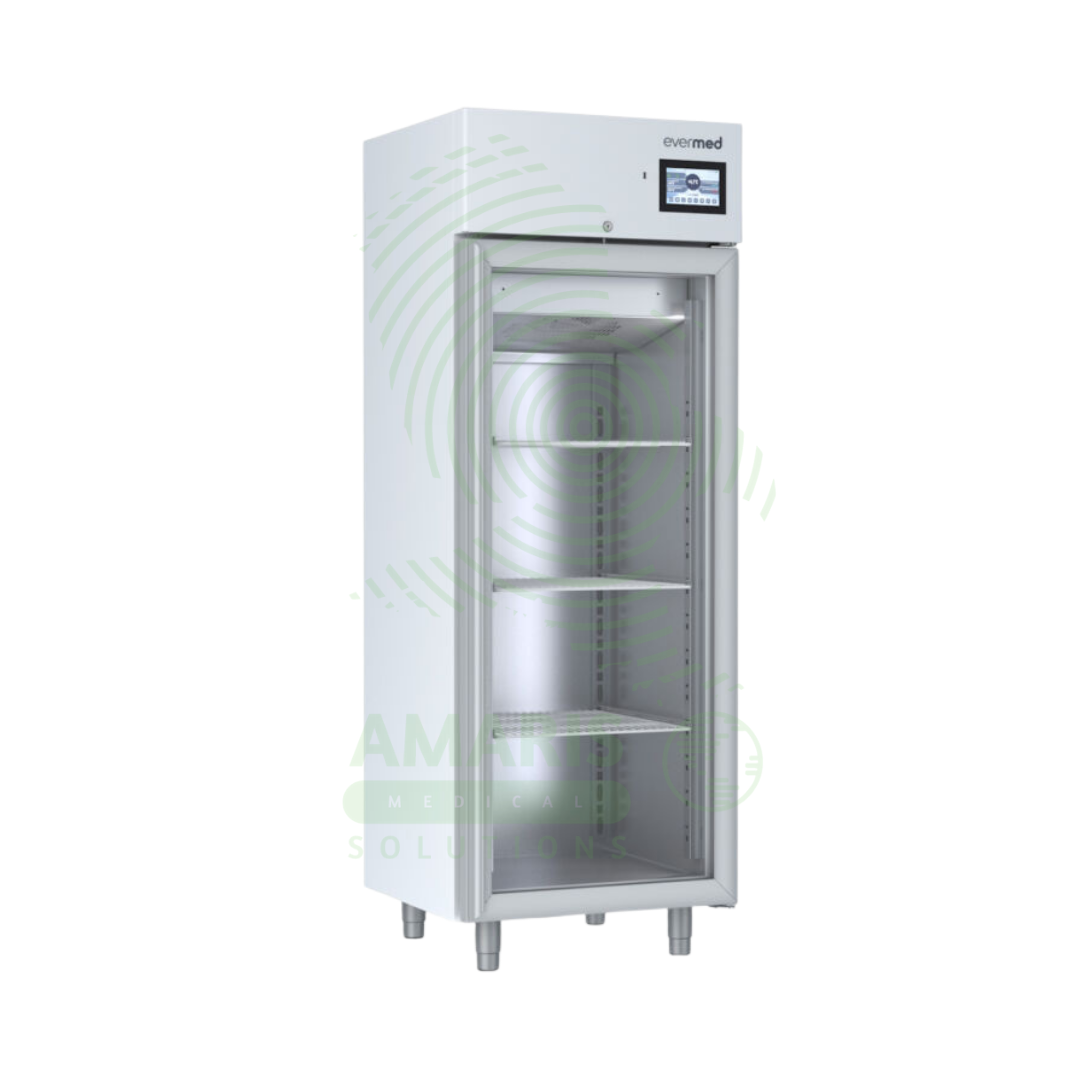
Medical Refrigerator
$1.00
WhatsApp Order
A Medical Refrigerator is a Class I medical device designed for safe, temperature-controlled storage of vaccines, blood products, medications, laboratory reagents, and temperature-sensitive diagnostic materials. Maintaining temperatures typically between +2°C and +8°C (with blood bank models at +1°C to +6°C), these units feature forced-air circulation for temperature uniformity (±1-2°C), microprocessor controls with digital displays, audible and visual alarms for high/low temperature, power failure, and door ajar, and continuous temperature monitoring capabilities. Available in capacities from 50 L countertop units to 1,500+ L large reach-in models, with solid or glass doors, adjustable shelving, and locking mechanisms. Primary clinical applications include vaccine storage for immunization programs (CDC/WHO compliant), blood and blood component storage for transfusion services (AABB standards), pharmaceutical and medication storage in hospital pharmacies (USP <797>/<795>), laboratory reagent and specimen preservation, microbiological culture storage, clinical trial sample storage, and temperature-sensitive diagnostic kit storage. Essential equipment for hospitals, clinics, blood banks, pharmacies, laboratories, and research facilities requiring reliable, monitored cold storage for critical medical products.
Description
Medical Refrigerator
PRIMARY CLINICAL & DIAGNOSTIC USES
1. Vaccine and Immunization Program Storage:
-
Primary Use: Medical refrigerators are essential for storing vaccines at recommended temperatures (typically 2-8°C) to maintain potency and effectiveness, supporting national immunization programs and preventing vaccine-preventable diseases.
-
How it helps: Protects the potency of every vaccine dose, ensuring that when a child receives their immunization, the vaccine has been kept at the perfect temperature from manufacturer to clinic, giving them full protection against preventable diseases.
2. Blood and Blood Component Storage:
-
Primary Use: Used for storing whole blood, packed red blood cells, platelets, fresh frozen plasma, and cryoprecipitate at controlled temperatures (1-6°C for RBCs) in blood banks and transfusion services, ensuring safe transfusion products.
-
How it helps: Preserves life-saving blood products so they are ready when trauma victims need emergency transfusions, cancer patients need platelet support, and surgical patients need blood during operations.
3. Pharmaceutical and Medication Storage:
-
Primary Use: Critical for storing temperature-sensitive medications including insulin, biologics, chemotherapy agents, eye drops, and specialty pharmaceuticals that require strict temperature control to maintain stability and efficacy.
-
How it helps: Ensures that patients receive medications that have been kept at optimal temperatures, from the insulin a diabetic depends on daily to the chemotherapy drugs that fight cancer, maintaining their full therapeutic power.
4. Laboratory Reagent and Specimen Preservation:
-
Primary Use: Essential for storing reagents, controls, calibrators, enzymes, antibodies, and clinical specimens (serum, plasma, urine) at controlled temperatures to preserve integrity for accurate diagnostic testing.
-
How it helps: Guarantees that laboratory test results are accurate by preserving the reagents used in testing and the patient samples being tested, preventing misdiagnosis due to degraded materials.
5. Microbiological Culture and Media Storage:
-
Primary Use: Used for storing microbiological media, culture plates, stock cultures, and QC organisms at appropriate temperatures to maintain viability and prevent overgrowth.
-
How it helps: Keeps reference strains of bacteria and fungi viable for quality control testing, ensuring that diagnostic tests for infectious diseases remain accurate and reliable.
6. Clinical Trial and Research Sample Storage:
-
Primary Use: Critical for storing patient samples, research specimens, and investigational products in clinical trials and research studies requiring documented temperature monitoring and alarm systems.
-
How it helps: Supports medical research by preserving the integrity of samples collected in clinical trials, ensuring that the data guiding new drug approvals is accurate and reliable.
7. Temperature-Sensitive Diagnostic Kits:
-
Primary Use: Many diagnostic test kits, including immunoassays, molecular diagnostics, and point-of-care tests require refrigerated storage to maintain reagent stability and test performance.
-
How it helps: Ensures that rapid tests used in clinics and emergency rooms—from strep tests to pregnancy tests—perform accurately every time, giving doctors and patients results they can trust.
SECONDARY & SUPPORTIVE USES
1. Pharmacy Compounding: Storage of compounded preparations and raw materials requiring refrigeration, supporting customized medication preparation for patients with unique needs.
2. Dental Practice Storage: Storing dental anesthetics, impression materials, and specialty dental products, helping dentists provide comfortable, effective dental care.
3. Veterinary Medicine: Storage of vaccines, medications, and biologicals for animal health, extending the benefits of modern medicine to pets and livestock.
4. Cosmetic and Aesthetic Medicine: Storing botulinum toxin, dermal fillers, and other temperature-sensitive aesthetic products, supporting cosmetic procedures that help patients feel confident.
5. Fertility and IVF Laboratories: Storage of media, reagents, and specimens in assisted reproduction, helping individuals and couples build their families.
6. Hospital Nutrition Services: Storage of enteral feeding products and specialized nutritional supplements, supporting patients who cannot eat normally.
7. Emergency Medical Services: Stocked in ambulances and emergency response vehicles for field medication storage, ensuring that life-saving medications are available wherever emergencies occur.
KEY PRODUCT FEATURES
1. BASIC IDENTIFICATION ATTRIBUTES
-
Product Type: Specialized refrigeration unit designed for safe storage of temperature-sensitive medical and laboratory products.
-
Common Names: Medical Refrigerator, Vaccine Refrigerator, Blood Bank Refrigerator, Pharmacy Refrigerator, Laboratory Refrigerator.
-
Temperature Range: Typically +2°C to +8°C for vaccine/pharmacy units; +1°C to +6°C for blood bank units; wide range models available (-20°C to +20°C).
-
Temperature Stability: ±1-2°C throughout the cabinet with forced-air circulation.
-
Capacity: 50-1,500+ liters (countertop, undercounter, upright, and large reach-in models).
-
Configuration: Solid or glass doors (full or half-glass), adjustable shelves, drawers, or pull-out baskets.
-
Refrigeration System: Forced-air (fan-circulated) or static (convection) cooling; automatic defrost.
-
Control System: Microprocessor temperature controller with digital display.
-
Alarm System: Audible and visual alarms for high/low temperature, power failure, and door ajar.
-
Temperature Monitoring: Built-in or compatible with external temperature monitoring systems.
-
Power Requirements: 100-240 VAC, 50/60 Hz; battery backup for alarm and monitoring.
2. TECHNICAL & PERFORMANCE PROPERTIES
-
Temperature Uniformity: ±1-2°C throughout the cabinet (with forced-air circulation).
-
Temperature Recovery: Rapid temperature recovery after door openings (typically 5-15 minutes).
-
Defrost Cycle: Automatic defrost with minimal temperature fluctuation; defrost during off-hours.
-
Door Design: Solid or glass (with UV protection for light-sensitive products); self-closing or with door alarms.
-
Shelving: Adjustable, epoxy-coated wire shelves or stainless steel; maximizes storage flexibility.
-
Interior Lighting: LED interior lighting for easy product identification.
-
Locking: Secure locking mechanism to prevent unauthorized access; some models with dual-locking.
-
Casters: Heavy-duty casters for mobility; leveling legs for stability.
-
Temperature Recorder: Integrated or compatible with paper charts or digital temperature recorders.
-
Remote Monitoring: Ports for connection to building management systems or remote alarm monitoring.
-
Validation: IQ/OQ/PQ documentation available for GMP/GLP compliance.
3. PHYSICAL & OPERATIONAL PROPERTIES
-
Dimensions: Varies widely by capacity: undercounter (85×60×60 cm) to large upright (200×80×80 cm).
-
Interior Volume: 50 L (countertop) to 1,500+ L (large reach-in).
-
Construction: Stainless steel exterior and interior (medical grade) or powder-coated steel with plastic interior.
-
Insulation: High-density polyurethane foam for temperature stability and energy efficiency.
-
Door Type: Solid (for light-sensitive products) or glass (for easy viewing); full-length or half-glass.
-
Shelving: 3-5 adjustable shelves per unit; some models with pull-out drawers or baskets.
-
Interior Configuration: Flexible shelving, drawer systems, or specialized racks for blood bags/vaccines.
-
Noise Level: 40-55 dB depending on model and compressor.
-
Energy Efficiency: Energy Star rated models available.
-
Certifications: UL/cUL, CE, ISO 13485 compliant manufacturing.
4. SAFETY & COMPLIANCE ATTRIBUTES
-
Regulatory Status: Class I medical device (FDA, CE marked); may require additional certifications for blood bank use.
-
Safety Standards: Complies with UL 471 and CSA C22.2 for commercial refrigerators; IEC 61010-2-011 for laboratory equipment.
-
Temperature Alarm: Audible and visual alarms for high/low temperature (user-settable limits).
-
Power Failure Alarm: Audible alarm with battery backup; duration indicator.
-
Door Ajar Alarm: Audible alarm if door left open.
-
Remote Alarm Contacts: Dry contacts for connection to building management systems.
-
Temperature Monitoring: Built-in digital display with min/max memory; compatible with external monitoring.
-
Validation: IQ/OQ/PQ documentation available; temperature mapping services available.
-
Quality Management: Manufactured under ISO 13485 or ISO 9001 certified processes.
-
Refrigerant: Environmentally friendly, CFC-free refrigerants (R134a, R290, R404A, etc.).
-
Emergency Backup: Battery backup for alarm system; some models with backup cooling systems.
5. STORAGE & HANDLING ATTRIBUTES
-
Installation: Place on level, stable surface away from heat sources, direct sunlight, and drafts; adequate ventilation clearance.
-
Temperature Monitoring: Continuous monitoring with min/max thermometer; external monitoring system recommended for critical storage.
-
Cleaning: Regular cleaning with mild detergent and water; disinfect with appropriate agents; avoid abrasive cleaners.
-
Defrosting: Automatic defrost; manual defrost models require periodic defrosting.
-
Door Gaskets: Inspect and clean regularly; replace if damaged to maintain seal.
-
Condenser Coils: Clean every 3-6 months to maintain efficiency.
-
Calibration: Annual temperature calibration verification recommended.
-
Validation: Temperature mapping after installation and annually.
-
Inventory Management: First-expiry-first-out (FEFO) rotation; avoid blocking air circulation.
6. LABORATORY & CLINICAL APPLICATIONS
-
Primary Application: Safe, temperature-controlled storage of vaccines, blood products, medications, and laboratory reagents requiring strict temperature maintenance.
-
Vaccine Storage (CDC/WHO Guidelines):
-
Temperature Range: +2°C to +8°C.
-
Monitoring: Continuous temperature monitoring with min/max thermometer.
-
Organization: Store vaccines in original packaging; allow air circulation; do not store in doors.
-
Emergency Plan: Backup power; transfer plan for extended outages.
-
-
Blood Bank Storage (AABB Standards):
-
Temperature Range: +1°C to +6°C for RBCs; +20°C to +24°C for platelets (with agitation).
-
Monitoring: Continuous temperature monitoring with chart recorder or digital system.
-
Alarms: Audible and visual with remote monitoring.
-
Validation: Temperature mapping and annual validation.
-
-
Pharmacy Storage (USP <797>/<795>):
-
Temperature Range: +2°C to +8°C for refrigerated medications.
-
Monitoring: Daily temperature documentation; annual calibration verification.
-
Security: Locked storage for controlled substances.
-
-
Laboratory Reagent Storage:
-
Temperature Range: As specified by manufacturer.
-
Organization: Separate compartments for different reagent types; avoid cross-contamination.
-
Inventory: Date all reagents; discard expired materials.
-
SAFETY HANDLING PRECAUTIONS
1. SAFETY PRECAUTIONS
-
Temperature Monitoring: Never rely solely on built-in thermometer; use independent min/max thermometer. Document temperatures daily (at least once per shift).
-
Door Management: Minimize door openings; retrieve all items at once; keep doors closed as much as possible.
-
Air Circulation: Do not block air vents; allow space between items for cold air circulation.
-
Overloading: Do not exceed recommended capacity; overloading affects temperature uniformity.
-
Warm Products: Never place warm products in the refrigerator; cool to room temperature first (unless specified otherwise).
-
Expiration Dates: Regularly check and remove expired products; maintain inventory log.
-
Power Outage: Document temperature during outage; have backup plan; do not open door unnecessarily.
-
Spill Cleanup: Clean spills immediately to prevent contamination and odor.
-
Unauthorized Access: Keep locked; restrict access to trained personnel.
-
Calibration: Regular calibration verification essential for accuracy.
2. FIRST AID MEASURES
-
Temperature Excursion: If temperature out of range, isolate affected products; do not use until stability confirmed or manufacturer consulted. Document excursion; investigate cause.
-
Power Failure: Monitor temperature; if prolonged, transfer products to the backup unit with validated temperature. Document all actions.
-
Refrigerant Leak: Evacuate area; ventilate; call facility maintenance; follow refrigerant safety protocols.
-
Chemical Spill: Contain spill; use appropriate PPE; follow chemical spill protocol; clean and disinfect.
-
Biohazard Spill (blood/products): Contain with absorbent material; disinfect area with 10% bleach solution; dispose as biohazard waste.
-
Glass Breakage: Carefully remove fragments with forceps; dispose in sharps container; clean area thoroughly.
3. FIRE FIGHTING MEASURES
-
Flammability: Refrigerants may be flammable (check specifications); electrical components combustible.
-
Extinguishing Media: For electrical fire, use CO₂ or dry chemical (Class C) extinguisher; CO₂ preferred to minimize equipment damage.
-
Power Off: Disconnect power if safe to do so; emergency shutoff should be accessible.
-
Refrigerant Fire: Some refrigerants may produce toxic gases when burned; use SCBA in enclosed spaces.
-
Evacuation: Evacuate area; follow facility fire protocols.
Related products
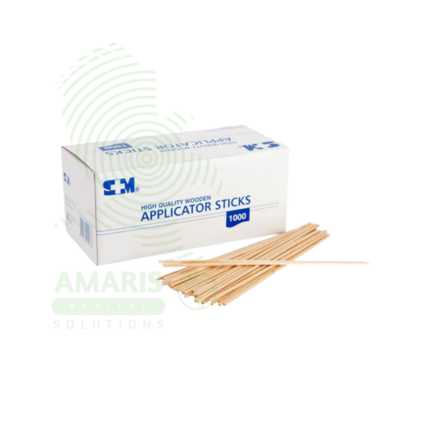
Applicator Sticks
Applicator Sticks are single-use medical devices with absorbent tips (cotton, rayon, flocked polyester) on wood, plastic, or paper shafts for collecting clinical specimens (throat, nasal, wound, cervical, urethral, rectal) for microbiological culture, rapid testing, and molecular diagnostics. Sterile individually wrapped or non-sterile bulk formats. Flocked swabs provide >90% specimen release for PCR testing. Primary applications include specimen collection for infection diagnosis, wound care and antiseptic application, gynecological sampling (Pap smears, STI testing), eye/ear specimen collection, laboratory slide preparation, and forensic evidence collection. Critical precautions include single-use only, sterile technique, proper collection method, and biohazard disposal. Essential consumable in all clinical settings.
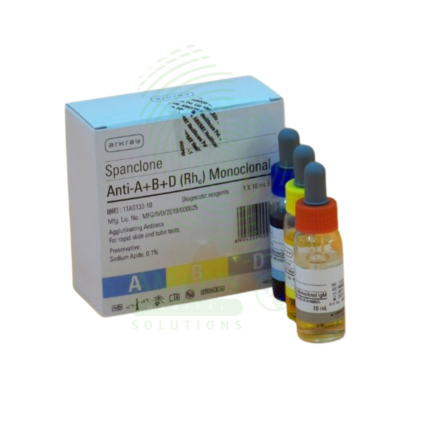
Blood Grouping kit
A Blood Grouping Kit is a Class II medical device (FDA-cleared/CE-marked) containing monoclonal antibodies (Anti-A, Anti-B, Anti-D) and control reagents for determining ABO blood group and Rh factor by agglutination method. The kit includes color-coded reagent vials, reaction cards or slides, mixing sticks, lancets, and capillary pipettes. Test time 2-5 minutes (slide method) or 15-30 minutes (tube method). Interpretation based on agglutination pattern: Anti-A positive = group A; Anti-B positive = group B; both positive = group AB; both negative = group O; Anti-D positive = Rh positive; Anti-D negative = Rh negative. Primary clinical applications include pre-transfusion compatibility testing, prenatal and neonatal testing (Rh incompatibility prevention), preoperative blood typing, blood donor screening, and emergency blood typing. Critical safety precautions include refrigerated storage (2-8°C), proper disposal of lancets in sharps containers, universal precautions for blood samples, and confirmation with reverse typing when possible. Essential kit for transfusion medicine, obstetrics, surgery, and emergency care.
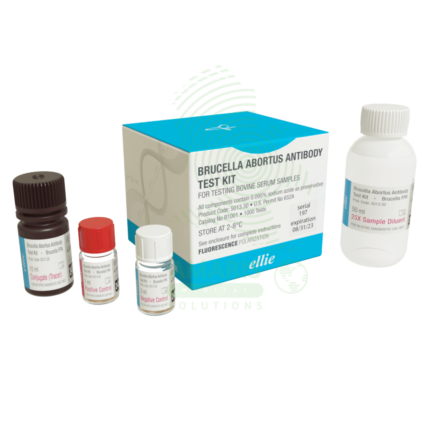
Brucella Set
A Brucella Set is a comprehensive serological test system (Class II medical device, CE-marked/FDA-cleared) for qualitative and quantitative detection of antibodies against Brucella species (B. abortus, B. melitensis, B. suis, B. canis) using multiple methodologies including tube agglutination, slide agglutination, and 2-mercaptoethanol (2-ME) testing. The set includes killed, stained Brucella antigens, positive and negative controls, dilution tubes, reaction cards, and 2-ME reagent for IgM/IgG differentiation. Diagnostic titer ≥1:160 or fourfold rise confirms brucellosis. Primary clinical applications include diagnosis of brucellosis in endemic regions (undulant fever, night sweats, arthralgia), fever of unknown origin investigation, occupational health screening in high-risk workers (veterinarians, farmers, slaughterhouse workers), diagnosis of focal complications (sacroiliitis, spondylitis, meningitis, endocarditis), treatment monitoring (fourfold decline indicates response), outbreak investigation, and public health surveillance. Critical safety precautions include handling all samples in biosafety cabinet (Brucella is highly infectious via aerosol), 2-ME reagent toxicity (use fume hood), awareness of prozone phenomenon (serial dilutions essential), cross-reactions with other Gram-negative bacteria, and mandatory reporting to public health authorities. Essential test for brucellosis diagnosis in endemic regions and occupational health settings.
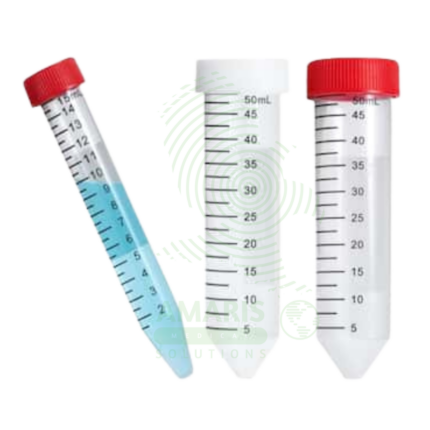
Centrifuge Tubes
Centrifuge Tubes are specialized disposable containers (polypropylene) designed to withstand high centrifugal forces (up to 30,000 x g) for separating biological fluids based on density. Available in microcentrifuge sizes (0.2-2.0 mL), conical tubes (15 mL, 50 mL), and larger volumes (100-500 mL). Features include leak-proof screw caps with O-rings (conical tubes), snap caps (microcentrifuge tubes), graduated volume markings, writing areas, and sterile/non-sterile options. Certified RNase/DNase-free, pyrogen-free, and autoclavable. Primary clinical applications include blood component separation (serum/plasma), urine sediment preparation, microbiology sample concentration, molecular biology (DNA/RNA extraction), cell culture processing, protein/enzyme analysis, and viral load testing. Critical safety precautions include never exceeding maximum RCF rating, proper balancing by weight, secure cap tightening, inspection for cracks, and disposal as biohazardous waste. Essential consumable in every clinical, research, and industrial laboratory.
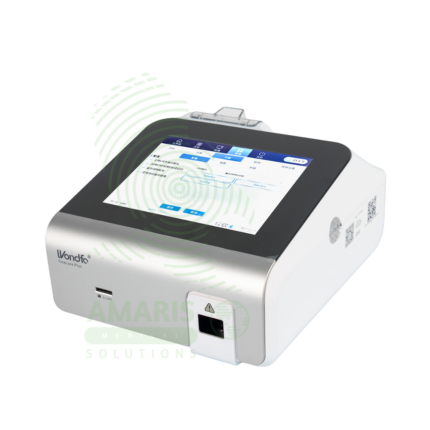
Finecare Analyzer
The Finecare Analyzer is a Class II medical device (FDA-cleared, CE-marked) fluorescence immunoassay system manufactured by Wondfo Biotech for quantitative detection of cardiac markers (troponin I, CK-MB, myoglobin), inflammatory markers (CRP, procalcitonin), thyroid hormones (TSH, FT3, FT4), diabetes markers (HbA1c), reproductive hormones (LH, FSH, prolactin), tumor markers (AFP, CEA, PSA), and infectious disease markers. Features include time-resolved fluorescence technology, color touchscreen interface, built-in printer (select models), USB/Ethernet connectivity, and internal rechargeable battery for portable use. Test time 3-15 minutes, sample volume 50-100 µL (whole blood, serum, plasma). Primary clinical applications include rapid diagnosis of acute myocardial infarction in chest pain patients, early detection of sepsis and bacterial infections, thyroid disorder diagnosis and monitoring, long-term glycemic control assessment in diabetes, fertility and reproductive health evaluation, cancer screening and surveillance, and infectious disease testing in endemic and clinical settings. Critical safety precautions include proper test cartridge storage (2-8°C), regular quality control, biohazard safety protocols, and operator training. Essential point-of-care testing system for hospitals, clinics, and remote healthcare facilities requiring rapid, quantitative results.
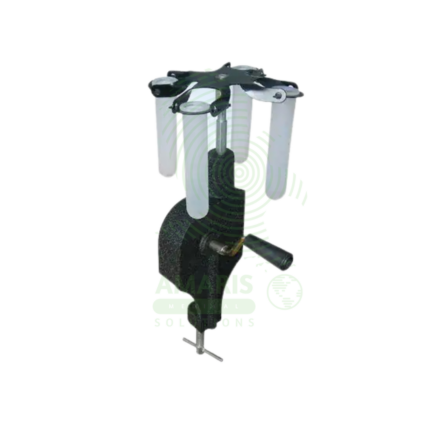
Manual Centrifuge
A Manual Centrifuge (hand-powered) is a non-electric mechanical device for separating fluids based on density, designed for use in field clinics, remote health posts, and developing world settings where electricity is unavailable or unreliable. Operated by hand crank, pull-cord, or foot pedal, achieving speeds of 1,000-4,000 RPM and RCF up to 1,500 x g. Accepts standard blood collection tubes (2-5 mL), microhematocrit tubes, and small centrifuge tubes. Primary clinical applications include separation of serum/plasma for basic diagnostic testing, urine sediment concentration for microscopy, microhematocrit determination for anemia screening, concentration of parasites for malaria and other vector-borne disease diagnosis, field epidemiology and outbreak investigation, veterinary medicine in rural settings, and teaching in resource-limited institutions. Critical safety precautions include meticulous balancing of tubes by weight (absolutely essential), never exceeding maximum rated speed, using appropriate PPE (no aerosol containment), regular inspection of gears and rotor for wear, and proper training of operators. Essential equipment for basic laboratory capabilities in low-resource and field settings.
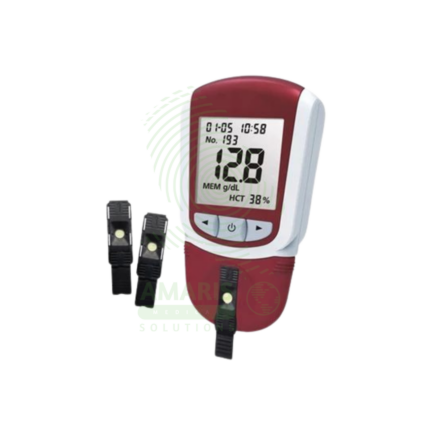
Mission Plus HB Machine
The Mission Plus HB Machine is a portable, battery-operated hemoglobin meter (Class II medical device, FDA-cleared/CE-marked) using photometric technology to measure hemoglobin concentration in capillary or venous blood within 5-15 seconds. Features include backlit LCD display, memory storage for 100-500 results, simple one-button operation, and disposable single-use cuvettes (5-20 µL sample volume). Accuracy ±0.3 g/dL compared to reference methods, measurement range 4-24 g/dL. Primary clinical applications include rapid anemia screening in outpatient clinics, preoperative assessment, antenatal care and maternal health monitoring, malaria-endemic region screening, chronic disease management (CKD, IBD, cancer), nutritional assessment and intervention programs, and blood donor screening. Critical safety precautions include single-use lancets, proper hand hygiene, correct sample application, quality control with control solutions, proper cuvette storage (protect from heat, light, humidity), and never using expired cuvettes. Essential point-of-care device for hemoglobin testing in diverse healthcare settings.