Dermatoscope and Magnifiers
 Diagnostic Kits
 Vital Signs Monitors
 Stethoscopes and Accessories
 Otoscopes, Ophthalmoscopes, and Retinoscopes
 Reflex Hammers and Neurological Tools
 Scales and Measuring Devices
 Spirometers and Pulmonary Function Tests
 Electrosurgical Units and Accessories
 Cutting Instruments
 Grasping and Holding Instruments
 Hemostatic Instruments
 Specialized Surgical Sets
 Single-Use Procedure Trays and Packs
 Surgical Drapes, Gowns, and Covers
 Tissue Unifying Instruments
 Radiation Protection
 X-Ray Machines and Accessories
 Ultrasound Systems and Probes
 MRI and CT Scanners
 Radiology Consumables
 Bone Densitometers
 Fluoroscopy Equipment
 Imaging Tables and Positioning Aids
 Microscopes and Accessories
 Centrifuges and Separators
 Analyzers
 Incubators and Ovens
 Pipettes, Dispensers, and Lab Glassware
 Refrigerators, Freezers, and Storage Units
 Lab Consumables
 Sterilizers and Autoclaves for Lab Use
 Multi-Parameter Monitors
 Ventilators and Respiratory Support Devices
 Defibrillators and AEDs
 Infusion Pumps and IV Systems
 Patient Warmers and Cooling Devices
 Central Monitoring Stations
 Accessories
 Anesthesia Machines and Workstations
 Oxygen Concentrators and Delivery Systems
 Nebulizers and Inhalers
 CPAP/BiPAP Machines
 Airway Management
 Anesthesia Masks, Circuits, and Bags
 Humidifiers and Heaters
 Respiratory Therapy Accessories
 First Aid Kits and Cabinets
 Emergency Resuscitation Equipment
 Trauma Supplies
 Emergency Carts and Crash Carts
 Burn Care Products
 Bleeding Control
 Automated External Defibrillators (AEDs)
 Transport and Evacuation
 Wheelchairs and Accessories
 Walkers, Crutches, and Canes
 Prosthetics and Orthotics
 Physical Therapy Equipment
 Transfer Devices
 Bathroom Safety
 Orthopedic Traction and Tables
 Hot/Cold Therapy Packs and Units
 Beds and Mattresses
 Chairs and Stools
 Tables
 Cabinets and Storage
 Privacy Screens & Curtains
 Stands and Racks
 Linens and Textiles
 Lighting
 Autoclaves and Sterilizers
 Ultrasonic Cleaners
 Disinfectant Solutions and Wipes
 Sterilization Pouches, Wraps, and Indicators
 Instrument Trays and Containers
 UV and Ozone Disinfection Devices
 Washer Disinfectors
 Wound Care
 Gloves
 Masks and Respirators
 Catheters and Tubing
 Swabs, Applicators, and Sponges
 Incontinence Products
 Personal Protective Equipment (PPE)
 Dental Chairs and Units
 Handpieces and Burs
 Instruments
 Consumables
 Sterilization for Dental Use
 Orthodontic Supplies
 Endodontic Tools
 Slit Lamps and Tonometers
 Lensometers and Phoropters
 Ophthalmic Surgical Instruments
 Eyewear Frames and Lenses
 Contact Lens Supplies
 Vision Testing Charts and Devices
 Eye Care Consumables
 Laser Systems for Eye Care
 ENT Exam Chairs and Tables
 Endoscopes
 Audiometers and Hearing Tests
 ENT Instruments
 Nasal and Throat Packs
 Hearing Aids and Accessories
 Otology Supplies
 Fetal Dopplers and Monitors
 Delivery Beds and Tables
 Gynecological Instruments
 Neonatal Incubators and Warmers
 Breast Pumps and Accessories
 Contraceptive Devices
 Maternity Supports and Pads
 Neonatal Consumables
 Cystoscopes and Urethroscopes
 Dialysis Machines and Supplies
 Urological Catheters and Bags
 Lithotripters
 Prostate Treatment Devices
 Urinary Incontinence Products
 Kidney Stone Management Tools
 Consumables & Disposables
 EEG and EMG Machines
 Neurosurgical Instruments
 Nerve Stimulators
 Headrests and Positioning Aids
 Lumbar Puncture Kits
 Seizure Monitoring Devices
 Consumables
 Rehabilitation for Neurological Conditions
 ECG Machines and Accessories
 Holter Monitors
 Stress Test Systems
 Pacemakers and Defibrillator Accessories
 Vascular Access Devices
 Cardiac Catheters and Guidewires
 Blood Flow Meters
 Consumables
 Orthopedic Instruments
 Casts, Splints, and Padding
 Joint Replacement Supplies
 Prosthetic Limbs and Components
 Bone Grafts and Substitutes
 Traction Devices
 Orthopedic Braces and Supports
 Rehabilitation Aids for Orthopedics
 Home Oxygen Therapy
 Hospital Beds for Home Use
 Mobility Aids
 Bathroom and Daily Living Aids
 Wound Care for Home
 Monitoring Devices
 Enteral Feeding Pumps and Tubes
 Hand Sanitizers and Dispensers
 Face Shields and Goggles
 Isolation Gowns and Suits
 Biohazard Waste Containers
 Air Purifiers and HEPA Filters
 Surface Disinfectants
 Sharps Containers
 Protective Barriers
 Cardiovascular & Endurance Training
 Strength Training & Weightlifting
 Functional Training & Core Conditioning
 Physical Therapy & Rehabilitation
 Sports & Outdoor Recreation
 Gym Flooring & Facility Equipment
 Fitness Monitoring & Accessories
 Kids & Novelties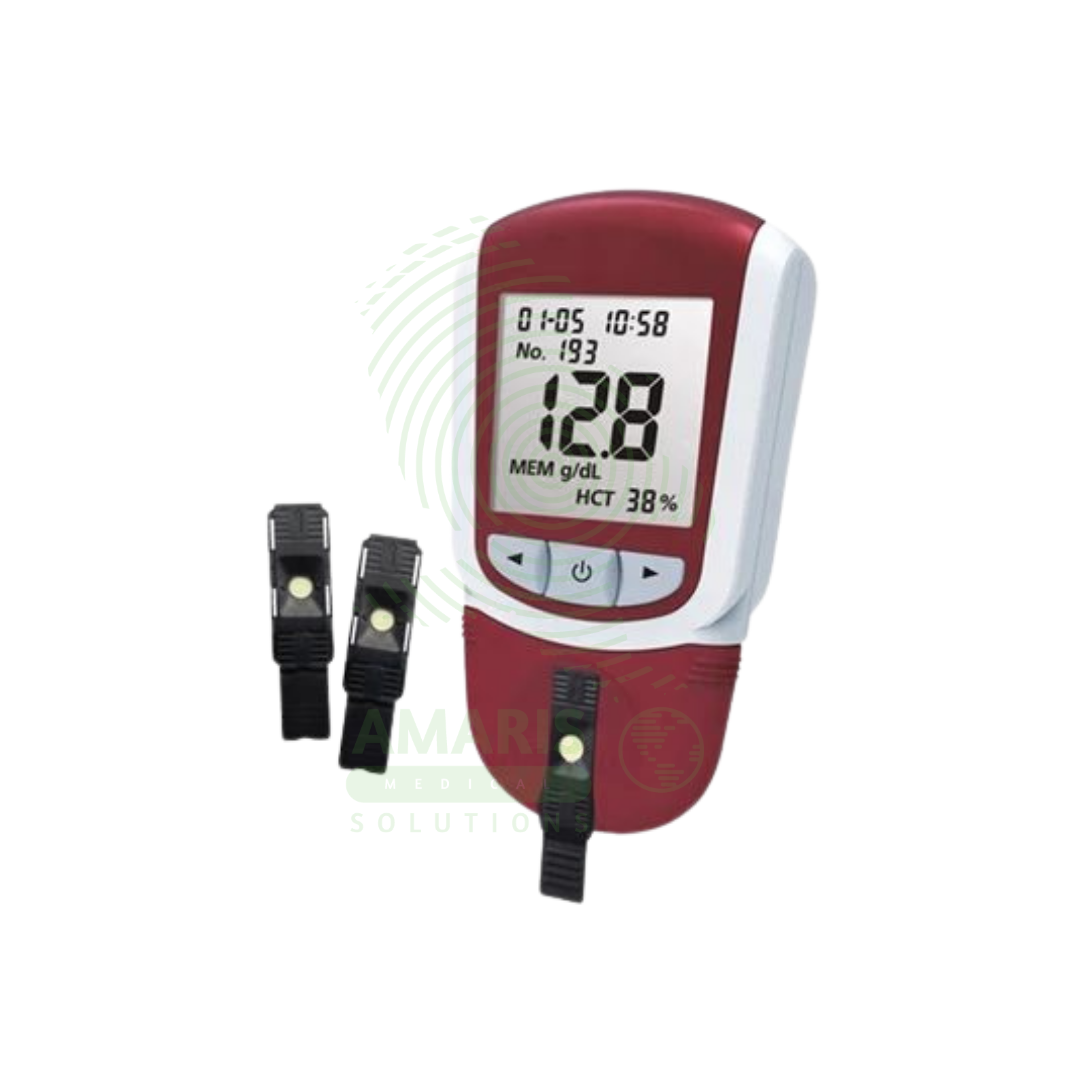
Mission Plus HB Machine
WhatsApp Order
The Mission Plus HB Machine is a portable, battery-operated hemoglobin meter (Class II medical device, FDA-cleared/CE-marked) using photometric technology to measure hemoglobin concentration in capillary or venous blood within 5-15 seconds. Features include backlit LCD display, memory storage for 100-500 results, simple one-button operation, and disposable single-use cuvettes (5-20 µL sample volume). Accuracy ±0.3 g/dL compared to reference methods, measurement range 4-24 g/dL. Primary clinical applications include rapid anemia screening in outpatient clinics, preoperative assessment, antenatal care and maternal health monitoring, malaria-endemic region screening, chronic disease management (CKD, IBD, cancer), nutritional assessment and intervention programs, and blood donor screening. Critical safety precautions include single-use lancets, proper hand hygiene, correct sample application, quality control with control solutions, proper cuvette storage (protect from heat, light, humidity), and never using expired cuvettes. Essential point-of-care device for hemoglobin testing in diverse healthcare settings.
Description
Mission Plus HB Machine
PRIMARY CLINICAL & DIAGNOSTIC USES
1. Rapid Hemoglobin Measurement for Anemia Screening:
-
Primary Use: Provides quick, accurate measurement of hemoglobin concentration in capillary or venous blood, enabling immediate identification of anemia in outpatient clinics, community health centers, and screening programs.
-
How it helps: Gives healthcare workers the ability to detect anemia on the spot, allowing them to start treatment immediately rather than waiting days for laboratory results, which is especially critical in underserved communities.
2. Preoperative Assessment and Surgical Planning:
-
Primary Use: Essential for evaluating hemoglobin levels before surgical procedures to identify anemia requiring correction, assess transfusion needs, and optimize patient outcomes.
-
How it helps: Ensures patients are in the best possible condition before going into surgery, identifying those who may need blood transfusions or iron supplementation to reduce surgical risks and improve recovery.
3. Antenatal Care and Maternal Health Monitoring:
-
Primary Use: Used in prenatal clinics to screen pregnant women for anemia, which affects maternal and fetal outcomes, and to monitor response to iron supplementation throughout pregnancy.
-
How it helps: Protects both mother and baby by catching anemia early in pregnancy, preventing complications like preterm birth, low birth weight, and excessive blood loss during delivery.
4. Malaria-Endemic Region Screening:
-
Primary Use: In areas with high malaria prevalence, hemoglobin testing helps assess disease severity, monitor treatment response, and identify anemia related to malaria infection.
-
How it helps: Helps healthcare workers in malaria-endemic regions distinguish between the direct effects of malaria and underlying anemia, ensuring patients receive appropriate treatment for both conditions.
5. Chronic Disease Management:
-
Primary Use: Used to monitor hemoglobin levels in patients with chronic kidney disease, inflammatory bowel disease, cancer, and other conditions associated with anemia, guiding treatment decisions and monitoring therapy response.
-
How it helps: Gives patients with chronic diseases and their doctors a simple way to track one of the most common complications of their condition, ensuring anemia is caught early and treated before it causes significant symptoms.
6. Nutritional Assessment and Intervention Programs:
-
Primary Use: Deployed in community nutrition programs to screen for iron deficiency anemia, evaluate effectiveness of supplementation programs, and identify at-risk populations.
-
How it helps: Allows public health workers to measure the impact of nutrition programs in real-time, identifying communities where interventions are working and those that need additional support.
7. Blood Donor Screening:
-
Primary Use: Used by blood banks and mobile blood drives to ensure donor hemoglobin levels meet minimum requirements before blood donation, protecting donor health and ensuring blood product quality.
-
How it helps: Protects blood donors from becoming anemic due to donation and ensures that donated blood has adequate oxygen-carrying capacity to help recipients.
SECONDARY & SUPPORTIVE USES
1. Sports Medicine and Athletic Performance: Used to monitor hemoglobin in athletes, particularly at high altitudes, to assess training effects and detect potential doping, helping optimize athletic performance safely.
2. Occupational Health Screening: Employed in workplace health programs to screen workers exposed to chemicals that may affect hemoglobin (lead, benzene), protecting employees from occupational hazards.
3. School Health Programs: Used to screen children for anemia, which can affect cognitive development and school performance, catching problems early when interventions can make the biggest difference.
4. Research and Clinical Trials: Utilized in studies investigating anemia prevalence, treatment efficacy, and nutritional interventions, contributing to scientific understanding and better treatments.
5. Emergency Department Triage: Rapid hemoglobin measurement helps assess blood loss in trauma patients and guide transfusion decisions, providing critical information when minutes matter.
6. Home Healthcare and Visiting Nurse Services: Portable hemoglobin meters enable home-based monitoring for patients with chronic conditions, bringing laboratory-quality testing to patients who cannot easily travel.
7. Veterinary Medicine: Adapted for use in animal health to screen for anemia in livestock and companion animals, helping veterinarians provide better care to their patients.
KEY PRODUCT FEATURES
1. BASIC IDENTIFICATION ATTRIBUTES
-
Device Type: Portable hemoglobin meter using photometric or electrochemical technology for quantitative hemoglobin measurement.
-
Common Names: Mission Plus Hemoglobin Meter, HB Machine, Hemoglobin Analyzer, Hemoglobinometer, Portable Hb Meter.
-
Sample Types: Capillary whole blood (fingerstick) or venous whole blood.
-
Measurement Principle: Photometric measurement of hemoglobin concentration after chemical conversion to hemiglobinazide or similar stable compound.
-
Test Time: 5-15 seconds (varies by model).
-
Measurement Range: 4-24 g/dL (typical).
-
Display: Backlit LCD showing hemoglobin concentration in g/dL.
-
Memory: Stores up to 100-500 test results with date and time stamps.
2. TECHNICAL & PERFORMANCE PROPERTIES
-
Accuracy: ±0.3 g/dL compared to reference methods (cyanmethemoglobin method).
-
Precision: CV <3% for replicate measurements.
-
Calibration: Factory calibrated; no user calibration required; control solutions available for verification.
-
Cuvettes/Test Strips: Disposable, single-use cuvettes or strips containing reagents for hemoglobin measurement.
-
Sample Volume: 5-20 µL depending on model.
-
Hematocrit Compensation: Some models automatically compensate for variations in sample quality.
-
Interferences: Minimal interference from common substances (bilirubin, lipids) within specified ranges.
-
Operating Temperature: 10-40°C; humidity 10-90% non-condensing.
3. PHYSICAL & OPERATIONAL PROPERTIES
-
Dimensions: Approximately 12-15 cm × 6-8 cm × 3-4 cm.
-
Weight: 200-400 grams with batteries.
-
Construction: Durable ABS plastic; resistant to minor impacts.
-
Display: Large LCD with backlight for easy reading in various lighting conditions.
-
Controls: Simple membrane keypad or touch-sensitive buttons.
-
Power Source: 2-4 AA batteries or rechargeable battery pack; AC adapter option.
-
Data Output: Some models include USB or Bluetooth for data transfer.
-
Cuvette Port: Accepts disposable cuvettes with automatic start when cuvette inserted.
-
Carrying Case: Protective case included for transport and storage.
-
Calibration Cuvette: Some models include calibration cuvette for verification.
4. SAFETY & COMPLIANCE ATTRIBUTES
-
Regulatory Status: Class II medical device requiring FDA 510(k) clearance; CE marked for IVD use.
-
Quality Control: Built-in quality control checks; external control solutions available.
-
Biohazard Precautions: All blood samples potentially infectious; follow standard precautions.
-
Electrical Safety: Compliant with IEC 60601-1 for medical electrical equipment.
-
EMC Compliance: IEC 60601-1-2; immune to typical clinical interference.
-
Disposal: Used cuvettes disposed as biohazardous waste.
-
Cleaning: Wipe with EPA-registered hospital disinfectant; do not immerse.
5. STORAGE & HANDLING ATTRIBUTES
-
Storage Temperature: 10-40°C; avoid extreme temperatures and humidity.
-
Cuvette Storage: Store in original sealed container at 2-30°C; protect from light and moisture.
-
Cuvette Shelf Life: 12-24 months unopened; use within 3-6 months after opening (check manufacturer).
-
Battery Maintenance: Remove batteries if storing long-term; replace when a low indicator appears.
-
Cleaning: Wipe exterior with soft, damp cloth; use approved disinfectant wipes.
-
Calibration Verification: Run control solutions periodically and with each new lot of cuvettes.
-
Inspection: Before each use, verify display function, battery status, and cuvette integrity.
6. LABORATORY & CLINICAL APPLICATIONS
-
Primary Application: Point-of-care hemoglobin measurement for anemia screening, diagnosis, and monitoring across various clinical settings.
-
Testing Guidelines:
-
Warm hands if necessary to increase blood flow.
-
Clean fingertip with alcohol swab; allow to dry completely.
-
Prick fingertip with lancet; wipe away first drop of blood.
-
Apply second drop to cuvette sample tip; blood drawn automatically.
-
Insert cuvette into meter; wait 5-15 seconds for result.
-
Record result; dispose of cuvette in sharps container.
-
-
Interpretation (WHO Anemia Criteria):
-
Children 6-59 months: <11.0 g/dL anemic.
-
Children 5-11 years: <11.5 g/dL anemic.
-
Children 12-14 years: <12.0 g/dL anemic.
-
Non-pregnant Women: <12.0 g/dL anemic.
-
Pregnant Women: <11.0 g/dL anemic.
-
Men: <13.0 g/dL anemic.
-
Limitations: Single-use cuvettes required; not for neonatal screening in some models; operator technique affects accuracy.
SAFETY HANDLING PRECAUTIONS
1. SAFETY PRECAUTIONS
-
Infection Control: Lancets single-use only; never share. Dispose in a sharps container.
-
Hand Hygiene: Wash hands before testing; clean patient's finger thoroughly.
-
Cuvette Handling: Do not touch the reagent area of the cuvette; oils and contaminants affect results.
-
Sample Application: Apply sufficient blood; insufficient sample causes error or inaccurate result.
-
Timing: Read result at specified time; delayed reading may be inaccurate.
-
Quality Control: Run control solutions with each new lot of cuvettes and periodically as required.
-
Expiration: Never use expired cuvettes; accuracy compromised.
-
Storage: Store cuvettes per manufacturer; heat, light, and humidity damage reagents.
-
Patient Identification: Ensure correct patient identification before testing and recording results.
2. FIRST AID MEASURES
-
Needlestick/Sharps Injury: Wash area vigorously with soap and water; report immediately; follow institutional exposure protocol.
-
Blood Spill: Contain with absorbent material; disinfect area with 10% bleach solution.
-
Cuvette Breakage: If cuvette breaks, carefully remove fragments with forceps; disinfect area.
-
Eye Contact with Blood: Flush eyes with copious water for 15 minutes; seek medical attention.
3. FIRE FIGHTING MEASURES
-
Flammability: Plastic components and batteries are combustible.
-
Extinguishing Media: For electrical fire, use CO₂ or dry chemical (Class C) extinguisher.
-
Battery Fire: Damaged lithium battery may ignite; use Class D extinguisher or sand.
Related products
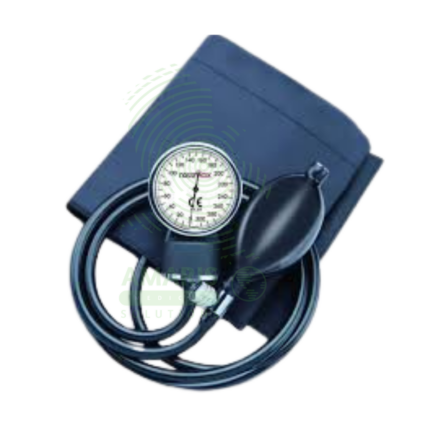
Aneroid Blood Pressure Monitor
The Aneroid Blood Pressure Monitor is a manual, mechanical sphygmomanometer used for the accurate, non-invasive measurement of arterial blood pressure. Operating on the auscultatory method, it consists of an inflatable cuff, a pump bulb with a release valve, and a calibrated dial gauge. Renowned for its reliability, durability, and independence from electrical power, it serves as a clinical gold standard and essential tool in physician offices, hospitals, and for guided home monitoring. Its accuracy is dependent on proper technique, correct cuff size, and regular calibration, making it a fundamental device for diagnosing and managing hypertension and assessing cardiovascular health.
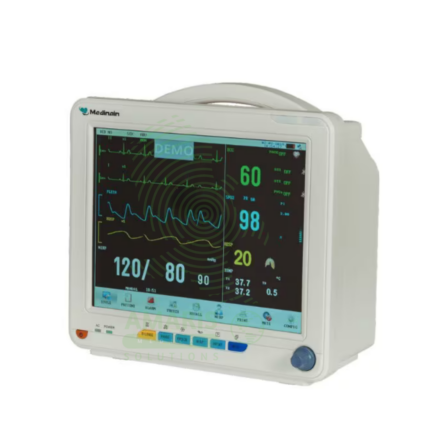
ECG Machine
An ECG Machine is a Class II medical device that records and displays the electrical activity of the heart through surface electrodes, producing an electrocardiogram for diagnosis of cardiac conditions. Standard diagnostic machines record 12 simultaneous leads (3 limb, 6 precordial, 1 ground) with frequency response 0.05-150 Hz, sampling rate 500-1,000 Hz, and high-resolution (5-10 µV) signal acquisition. Features include color touchscreen display, thermal array printer, computerized interpretation algorithms, internal memory (50-500+ ECGs), and network connectivity for EMR integration. Lead wires (AHA or IEC color coding) connect to disposable adhesive electrodes. Portable models (5-15 kg) with rechargeable batteries enable bedside and mobile use; cart-mounted units provide full diagnostic capability. Primary clinical applications include diagnosis of arrhythmias (AF, VT, bradycardia), detection of myocardial ischemia/infarction (STEMI, NSTEMI), evaluation of chest pain, preoperative cardiac risk assessment, monitoring electrolyte imbalances, assessment of chamber enlargement, and drug effect/toxicity monitoring. Essential diagnostic equipment in emergency departments, cardiology clinics, ICUs, operating rooms, and primary care settings worldwide.
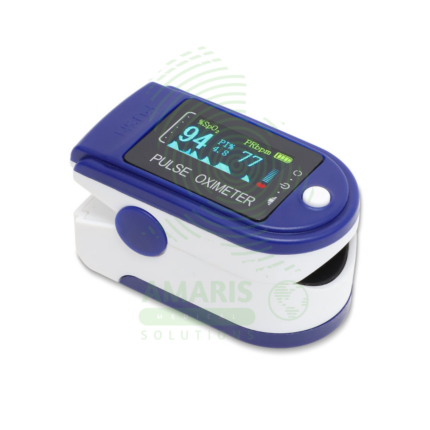
Fingertip Pulse Oximeter
A Fingertip Pulse Oximeter is a compact, non-invasive medical device that clips onto a finger to measure peripheral arterial oxygen saturation (SpO2) and pulse rate in seconds. Utilizing light-based technology, it provides critical, real-time data on respiratory and circulatory status. Its portability and ease of use make it indispensable in hospitals (from ORs to general wards), for patients managing chronic lung conditions at home, and for situational monitoring in sports or high-altitude environments. While an extremely valuable screening tool, readings must be interpreted in context, considering factors like patient movement, perfusion, and clinical symptoms.
Height Board
A Height Board, or stadiometer, is a precision medical instrument designed for the accurate measurement of human stature. As a wall-mounted or portable device featuring a vertical scale and a sliding horizontal headpiece, it is the clinical standard for obtaining height. This measurement is foundational for calculating Body Mass Index (BMI), tracking growth in children, screening for nutritional issues, and assessing adults for conditions like osteoporosis. Its accuracy, dependent on proper installation and technique, makes it an indispensable tool in pediatrics, primary care, nutrition, and public health
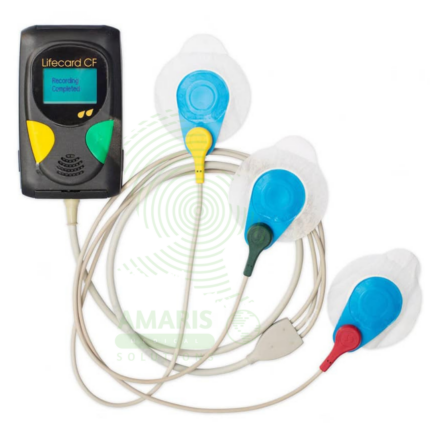
Holter ECG Monitor
A Holter ECG Monitor is a portable, wearable medical device used for continuous, long-term recording of a patient's heart's electrical activity over 24 to 48 hours or more. It is the cornerstone diagnostic tool for detecting intermittent cardiac arrhythmias, evaluating unexplained symptoms like syncope or palpitations, and monitoring the efficacy of antiarrhythmic treatments or implanted cardiac device function. Consisting of a small digital recorder connected to chest electrodes (or an all-in-one adhesive patch), it allows patients to maintain their normal daily routine while capturing a comprehensive electrocardiographic record.
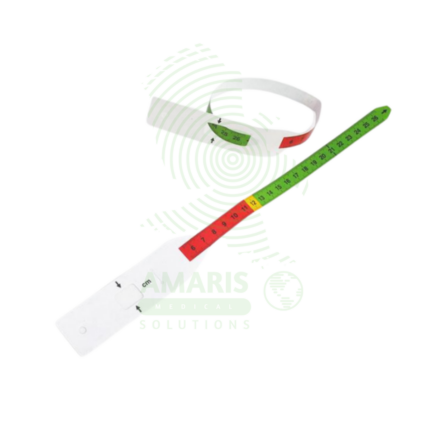
MUAC Tape
A MUAC Tape (Mid-Upper Arm Circumference) is a specialized, color-coded measuring tape used globally as the primary field tool for screening children aged 6-59 months for acute malnutrition. Its simple design—featuring red, yellow, and green zones corresponding to Severe Acute Malnutrition, Moderate Acute Malnutrition, and normal nutritional status—allows for instant, non-invasive assessment without the need for scales, calculation, or literacy. Durable, portable, and inexpensive, it is the cornerstone of community-based nutrition programs, emergency relief efforts, and public health surveillance, enabling early detection and life-saving intervention for malnourished children in even the most resource-constrained settings.
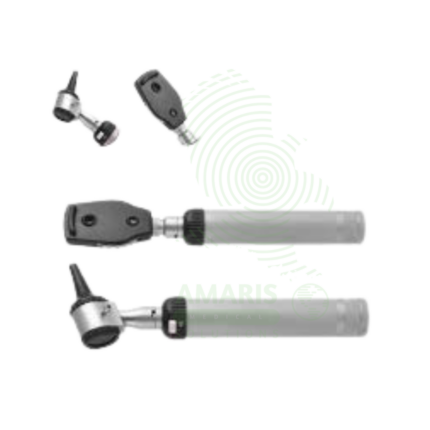
Ophthalmoscope
An Ophthalmoscope is a handheld diagnostic instrument used to examine the interior of the eye, specifically the fundus (retina, optic disc, blood vessels, and macula). By providing illuminated magnification, it serves as a vital screening tool for detecting ocular diseases like glaucoma and retinal disorders, and more importantly, for identifying signs of systemic conditions such as diabetes, hypertension, and increased intracranial pressure. Its operation involves selecting appropriate apertures and compensating lenses to obtain a clear view. While offering a detailed but narrow field of vision, mastery of the direct ophthalmoscope remains a cornerstone skill in general medicine, neurology, and ophthalmology for assessing vascular and neurological health.