Dermatoscope and Magnifiers
 Diagnostic Kits
 Vital Signs Monitors
 Stethoscopes and Accessories
 Otoscopes, Ophthalmoscopes, and Retinoscopes
 Reflex Hammers and Neurological Tools
 Scales and Measuring Devices
 Spirometers and Pulmonary Function Tests
 Electrosurgical Units and Accessories
 Cutting Instruments
 Grasping and Holding Instruments
 Hemostatic Instruments
 Specialized Surgical Sets
 Single-Use Procedure Trays and Packs
 Surgical Drapes, Gowns, and Covers
 Tissue Unifying Instruments
 Radiation Protection
 X-Ray Machines and Accessories
 Ultrasound Systems and Probes
 MRI and CT Scanners
 Radiology Consumables
 Bone Densitometers
 Fluoroscopy Equipment
 Imaging Tables and Positioning Aids
 Microscopes and Accessories
 Centrifuges and Separators
 Analyzers
 Incubators and Ovens
 Pipettes, Dispensers, and Lab Glassware
 Refrigerators, Freezers, and Storage Units
 Lab Consumables
 Sterilizers and Autoclaves for Lab Use
 Multi-Parameter Monitors
 Ventilators and Respiratory Support Devices
 Defibrillators and AEDs
 Infusion Pumps and IV Systems
 Patient Warmers and Cooling Devices
 Central Monitoring Stations
 Accessories
 Anesthesia Machines and Workstations
 Oxygen Concentrators and Delivery Systems
 Nebulizers and Inhalers
 CPAP/BiPAP Machines
 Airway Management
 Anesthesia Masks, Circuits, and Bags
 Humidifiers and Heaters
 Respiratory Therapy Accessories
 First Aid Kits and Cabinets
 Emergency Resuscitation Equipment
 Trauma Supplies
 Emergency Carts and Crash Carts
 Burn Care Products
 Bleeding Control
 Automated External Defibrillators (AEDs)
 Transport and Evacuation
 Wheelchairs and Accessories
 Walkers, Crutches, and Canes
 Prosthetics and Orthotics
 Physical Therapy Equipment
 Transfer Devices
 Bathroom Safety
 Orthopedic Traction and Tables
 Hot/Cold Therapy Packs and Units
 Beds and Mattresses
 Chairs and Stools
 Tables
 Cabinets and Storage
 Privacy Screens & Curtains
 Stands and Racks
 Linens and Textiles
 Lighting
 Autoclaves and Sterilizers
 Ultrasonic Cleaners
 Disinfectant Solutions and Wipes
 Sterilization Pouches, Wraps, and Indicators
 Instrument Trays and Containers
 UV and Ozone Disinfection Devices
 Washer Disinfectors
 Wound Care
 Gloves
 Masks and Respirators
 Catheters and Tubing
 Swabs, Applicators, and Sponges
 Incontinence Products
 Personal Protective Equipment (PPE)
 Dental Chairs and Units
 Handpieces and Burs
 Instruments
 Consumables
 Sterilization for Dental Use
 Orthodontic Supplies
 Endodontic Tools
 Slit Lamps and Tonometers
 Lensometers and Phoropters
 Ophthalmic Surgical Instruments
 Eyewear Frames and Lenses
 Contact Lens Supplies
 Vision Testing Charts and Devices
 Eye Care Consumables
 Laser Systems for Eye Care
 ENT Exam Chairs and Tables
 Endoscopes
 Audiometers and Hearing Tests
 ENT Instruments
 Nasal and Throat Packs
 Hearing Aids and Accessories
 Otology Supplies
 Fetal Dopplers and Monitors
 Delivery Beds and Tables
 Gynecological Instruments
 Neonatal Incubators and Warmers
 Breast Pumps and Accessories
 Contraceptive Devices
 Maternity Supports and Pads
 Neonatal Consumables
 Cystoscopes and Urethroscopes
 Dialysis Machines and Supplies
 Urological Catheters and Bags
 Lithotripters
 Prostate Treatment Devices
 Urinary Incontinence Products
 Kidney Stone Management Tools
 Consumables & Disposables
 EEG and EMG Machines
 Neurosurgical Instruments
 Nerve Stimulators
 Headrests and Positioning Aids
 Lumbar Puncture Kits
 Seizure Monitoring Devices
 Consumables
 Rehabilitation for Neurological Conditions
 ECG Machines and Accessories
 Holter Monitors
 Stress Test Systems
 Pacemakers and Defibrillator Accessories
 Vascular Access Devices
 Cardiac Catheters and Guidewires
 Blood Flow Meters
 Consumables
 Orthopedic Instruments
 Casts, Splints, and Padding
 Joint Replacement Supplies
 Prosthetic Limbs and Components
 Bone Grafts and Substitutes
 Traction Devices
 Orthopedic Braces and Supports
 Rehabilitation Aids for Orthopedics
 Home Oxygen Therapy
 Hospital Beds for Home Use
 Mobility Aids
 Bathroom and Daily Living Aids
 Wound Care for Home
 Monitoring Devices
 Enteral Feeding Pumps and Tubes
 Hand Sanitizers and Dispensers
 Face Shields and Goggles
 Isolation Gowns and Suits
 Biohazard Waste Containers
 Air Purifiers and HEPA Filters
 Surface Disinfectants
 Sharps Containers
 Protective Barriers
 Cardiovascular & Endurance Training
 Strength Training & Weightlifting
 Functional Training & Core Conditioning
 Physical Therapy & Rehabilitation
 Sports & Outdoor Recreation
 Gym Flooring & Facility Equipment
 Fitness Monitoring & Accessories
 Kids & Novelties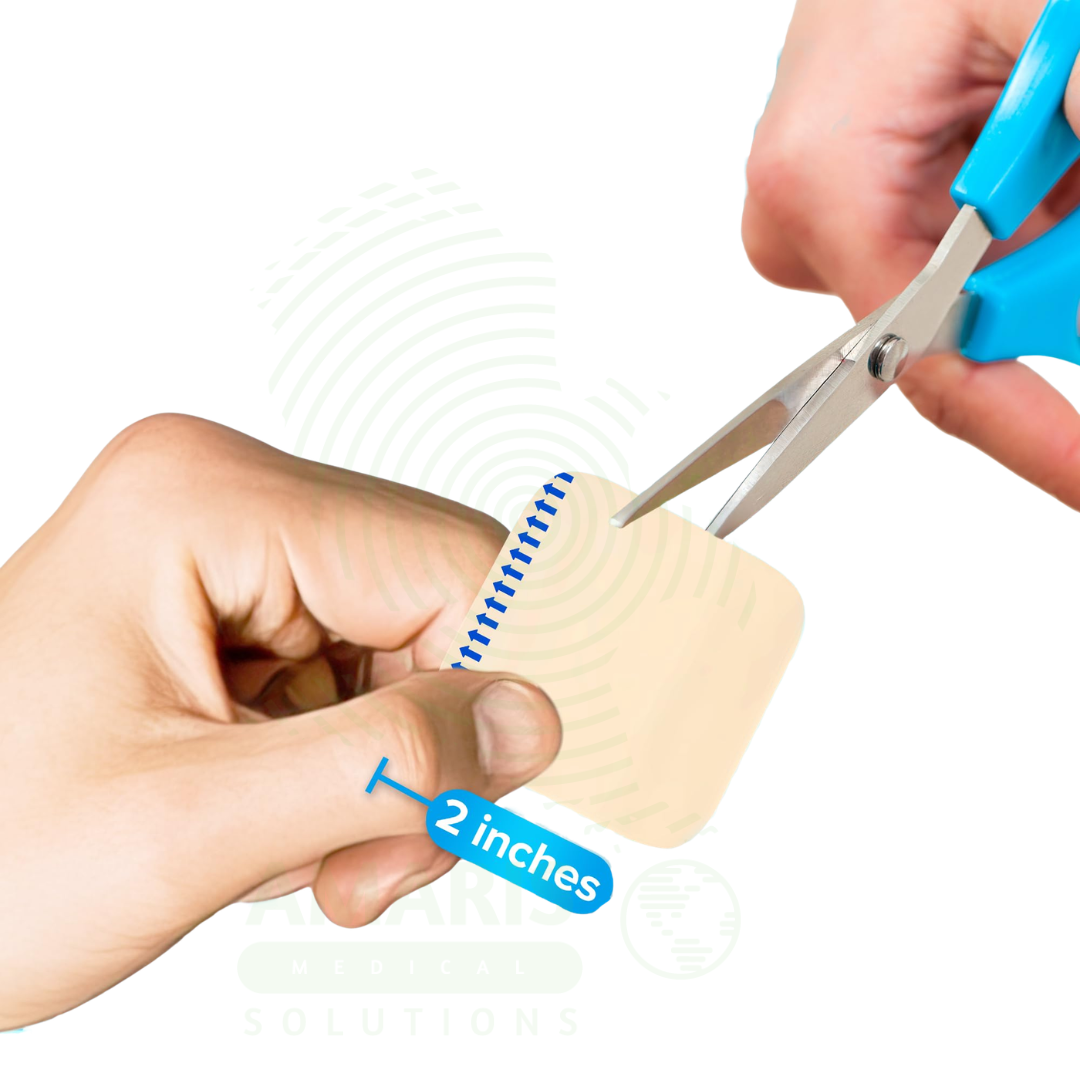
Normal Hydrocolloid Dressing (Without Border)
WhatsApp Order
A Normal Hydrocolloid Dressing (Without Border) is a sterile, adhesive, wafer-type wound dressing composed of a hydrocolloid matrix (containing gel-forming agents such as carboxymethylcellulose, gelatin, and pectin) applied to a breathable polyurethane carrier film . Specifically indicated for low to moderately exuding partial to full-thickness wounds—including pressure ulcers (Stage 1-4), venous leg ulcers, diabetic foot ulcers, donor sites, superficial burns (1st and 2nd degree), postoperative wounds, and skin abrasions—this dressing promotes healing through moist wound therapy principles .
Upon contact with wound exudate, the hydrocolloid particles absorb fluid and swell, forming a cohesive, opaque gel (visible as a “healing capsule”) that maintains a moist microenvironment, prevents desiccation of epidermal cells, and facilitates autolytic debridement . The waterproof polyurethane backing provides a protective barrier against external contaminants, including bacteria and water, while remaining breathable to allow moisture vapor transmission. The borderless design allows the dressing to be cut to size for irregular wound shapes .
The dressing is designed for extended wear, remaining in place for 3 to 7 days depending on wound type and exudate level, which reduces the frequency of dressing changes, minimizes trauma to the wound bed, and lowers healthcare costs . The beveled edges minimize rolling and edge lift, extending wear time even in high-friction areas .
For the wound care nurse and clinician, the Normal Hydrocolloid Dressing (Without Border) provides a versatile, cost-effective, and evidence-based solution for managing a wide range of acute and chronic wounds through the established benefits of moist wound healing. For the patient, this dressing offers effective exudate management, pain reduction during dressing changes, waterproof protection during bathing, and improved cosmetic outcomes due to reduced scabbing and scarring .
Description
Normal Hydrocolloid Dressing (Without Border)
PRIMARY CLINICAL & DIAGNOSTIC USES
1. Management of Low to Moderately Exuding Partial-Thickness Wounds
-
Primary Use: Provides a sterile, adhesive, wafer-type dressing composed of a hydrocolloid matrix (containing gel-forming agents such as carboxymethylcellulose, gelatin, and pectin) that absorbs wound exudate to form a cohesive gel, indicated for partial to full-thickness wounds with low to moderate exudate levels .
-
How it helps: For the wound care nurse and clinician, the borderless design allows the dressing to be cut to size, making it adaptable for various wound shapes and sizes. It maintains an optimal moist wound environment and facilitates autolytic debridement, which supports the body’s natural healing processes . For the patient, this dressing helps reduce pain during dressing changes, protects the wound from contamination, and promotes faster healing through scientifically proven moist wound therapy principles .
2. Moist Wound Healing Environment Creation
-
Primary Use: Upon contact with wound fluid, the hydrocolloid particles absorb exudate and swell, forming a soft, opaque gel that maintains a moist microenvironment over the wound bed .
-
How it helps: For the clinician, research has demonstrated that moist wound healing conditions prevent desiccation of epidermal cells, allowing unobstructed migration across the wound surface and stimulating granulation tissue growth . For the patient, the moist environment prevents scab formation, reduces the risk of scarring, supports natural skin regeneration, and improves cosmetic outcomes compared to dry healing methods .
3. Protection Against External Contamination and Bacterial Ingress
-
Primary Use: The waterproof polyurethane outer layer provides an effective barrier against external contaminants, including dirt, water, and bacteria, while remaining breathable to allow moisture vapor transmission .
-
How it helps: For the infection control practitioner and clinician, this protective barrier reduces the risk of secondary wound infection by sealing the wound from environmental pathogens. Combined with the dressing’s ability to remain in place for up to 7 days, this protection minimizes the frequency of dressing changes and reduces opportunities for exogenous contamination . For the patient, this means the dressing stays securely in place during daily activities, including showering and bathing, without compromising the healing environment .
4. Extended Wear Time for Uninterrupted Healing
-
Primary Use: Designed for extended wear, allowing the dressing to remain in place for 3 to 7 days depending on wound type, exudate level, and clinical assessment .
-
How it helps: For the healthcare provider and wound care specialist, extended wear time significantly reduces the frequency of dressing changes, lowering nursing time, reducing material costs, and minimizing trauma to the wound bed caused by repeated dressing removal. For the patient, fewer dressing changes mean less pain, less disruption to daily life, and potentially faster overall healing due to undisturbed wound progression through the healing phases—hemostasis, inflammation, proliferation, and remodeling .
SECONDARY & SUPPORTIVE USES
1. Management of Pressure Ulcers (Stage 1-4): Used for the management of lightly to moderately exuding pressure ulcers, providing cushioning and protection for these chronic wounds .
2. Management of Venous Leg Ulcers: Applied to venous insufficiency ulcers as part of the comprehensive treatment plan, offering moisture management and protection in a low-profile format .
3. Management of Diabetic Foot Ulcers: Used for the management of diabetic foot ulcers with low to moderate exudate, protecting the wound from contamination while maintaining a moist healing environment .
4. Management of Superficial Partial-Thickness Burns (1st and 2nd Degree): Applied to first and second-degree burns, the hydrocolloid dressing absorbs exudate, cushions the wound, and reduces pain by protecting exposed nerve endings .
5. Management of Donor Sites and Post-Operative Wounds: Used on skin graft donor sites and surgical wounds, providing absorbent, protective coverage during the healing phase .
6. Management of Skin Abrasions and Lacerations: Applied to minor cuts, abrasions, and scratches, offering effective protection and promoting faster healing through moist wound therapy .
7. Facilitation of Autolytic Debridement: The dressing’s ability to maintain a moist environment facilitates the body’s natural autolytic debridement process, helping to soften and liquefy necrotic tissue and slough .
8. Protection of Skin in Incontinence-Associated Dermatitis: Used on partial-thickness skin loss on the buttocks secondary to friction, shear, and moisture, providing a protective barrier from further moisture damage .
9. Cushioning and Protection for High-Friction Areas: The dressing’s beveled edge design minimizes lifted edges, making it suitable for application over bony prominences and areas subject to friction and shear forces .
10. Protection of Wounds During Patient Bathing and Hygiene: The waterproof polyurethane backing allows patients to bathe and shower without removing the dressing, maintaining the healing environment and reducing disruption .
11. Reduction of Scarring and Improved Cosmetic Outcomes: By preventing scab formation and maintaining moist conditions throughout healing, hydrocolloid dressings may reduce scar formation and improve the cosmetic appearance of healed wounds .
12. Management of Wounds in Pediatric Patients: The gentle adhesive and cushioning properties make these dressings suitable for use in children with superficial wounds, abrasions, and minor burns.
13. Home Healthcare and Patient Self-Care: Extended wear time and waterproof properties make these dressings ideal for use in home healthcare settings where frequent dressing changes by visiting nurses may be impractical.
14. First Aid and Emergency Situations: Included in comprehensive first aid kits for the management of minor wounds, abrasions, and burns in community, workplace, and school settings .
15. Preparation for Split-Thickness Skin Grafting: Used on donor sites to create an optimal healing environment, reducing pain and promoting rapid re-epithelialization of the harvest site.
16. Management of Radiation Dermatitis: Applied to skin reactions resulting from radiation therapy, providing moisture balance and protection for compromised skin.
KEY PRODUCT FEATURES
1. BASIC IDENTIFICATION ATTRIBUTES
-
Device Type: A sterile, adhesive, wafer-type hydrocolloid wound dressing without an adhesive border, composed of a hydrocolloid matrix applied to a polyurethane carrier film, designed for the management of low to moderately exudating partial to full-thickness wounds .
-
Designation: Hydrocolloid Dressing, Hydrocolloid Wafer, Borderless Hydrocolloid Dressing, Hydrocolloid Wound Dressing, Adhesive Hydrocolloid Dressing, Occlusive Hydrocolloid Dressing.
-
Key Components:
o Hydrocolloid Matrix: The absorbent layer composed of gel-forming particles such as sodium carboxymethylcellulose (CMC), gelatin, and pectin dispersed in an adhesive base (e.g., polyisobutylene) .
o Polyurethane Backing (Optional): A thin, flexible, waterproof yet breathable outer film that provides a barrier against external contaminants while allowing moisture vapor transmission .
o Release Liner: A protective silicone-coated paper or film that covers the adhesive surface before application and is removed prior to use .
o Beveled Edge: Tapered thin edges designed to reduce rolling and bunching, minimizing edge lift and extending wear time .
2. TECHNICAL & PERFORMANCE PROPERTIES
-
Absorption Mechanism: Hydrocolloid particles absorb wound exudate, swell, and form a cohesive gel, visible as an opaque bubble over the wound (often termed "healing capsule") .
-
Absorption Capacity: Designed for low to moderately exuding wounds; some borderless formulations offer strong, long-acting absorption capacity for moderately to highly exuding wounds .
-
Moisture Vapor Transmission Rate (MVTR): The polyurethane backing allows balanced moisture vapor transmission, enabling the exchange of water vapor and oxygen while preventing external contamination .
-
Thickness: Borderless hydrocolloid dressings typically range from 0.3mm to 1.5mm in standard formulations .
-
Swelling Potential: Upon absorbing exudate, the hydrocolloid matrix swells to many times its original volume, forming the characteristic gel layer over the wound bed.
-
Wear Time: Designed to remain in place for 3 to 7 days depending on wound type, exudate level, and clinical assessment; change when the dressing is saturated, at signs of leakage, or as clinically indicated .
-
Waterproof/Water-Resistant: The polyurethane outer layer provides a waterproof barrier, allowing patients to shower and bathe without removing the dressing .
-
Adhesive Strength: Medical-grade pressure-sensitive adhesive provides secure fixation for extended wear while allowing atraumatic removal without damaging surrounding healthy skin .
-
Sterility: Sterile; supplied in individually sealed pouches to maintain sterility until point of use .
-
Latex-Free: Manufactured without natural rubber latex in most formulations to accommodate patients with latex allergy.
-
Single-Use: Intended for single patient use only; discard after removal.
3. PHYSICAL & OPERATIONAL PROPERTIES
-
Construction: Single-layer or multi-layer composite of hydrocolloid matrix (absorbent/adhesive layer) with optional polyurethane backing. Borderless design has no additional adhesive border, allowing the dressing to be cut to size .
-
Appearance: Opaque, beige, or skin-toned wafer; becomes translucent or white/cloudy as the hydrocolloid absorbs exudate and forms gel .
-
Flexibility: The dressing conforms to body contours, making it suitable for application over joints, heels, elbows, and other high-movement areas .
-
Adhesion: Self-adhesive; no additional fixation is required.
-
Cutability: Without an adhesive border, the dressing can be trimmed with sterile scissors to fit irregular wound shapes or sizes without compromising the seal.
-
Application: Apply to clean, dry, intact skin surrounding the wound; the skin must be free of oils, lotions, and moisture for optimal adhesion.
-
Removal: Gently peel from the edge; the adhesive is designed to be strong enough to stay in place for extended wear but gentle enough to remove without damaging surrounding skin .
-
Disposal: Discard after single use as clinical waste per facility protocol.
-
Packaging: Individually sealed sterile pouches, available in boxes of 5, 10, or more units depending on size and manufacturer .
4. SAFETY & COMPLIANCE ATTRIBUTES
-
Regulatory Status: Class I or Class II medical device depending on indications and claims; requires regulatory registration per country.
-
Quality Standards: Complies with international wound care standards; manufactured under quality management systems (ISO 13485).
-
FDA Compliance: Compliant with FDA Quality System Regulations for medical device manufacturers.
-
Biocompatibility: Manufactured with skin-friendly, hypoallergenic, non-irritating materials; the hydrocolloid matrix is free from common sensitizers.
-
Sterility Assurance: Sterility assured unless the package is opened, torn, or damaged.
-
Latex-Free: Manufactured without natural rubber latex to accommodate patients with latex allergies.
5. STORAGE & HANDLING ATTRIBUTES
-
Storage: Store in a cool, dry place at room temperature (below 25°C / 77°F recommended). Avoid exposure to direct sunlight, extreme heat, or humidity, which can degrade the adhesive and hydrocolloid matrix.
-
Shelf Life: Typically 2 to 3 years from the date of manufacture when stored in the original, unopened packaging.
-
Sterility Maintenance: Do not use if the individual pouch is opened, torn, wet, or damaged.
-
Inspection: Inspect the dressing for damage or drying before use; discard if the hydrocolloid matrix feels stiff or brittle.
-
Application Preparation: Warm the dressing with body heat before applying in cool environments to enhance adhesive bonding.
6. LABORATORY & CLINICAL APPLICATIONS
-
Primary Application: Management of low to moderately exuding partial to full-thickness wounds, including pressure ulcers, venous leg ulcers, diabetic foot ulcers, donor sites, surgical wounds, abrasions, and superficial burns, through moisture donation, exudate absorption, and provision of a protective bacterial barrier .
-
Clinical Role: Essential wound care product in hospitals, wound care centers, long-term care facilities, home healthcare, and outpatient clinics for the management of chronic and acute wounds requiring moist wound healing.
SAFETY HANDLING PRECAUTIONS
1. SAFETY PRECAUTIONS
-
Contraindications - Infected Wounds: Do not use on clinically infected wounds (signs of infection include redness, swelling, heat, pain, purulent discharge). Patients with infected wounds require appropriate medical evaluation and antimicrobial therapy .
-
Contraindications - Heavy Exudate: Do not use on wounds with heavy exudate or active bleeding, as the dressing may become saturated quickly, leading to leakage and maceration of surrounding skin .
-
Contraindications - Deep Cavity Wounds: Not intended for use on deep cavity wounds or tunneling wounds where the dressing cannot contact the entire wound bed.
-
Contraindications - Third-Degree Burns: Do not use on full-thickness (third-degree) burns without appropriate medical supervision.
-
Skin Preparation: The peristomal/periwound skin must be clean, dry, and free of oils, lotions, or ointments before application to ensure proper adhesion.
-
Do Not Cut for Intended Use: If the dressing is designed with specific dimensions for a specific application, do not cut the dressing unless it is a borderless design specifically intended to be trimmed.
-
Monitor for Leakage: Change the dressing immediately if any exudate is observed leaking from under the dressing to prevent skin maceration and infection.
-
Monitor for Maceration: Inspect the periwound skin at each dressing change for signs of maceration (softening, whitening, wrinkling of skin), which may indicate that the dressing is saturated or that an alternative dressing is needed.
-
Dressing Saturation: Change the dressing when it is approximately 70% full of wound exudate or before it is fully saturated to prevent leakage .
-
Max Wear Time: The maximum wear time for a single application should not exceed 7 days unless clinically indicated .
-
Adhesive Allergy: Patients with known adhesive sensitivities should use with caution; discontinue use if signs of allergic contact dermatitis (rash, itching, blistering) occur.
-
Do Not Reuse: This is a single-use device; do not attempt to wash, resterilize, or reapply a used dressing.
2. FIRST AID MEASURES
-
Adhesive Reaction: If signs of an allergic reaction (rash, severe itching, blistering, redness spreading beyond the dressing area) occur, remove the dressing immediately, gently cleanse the skin with mild soap and water, discontinue use of that product, and consult a clinician.
-
Periwound Maceration: If the skin surrounding the wound appears white, soft, or wrinkled (maceration), remove the dressing, allow the skin to dry, and consider an alternative dressing with higher absorbency or more frequent changes. Consult a wound care specialist.
-
Signs of Infection: If the wound becomes increasingly red, swollen, warm to the touch, or produces a purulent or foul-smelling discharge, remove the dressing, cleanse the wound, and seek medical evaluation, as this may indicate wound infection requiring antimicrobial therapy .
-
Dressing Adhesion to Wound Bed: If the dressing adheres to the wound bed (uncommon with modern hydrocolloid formulations), do not forcibly remove. Moisten the dressing with sterile saline or water and allow it to loosen before gentle removal to prevent trauma to healing tissue.
3. FIRE FIGHTING MEASURES
-
Flammability: The polyurethane backing and hydrocolloid matrix are combustible but present no special fire hazard beyond typical disposable medical products.
-
Extinguishing Media: Use water, foam, CO₂, or dry chemical for fires involving combustible material.
-
Fire Response: Follow facility fire safety protocols for disposal of burning medical waste.
Related products
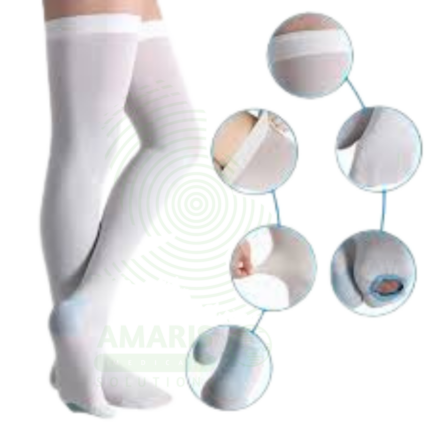
Anti-Embolic Compression Stockings
Anti-Embolic Compression Stockings are medical-grade elastic stockings designed to prevent Deep Vein Thrombosis (DVT) in non-ambulatory, surgical, or medically ill patients. By delivering graduated external pressure—tightest at the ankle and decreasing up the leg—they enhance venous blood flow and reduce stasis, a key factor in clot formation. They are a cornerstone of mechanical thromboprophylaxis in hospitals. Correct sizing based on precise leg measurements is critical for both efficacy and safety, as improper fit can lead to complications or failure of prophylaxis. Daily skin assessment and adherence to wearing guidelines are essential components of safe use.
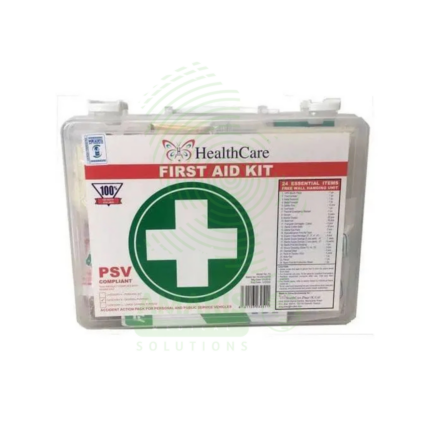
First Aid Kit
A First Aid Kit is an organized collection of medical supplies and equipment for providing initial care in emergency situations, available in various sizes and configurations for home, workplace, vehicle, travel, and specialized applications. Kits range from personal pouches (0.5-2 L) to comprehensive workplace cabinets (5-35 L) with soft-sided bags, hard cases, or wall-mounted containers. Contents are typically organized to meet regional standards (ANSI/ISEA Z308.1, CSA Z1220, BS 8599, DIN 13157/13169) and include wound care supplies (bandages, gauze, tape), antiseptics, burn care, eye care, emergency items (CPR mask, cold packs, foil blanket), instruments (scissors, tweezers), and PPE (gloves). Class A kits provide minimum supplies for low-hazard workplaces; Class B kits offer expanded quantities for high-hazard environments. Primary clinical applications include immediate treatment of minor injuries (cuts, abrasions, burns, sprains), bleeding control, wound care, fracture immobilization, and emergency assessment. Essential safety equipment for every home, workplace, vehicle, and public facility, providing critical medical supplies until professional care arrives.
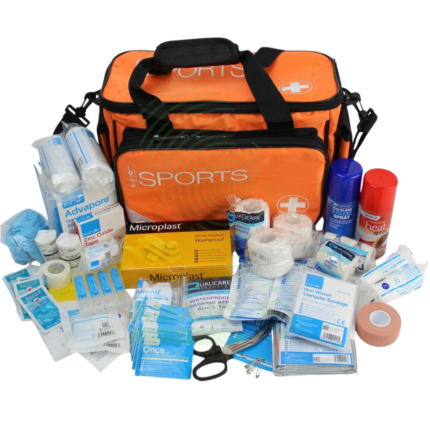
First Aid Kit For Sporting Places
A First Aid Kit for Sporting Places is a portable, organized medical kit specifically designed for the types and frequencies of injuries encountered in athletic and sporting environments. Available in various configurations including sideline kits for team use, personal sports pouches, team travel kits, and wall-mounted cabinets for gymnasiums. Constructed from ballistic nylon, polyester, ABS plastic, or aluminum with organized interior compartments, pouches, and elastic loops for rapid access to supplies. Contains sport-specific medical supplies including wound care materials, elastic bandages, instant cold packs, splinting materials, eye wash, blister care, concussion assessment tools, and personal protective equipment. Primary clinical applications include immediate treatment of common sports injuries (sprains, strains, contusions, abrasions, lacerations), concussion assessment, bleeding control, heat illness management, eye injury care, and emergency action plan implementation. Essential equipment for athletic teams, schools, fitness centers, recreational facilities, and sporting events, providing organized, accessible medical supplies for athlete safety and injury management.
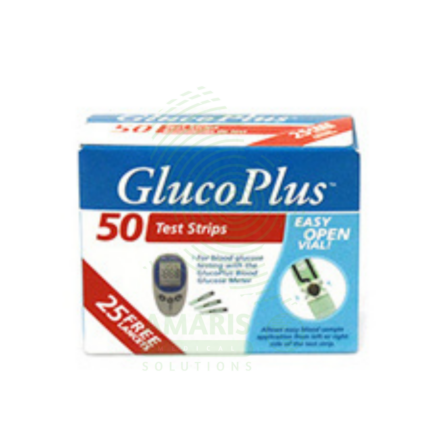
Glucosics Blood Sugar Sticks
Glucosics Blood Sugar Sticks are single-use, disposable electrochemical test sticks (ISO 15197:2013 compliant) designed exclusively for use with Glucosics glucose meters to measure capillary blood glucose from 0.5-1.0 µL samples in 5-7 seconds. Each stick contains glucose oxidase or glucose dehydrogenase reagents that generate electrical current proportional to glucose concentration (20-600 mg/dL range). Packaging options include multi-stick vials (25-100 sticks) with desiccant for daily use or individually foil-wrapped sticks for travel. Sticks feature no-coding automatic calibration, hematocrit compensation (20-60%), and interference resistance. Primary clinical applications include daily blood glucose testing for Type 1, Type 2, and gestational diabetes management, hypoglycemia and hyperglycemia detection, pre- and post-meal glucose assessment, and hospital point-of-care testing. Critical safety precautions include single-use only, immediate vial closure after stick removal to prevent humidity damage, storage at 2-30°C away from bathrooms and temperature extremes, never using expired sticks, proper hand hygiene before testing, and disposal in sharps containers. Essential consumable for diabetes self-management when used with Glucosics meters.
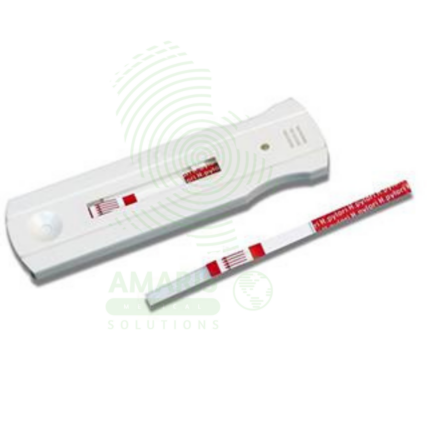
H. pylori Test Strips
H. pylori Test Strips are rapid, lateral flow immunochromatographic devices used for the qualitative detection of Helicobacter pylori antigens in human stool. As a non-invasive stool antigen test (SAT), it provides a convenient and reliable method for diagnosing active H. pylori infection and confirming eradication after therapy, with results available in under 15 minutes. Ideal for use in clinics and outpatient settings, it aids in the management of dyspepsia and peptic ulcer disease. Proper sample handling, adherence to pre-test medication restrictions, and strict biohazard precautions are essential for obtaining accurate results.
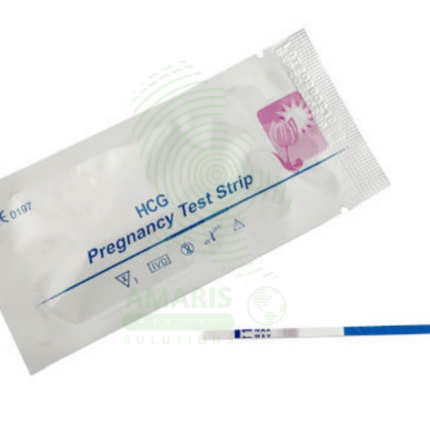
Pregnancy Test Strips
Pregnancy Test Strips are simple, dip-style lateral flow devices designed for the rapid, qualitative detection of human chorionic gonadotropin (hCG) in urine to indicate pregnancy. As the most fundamental format of home pregnancy tests, they offer high sensitivity (often from 10 mIU/mL), affordability, and a quick result within 3-5 minutes. Their ease of use makes them a widely accessible first step in pregnancy detection for personal use and clinical screening. A visible test line, even if faint, is a positive result, though confirmation with a healthcare provider is always recommended.
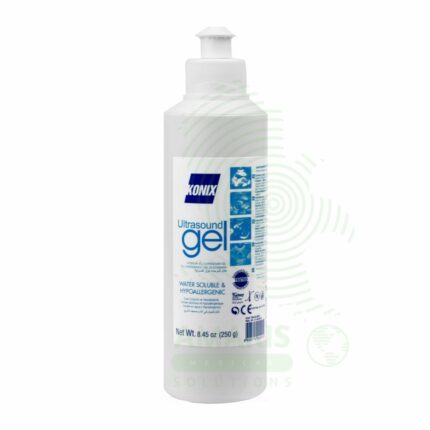
Ultrasound Gel
Ultrasound Gel is a water-based, hypoallergenic, acoustically conductive coupling medium essential for diagnostic and therapeutic ultrasound procedures. It eliminates air pockets between the transducer and skin, creating an efficient acoustic pathway for sound wave transmission and reception. Formulated to match the acoustic impedance of human tissue, it ensures high-quality imaging while providing lubrication for smooth probe movement and patient comfort. Available in standard, sterile, and hypoallergenic formulations, it is a single-use consumable critical for all ultrasound examinations. Proper storage, handling, and selection of appropriate sterile versus non-sterile formulations are essential for patient safety and image quality.