Dermatoscope and Magnifiers
 Diagnostic Kits
 Vital Signs Monitors
 Stethoscopes and Accessories
 Otoscopes, Ophthalmoscopes, and Retinoscopes
 Reflex Hammers and Neurological Tools
 Scales and Measuring Devices
 Spirometers and Pulmonary Function Tests
 Electrosurgical Units and Accessories
 Cutting Instruments
 Grasping and Holding Instruments
 Hemostatic Instruments
 Specialized Surgical Sets
 Single-Use Procedure Trays and Packs
 Surgical Drapes, Gowns, and Covers
 Tissue Unifying Instruments
 Radiation Protection
 X-Ray Machines and Accessories
 Ultrasound Systems and Probes
 MRI and CT Scanners
 Radiology Consumables
 Bone Densitometers
 Fluoroscopy Equipment
 Imaging Tables and Positioning Aids
 Microscopes and Accessories
 Centrifuges and Separators
 Analyzers
 Incubators and Ovens
 Pipettes, Dispensers, and Lab Glassware
 Refrigerators, Freezers, and Storage Units
 Lab Consumables
 Sterilizers and Autoclaves for Lab Use
 Multi-Parameter Monitors
 Ventilators and Respiratory Support Devices
 Defibrillators and AEDs
 Infusion Pumps and IV Systems
 Patient Warmers and Cooling Devices
 Central Monitoring Stations
 Accessories
 Anesthesia Machines and Workstations
 Oxygen Concentrators and Delivery Systems
 Nebulizers and Inhalers
 CPAP/BiPAP Machines
 Airway Management
 Anesthesia Masks, Circuits, and Bags
 Humidifiers and Heaters
 Respiratory Therapy Accessories
 First Aid Kits and Cabinets
 Emergency Resuscitation Equipment
 Trauma Supplies
 Emergency Carts and Crash Carts
 Burn Care Products
 Bleeding Control
 Automated External Defibrillators (AEDs)
 Transport and Evacuation
 Wheelchairs and Accessories
 Walkers, Crutches, and Canes
 Prosthetics and Orthotics
 Physical Therapy Equipment
 Transfer Devices
 Bathroom Safety
 Orthopedic Traction and Tables
 Hot/Cold Therapy Packs and Units
 Beds and Mattresses
 Chairs and Stools
 Tables
 Cabinets and Storage
 Privacy Screens & Curtains
 Stands and Racks
 Linens and Textiles
 Lighting
 Autoclaves and Sterilizers
 Ultrasonic Cleaners
 Disinfectant Solutions and Wipes
 Sterilization Pouches, Wraps, and Indicators
 Instrument Trays and Containers
 UV and Ozone Disinfection Devices
 Washer Disinfectors
 Wound Care
 Gloves
 Masks and Respirators
 Catheters and Tubing
 Swabs, Applicators, and Sponges
 Incontinence Products
 Personal Protective Equipment (PPE)
 Dental Chairs and Units
 Handpieces and Burs
 Instruments
 Consumables
 Sterilization for Dental Use
 Orthodontic Supplies
 Endodontic Tools
 Slit Lamps and Tonometers
 Lensometers and Phoropters
 Ophthalmic Surgical Instruments
 Eyewear Frames and Lenses
 Contact Lens Supplies
 Vision Testing Charts and Devices
 Eye Care Consumables
 Laser Systems for Eye Care
 ENT Exam Chairs and Tables
 Endoscopes
 Audiometers and Hearing Tests
 ENT Instruments
 Nasal and Throat Packs
 Hearing Aids and Accessories
 Otology Supplies
 Fetal Dopplers and Monitors
 Delivery Beds and Tables
 Gynecological Instruments
 Neonatal Incubators and Warmers
 Breast Pumps and Accessories
 Contraceptive Devices
 Maternity Supports and Pads
 Neonatal Consumables
 Cystoscopes and Urethroscopes
 Dialysis Machines and Supplies
 Urological Catheters and Bags
 Lithotripters
 Prostate Treatment Devices
 Urinary Incontinence Products
 Kidney Stone Management Tools
 Consumables & Disposables
 EEG and EMG Machines
 Neurosurgical Instruments
 Nerve Stimulators
 Headrests and Positioning Aids
 Lumbar Puncture Kits
 Seizure Monitoring Devices
 Consumables
 Rehabilitation for Neurological Conditions
 ECG Machines and Accessories
 Holter Monitors
 Stress Test Systems
 Pacemakers and Defibrillator Accessories
 Vascular Access Devices
 Cardiac Catheters and Guidewires
 Blood Flow Meters
 Consumables
 Orthopedic Instruments
 Casts, Splints, and Padding
 Joint Replacement Supplies
 Prosthetic Limbs and Components
 Bone Grafts and Substitutes
 Traction Devices
 Orthopedic Braces and Supports
 Rehabilitation Aids for Orthopedics
 Home Oxygen Therapy
 Hospital Beds for Home Use
 Mobility Aids
 Bathroom and Daily Living Aids
 Wound Care for Home
 Monitoring Devices
 Enteral Feeding Pumps and Tubes
 Hand Sanitizers and Dispensers
 Face Shields and Goggles
 Isolation Gowns and Suits
 Biohazard Waste Containers
 Air Purifiers and HEPA Filters
 Surface Disinfectants
 Sharps Containers
 Protective Barriers
 Cardiovascular & Endurance Training
 Strength Training & Weightlifting
 Functional Training & Core Conditioning
 Physical Therapy & Rehabilitation
 Sports & Outdoor Recreation
 Gym Flooring & Facility Equipment
 Fitness Monitoring & Accessories
 Kids & Novelties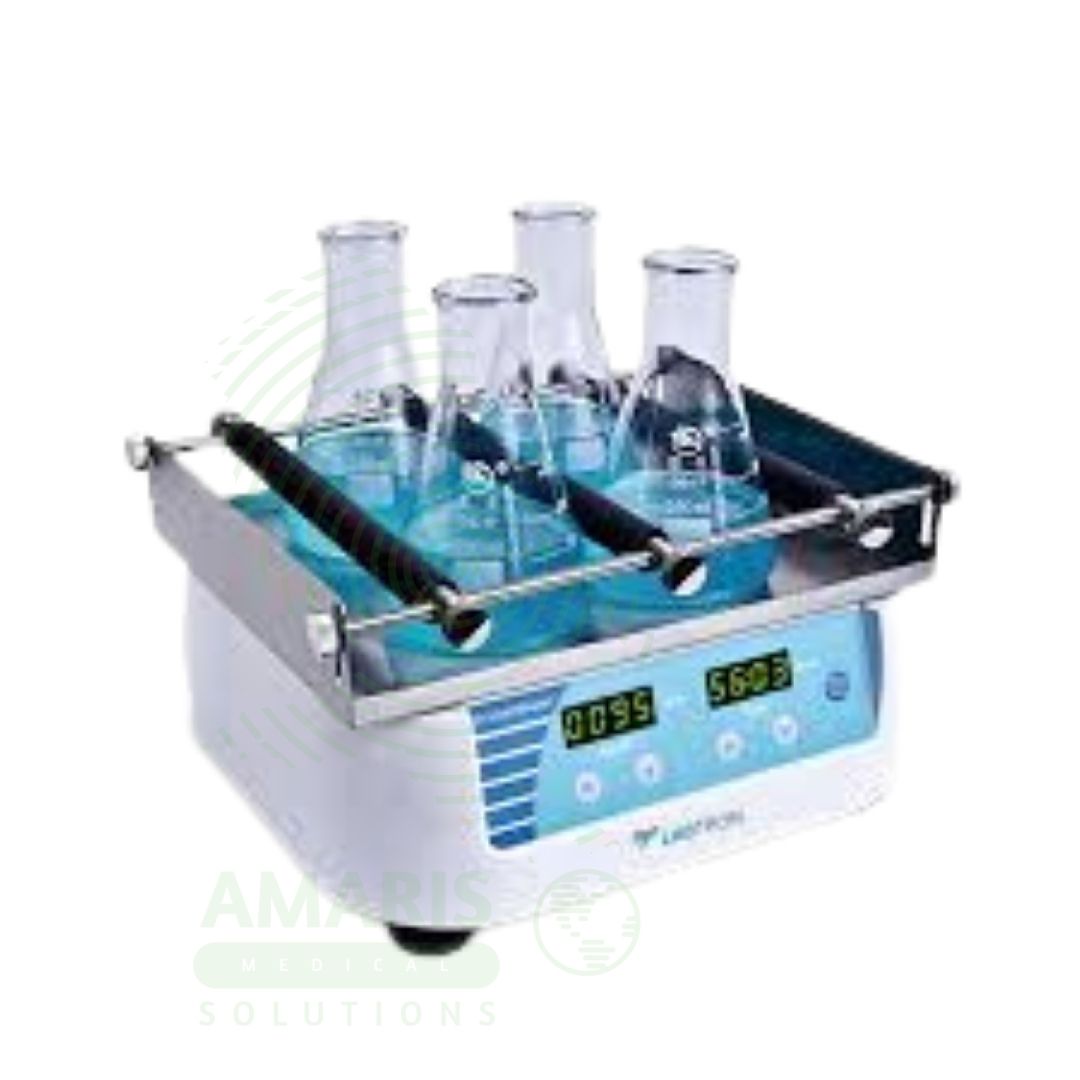
Orbital Shaker
WhatsApp Order
An Orbital Shaker is a laboratory instrument that provides gentle, circular agitation for mixing, aerating, and suspending samples in flasks, tubes, or plates. It is essential for growing microbial and cell cultures, performing staining and hybridization assays, and general solution mixing. Key operational factors include adjustable speed, load balancing, and secure sealing of all containers to prevent spills. Proper placement on a stable surface and regular cleaning are necessary for safe and effective operation. It is a versatile workhorse in both clinical and research laboratories.
Description
Orbital Shaker
PRIMARY CLINICAL & DIAGNOSTIC USES
1. Aeration and Mixing of Microbial Cultures
-
Primary Use: Provides constant, controlled agitation for growing bacteria, yeast, or fungi in liquid broth, maximizing oxygen transfer and nutrient distribution to promote optimal cell growth for applications in clinical microbiology, vaccine production, and antibiotic susceptibility testing.
-
How it helps: For the microbiologist and research scientist, the orbital shaker transforms a static flask of nutrient broth into a dynamic growth environment—oxygenating the culture, keeping cells in suspension, and ensuring every organism has access to the nutrients needed for robust growth. For the patient whose infection is being identified through culture, or whose vaccine was developed using shaken cultures, the orbital shaker’s gentle agitation ensures that organisms grow reliably and that the biological products they depend on are produced efficiently.
2. Cell Culture and Hybridoma Growth
-
Primary Use: Used in research and biopharmaceutical labs for suspending mammalian, insect, or plant cells in culture flasks, keeping cells in suspension, preventing clumping, and ensuring even exposure to nutrients and gases.
-
How it helps: For the cell biologist and bioprocess engineer, orbital shaking creates an environment where delicate cells can thrive outside the body—suspended gently in nutrient-rich media, oxygenated continuously, and free to divide and produce the proteins, antibodies, or metabolites that research and medicine require. For future patients who will benefit from monoclonal antibody therapies, recombinant protein drugs, or cell-based treatments, the orbital shaker’s role in producing these biologics is fundamental to their availability.
3. Staining and Hybridization Assays
-
Primary Use: Provides consistent, low-speed agitation for slides or membranes during staining procedures or during hybridization steps to ensure even reagent coverage and prevent nonspecific binding.
-
How it helps: For the molecular biologist and pathology technician, gentle orbital agitation ensures that stains, probes, and antibodies reach every part of the sample evenly—producing uniform staining, consistent hybridization signals, and results that accurately reflect the specimen’s biology. For the patient whose diagnosis depends on immunohistochemistry, FISH testing, or blotting results, this uniform processing ensures that their test results are reliable and interpretable.
4. Solubilization and Extraction
-
Primary Use: Accelerates the dissolution of solids in solvents or the extraction of compounds from solid samples by providing continuous mixing.
-
How it helps: For the analytical chemist and environmental scientist, orbital shaking speeds the process of getting analytes from solid samples into solution—extracting pollutants from soil, drugs from tissues, or nutrients from food products. For the communities protected by environmental monitoring, and for the patients whose drug levels are measured in clinical toxicology, efficient extraction ensures that analyses are sensitive, accurate, and timely.
5. General Laboratory Mixing
-
Primary Use: For any application requiring homogeneous blending of reagents in flasks, tubes, or microplates, such as preparing standards, mixing buffer solutions, or degassing liquids.
-
How it helps: For the laboratory technician preparing daily reagents, the orbital shaker ensures that buffers are uniform, standards are consistent, and solutions are thoroughly mixed—eliminating the variability that hand-mixing introduces. For every patient test that depends on properly prepared reagents, this consistent mixing ensures that results reflect patient status, not laboratory variation.
SECONDARY & SUPPORTIVE USES
1. Washing Steps in Immunoassays: Used with microplate platforms to agitate plates during wash steps in ELISA or other immunoassays, improving the removal of unbound materials and reducing background signal. For the patient whose autoimmune disease, infectious disease, or cancer marker is being measured by immunoassay, thorough washing ensures that results reflect specific binding, not background noise.
2. Crystal Growth: For researchers growing protein or chemical crystals for structural biology studies, gentle orbital agitation can promote the slow, ordered crystal growth needed for X-ray crystallography. For the structural biologist determining protein structures that guide drug design, and for future patients who will benefit from structure-based therapies, crystal growth supported by orbital shaking enables discoveries that save lives.
3. Temperature-Sensitive Reactions: When placed inside an incubator, orbital shakers allow for shaking of cultures at controlled temperatures—bacterial cultures at 37°C, yeast at 30°C, or mammalian cells at 37°C with CO₂. For the researcher studying temperature-dependent biological processes, this combination of agitation and thermal control creates precisely controlled experimental conditions.
4. Sample Preparation for Analytical Chemistry: For extracting analytes from samples prior to analysis by HPLC, GC-MS, or other instruments, orbital shaking provides consistent, reproducible extraction conditions. For the toxicologist measuring drugs in blood, the environmental scientist monitoring pollutants, or the clinician assessing nutritional status, thorough sample preparation ensures that analytical results accurately reflect the samples submitted.
KEY PRODUCT FEATURES
1. BASIC IDENTIFICATION ATTRIBUTES
-
Device Type: A motorized platform that moves in a circular, orbital (horizontal) motion to agitate samples placed upon it.
-
Designation: "Orbital" refers to its circular shaking path, which is gentler and creates less vortexing than a linear or reciprocal motion.
-
Core Components:
-
Shaking Platform: A flat, often rubberized or textured surface to hold flasks, beakers, or tube racks. Platforms can be standard or have built-in clamps for specific flask sizes.
-
Drive Motor and Mechanism: Creates the smooth orbital motion.
-
Speed Control: Adjustable rotation speed, typically measured in revolutions per minute (RPM) or orbits per minute (OPM), ranging from 20 to over 500 RPM.
-
Timer: Digital or analog timer to set shaking duration.
-
Amplitude (Orbit Diameter): The diameter of the circular path. A key specification is often fixed (e.g., 19mm, 25mm) or adjustable. Larger amplitudes are for more vigorous mixing.
-
-
Common Configurations:
-
Benchtop Orbital Shaker: Standard open platform shaker.
-
Incubator Shaker: Combines orbital shaking with temperature control (and sometimes humidity/CO₂) inside an enclosed chamber.
-
Microplate Shaker: A small, dedicated shaker for agitating microplates.
-
Floor-Standing Shaker: For high-capacity or large-volume applications.
-
2. TECHNICAL & PERFORMANCE PROPERTIES
-
Speed Range and Control: Wide and precise RPM control is essential for different applications (e.g., 80 RPM for cell culture, 250 RPM for bacterial culture).
-
Load Capacity: Maximum weight the platform can hold while maintaining stable speed and motion.
-
Speed Consistency and Uniformity: Must maintain set speed under varying loads without stalling.
-
Noise and Vibration Levels: Important for laboratory environments.
3. PHYSICAL & OPERATIONAL PROPERTIES
-
Platform Size: Varies to accommodate different numbers of flasks (e.g., from small units for a few tubes to large platforms for multiple 2L flasks).
-
Stability: Heavy base or rubber feet to prevent "walking" during operation.
4. SAFETY & COMPLIANCE ATTRIBUTES
-
Regulatory Status: Generally Class I laboratory equipment.
-
Overload Protection: Some models have automatic shut-off if the motor is overloaded.
-
Electrical Safety: Standard compliance for laboratory use.
5. STORAGE & HANDLING ATTRIBUTES
-
Storage: Typically a permanent benchtop fixture.
-
Placement: Must be on a level, stable, and sturdy surface. An unbalanced load or unstable surface will cause excessive vibration and noise.
-
Loading: Secure all vessels. Use platform clamps or adhesive mats for flasks. Balance the load evenly across the platform to prevent uneven wear and vibration.
-
Cleaning: Wipe the platform regularly with disinfectant, especially after spills. Clean spills immediately to prevent corrosion or sticky residues.
6. LABORATORY & CLINICAL APPLICATIONS
-
Primary Application: A fundamental tool in microbiology laboratories, cell culture facilities, biochemistry and molecular biology research labs, and industrial fermentation.
-
Clinical Role: Enables the standardized growth of microorganisms for identification and testing, and supports vital research and production processes in biotechnology.
SAFETY HANDLING PRECAUTIONS
1. SAFETY PRECAUTIONS
-
Secure All Containers: Ensure all flasks, bottles, and plates are tightly sealed or capped and properly secured to the platform. An unsecured container can become a projectile.
-
Balance the Load: Distribute weight evenly on the platform. A heavily unbalanced load can damage the drive mechanism and cause hazardous vibration.
-
Avoid Overfilling: Do not fill liquid culture vessels more than 20-25% of their total volume to prevent spillage from foaming or sloshing.
-
Chemical Compatibility: Be aware that aggressive chemical spills can damage the platform surface.
-
Biohazard Containment: If shaking biohazardous materials, ensure primary containers are leak-proof. Decontaminate the platform after use.
2. FIRST AID MEASURES
-
Spill of Biohazardous or Chemical Material: Stop the shaker. Wearing appropriate PPE, contain and clean the spill using standard laboratory spill protocols. Decontaminate the platform thoroughly.
-
Mechanical Failure: If the shaker begins to smoke, spark, or makes grinding noises, turn it off and unplug it immediately. Do not attempt to use it.
3. FIRE FIGHTING MEASURES
-
Flammability: Electrical components and plastic parts are combustible.
-
Extinguishing Media: For an electrical fire, disconnect power and use a CO2 fire extinguisher.
Related products
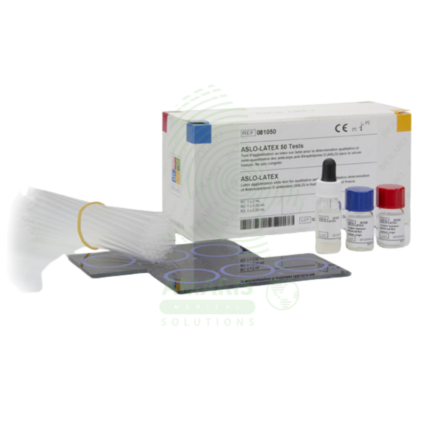
Anti-Streptol Olysin O Titer (ASOT)
Anti-Streptol Olysin O Titer (ASOT) is a quantitative or semi-quantitative serological test (latex agglutination, turbidimetry, nephelometry, or ELISA) for detecting antibodies against streptolysin O, an exotoxin produced by Group A Streptococcus. Elevated or rising titers indicate recent streptococcal infection and are essential for diagnosing post-streptococcal sequelae including acute rheumatic fever (Jones criteria) and post-streptococcal glomerulonephritis. The test requires serum samples; acute and convalescent (2-4 weeks apart) with fourfold rise confirms recent infection. Reference range typically <200-250 Todd units/mL (adults), varies by age and population. Primary clinical applications include diagnosis of Group A streptococcal infections, acute rheumatic fever evaluation, post-streptococcal glomerulonephritis diagnosis, differentiation of acute vs. past infection, evaluation of unexplained arthritis or carditis, pediatric inflammatory conditions (PANDAS), and monitoring disease activity in rheumatic fever. Critical safety precautions include proper timing of acute and convalescent samples, awareness of false negatives/positives, clinical correlation for diagnosis, and standard biohazard precautions. Essential test for rheumatology, nephrology, cardiology, and infectious disease practice.
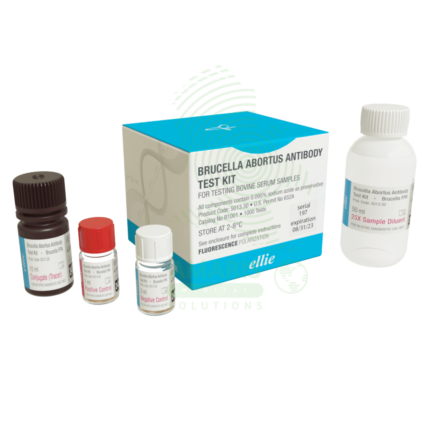
Brucella Set
A Brucella Set is a comprehensive serological test system (Class II medical device, CE-marked/FDA-cleared) for qualitative and quantitative detection of antibodies against Brucella species (B. abortus, B. melitensis, B. suis, B. canis) using multiple methodologies including tube agglutination, slide agglutination, and 2-mercaptoethanol (2-ME) testing. The set includes killed, stained Brucella antigens, positive and negative controls, dilution tubes, reaction cards, and 2-ME reagent for IgM/IgG differentiation. Diagnostic titer ≥1:160 or fourfold rise confirms brucellosis. Primary clinical applications include diagnosis of brucellosis in endemic regions (undulant fever, night sweats, arthralgia), fever of unknown origin investigation, occupational health screening in high-risk workers (veterinarians, farmers, slaughterhouse workers), diagnosis of focal complications (sacroiliitis, spondylitis, meningitis, endocarditis), treatment monitoring (fourfold decline indicates response), outbreak investigation, and public health surveillance. Critical safety precautions include handling all samples in biosafety cabinet (Brucella is highly infectious via aerosol), 2-ME reagent toxicity (use fume hood), awareness of prozone phenomenon (serial dilutions essential), cross-reactions with other Gram-negative bacteria, and mandatory reporting to public health authorities. Essential test for brucellosis diagnosis in endemic regions and occupational health settings.
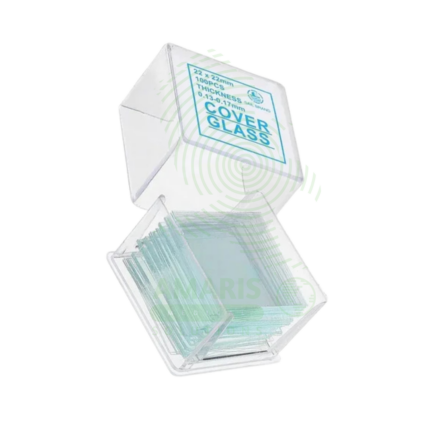
Cover Glass
Cover Glass (coverslips) are thin, transparent glass or plastic squares (e.g., 18×18 mm, 22×22 mm) or rectangles (22×30 mm, 24×50 mm) used to cover specimens on microscope slides for microscopic examination. Available in thickness No. 1 (0.13-0.16 mm) and No. 1.5 (0.16-0.19 mm) for optimal microscopy. Made from optical glass with high light transmission (>90%), refractive index 1.52 matching immersion oil. Packaged in boxes of 100-1000, interleaved with paper to prevent scratching. Primary clinical applications include covering blood films for manual differential counts and malaria diagnosis, wet mount preparations of urine sediment and vaginal secretions, histopathology and cytology slides, Gram-stained bacterial smears, semen analysis, KOH preparations for fungal elements, and India ink preparations for Cryptococcus. Critical safety precautions include handling with forceps (sharp edges), disposing of broken coverslips in sharps containers, avoiding fingerprints on optical surface, and proper disposal of biohazard-contaminated coverslips. Essential consumable in every clinical laboratory performing microscopy.
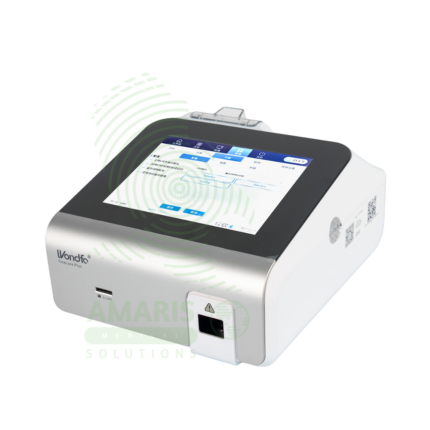
Finecare Analyzer
The Finecare Analyzer is a Class II medical device (FDA-cleared, CE-marked) fluorescence immunoassay system manufactured by Wondfo Biotech for quantitative detection of cardiac markers (troponin I, CK-MB, myoglobin), inflammatory markers (CRP, procalcitonin), thyroid hormones (TSH, FT3, FT4), diabetes markers (HbA1c), reproductive hormones (LH, FSH, prolactin), tumor markers (AFP, CEA, PSA), and infectious disease markers. Features include time-resolved fluorescence technology, color touchscreen interface, built-in printer (select models), USB/Ethernet connectivity, and internal rechargeable battery for portable use. Test time 3-15 minutes, sample volume 50-100 µL (whole blood, serum, plasma). Primary clinical applications include rapid diagnosis of acute myocardial infarction in chest pain patients, early detection of sepsis and bacterial infections, thyroid disorder diagnosis and monitoring, long-term glycemic control assessment in diabetes, fertility and reproductive health evaluation, cancer screening and surveillance, and infectious disease testing in endemic and clinical settings. Critical safety precautions include proper test cartridge storage (2-8°C), regular quality control, biohazard safety protocols, and operator training. Essential point-of-care testing system for hospitals, clinics, and remote healthcare facilities requiring rapid, quantitative results.
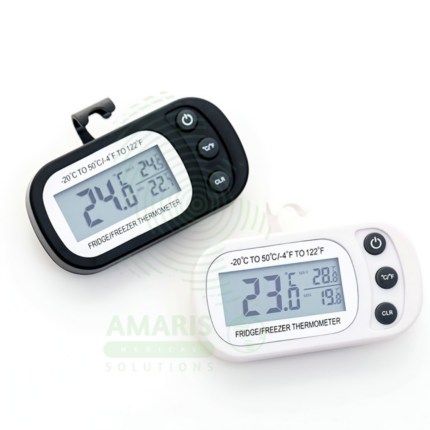
Fridge Thermometer
A Fridge Thermometer is a precision temperature monitoring device designed for continuous use inside medical and laboratory refrigerators and freezers. Its primary role is to safeguard the potency of vaccines, medications, and biological samples by ensuring storage temperatures remain within a critical specified range (e.g., +2°C to +8°C). Available in analog or digital formats, accurate models with memory functions are essential for compliance with cold chain protocols, requiring daily monitoring, logging, and regular calibration. It is a fundamental quality control tool in pharmacies, clinics, immunization centers, and laboratories.
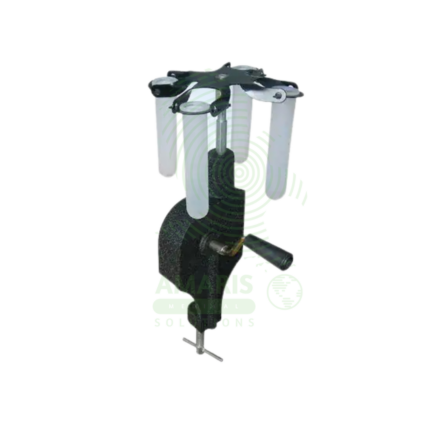
Manual Centrifuge
A Manual Centrifuge (hand-powered) is a non-electric mechanical device for separating fluids based on density, designed for use in field clinics, remote health posts, and developing world settings where electricity is unavailable or unreliable. Operated by hand crank, pull-cord, or foot pedal, achieving speeds of 1,000-4,000 RPM and RCF up to 1,500 x g. Accepts standard blood collection tubes (2-5 mL), microhematocrit tubes, and small centrifuge tubes. Primary clinical applications include separation of serum/plasma for basic diagnostic testing, urine sediment concentration for microscopy, microhematocrit determination for anemia screening, concentration of parasites for malaria and other vector-borne disease diagnosis, field epidemiology and outbreak investigation, veterinary medicine in rural settings, and teaching in resource-limited institutions. Critical safety precautions include meticulous balancing of tubes by weight (absolutely essential), never exceeding maximum rated speed, using appropriate PPE (no aerosol containment), regular inspection of gears and rotor for wear, and proper training of operators. Essential equipment for basic laboratory capabilities in low-resource and field settings.
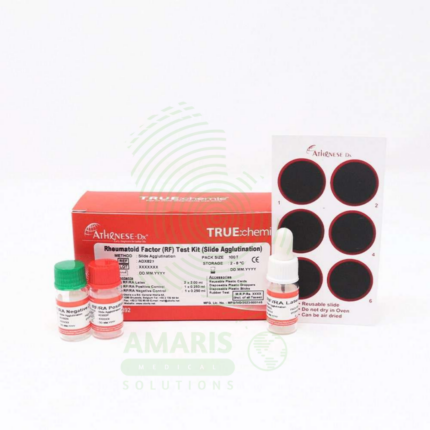
Rheumatoid factor
Rheumatoid Factor (RF) testing is a quantitative or semi-quantitative serological assay (nephelometry, turbidimetry, latex agglutination, or ELISA) for detecting autoantibodies against the Fc portion of immunoglobulin G, primarily of the IgM isotype. RF is a key marker in the ACR/EULAR classification criteria for rheumatoid arthritis, with sensitivity 60-80% and specificity 70-90%. Test requires serum samples; results reported in IU/mL (reference <15-20 IU/mL) or titer. Primary clinical applications include diagnosis and classification of rheumatoid arthritis, prognostic assessment (high-titer RF correlates with severe, erosive disease), differential diagnosis of inflammatory arthritis, monitoring disease activity, diagnosis of Sjögren's syndrome, evaluation of mixed cryoglobulinemia (hepatitis C-associated), and assessment of other autoimmune and chronic inflammatory conditions. Critical safety precautions include awareness of false positives (other autoimmune diseases, chronic infections, healthy elderly), false negatives (seronegative RA 20-30%), need for clinical correlation, and anti-CCP antibody testing to improve diagnostic accuracy. Essential test for rheumatology practice, autoimmune disease evaluation, and differential diagnosis of inflammatory arthritis.