Dermatoscope and Magnifiers
 Diagnostic Kits
 Vital Signs Monitors
 Stethoscopes and Accessories
 Otoscopes, Ophthalmoscopes, and Retinoscopes
 Reflex Hammers and Neurological Tools
 Scales and Measuring Devices
 Spirometers and Pulmonary Function Tests
 Electrosurgical Units and Accessories
 Cutting Instruments
 Grasping and Holding Instruments
 Hemostatic Instruments
 Specialized Surgical Sets
 Single-Use Procedure Trays and Packs
 Surgical Drapes, Gowns, and Covers
 Tissue Unifying Instruments
 Radiation Protection
 X-Ray Machines and Accessories
 Ultrasound Systems and Probes
 MRI and CT Scanners
 Radiology Consumables
 Bone Densitometers
 Fluoroscopy Equipment
 Imaging Tables and Positioning Aids
 Microscopes and Accessories
 Centrifuges and Separators
 Analyzers
 Incubators and Ovens
 Pipettes, Dispensers, and Lab Glassware
 Refrigerators, Freezers, and Storage Units
 Lab Consumables
 Sterilizers and Autoclaves for Lab Use
 Multi-Parameter Monitors
 Ventilators and Respiratory Support Devices
 Defibrillators and AEDs
 Infusion Pumps and IV Systems
 Patient Warmers and Cooling Devices
 Central Monitoring Stations
 Accessories
 Anesthesia Machines and Workstations
 Oxygen Concentrators and Delivery Systems
 Nebulizers and Inhalers
 CPAP/BiPAP Machines
 Airway Management
 Anesthesia Masks, Circuits, and Bags
 Humidifiers and Heaters
 Respiratory Therapy Accessories
 First Aid Kits and Cabinets
 Emergency Resuscitation Equipment
 Trauma Supplies
 Emergency Carts and Crash Carts
 Burn Care Products
 Bleeding Control
 Automated External Defibrillators (AEDs)
 Transport and Evacuation
 Wheelchairs and Accessories
 Walkers, Crutches, and Canes
 Prosthetics and Orthotics
 Physical Therapy Equipment
 Transfer Devices
 Bathroom Safety
 Orthopedic Traction and Tables
 Hot/Cold Therapy Packs and Units
 Beds and Mattresses
 Chairs and Stools
 Tables
 Cabinets and Storage
 Privacy Screens & Curtains
 Stands and Racks
 Linens and Textiles
 Lighting
 Autoclaves and Sterilizers
 Ultrasonic Cleaners
 Disinfectant Solutions and Wipes
 Sterilization Pouches, Wraps, and Indicators
 Instrument Trays and Containers
 UV and Ozone Disinfection Devices
 Washer Disinfectors
 Wound Care
 Gloves
 Masks and Respirators
 Catheters and Tubing
 Swabs, Applicators, and Sponges
 Incontinence Products
 Personal Protective Equipment (PPE)
 Dental Chairs and Units
 Handpieces and Burs
 Instruments
 Consumables
 Sterilization for Dental Use
 Orthodontic Supplies
 Endodontic Tools
 Slit Lamps and Tonometers
 Lensometers and Phoropters
 Ophthalmic Surgical Instruments
 Eyewear Frames and Lenses
 Contact Lens Supplies
 Vision Testing Charts and Devices
 Eye Care Consumables
 Laser Systems for Eye Care
 ENT Exam Chairs and Tables
 Endoscopes
 Audiometers and Hearing Tests
 ENT Instruments
 Nasal and Throat Packs
 Hearing Aids and Accessories
 Otology Supplies
 Fetal Dopplers and Monitors
 Delivery Beds and Tables
 Gynecological Instruments
 Neonatal Incubators and Warmers
 Breast Pumps and Accessories
 Contraceptive Devices
 Maternity Supports and Pads
 Neonatal Consumables
 Cystoscopes and Urethroscopes
 Dialysis Machines and Supplies
 Urological Catheters and Bags
 Lithotripters
 Prostate Treatment Devices
 Urinary Incontinence Products
 Kidney Stone Management Tools
 Consumables & Disposables
 EEG and EMG Machines
 Neurosurgical Instruments
 Nerve Stimulators
 Headrests and Positioning Aids
 Lumbar Puncture Kits
 Seizure Monitoring Devices
 Consumables
 Rehabilitation for Neurological Conditions
 ECG Machines and Accessories
 Holter Monitors
 Stress Test Systems
 Pacemakers and Defibrillator Accessories
 Vascular Access Devices
 Cardiac Catheters and Guidewires
 Blood Flow Meters
 Consumables
 Orthopedic Instruments
 Casts, Splints, and Padding
 Joint Replacement Supplies
 Prosthetic Limbs and Components
 Bone Grafts and Substitutes
 Traction Devices
 Orthopedic Braces and Supports
 Rehabilitation Aids for Orthopedics
 Home Oxygen Therapy
 Hospital Beds for Home Use
 Mobility Aids
 Bathroom and Daily Living Aids
 Wound Care for Home
 Monitoring Devices
 Enteral Feeding Pumps and Tubes
 Hand Sanitizers and Dispensers
 Face Shields and Goggles
 Isolation Gowns and Suits
 Biohazard Waste Containers
 Air Purifiers and HEPA Filters
 Surface Disinfectants
 Sharps Containers
 Protective Barriers
 Cardiovascular & Endurance Training
 Strength Training & Weightlifting
 Functional Training & Core Conditioning
 Physical Therapy & Rehabilitation
 Sports & Outdoor Recreation
 Gym Flooring & Facility Equipment
 Fitness Monitoring & Accessories
 Kids & Novelties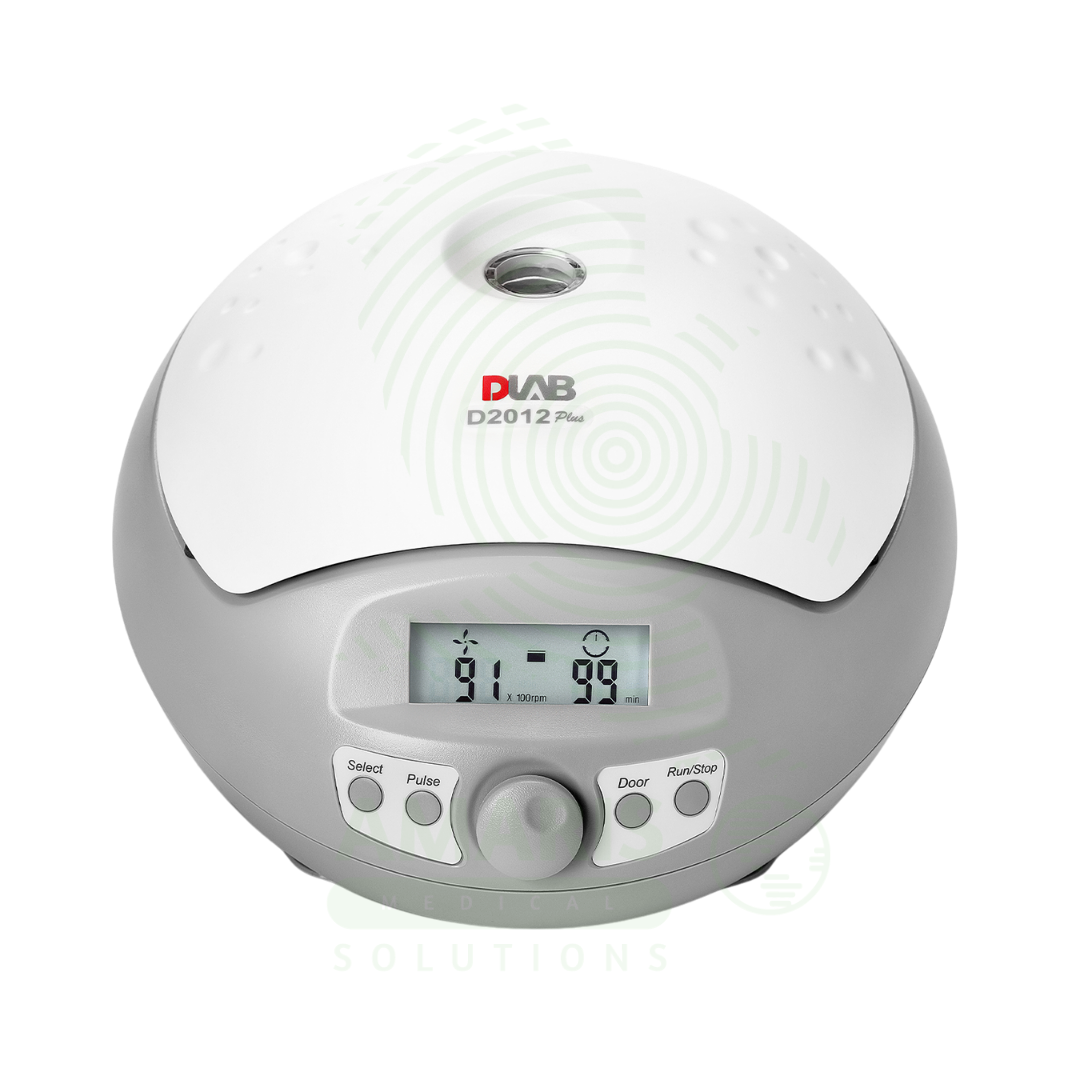

Plus High Speed Mini Centrifuge (D2012)
WhatsApp Order
The Plus High Speed Mini Centrifuge (D2012) is a compact benchtop centrifuge designed for rapid sample processing in clinical diagnostic, molecular biology, and research laboratories . Operating at speeds up to 15,000 rpm (15,100 × g) with a quiet brushless DC motor, this mini centrifuge supports 12-position rotor capacity for 0.2/0.5/1.5/2.0 mL microcentrifuge tubes with tool-free rotor exchange and adapter compatibility .
For the clinical laboratory scientist and medical technologist, the D2012 Plus facilitates serum and plasma separation for blood chemistry testing, coagulation studies, and lipid panels . It supports DNA/RNA extraction and purification for molecular diagnostics, PCR sample preparation (including 0.2 mL PCR tubes and 8-strip tubes), protein precipitation for biochemical assays, cell pelleting for culture processing, and urinalysis sample clarification .
The centrifuge features rapid acceleration (11 seconds) and deceleration (9 seconds) cycles, precise speed control with ±20 rpm accuracy, and programmable run times from 30 seconds to 99 minutes or continuous operation . The large LCD display provides real-time monitoring of speed, RCF, and run progress, with Speed/RCF switchover for user convenience . Pulsed (short-run) operation mode allows quick spin-downs for immediate sample processing needs .
Safety features include automatic lid lock, over-speed detection, over-temperature detection, rotor imbalance detection alarm, and auto internal diagnosis system . The D2012 Plus has passed rigorous EN61010-2-20 explosion-proof safety testing and holds CE, cTUVus, and FCC safety certifications . The cast iron chassis with low center of gravity and four vacuum suction feet ensures stable, reliable operation during high-speed centrifugation .
With a compact footprint (255 × 245 × 140 mm) and lightweight (6 kg) design, the D2012 Plus provides versatile, consistent performance for routine laboratory workflows supporting patient diagnosis and treatment monitoring .
Description
Plus High Speed Mini Centrifuge (D2012)
PRIMARY CLINICAL & DIAGNOSTIC USES
1. High-Speed Blood Component Separation for Clinical Diagnostics
-
Primary Use: Provides a compact high-speed mini centrifuge that spins at up to 15,000 rpm (15,100 × g) to rapidly separate whole blood into serum, plasma, and cellular components for diagnostic laboratory analysis .
-
How it helps: For the medical technologist and clinical laboratory scientist, the D2012 Plus enables rapid processing of up to twelve 2mL blood samples simultaneously—reducing turnaround time for critical test results such as blood chemistry panels, lipid profiles, and coagulation studies. For the patient, faster sample processing means receiving diagnostic results more quickly, enabling earlier diagnosis and treatment initiation.
2. PCR and Molecular Diagnostics Sample Preparation
-
Primary Use: Accommodates 0.2mL PCR tubes, 0.5mL tubes, and 1.5/2.0mL microcentrifuge tubes, enabling rapid spin-down of samples before polymerase chain reaction amplification for infectious disease testing .
-
How it helps: For the molecular biologist and clinical laboratory scientist, the D2012 Plus’s rapid acceleration (11 seconds) and deceleration (9 seconds) cycles ensure that samples are properly mixed and free from air bubbles before thermal cycling—improving PCR efficiency and reducing variability. For the patient undergoing molecular testing for COVID-19, influenza, hepatitis, or other infectious diseases, reliable PCR sample preparation contributes to accurate diagnostic results that guide treatment decisions .
3. Microfiltration and Cell Separation
-
Primary Use: Generates sufficient centrifugal force (up to 15,100 × g) to pellet cells, bacteria, and cellular debris from biological fluids and culture media for downstream analysis .
-
How it helps: For the clinical microbiologist and cell biologist, the D2012 Plus enables efficient cell harvesting for protein extraction, DNA isolation, and cell-based assays—improving yield and purity of biological samples. For the patient, efficient cell processing supports diagnostic testing for bacterial infections, cytological examination, and immunological disorders.
4. Urinalysis and Body Fluid Sample Clarification
-
Primary Use: Facilitates rapid spin-down and microfiltration of urine, cerebrospinal fluid, and other body fluid samples to remove cellular debris and particulates before microscopic examination or chemical analysis .
-
How it helps: For the clinical laboratory scientist, the centrifuge’s precise speed control (±20 rpm accuracy) and programmable timer (30 seconds to 99 minutes) ensure consistent sample quality for diagnostic testing—improving workflow efficiency and reducing repeat specimen collection. For the patient, proper sample clarification leads to more accurate test results and confident clinical decision-making .
SECONDARY & SUPPORTIVE USES
1. Nucleic Acid Extraction and Purification: Used in DNA and RNA extraction protocols for spin column-based purification in molecular diagnostics workflows .
2. Protein Precipitation and Biochemical Assays: Used for antibody and protein precipitate separation, enzymatic test preparation, and protein purification workflows .
3. Plasmid Mini-Prep Preparation: Supports quick spin-downs during mini-prep plasmid isolation procedures for cloning and sequencing experiments.
4. Therapeutic Drug Monitoring: Used for plasma and serum preparation for therapeutic drug level monitoring and toxicology screening .
5. Lipoprotein and Lipid Panel Analysis: Supports sample preparation for lipid profiling and cholesterol fractionation in clinical chemistry.
6. Coagulation Testing Preparation: Used for platelet-poor plasma preparation for coagulation studies and clotting factor analysis.
7. Pelleting Bacterial Cultures: Used for pelleting bacterial cells and cell suspensions for protein extraction, DNA isolation, and cell harvesting procedures .
8. Removing Cell Debris from Homogenates: Used to clarify lysates and remove cellular debris from tissue homogenates for downstream analysis.
9. Research and Academic Laboratories: Used in university and research laboratory settings for routine centrifugation needs in molecular biology and biochemistry workflows .
10. Veterinary Diagnostic Laboratory: Supports sample processing for animal health testing and veterinary diagnostics.
11. Pharmaceutical Quality Control: Used in pharmaceutical QC laboratories for sample preparation and product testing .
12. Blood Bank and Transfusion Medicine: Supports blood component separation and preparation for compatibility testing.
KEY PRODUCT FEATURES
1. BASIC IDENTIFICATION ATTRIBUTES
-
Device Type: A compact benchtop high-speed mini centrifuge with brushless DC motor, designed for rapid sample processing in clinical diagnostic, molecular biology, and research laboratories .
-
Designation: D2012 Plus High Speed Mini Centrifuge, D2012 Plus Centrifuge, High Speed Mini Centrifuge, Benchtop Microcentrifuge, Clinical Centrifuge, DLAB D2012 Plus .
-
Key Components:
-
Rotor A12-2P: 12-position fixed-angle plastic rotor for 0.2/0.5/1.5/2.0 mL tubes .
-
Rotor Adapters: 0.2mL and 0.5mL tube adapters for multi-format compatibility .
-
Optional PCR Rotor: Dedicated rotor for 0.2mL PCR tubes and 8-strip PCR tubes .
-
Motor: Brushless DC motor (maintenance-free, quiet operation) .
-
Drive System: Microprocessor-controlled for precision speed regulation .
-
2. TECHNICAL & PERFORMANCE PROPERTIES
-
Maximum Speed: 15,000 rpm (500-15,000 rpm, step: 100 rpm) .
-
Maximum RCF (Relative Centrifugal Force): 15,100 × g, step: 100 × g .
-
Speed Accuracy: ±20 rpm .
-
Rotor Capacity: 12 × 1.5/2.0 mL tubes (with 0.2mL and 0.5mL adapters) .
-
Run Time: 30 seconds to 99 minutes; HOLD (continuous running) .
-
Acceleration Time: 11 seconds to full speed .
-
Deceleration Time: 9 seconds to full stop .
-
Motor Type: Brushless DC motor .
-
Noise Level: ≤ 54 dB .
-
Power Requirements: AC 100-240V, 50/60Hz, 100W .
-
Dimensions (L × W × H): 255 × 245 × 140 mm .
-
Weight: 6 kg .
-
Safety Certifications: CE, cTUVus, FCC certified; passed rigorous explosion-proof testing per EN61010-2-20 .
3. PHYSICAL & OPERATIONAL PROPERTIES
-
Construction: Cast iron chassis with four vacuum suction feet for low center of gravity and stable operation .
-
Body Material: Die-cast aluminium with powder-coated finish .
-
Rotor Material: High-strength plastic rotor with chemical resistance .
-
Control: Large LCD display with user-friendly interface .
-
Display Features: Speed/RCF switchover function; real-time speed and RCF display; run progress indicator .
-
Operation Modes: Continuous run mode; pulsed (short-run) mode with programmable maximum speed .
-
Safety Features: Automatic lid lock; over-speed detection; over-temperature detection; rotor imbalance detection alarm; auto internal diagnosis system .
-
Audio Indicators: Sound alert at run completion; error code display .
-
Emergency Release: Emergency lid lock release for power failure situations .
4. SAFETY & COMPLIANCE ATTRIBUTES
-
Regulatory Status: Class II medical device meeting international safety standards .
-
Safety Certifications: CE certified; cTUVus certified; FCC certified .
-
Special Safety Certification: Passed rigorous EN61010-2-20 explosion-proof testing for centrifuge safety .
-
Construction Safety: Cast iron chassis with low center of gravity; four vacuum suction feet for enhanced stability .
-
Electrical Safety: Wide voltage tolerance (100-240V) with voltage fluctuation resistance; over-temperature protection .
-
Safety Features: Lid interlock system; rotor imbalance detection; over-speed detection; auto internal diagnosis .
5. STORAGE & HANDLING ATTRIBUTES
-
Storage: Store on clean, dry benchtop; ensure adequate clearance for ventilation.
-
Cleaning: Wipe exterior with soft, damp cloth; use mild detergent if needed.
-
Rotor Maintenance: Remove and clean rotors with mild detergent; dry thoroughly before reinstallation. Rotor is autoclavable at 121°C .
-
Inspection: Inspect rotors for cracks or damage before each use; replace if compromised.
-
Power Cord: Inspect power cord for damage before each use.
-
Calibration: Manual calibration capability .
6. LABORATORY & CLINICAL APPLICATIONS
-
Primary Application: High-speed sample processing for blood chemistry, PCR preparation, nucleic acid extraction, protein analysis, and cell separation in clinical diagnostic and research laboratories .
-
Clinical Role: Essential sample preparation equipment in clinical diagnostic laboratories, hospital laboratories, molecular diagnostics labs, blood banks, research laboratories, and physician office laboratories .
SAFETY HANDLING PRECAUTIONS
1. SAFETY PRECAUTIONS
-
Rotor Balancing: Ensure rotor is balanced with tubes of equal weight; imbalance may cause excessive vibration and trigger automatic shutdown .
-
Lid Security: Ensure lid is securely closed before operation; automatic lid lock prevents operation with open lid .
-
Rotor Inspection: Inspect rotors for cracks or damage before each use; do not use damaged rotors .
-
Tube Compatibility: Use only tubes rated for centrifugation at high speeds (up to 15,100 × g).
-
Rotor Loading: Load tubes symmetrically; never run rotor with unbalanced loads.
-
Cleaning: Clean spills immediately; disinfect if biological materials are involved.
-
Placement: Place on stable, level surface; ensure adequate ventilation around the instrument.
-
Training: Only trained laboratory personnel should operate the centrifuge.
2. FIRST AID MEASURES
-
Tube Breakage: If tube breaks during operation, stop centrifuge immediately, allow rotor to stop fully, carefully remove fragments using forceps, disinfect rotor and chamber.
-
Sample Splash: If biological sample splashes, disinfect area immediately with appropriate disinfectant.
-
Imbalance Shutdown: If imbalance shutdown occurs, rebalance rotor equally, restart centrifuge.
-
Power Failure: If power fails during operation, use emergency lid lock release to access samples .
3. FIRE FIGHTING MEASURES
-
Flammability: Plastic components are combustible; electrical components present fire risk.
-
Extinguishing Media: Use carbon dioxide or dry chemical extinguisher for electrical fires.
-
Fire Response: Unplug centrifuge immediately; do not use water on electrical fire.
Related products
Applicator Sticks
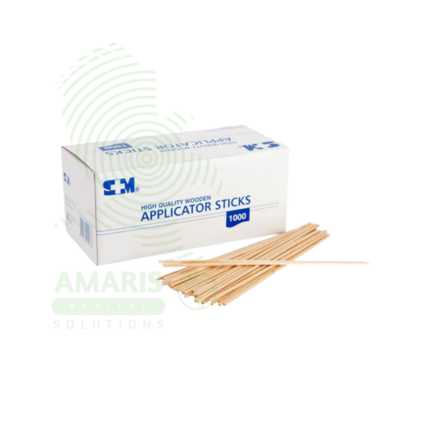
Applicator Sticks are single-use medical devices with absorbent tips (cotton, rayon, flocked polyester) on wood, plastic, or paper shafts for collecting clinical specimens (throat, nasal, wound, cervical, urethral, rectal) for microbiological culture, rapid testing, and molecular diagnostics. Sterile individually wrapped or non-sterile bulk formats. Flocked swabs provide >90% specimen release for PCR testing. Primary applications include specimen collection for infection diagnosis, wound care and antiseptic application, gynecological sampling (Pap smears, STI testing), eye/ear specimen collection, laboratory slide preparation, and forensic evidence collection. Critical precautions include single-use only, sterile technique, proper collection method, and biohazard disposal. Essential consumable in all clinical settings.
Blood Grouping kit
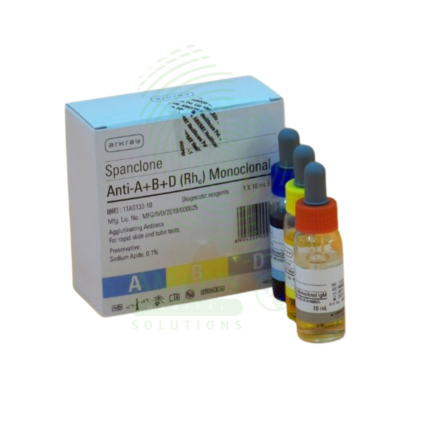
A Blood Grouping Kit is a Class II medical device (FDA-cleared/CE-marked) containing monoclonal antibodies (Anti-A, Anti-B, Anti-D) and control reagents for determining ABO blood group and Rh factor by agglutination method. The kit includes color-coded reagent vials, reaction cards or slides, mixing sticks, lancets, and capillary pipettes. Test time 2-5 minutes (slide method) or 15-30 minutes (tube method). Interpretation based on agglutination pattern: Anti-A positive = group A; Anti-B positive = group B; both positive = group AB; both negative = group O; Anti-D positive = Rh positive; Anti-D negative = Rh negative. Primary clinical applications include pre-transfusion compatibility testing, prenatal and neonatal testing (Rh incompatibility prevention), preoperative blood typing, blood donor screening, and emergency blood typing. Critical safety precautions include refrigerated storage (2-8°C), proper disposal of lancets in sharps containers, universal precautions for blood samples, and confirmation with reverse typing when possible. Essential kit for transfusion medicine, obstetrics, surgery, and emergency care.
Centrifuge Tubes
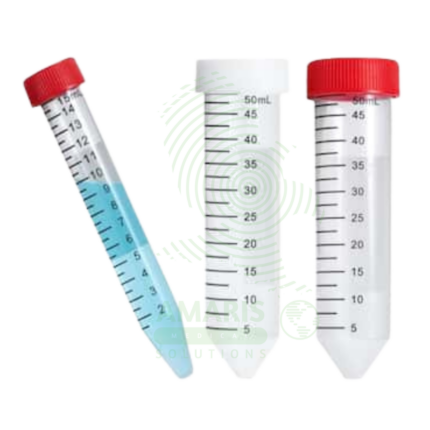
Centrifuge Tubes are specialized disposable containers (polypropylene) designed to withstand high centrifugal forces (up to 30,000 x g) for separating biological fluids based on density. Available in microcentrifuge sizes (0.2-2.0 mL), conical tubes (15 mL, 50 mL), and larger volumes (100-500 mL). Features include leak-proof screw caps with O-rings (conical tubes), snap caps (microcentrifuge tubes), graduated volume markings, writing areas, and sterile/non-sterile options. Certified RNase/DNase-free, pyrogen-free, and autoclavable. Primary clinical applications include blood component separation (serum/plasma), urine sediment preparation, microbiology sample concentration, molecular biology (DNA/RNA extraction), cell culture processing, protein/enzyme analysis, and viral load testing. Critical safety precautions include never exceeding maximum RCF rating, proper balancing by weight, secure cap tightening, inspection for cracks, and disposal as biohazardous waste. Essential consumable in every clinical, research, and industrial laboratory.
ESR Tubes Glass
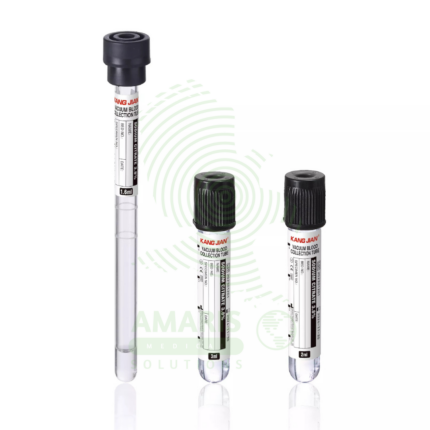
ESR Tubes Glass are specialized glass tubes (300 mm length, 2.55 mm bore diameter, graduated 0-200 mm in 1 mm intervals) meeting ICSH and CLSI Westergren specifications for measuring erythrocyte sedimentation rate, a non-specific marker of inflammation. Used with citrated or diluted EDTA blood, filled to exactly 200 mm, placed vertically in Westergren stand, and read at 60 minutes. Primary clinical applications include determination of ESR for diagnosing and monitoring inflammatory conditions (infections, autoimmune disorders, malignancies), monitoring disease activity in rheumatoid arthritis, assessment of temporal arteritis and polymyalgia rheumatica, evaluation of infection and inflammatory response, screening for occult inflammatory conditions, and monitoring chronic inflammatory diseases (SLE, IBD, vasculitis). Critical safety precautions include handling glass tubes carefully to avoid breakage (sharps hazard), proper disposal in sharps containers as biohazardous waste, ensuring vertical alignment and constant temperature (18-25°C), reading at exactly 60 minutes, and avoiding air bubbles and vibration. Essential consumable for reference Westergren ESR testing in clinical laboratories.
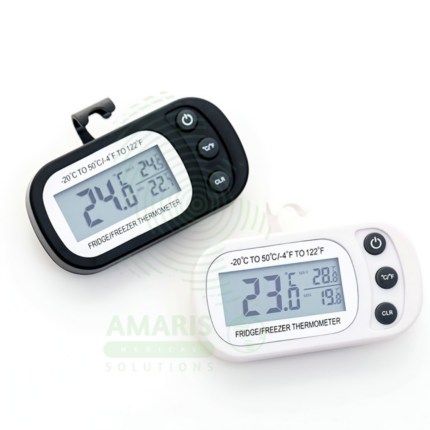
Fridge Thermometer
A Fridge Thermometer is a precision temperature monitoring device designed for continuous use inside medical and laboratory refrigerators and freezers. Its primary role is to safeguard the potency of vaccines, medications, and biological samples by ensuring storage temperatures remain within a critical specified range (e.g., +2°C to +8°C). Available in analog or digital formats, accurate models with memory functions are essential for compliance with cold chain protocols, requiring daily monitoring, logging, and regular calibration. It is a fundamental quality control tool in pharmacies, clinics, immunization centers, and laboratories.
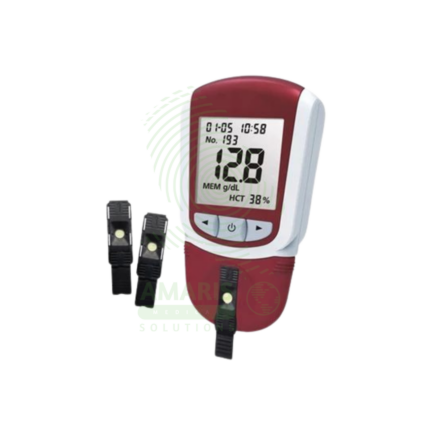
Mission Plus HB Machine
The Mission Plus HB Machine is a portable, battery-operated hemoglobin meter (Class II medical device, FDA-cleared/CE-marked) using photometric technology to measure hemoglobin concentration in capillary or venous blood within 5-15 seconds. Features include backlit LCD display, memory storage for 100-500 results, simple one-button operation, and disposable single-use cuvettes (5-20 µL sample volume). Accuracy ±0.3 g/dL compared to reference methods, measurement range 4-24 g/dL. Primary clinical applications include rapid anemia screening in outpatient clinics, preoperative assessment, antenatal care and maternal health monitoring, malaria-endemic region screening, chronic disease management (CKD, IBD, cancer), nutritional assessment and intervention programs, and blood donor screening. Critical safety precautions include single-use lancets, proper hand hygiene, correct sample application, quality control with control solutions, proper cuvette storage (protect from heat, light, humidity), and never using expired cuvettes. Essential point-of-care device for hemoglobin testing in diverse healthcare settings.
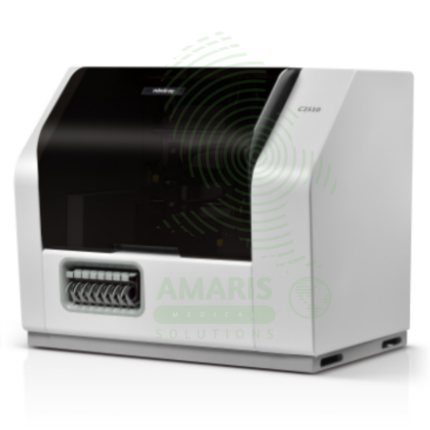
PRECIL Series
The PRECIL Series, originally developed by Beijing Precil and now associated with Mindray, comprises specialized coagulation analyzers and hemorheology analyzers for clinical laboratory testing. Coagulation analyzers measure PT, APTT, fibrinogen, TT, D-dimer, factor assays, and thrombophilia markers for diagnosing bleeding disorders, monitoring anticoagulant therapy, and assessing liver function. Hemorheology analyzers measure whole blood viscosity, plasma viscosity, erythrocyte aggregation, and deformability for evaluating hyperviscosity syndromes, sickle cell disease, diabetes, and cardiovascular disorders. The series includes specialized cleaning solutions and reagents (such as PLS cleaner) for maintaining analyzer performance and ensuring accurate results. Features include automated sample processing, color touchscreen interface, LIS connectivity, and comprehensive quality control programs. Primary clinical applications include coagulation testing for preoperative assessment, anticoagulant monitoring, DIC diagnosis, thrombophilia workup, and hemorheology assessment for conditions affecting blood flow. Essential laboratory instrumentation for hematology, coagulation, and specialized testing in hospital laboratories, reference laboratories, and research facilities.