Dermatoscope and Magnifiers
 Diagnostic Kits
 Vital Signs Monitors
 Stethoscopes and Accessories
 Otoscopes, Ophthalmoscopes, and Retinoscopes
 Reflex Hammers and Neurological Tools
 Scales and Measuring Devices
 Spirometers and Pulmonary Function Tests
 Electrosurgical Units and Accessories
 Cutting Instruments
 Grasping and Holding Instruments
 Hemostatic Instruments
 Specialized Surgical Sets
 Single-Use Procedure Trays and Packs
 Surgical Drapes, Gowns, and Covers
 Tissue Unifying Instruments
 Radiation Protection
 X-Ray Machines and Accessories
 Ultrasound Systems and Probes
 MRI and CT Scanners
 Radiology Consumables
 Bone Densitometers
 Fluoroscopy Equipment
 Imaging Tables and Positioning Aids
 Microscopes and Accessories
 Centrifuges and Separators
 Analyzers
 Incubators and Ovens
 Pipettes, Dispensers, and Lab Glassware
 Refrigerators, Freezers, and Storage Units
 Lab Consumables
 Sterilizers and Autoclaves for Lab Use
 Multi-Parameter Monitors
 Ventilators and Respiratory Support Devices
 Defibrillators and AEDs
 Infusion Pumps and IV Systems
 Patient Warmers and Cooling Devices
 Central Monitoring Stations
 Accessories
 Anesthesia Machines and Workstations
 Oxygen Concentrators and Delivery Systems
 Nebulizers and Inhalers
 CPAP/BiPAP Machines
 Airway Management
 Anesthesia Masks, Circuits, and Bags
 Humidifiers and Heaters
 Respiratory Therapy Accessories
 First Aid Kits and Cabinets
 Emergency Resuscitation Equipment
 Trauma Supplies
 Emergency Carts and Crash Carts
 Burn Care Products
 Bleeding Control
 Automated External Defibrillators (AEDs)
 Transport and Evacuation
 Wheelchairs and Accessories
 Walkers, Crutches, and Canes
 Prosthetics and Orthotics
 Physical Therapy Equipment
 Transfer Devices
 Bathroom Safety
 Orthopedic Traction and Tables
 Hot/Cold Therapy Packs and Units
 Beds and Mattresses
 Chairs and Stools
 Tables
 Cabinets and Storage
 Privacy Screens & Curtains
 Stands and Racks
 Linens and Textiles
 Lighting
 Autoclaves and Sterilizers
 Ultrasonic Cleaners
 Disinfectant Solutions and Wipes
 Sterilization Pouches, Wraps, and Indicators
 Instrument Trays and Containers
 UV and Ozone Disinfection Devices
 Washer Disinfectors
 Wound Care
 Gloves
 Masks and Respirators
 Catheters and Tubing
 Swabs, Applicators, and Sponges
 Incontinence Products
 Personal Protective Equipment (PPE)
 Dental Chairs and Units
 Handpieces and Burs
 Instruments
 Consumables
 Sterilization for Dental Use
 Orthodontic Supplies
 Endodontic Tools
 Slit Lamps and Tonometers
 Lensometers and Phoropters
 Ophthalmic Surgical Instruments
 Eyewear Frames and Lenses
 Contact Lens Supplies
 Vision Testing Charts and Devices
 Eye Care Consumables
 Laser Systems for Eye Care
 ENT Exam Chairs and Tables
 Endoscopes
 Audiometers and Hearing Tests
 ENT Instruments
 Nasal and Throat Packs
 Hearing Aids and Accessories
 Otology Supplies
 Fetal Dopplers and Monitors
 Delivery Beds and Tables
 Gynecological Instruments
 Neonatal Incubators and Warmers
 Breast Pumps and Accessories
 Contraceptive Devices
 Maternity Supports and Pads
 Neonatal Consumables
 Cystoscopes and Urethroscopes
 Dialysis Machines and Supplies
 Urological Catheters and Bags
 Lithotripters
 Prostate Treatment Devices
 Urinary Incontinence Products
 Kidney Stone Management Tools
 Consumables & Disposables
 EEG and EMG Machines
 Neurosurgical Instruments
 Nerve Stimulators
 Headrests and Positioning Aids
 Lumbar Puncture Kits
 Seizure Monitoring Devices
 Consumables
 Rehabilitation for Neurological Conditions
 ECG Machines and Accessories
 Holter Monitors
 Stress Test Systems
 Pacemakers and Defibrillator Accessories
 Vascular Access Devices
 Cardiac Catheters and Guidewires
 Blood Flow Meters
 Consumables
 Orthopedic Instruments
 Casts, Splints, and Padding
 Joint Replacement Supplies
 Prosthetic Limbs and Components
 Bone Grafts and Substitutes
 Traction Devices
 Orthopedic Braces and Supports
 Rehabilitation Aids for Orthopedics
 Home Oxygen Therapy
 Hospital Beds for Home Use
 Mobility Aids
 Bathroom and Daily Living Aids
 Wound Care for Home
 Monitoring Devices
 Enteral Feeding Pumps and Tubes
 Hand Sanitizers and Dispensers
 Face Shields and Goggles
 Isolation Gowns and Suits
 Biohazard Waste Containers
 Air Purifiers and HEPA Filters
 Surface Disinfectants
 Sharps Containers
 Protective Barriers
 Cardiovascular & Endurance Training
 Strength Training & Weightlifting
 Functional Training & Core Conditioning
 Physical Therapy & Rehabilitation
 Sports & Outdoor Recreation
 Gym Flooring & Facility Equipment
 Fitness Monitoring & Accessories
 Kids & Novelties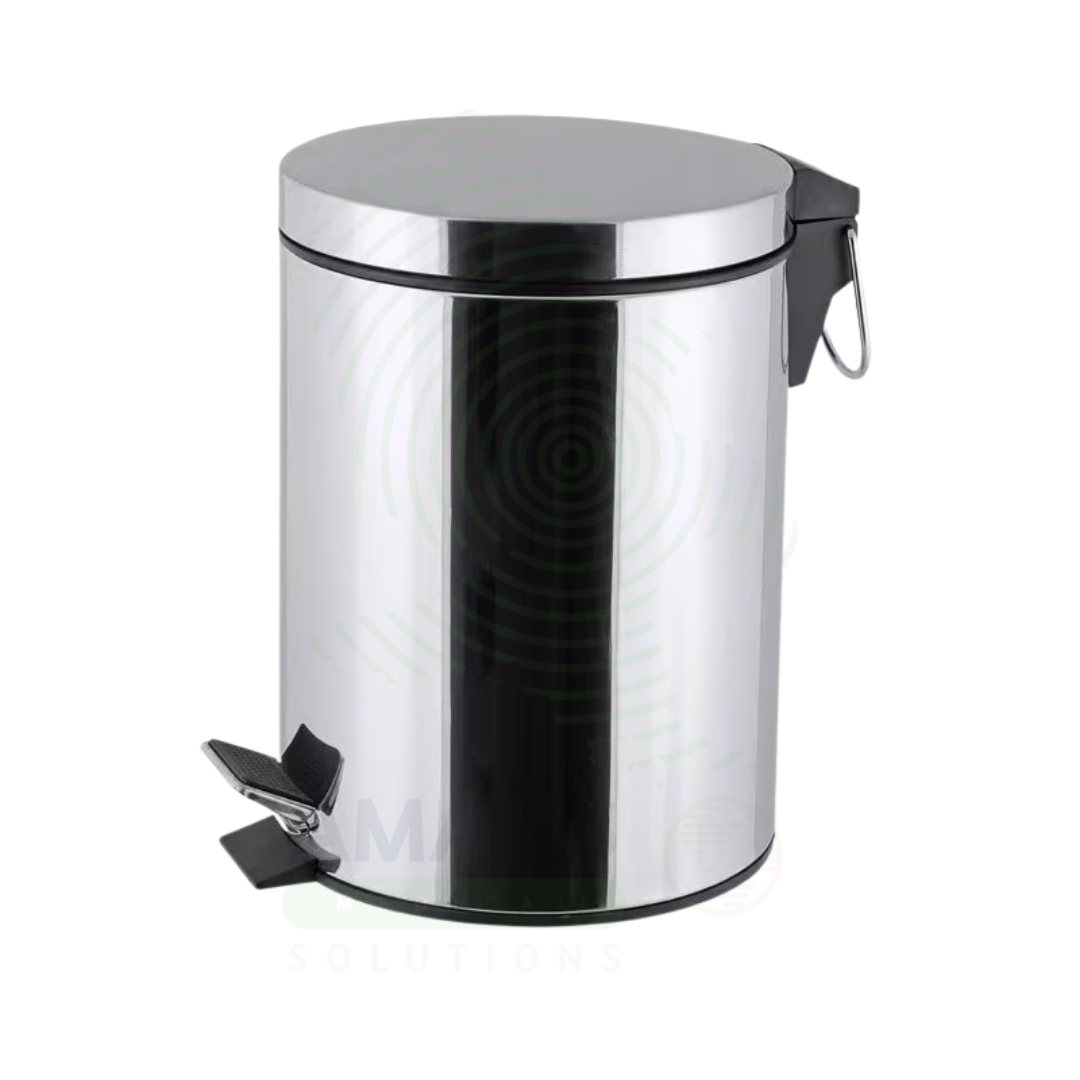
Stainless Steel Pedal Bin
$1.00
WhatsApp Order
Stainless Steel Pedal Bins are foot-operated, hands-free waste containers designed for safe, hygienic disposal of clinical and general waste in healthcare settings, particularly where durability, corrosion resistance, and fire safety are critical. Manufactured from medical-grade 304 or 316 stainless steel with a brushed or satin finish, these bins feature a foot pedal mechanism that opens the lid without hand contact—reducing cross-contamination and supporting hand hygiene compliance. The non-porous stainless steel surface resists corrosion from cleaning chemicals and bodily fluids, does not harbor bacteria, and withstands aggressive disinfection protocols. Non-combustible construction makes these bins suitable for high-risk areas including operating rooms, oxygen-rich environments, and areas where flammable materials are present. Available in various capacities from 5 liters to 80 liters with color-coded lids, bands, or decals (yellow for clinical infectious waste, purple for cytotoxic waste, black for general waste, blue for recycling), stainless steel pedal bins enable visual segregation of waste streams. For the healthcare worker, these bins provide durable, reliable hands-free disposal that maintains hand hygiene. For the patient, stainless steel pedal bins offer a clean, hygienic, fire-safe waste disposal solution that supports infection prevention and environmental safety in healthcare facilities.
Description
Stainless Steel Pedal Bin
PRIMARY CLINICAL & DIAGNOSTIC USES
1. Hands-Free Disposal of Clinical Waste
-
Primary Use: Provides a foot-operated pedal mechanism that opens the bin lid without requiring hand contact, enabling hands-free disposal of contaminated clinical waste and reducing cross-contamination risk.
-
How it helps: For the nurse, physician, and healthcare worker, the foot pedal allows disposal of soiled dressings, gloves, and other clinical waste without touching the bin lid—maintaining hand hygiene and preventing recontamination of clean hands. For the patient, hands-free waste disposal reduces the risk of healthcare workers transferring pathogens from bin lids to patients during subsequent care.
2. Durable, Non-Corrosive Construction for Clinical Environments
-
Primary Use: Manufactured from medical-grade stainless steel (typically 304 or 316 grade) that resists corrosion from cleaning chemicals, bodily fluids, and harsh disinfectants used in healthcare settings.
-
How it helps: For the environmental services worker and facility manager, stainless steel construction withstands repeated cleaning with hospital-grade disinfectants without rusting, pitting, or degrading—ensuring long-term durability and maintaining a hygienic surface. For the patient, durable, corrosion-resistant bins maintain a clean appearance and hygienic condition throughout their lifespan, supporting overall infection prevention efforts.
3. Superior Infection Control Through Non-Porous Surface
-
Primary Use: Features a smooth, non-porous stainless steel surface that does not harbor bacteria, is easy to clean, and can withstand aggressive disinfection protocols.
-
How it helps: For the infection control practitioner, the non-porous surface of stainless steel prevents microbial colonization and biofilm formation—reducing the risk of pathogen transmission from waste containers to healthcare workers and patients. For the patient, a cleanable, non-porous bin surface in patient rooms and clinical areas reduces the environmental reservoir of healthcare-associated pathogens.
4. Fire Resistance for High-Risk Clinical Areas
-
Primary Use: Stainless steel construction is non-combustible and fire-resistant, making it suitable for placement in oxygen-rich environments, operating rooms, and other high-risk clinical areas.
-
How it helps: For the facility safety officer and operating room manager, stainless steel pedal bins eliminate the fire risk associated with plastic bins in environments where flammable materials (alcohol-based sanitizers, oxygen, cautery equipment) are present. For the patient, fire-resistant waste containers reduce the risk of fire-related injuries during surgical procedures and oxygen therapy.
5. Segregation of Different Waste Streams
-
Primary Use: Available with color-coded lids, decals, or bands (yellow, red, orange, black, blue, purple) enabling visual segregation of different waste categories including clinical infectious waste, pharmaceutical waste, and general waste.
-
How it helps: For the infection control practitioner and environmental services team, color-coded stainless steel bins provide a durable, professional-looking visual system for waste segregation—ensuring that different waste types are disposed of in appropriate containers for correct treatment and disposal. For the patient and community, proper waste segregation ensures that infectious waste receives appropriate treatment (incineration, autoclaving) before disposal, reducing environmental and public health risks.
SECONDARY & SUPPORTIVE USES
1. General Waste Collection in Patient Rooms: Used for disposal of non-infectious general waste such as food wrappers, paper, and patient hygiene products.
2. Clinical Waste Collection in Treatment Rooms: Used for disposal of contaminated gloves, gauze, dressings, and other clinical waste in procedure and treatment areas.
3. Operating Room Waste: Used in operating rooms for disposal of contaminated waste during surgical procedures, where fire resistance is critical.
4. Pharmaceutical Waste Disposal: Color-coded bins (typically purple or blue lids) used for disposal of expired or unused medications.
5. Cytotoxic Waste Disposal: Bins with purple lids and cytotoxic labeling used for disposal of chemotherapy-contaminated waste.
6. Recycling Collection: Blue or green decaled bins used for collection of recyclable materials in healthcare facilities.
7. Bathroom and Restroom Waste: Used for disposal of paper towels, sanitary products, and other bathroom waste in patient and public restrooms.
8. Laboratory Waste Collection: Used for disposal of non-sharp laboratory waste including gloves, wrappers, and disposable labware.
9. Dental Clinic Waste: Used for disposal of contaminated dental waste including gloves, masks, and disposable materials.
10. Staff Breakroom Waste: Used for general waste disposal in staff breakrooms, cafeterias, and kitchen areas.
11. Office and Administrative Areas: Used for general waste collection in administrative offices and waiting areas.
12. Autopsy and Pathology Suites: Used for disposal of contaminated waste in autopsy and pathology departments where chemical resistance is important.
KEY PRODUCT FEATURES
1. BASIC IDENTIFICATION ATTRIBUTES
-
Device Type: A foot-operated, hands-free waste container made of stainless steel, designed for safe, hygienic disposal of clinical and general waste in healthcare settings.
-
Designation: Stainless Steel Pedal Bin, Medical Grade Pedal Bin, Surgical Pedal Bin, Clinical Waste Bin, Hands-Free Waste Bin, Foot Pedal Bin, Step Bin, Operating Room Waste Bin.
-
Key Components:
o Bin Body: Stainless steel container (304 or 316 grade).
o Pedal Mechanism: Stainless steel or reinforced metal foot pedal.
o Lid: Stainless steel hinged lid.
o Inner Bucket: Removable stainless steel or plastic inner bucket.
o Color Coding: Color-coded lid, band, or decal for waste segregation.
2. TECHNICAL & PERFORMANCE PROPERTIES
-
Material: 304 or 316 medical-grade stainless steel.
-
Capacity: Available in sizes from 5 liters to 80 liters.
-
Color Coding Options: Yellow (clinical infectious waste), Red (highly infectious), Orange (clinical waste for incineration), Purple (cytotoxic waste), Blue (pharmaceutical or recycling), Black (general waste), Green (recycling).
-
Pedal Mechanism: Heavy-duty stainless steel foot pedal with smooth, quiet operation.
-
Lid Mechanism: Slow-closing lid to reduce noise, aerosolization, and finger trap risk.
-
Finish: Brushed or satin finish to reduce visible fingerprints and scratches.
-
Fire Rating: Non-combustible; Class A fire rating.
-
Latex-Free: Manufactured without natural rubber latex.
3. PHYSICAL & OPERATIONAL PROPERTIES
-
Construction: Seamless or welded construction with smooth, polished edges.
-
Inner Bucket: Removable inner bucket with handle for waste removal and cleaning.
-
Lid Seal: Tight-fitting lid to contain odors and prevent pest access.
-
Base Design: Non-slip rubber or silicone base for stability.
-
Mobility: Smaller bins are portable; larger bins may have lockable casters.
-
Labeling: Recessed or adhesive areas for waste identification labels.
-
Cleaning: Smooth stainless steel surface allows for disinfection with hospital-grade cleaners.
-
Corrosion Resistance: Resists rust, pitting, and corrosion from chemicals and bodily fluids.
4. SAFETY & COMPLIANCE ATTRIBUTES
-
Regulatory Status: Not a medical device; considered a waste management accessory or hospital furniture.
-
Fire Safety: Non-combustible stainless steel construction meets fire safety requirements for operating rooms and oxygen-rich environments.
-
Infection Control: Non-porous surface and smooth design support infection prevention and cleaning protocols.
-
Color Coding: Follows recommended color coding for healthcare waste segregation per CDC and WHO guidelines.
-
Latex-Free: Standard in stainless steel bins.
-
Food Contact Safe: Suitable for use in food preparation areas where applicable.
5. STORAGE & HANDLING ATTRIBUTES
-
Storage: Store in designated areas of healthcare facility; no special storage requirements.
-
Cleaning: Clean and disinfect exterior daily; clean interior when emptied or when visibly soiled using hospital-grade disinfectants.
-
Liner Compatibility: Use with appropriate plastic liners (bags) for waste containment.
-
Inspection: Inspect regularly for dents, scratches, pedal mechanism function, and lid seal integrity.
-
Lid Operation: Ensure pedal mechanism moves freely; lubricate stainless steel pivot points if needed.
-
Scratch Prevention: Avoid using abrasive cleaners or pads that may scratch the brushed finish.
6. LABORATORY & CLINICAL APPLICATIONS
-
Primary Application: Hands-free disposal of clinical waste, general waste, and segregated waste streams in healthcare settings, particularly where fire resistance and durability are required.
-
Clinical Role: Essential waste management product in operating rooms, intensive care units, emergency departments, patient rooms, treatment rooms, laboratories, dental practices, pharmacies, autopsy suites, and any healthcare setting requiring durable, cleanable, fire-resistant waste containers.
SAFETY HANDLING PRECAUTIONS
1. SAFETY PRECAUTIONS
-
Hands-Free Operation: Use foot pedal to open lid; avoid touching lid with hands to maintain hand hygiene.
-
Liner Use: Always use appropriate plastic liner (bag) inside the bin to contain waste and facilitate cleaning.
-
Do Not Overfill: Remove liner and dispose of waste when bin reaches two-thirds full to prevent spillage.
-
Proper Segregation: Use correct color-coded lid or decal for each waste type; do not mix waste streams.
-
Lid Closure: Ensure lid closes fully after each use to contain odors and prevent pest access.
-
Cleaning Protocol: Clean and disinfect bins regularly per facility protocol; stainless steel requires proper cleaning to maintain corrosion resistance.
-
Pedal Maintenance: Report pedal mechanism issues for repair; do not use damaged bins.
-
Heavy Waste: Do not overload bin beyond weight capacity; use larger bin for heavy waste volumes.
-
Chemical Exposure: Avoid prolonged exposure to bleach or high-concentration chlorine compounds which may cause pitting.
2. FIRST AID MEASURES
-
Waste Spillage: If waste spills from bin, don appropriate PPE, contain spill, clean and disinfect area, and dispose of waste properly.
-
Lid Injury: If lid closes on hand or foot, assess for injury; seek medical attention if needed.
-
Sharp Edge Injury: If stainless steel edge is sharp or burred, clean wound, apply appropriate dressing, and report for repair or replacement.
-
Broken Pedal: If pedal mechanism breaks, do not use a bin; tag for repair or replacement.
3. FIRE FIGHTING MEASURES
-
Flammability: Stainless steel bins are non-combustible and fire-resistant.
-
Extinguishing Media: Not applicable for the bin itself; contents may be combustible.
-
Fire Response: Bin will not contribute to fire spread; follow facility fire safety protocols for waste contents.
Related products
Bedside Cabinet
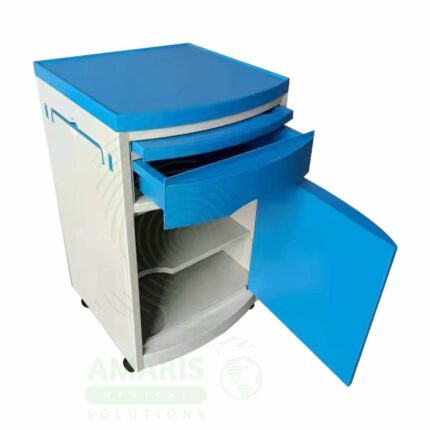
A Bedside Cabinet is a lockable storage unit designed for placement next to a hospital bed. It provides patients with secure storage for personal belongings and offers organized space for their clinical supplies. Typically featuring a laminate top surface, drawers, and a lockable cupboard, it serves to personalize the patient's space, enhance security, and maintain tidiness in the clinical environment. Its easy-to-clean surfaces are crucial for infection control, requiring thorough disinfection between patient uses. It is a standard and essential furnishing in inpatient hospital rooms.
Ceiling & Stand Operating Light
An Ceiling & Stand Operating Light is a high-intensity, shadow-reducing illumination system designed to provide brilliant, color-accurate, and cool light directly onto the surgical field. Ceiling-mounted lights offer maximum flexibility in the OR, while stand-mounted lights provide portability. Key features include extremely high illuminance (>40,000 lux), a high Color Rendering Index (CRI >90) for true tissue color, and advanced optics for deep-cavity illumination with minimal shadows. Safe operation requires proper positioning, use of sterile handle covers, and awareness of the minimal but present thermal risk. It is a fundamental capital asset critical for enabling precise and safe surgical intervention.
Electric Hospital Bed
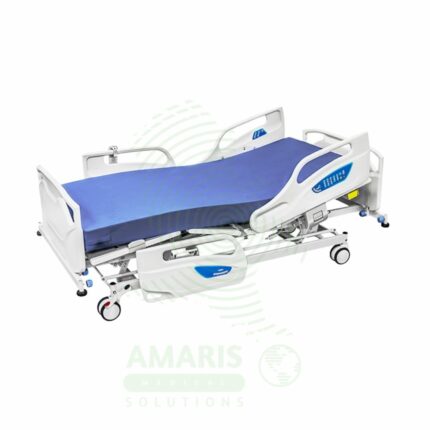
An Electric Hospital Bed is a motorized, adjustable bed system designed for inpatient medical care. It provides critical functions such as height adjustment for safe patient transfer, head and knee elevation for comfort and clinical indications, and integrated safety features like side rails and nurse call. Its electric operation allows for precise positioning by both patient and caregiver, enhancing safety, treatment efficacy, and ergonomics. Proper use requires adherence to weight limits, fall prevention protocols, and regular disinfection between patients. It is a fundamental capital asset in any inpatient healthcare facility.
Foldable Ward Screen
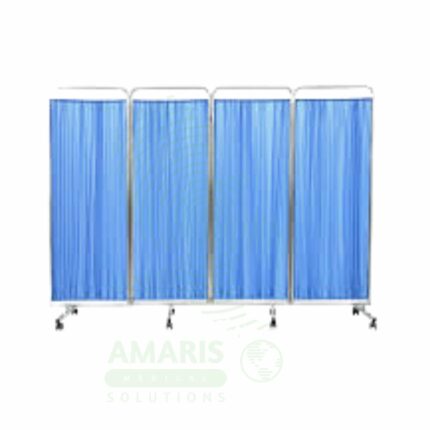
A Foldable Ward Screen is a portable, folding partition used to create instant visual privacy around a patient's bed or procedure area in multi-bed hospital wards, emergency departments, and clinics. Typically consisting of three hinged opaque panels, it provides dignity during examinations and personal care, aids in infection control by creating temporary barriers, and helps manage the clinical environment. Its free-standing, foldable design allows for easy deployment, storage, and cleaning, making it a fundamental piece of non-clinical equipment for patient-centered care in shared spaces.
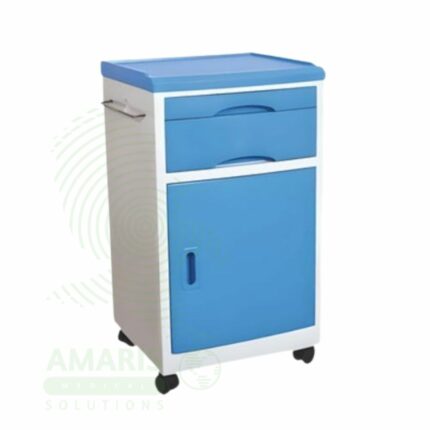
Imported Hospital Bedside Lockers
Imported Hospital Bedside Lockers are secure storage units designed for patient bedside use in hospitals, long-term care facilities, and patient care areas. Featuring lockable drawers for valuables and medications, open shelves for frequently used items, and smooth, non-porous surfaces for easy cleaning, they provide organized, secure storage for patient personal belongings and clinical supplies. The top surface serves as a convenient platform for water, tissues, and call bells, supporting patient independence and comfort. Essential for maintaining an organized, dignified patient environment while supporting infection control protocols.
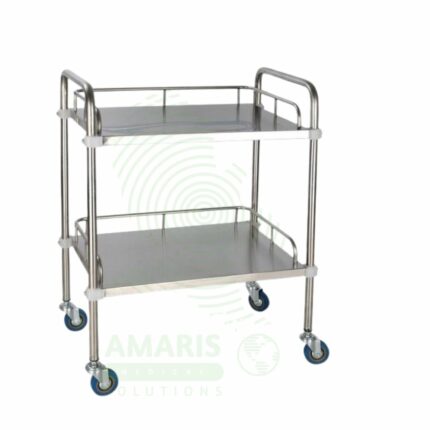
Instrument & Medicine Trolley
An Instrument & Medicine Trolley is a versatile, secure, mobile cart designed to transport, organize, and administer both medical instruments and medications. It functions as a mobile workstation for procedures, medication rounds, or emergency response, depending on its configuration. Key features include lockable, compartmentalized drawers for secure storage, a flat work surface, and smooth-rolling casters for mobility. Its adaptability makes it essential across hospital settings, from wards to treatment rooms, ensuring that organized, secure, and complete sets of tools and drugs are delivered efficiently to the point of patient care.
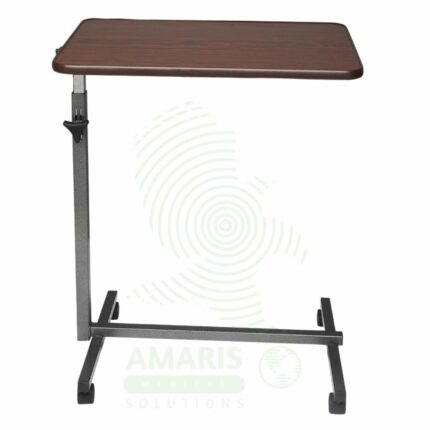
Overbed Table
An Overbed Table is a mobile, height-adjustable table on a wheeled base, featuring a swing-arm that allows its surface to be positioned over a patient's bed or chair. Its primary function is to provide a stable, convenient surface for in-bed dining, recreational activities, and personal organization, significantly enhancing comfort and independence for bedridden or mobility-limited patients. It also serves as a versatile utility table for nursing procedures and holding supplies at the bedside. Its adjustable, lockable design makes it an essential piece of patient-centered furniture in hospitals, nursing homes, and rehabilitation facilities.