Dermatoscope and Magnifiers
 Diagnostic Kits
 Vital Signs Monitors
 Stethoscopes and Accessories
 Otoscopes, Ophthalmoscopes, and Retinoscopes
 Reflex Hammers and Neurological Tools
 Scales and Measuring Devices
 Spirometers and Pulmonary Function Tests
 Electrosurgical Units and Accessories
 Cutting Instruments
 Grasping and Holding Instruments
 Hemostatic Instruments
 Specialized Surgical Sets
 Single-Use Procedure Trays and Packs
 Surgical Drapes, Gowns, and Covers
 Tissue Unifying Instruments
 Radiation Protection
 X-Ray Machines and Accessories
 Ultrasound Systems and Probes
 MRI and CT Scanners
 Radiology Consumables
 Bone Densitometers
 Fluoroscopy Equipment
 Imaging Tables and Positioning Aids
 Microscopes and Accessories
 Centrifuges and Separators
 Analyzers
 Incubators and Ovens
 Pipettes, Dispensers, and Lab Glassware
 Refrigerators, Freezers, and Storage Units
 Lab Consumables
 Sterilizers and Autoclaves for Lab Use
 Multi-Parameter Monitors
 Ventilators and Respiratory Support Devices
 Defibrillators and AEDs
 Infusion Pumps and IV Systems
 Patient Warmers and Cooling Devices
 Central Monitoring Stations
 Accessories
 Anesthesia Machines and Workstations
 Oxygen Concentrators and Delivery Systems
 Nebulizers and Inhalers
 CPAP/BiPAP Machines
 Airway Management
 Anesthesia Masks, Circuits, and Bags
 Humidifiers and Heaters
 Respiratory Therapy Accessories
 First Aid Kits and Cabinets
 Emergency Resuscitation Equipment
 Trauma Supplies
 Emergency Carts and Crash Carts
 Burn Care Products
 Bleeding Control
 Automated External Defibrillators (AEDs)
 Transport and Evacuation
 Wheelchairs and Accessories
 Walkers, Crutches, and Canes
 Prosthetics and Orthotics
 Physical Therapy Equipment
 Transfer Devices
 Bathroom Safety
 Orthopedic Traction and Tables
 Hot/Cold Therapy Packs and Units
 Beds and Mattresses
 Chairs and Stools
 Tables
 Cabinets and Storage
 Privacy Screens & Curtains
 Stands and Racks
 Linens and Textiles
 Lighting
 Autoclaves and Sterilizers
 Ultrasonic Cleaners
 Disinfectant Solutions and Wipes
 Sterilization Pouches, Wraps, and Indicators
 Instrument Trays and Containers
 UV and Ozone Disinfection Devices
 Washer Disinfectors
 Wound Care
 Gloves
 Masks and Respirators
 Catheters and Tubing
 Swabs, Applicators, and Sponges
 Incontinence Products
 Personal Protective Equipment (PPE)
 Dental Chairs and Units
 Handpieces and Burs
 Instruments
 Consumables
 Sterilization for Dental Use
 Orthodontic Supplies
 Endodontic Tools
 Slit Lamps and Tonometers
 Lensometers and Phoropters
 Ophthalmic Surgical Instruments
 Eyewear Frames and Lenses
 Contact Lens Supplies
 Vision Testing Charts and Devices
 Eye Care Consumables
 Laser Systems for Eye Care
 ENT Exam Chairs and Tables
 Endoscopes
 Audiometers and Hearing Tests
 ENT Instruments
 Nasal and Throat Packs
 Hearing Aids and Accessories
 Otology Supplies
 Fetal Dopplers and Monitors
 Delivery Beds and Tables
 Gynecological Instruments
 Neonatal Incubators and Warmers
 Breast Pumps and Accessories
 Contraceptive Devices
 Maternity Supports and Pads
 Neonatal Consumables
 Cystoscopes and Urethroscopes
 Dialysis Machines and Supplies
 Urological Catheters and Bags
 Lithotripters
 Prostate Treatment Devices
 Urinary Incontinence Products
 Kidney Stone Management Tools
 Consumables & Disposables
 EEG and EMG Machines
 Neurosurgical Instruments
 Nerve Stimulators
 Headrests and Positioning Aids
 Lumbar Puncture Kits
 Seizure Monitoring Devices
 Consumables
 Rehabilitation for Neurological Conditions
 ECG Machines and Accessories
 Holter Monitors
 Stress Test Systems
 Pacemakers and Defibrillator Accessories
 Vascular Access Devices
 Cardiac Catheters and Guidewires
 Blood Flow Meters
 Consumables
 Orthopedic Instruments
 Casts, Splints, and Padding
 Joint Replacement Supplies
 Prosthetic Limbs and Components
 Bone Grafts and Substitutes
 Traction Devices
 Orthopedic Braces and Supports
 Rehabilitation Aids for Orthopedics
 Home Oxygen Therapy
 Hospital Beds for Home Use
 Mobility Aids
 Bathroom and Daily Living Aids
 Wound Care for Home
 Monitoring Devices
 Enteral Feeding Pumps and Tubes
 Hand Sanitizers and Dispensers
 Face Shields and Goggles
 Isolation Gowns and Suits
 Biohazard Waste Containers
 Air Purifiers and HEPA Filters
 Surface Disinfectants
 Sharps Containers
 Protective Barriers
 Cardiovascular & Endurance Training
 Strength Training & Weightlifting
 Functional Training & Core Conditioning
 Physical Therapy & Rehabilitation
 Sports & Outdoor Recreation
 Gym Flooring & Facility Equipment
 Fitness Monitoring & Accessories
 Kids & Novelties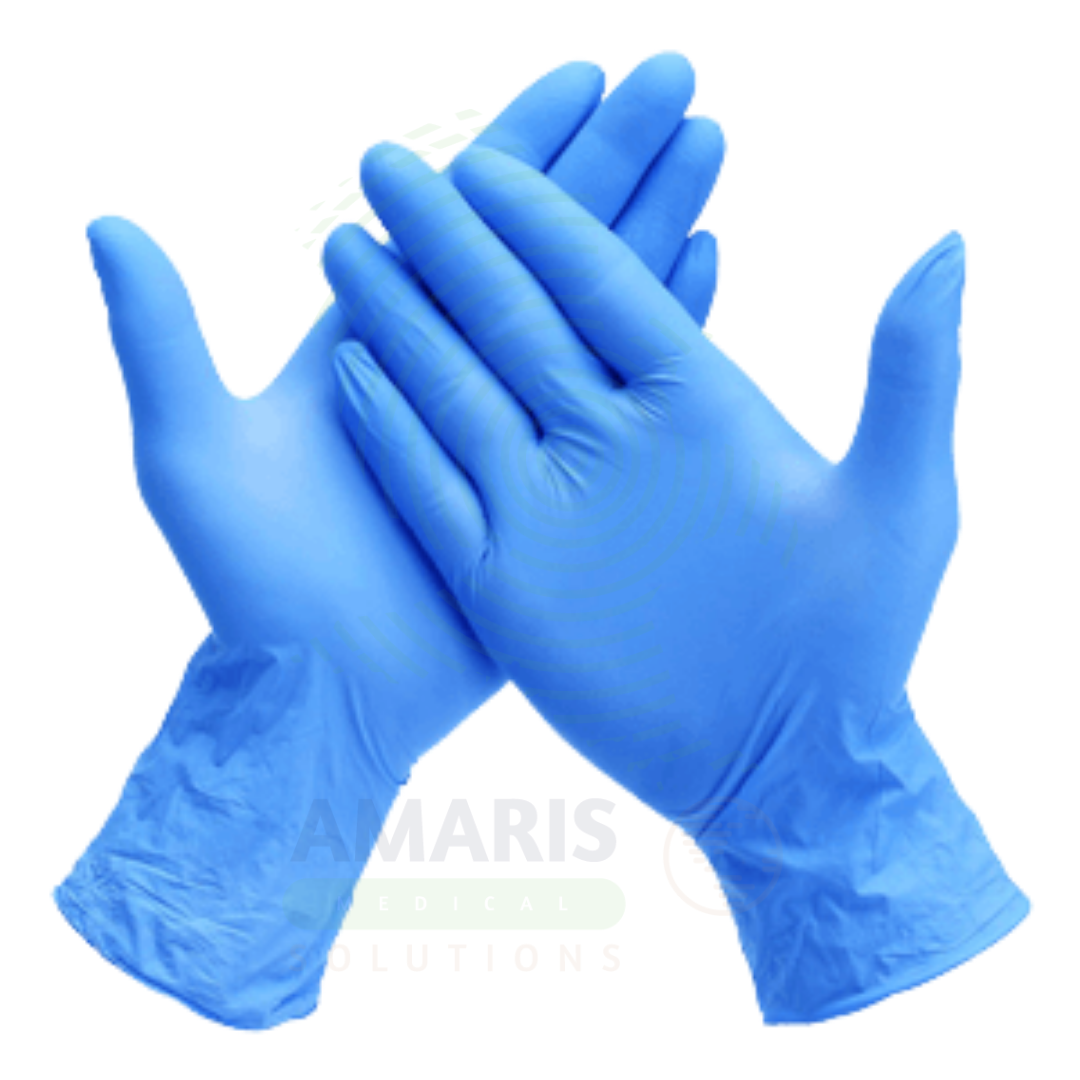
Surgical Gloves
$1.00
WhatsApp Order
Surgical Gloves are sterile, single-use disposable barrier devices worn by the surgical team during invasive procedures. Manufactured from natural rubber latex or synthetic alternatives (nitrile, neoprene, polyisoprene), they provide critical dual protection: preventing pathogen transmission from the healthcare worker to the patient’s sterile surgical field, and protecting the wearer from exposure to blood, bodily fluids, and hazardous chemicals. They must meet stringent regulatory standards for pinhole defects (AQL ≤1.5), physical properties, and biocompatibility. Proper closed-donning technique, immediate change upon suspected breach, and strict single-use protocols are essential for patient and healthcare worker safety. Double-gloving is standard practice for high-risk procedures.
Description
Surgical Gloves
PRIMARY CLINICAL & DIAGNOSTIC USES
1. Barrier Protection for Invasive Surgical Procedures
-
Primary Use: Creates a sterile barrier between the surgical team’s hands and the patient’s sterile surgical field, including open wounds, mucous membranes, and internal tissues, preventing the transmission of microorganisms from the healthcare worker to the patient and significantly reducing the risk of surgical site infections.
-
How it helps: For the surgeon, scrub nurse, and entire operative team, sterile surgical gloves are the interface between their hands and the patient’s open tissues—providing a barrier that keeps the millions of bacteria normally present on human skin from entering surgical incisions, implant sites, and body cavities. For the patient undergoing surgery, gloves worn by everyone in the operating room mean their risk of post-operative infection is dramatically reduced, protecting them from a complication that can prolong recovery, require additional treatment, and threaten the success of their procedure.
2. Protection of Healthcare Worker from Bloodborne Pathogens
-
Primary Use: Provides essential personal protection for the surgical team against exposure to blood, bodily fluids, and potentially infectious materials during invasive procedures, mandated by occupational safety regulations to prevent transmission of pathogens such as HIV, Hepatitis B, and Hepatitis C.
-
How it helps: For the surgeon, nurse, and all healthcare workers who come into contact with blood during procedures, surgical gloves are a life-saving barrier—preventing the unseen inoculation that could transmit HIV, hepatitis B, or hepatitis C through cuts, abrasions, or needle sticks. For the healthcare worker who devotes their career to caring for others, intact gloves mean they can perform their duties with confidence that they are protected from the bloodborne pathogens their patients may carry.
3. Maintenance of Sterile Field Integrity
-
Primary Use: Worn by all scrubbed personnel in the operating room, including surgeons, assistants, and scrub nurses, to maintain the aseptic environment throughout the duration of the surgical procedure, with any breach or perforation compromising sterility and requiring immediate glove change.
-
How it helps: For the surgical team, the integrity of their gloves is synonymous with the integrity of the sterile field—a single unnoticed perforation can introduce bacteria into a surgical site, leading to infection, implant failure, or sepsis. For the patient, the team’s vigilance about glove integrity means that every hand that touches their open wound does so through an intact sterile barrier.
4. Chemical and Medication Barrier
-
Primary Use: Protects the wearer from absorption of potentially hazardous drugs and chemicals handled during surgery, such as chemotherapeutic agents, bone cements, disinfectants, and topical antiseptics.
-
How it helps: For the surgical team working with bone cement that can cause contact dermatitis, chemotherapeutic agents that are hazardous with repeated exposure, or strong disinfectants that irritate skin, surgical gloves provide essential chemical protection. For the healthcare worker who handles these materials daily, proper gloves prevent the cumulative exposure that could lead to chronic health effects.
5. Double-Gloving for High-Risk Procedures
-
Primary Use: In procedures with high risk of glove perforation or high consequence of pathogen transmission, wearing two pairs of gloves provides an additional protective layer and significantly reduces the risk of inner glove exposure.
-
How it helps: For the orthopedic surgeon placing sharp wires and screws, the cardiac surgeon handling sternal wires, or the trauma surgeon operating on a patient with known bloodborne infection, double-gloving provides an extra layer of security—significantly reducing the risk that a perforation will reach the skin. For the surgeon and patient, this practice protects both parties; the surgeon from blood exposure, and the patient from the risk that a glove hole could allow skin flora to enter the wound.
SECONDARY & SUPPORTIVE USES
1. Sterile Procedural Gloves for Non-Surgical Invasive Procedures: Used for any invasive procedure outside the operating room that requires a sterile field, including central line insertion, lumbar puncture, chest tube placement, joint aspiration, and biopsy procedures. For the patient undergoing these procedures, sterile gloves protect against infection just as they do in the operating room.
2. Major Trauma and Emergency Surgery: Essential in emergency departments and trauma bays for any significant open wound management, hemorrhage control, or emergency surgical intervention where exposure to blood is unavoidable. For the trauma patient, gloves protect them from infection and protect the team from bloodborne pathogens during chaotic resuscitation.
3. Obstetric and Gynecological Delivery: Worn sterilely for vaginal deliveries, Cesarean sections, and other obstetric and gynecological procedures where contact with mucous membranes and blood is extensive. For the mother and newborn, sterile gloves protect against postpartum infection.
4. Protection During Handling of Contaminated Instruments: Worn by sterile processing personnel when handling contaminated surgical instruments prior to decontamination. For the workers who reprocess instruments, gloves provide essential protection from sharps and bloodborne pathogens.
5. Post-Mortem and Forensic Examinations: Essential PPE for pathologists, coroners, and forensic technicians during autopsies and post-mortem examinations to prevent exposure to bloodborne pathogens and other biological hazards. For those who care for the deceased, gloves provide protection while they seek answers for the living.
KEY PRODUCT FEATURES
1. BASIC IDENTIFICATION ATTRIBUTES
-
Product Type: Sterile, single-use disposable barrier device for hands.
-
Designation: Defined primarily by material composition, sterility, and physical properties (e.g., powder-free, textured, orthopedic thickness).
-
Core Material Variants:
-
Natural Rubber Latex: Traditional gold standard offering superior elasticity, tactile sensitivity, and comfort. Risk of Type I latex allergy.
-
Nitrile (Acrylonitrile Butadiene): Synthetic alternative, excellent chemical resistance, puncture resistance superior to latex, latex-free.
-
Neoprene (Polychloroprene): Synthetic, good tactile sensitivity, latex-free, often used for individuals with latex/chemical allergies.
-
Polyisoprene: Synthetic polymer mimicking natural latex properties, latex-free, high elasticity and comfort.
-
-
Sterility Indicator: Each package contains internal and external sterility indicators (tape, tabs, chemical indicators) confirming the product has undergone validated sterilization processing.
2. TECHNICAL & PERFORMANCE PROPERTIES
-
AQL (Acceptable Quality Limit): The critical quality metric representing the maximum allowable percentage of pinhole defects in a batch. Surgical gloves must meet AQL 1.5 or lower (stricter than examination gloves, which permit AQL 2.5-4.0).
-
Tensile Strength: Measured before and after aging, indicates the force required to break the glove material. Higher tensile strength correlates with greater durability during surgical use.
-
Elongation: The ability of the glove material to stretch without breaking, critical for maintaining comfort and dexterity during prolonged procedures.
-
Puncture Resistance: Resistance to needle-stick and instrument puncture, varies significantly by material (nitrile > latex > vinyl).
-
Grip Characteristics: Surface texturing (micro-rough, patterned, fully textured) enhances instrument grip in wet conditions. Critical for safe handling of surgical instruments.
3. PHYSICAL & OPERATIONAL PROPERTIES
-
Size: Available in half-sizes (5.5 to 9.0+) to accommodate individual hand dimensions. Proper fit is essential for tactile sensitivity, dexterity, and reduced hand fatigue.
-
Length: Extended cuff length (typically 11-12 inches) provides coverage over the surgical gown cuff, preventing exposure of the wrist and forearm.
-
Thickness: Standard surgical gloves are thinner than examination gloves to preserve tactile sensation. Orthopedic/ortho gloves are thicker for increased durability during heavy-instrument cases.
-
Powder vs. Powder-Free: Powdered gloves (cornstarch) are being phased out globally due to association with post-operative adhesions, granulomatous reactions, and latex protein aerosolization. Modern standard is powder-free with polymer coating for ease of donning.
-
Beaded Cuff: Rolled cuff edge prevents the glove from rolling down during surgery and provides structural integrity.
4. SAFETY & COMPLIANCE ATTRIBUTES
-
Regulatory Standards: Must meet regional regulatory requirements:
-
ASTM D3577 (USA): Standard specification for rubber surgical gloves.
-
EN 455 (EU): European standard for medical gloves (Parts 1-4: freedom from holes, physical properties, biological evaluation, shelf life).
-
FDA 510(k) Clearance: Required for marketing in the United States.
-
-
Sterilization: Terminal sterilization via ethylene oxide (EtO) or gamma irradiation. Sterility assurance level (SAL) of 10⁻⁶ must be demonstrated.
-
Biocompatibility: ISO 10993 series testing for cytotoxicity, sensitization, irritation. Must be non-cytotoxic and non-irritating to human tissue.
-
Latex Protein Content: For latex gloves, extractable protein levels must be minimized to reduce allergenic potential. ASTM D7427 provides standards for measurement.
-
Chemical Resistance: Resistance to degradation and permeation by specific chemicals (chemotherapy drugs, bone cement) is material-dependent and may require specific glove selection.
5. STORAGE & HANDLING ATTRIBUTES
-
Storage: Store in original, unopened boxes in a cool, dry environment (15-25°C / 59-77°F). Protect from direct sunlight, UV radiation, extreme temperatures, humidity, ozone, and electrical equipment that may generate ozone.
-
Shelf Life: Typically 3-5 years from date of manufacture when stored appropriately. Expiration date is printed on each outer box and inner package. Do not use it after expiration.
-
Package Integrity: Inspect outer and inner packaging before use. Do not use if packaging is punctured, torn, wet, or otherwise compromised.
-
Single-Use Protocol: Surgical gloves are strictly single-use devices. They cannot be washed, disinfected, or reused under any circumstances. Reuse is associated with increased risk of pathogen transmission and compromised barrier integrity.
6. LABORATORY & CLINICAL APPLICATIONS
-
Primary Application: The standard of care for barrier protection during all invasive surgical and sterile procedures.
-
Selection Criteria: Selection is based on: wearer allergy status (latex vs. synthetic); procedure type (standard vs. orthopedic); surgeon preference for fit, feel, and grip; and patient-specific considerations (known latex allergy requires latex-free environment).
-
Perforation Detection: Many surgical gloves incorporate visual perforation indication systems (e.g., colored underglove visible through outer glove breach) to alert the surgical team to barrier failure during double-gloving.
SAFETY HANDLING PRECAUTIONS
1. SAFETY PRECAUTIONS
-
Hand Hygiene Before Donning (Most Important): Hands must be surgically scrubbed and dried completely before donning sterile gloves. Moisture compromises donning and may increase risk of contamination.
-
Closed-Donning Technique: The sterile surgical gown is worn first, with hands remaining inside the gown cuffs. The glove is picked up through the gown cuff and donned without the bare hand ever contacting the outside of the glove. This maintains sterility.
-
Perforation Awareness: Gloves may be perforated without the wearer's awareness. Any visible defect, suspected puncture, or loss of tactile sensation requires immediate glove change. Double-gloving with indicator systems improves perforation detection.
-
Immediate Change Protocol: Change gloves immediately after any event that may have compromised integrity (needle-stick, instrument puncture, visible tear, splashing of bone cement/chemotherapy agents).
-
Do Not Restock Expired Products: Expired gloves may have compromised material integrity and sterility. They must be discarded, not used for training or non-sterile purposes.
-
Latex Allergy Protocols: For patients or healthcare workers with known Type I latex allergy, only synthetic (nitrile, neoprene, polyisoprene) surgical gloves must be used in a latex-free environment.
2. FIRST AID MEASURES
-
Needle-Stick or Sharps Injury: If a glove breach occurs with percutaneous injury, immediately remove gloves, vigorously wash the injured area with soap and water, and follow institutional post-exposure prophylaxis (PEP) protocols for bloodborne pathogen exposure. Report the incident immediately.
-
Allergic Reaction During Use: If symptoms of latex allergy (localized urticaria, rhinitis, conjunctivitis, bronchospasm, anaphylaxis) occur, immediately remove gloves, wash hands with mild soap and water, and seek emergency medical attention. Notify supervisor and occupational health for allergy evaluation and accommodation.
-
Chemical Exposure: If glove failure occurs during handling of hazardous chemicals, immediately remove contaminated gloves, rinse affected skin thoroughly with copious water for at least 15 minutes, and seek medical evaluation.
3. FIRE FIGHTING MEASURES
-
Flammability: Natural rubber latex and synthetic polymer materials are combustible.
-
Extinguishing Media: Use water, foam, CO₂, or dry chemical powder as appropriate for the surrounding fire. Burning rubber/plastic produces toxic, irritating smoke; use self-contained breathing apparatus (SCBA) for firefighting in enclosed areas.
Related products
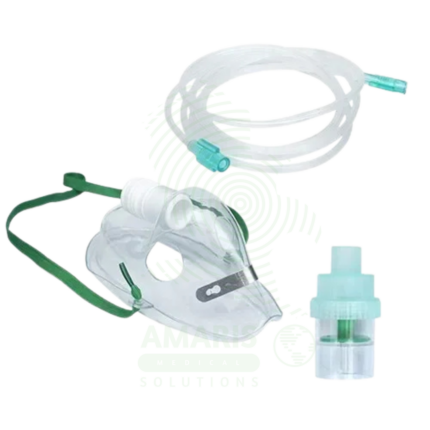
Adult & Pediatric Nebulizer Kit
An Adult & Pediatric Nebulizer Kit is a complete set of patient-contact components required for aerosol medication delivery, including a nebulizer cup, connecting tubing, and both an adult mouthpiece and a pediatric mask (or universal fit). Designed for use with a compressor, it provides the delivery circuit for treating asthma, COPD, and other respiratory conditions. Available in disposable (single-patient-use) formats for infection control in clinics or reusable formats for home care, its proper use, coupled with rigorous cleaning for reusable kits, is essential for effective therapy and preventing respiratory infections. The kit's universal connectors ensure compatibility with standard compressors.
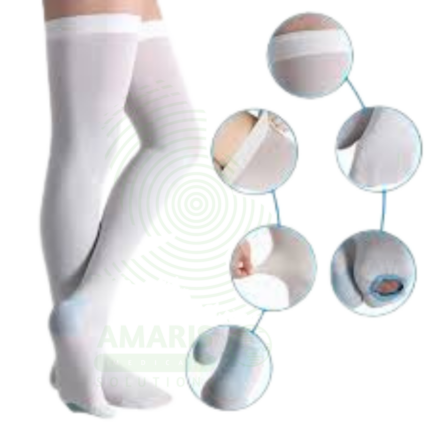
Anti-Embolic Compression Stockings
Anti-Embolic Compression Stockings are medical-grade elastic stockings designed to prevent Deep Vein Thrombosis (DVT) in non-ambulatory, surgical, or medically ill patients. By delivering graduated external pressure—tightest at the ankle and decreasing up the leg—they enhance venous blood flow and reduce stasis, a key factor in clot formation. They are a cornerstone of mechanical thromboprophylaxis in hospitals. Correct sizing based on precise leg measurements is critical for both efficacy and safety, as improper fit can lead to complications or failure of prophylaxis. Daily skin assessment and adherence to wearing guidelines are essential components of safe use.
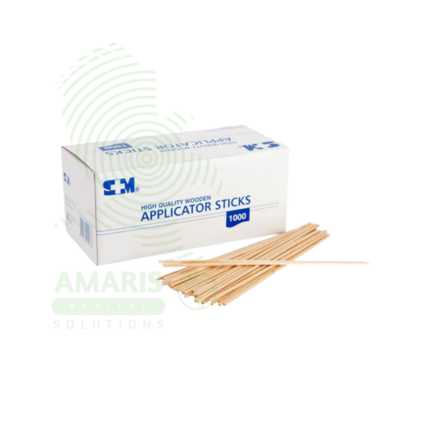
Applicator Sticks
Applicator Sticks are single-use medical devices with absorbent tips (cotton, rayon, flocked polyester) on wood, plastic, or paper shafts for collecting clinical specimens (throat, nasal, wound, cervical, urethral, rectal) for microbiological culture, rapid testing, and molecular diagnostics. Sterile individually wrapped or non-sterile bulk formats. Flocked swabs provide >90% specimen release for PCR testing. Primary applications include specimen collection for infection diagnosis, wound care and antiseptic application, gynecological sampling (Pap smears, STI testing), eye/ear specimen collection, laboratory slide preparation, and forensic evidence collection. Critical precautions include single-use only, sterile technique, proper collection method, and biohazard disposal. Essential consumable in all clinical settings.
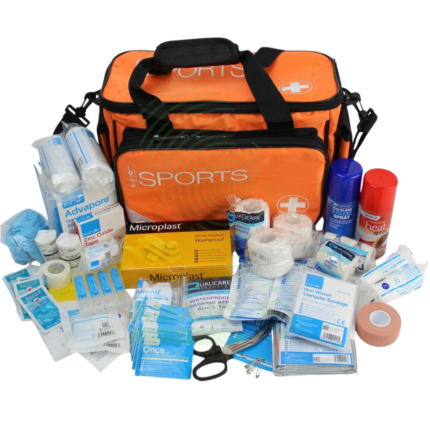
First Aid Kit For Sporting Places
A First Aid Kit for Sporting Places is a portable, organized medical kit specifically designed for the types and frequencies of injuries encountered in athletic and sporting environments. Available in various configurations including sideline kits for team use, personal sports pouches, team travel kits, and wall-mounted cabinets for gymnasiums. Constructed from ballistic nylon, polyester, ABS plastic, or aluminum with organized interior compartments, pouches, and elastic loops for rapid access to supplies. Contains sport-specific medical supplies including wound care materials, elastic bandages, instant cold packs, splinting materials, eye wash, blister care, concussion assessment tools, and personal protective equipment. Primary clinical applications include immediate treatment of common sports injuries (sprains, strains, contusions, abrasions, lacerations), concussion assessment, bleeding control, heat illness management, eye injury care, and emergency action plan implementation. Essential equipment for athletic teams, schools, fitness centers, recreational facilities, and sporting events, providing organized, accessible medical supplies for athlete safety and injury management.
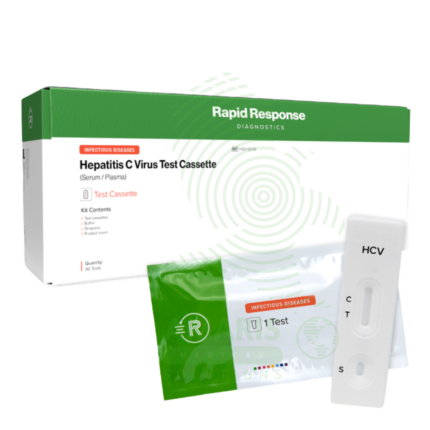
Hepatitis C Test Kit
The Hepatitis C Test Kit is an in vitro diagnostic device for the detection of Hepatitis C virus antibodies or RNA in human blood, serum, or plasma samples. Available in rapid, laboratory immunoassay, and molecular formats, it screens for HCV infection, confirms active infection with RNA testing, and monitors treatment response. With high sensitivity and specificity exceeding 99%, it is essential for identifying infected individuals, linking them to curative direct-acting antiviral therapy, and confirming cure. Essential applications include risk-based screening of high-risk populations, birth cohort screening of baby boomers, evaluation of acute hepatitis, management of occupational exposures, and monitoring of antiviral therapy that can cure over 95% of infections. All patient samples must be handled with universal precautions, and positive antibody results require confirmatory testing.
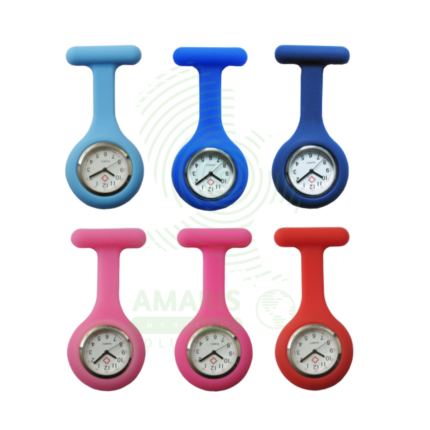
Nurse Watch
A Nurse Watch is a professional-grade analog wristwatch specifically designed for clinical use. Its hallmark is a built-in "pulsometer" scale that allows for rapid, on-the-spot calculation of a patient's heart rate by timing pulses over a short interval. Featuring a high-contrast dial with a clear sweep second hand, durable water-resistant construction, and a cleanable band, it is engineered for accuracy, legibility, and infection control in healthcare settings. It is an indispensable personal tool for nurses, enabling precise measurement of vital signs, timing of medications and procedures, and accurate clinical documentation throughout the shift.
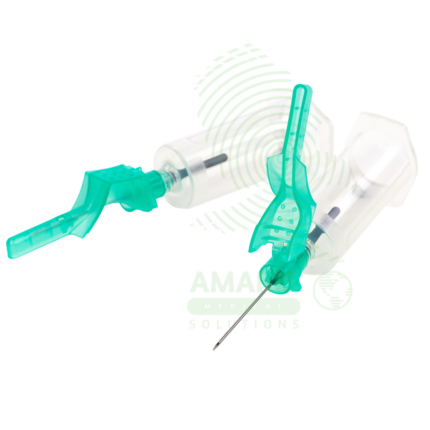
SAFE SERIES Blood Collection Needles
The SAFE SERIES (AM-SAFE) by Beijing Precil (Mindray subsidiary) is a comprehensive line of safety-engineered blood collection devices designed to prevent accidental needlestick injuries in healthcare workers. The series includes venous blood collection needles (AM-SAFE-V), standard safety needles (AM-SAFE1), winged infusion sets/butterfly needles (AM-SAFE2), high-gauge thin-wall needles for fragile veins (AM-SAFE3), premium coated needles for enhanced patient comfort (AM-GOLD), and nurse-friendly one-handed safety variants (AM-NURSE). All devices incorporate integral safety mechanisms that shield the contaminated needle immediately after withdrawal, complying with OSHA Needlestick Safety and Prevention Act requirements. Available in various gauges (18G-25G) and configurations for routine venipuncture, difficult vein access, pediatric/geriatric patients, and frequent blood draws. Sterile, single-use, latex-free, and color-coded for easy gauge identification. Essential safety devices for blood collection in hospitals, clinics, laboratories, and home healthcare settings.