Dermatoscope and Magnifiers
 Diagnostic Kits
 Vital Signs Monitors
 Stethoscopes and Accessories
 Otoscopes, Ophthalmoscopes, and Retinoscopes
 Reflex Hammers and Neurological Tools
 Scales and Measuring Devices
 Spirometers and Pulmonary Function Tests
 Electrosurgical Units and Accessories
 Cutting Instruments
 Grasping and Holding Instruments
 Hemostatic Instruments
 Specialized Surgical Sets
 Single-Use Procedure Trays and Packs
 Surgical Drapes, Gowns, and Covers
 Tissue Unifying Instruments
 Radiation Protection
 X-Ray Machines and Accessories
 Ultrasound Systems and Probes
 MRI and CT Scanners
 Radiology Consumables
 Bone Densitometers
 Fluoroscopy Equipment
 Imaging Tables and Positioning Aids
 Microscopes and Accessories
 Centrifuges and Separators
 Analyzers
 Incubators and Ovens
 Pipettes, Dispensers, and Lab Glassware
 Refrigerators, Freezers, and Storage Units
 Lab Consumables
 Sterilizers and Autoclaves for Lab Use
 Multi-Parameter Monitors
 Ventilators and Respiratory Support Devices
 Defibrillators and AEDs
 Infusion Pumps and IV Systems
 Patient Warmers and Cooling Devices
 Central Monitoring Stations
 Accessories
 Anesthesia Machines and Workstations
 Oxygen Concentrators and Delivery Systems
 Nebulizers and Inhalers
 CPAP/BiPAP Machines
 Airway Management
 Anesthesia Masks, Circuits, and Bags
 Humidifiers and Heaters
 Respiratory Therapy Accessories
 First Aid Kits and Cabinets
 Emergency Resuscitation Equipment
 Trauma Supplies
 Emergency Carts and Crash Carts
 Burn Care Products
 Bleeding Control
 Automated External Defibrillators (AEDs)
 Transport and Evacuation
 Wheelchairs and Accessories
 Walkers, Crutches, and Canes
 Prosthetics and Orthotics
 Physical Therapy Equipment
 Transfer Devices
 Bathroom Safety
 Orthopedic Traction and Tables
 Hot/Cold Therapy Packs and Units
 Beds and Mattresses
 Chairs and Stools
 Tables
 Cabinets and Storage
 Privacy Screens & Curtains
 Stands and Racks
 Linens and Textiles
 Lighting
 Autoclaves and Sterilizers
 Ultrasonic Cleaners
 Disinfectant Solutions and Wipes
 Sterilization Pouches, Wraps, and Indicators
 Instrument Trays and Containers
 UV and Ozone Disinfection Devices
 Washer Disinfectors
 Wound Care
 Gloves
 Masks and Respirators
 Catheters and Tubing
 Swabs, Applicators, and Sponges
 Incontinence Products
 Personal Protective Equipment (PPE)
 Dental Chairs and Units
 Handpieces and Burs
 Instruments
 Consumables
 Sterilization for Dental Use
 Orthodontic Supplies
 Endodontic Tools
 Slit Lamps and Tonometers
 Lensometers and Phoropters
 Ophthalmic Surgical Instruments
 Eyewear Frames and Lenses
 Contact Lens Supplies
 Vision Testing Charts and Devices
 Eye Care Consumables
 Laser Systems for Eye Care
 ENT Exam Chairs and Tables
 Endoscopes
 Audiometers and Hearing Tests
 ENT Instruments
 Nasal and Throat Packs
 Hearing Aids and Accessories
 Otology Supplies
 Fetal Dopplers and Monitors
 Delivery Beds and Tables
 Gynecological Instruments
 Neonatal Incubators and Warmers
 Breast Pumps and Accessories
 Contraceptive Devices
 Maternity Supports and Pads
 Neonatal Consumables
 Cystoscopes and Urethroscopes
 Dialysis Machines and Supplies
 Urological Catheters and Bags
 Lithotripters
 Prostate Treatment Devices
 Urinary Incontinence Products
 Kidney Stone Management Tools
 Consumables & Disposables
 EEG and EMG Machines
 Neurosurgical Instruments
 Nerve Stimulators
 Headrests and Positioning Aids
 Lumbar Puncture Kits
 Seizure Monitoring Devices
 Consumables
 Rehabilitation for Neurological Conditions
 ECG Machines and Accessories
 Holter Monitors
 Stress Test Systems
 Pacemakers and Defibrillator Accessories
 Vascular Access Devices
 Cardiac Catheters and Guidewires
 Blood Flow Meters
 Consumables
 Orthopedic Instruments
 Casts, Splints, and Padding
 Joint Replacement Supplies
 Prosthetic Limbs and Components
 Bone Grafts and Substitutes
 Traction Devices
 Orthopedic Braces and Supports
 Rehabilitation Aids for Orthopedics
 Home Oxygen Therapy
 Hospital Beds for Home Use
 Mobility Aids
 Bathroom and Daily Living Aids
 Wound Care for Home
 Monitoring Devices
 Enteral Feeding Pumps and Tubes
 Hand Sanitizers and Dispensers
 Face Shields and Goggles
 Isolation Gowns and Suits
 Biohazard Waste Containers
 Air Purifiers and HEPA Filters
 Surface Disinfectants
 Sharps Containers
 Protective Barriers
 Cardiovascular & Endurance Training
 Strength Training & Weightlifting
 Functional Training & Core Conditioning
 Physical Therapy & Rehabilitation
 Sports & Outdoor Recreation
 Gym Flooring & Facility Equipment
 Fitness Monitoring & Accessories
 Kids & Novelties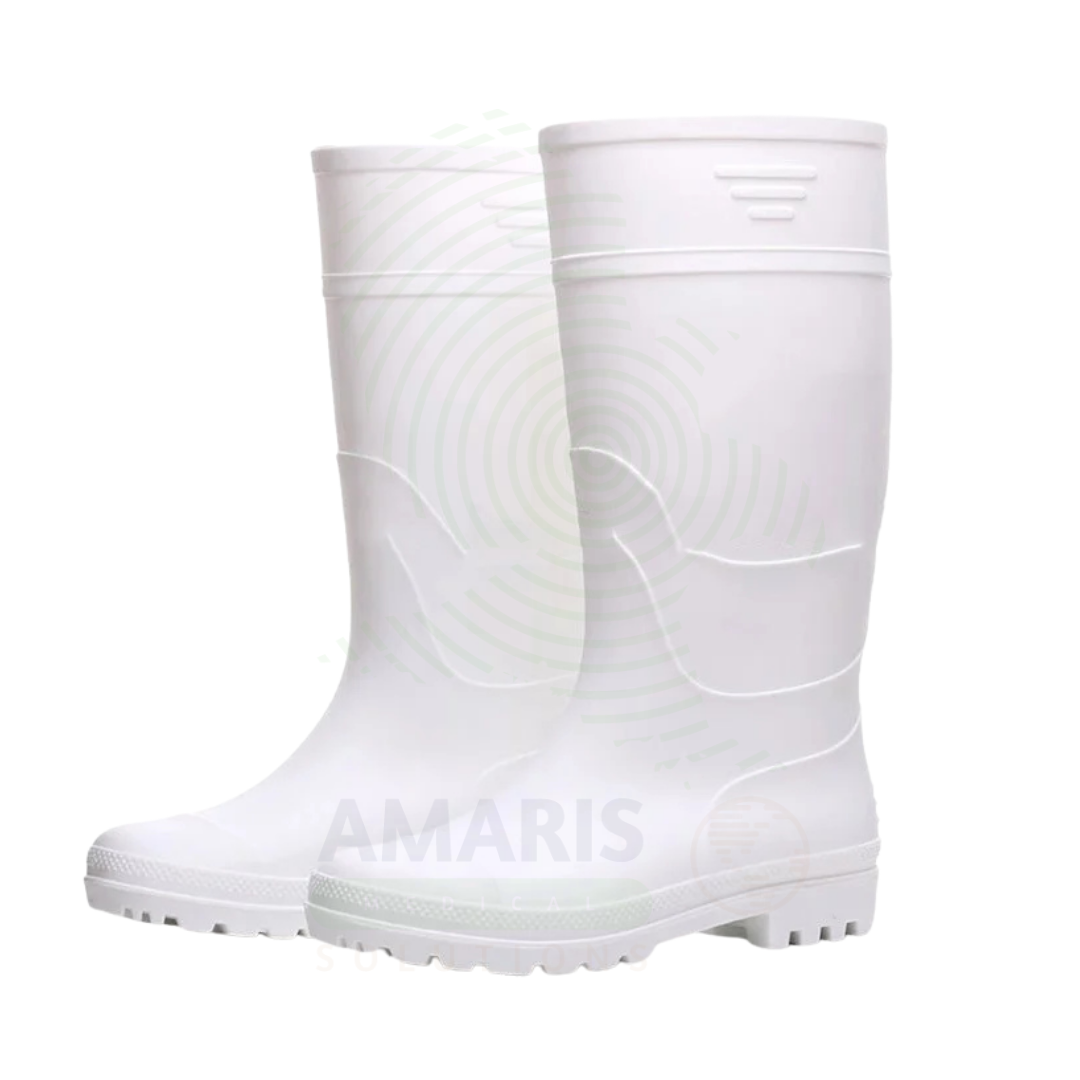
Theatre boots
$1.00
WhatsApp Order
Theatre Boots are specialized protective footwear designed for use in operating rooms and procedural areas, providing fluid-resistant barriers against blood, body fluids, and irrigation solutions while maintaining slip-resistant traction on wet surfaces. Available in reusable (polyurethane, rubber, EVA) or disposable (non-woven fabric) options, these boots cover the foot and lower leg at varying heights to match procedure-specific exposure risks. For the surgeon and operating room staff, they provide essential protection against occupational exposures, reduce fatigue during prolonged standing, and help maintain the sterility of the surgical environment by preventing contaminants from being tracked into the OR. For the patient undergoing surgery or invasive procedures, theatre boots contribute to the clean, controlled environment essential for preventing surgical site infections and ensure that the surgical team remains focused, protected, and capable throughout their procedure.
Description
Theatre Boots
PRIMARY CLINICAL & DIAGNOSTIC USES
1. Protection Against Blood and Body Fluid Exposure
-
Primary Use: Provides a fluid-resistant barrier that covers the foot and lower leg, protecting the wearer from splashes, spills, and drips of blood, body fluids, irrigation solutions, and other potentially infectious materials during surgical and procedural activities.
-
How it helps: For the surgeon, operating room nurse, and surgical technician, theatre boots create a critical barrier that prevents blood and fluid from penetrating footwear or contacting skin—reducing the risk of occupational exposure to bloodborne pathogens such as HIV, hepatitis B, and hepatitis C during long surgical procedures. For the patient, this protection ensures that the surgical team can remain focused on the procedure without interruption, and that there is no cross-contamination between the operating room environment and outside areas.
2. Maintenance of Operating Room Sterility and Cleanliness
-
Primary Use: Serves as dedicated footwear worn only within the operating room suite to prevent the introduction of contaminants from outside areas into the sterile surgical environment.
-
How it helps: For the operating room manager and infection control practitioner, theatre boots provide a controlled barrier that prevents dirt, dust, and microorganisms from being tracked into the OR on shoes worn throughout the hospital. For the patient undergoing surgery, this contributes to maintaining the clean environment essential for preventing surgical site infections—one of the most serious and costly complications of surgical care.
3. Protection Against Sharp Instruments and Dropped Items
-
Primary Use: Provides a protective layer over the foot to reduce injury risk from dropped sharps, heavy instruments, or equipment that may fall during surgical procedures.
-
How it helps: For the surgical team working in a high-stakes environment where sharps and heavy instruments are constantly in use, theatre boots offer protection against accidental drops that could cause foot injuries—ensuring that team members remain present and capable throughout the procedure. For the patient, this means that a sharp injury or foot injury to a team member will not interrupt or delay the surgical procedure.
4. Comfort and Support During Prolonged Standing
-
Primary Use: Provides ergonomic support and cushioning for surgical staff who stand for extended periods during lengthy operative procedures.
-
How it helps: For the surgeon and operating room staff who may stand for hours during complex surgeries, theatre boots with supportive insoles and cushioning reduce fatigue, leg strain, and back discomfort—enabling sustained focus and precision throughout lengthy procedures. For the patient, a comfortable, focused surgical team is better able to maintain concentration, precision, and safety throughout their operation.
SECONDARY & SUPPORTIVE USES
1. Protection in Procedural Areas: Used in interventional suites, cardiac catheterization labs, endoscopy suites, and other procedural areas where blood and fluid exposure may occur.
2. Obstetric and Delivery Suite Use: Worn by obstetricians, midwives, and delivery room staff during vaginal deliveries and cesarean sections where amniotic fluid, blood, and other body fluids are present.
3. Protection During Trauma and Emergency Surgeries: Used in emergency department trauma bays and emergency surgeries where unpredictable fluid exposure and heavy instrument handling occur.
4. Burn Unit and Wound Care: Used in burn units and wound care centers where extensive irrigation, debridement, and fluid management create significant splash exposure.
5. Laboratory and Pathology Suites: Worn in pathology suites, autopsy suites, and high-risk laboratories where biological materials and fluids are handled.
6. Pharmacy Cleanroom and Compounding Areas: Used in sterile compounding pharmacies and cleanrooms where hazardous drugs and sterile preparations are handled.
7. Central Sterile Processing Departments: Worn by staff in sterile processing areas where contaminated instruments are handled and fluid exposure may occur.
8. Veterinary Surgical Suites: Worn by veterinary surgeons and staff during animal surgeries where similar exposure risks exist.
9. Research Laboratories: Used in research settings where infectious agents, biological materials, or hazardous substances are handled.
KEY PRODUCT FEATURES
1. BASIC IDENTIFICATION ATTRIBUTES
-
Device Type: Protective footwear worn in operating rooms and procedural areas to provide fluid resistance, contamination control, and foot protection during surgical and invasive procedures.
-
Designation: Theatre Boots, Surgical Boots, Operating Room Boots, OR Boots, Procedural Boots, Fluid-Resistant Boots, Disposable Boots, Reusable Surgical Boots, Clog-Style Surgical Footwear.
-
Key Components:
o Upper: Fluid-resistant material covering foot and lower leg (ankle or calf height).
o Outsole: Slip-resistant, non-marking sole for traction on wet surfaces.
o Insole: Cushioned or antimicrobial insole for comfort during prolonged standing.
o Closure: Slip-on design, adjustable strap, or elastic closure for secure fit.
o Lining: Moisture-wicking or antimicrobial lining for comfort and odor control.
2. TECHNICAL & PERFORMANCE PROPERTIES
-
Material: Available in reusable (polyurethane, rubber, EVA, leather) or disposable (polypropylene, non-woven fabric) options.
-
Fluid Resistance: Fluid-resistant or fluid-proof construction to prevent penetration of blood and body fluids.
-
Slip Resistance: Slip-resistant outsoles meeting ASTM F1677 or similar standards for wet surfaces.
-
Height: Available in ankle height, mid-calf height, or knee height for varying levels of protection.
-
Closure Types: Slip-on, adjustable buckle strap, hook-and-loop strap, or elastic gore.
-
Antimicrobial Properties: Some models feature antimicrobial treatment to reduce bacterial growth.
-
Static Dissipative: Some models offer static-dissipative properties for use with electrosurgical equipment.
-
Sterility: Non-sterile; intended for clean, not sterile, use.
-
Latex-Free: Manufactured without natural rubber latex.
3. PHYSICAL & OPERATIONAL PROPERTIES
-
Construction: Seamless or sealed seams to prevent fluid penetration; easy-to-clean surfaces.
-
Fit: Available in unisex and gender-specific sizing; wide widths available.
-
Weight: Lightweight construction to reduce fatigue during prolonged wear.
-
Cleaning: Reusable boots can be wiped down with disinfectant wipes or washed per manufacturer instructions.
-
Packaging: Individually wrapped or bulk packaged for disposable options.
-
Storage: Store in a clean, dry location; protect from direct sunlight and heat.
4. SAFETY & COMPLIANCE ATTRIBUTES
-
Regulatory Status: Class I medical device (exempt from premarket notification) when used as protective footwear.
-
OSHA Compliance: Meets OSHA 29 CFR 1910.136 requirements for protective footwear when applicable.
-
ASTM Standards: May meet ASTM F2413 standards for protective footwear (impact and compression resistance).
-
Slip Resistance: Meets or exceeds industry standards for slip-resistant soles.
-
Fluid Resistance: Compliant with AAMI PB70 or similar standards for fluid barrier protection.
-
Latex-Free: Standard in most medical-grade theatre boots.
-
Antimicrobial: Some models feature EPA-registered antimicrobial protection.
5. STORAGE & HANDLING ATTRIBUTES
-
Storage: Store in a clean, dry location; avoid exposure to direct sunlight, extreme temperatures, and chemicals that may degrade materials.
-
Shelf Life: Reusable boots: indefinite with proper care; disposable boots: typically 2-3 years.
-
Cleaning (Reusable): Wipe with hospital-grade disinfectant wipes between uses; some models are machine washable per manufacturer instructions; allow to air dry; do not use abrasive cleaners.
-
Inspection: Inspect for cracks, tears, worn soles, or compromised fluid resistance before each use.
-
Disposal: Disposable boots: discard after single use or when soiled; reusable boots: dispose when damaged or degraded.
6. LABORATORY & CLINICAL APPLICATIONS
-
Primary Application: Protective footwear for operating rooms, procedural areas, and other healthcare settings requiring fluid resistance, contamination control, and foot protection.
-
Clinical Role: Essential personal protective equipment in operating rooms, labor and delivery, interventional suites, emergency departments, burn units, sterile processing, and any setting where blood, body fluids, or hazardous materials may contact feet.
SAFETY HANDLING PRECAUTIONS
1. SAFETY PRECAUTIONS
-
Proper Fit: Select appropriate size for comfort and stability; boots that are too loose may cause tripping; too tight may cause discomfort and fatigue.
-
Fluid Resistance: Ensure boots provide adequate fluid protection for the procedure being performed; consider higher coverage for procedures with significant fluid exposure.
-
Slip Prevention: Verify slip-resistant outsoles are intact and not worn; replace boots when tread is compromised.
-
Donning and Doffing: Perform hand hygiene before donning; remove carefully to avoid contaminating hands with exterior surface.
-
Reusable Boot Cleaning: Clean and disinfect between uses per facility protocol; do not share boots without proper cleaning.
-
Disposable Boots: Intended for single use; discard after each procedure or when soiled.
-
Inspection: Inspect for damage before each use; do not use if cracks, tears, or compromised fluid resistance are present.
-
Compatibility with Other PPE: Ensure boots are worn with appropriate gowns or shoe covers to maintain complete barrier protection.
-
Foot Hygiene: Allow boots to dry completely between uses to prevent fungal or bacterial growth.
-
Storage: Store reusable boots in a clean, designated area; do not leave in patient care areas.
2. FIRST AID MEASURES
-
Fluid Penetration: If fluid penetrates boot during procedure, complete procedure if safe, then remove, clean skin thoroughly, and follow facility exposure management protocol if exposure to blood or body fluids occurred.
-
Sharps Injury to Foot: If sharps injury occurs through boot, remove boot, clean wound thoroughly with soap and water, and follow facility exposure management protocol for bloodborne pathogen exposure.
-
Slip or Fall: If slip occurs, report incident per facility protocol; inspect boots for worn tread or contamination that may have contributed.
-
Skin Irritation: If skin irritation occurs from boot material, discontinue use, clean area, and consider alternative material or style.
3. FIRE FIGHTING MEASURES
-
Flammability: Materials (polyurethane, rubber, EVA, non-woven fabrics) are combustible; may melt or burn if exposed to flame or high heat.
-
Extinguishing Media: Use water, foam, dry chemical, or CO₂ for fire involving footwear materials.
-
Fire Response: Theatre boots present no special fire hazard beyond typical combustible materials.
-
Heat Sensitivity: Avoid exposing boots to high heat sources or open flames that may cause melting or deformation.
Related products
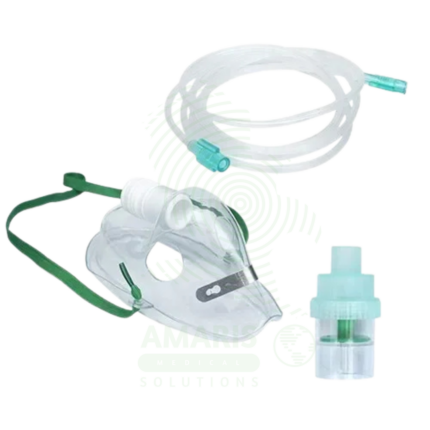
Adult & Pediatric Nebulizer Kit
An Adult & Pediatric Nebulizer Kit is a complete set of patient-contact components required for aerosol medication delivery, including a nebulizer cup, connecting tubing, and both an adult mouthpiece and a pediatric mask (or universal fit). Designed for use with a compressor, it provides the delivery circuit for treating asthma, COPD, and other respiratory conditions. Available in disposable (single-patient-use) formats for infection control in clinics or reusable formats for home care, its proper use, coupled with rigorous cleaning for reusable kits, is essential for effective therapy and preventing respiratory infections. The kit's universal connectors ensure compatibility with standard compressors.
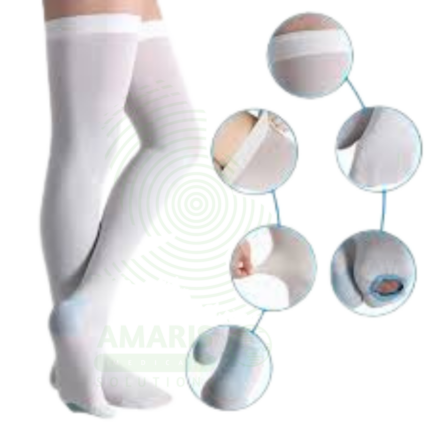
Anti-Embolic Compression Stockings
Anti-Embolic Compression Stockings are medical-grade elastic stockings designed to prevent Deep Vein Thrombosis (DVT) in non-ambulatory, surgical, or medically ill patients. By delivering graduated external pressure—tightest at the ankle and decreasing up the leg—they enhance venous blood flow and reduce stasis, a key factor in clot formation. They are a cornerstone of mechanical thromboprophylaxis in hospitals. Correct sizing based on precise leg measurements is critical for both efficacy and safety, as improper fit can lead to complications or failure of prophylaxis. Daily skin assessment and adherence to wearing guidelines are essential components of safe use.
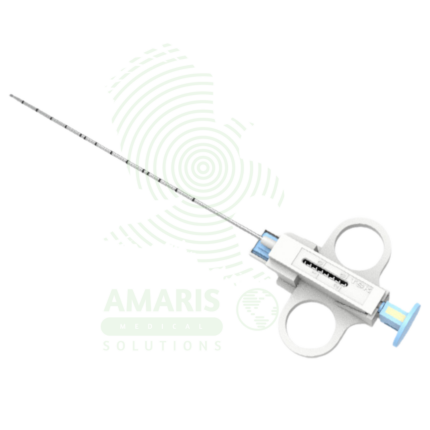
Biopsy Needles
Biopsy Needles are sterile, single-use precision medical devices designed to obtain tissue or cellular specimens from internal organs, masses, and lesions for histopathological or cytological diagnosis. Available in core biopsy (automatic spring-loaded, semi-automatic, vacuum-assisted, coaxial) and fine needle aspiration configurations, with gauges ranging from 14G-27G and lengths from 6-25 cm. Core biopsy needles obtain intact tissue cores preserving histological architecture; FNA needles aspirate cellular material for cytological evaluation. Specialized variants include bone marrow biopsy needles (Jamshidi, Illinois), echogenic-tip needles for ultrasound guidance, and MRI-compatible needles (nitinol, titanium). Critical safety requirements include strict image guidance for non-palpable lesions, verification of coagulation status, adherence to single-use protocols, and immediate post-procedure monitoring for complications (hemorrhage, pneumothorax, organ injury). An indispensable tool in interventional radiology, oncology, and minimally invasive diagnosis.
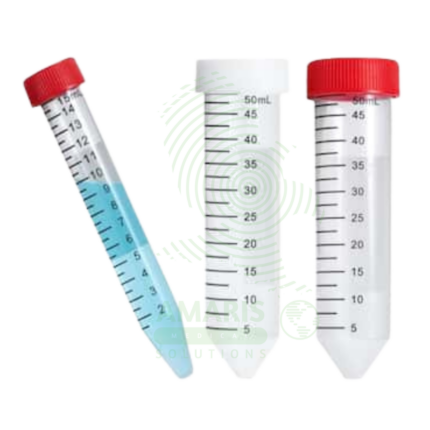
Centrifuge Tubes
Centrifuge Tubes are specialized disposable containers (polypropylene) designed to withstand high centrifugal forces (up to 30,000 x g) for separating biological fluids based on density. Available in microcentrifuge sizes (0.2-2.0 mL), conical tubes (15 mL, 50 mL), and larger volumes (100-500 mL). Features include leak-proof screw caps with O-rings (conical tubes), snap caps (microcentrifuge tubes), graduated volume markings, writing areas, and sterile/non-sterile options. Certified RNase/DNase-free, pyrogen-free, and autoclavable. Primary clinical applications include blood component separation (serum/plasma), urine sediment preparation, microbiology sample concentration, molecular biology (DNA/RNA extraction), cell culture processing, protein/enzyme analysis, and viral load testing. Critical safety precautions include never exceeding maximum RCF rating, proper balancing by weight, secure cap tightening, inspection for cracks, and disposal as biohazardous waste. Essential consumable in every clinical, research, and industrial laboratory.
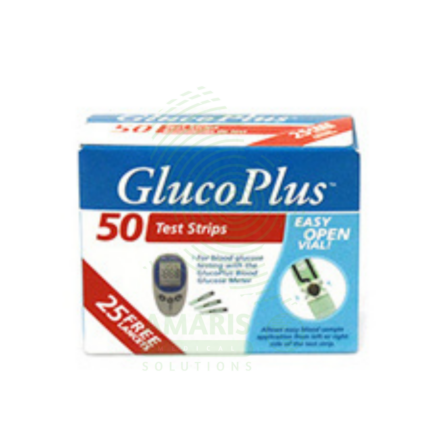
Glucosics Blood Sugar Sticks
Glucosics Blood Sugar Sticks are single-use, disposable electrochemical test sticks (ISO 15197:2013 compliant) designed exclusively for use with Glucosics glucose meters to measure capillary blood glucose from 0.5-1.0 µL samples in 5-7 seconds. Each stick contains glucose oxidase or glucose dehydrogenase reagents that generate electrical current proportional to glucose concentration (20-600 mg/dL range). Packaging options include multi-stick vials (25-100 sticks) with desiccant for daily use or individually foil-wrapped sticks for travel. Sticks feature no-coding automatic calibration, hematocrit compensation (20-60%), and interference resistance. Primary clinical applications include daily blood glucose testing for Type 1, Type 2, and gestational diabetes management, hypoglycemia and hyperglycemia detection, pre- and post-meal glucose assessment, and hospital point-of-care testing. Critical safety precautions include single-use only, immediate vial closure after stick removal to prevent humidity damage, storage at 2-30°C away from bathrooms and temperature extremes, never using expired sticks, proper hand hygiene before testing, and disposal in sharps containers. Essential consumable for diabetes self-management when used with Glucosics meters.
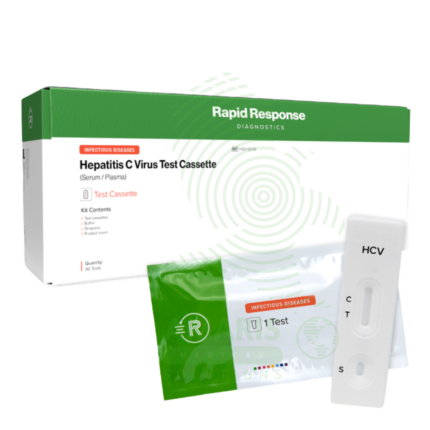
Hepatitis C Test Kit
The Hepatitis C Test Kit is an in vitro diagnostic device for the detection of Hepatitis C virus antibodies or RNA in human blood, serum, or plasma samples. Available in rapid, laboratory immunoassay, and molecular formats, it screens for HCV infection, confirms active infection with RNA testing, and monitors treatment response. With high sensitivity and specificity exceeding 99%, it is essential for identifying infected individuals, linking them to curative direct-acting antiviral therapy, and confirming cure. Essential applications include risk-based screening of high-risk populations, birth cohort screening of baby boomers, evaluation of acute hepatitis, management of occupational exposures, and monitoring of antiviral therapy that can cure over 95% of infections. All patient samples must be handled with universal precautions, and positive antibody results require confirmatory testing.
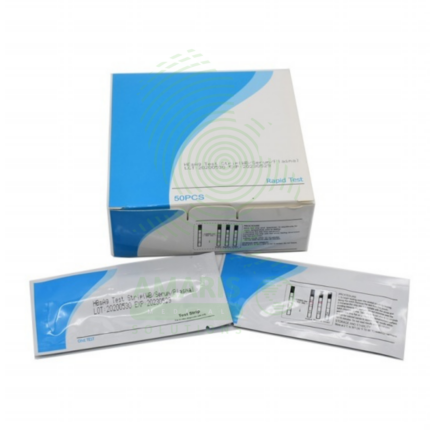
Rapid Test Kits (HIV, HBV, HCV, Malaria)
Rapid Test Kits for HIV, HBV, HCV, and Malaria are single-use, immunochromatographic devices designed for the quick, preliminary screening of these critical infectious diseases at the point of care. By detecting specific antibodies or antigens in a small blood sample (or oral fluid for some HIV tests), they provide a visual result within 15-30 minutes without the need for laboratory equipment. Their primary role is to expand access to testing in community and resource-limited settings, enabling immediate counseling, triage, and referral for confirmatory testing and treatment. As essential tools in public health, they are characterized by their simplicity, speed, and critical importance in early diagnosis and outbreak response.