Dermatoscope and Magnifiers
 Diagnostic Kits
 Vital Signs Monitors
 Stethoscopes and Accessories
 Otoscopes, Ophthalmoscopes, and Retinoscopes
 Reflex Hammers and Neurological Tools
 Scales and Measuring Devices
 Spirometers and Pulmonary Function Tests
 Electrosurgical Units and Accessories
 Cutting Instruments
 Grasping and Holding Instruments
 Hemostatic Instruments
 Specialized Surgical Sets
 Single-Use Procedure Trays and Packs
 Surgical Drapes, Gowns, and Covers
 Tissue Unifying Instruments
 Radiation Protection
 X-Ray Machines and Accessories
 Ultrasound Systems and Probes
 MRI and CT Scanners
 Radiology Consumables
 Bone Densitometers
 Fluoroscopy Equipment
 Imaging Tables and Positioning Aids
 Microscopes and Accessories
 Centrifuges and Separators
 Analyzers
 Incubators and Ovens
 Pipettes, Dispensers, and Lab Glassware
 Refrigerators, Freezers, and Storage Units
 Lab Consumables
 Sterilizers and Autoclaves for Lab Use
 Multi-Parameter Monitors
 Ventilators and Respiratory Support Devices
 Defibrillators and AEDs
 Infusion Pumps and IV Systems
 Patient Warmers and Cooling Devices
 Central Monitoring Stations
 Accessories
 Anesthesia Machines and Workstations
 Oxygen Concentrators and Delivery Systems
 Nebulizers and Inhalers
 CPAP/BiPAP Machines
 Airway Management
 Anesthesia Masks, Circuits, and Bags
 Humidifiers and Heaters
 Respiratory Therapy Accessories
 First Aid Kits and Cabinets
 Emergency Resuscitation Equipment
 Trauma Supplies
 Emergency Carts and Crash Carts
 Burn Care Products
 Bleeding Control
 Automated External Defibrillators (AEDs)
 Transport and Evacuation
 Wheelchairs and Accessories
 Walkers, Crutches, and Canes
 Prosthetics and Orthotics
 Physical Therapy Equipment
 Transfer Devices
 Bathroom Safety
 Orthopedic Traction and Tables
 Hot/Cold Therapy Packs and Units
 Beds and Mattresses
 Chairs and Stools
 Tables
 Cabinets and Storage
 Privacy Screens & Curtains
 Stands and Racks
 Linens and Textiles
 Lighting
 Autoclaves and Sterilizers
 Ultrasonic Cleaners
 Disinfectant Solutions and Wipes
 Sterilization Pouches, Wraps, and Indicators
 Instrument Trays and Containers
 UV and Ozone Disinfection Devices
 Washer Disinfectors
 Wound Care
 Gloves
 Masks and Respirators
 Catheters and Tubing
 Swabs, Applicators, and Sponges
 Incontinence Products
 Personal Protective Equipment (PPE)
 Dental Chairs and Units
 Handpieces and Burs
 Instruments
 Consumables
 Sterilization for Dental Use
 Orthodontic Supplies
 Endodontic Tools
 Slit Lamps and Tonometers
 Lensometers and Phoropters
 Ophthalmic Surgical Instruments
 Eyewear Frames and Lenses
 Contact Lens Supplies
 Vision Testing Charts and Devices
 Eye Care Consumables
 Laser Systems for Eye Care
 ENT Exam Chairs and Tables
 Endoscopes
 Audiometers and Hearing Tests
 ENT Instruments
 Nasal and Throat Packs
 Hearing Aids and Accessories
 Otology Supplies
 Fetal Dopplers and Monitors
 Delivery Beds and Tables
 Gynecological Instruments
 Neonatal Incubators and Warmers
 Breast Pumps and Accessories
 Contraceptive Devices
 Maternity Supports and Pads
 Neonatal Consumables
 Cystoscopes and Urethroscopes
 Dialysis Machines and Supplies
 Urological Catheters and Bags
 Lithotripters
 Prostate Treatment Devices
 Urinary Incontinence Products
 Kidney Stone Management Tools
 Consumables & Disposables
 EEG and EMG Machines
 Neurosurgical Instruments
 Nerve Stimulators
 Headrests and Positioning Aids
 Lumbar Puncture Kits
 Seizure Monitoring Devices
 Consumables
 Rehabilitation for Neurological Conditions
 ECG Machines and Accessories
 Holter Monitors
 Stress Test Systems
 Pacemakers and Defibrillator Accessories
 Vascular Access Devices
 Cardiac Catheters and Guidewires
 Blood Flow Meters
 Consumables
 Orthopedic Instruments
 Casts, Splints, and Padding
 Joint Replacement Supplies
 Prosthetic Limbs and Components
 Bone Grafts and Substitutes
 Traction Devices
 Orthopedic Braces and Supports
 Rehabilitation Aids for Orthopedics
 Home Oxygen Therapy
 Hospital Beds for Home Use
 Mobility Aids
 Bathroom and Daily Living Aids
 Wound Care for Home
 Monitoring Devices
 Enteral Feeding Pumps and Tubes
 Hand Sanitizers and Dispensers
 Face Shields and Goggles
 Isolation Gowns and Suits
 Biohazard Waste Containers
 Air Purifiers and HEPA Filters
 Surface Disinfectants
 Sharps Containers
 Protective Barriers
 Cardiovascular & Endurance Training
 Strength Training & Weightlifting
 Functional Training & Core Conditioning
 Physical Therapy & Rehabilitation
 Sports & Outdoor Recreation
 Gym Flooring & Facility Equipment
 Fitness Monitoring & Accessories
 Kids & Novelties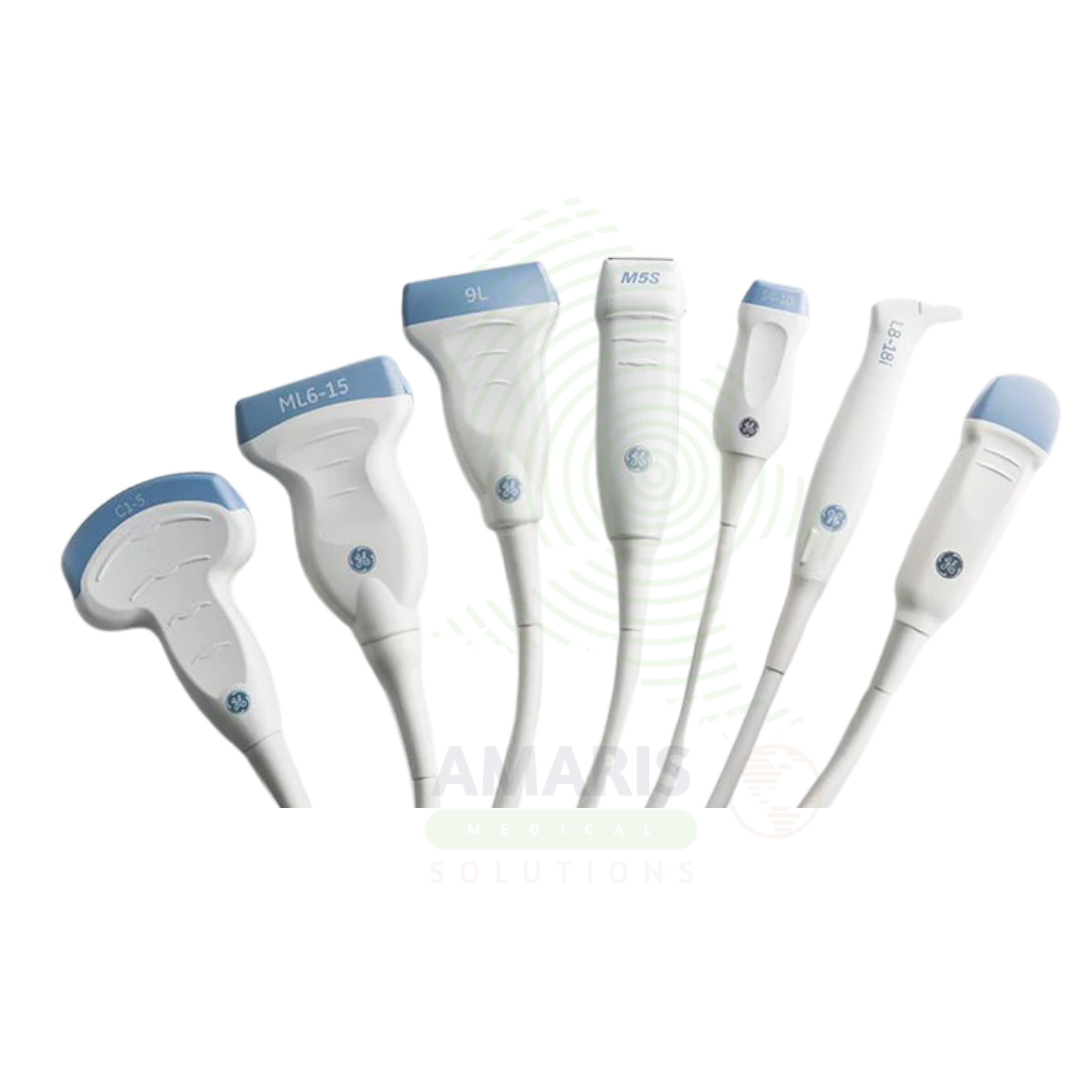
Ultrasound Accessories
WhatsApp Order
Ultrasound Accessories include a range of consumables and equipment that support diagnostic and interventional ultrasound procedures. Essential accessories include acoustic coupling gel for image optimization, sterile probe covers and disinfectants for infection control, needle guides for precise interventional guidance, and printers for image documentation. These accessories ensure image quality, patient safety, and procedural accuracy, making them integral to ultrasound practice.
Description
Ultrasound Accessories
PRIMARY CLINICAL & DIAGNOSTIC USES
1. Acoustic Coupling for Image Optimization
-
Primary Use: Ultrasound gel provides the essential acoustic coupling between the transducer and the patient’s skin, eliminating air pockets that would cause near-total reflection of sound waves. This ensures optimal transmission of ultrasound waves into the body and accurate return of echoes for diagnostic image quality.
-
How it helps: For the sonographer and radiologist, ultrasound gel transforms what would be a completely ineffective examination into a diagnostic-quality study—bridging the gap between probe and skin, displacing the air that would otherwise reflect nearly all sound waves, and ensuring that the images produced accurately represent the underlying anatomy. For the patient, the gel means that the ultrasound examination can be performed quickly and effectively, providing the diagnostic information needed without repeat scans or failed studies.
2. Transducer Disinfection and Sterility Maintenance
-
Primary Use: Transducer covers, sterile gel, and high-level disinfectant solutions provide infection control for ultrasound procedures. Sterile probe covers are used for transvaginal, transrectal, and intraoperative procedures, while non-sterile covers protect against contamination during routine examinations.
-
How it helps: For the infection prevention team and sonographer, proper use of transducer covers and sterile accessories ensures that patients are protected from cross-contamination during procedures—particularly important for endocavitary and intraoperative examinations where the transducer contacts mucous membranes or sterile tissues. For the patient, knowing that appropriate infection control measures are in place provides reassurance during sensitive examinations.
3. Transducer Protection and Longevity
-
Primary Use: Transducer storage cases, probe holders, and protective covers shield delicate ultrasound probes from damage during storage, transport, and between examinations. These accessories prevent accidental drops, lens scratches, and cable damage that can compromise image quality.
-
How it helps: For the ultrasound department and biomedical engineering team, proper transducer storage and protection extends the life of expensive probes—reducing replacement costs and ensuring consistent image quality. For the patient, well-maintained equipment means reliable, high-quality examinations without the need for repeat studies due to equipment failure.
4. Needle Guidance for Interventional Procedures
-
Primary Use: Needle guidance systems, including fixed-angle guides and freehand guides, assist in precisely positioning biopsy needles, aspiration needles, and drainage catheters under ultrasound visualization. These accessories improve procedural accuracy and reduce complication rates.
-
How it helps: For the interventional radiologist and proceduralist, needle guidance accessories provide the precision needed to accurately target lesions while avoiding critical structures—increasing first-pass success rates and reducing procedure time. For the patient undergoing a biopsy or drainage, precise needle guidance means fewer needle passes, less discomfort, and lower risk of complications.
5. Documentation and Image Storage
-
Primary Use: Printers, digital storage media, and DICOM connectivity accessories allow for the capture, storage, and distribution of ultrasound images and reports. Thermal printers produce hard copy images for patient records and referral.
-
How it helps: For the radiology department and referring physicians, documentation accessories ensure that ultrasound findings are properly recorded, archived, and shared—enabling continuity of care and consultation between specialists. For the patient, having a permanent record of their examination supports communication with their healthcare team and provides documentation for future comparison.
SECONDARY & SUPPORTIVE USES
1. Transducer Cleaning and Disinfection Systems: Automated and manual cleaning systems for reprocessing ultrasound probes between patients.
2. Ultrasound Phantoms: Test objects used for quality assurance, training, and system calibration.
3. Transducer Holders and Carts: Storage solutions for organizing multiple transducers and maintaining easy access.
4. Biopsy Guides: Sterile, single-use guides for precise needle placement during interventional procedures.
5. Patient Positioning Aids: Pillows, wedges, and supports for optimal patient positioning during examinations.
6. Cables and Adapters: Replacement cables, connector adapters, and power supplies for ultrasound systems.
KEY PRODUCT FEATURES
1. BASIC IDENTIFICATION ATTRIBUTES
-
Product Type: Consumables, accessories, and ancillary equipment used with ultrasound imaging systems.
-
Designation: Ultrasound Accessories, Ultrasound Supplies, Ultrasound Gel, Probe Covers, Needle Guides.
-
Categories of Accessories:
-
Acoustic Coupling: Ultrasound gel, sterile gel, warmers.
-
Infection Control: Probe covers, sterile sleeves, high-level disinfectants.
-
Interventional: Needle guides, biopsy attachments, puncture adapters.
-
Documentation: Printers, digital storage, DICOM converters.
-
Protection: Probe cases, cable management, storage carts.
-
Training: Phantoms, teaching guides, calibration tools.
-
2. TECHNICAL & PERFORMANCE PROPERTIES
-
Ultrasound Gel: Water-based, hypoallergenic, non-staining, acoustically conductive; sterile and non-sterile options.
-
Probe Covers: Latex or non-latex; sterile for endocavitary use; may include gel inside the cover.
-
Needle Guides: Sterile, single-use; various sizes for different needle gauges; fixed-angle or adjustable.
-
Printers: Thermal or dye-sublimation; DICOM-compatible; high-resolution for grayscale and color images.
-
Disinfectants: High-level disinfectants for semi-critical probes; intermediate-level for non-critical probes.
3. PHYSICAL & OPERATIONAL PROPERTIES
-
Gel Packaging: Bottles (250 mL to 5 L), squeeze bottles, single-use packets, warming cabinets.
-
Probe Covers: Individually packaged; sterile; single-use.
-
Needle Guides: Sterile, single-use; compatible with specific transducer models.
-
Printers: Compact, desktop units; thermal paper rolls or dye-sublimation cartridges.
4. SAFETY & COMPLIANCE ATTRIBUTES
-
Regulatory Status: Accessories are Class I or Class II medical devices depending on intended use.
-
Sterility: Sterile accessories for invasive procedures meet sterility assurance standards.
-
Biocompatibility: Gel and probe covers meet skin contact safety requirements.
-
Disinfection: Disinfectants registered with EPA and FDA for medical device reprocessing.
5. STORAGE & HANDLING ATTRIBUTES
-
Storage: Store in clean, dry location; protect gel from temperature extremes; keep sterile items in sealed packaging.
-
Shelf Life: Check expiration dates for sterile items, gel, and disinfectants.
-
Disposal: Dispose of single-use accessories as medical waste.
6. LABORATORY & CLINICAL APPLICATIONS
-
Primary Application: Support equipment for diagnostic and interventional ultrasound procedures.
-
Clinical Role: Essential for image quality, infection control, and procedural accuracy in ultrasound examinations.
SAFETY HANDLING PRECAUTIONS
1. SAFETY PRECAUTIONS
-
Sterile Technique: Use sterile probe covers and sterile gel for endocavitary and intraoperative procedures.
-
Probe Disinfection: Follow manufacturer guidelines for disinfection between patients; use appropriate levels of disinfection.
-
Gel Use: Use sterile gel for invasive procedures; non-sterile gel for intact skin.
-
Needle Guide Sterility: Use sterile needle guides for each interventional procedure; do not reuse.
-
Printer Safety: Follow manufacturer guidelines for printer operation and paper replacement.
2. FIRST AID MEASURES
-
Gel in Eyes: If gel contacts eyes, rinse thoroughly with water; seek medical attention if irritation persists.
-
Skin Reaction: If skin irritation occurs, discontinue use of gel; cleanse area; consider hypoallergenic alternative.
-
Probe Cover Breakage: If sterile cover breaks during procedure, remove and replace; follow infection control protocol.
3. FIRE FIGHTING MEASURES
-
Flammability: Gel is water-based and non-flammable; plastic components are combustible.
-
Extinguishing Media: Use water, foam, or CO₂ as appropriate for surrounding materials.
Related products
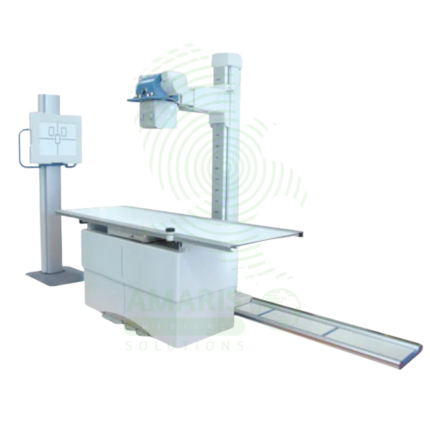
Analogue Fixed X-ray Machine
An Analogue Fixed X-ray Machine is a permanent installation X-ray system using traditional film cassettes for general radiography in radiology departments and imaging centers. Featuring ceiling-mounted tube assemblies, tilting tables, and wall stands, it provides essential diagnostic imaging for skeletal, chest, abdominal, and extremity examinations using film technology. Film cassettes are processed in darkroom facilities, producing permanent physical images for patient records and consultation. Used in facilities without digital radiography, as backup for digital systems, and in resource-limited settings.
Digital Fixed X-ray
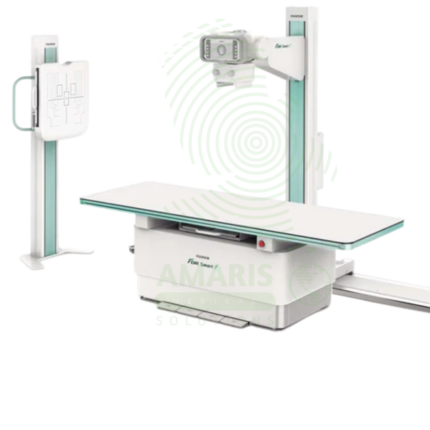
A Digital Fixed X-ray is a permanent installation digital radiography system designed for high-volume general imaging in radiology departments and outpatient imaging centers. Featuring digital flat panel detectors, ceiling-mounted tube assemblies, and tilting tables, it provides high-resolution images for skeletal, chest, abdominal, and extremity examinations. Integrated with PACS and RIS, it supports efficient digital workflow from image acquisition to interpretation, enabling rapid diagnosis and treatment planning.
Digital Mammography System
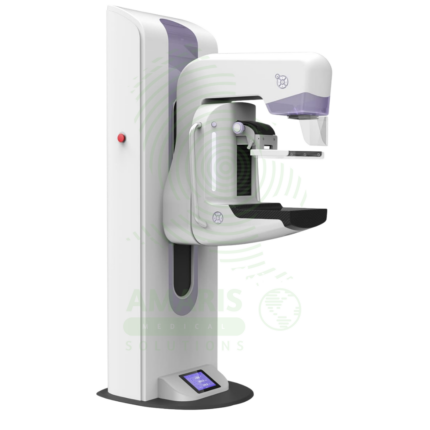
A Digital Mammography System is a specialized X-ray imaging system designed for breast cancer screening and diagnosis. Using high-resolution digital detectors, it provides superior image quality with lower radiation dose compared to film mammography. Advanced systems offer tomosynthesis (3D) imaging, which improves cancer detection rates and reduces false positives. Used in breast imaging centers, radiology departments, and women's health facilities, it is the gold standard for early detection of breast cancer.
Panoramic X-ray Dental Machine
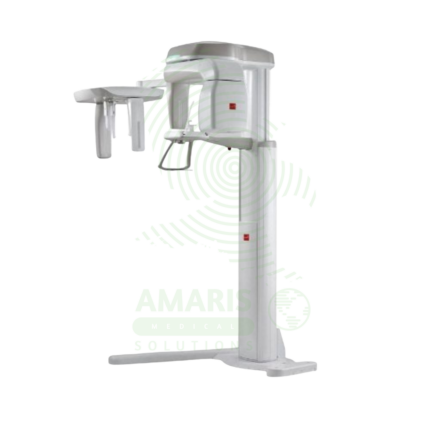
A Panoramic X-ray Dental Machine is a rotating extraoral radiographic system that produces a single, broad 2D image of the entire jaws, teeth, TMJs, and sinuses. By focusing on a curved "focal trough," it provides an efficient screening tool for wisdom teeth evaluation, orthodontic planning, and detecting large jaw pathologies. While offering a valuable overview with a relatively low radiation dose, its diagnostic utility is entirely dependent on precise patient positioning to avoid blurring and distortion. It is a cornerstone of modern dental diagnostic imaging, serving as a crucial first step in comprehensive oral assessment and treatment planning.
Portable Ultrasound Machine
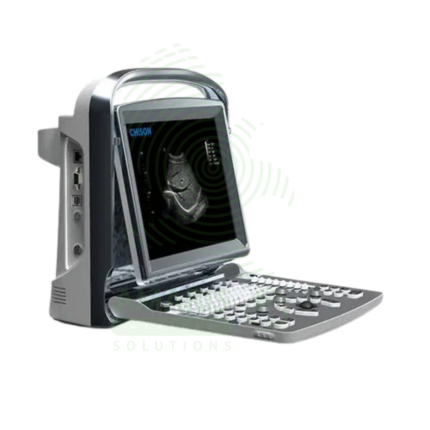
A Portable Ultrasound Machine is a compact, battery-powered imaging device designed for point-of-care use, bringing diagnostic capability directly to the patient's bedside. It is essential for rapid triage in emergency and critical care settings, procedural guidance, and basic examinations in clinics and remote locations. While offering core imaging modes like B-mode and Color Doppler in a lightweight, durable package, its effective use requires clinician training to recognize both its diagnostic value and its limitations compared to comprehensive departmental systems. Proper cleaning, battery management, and data security are paramount for its safe and effective deployment.
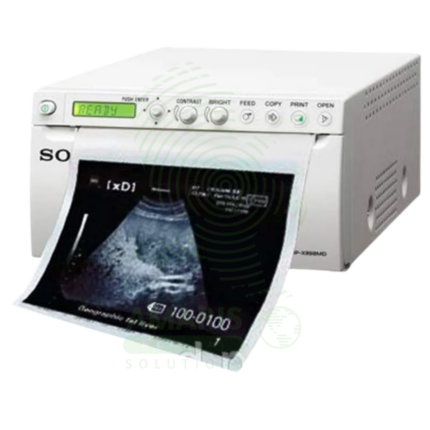
Sony Ultrasound Printer
A Sony Ultrasound Printer is a specialized medical-grade printer that produces high-quality hard copies of ultrasound images. Utilizing dry thermal, laser, or dye-sublimation technology, it creates grayscale or color prints on photographic paper or film, providing a physical record for patient charts, referrals, and consultations. While its role has diminished with the rise of fully digital PACS workflows, it remains essential in settings requiring immediate tangible output, patient education, or where digital infrastructure is limited. Its performance is defined by high spatial and contrast resolution to accurately reproduce the subtleties of sonographic images.
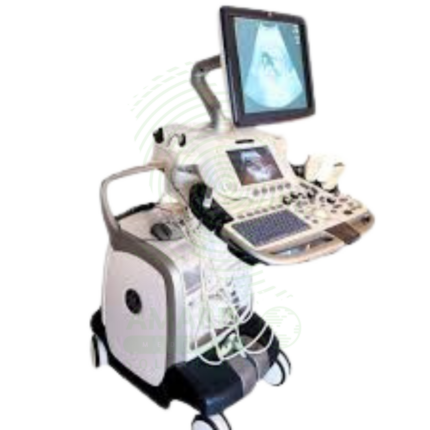
Ultrasound Machine
The Ultrasound Machine is a diagnostic imaging system that uses high-frequency sound waves to produce real-time, dynamic images of internal body structures, including soft tissues, organs, blood vessels, and developing fetuses. It provides non-invasive, radiation-free visualization using multiple transducer probes for abdominal, cardiac, obstetric, gynecological, vascular, and musculoskeletal examinations. With core features like B-mode grayscale imaging, M-mode for motion assessment, and comprehensive Doppler capabilities (Color, Power, Spectral), it offers essential diagnostic functionality for evaluating anatomy, physiology, and blood flow. Its portability, digital image storage, and user-friendly interface make it a practical tool for hospitals, clinics, emergency departments, and point-of-care settings across virtually all medical specialties, requiring proper operator training and adherence to probe disinfection protocols for safe and effective use.