Dermatoscope and Magnifiers
 Diagnostic Kits
 Vital Signs Monitors
 Stethoscopes and Accessories
 Otoscopes, Ophthalmoscopes, and Retinoscopes
 Reflex Hammers and Neurological Tools
 Scales and Measuring Devices
 Spirometers and Pulmonary Function Tests
 Electrosurgical Units and Accessories
 Cutting Instruments
 Grasping and Holding Instruments
 Hemostatic Instruments
 Specialized Surgical Sets
 Single-Use Procedure Trays and Packs
 Surgical Drapes, Gowns, and Covers
 Tissue Unifying Instruments
 Radiation Protection
 X-Ray Machines and Accessories
 Ultrasound Systems and Probes
 MRI and CT Scanners
 Radiology Consumables
 Bone Densitometers
 Fluoroscopy Equipment
 Imaging Tables and Positioning Aids
 Microscopes and Accessories
 Centrifuges and Separators
 Analyzers
 Incubators and Ovens
 Pipettes, Dispensers, and Lab Glassware
 Refrigerators, Freezers, and Storage Units
 Lab Consumables
 Sterilizers and Autoclaves for Lab Use
 Multi-Parameter Monitors
 Ventilators and Respiratory Support Devices
 Defibrillators and AEDs
 Infusion Pumps and IV Systems
 Patient Warmers and Cooling Devices
 Central Monitoring Stations
 Accessories
 Anesthesia Machines and Workstations
 Oxygen Concentrators and Delivery Systems
 Nebulizers and Inhalers
 CPAP/BiPAP Machines
 Airway Management
 Anesthesia Masks, Circuits, and Bags
 Humidifiers and Heaters
 Respiratory Therapy Accessories
 First Aid Kits and Cabinets
 Emergency Resuscitation Equipment
 Trauma Supplies
 Emergency Carts and Crash Carts
 Burn Care Products
 Bleeding Control
 Automated External Defibrillators (AEDs)
 Transport and Evacuation
 Wheelchairs and Accessories
 Walkers, Crutches, and Canes
 Prosthetics and Orthotics
 Physical Therapy Equipment
 Transfer Devices
 Bathroom Safety
 Orthopedic Traction and Tables
 Hot/Cold Therapy Packs and Units
 Beds and Mattresses
 Chairs and Stools
 Tables
 Cabinets and Storage
 Privacy Screens & Curtains
 Stands and Racks
 Linens and Textiles
 Lighting
 Autoclaves and Sterilizers
 Ultrasonic Cleaners
 Disinfectant Solutions and Wipes
 Sterilization Pouches, Wraps, and Indicators
 Instrument Trays and Containers
 UV and Ozone Disinfection Devices
 Washer Disinfectors
 Wound Care
 Gloves
 Masks and Respirators
 Catheters and Tubing
 Swabs, Applicators, and Sponges
 Incontinence Products
 Personal Protective Equipment (PPE)
 Dental Chairs and Units
 Handpieces and Burs
 Instruments
 Consumables
 Sterilization for Dental Use
 Orthodontic Supplies
 Endodontic Tools
 Slit Lamps and Tonometers
 Lensometers and Phoropters
 Ophthalmic Surgical Instruments
 Eyewear Frames and Lenses
 Contact Lens Supplies
 Vision Testing Charts and Devices
 Eye Care Consumables
 Laser Systems for Eye Care
 ENT Exam Chairs and Tables
 Endoscopes
 Audiometers and Hearing Tests
 ENT Instruments
 Nasal and Throat Packs
 Hearing Aids and Accessories
 Otology Supplies
 Fetal Dopplers and Monitors
 Delivery Beds and Tables
 Gynecological Instruments
 Neonatal Incubators and Warmers
 Breast Pumps and Accessories
 Contraceptive Devices
 Maternity Supports and Pads
 Neonatal Consumables
 Cystoscopes and Urethroscopes
 Dialysis Machines and Supplies
 Urological Catheters and Bags
 Lithotripters
 Prostate Treatment Devices
 Urinary Incontinence Products
 Kidney Stone Management Tools
 Consumables & Disposables
 EEG and EMG Machines
 Neurosurgical Instruments
 Nerve Stimulators
 Headrests and Positioning Aids
 Lumbar Puncture Kits
 Seizure Monitoring Devices
 Consumables
 Rehabilitation for Neurological Conditions
 ECG Machines and Accessories
 Holter Monitors
 Stress Test Systems
 Pacemakers and Defibrillator Accessories
 Vascular Access Devices
 Cardiac Catheters and Guidewires
 Blood Flow Meters
 Consumables
 Orthopedic Instruments
 Casts, Splints, and Padding
 Joint Replacement Supplies
 Prosthetic Limbs and Components
 Bone Grafts and Substitutes
 Traction Devices
 Orthopedic Braces and Supports
 Rehabilitation Aids for Orthopedics
 Home Oxygen Therapy
 Hospital Beds for Home Use
 Mobility Aids
 Bathroom and Daily Living Aids
 Wound Care for Home
 Monitoring Devices
 Enteral Feeding Pumps and Tubes
 Hand Sanitizers and Dispensers
 Face Shields and Goggles
 Isolation Gowns and Suits
 Biohazard Waste Containers
 Air Purifiers and HEPA Filters
 Surface Disinfectants
 Sharps Containers
 Protective Barriers
 Cardiovascular & Endurance Training
 Strength Training & Weightlifting
 Functional Training & Core Conditioning
 Physical Therapy & Rehabilitation
 Sports & Outdoor Recreation
 Gym Flooring & Facility Equipment
 Fitness Monitoring & Accessories
 Kids & Novelties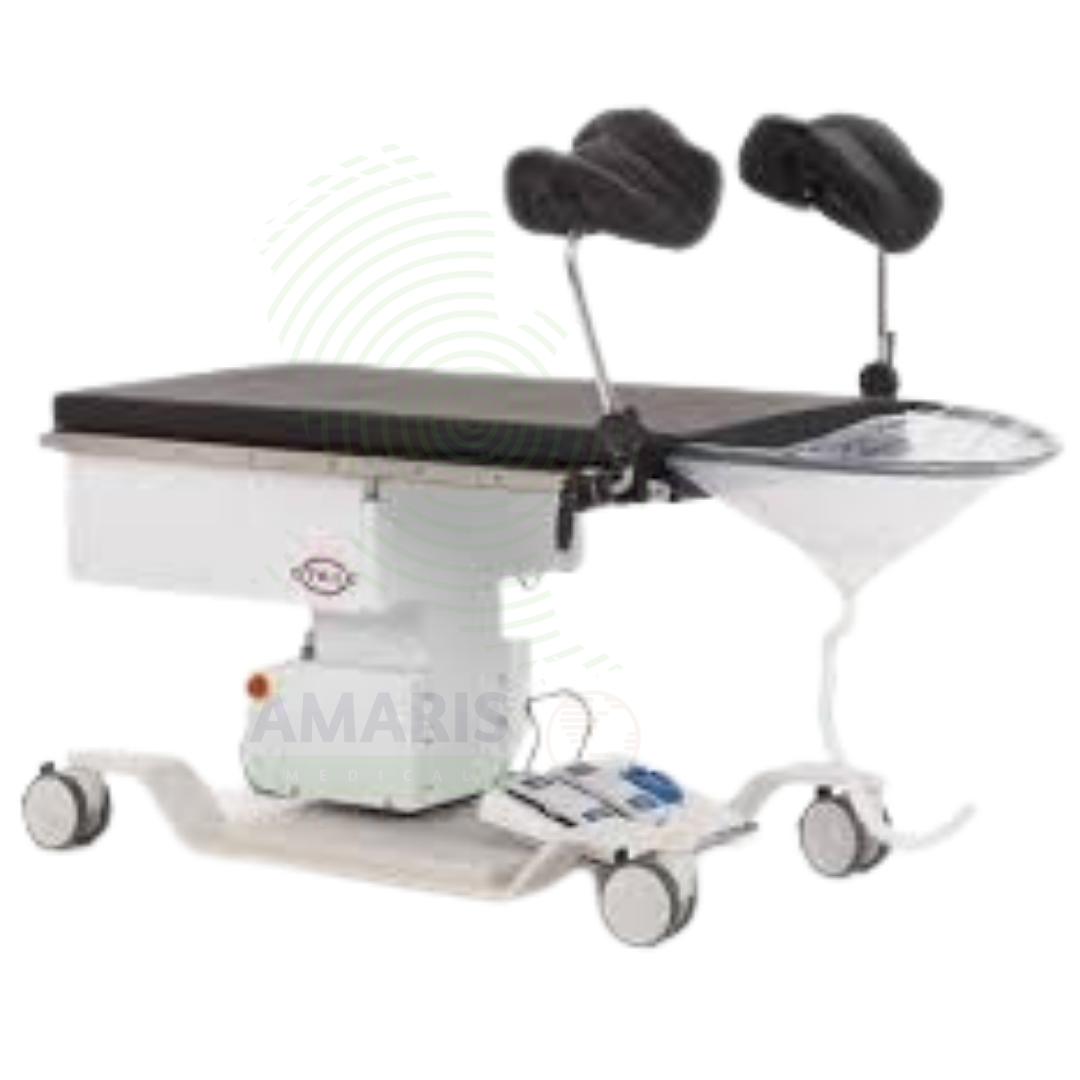
Urology Table
WhatsApp Order
A Urology Table is a specialized examination and procedure table designed for urological diagnostic and therapeutic procedures including cystoscopy, urethroscopy, prostate biopsy, ureteroscopy, and urodynamic studies. Featuring lithotomy positioning with adjustable stirrups, motorized Trendelenburg tilt, radiolucent tabletops for fluoroscopic guidance, and integrated drainage systems, it provides optimal patient positioning and clinician access for efficient, accurate urological care.
Description
Urology Table
PRIMARY CLINICAL & DIAGNOSTIC USES
1. Patient Positioning for Urological Procedures
-
Primary Use: Provides a specialized examination and procedure table designed for urological examinations and interventions, including cystoscopy, urethroscopy, ureteroscopy, and prostate biopsy. The table allows for lithotomy positioning with adjustable leg supports, Trendelenburg tilt, and optimal access for the urologist.
-
How it helps: For the urologist and urology nurse, the specialized table provides the positioning needed to perform diagnostic and therapeutic procedures—allowing for optimal visualization of the urethra, bladder, and prostate while ensuring patient comfort and safety. For the patient undergoing a urological procedure, a table designed for these examinations supports proper positioning that reduces discomfort and facilitates efficient, accurate diagnosis.
2. Cystoscopy and Urethroscopy Procedures
-
Primary Use: The table is designed for cystoscopy and urethroscopy, with features including stirrups for lithotomy positioning, drainage channels for irrigation fluids, and radiolucent surfaces for fluoroscopic imaging when needed.
-
How it helps: For the urologist performing cystoscopy, the table provides stable, adjustable positioning with easy access to the urethral meatus—allowing for efficient examination of the bladder and urethra. For the patient, proper positioning reduces the time required for the procedure and minimizes discomfort.
3. Transrectal Ultrasound and Prostate Biopsy
-
Primary Use: Accommodates transrectal ultrasound-guided prostate biopsy procedures, with positioning features that provide optimal access to the prostate while allowing the patient to be positioned comfortably for the procedure.
-
How it helps: For the urologist performing prostate biopsy, the table provides the stable positioning needed for precise needle guidance—improving biopsy accuracy and reducing procedure time. For the patient, stable, comfortable positioning helps reduce anxiety during this sensitive procedure.
4. Lithotripsy and Ureteroscopy
-
Primary Use: Designed for endoscopic stone procedures including ureteroscopy and lithotripsy, with features including radiolucent tabletops for fluoroscopic guidance, adjustable height for ergonomic access, and drainage systems for irrigation fluids.
-
How it helps: For the endourologist performing stone procedures, the table provides the imaging compatibility and positioning needed to visualize and treat ureteral and renal stones—ensuring accurate stone localization and efficient fragmentation. For the patient, a table designed for stone procedures supports efficient, effective treatment with minimal repositioning.
5. Trendelenburg and Reverse Trendelenburg Positioning
-
Primary Use: Motorized Trendelenburg and reverse Trendelenburg positioning allows for optimal patient positioning during procedures, using gravity to improve visualization and access to the urogenital structures.
-
How it helps: For the urologist, adjustable tilt positions allow for optimal visualization of the bladder and urethra—using gravity to improve access and drainage during procedures. For the patient, controlled positioning changes are smooth and comfortable, reducing anxiety during repositioning.
SECONDARY & SUPPORTIVE USES
1. General Urological Examinations: Positioning for routine urological examinations, including digital rectal exams and prostate assessments.
2. Vasectomy Procedures: Table positioning for vasectomy and other minor urological surgeries.
3. Urodynamic Studies: Positioning for urodynamic testing to assess bladder function.
4. Fluoroscopic Imaging: Radiolucent tabletops for C-arm fluoroscopy during interventional procedures.
5. Drainage Collection: Integrated drainage systems for collection of irrigation fluids during procedures.
6. Bariatric Urology: Heavy-duty tables available for bariatric patients requiring urological procedures.
KEY PRODUCT FEATURES
1. BASIC IDENTIFICATION ATTRIBUTES
-
Device Type: A specialized examination and procedure table designed for urological diagnostic and therapeutic procedures.
-
Designation: Urology Table, Urological Examination Table, Cystoscopy Table, Urology Procedure Table.
-
Key Components:
-
Tabletop: Radiolucent surface for imaging compatibility.
-
Leg Supports: Adjustable stirrups for lithotomy positioning.
-
Trendelenburg Mechanism: Motorized tilt for head-down positioning.
-
Height Adjustment: Motorized or hydraulic height adjustment.
-
Drainage System: Collection channels for irrigation fluids.
-
Castors: Locking wheels for mobility and stability.
-
Controls: Foot pedal or hand control for positioning.
-
2. TECHNICAL & PERFORMANCE PROPERTIES
-
Tabletop: Radiolucent for fluoroscopic imaging.
-
Positioning: Lithotomy, Trendelenburg, reverse Trendelenburg, flat.
-
Height Adjustment: 24-40 inches typical range.
-
Trendelenburg Angle: 0-20 degrees.
-
Weight Capacity: 300-600 lbs depending on model.
-
Leg Supports: Adjustable for patient comfort and access.
-
Drainage: Integrated collection system for irrigation fluids.
3. PHYSICAL & OPERATIONAL PROPERTIES
-
Construction: Powder-coated steel frame; radiolucent tabletop.
-
Upholstery: Fluid-resistant, easy-clean material.
-
Controls: Foot pedal or hand control for hands-free operation.
-
Portability: Locking castors for mobility.
-
Accessories: Stirrups, arm boards, patient restraints.
4. SAFETY & COMPLIANCE ATTRIBUTES
-
Regulatory Status: Class I medical device.
-
Electrical Safety: Compliant with electrical safety standards (electric models).
-
Weight Capacity: Validated for stated capacity.
-
Stability: Designed for stability during procedures.
5. STORAGE & HANDLING ATTRIBUTES
-
Storage: Stored in urology suite or procedure room.
-
Cleaning: Clean with hospital-grade disinfectants; follow manufacturer guidelines.
-
Maintenance: Regular inspection of mechanical and electrical components.
6. LABORATORY & CLINICAL APPLICATIONS
-
Primary Application: Positioning for urological procedures including cystoscopy, prostate biopsy, ureteroscopy, and urodynamic studies.
-
Clinical Role: Essential equipment in urology clinics, outpatient procedure centers, and hospital urology departments.
SAFETY HANDLING PRECAUTIONS
1. SAFETY PRECAUTIONS
-
Patient Positioning: Ensure proper positioning of legs in stirrups to prevent nerve compression.
-
Weight Capacity: Do not exceed stated weight capacity.
-
Trendelenburg Use: Use with caution in patients with respiratory compromise or increased intracranial pressure.
-
Castors: Lock castors during procedures to prevent movement.
-
Patient Monitoring: Monitor patients during positioning changes.
2. FIRST AID MEASURES
-
Patient Fall: If a patient falls, assess for injury; seek medical attention if needed.
-
Nerve Compression: If a patient reports numbness or tingling, reposition legs immediately.
3. FIRE FIGHTING MEASURES
-
Flammability: Upholstery and plastic components are combustible.
-
Extinguishing Media: Use water, foam, or CO₂ as appropriate for surrounding materials.
Related products
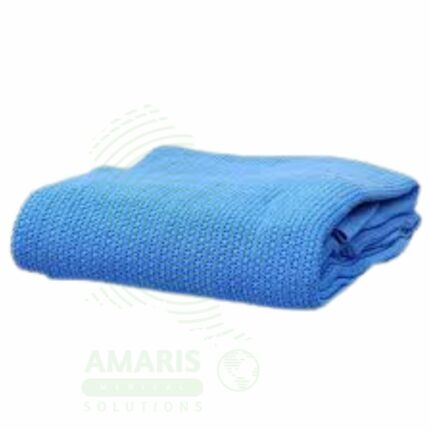
Cellular Blankets
Cellular Blankets are lightweight, breathable blankets with a distinctive honeycomb knit structure. Primarily used in healthcare for patient warmth and thermal regulation, they work by trapping insulating air within their cells while allowing moisture to escape, preventing overheating and sweating. Available in reusable (cotton/polyester) or disposable forms, they are essential for maintaining patient comfort, dignity, and temperature stability in wards, recovery areas, and during transport. Their safety depends on strict adherence to single-patient use and proper high-temperature laundering for reusable versions.
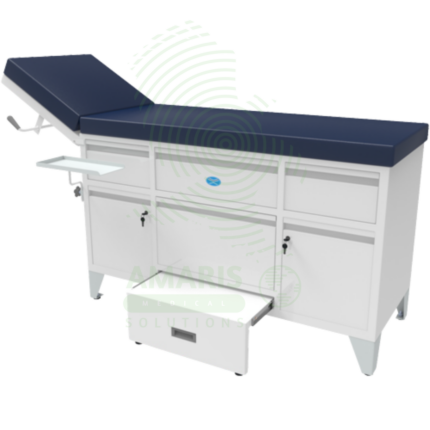
Examination Couch
An Examination Couch is a versatile, height-adjustable table designed as the central fixture in medical exam rooms. It provides a clean, comfortable, and adaptable surface for patient examinations, minor outpatient procedures, and diagnostic testing. Key features often include an adjustable backrest, extendable stirrups for gynecological/urological exams, and easy-clean upholstery. Its primary function is to facilitate efficient and ergonomic patient care while ensuring comfort and safety for both the patient and the clinician in general practice, specialty clinics, and urgent care settings.
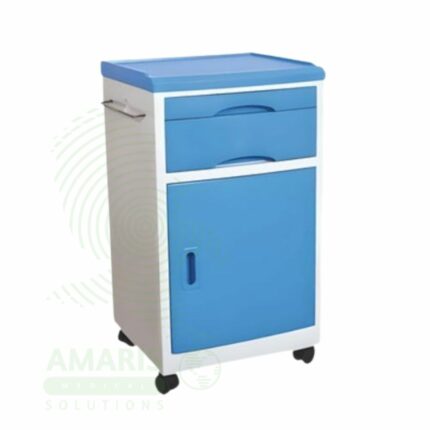
Imported Hospital Bedside Lockers
Imported Hospital Bedside Lockers are secure storage units designed for patient bedside use in hospitals, long-term care facilities, and patient care areas. Featuring lockable drawers for valuables and medications, open shelves for frequently used items, and smooth, non-porous surfaces for easy cleaning, they provide organized, secure storage for patient personal belongings and clinical supplies. The top surface serves as a convenient platform for water, tissues, and call bells, supporting patient independence and comfort. Essential for maintaining an organized, dignified patient environment while supporting infection control protocols.
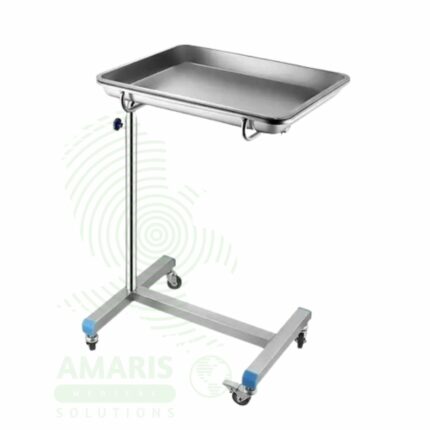
Mayo trolley
A Mayo Trolley is a mobile, height-adjustable instrument table used in operating rooms and procedure areas to hold sterile instruments, supplies, and equipment within easy reach of the surgical team. Featuring a stainless steel tray, locking castors, and adjustable height column, it provides a stable, organized workspace that supports efficient surgical procedures. Essential for maintaining an organized sterile field, it is used across surgical specialties including general surgery, orthopedics, gynecology, and plastic surgery.
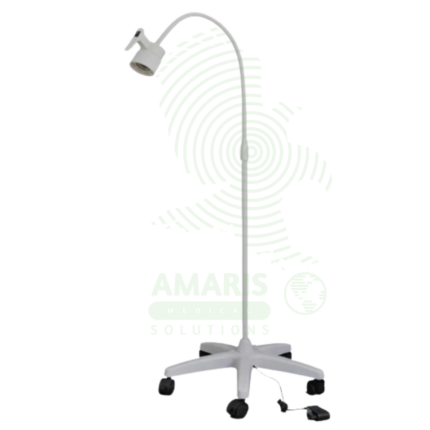
Portable Flexible LED Examination Lamp
A Portable Flexible LED Examination Lamp is a clinical lighting device featuring a high-intensity LED light source mounted on a flexible gooseneck arm. The LED provides bright, cool illumination with high color rendering index (CRI) for accurate tissue color discrimination during physical examinations, minor procedures, and wound assessment. The flexible gooseneck allows precise positioning to eliminate shadows and direct light into body cavities. Available in corded and battery-powered configurations, it is used in examination rooms, procedure rooms, emergency departments, and home healthcare settings. LED technology offers long bulb life, minimal heat output, and energy efficiency.
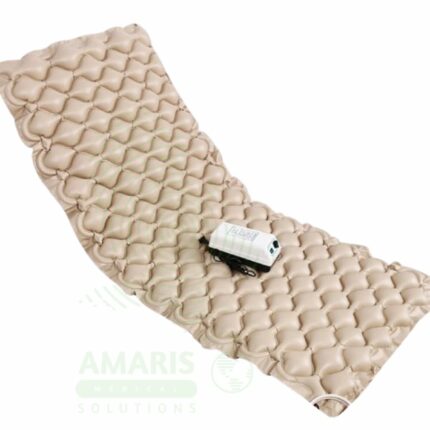
Ripple Mattress
A Ripple Mattress is an active alternating pressure mattress system designed to prevent and treat pressure injuries. It consists of a series of air cells connected to an electric pump that cyclically inflates and deflates, creating a "rippling" effect that constantly shifts pressure away from bony prominences. This promotes blood flow and relieves tissue ischemia in immobile, high-risk patients. Essential in ICUs, wards, and long-term care, it is a key component of pressure injury prevention protocols and includes critical safety features like low-pressure alarms and battery backup to ensure continuous therapy.
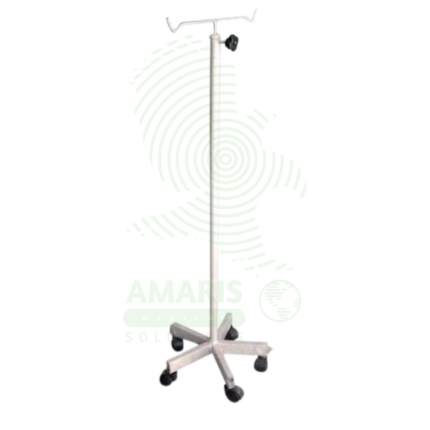
Stainless Steel Drip Stand
A Stainless Steel Drip Stand is a mobile, height-adjustable pole on a wheeled base, designed to securely hold intravenous fluid bags, blood products, and infusion pumps. Its primary function is to provide the necessary height for gravity-fed IV therapy and to serve as a stable transport system for infusions during patient mobility. Constructed from durable, corrosion-resistant stainless steel for easy cleaning and long-term use in hospitals and clinics, it is an indispensable piece of equipment for the safe and organized delivery of intravenous medications and fluids.