Dermatoscope and Magnifiers
 Diagnostic Kits
 Vital Signs Monitors
 Stethoscopes and Accessories
 Otoscopes, Ophthalmoscopes, and Retinoscopes
 Reflex Hammers and Neurological Tools
 Scales and Measuring Devices
 Spirometers and Pulmonary Function Tests
 Electrosurgical Units and Accessories
 Cutting Instruments
 Grasping and Holding Instruments
 Hemostatic Instruments
 Specialized Surgical Sets
 Single-Use Procedure Trays and Packs
 Surgical Drapes, Gowns, and Covers
 Tissue Unifying Instruments
 Radiation Protection
 X-Ray Machines and Accessories
 Ultrasound Systems and Probes
 MRI and CT Scanners
 Radiology Consumables
 Bone Densitometers
 Fluoroscopy Equipment
 Imaging Tables and Positioning Aids
 Microscopes and Accessories
 Centrifuges and Separators
 Analyzers
 Incubators and Ovens
 Pipettes, Dispensers, and Lab Glassware
 Refrigerators, Freezers, and Storage Units
 Lab Consumables
 Sterilizers and Autoclaves for Lab Use
 Multi-Parameter Monitors
 Ventilators and Respiratory Support Devices
 Defibrillators and AEDs
 Infusion Pumps and IV Systems
 Patient Warmers and Cooling Devices
 Central Monitoring Stations
 Accessories
 Anesthesia Machines and Workstations
 Oxygen Concentrators and Delivery Systems
 Nebulizers and Inhalers
 CPAP/BiPAP Machines
 Airway Management
 Anesthesia Masks, Circuits, and Bags
 Humidifiers and Heaters
 Respiratory Therapy Accessories
 First Aid Kits and Cabinets
 Emergency Resuscitation Equipment
 Trauma Supplies
 Emergency Carts and Crash Carts
 Burn Care Products
 Bleeding Control
 Automated External Defibrillators (AEDs)
 Transport and Evacuation
 Wheelchairs and Accessories
 Walkers, Crutches, and Canes
 Prosthetics and Orthotics
 Physical Therapy Equipment
 Transfer Devices
 Bathroom Safety
 Orthopedic Traction and Tables
 Hot/Cold Therapy Packs and Units
 Beds and Mattresses
 Chairs and Stools
 Tables
 Cabinets and Storage
 Privacy Screens & Curtains
 Stands and Racks
 Linens and Textiles
 Lighting
 Autoclaves and Sterilizers
 Ultrasonic Cleaners
 Disinfectant Solutions and Wipes
 Sterilization Pouches, Wraps, and Indicators
 Instrument Trays and Containers
 UV and Ozone Disinfection Devices
 Washer Disinfectors
 Wound Care
 Gloves
 Masks and Respirators
 Catheters and Tubing
 Swabs, Applicators, and Sponges
 Incontinence Products
 Personal Protective Equipment (PPE)
 Dental Chairs and Units
 Handpieces and Burs
 Instruments
 Consumables
 Sterilization for Dental Use
 Orthodontic Supplies
 Endodontic Tools
 Slit Lamps and Tonometers
 Lensometers and Phoropters
 Ophthalmic Surgical Instruments
 Eyewear Frames and Lenses
 Contact Lens Supplies
 Vision Testing Charts and Devices
 Eye Care Consumables
 Laser Systems for Eye Care
 ENT Exam Chairs and Tables
 Endoscopes
 Audiometers and Hearing Tests
 ENT Instruments
 Nasal and Throat Packs
 Hearing Aids and Accessories
 Otology Supplies
 Fetal Dopplers and Monitors
 Delivery Beds and Tables
 Gynecological Instruments
 Neonatal Incubators and Warmers
 Breast Pumps and Accessories
 Contraceptive Devices
 Maternity Supports and Pads
 Neonatal Consumables
 Cystoscopes and Urethroscopes
 Dialysis Machines and Supplies
 Urological Catheters and Bags
 Lithotripters
 Prostate Treatment Devices
 Urinary Incontinence Products
 Kidney Stone Management Tools
 Consumables & Disposables
 EEG and EMG Machines
 Neurosurgical Instruments
 Nerve Stimulators
 Headrests and Positioning Aids
 Lumbar Puncture Kits
 Seizure Monitoring Devices
 Consumables
 Rehabilitation for Neurological Conditions
 ECG Machines and Accessories
 Holter Monitors
 Stress Test Systems
 Pacemakers and Defibrillator Accessories
 Vascular Access Devices
 Cardiac Catheters and Guidewires
 Blood Flow Meters
 Consumables
 Orthopedic Instruments
 Casts, Splints, and Padding
 Joint Replacement Supplies
 Prosthetic Limbs and Components
 Bone Grafts and Substitutes
 Traction Devices
 Orthopedic Braces and Supports
 Rehabilitation Aids for Orthopedics
 Home Oxygen Therapy
 Hospital Beds for Home Use
 Mobility Aids
 Bathroom and Daily Living Aids
 Wound Care for Home
 Monitoring Devices
 Enteral Feeding Pumps and Tubes
 Hand Sanitizers and Dispensers
 Face Shields and Goggles
 Isolation Gowns and Suits
 Biohazard Waste Containers
 Air Purifiers and HEPA Filters
 Surface Disinfectants
 Sharps Containers
 Protective Barriers
 Cardiovascular & Endurance Training
 Strength Training & Weightlifting
 Functional Training & Core Conditioning
 Physical Therapy & Rehabilitation
 Sports & Outdoor Recreation
 Gym Flooring & Facility Equipment
 Fitness Monitoring & Accessories
 Kids & Novelties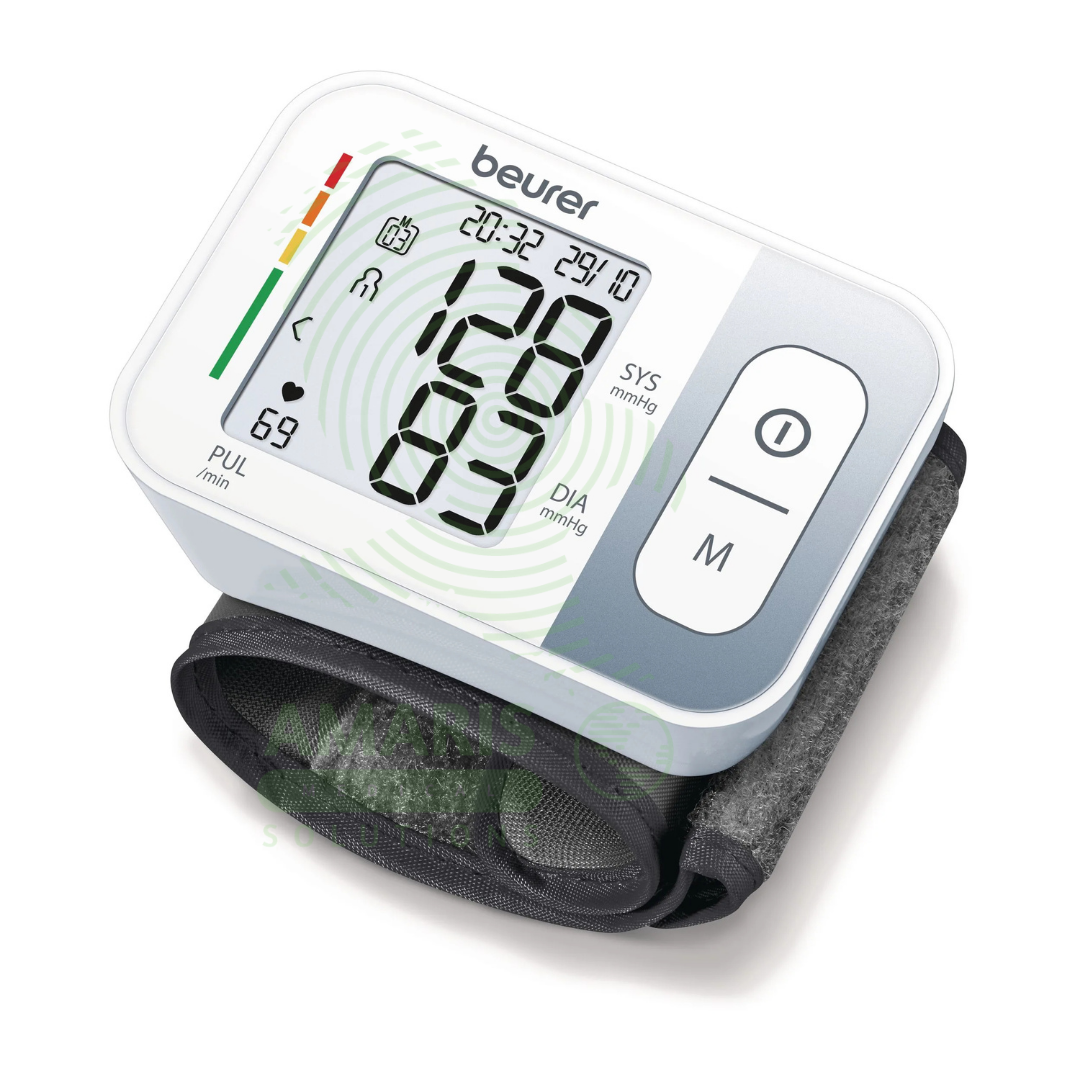
Wrist Blood Pressure Monitor
WhatsApp Order
The Wrist Blood Pressure Monitor is an ultra-portable, automatic digital device designed for convenient blood pressure and pulse rate measurement on the go. Its compact, all-in-one design integrates the cuff and monitor, making it ideal for travel, work, or fitness tracking. While offering features like one-touch operation, memory storage, and hypertension indicators, its accuracy is highly dependent on the user’s strict adherence to proper technique—most critically, positioning the wrist at heart level during measurement. It serves best as a supplementary tool for tracking trends and providing situational readings rather than as a primary device for the initial diagnosis or precise management of hypertension.
Description
Wrist Blood Pressure Monitor
PRIMARY CLINICAL & DIAGNOSTIC USES
1. Portable & Travel-Friendly Blood Pressure Monitoring:
-
Primary Use: The primary use is for individuals who require convenient blood pressure tracking outside the home, such as while traveling, at work, or during daily commutes, where a traditional upper-arm monitor is impractical.
-
How it helps: Ensures that patients who need to monitor their blood pressure can maintain their routine even when away from home, preventing gaps in health data that could mask important trends or fluctuations.
2. Supplementary Home Monitoring for Specific Users:
-
Primary Use: Can be suitable for home use by individuals who find upper-arm cuffs physically difficult or uncomfortable to apply correctly due to mobility issues, arm shape, or clothing constraints, provided strict positioning protocols are followed.
-
How it helps: Offers a practical solution for patients with arthritis, limited mobility, or very large arm circumferences who would otherwise struggle to monitor their blood pressure, ensuring they are not excluded from essential self-care.
3. Fitness & Activity-Related Monitoring:
-
Primary Use: Used by athletes or fitness enthusiasts to check blood pressure and pulse rate before, during, or after exercise sessions, as part of broader cardiovascular fitness tracking (noting that readings during/after activity will be elevated).
-
How it helps: Helps active individuals understand how their body responds to physical stress, allowing them to adjust workout intensity and recovery periods for optimal performance and safety.
4. Quick Spot-Check Trend Monitoring:
-
Primary Use: Useful for obtaining frequent, quick readings throughout the day to observe broad patterns and fluctuations, which can be informative when discussed with a physician alongside more formal, seated upper-arm measurements.
-
How it helps: Reveals blood pressure variations that might otherwise go unnoticed—like morning surges or stress spikes—providing doctors with valuable context for adjusting medication timing and dosages.
5. Secondary Device for Established Patients:
-
Primary Use: May serve as a secondary or backup device for patients already diagnosed and managed with hypertension, who use it for additional data points but rely on a primary upper-arm device for official readings.
-
How it helps: Gives patients peace of mind by having a reliable backup option, ensuring they never miss a reading even if their primary monitor is unavailable or being serviced.
SECONDARY & SUPPORTIVE USES
1. Medication Timing Assessment: Can help assess blood pressure response at specific times relative to medication intake, though accuracy is highly position-dependent, offering clues about medication effectiveness throughout the day.
2. Public Awareness & Preliminary Screening: Its compact size makes it a tool for informal blood pressure awareness campaigns in workplaces or community centers, with the caveat that readings are preliminary and should be confirmed with standard devices.
3. Sleep Study Support (Limited): In some cases, used with caution to check nocturnal readings, though specialized ambulatory monitors are the clinical standard for this purpose.
KEY PRODUCT FEATURES
1. BASIC IDENTIFICATION ATTRIBUTES
-
Device Type: Automatic Digital Wrist Blood Pressure Monitor.
-
Measurement Site: Wrist (Radial Artery).
-
Measurement Method: Oscillometric.
-
Design: Ultra-compact, all-in-one unit where the cuff is integrated into the body of the monitor.
2. TECHNICAL & PERFORMANCE PROPERTIES
-
Measurement Range: Typical Pressure: 0-299 mmHg; Pulse: 40-199 beats per minute.
-
Accuracy: Manufacturer's declared accuracy is typically within ±3 mmHg for pressure and ±5% for pulse. Wrist monitors are inherently more sensitive to user error than upper-arm devices, which can affect real-world accuracy.
-
Cuff: Fixed, non-adjustable wrist cuff designed to fit a specific wrist circumference range (e.g., 13.5 cm ~ 19.5 cm / 5.3" ~ 7.7"). It is critical the user's wrist falls within this range.
-
Key Features:
-
One-Touch Operation: Simple automatic measurement.
-
Large LCD Display: Shows systolic/diastolic pressure and pulse rate.
-
Irregular Heartbeat Indicator: May signal potential arrhythmias during measurement.
-
Hypertension Warning: Often includes a color-coded bar or symbol based on WHO classifications.
-
Memory Function: Typically stores between 30 to 120 readings for one or two users.
-
3. PHYSICAL & OPERATIONAL PROPERTIES
-
Size & Weight: Extremely lightweight (often under 150g) and pocket-sized.
-
Power Source: Usually powered by 2 x AAA batteries.
-
Portability: The defining feature. Can be easily carried in a handbag, briefcase, or glove compartment.
-
Position Sensor (on advanced models): Some wrist monitors include a sensor to warn the user if the wrist is not positioned at heart level, which is critical for an accurate reading.
4. SAFETY & COMPLIANCE ATTRIBUTES
-
Regulatory Approvals: May hold CE Marking and/or FDA Clearance as a consumer medical device. It is important to verify these marks.
-
Clinical Validation: Some models may be clinically validated, but wrist devices generally face more scrutiny. Validation against an upper-arm reference device in a specific posture is key.
-
Intended Use: Classified as a personal/home use device, not a primary professional diagnostic tool.
5. STORAGE & HANDLING ATTRIBUTES
-
Storage: Store in a protective case or pouch to prevent scratches and dust accumulation. Avoid extreme temperatures.
-
Handling: Protect from drops and impacts. Keep the wrist cuff clean and dry.
-
Battery Care: Remove batteries during long-term storage.
6. LABORATORY & CLINICAL APPLICATIONS
-
Primary Application: Convenient, on-the-go monitoring of blood pressure and heart rate trends with a strong emphasis on correct user technique.
-
Consideration: Not recommended as the sole device for the initial diagnosis of hypertension or for patients with arrhythmias like atrial fibrillation, due to sensitivity to positioning.
SAFETY HANDLING PRECAUTIONS
1. SAFETY PRECAUTIONS
-
CRITICAL - Positioning Protocol: The single most important safety/precaution is correct positioning. The wrist monitor must be placed on the left wrist (unless otherwise instructed) and positioned so the device is at the exact level of the heart during measurement. The arm must be bent and supported (e.g., by holding the elbow on a table with the wrist against the chest).
-
Patient Preparation: Avoid caffeine, exercise, and smoking for 30 minutes prior. Sit quietly for 5 minutes before measuring. Do not talk or move the hand/fingers during inflation.
-
Cuff Fit: Ensure the cuff fits snugly but not tightly on a bare wrist. Clothing should not interfere.
-
Limitations: Not suitable for individuals with certain circulatory conditions affecting the wrist arteries. Readings may be less reliable for the elderly or those with diabetes.
2. FIRST AID MEASURES
-
General: The device is low-risk. Focus on patient condition.
-
Device Issue: Discontinue use if the device causes discomfort, shows error messages repeatedly, or gives implausible readings.
-
Battery Ingestion: Seek immediate medical help if batteries are swallowed.
3. FIRE FIGHTING MEASURES
-
Flammability: Plastic and electronic components are combustible.
-
Extinguishing Media: Use CO₂ or dry chemical extinguisher for electrical fires.
-
Special Procedures: Standard procedures for small electronic devices apply.
Related products
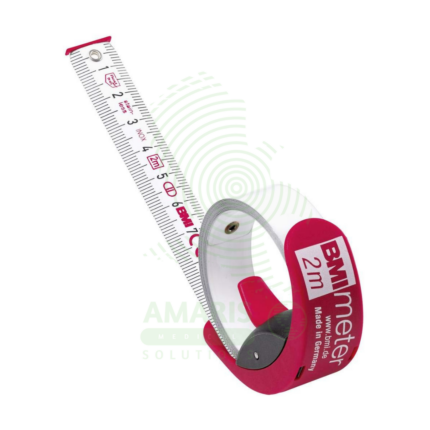
BMI Tape
A BMI Tape is a rapid screening tool that estimates an individual's Body Mass Index (BMI) category by measuring body circumference, most commonly the waist. It features a color-coded scale that directly displays BMI ranges (Underweight, Normal, Overweight, Obese), eliminating the need for separate height and weight measurements and manual calculation. While highly useful for community health screenings, wellness programs, and patient education due to its portability and simplicity, it is an approximate method. Its accuracy is limited compared to BMI calculated from precise clinical measurements, and it should be used as an initial screening indicator rather than a definitive diagnostic tool.
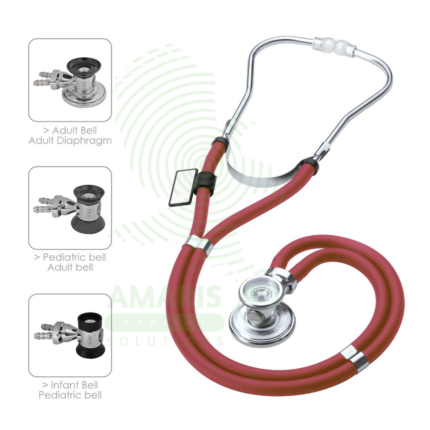
Dual Head Stethoscope
The Dual Head Stethoscope is the classic, essential acoustic diagnostic tool used by healthcare professionals worldwide. Its defining feature is a two-sided chestpiece, combining a diaphragm for high-frequency sounds (breath sounds, normal heart tones) and a bell for low-frequency sounds (heart murmurs, abnormal heart tones). Through mechanical sound conduction, it provides critical information for assessing cardiac, pulmonary, and vascular systems during physical examinations and manual blood pressure measurement. Its effectiveness relies on proper technique, a good acoustic seal, and consistent cleaning. As a fundamental symbol of medical practice, it balances functionality, durability, and affordability.
ECG Machine
An ECG Machine is a Class II medical device that records and displays the electrical activity of the heart through surface electrodes, producing an electrocardiogram for diagnosis of cardiac conditions. Standard diagnostic machines record 12 simultaneous leads (3 limb, 6 precordial, 1 ground) with frequency response 0.05-150 Hz, sampling rate 500-1,000 Hz, and high-resolution (5-10 µV) signal acquisition. Features include color touchscreen display, thermal array printer, computerized interpretation algorithms, internal memory (50-500+ ECGs), and network connectivity for EMR integration. Lead wires (AHA or IEC color coding) connect to disposable adhesive electrodes. Portable models (5-15 kg) with rechargeable batteries enable bedside and mobile use; cart-mounted units provide full diagnostic capability. Primary clinical applications include diagnosis of arrhythmias (AF, VT, bradycardia), detection of myocardial ischemia/infarction (STEMI, NSTEMI), evaluation of chest pain, preoperative cardiac risk assessment, monitoring electrolyte imbalances, assessment of chamber enlargement, and drug effect/toxicity monitoring. Essential diagnostic equipment in emergency departments, cardiology clinics, ICUs, operating rooms, and primary care settings worldwide.
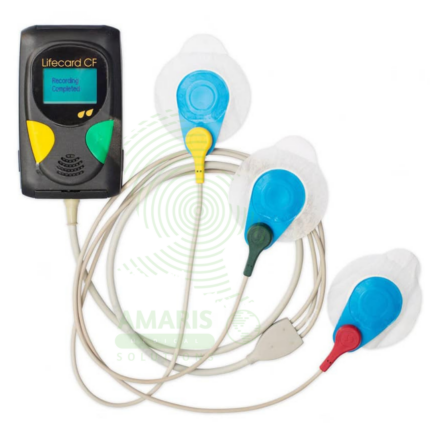
Holter ECG Monitor
A Holter ECG Monitor is a portable, wearable medical device used for continuous, long-term recording of a patient's heart's electrical activity over 24 to 48 hours or more. It is the cornerstone diagnostic tool for detecting intermittent cardiac arrhythmias, evaluating unexplained symptoms like syncope or palpitations, and monitoring the efficacy of antiarrhythmic treatments or implanted cardiac device function. Consisting of a small digital recorder connected to chest electrodes (or an all-in-one adhesive patch), it allows patients to maintain their normal daily routine while capturing a comprehensive electrocardiographic record.
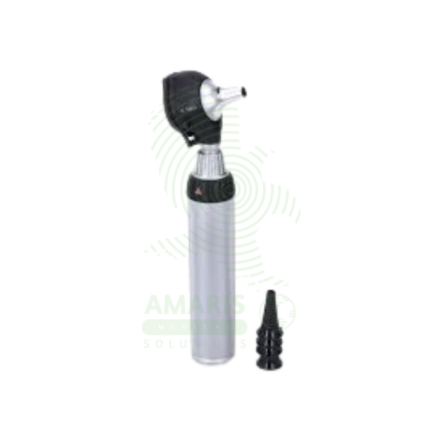
LED Otoscope
An LED Otoscope is a handheld medical device used for illuminating and magnifying the external ear canal and tympanic membrane. Featuring a bright, cool, and long-lasting LED light source, it provides superior visualization for diagnosing common conditions like ear infections, wax impaction, and perforations. Its design, incorporating a reusable handle/head and disposable specula, ensures hygiene and patient safety. As an essential tool in family medicine, pediatrics, and ENT, it enables clinicians to perform accurate otoscopic examinations and, when equipped with an insufflator, crucial pneumatic otoscopy to assess middle ear function.
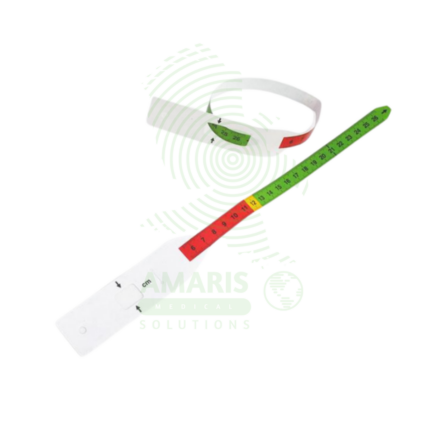
MUAC Tape
A MUAC Tape (Mid-Upper Arm Circumference) is a specialized, color-coded measuring tape used globally as the primary field tool for screening children aged 6-59 months for acute malnutrition. Its simple design—featuring red, yellow, and green zones corresponding to Severe Acute Malnutrition, Moderate Acute Malnutrition, and normal nutritional status—allows for instant, non-invasive assessment without the need for scales, calculation, or literacy. Durable, portable, and inexpensive, it is the cornerstone of community-based nutrition programs, emergency relief efforts, and public health surveillance, enabling early detection and life-saving intervention for malnourished children in even the most resource-constrained settings.
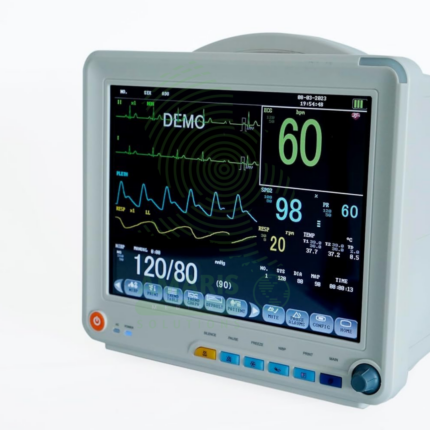
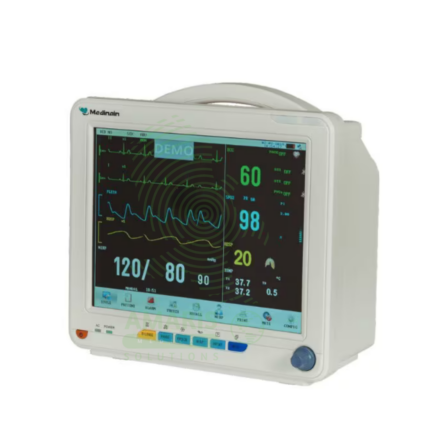
Patient Monitor
The Patient Monitor (6 Parameters BCCMS8000) is a versatile multi-parameter monitor designed for continuous surveillance of core vital signs in various clinical settings. It tracks six essential parameters—ECG, SpO2, Non-Invasive Blood Pressure (NIBP), Respiration, Temperature, and Pulse Rate—providing clinicians with real-time waveforms and numerical data on a clear color display. With its robust alarm system, battery backup for transport, and reliable performance, it is a fundamental tool for ensuring patient safety on general hospital wards, during procedures, and in emergency departments. Its design balances comprehensive monitoring capability with user-friendly operation.