Dermatoscope and Magnifiers
 Diagnostic Kits
 Vital Signs Monitors
 Stethoscopes and Accessories
 Otoscopes, Ophthalmoscopes, and Retinoscopes
 Reflex Hammers and Neurological Tools
 Scales and Measuring Devices
 Spirometers and Pulmonary Function Tests
 Electrosurgical Units and Accessories
 Cutting Instruments
 Grasping and Holding Instruments
 Hemostatic Instruments
 Specialized Surgical Sets
 Single-Use Procedure Trays and Packs
 Surgical Drapes, Gowns, and Covers
 Tissue Unifying Instruments
 Radiation Protection
 X-Ray Machines and Accessories
 Ultrasound Systems and Probes
 MRI and CT Scanners
 Radiology Consumables
 Bone Densitometers
 Fluoroscopy Equipment
 Imaging Tables and Positioning Aids
 Microscopes and Accessories
 Centrifuges and Separators
 Analyzers
 Incubators and Ovens
 Pipettes, Dispensers, and Lab Glassware
 Refrigerators, Freezers, and Storage Units
 Lab Consumables
 Sterilizers and Autoclaves for Lab Use
 Multi-Parameter Monitors
 Ventilators and Respiratory Support Devices
 Defibrillators and AEDs
 Infusion Pumps and IV Systems
 Patient Warmers and Cooling Devices
 Central Monitoring Stations
 Accessories
 Anesthesia Machines and Workstations
 Oxygen Concentrators and Delivery Systems
 Nebulizers and Inhalers
 CPAP/BiPAP Machines
 Airway Management
 Anesthesia Masks, Circuits, and Bags
 Humidifiers and Heaters
 Respiratory Therapy Accessories
 First Aid Kits and Cabinets
 Emergency Resuscitation Equipment
 Trauma Supplies
 Emergency Carts and Crash Carts
 Burn Care Products
 Bleeding Control
 Automated External Defibrillators (AEDs)
 Transport and Evacuation
 Wheelchairs and Accessories
 Walkers, Crutches, and Canes
 Prosthetics and Orthotics
 Physical Therapy Equipment
 Transfer Devices
 Bathroom Safety
 Orthopedic Traction and Tables
 Hot/Cold Therapy Packs and Units
 Beds and Mattresses
 Chairs and Stools
 Tables
 Cabinets and Storage
 Privacy Screens & Curtains
 Stands and Racks
 Linens and Textiles
 Lighting
 Autoclaves and Sterilizers
 Ultrasonic Cleaners
 Disinfectant Solutions and Wipes
 Sterilization Pouches, Wraps, and Indicators
 Instrument Trays and Containers
 UV and Ozone Disinfection Devices
 Washer Disinfectors
 Wound Care
 Gloves
 Masks and Respirators
 Catheters and Tubing
 Swabs, Applicators, and Sponges
 Incontinence Products
 Personal Protective Equipment (PPE)
 Dental Chairs and Units
 Handpieces and Burs
 Instruments
 Consumables
 Sterilization for Dental Use
 Orthodontic Supplies
 Endodontic Tools
 Slit Lamps and Tonometers
 Lensometers and Phoropters
 Ophthalmic Surgical Instruments
 Eyewear Frames and Lenses
 Contact Lens Supplies
 Vision Testing Charts and Devices
 Eye Care Consumables
 Laser Systems for Eye Care
 ENT Exam Chairs and Tables
 Endoscopes
 Audiometers and Hearing Tests
 ENT Instruments
 Nasal and Throat Packs
 Hearing Aids and Accessories
 Otology Supplies
 Fetal Dopplers and Monitors
 Delivery Beds and Tables
 Gynecological Instruments
 Neonatal Incubators and Warmers
 Breast Pumps and Accessories
 Contraceptive Devices
 Maternity Supports and Pads
 Neonatal Consumables
 Cystoscopes and Urethroscopes
 Dialysis Machines and Supplies
 Urological Catheters and Bags
 Lithotripters
 Prostate Treatment Devices
 Urinary Incontinence Products
 Kidney Stone Management Tools
 Consumables & Disposables
 EEG and EMG Machines
 Neurosurgical Instruments
 Nerve Stimulators
 Headrests and Positioning Aids
 Lumbar Puncture Kits
 Seizure Monitoring Devices
 Consumables
 Rehabilitation for Neurological Conditions
 ECG Machines and Accessories
 Holter Monitors
 Stress Test Systems
 Pacemakers and Defibrillator Accessories
 Vascular Access Devices
 Cardiac Catheters and Guidewires
 Blood Flow Meters
 Consumables
 Orthopedic Instruments
 Casts, Splints, and Padding
 Joint Replacement Supplies
 Prosthetic Limbs and Components
 Bone Grafts and Substitutes
 Traction Devices
 Orthopedic Braces and Supports
 Rehabilitation Aids for Orthopedics
 Home Oxygen Therapy
 Hospital Beds for Home Use
 Mobility Aids
 Bathroom and Daily Living Aids
 Wound Care for Home
 Monitoring Devices
 Enteral Feeding Pumps and Tubes
 Hand Sanitizers and Dispensers
 Face Shields and Goggles
 Isolation Gowns and Suits
 Biohazard Waste Containers
 Air Purifiers and HEPA Filters
 Surface Disinfectants
 Sharps Containers
 Protective Barriers
 Cardiovascular & Endurance Training
 Strength Training & Weightlifting
 Functional Training & Core Conditioning
 Physical Therapy & Rehabilitation
 Sports & Outdoor Recreation
 Gym Flooring & Facility Equipment
 Fitness Monitoring & Accessories
 Kids & Novelties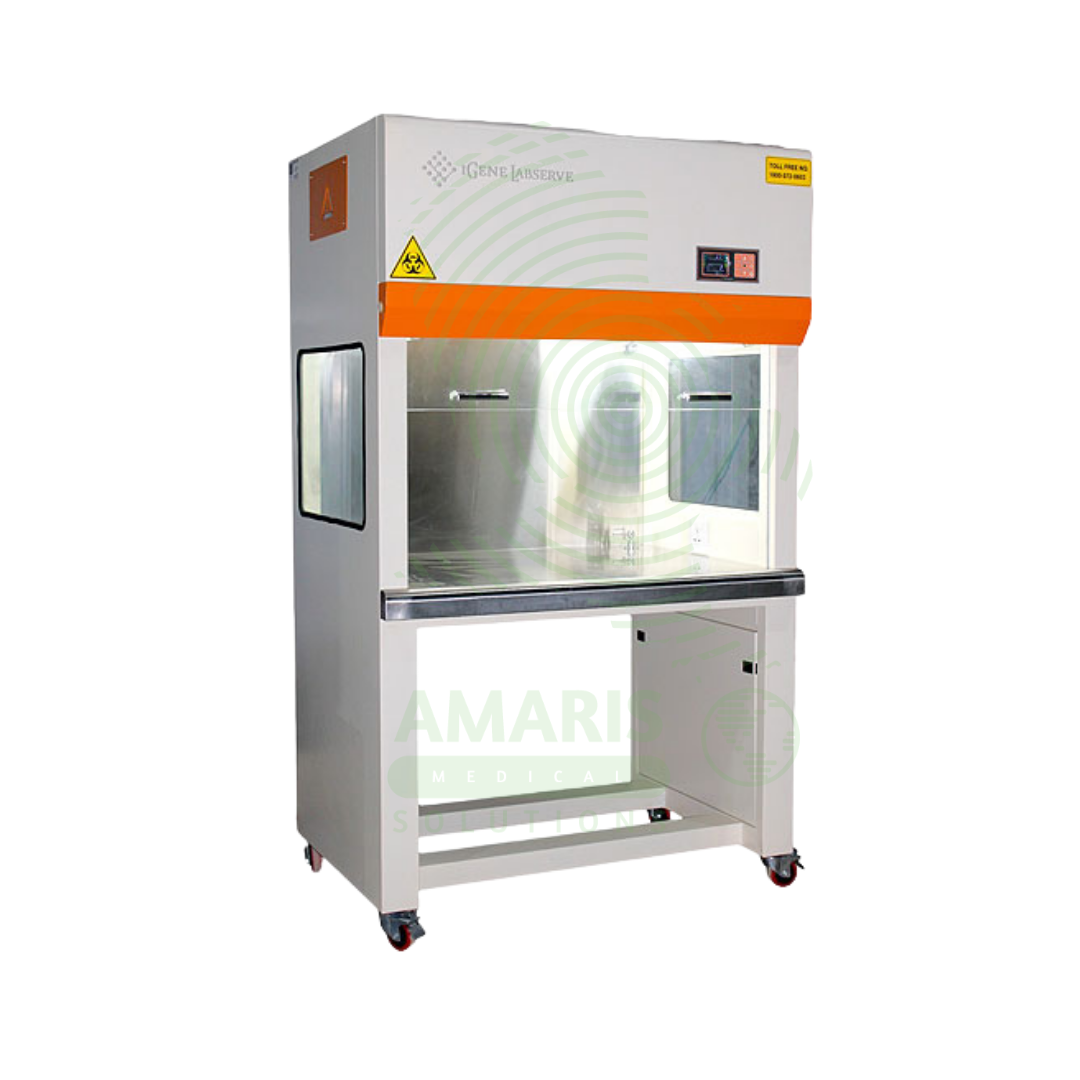
Laminar Flow Cabinet
$1.00
WhatsApp Order
A Laminar Flow Cabinet is a clean air workstation providing ISO Class 5 (Class 100) particle-free environment for sterile product preparation, with HEPA-filtered air flowing in a unidirectional (laminar) pattern horizontally or vertically across the work surface. Features include HEPA filters (99.99% efficient at 0.3 microns), stainless steel work surface with coved corners, transparent side panels, and quiet blower system. Available in widths from 2-6 feet with horizontal or vertical airflow configurations. CRITICAL SAFETY WARNING: This cabinet provides NO personnel protection and must NEVER be used with infectious materials, toxins, or hazardous chemicals requiring containment. Primary clinical applications include sterile pharmaceutical compounding (IV admixtures, TPN, ophthalmic preparations), microbiological culture media preparation, cell culture media preparation, sterile reagent aliquoting, sterile medical device handling, pharmaceutical quality control testing, and electronics assembly. Essential equipment for hospital pharmacies, microbiology laboratories, cell culture facilities, and cleanrooms requiring ISO Class 5 conditions for product protection, with absolute understanding that user safety depends entirely on proper PPE and safe work practices, not on the cabinet itself.
Description
Laminar Flow Cabinet
PRIMARY CLINICAL & DIAGNOSTIC USES
1. Sterile Preparation of Culture Media
-
Primary Use: To provide a clean, particle-free environment for preparing microbiological culture media, pouring agar plates, and aliquoting sterile reagents.
-
How it helps: For the microbiologist, it filters airborne contaminants away from the workspace, ensuring that what grows in the petri dish is the patient’s true pathogen, not a random environmental mold. For the patient, this means accurate lab results and correct diagnoses, ensuring they receive the right antibiotic for their infection.
2. Compounding of Sterile Pharmaceuticals
-
Primary Use: Used in hospital pharmacies for compounding sterile preparations including intravenous admixtures, total parenteral nutrition (TPN), and ophthalmic solutions.
-
How it helps: For the pharmacist, it creates an ISO-classified clean air zone that prevents bacteria or particles from entering the patient’s medication during mixing. For the patient, especially those with compromised immune systems, this is a critical safety barrier that prevents life-threatening bloodstream infections from contaminated IV fluids.
3. Cell Culture and Tissue Engineering
-
Primary Use: Essential for maintaining cell lines, primary cell cultures, and tissue engineering procedures requiring sterile conditions.
-
How it helps: For the researcher or technician, it shields delicate human or animal cells from dust, mold, and bacteria that would destroy months of work. For the patient in regenerative medicine, it ensures that the cells or tissues being grown for their treatment (like skin grafts or cartilage) are pure, viable, and safe for implantation.
4. Preparation of Sterile Laboratory Reagents
-
Primary Use: Provides a clean workspace for preparing sterile buffers, solutions, and reagents for molecular biology, microbiology, and immunology applications.
-
How it helps: For the lab scientist, it guarantees that the reagents used in diagnostic tests are not compromised by airborne particles that could cause false results. For the patient, this means their COVID-19 PCR, HIV viral load, or allergy testing is reliable and free from technical errors caused by contamination.
5. Handling of Sterile Medical Devices
-
Primary Use: Used for opening and assembling sterile surgical instruments, implantable devices, and procedure trays before transfer to operating rooms or sterile fields.
-
How it helps: For the surgical team, it provides a dedicated space to prepare implants (like pacemakers or hip replacements) without exposing them to airborne contaminants. For the patient undergoing surgery, it significantly reduces the risk of post-operative infections from devices being placed inside their body.
6. Pharmaceutical Quality Control and Testing
-
Primary Use: Employed for sterility testing, particulate analysis, and microbiological assays of pharmaceutical products requiring aseptic conditions.
-
How it helps: For the quality control analyst, it ensures that the test itself does not introduce the very contamination they are looking for. For the patient, it acts as a final safety checkpoint, verifying that the batch of medicine they receive is free from bacteria and safe to inject or ingest.
7. Electronics and Medical Device Assembly
-
Primary Use: Used in assembly and testing of sterile medical devices, diagnostic equipment, and electronic components requiring particle-free environments.
-
How it helps: For the manufacturer, it prevents microscopic dust from interfering with sensitive electronics or contaminating sterile surfaces. For the patient, it ensures the reliability and longevity of life-dependent devices like insulin pumps, pacemakers, or continuous glucose monitors.
SECONDARY & SUPPORTIVE USES
1. Forensic Evidence Handling: For the forensic scientist, it prevents contamination of DNA evidence. For the justice system and families, it ensures the integrity of evidence used in criminal investigations.
2. Research Laboratory Applications: For the researcher, it provides a general clean workspace. For the public, it advances biomedical research by ensuring experimental results are due to science, not environmental contamination.
3. Dental Laboratory Work: For the dental technician, it maintains sterility of implants and prostheses. For the patient, it reduces the risk of complications when custom dental devices are placed in the mouth.
4. Veterinary Medicine: For the veterinarian, it enables sterile preparation of animal medications. For the pet owner, it ensures their companion receives the same high standard of care as a human would.
5. Food and Beverage Industry: For the quality control technician, it ensures accurate microbiological testing. For the consumer, it protects against contaminated food products reaching the market.
6. Educational and Teaching Laboratories: For the instructor, it teaches proper aseptic technique. For future patients, it ensures the next generation of scientists and healthcare workers are trained to handle their samples and medications safely.
7. Cosmetic and Aesthetic Medicine: For the practitioner, it ensures sterile preparation of injectables. For the client, it minimizes the risk of infections from cosmetic procedures like Botox or dermal fillers.
KEY PRODUCT FEATURES
1. BASIC IDENTIFICATION ATTRIBUTES
-
Product Type: Clean air workstation that provides ISO Class 5 (Class 100) particle-free air flowing in a unidirectional (laminar) pattern across the work surface.
-
Common Names: Laminar Flow Cabinet, Laminar Flow Hood, Clean Bench, Laminar Airflow Workstation, Tissue Culture Hood (incorrect - tissue culture hoods are often BSCs).
-
Airflow Configurations:
-
Horizontal Flow: Air flows horizontally from rear of cabinet toward user (most common for pharmacy compounding).
-
Vertical Flow: Air flows vertically downward from the top of the cabinet (preferred for some applications).
-
-
ISO Class: ISO Class 5 (formerly Class 100) - ≤3,520 particles ≥0.5 microns per cubic meter.
-
HEPA Filters: High-Efficiency Particulate Air filters (99.99% efficient at 0.3 microns).
-
Construction: Stainless steel work surface; transparent side panels (glass or acrylic); metal or plastic housing.
-
Work Area: Open front; some models have partial sash or shield.
-
Lighting: Fluorescent or LED lighting within the work area.
-
Blower: Motor/blower system for maintaining proper airflow.
-
Controls: Digital or analog controls for blower and lighting.
-
Pre-Filters: Removable pre-filters to extend HEPA filter life.
-
Certification: Factory certified to ISO Class 5 standards.
2. TECHNICAL & PERFORMANCE PROPERTIES
-
HEPA Filter Efficiency: 99.99% efficient at 0.3 microns (most penetrating particle size).
-
Airflow Velocity: 75-100 linear feet per minute (lfpm) typically.
-
Air Changes: Work area air replaced multiple times per minute.
-
Particle Count: ISO Class 5 (≤3,520 particles ≥0.5 microns per cubic meter).
-
Noise Level: <60-70 dB depending on model and blower speed.
-
Vibration: Low vibration design for delicate procedures and microscope work.
-
Electrical Requirements: 115V or 230V, 50/60 Hz.
-
Light Intensity: 800-1200 lux (75-110 foot-candles) at work surface.
-
HEPA Filter Life: 3-10 years depending on usage and pre-filter maintenance.
-
Pre-Filter Life: 3-6 months depending on environment and usage.
3. PHYSICAL & OPERATIONAL PROPERTIES
-
Widths: 2-foot (0.6 m), 3-foot (0.9 m), 4-foot (1.2 m), 5-foot (1.5 m), 6-foot (1.8 m) standard.
-
Depth: 24-36 inches (60-90 cm) depending on model and configuration.
-
Height: 40-60 inches (100-150 cm) overall.
-
Work Area Height: 20-30 inches (50-75 cm).
-
Weight: 150-500 lbs (70-230 kg) depending on size.
-
Construction: Stainless steel work surface; painted steel or plastic housing.
-
Side Panels: Tempered glass or acrylic for visibility and light transmission.
-
Work Surface: One-piece stainless steel with coved corners for easy cleaning.
-
Pre-Filters: Washable or disposable foam or fiber pre-filters.
-
Casters: Optional casters for mobility; leveling feet for stability.
-
UV Light: Optional ultraviolet light for surface decontamination between uses.
-
Service Fixtures: Optional gas, vacuum, compressed air, and electrical outlets within the work area.
-
Arm Ports: Some models have removable panels or arm ports for additional containment.
4. SAFETY & COMPLIANCE ATTRIBUTES
-
Regulatory Standards: ISO 14644-1 cleanroom standards; NSF/ANSI 49 (only for BSCs, not laminar flow cabinets).
-
Personnel Protection: NONE - Laminar flow cabinets do NOT protect the user. Airflow direction determines exposure risk.
-
Product Protection: Excellent - HEPA-filtered air protects products from contamination.
-
Environmental Protection: None - air is recirculated within the room (unless specially ducted).
-
Electrical Safety: Compliant with UL 61010A or IEC 61010-1.
-
UV Safety: Interlocks recommended to prevent UV exposure during operation.
-
Certification: Should be certified at installation and periodically (annually) for particle counts and airflow velocity.
-
Not for Biohazards: CRITICAL - NOT for use with infectious materials, toxins, or hazardous chemicals that require personnel protection.
-
Airflow Monitoring: Some models include airflow alarms or gauges.
5. STORAGE & HANDLING ATTRIBUTES
-
Installation: Place on level surface away from traffic, doors, and air vents. Allow clearance for pre-filter access and maintenance.
-
Certification: Initial certification and annual recertification recommended to verify ISO Class 5 performance.
-
Pre-Filter Maintenance: Clean or replace pre-filters monthly or as needed based on usage and environment.
-
HEPA Filter Replacement: Replace when unable to maintain airflow velocity or particle counts; typically every 3-10 years by qualified technician.
-
Cleaning: Clean work surfaces daily with appropriate disinfectant (70% ethanol, quaternary ammonium compounds). Use stainless steel cleaner for exterior. Never use chlorine bleach on stainless steel without thorough rinsing.
-
UV Lamp Care: Clean UV lamp regularly; replace annually or per manufacturer recommendation (UV output degrades over time).
-
Startup: Allow the cabinet to run 10-15 minutes before use to purge the work area and establish laminar airflow.
-
Shutdown: Can be left running continuously; turn off UV and lights when not in use.
-
Record Keeping: Maintain certification records, pre-filter change logs, and cleaning schedules.
6. LABORATORY & CLINICAL APPLICATIONS
-
Primary Application: Clean workspace for preparing sterile products and materials requiring product protection only (NO personnel protection).
-
Pharmacy Applications:
-
IV Admixture Preparation: Compounding of sterile intravenous medications under ISO Class 5 conditions.
-
TPN Compounding: Preparation of total parenteral nutrition solutions.
-
Chemotherapy Preparation: ONLY with appropriate PPE and if no volatile drugs - vertical flow BSCs are preferred.
-
Ophthalmic Preparations: Sterile eye drops, ointments, and irrigating solutions.
-
Bulk Compounding: Large-volume sterile preparations.
-
-
Microbiology Applications:
-
Media Preparation: Pouring agar plates, dispensing sterile media into tubes and bottles.
-
Sterile Reagent Preparation: Buffers, stains, and solutions for microbiological testing.
-
Subculturing: Transfer of non-hazardous bacterial cultures (BSL-1 organisms only - NEVER with pathogens).
-
-
Cell Culture Applications:
-
Media Preparation: Filtering and aliquoting cell culture media.
-
Supplement Addition: Adding serum, antibiotics, growth factors, and other supplements.
-
Reagent Preparation: Buffers and solutions for cell culture work.
-
Passaging Cells: For non-hazardous cell lines only (not for virus-infected or hazardous cells).
-
-
Medical Device Applications:
-
Sterile Assembly: Assembly of sterile surgical instruments, implants, and procedure trays.
-
Packaging: Packaging of sterile devices for terminal sterilization.
-
Quality Control: Inspection of sterile devices under clean conditions.
-
-
Molecular Biology Applications:
-
PCR Setup: Preparation of master mixes and reaction assemblies (prevents contamination).
-
RNA/DNA Work: Handling of nucleic acids under RNase-free, particle-free conditions.
-
Reagent Preparation: Sterile buffers and solutions for molecular techniques.
-
-
Research Applications:
-
General Clean Work: Any procedure requiring particle-free, sterile conditions.
-
Electronics Assembly: Assembly of sensitive electronic components and sensors.
-
SAFETY HANDLING PRECAUTIONS
1. SAFETY PRECAUTIONS
-
CRITICAL: No Personnel Protection: Laminar flow cabinets do NOT protect the user. NEVER use infectious materials, toxins, or hazardous chemicals that require containment.
-
Airflow Direction Awareness: Understand whether your cabinet is horizontal (air toward user) or vertical (air downward). Horizontal flow may blow contaminants toward the user.
-
Proper Use Only: Use only for products that require protection from contamination, not for protecting the user from hazardous materials.
-
Work Organization: Arrange work from clean to dirty; place clean materials upstream; place waste downstream.
-
Airflow Obstruction: Avoid blocking airflow with large objects, equipment, or turbulent hand movements.
-
PPE: Always wear appropriate personal protective equipment (gloves, lab coat, eye protection) - the cabinet does not protect you.
-
Pre-Use Checks: Verify airflow (visual indicator or gauge); check pre-filter condition; ensure work surface is clean.
-
UV Safety: Never expose skin or eyes to UV light; use cabinets with UV interlocks that prevent operation with sash open.
-
Spill Management: Clean spills immediately with appropriate disinfectant; decontaminate work surface.
-
Annual Certification: Ensure cabinet is certified annually for particle counts and airflow velocity.
-
Training: All users must understand that this cabinet provides NO personnel protection and must be trained on proper aseptic technique and limitations.
2. FIRST AID MEASURES
-
Chemical Spill: Stop work; evacuate area if hazardous; follow chemical spill protocol; use appropriate PPE for cleanup.
-
UV Exposure: If skin or eyes are exposed to UV, monitor for symptoms (erythema, eye pain); seek medical attention if needed.
-
Eye Contact with Chemicals: Flush eyes with copious water for 15 minutes; seek medical attention.
-
Contamination Exposure: If exposed to potentially infectious materials due to improper use, follow institutional exposure protocol.
3. FIRE FIGHTING MEASURES
-
Flammability: Plastic components, HEPA filters, and acrylic panels are combustible.
-
Extinguishing Media: For electrical fire, use CO₂ or dry chemical (Class C) extinguisher.
-
Power Off: Disconnect power if safe to do so.
-
Evacuation: Evacuate area; follow facility fire protocols.
Related products
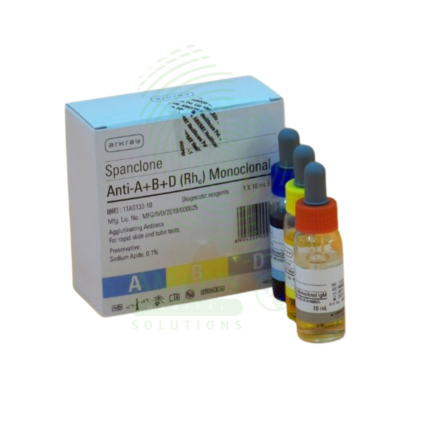
Blood Grouping kit
A Blood Grouping Kit is a Class II medical device (FDA-cleared/CE-marked) containing monoclonal antibodies (Anti-A, Anti-B, Anti-D) and control reagents for determining ABO blood group and Rh factor by agglutination method. The kit includes color-coded reagent vials, reaction cards or slides, mixing sticks, lancets, and capillary pipettes. Test time 2-5 minutes (slide method) or 15-30 minutes (tube method). Interpretation based on agglutination pattern: Anti-A positive = group A; Anti-B positive = group B; both positive = group AB; both negative = group O; Anti-D positive = Rh positive; Anti-D negative = Rh negative. Primary clinical applications include pre-transfusion compatibility testing, prenatal and neonatal testing (Rh incompatibility prevention), preoperative blood typing, blood donor screening, and emergency blood typing. Critical safety precautions include refrigerated storage (2-8°C), proper disposal of lancets in sharps containers, universal precautions for blood samples, and confirmation with reverse typing when possible. Essential kit for transfusion medicine, obstetrics, surgery, and emergency care.
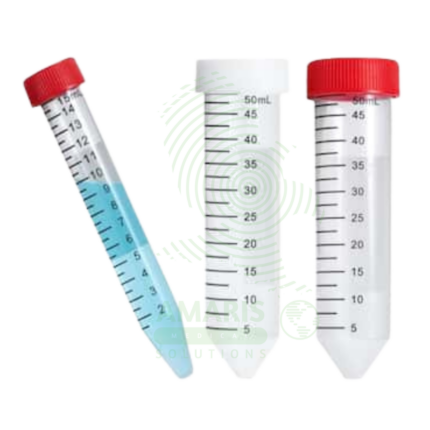
Centrifuge Tubes
Centrifuge Tubes are specialized disposable containers (polypropylene) designed to withstand high centrifugal forces (up to 30,000 x g) for separating biological fluids based on density. Available in microcentrifuge sizes (0.2-2.0 mL), conical tubes (15 mL, 50 mL), and larger volumes (100-500 mL). Features include leak-proof screw caps with O-rings (conical tubes), snap caps (microcentrifuge tubes), graduated volume markings, writing areas, and sterile/non-sterile options. Certified RNase/DNase-free, pyrogen-free, and autoclavable. Primary clinical applications include blood component separation (serum/plasma), urine sediment preparation, microbiology sample concentration, molecular biology (DNA/RNA extraction), cell culture processing, protein/enzyme analysis, and viral load testing. Critical safety precautions include never exceeding maximum RCF rating, proper balancing by weight, secure cap tightening, inspection for cracks, and disposal as biohazardous waste. Essential consumable in every clinical, research, and industrial laboratory.
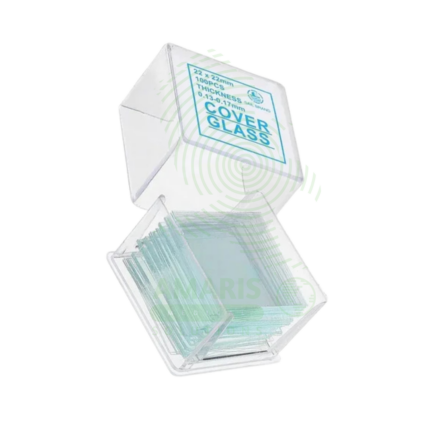
Cover Glass
Cover Glass (coverslips) are thin, transparent glass or plastic squares (e.g., 18×18 mm, 22×22 mm) or rectangles (22×30 mm, 24×50 mm) used to cover specimens on microscope slides for microscopic examination. Available in thickness No. 1 (0.13-0.16 mm) and No. 1.5 (0.16-0.19 mm) for optimal microscopy. Made from optical glass with high light transmission (>90%), refractive index 1.52 matching immersion oil. Packaged in boxes of 100-1000, interleaved with paper to prevent scratching. Primary clinical applications include covering blood films for manual differential counts and malaria diagnosis, wet mount preparations of urine sediment and vaginal secretions, histopathology and cytology slides, Gram-stained bacterial smears, semen analysis, KOH preparations for fungal elements, and India ink preparations for Cryptococcus. Critical safety precautions include handling with forceps (sharp edges), disposing of broken coverslips in sharps containers, avoiding fingerprints on optical surface, and proper disposal of biohazard-contaminated coverslips. Essential consumable in every clinical laboratory performing microscopy.
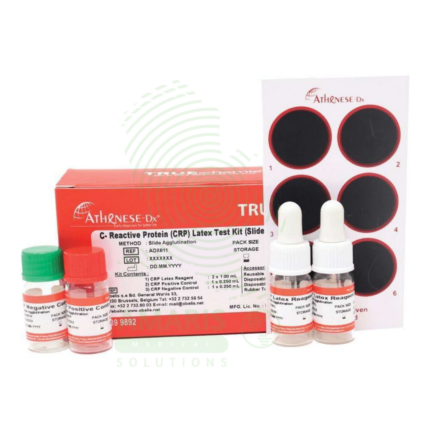
CRP Test Kit
CRP Test Kit (C-Reactive Protein) is a quantitative or semi-quantitative immunoassay (latex agglutination, turbidimetry, nephelometry, ELISA, or rapid immunochromatographic) for detecting C-reactive protein in blood, an acute-phase reactant produced in response to inflammation. Rapid rise within 6-12 hours, peaks at 24-48 hours, half-life 19 hours. Normal <5-10 mg/L; mild elevation 10-100 mg/L (viral infections, autoimmune flares); moderate 100-200 mg/L (bacterial infections); marked >200 mg/L (sepsis, major trauma). High-sensitivity CRP (hs-CRP) detects 0.1-10 mg/L for cardiovascular risk stratification (<1 mg/L low risk, 1-3 mg/L moderate, >3 mg/L high). Primary clinical applications include detection and monitoring of inflammation, diagnosis and management of infections (differentiating bacterial from viral), assessment of autoimmune disease activity, post-surgical monitoring for complications, cardiovascular risk screening (hs-CRP), monitoring rheumatic fever and inflammatory conditions, and neonatal sepsis evaluation. Critical safety precautions include proper sample handling (universal precautions), quality control verification, awareness of non-specific elevation, prozone phenomenon in very high concentrations, and clinical correlation for interpretation. Essential test for evaluating inflammation across all medical specialties.
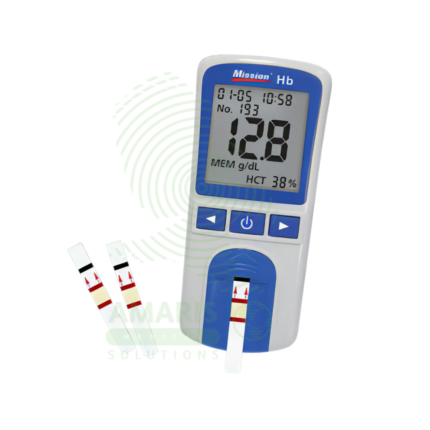
Hemoglobin Meter
A Hemoglobin Meter is a Class II medical device (FDA-cleared, CE-marked) for quantitative point-of-care measurement of hemoglobin concentration in capillary or venous blood, providing results in 5-60 seconds from a 5-20 µL sample. The meter uses photometric, electrochemical, or conductivity technology to measure hemoglobin, with accuracy ±0.3-0.5 g/dL compared to reference methods. Features include backlit LCD display, memory storage for 100-1000 results, USB/Bluetooth connectivity for data transfer, and compatibility with single-use disposable cuvettes or test strips. Primary clinical applications include anemia screening and diagnosis (WHO criteria), preoperative assessment and surgical planning, antenatal care and maternal health monitoring, malaria-endemic region screening, chronic disease management (CKD, IBD, cancer), nutritional assessment and intervention programs, and blood donor screening. Critical safety precautions include single-use lancets, proper hand hygiene, correct sample application, quality control with control solutions, proper cuvette storage (protect from heat, light, humidity), and never using expired cuvettes. Essential point-of-care device for hemoglobin testing in hospitals, clinics, community health programs, and blood donation centers.
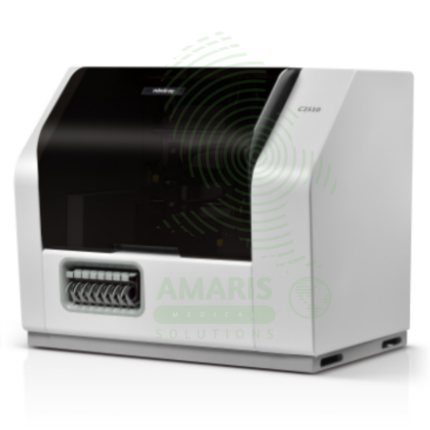
PRECIL Series
The PRECIL Series, originally developed by Beijing Precil and now associated with Mindray, comprises specialized coagulation analyzers and hemorheology analyzers for clinical laboratory testing. Coagulation analyzers measure PT, APTT, fibrinogen, TT, D-dimer, factor assays, and thrombophilia markers for diagnosing bleeding disorders, monitoring anticoagulant therapy, and assessing liver function. Hemorheology analyzers measure whole blood viscosity, plasma viscosity, erythrocyte aggregation, and deformability for evaluating hyperviscosity syndromes, sickle cell disease, diabetes, and cardiovascular disorders. The series includes specialized cleaning solutions and reagents (such as PLS cleaner) for maintaining analyzer performance and ensuring accurate results. Features include automated sample processing, color touchscreen interface, LIS connectivity, and comprehensive quality control programs. Primary clinical applications include coagulation testing for preoperative assessment, anticoagulant monitoring, DIC diagnosis, thrombophilia workup, and hemorheology assessment for conditions affecting blood flow. Essential laboratory instrumentation for hematology, coagulation, and specialized testing in hospital laboratories, reference laboratories, and research facilities.
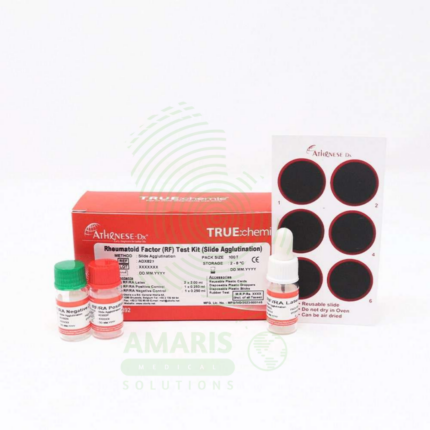
Rheumatoid factor
Rheumatoid Factor (RF) testing is a quantitative or semi-quantitative serological assay (nephelometry, turbidimetry, latex agglutination, or ELISA) for detecting autoantibodies against the Fc portion of immunoglobulin G, primarily of the IgM isotype. RF is a key marker in the ACR/EULAR classification criteria for rheumatoid arthritis, with sensitivity 60-80% and specificity 70-90%. Test requires serum samples; results reported in IU/mL (reference <15-20 IU/mL) or titer. Primary clinical applications include diagnosis and classification of rheumatoid arthritis, prognostic assessment (high-titer RF correlates with severe, erosive disease), differential diagnosis of inflammatory arthritis, monitoring disease activity, diagnosis of Sjögren's syndrome, evaluation of mixed cryoglobulinemia (hepatitis C-associated), and assessment of other autoimmune and chronic inflammatory conditions. Critical safety precautions include awareness of false positives (other autoimmune diseases, chronic infections, healthy elderly), false negatives (seronegative RA 20-30%), need for clinical correlation, and anti-CCP antibody testing to improve diagnostic accuracy. Essential test for rheumatology practice, autoimmune disease evaluation, and differential diagnosis of inflammatory arthritis.