Dermatoscope and Magnifiers
 Diagnostic Kits
 Vital Signs Monitors
 Stethoscopes and Accessories
 Otoscopes, Ophthalmoscopes, and Retinoscopes
 Reflex Hammers and Neurological Tools
 Scales and Measuring Devices
 Spirometers and Pulmonary Function Tests
 Electrosurgical Units and Accessories
 Cutting Instruments
 Grasping and Holding Instruments
 Hemostatic Instruments
 Specialized Surgical Sets
 Single-Use Procedure Trays and Packs
 Surgical Drapes, Gowns, and Covers
 Tissue Unifying Instruments
 Radiation Protection
 X-Ray Machines and Accessories
 Ultrasound Systems and Probes
 MRI and CT Scanners
 Radiology Consumables
 Bone Densitometers
 Fluoroscopy Equipment
 Imaging Tables and Positioning Aids
 Microscopes and Accessories
 Centrifuges and Separators
 Analyzers
 Incubators and Ovens
 Pipettes, Dispensers, and Lab Glassware
 Refrigerators, Freezers, and Storage Units
 Lab Consumables
 Sterilizers and Autoclaves for Lab Use
 Multi-Parameter Monitors
 Ventilators and Respiratory Support Devices
 Defibrillators and AEDs
 Infusion Pumps and IV Systems
 Patient Warmers and Cooling Devices
 Central Monitoring Stations
 Accessories
 Anesthesia Machines and Workstations
 Oxygen Concentrators and Delivery Systems
 Nebulizers and Inhalers
 CPAP/BiPAP Machines
 Airway Management
 Anesthesia Masks, Circuits, and Bags
 Humidifiers and Heaters
 Respiratory Therapy Accessories
 First Aid Kits and Cabinets
 Emergency Resuscitation Equipment
 Trauma Supplies
 Emergency Carts and Crash Carts
 Burn Care Products
 Bleeding Control
 Automated External Defibrillators (AEDs)
 Transport and Evacuation
 Wheelchairs and Accessories
 Walkers, Crutches, and Canes
 Prosthetics and Orthotics
 Physical Therapy Equipment
 Transfer Devices
 Bathroom Safety
 Orthopedic Traction and Tables
 Hot/Cold Therapy Packs and Units
 Beds and Mattresses
 Chairs and Stools
 Tables
 Cabinets and Storage
 Privacy Screens & Curtains
 Stands and Racks
 Linens and Textiles
 Lighting
 Autoclaves and Sterilizers
 Ultrasonic Cleaners
 Disinfectant Solutions and Wipes
 Sterilization Pouches, Wraps, and Indicators
 Instrument Trays and Containers
 UV and Ozone Disinfection Devices
 Washer Disinfectors
 Wound Care
 Gloves
 Masks and Respirators
 Catheters and Tubing
 Swabs, Applicators, and Sponges
 Incontinence Products
 Personal Protective Equipment (PPE)
 Dental Chairs and Units
 Handpieces and Burs
 Instruments
 Consumables
 Sterilization for Dental Use
 Orthodontic Supplies
 Endodontic Tools
 Slit Lamps and Tonometers
 Lensometers and Phoropters
 Ophthalmic Surgical Instruments
 Eyewear Frames and Lenses
 Contact Lens Supplies
 Vision Testing Charts and Devices
 Eye Care Consumables
 Laser Systems for Eye Care
 ENT Exam Chairs and Tables
 Endoscopes
 Audiometers and Hearing Tests
 ENT Instruments
 Nasal and Throat Packs
 Hearing Aids and Accessories
 Otology Supplies
 Fetal Dopplers and Monitors
 Delivery Beds and Tables
 Gynecological Instruments
 Neonatal Incubators and Warmers
 Breast Pumps and Accessories
 Contraceptive Devices
 Maternity Supports and Pads
 Neonatal Consumables
 Cystoscopes and Urethroscopes
 Dialysis Machines and Supplies
 Urological Catheters and Bags
 Lithotripters
 Prostate Treatment Devices
 Urinary Incontinence Products
 Kidney Stone Management Tools
 Consumables & Disposables
 EEG and EMG Machines
 Neurosurgical Instruments
 Nerve Stimulators
 Headrests and Positioning Aids
 Lumbar Puncture Kits
 Seizure Monitoring Devices
 Consumables
 Rehabilitation for Neurological Conditions
 ECG Machines and Accessories
 Holter Monitors
 Stress Test Systems
 Pacemakers and Defibrillator Accessories
 Vascular Access Devices
 Cardiac Catheters and Guidewires
 Blood Flow Meters
 Consumables
 Orthopedic Instruments
 Casts, Splints, and Padding
 Joint Replacement Supplies
 Prosthetic Limbs and Components
 Bone Grafts and Substitutes
 Traction Devices
 Orthopedic Braces and Supports
 Rehabilitation Aids for Orthopedics
 Home Oxygen Therapy
 Hospital Beds for Home Use
 Mobility Aids
 Bathroom and Daily Living Aids
 Wound Care for Home
 Monitoring Devices
 Enteral Feeding Pumps and Tubes
 Hand Sanitizers and Dispensers
 Face Shields and Goggles
 Isolation Gowns and Suits
 Biohazard Waste Containers
 Air Purifiers and HEPA Filters
 Surface Disinfectants
 Sharps Containers
 Protective Barriers
 Cardiovascular & Endurance Training
 Strength Training & Weightlifting
 Functional Training & Core Conditioning
 Physical Therapy & Rehabilitation
 Sports & Outdoor Recreation
 Gym Flooring & Facility Equipment
 Fitness Monitoring & Accessories
 Kids & Novelties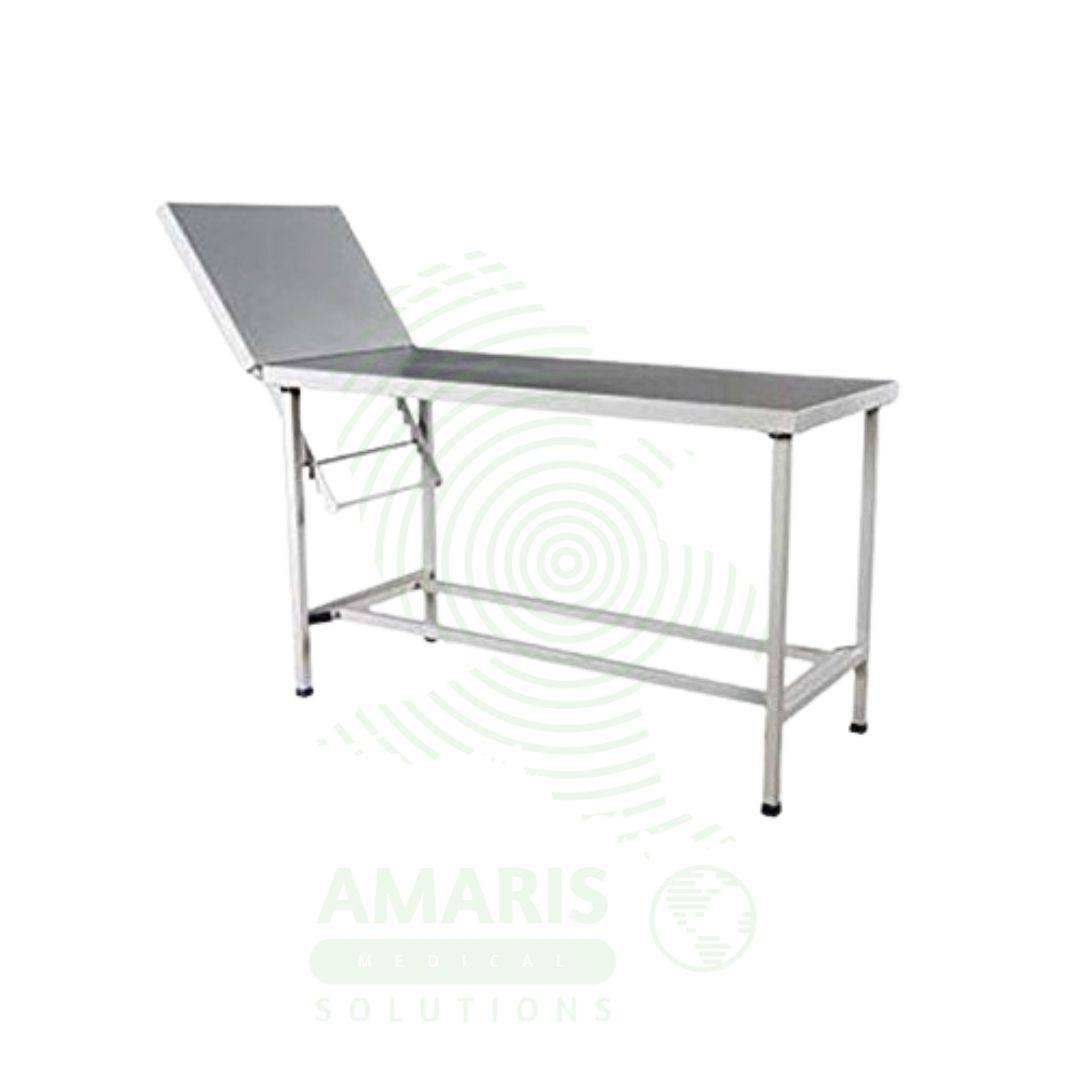
Stainless Steel Examination Table
$1.00
WhatsApp Order
A Stainless Steel Examination Table is the pinnacle of durable, hygienic clinical furniture. Constructed from surgical-grade stainless steel with a seamless, welded design, it is fully autoclavable and resistant to all common chemicals and disinfectants. Its primary uses are in environments demanding the highest infection control: morgues, pathology labs, sterile processing areas, isolation rooms, and minor procedure operating rooms. While functionally superior for cleaning and sterilization, its hard, cold surface requires the use of patient pads for comfort. It is an industrial-grade work surface built for longevity and ultimate cleanability in the most demanding medical and laboratory settings.
Description
Stainless Steel Examination Table
PRIMARY CLINICAL & DIAGNOSTIC USES
1. High-Level Infection Control and Sterile Procedures
-
Definitive Use: Provides a fully autoclavable, non-porous, and chemically inert surface for procedures requiring an aseptic environment or involving highly infectious agents, essential in operating rooms, sterile processing areas, isolation rooms, and high-risk procedure clinics.
-
How it helps: For the infection preventionist and surgical team, the stainless steel examination table represents the gold standard in cleanable surfaces—seamless, non-porous, and capable of withstanding the most aggressive disinfectants and even autoclave temperatures. For the patient undergoing a procedure in an isolation room or the individual with a highly infectious condition, this surface means their risk of cross-contamination is minimized, and the environment around them can be rendered truly sterile.
2. Post-Mortem and Autopsy Examinations
-
Primary Use: The primary choice in morgues, mortuaries, and pathology labs for post-mortem examinations, forensic autopsies, and anatomical pathology work, with seamless construction allowing for easy cleanup of biological fluids and tissues and withstands frequent, aggressive chemical disinfection.
-
How it helps: For the forensic pathologist, medical examiner, and autopsy technician, the stainless steel table provides a durable, easily sanitized surface where the deceased are treated with dignity while the work of determining cause of death proceeds efficiently. For the families seeking answers about a loved one’s death, and for the justice system relying on forensic evidence, this professional-grade equipment supports accurate determinations and respectful handling of the deceased.
3. Minor Surgical and Outpatient Operative Procedures
-
Primary Use: Used as a robust procedure table for suturing, incision and drainage, wound debridement, burn care, cyst excisions, and other minor surgeries in clinics, emergency departments, and ambulatory surgery centers, with durability supporting surgical trays and instrument loads.
-
How it helps: For the surgeon and proceduralist working outside the main operating room, the stainless steel table provides a stable, weight-bearing surface that can support heavy instrument trays, withstand accidental instrument drops, and be cleaned aggressively between cases. For the patient undergoing a minor procedure, this durable, professional surface reflects the seriousness with which their care is approached, even in an outpatient setting.
4. Sterile Instrument Processing and Tray Assembly
-
Primary Use: Functions as a dedicated, cleanable surface in Central Sterile Supply Departments or sterile processing rooms for inspecting, assembling, and wrapping surgical instrument trays before autoclaving.
-
How it helps: For the sterile processing technician, the stainless steel table provides a smooth, well-lit, easily sanitized workspace where instruments can be laid out for inspection, counted, and assembled into sets without risk of contamination from the surface itself. For every surgical patient whose instruments are processed on these tables, the durable, cleanable surface contributes to the sterility assurance that protects them from infection.
SECONDARY & SUPPORTIVE USES
1. Pharmaceutical and Laboratory Prep Surfaces: Employed in hospital pharmacies for sterile compounding and in laboratory settings where a durable, easy-to-sanitize, and corrosion-resistant benchtop is required for handling chemicals or biological samples. For the compounding pharmacist preparing sterile medications, a stainless steel surface provides the clean, inert workspace essential for patient safety.
2. Veterinary Surgical and Examination Tables: Widely used in veterinary clinics and animal hospitals for animal examinations and surgeries, where durability, resistance to scratches from claws, and the ability to handle strong disinfectants are critical. For the beloved pet undergoing surgery or treatment, a professional-grade stainless steel table supports the veterinary team in providing the same quality of care expected in human medicine.
3. Industrial and Forensic Decontamination Stations: Used in industrial first aid rooms, hazmat units, or forensic field operations as a station for decontaminating equipment or examining items and individuals in a contained, cleanable environment. For the worker exposed to hazardous materials or the evidence technician processing contaminated items, a decontamination surface that can be thoroughly cleaned protects both personnel and evidence integrity.
4. Teaching in Anatomy and Surgical Skills Labs: The standard surface in medical school anatomy labs and surgical training facilities due to its resistance to formalin, dyes, and biological stains, and its ability to be thoroughly sterilized between uses. For the medical student learning anatomy or the surgical resident practicing procedures, practicing on professional-grade equipment builds skills that will translate directly to patient care.
5. Emergency Decontamination and Mass Casualty Triage: Deployed in emergency preparedness for chemical or biological exposure incidents, as the tables can be set up for patient decontamination and primary triage, withstanding harsh decontamination solutions. For the community struck by a hazardous materials incident, having decontamination-ready equipment means a more organized, effective response.
KEY PRODUCT FEATURES
1. BASIC IDENTIFICATION ATTRIBUTES
-
Product Type: A rigid, non-upholstered medical table constructed primarily or entirely from austenitic (typically Grade 304 or 316) stainless steel.
-
Core Design: A one-piece or welded table top with a fully seamless finish, mounted on a stainless steel pedestal, cabinet, or leg base. The design emphasizes durability and cleanability over patient comfort.
-
Key Components:
-
Table Top: A single sheet of stainless steel, often with rolled edges (hemmed) to create a smooth, safe perimeter. May include integrated troughs, drain holes, and fluid gutters for procedures involving liquids.
-
Base: A sturdy stainless steel pedestal (often with a foot-operated hydraulic lift) or a cabinet base with shelves/doors. All hardware is typically stainless.
-
Accessories: May include removable headrests, adjustable limb supports, restraint points, and fittings for anesthesia screens or instrument stands.
-
2. TECHNICAL & PERFORMANCE PROPERTIES
-
Material Grade: 304 Stainless Steel offers excellent corrosion resistance for most clinical uses. 316 Stainless Steel (surgical grade) provides superior resistance to chlorides and harsh chemicals, ideal for constant exposure to saline, bleach, and bodily fluids.
-
Surface Finish: A #4 Brushed or Satin finish is most common, providing a smooth, non-glare surface that hides minor scratches. A #7 Mirror finish is used for ultra-high cleanability in sterile environments.
-
Autoclavable: The entire table or its key components can withstand repeated sterilization in an autoclave (steam sterilization at high temperature and pressure) without degradation.
-
Weight Capacity: Extremely high due to the inherent strength of steel, often exceeding 1000 lbs (454 kg) for static loads.
3. PHYSICAL & OPERATIONAL PROPERTIES
-
Construction: Welded stainless steel construction with continuous welds that are ground and polished smooth to prevent microbial harborage. No crevices or seams.
-
Cleanability: The non-porous surface prevents absorption of contaminants. Can be cleaned with steam, aggressive chemical disinfectants (bleach, peroxides), and abrasive cleaners without damage.
-
Temperature Conductivity: Stainless steel is an excellent conductor of heat and cold. The surface temperature will quickly match the room environment, often necessitating the use of disposable pads or warming systems for patient comfort during prolonged contact.
-
Magnetism: Austenitic stainless steels are generally non-magnetic, preventing interference with sensitive electronic equipment.
4. SAFETY & COMPLIANCE ATTRIBUTES
-
Regulatory Status: Class I medical device.
-
Biocompatibility: Surgical-grade stainless steel is inherently biocompatible and non-toxic.
-
Infection Control Compliance: Represents the highest standard of cleanable surface, compliant with the most stringent infection control protocols for ORs, isolation, and sterile processing.
-
Structural Safety: Designed to be rock-solid with no flex, providing a perfectly stable platform for precise surgical work.
5. STORAGE & HANDLING ATTRIBUTES
-
Storage: Requires no special storage; designed for permanent placement. Can be stored in unheated areas without damage.
-
Cleaning & Disinfection (CRITICAL ADVANTAGE): Clean with a neutral pH detergent and warm water to remove soil. Disinfect with an EPA-registered hospital disinfectant. For terminal cleaning or sterilization, it can be autoclaved or wiped down with a sporicidal agent. Always rinse thoroughly after using chlorine-based disinfectants to prevent pitting corrosion over time.
-
Maintenance: Inspect for deep scratches, dents, or corrosion pits that could harbor bacteria. Minor scratches can often be polished out. Lubricate hydraulic mechanisms with food-grade lubricants as per manufacturer instructions.
6. LABORATORY & CLINICAL APPLICATIONS
-
Primary Application: The surface of choice for environments where absolute hygiene, durability under harsh conditions, and compatibility with sterilization are non-negotiable: morgues, pathology, sterile processing, isolation rooms, minor ORs, and high-risk procedure areas.
-
Trade-off: It is selected for its unmatched functional performance in demanding environments, explicitly sacrificing patient comfort and cost-effectiveness for durability and infection control.
SAFETY HANDLING PRECAUTIONS
1. SAFETY PRECAUTIONS
-
Patient Comfort & Safety: The hard, cold, and potentially slippery surface must be covered with a disposable absorbent pad or sheet. Use restraints or side rails as appropriate, especially for sedated patients or during procedures. The table edges, while hemmed, can still be sharp if damaged.
-
Chemical Exposure: While resistant, prolonged exposure to high-concentration chlorides (bleach) or iodides can cause pitting corrosion. Always follow dilution instructions and rinse surfaces after disinfectant contact time.
-
Electrical Hazard: If the table has electrical components (powered lift, lights), ensure it is properly grounded and never used if fluids penetrate electrical housings.
-
Load Safety: Do not use as a step stool or place extreme point loads on unsupported sections of the top.
2. FIRST AID MEASURES
-
Injury from Fall or Sharp Edge: Provide standard first aid for cuts or trauma. The primary risk is mechanical injury from the hard, unyielding surface.
-
Chemical Burn: If a patient contacts concentrated disinfectant left on the table, remove contaminated clothing, rinse the skin thoroughly with water, and seek medical attention.
-
Thermal Burn/Frostbite: Due to its high thermal conductivity, a patient's skin can be injured by prolonged contact if the table is extremely hot or cold. Treat as a standard thermal injury.
3. FIRE FIGHTING MEASURES
-
Flammability: Stainless steel is non-combustible and will not contribute to a fire.
-
Extinguishing Media: Use any appropriate extinguishing media for the surrounding fire. The table itself presents no fire hazard.
Related products
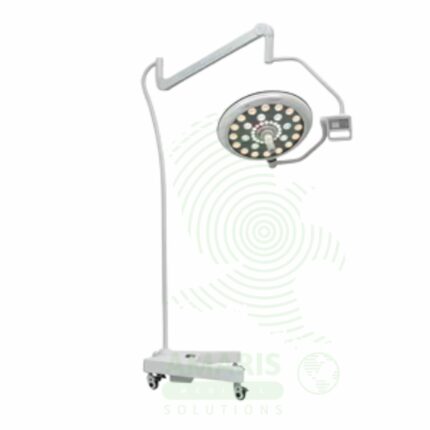
Ceiling & Stand Operating Light
An Ceiling & Stand Operating Light is a high-intensity, shadow-reducing illumination system designed to provide brilliant, color-accurate, and cool light directly onto the surgical field. Ceiling-mounted lights offer maximum flexibility in the OR, while stand-mounted lights provide portability. Key features include extremely high illuminance (>40,000 lux), a high Color Rendering Index (CRI >90) for true tissue color, and advanced optics for deep-cavity illumination with minimal shadows. Safe operation requires proper positioning, use of sterile handle covers, and awareness of the minimal but present thermal risk. It is a fundamental capital asset critical for enabling precise and safe surgical intervention.

Foldable Ward Screen
A Foldable Ward Screen is a portable, folding partition used to create instant visual privacy around a patient's bed or procedure area in multi-bed hospital wards, emergency departments, and clinics. Typically consisting of three hinged opaque panels, it provides dignity during examinations and personal care, aids in infection control by creating temporary barriers, and helps manage the clinical environment. Its free-standing, foldable design allows for easy deployment, storage, and cleaning, making it a fundamental piece of non-clinical equipment for patient-centered care in shared spaces.
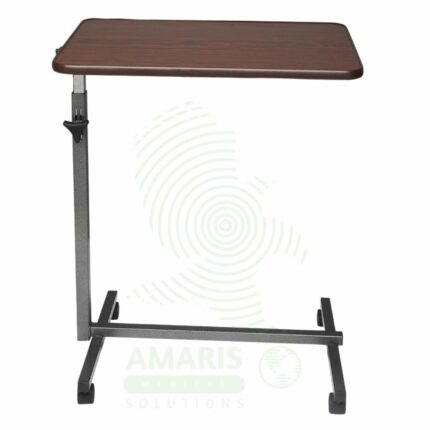
Overbed Table
An Overbed Table is a mobile, height-adjustable table on a wheeled base, featuring a swing-arm that allows its surface to be positioned over a patient's bed or chair. Its primary function is to provide a stable, convenient surface for in-bed dining, recreational activities, and personal organization, significantly enhancing comfort and independence for bedridden or mobility-limited patients. It also serves as a versatile utility table for nursing procedures and holding supplies at the bedside. Its adjustable, lockable design makes it an essential piece of patient-centered furniture in hospitals, nursing homes, and rehabilitation facilities.
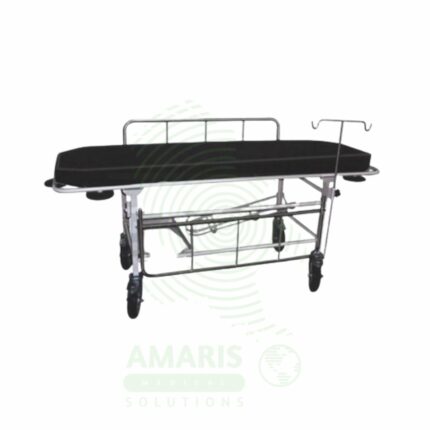
Patient Trolley
A Patient Trolley (also known as a hospital stretcher or gurney) is a mobile, height-adjustable wheeled bed essential for the safe transport and temporary holding of patients within a healthcare facility. Its core function is to serve as the primary link between clinical departments (e.g., Ward to Radiology, ED to OR), enabling efficient patient flow. Key features include locking casters, safety side rails, an IV pole, and a thin, cleanable mattress. Designed for maneuverability in corridors and elevators, it is the fundamental piece of equipment for patient logistics, emergency response, and serving as a mobile treatment platform in hospitals and large clinics.
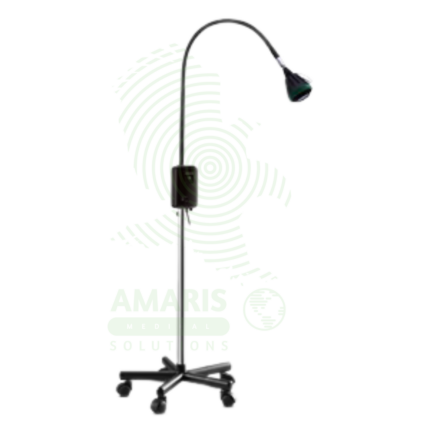
Portable Examination Light (LED/Halogen)
A Portable Examination Light (LED/Halogen) is a mobile, adjustable light source designed for clinical examinations, minor procedures, and wound assessment. LED models offer energy efficiency, long bulb life, and cool operation; halogen models provide high intensity with warm color temperature. The flexible gooseneck or articulating arm allows precise positioning to illuminate examination sites without shadows. Used in examination rooms, procedure rooms, emergency departments, and home healthcare settings, it provides the focused illumination needed for accurate assessment and safe procedures.
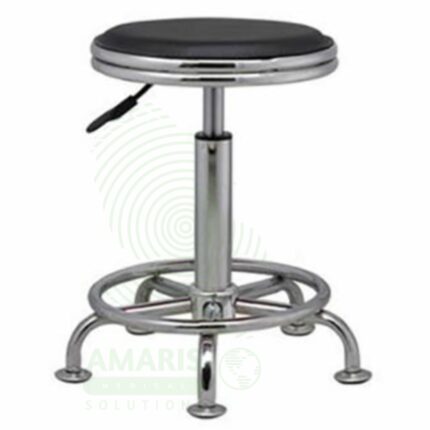
Revolving Stool
A Revolving Stool is a height-adjustable, rotating seat on a stable multi-leg base, designed for dynamic clinical and laboratory work environments. It provides healthcare professionals with stable, ergonomic seating that allows for effortless 360-degree rotation and small positional adjustments without standing. This is essential for procedures requiring precision and frequent changes in reach, such as dentistry, minor surgery, microscopy, and laboratory analysis. Its key features include smooth rotation, easy height adjustment, and a stable, often mobile, base to support prolonged, task-focused work while promoting proper posture and reducing fatigue.
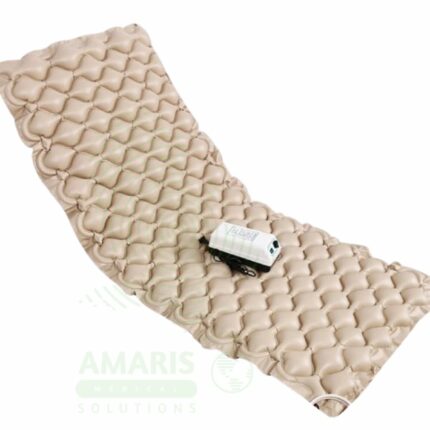
Ripple Mattress
A Ripple Mattress is an active alternating pressure mattress system designed to prevent and treat pressure injuries. It consists of a series of air cells connected to an electric pump that cyclically inflates and deflates, creating a "rippling" effect that constantly shifts pressure away from bony prominences. This promotes blood flow and relieves tissue ischemia in immobile, high-risk patients. Essential in ICUs, wards, and long-term care, it is a key component of pressure injury prevention protocols and includes critical safety features like low-pressure alarms and battery backup to ensure continuous therapy.