Dermatoscope and Magnifiers
 Diagnostic Kits
 Vital Signs Monitors
 Stethoscopes and Accessories
 Otoscopes, Ophthalmoscopes, and Retinoscopes
 Reflex Hammers and Neurological Tools
 Scales and Measuring Devices
 Spirometers and Pulmonary Function Tests
 Electrosurgical Units and Accessories
 Cutting Instruments
 Grasping and Holding Instruments
 Hemostatic Instruments
 Specialized Surgical Sets
 Single-Use Procedure Trays and Packs
 Surgical Drapes, Gowns, and Covers
 Tissue Unifying Instruments
 Radiation Protection
 X-Ray Machines and Accessories
 Ultrasound Systems and Probes
 MRI and CT Scanners
 Radiology Consumables
 Bone Densitometers
 Fluoroscopy Equipment
 Imaging Tables and Positioning Aids
 Microscopes and Accessories
 Centrifuges and Separators
 Analyzers
 Incubators and Ovens
 Pipettes, Dispensers, and Lab Glassware
 Refrigerators, Freezers, and Storage Units
 Lab Consumables
 Sterilizers and Autoclaves for Lab Use
 Multi-Parameter Monitors
 Ventilators and Respiratory Support Devices
 Defibrillators and AEDs
 Infusion Pumps and IV Systems
 Patient Warmers and Cooling Devices
 Central Monitoring Stations
 Accessories
 Anesthesia Machines and Workstations
 Oxygen Concentrators and Delivery Systems
 Nebulizers and Inhalers
 CPAP/BiPAP Machines
 Airway Management
 Anesthesia Masks, Circuits, and Bags
 Humidifiers and Heaters
 Respiratory Therapy Accessories
 First Aid Kits and Cabinets
 Emergency Resuscitation Equipment
 Trauma Supplies
 Emergency Carts and Crash Carts
 Burn Care Products
 Bleeding Control
 Automated External Defibrillators (AEDs)
 Transport and Evacuation
 Wheelchairs and Accessories
 Walkers, Crutches, and Canes
 Prosthetics and Orthotics
 Physical Therapy Equipment
 Transfer Devices
 Bathroom Safety
 Orthopedic Traction and Tables
 Hot/Cold Therapy Packs and Units
 Beds and Mattresses
 Chairs and Stools
 Tables
 Cabinets and Storage
 Privacy Screens & Curtains
 Stands and Racks
 Linens and Textiles
 Lighting
 Autoclaves and Sterilizers
 Ultrasonic Cleaners
 Disinfectant Solutions and Wipes
 Sterilization Pouches, Wraps, and Indicators
 Instrument Trays and Containers
 UV and Ozone Disinfection Devices
 Washer Disinfectors
 Wound Care
 Gloves
 Masks and Respirators
 Catheters and Tubing
 Swabs, Applicators, and Sponges
 Incontinence Products
 Personal Protective Equipment (PPE)
 Dental Chairs and Units
 Handpieces and Burs
 Instruments
 Consumables
 Sterilization for Dental Use
 Orthodontic Supplies
 Endodontic Tools
 Slit Lamps and Tonometers
 Lensometers and Phoropters
 Ophthalmic Surgical Instruments
 Eyewear Frames and Lenses
 Contact Lens Supplies
 Vision Testing Charts and Devices
 Eye Care Consumables
 Laser Systems for Eye Care
 ENT Exam Chairs and Tables
 Endoscopes
 Audiometers and Hearing Tests
 ENT Instruments
 Nasal and Throat Packs
 Hearing Aids and Accessories
 Otology Supplies
 Fetal Dopplers and Monitors
 Delivery Beds and Tables
 Gynecological Instruments
 Neonatal Incubators and Warmers
 Breast Pumps and Accessories
 Contraceptive Devices
 Maternity Supports and Pads
 Neonatal Consumables
 Cystoscopes and Urethroscopes
 Dialysis Machines and Supplies
 Urological Catheters and Bags
 Lithotripters
 Prostate Treatment Devices
 Urinary Incontinence Products
 Kidney Stone Management Tools
 Consumables & Disposables
 EEG and EMG Machines
 Neurosurgical Instruments
 Nerve Stimulators
 Headrests and Positioning Aids
 Lumbar Puncture Kits
 Seizure Monitoring Devices
 Consumables
 Rehabilitation for Neurological Conditions
 ECG Machines and Accessories
 Holter Monitors
 Stress Test Systems
 Pacemakers and Defibrillator Accessories
 Vascular Access Devices
 Cardiac Catheters and Guidewires
 Blood Flow Meters
 Consumables
 Orthopedic Instruments
 Casts, Splints, and Padding
 Joint Replacement Supplies
 Prosthetic Limbs and Components
 Bone Grafts and Substitutes
 Traction Devices
 Orthopedic Braces and Supports
 Rehabilitation Aids for Orthopedics
 Home Oxygen Therapy
 Hospital Beds for Home Use
 Mobility Aids
 Bathroom and Daily Living Aids
 Wound Care for Home
 Monitoring Devices
 Enteral Feeding Pumps and Tubes
 Hand Sanitizers and Dispensers
 Face Shields and Goggles
 Isolation Gowns and Suits
 Biohazard Waste Containers
 Air Purifiers and HEPA Filters
 Surface Disinfectants
 Sharps Containers
 Protective Barriers
 Cardiovascular & Endurance Training
 Strength Training & Weightlifting
 Functional Training & Core Conditioning
 Physical Therapy & Rehabilitation
 Sports & Outdoor Recreation
 Gym Flooring & Facility Equipment
 Fitness Monitoring & Accessories
 Kids & Novelties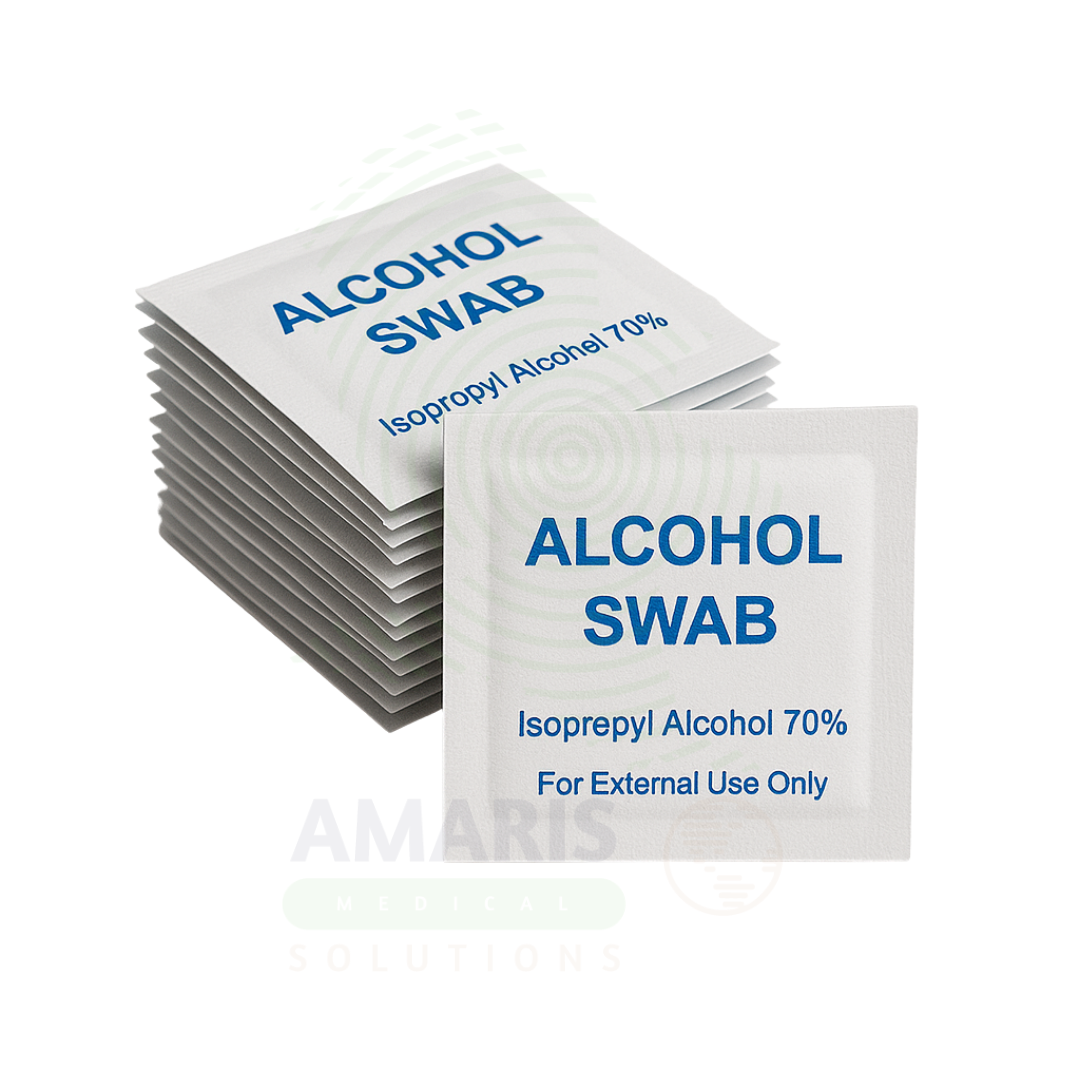
Alcohol Swabs
$1.00
WhatsApp Order
Alcohol Swabs are sterile, single-use, individually packaged pads saturated with 70% isopropyl alcohol, the standard concentration for optimal bactericidal and virucidal activity. They are the fundamental device for skin antisepsis prior to injections, venipuncture, intravenous cannulation, and minor surgical procedures, and for disinfection of vial tops and intravenous injection ports. Clinical efficacy requires a minimum 30-second application with mechanical friction followed by complete air drying (30 seconds) before skin puncture. Alcohol is rapidly bactericidal against vegetative Gram-positive and Gram-negative bacteria, tuberculocidal, fungicidal, and virucidal against enveloped viruses, but ineffective against bacterial spores and non-enveloped viruses. Critical safety precautions include avoidance of mucous membranes, strict single-use protocol, awareness of flammability (keep away from ignition sources), and absolute requirement for complete drying to prevent injection site pain and medication inactivation. Latex-free and available in various sizes.
Description
Alcohol Swabs
PRIMARY CLINICAL & DIAGNOSTIC USES
1. Skin Antisepsis Prior to Injection and Venipuncture
-
Primary Use: Disinfects the skin prior to intramuscular, subcutaneous, and intradermal injections, as well as venipuncture for blood collection and intravenous cannulation, reducing the microbial load at the insertion site and preventing introduction of skin flora into underlying tissues or the bloodstream.
-
How it helps: For the nurse, phlebotomist, and healthcare provider performing injections or blood draws, the alcohol swab provides a simple but critical infection control step—rapidly reducing bacteria on the skin surface that could otherwise be pushed into the tissue or bloodstream by the needle. For the patient, this quick wipe means their risk of injection site infections, abscesses, and catheter-related bloodstream infections is significantly reduced, protecting them from complications that could extend their illness or require additional treatment.
2. Site Preparation for Minor Surgical Procedures
-
Primary Use: Used to cleanse the skin immediately prior to minor surgical interventions including suture insertion and removal, laceration repair, incision and drainage of abscesses, and removal of superficial skin lesions.
-
How it helps: For the physician and proceduralist performing minor surgery, the alcohol swab creates a clean field at the precise site of intervention—removing surface bacteria and preparing the skin for incision or suture placement. For the patient undergoing a minor procedure, this preparation means their wound is less likely to become infected, promoting faster healing and better cosmetic outcomes.
3. Disinfection of Vial Tops and Injection Ports
-
Primary Use: Essential for disinfecting the rubber septa of medication vials and ampoule necks before accessing with a needle and syringe, and for scrubbing intravenous line injection ports prior to each access to prevent intraluminal contamination.
-
How it helps: For the pharmacist, nurse, and anyone preparing injectable medications, alcohol swabs ensure that the entry point to multi-dose vials and IV lines is free of bacteria that could be introduced directly into the patient’s bloodstream. For the patient receiving IV medications or injections, this simple step means that every dose enters their body free of contaminants that could cause life-threatening bloodstream infections.
4. Pre-Injection Skin Preparation in Diabetic Care
-
Primary Use: Routinely used by diabetic patients for skin disinfection prior to insulin injections and fingerstick blood glucose testing.
-
How it helps: For the diabetic patient performing multiple daily injections, alcohol swabs provide an accessible, portable means of maintaining skin hygiene—reducing the risk of injection site infections that could complicate diabetes management. For the patient living with diabetes, incorporating alcohol swabs into their daily routine helps prevent the skin complications that can arise from repeated needle sticks.
5. Preoperative Skin Preparation for Minor Procedures
-
Primary Use: Used as part of preoperative skin antisepsis for minor outpatient procedures where extensive surgical scrubbing is not indicated.
-
How it helps: For the surgeon and surgical team preparing a patient for a minor procedure, alcohol swabs provide rapid, targeted antisepsis at the surgical site—reducing bacterial counts before incision. For the patient undergoing outpatient surgery, this preparation adds an essential layer of protection against surgical site infections.
SECONDARY & SUPPORTIVE USES
1. Equipment and Surface Disinfection: Used for rapid disinfection of small medical equipment surfaces such as stethoscope diaphragms, thermometer probes, and blood glucose meters, as well as hard non-porous surfaces in clinical and field settings. For the healthcare worker, alcohol swabs provide a convenient means of keeping frequently used equipment clean between patients.
2. Cleaning of Adhesive Residue: Effective solvent for removing adhesive residue from tape, dressings, and ECG electrode pads from skin. For the patient, gentle removal of adhesive residue prevents skin irritation and makes dressing changes more comfortable.
3. Temporary Antiseptic for Minor Cuts and Abrasions: Used in first aid settings for cleansing minor wounds and surrounding skin. For the person with a minor cut or scrape, an alcohol swab provides immediate antiseptic action until proper wound care can be administered.
4. Personal Hygiene and Hand Sanitization: Employed as an adjunct for hand hygiene in austere environments where soap and water or alcohol-based hand rub are unavailable. For the healthcare worker in resource-limited settings, alcohol swabs provide a means of maintaining basic hand hygiene.
5. Removal of Skin Oils and Cosmetics: Prepares skin surfaces for application of ECG electrodes, Holter monitor electrodes, and transdermal medication patches by degreasing the skin to improve adhesion and conductivity. For the patient undergoing cardiac monitoring, proper skin preparation ensures electrodes stay in place and provide clear signals.
6. Cooling Effect for Minor Burns or Insect Bites: The evaporative cooling effect of alcohol provides temporary symptomatic relief for minor insect bites and superficial skin irritation. For the patient with an itchy insect bite, an alcohol swab can provide quick, temporary relief.
KEY PRODUCT FEATURES
1. BASIC IDENTIFICATION ATTRIBUTES
-
Product Type: A sterile, single-use pad or towelette saturated with isopropyl alcohol for topical antisepsis .
-
Designation: Defined by alcohol concentration, pad size, material composition, and packaging format .
-
Core Components:
-
Pad/Towelette: Non-woven fabric (polyester, rayon, cellulose, or polypropylene blend), typically textured for mechanical friction .
-
Saturant: 70% isopropyl alcohol (IPA) in purified water (most common). 70% ethanol and 91-99% IPA variants are also available .
-
Packaging: Individually sealed, peel-open foil or paper/foil laminate pouch .
-
-
Core Variants:
-
Standard Swab: 70% IPA, 2-ply non-woven fabric, approximately 3 cm x 3 cm pad .
-
Large Swab/Prep Pad: Larger format (5 cm x 5 cm or larger) for extensive skin areas or equipment cleaning .
-
Benzalkonium Chloride Swabs: Non-alcohol alternative for patients with alcohol sensitivity or in settings where alcohol is contraindicated (e.g., certain ophthalmic procedures) .
-
2. TECHNICAL & PERFORMANCE PROPERTIES
-
Alcohol Concentration (70% Isopropyl Alcohol): The standard and most effective concentration for antisepsis. 70% IPA demonstrates superior bactericidal activity compared to higher concentrations (91-99%) because the presence of water slows evaporation, increasing contact time and enhancing protein denaturation and cell membrane disruption .
-
Contact Time: Requires 30 seconds of contact time with mechanical friction followed by 30 seconds of air drying to achieve adequate bacterial reduction. Alcohol is not instantaneously effective; wet contact time is critical .
-
Spectrum of Activity:
-
Bactericidal: Effective against Gram-positive and Gram-negative vegetative bacteria, including Staphylococcus aureus, Escherichia coli, and Pseudomonas aeruginosa .
-
Tuberculocidal: Effective against Mycobacterium tuberculosis .
-
Fungicidal: Effective against most pathogenic fungi .
-
Virucidal: Effective against enveloped viruses (HIV, HBV, HCV, influenza, SARS-CoV-2, herpes simplex virus). Not effective against non-enveloped viruses (norovirus, hepatitis A, poliovirus) .
-
Not Sporicidal: Does not kill bacterial spores .
-
-
Bioburden Reduction: Reduces aerobic colony-forming units (CFUs) on skin by 70-90% with proper technique. Does not sterilize skin .
3. PHYSICAL & OPERATIONAL PROPERTIES
-
Pad Material: Non-woven fabric selected for:
-
Lint-free or low-linting properties.
-
High absorbency and fluid retention.
-
Sufficient wet strength to resist tearing during scrubbing.
-
Textured surface to provide mechanical friction .
-
-
Saturation Volume: Precisely controlled volume of alcohol solution per swab to ensure adequate wetness without excessive dripping .
-
Packaging Integrity: Foil laminate pouches provide barrier protection against alcohol evaporation and microbial contamination. Individual sealed pouches maintain sterility and product efficacy throughout shelf life .
-
Sterility: Terminally sterilized (ethylene oxide or gamma irradiation). Sterility assurance level (SAL) of 10⁻⁶. Sterile unless packaging is compromised or expired .
4. SAFETY & COMPLIANCE ATTRIBUTES
-
Regulatory Standards:
-
ASTM E1174: Standard test method for evaluation of healthcare handwash formulations (referenced for efficacy).
-
FDA 510(k) Clearance: Required for marketing in the United States as a Class I or Class II medical device .
-
CE Marking: Required for European market .
-
USP <51>: Antimicrobial effectiveness testing .
-
ISO 11193: Sterilization validation standards .
-
-
Biocompatibility: Materials in contact with skin must be non-irritating, non-sensitizing, and hypoallergenic. Meets ISO 10993 standards for skin contact .
-
Latex-Free: All components manufactured without natural rubber latex .
-
Non-Pyrogenic: Certified free of endotoxins .
-
Flammability: Highly flammable. Contains 70% isopropyl alcohol (flash point ~11.7°C / 53°F). Warning label required per OSHA Hazard Communication Standard and international regulations .
5. STORAGE & HANDLING ATTRIBUTES
-
Storage: Store in a cool, dry environment away from heat, sparks, open flames, and direct sunlight. Maintain original packaging to prevent alcohol evaporation .
-
Shelf Life: Typically 2-3 years from date of manufacture. Expiration date printed on each individual pouch and outer carton. Do not use after expiration; alcohol concentration may be reduced due to vapor permeation of packaging, compromising antimicrobial efficacy .
-
Package Inspection: Before use, inspect individual pouches for any signs of compromise: tears, punctures, or evidence of leakage (alcohol odor, wetness on outer package). Do not use it if integrity is questionable .
-
Single-Use Protocol: Alcohol swabs are strictly single-use devices. Do not reuse a single swab on multiple sites, multiple patients, or for multiple purposes. Reuse is associated with:
-
Transfer of microorganisms from one site to another.
-
Drying of the pad and inadequate alcohol delivery.
-
Contamination of the swab during use .
-
-
Environmental Considerations: Empty foil pouches are non-hazardous waste. Used swabs are generally non-hazardous but may be considered infectious waste if contaminated with blood or body fluids .
6. LABORATORY & CLINICAL APPLICATIONS
-
Primary Application: The standard, universally adopted device for rapid point-of-care skin antisepsis prior to percutaneous procedures. Indispensable in hospitals, clinics, physician offices, dental practices, long-term care facilities, home healthcare, and patient self-care .
-
Efficacy Dependence: Clinical efficacy is entirely dependent on correct technique:
-
Apply with friction (scrubbing motion) for a minimum of 30 seconds .
-
Cover the entire intended puncture site .
-
Allow to air dry completely (minimum 30 seconds) before skin puncture .
-
Do not fan, blow, or wipe dry .
-
Do not palpate the site after antisepsis unless sterile gloves are used .
-
-
Limitations: Does not remove dirt, oil, or organic matter. Visibly soiled skin requires washing with soap and water prior to alcohol swab use .
-
Contraindications: Do not use on mucous membranes, open wounds (unless specifically indicated), or irritated/excoriated skin due to pain and tissue toxicity .
SAFETY HANDLING PRECAUTIONS
1. SAFETY PRECAUTIONS
-
Allow Complete Air Drying (Most Important): Alcohol is inactivated by contact with blood and organic matter. If the skin is not completely dry before needle puncture, the alcohol is drawn into the tissue along the needle track, causing:
-
Significant injection site pain (stinging/burning).
-
Inactivation of certain medications (e.g., heparin, protamine, some vaccines).
-
Tissue irritation and inflammation .
-
Reduced antimicrobial efficacy .
-
-
Never Use on Mucous Membranes: Alcohol is severely irritating to mucous membranes (eyes, mouth, urethra, genitalia). Causes pain, chemical irritation, and tissue damage .
-
Flammability Hazard: Keep away from electrosurgical units, lasers, defibrillators, and open flames during use. Do not use near oxygen-enriched environments. Allow complete evaporation before using electrocautery .
-
Ingestion Hazard: Keep out of reach of children. Accidental ingestion causes alcohol toxicity, particularly hazardous in small children .
-
Skin Sensitivity: Prolonged or frequent use may cause skin dryness, irritation, or contact dermatitis. Discontinue use if rash or irritation develops .
-
Do Not Use on Infants Under 2 Months: Premature infants and neonates are at increased risk of alcohol absorption through thin skin and chemical burns. Alternative antiseptics (aqueous chlorhexidine, povidone-iodine) are preferred .
-
Do Not Soak or Immerse: Alcohol swabs are for topical application only. Do not immerse medical devices or body parts in alcohol using these swabs .
2. FIRST AID MEASURES
-
Eye Contact: Immediately rinse eyes with copious amounts of clean water or sterile saline for at least 15 minutes, holding eyelids open. Remove contact lenses if present. Seek immediate medical attention .
-
Ingestion: If swallowed, do not induce vomiting. Rinse mouth with water. Seek immediate medical attention or contact a poison control center. Risk of hypoglycemia and central nervous system depression, particularly in children .
-
Skin Sensitivity Reaction: If severe irritation, redness, or blistering occurs, discontinue use immediately, rinse area gently with water, and apply soothing emollients. Seek medical advice for persistent symptoms .
-
Inhalation: Use in well-ventilated areas. If inhaled in enclosed spaces and symptoms of dizziness, headache, or respiratory irritation occur, move to fresh air and seek medical attention if symptoms persist .
3. FIRE FIGHTING MEASURES
-
Flammability: HIGHLY FLAMMABLE. Alcohol-saturated pads and residual liquid alcohol present a significant fire hazard in clinical environments .
-
Extinguishing Media: Use alcohol-resistant foam, CO₂, or dry chemical powder. Water may be ineffective but can be used to cool adjacent materials and prevent fire spread .
-
Fire Prevention: Allow alcohol to completely evaporate from skin and surfaces before using electrosurgery, lasers, or high-frequency electrical equipment. Never store near oxygen or other oxidizing agents .
Related products
Applicator Sticks
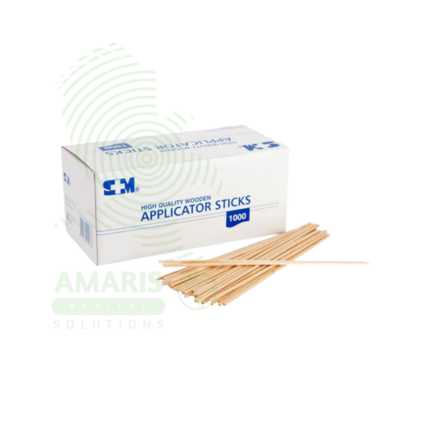
Applicator Sticks are single-use medical devices with absorbent tips (cotton, rayon, flocked polyester) on wood, plastic, or paper shafts for collecting clinical specimens (throat, nasal, wound, cervical, urethral, rectal) for microbiological culture, rapid testing, and molecular diagnostics. Sterile individually wrapped or non-sterile bulk formats. Flocked swabs provide >90% specimen release for PCR testing. Primary applications include specimen collection for infection diagnosis, wound care and antiseptic application, gynecological sampling (Pap smears, STI testing), eye/ear specimen collection, laboratory slide preparation, and forensic evidence collection. Critical precautions include single-use only, sterile technique, proper collection method, and biohazard disposal. Essential consumable in all clinical settings.
Centrifuge Tubes
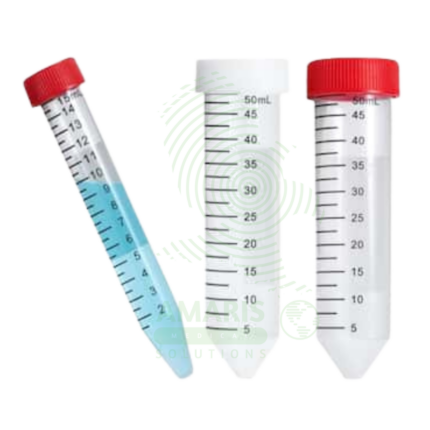
Centrifuge Tubes are specialized disposable containers (polypropylene) designed to withstand high centrifugal forces (up to 30,000 x g) for separating biological fluids based on density. Available in microcentrifuge sizes (0.2-2.0 mL), conical tubes (15 mL, 50 mL), and larger volumes (100-500 mL). Features include leak-proof screw caps with O-rings (conical tubes), snap caps (microcentrifuge tubes), graduated volume markings, writing areas, and sterile/non-sterile options. Certified RNase/DNase-free, pyrogen-free, and autoclavable. Primary clinical applications include blood component separation (serum/plasma), urine sediment preparation, microbiology sample concentration, molecular biology (DNA/RNA extraction), cell culture processing, protein/enzyme analysis, and viral load testing. Critical safety precautions include never exceeding maximum RCF rating, proper balancing by weight, secure cap tightening, inspection for cracks, and disposal as biohazardous waste. Essential consumable in every clinical, research, and industrial laboratory.
Cover Glass
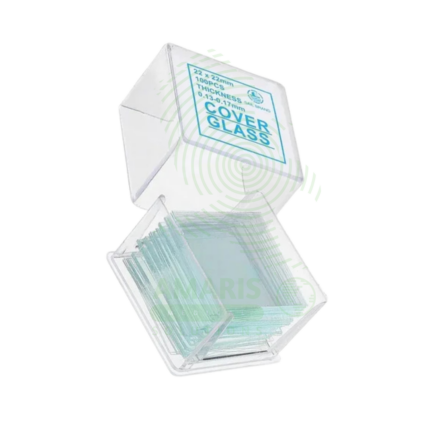
Cover Glass (coverslips) are thin, transparent glass or plastic squares (e.g., 18×18 mm, 22×22 mm) or rectangles (22×30 mm, 24×50 mm) used to cover specimens on microscope slides for microscopic examination. Available in thickness No. 1 (0.13-0.16 mm) and No. 1.5 (0.16-0.19 mm) for optimal microscopy. Made from optical glass with high light transmission (>90%), refractive index 1.52 matching immersion oil. Packaged in boxes of 100-1000, interleaved with paper to prevent scratching. Primary clinical applications include covering blood films for manual differential counts and malaria diagnosis, wet mount preparations of urine sediment and vaginal secretions, histopathology and cytology slides, Gram-stained bacterial smears, semen analysis, KOH preparations for fungal elements, and India ink preparations for Cryptococcus. Critical safety precautions include handling with forceps (sharp edges), disposing of broken coverslips in sharps containers, avoiding fingerprints on optical surface, and proper disposal of biohazard-contaminated coverslips. Essential consumable in every clinical laboratory performing microscopy.
Finger Cot
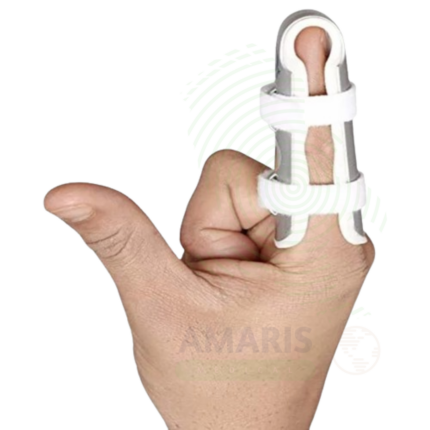
A Finger Cot is a small, finger-shaped protective covering used to protect minor finger wounds, diabetic ulcers, surgical incisions, and amputation stumps, as well as to provide barrier protection for healthcare workers and laboratory personnel. Made from latex, nitrile, vinyl, or silicone, it provides a comfortable, secure fit while protecting the finger from contamination, moisture, friction, and irritants. Available in various sizes, materials, and sterile or non-sterile versions. Latex-free options are available for individuals with latex allergy.
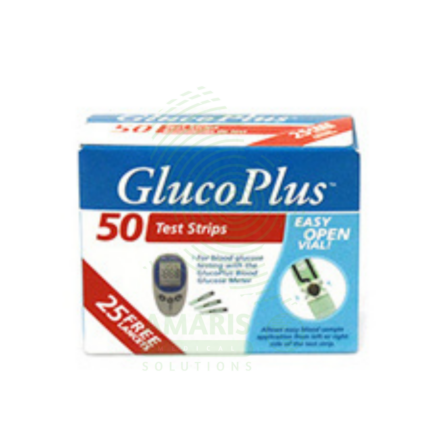
Glucosics Blood Sugar Sticks
Glucosics Blood Sugar Sticks are single-use, disposable electrochemical test sticks (ISO 15197:2013 compliant) designed exclusively for use with Glucosics glucose meters to measure capillary blood glucose from 0.5-1.0 µL samples in 5-7 seconds. Each stick contains glucose oxidase or glucose dehydrogenase reagents that generate electrical current proportional to glucose concentration (20-600 mg/dL range). Packaging options include multi-stick vials (25-100 sticks) with desiccant for daily use or individually foil-wrapped sticks for travel. Sticks feature no-coding automatic calibration, hematocrit compensation (20-60%), and interference resistance. Primary clinical applications include daily blood glucose testing for Type 1, Type 2, and gestational diabetes management, hypoglycemia and hyperglycemia detection, pre- and post-meal glucose assessment, and hospital point-of-care testing. Critical safety precautions include single-use only, immediate vial closure after stick removal to prevent humidity damage, storage at 2-30°C away from bathrooms and temperature extremes, never using expired sticks, proper hand hygiene before testing, and disposal in sharps containers. Essential consumable for diabetes self-management when used with Glucosics meters.
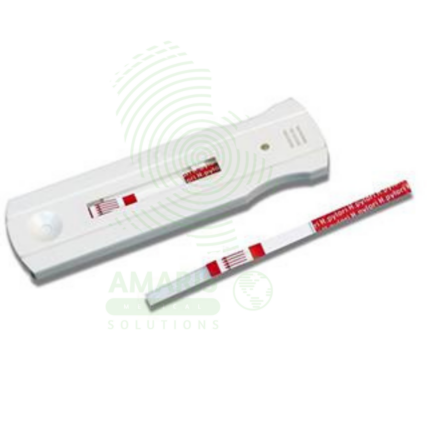
H. pylori Test Strips
H. pylori Test Strips are rapid, lateral flow immunochromatographic devices used for the qualitative detection of Helicobacter pylori antigens in human stool. As a non-invasive stool antigen test (SAT), it provides a convenient and reliable method for diagnosing active H. pylori infection and confirming eradication after therapy, with results available in under 15 minutes. Ideal for use in clinics and outpatient settings, it aids in the management of dyspepsia and peptic ulcer disease. Proper sample handling, adherence to pre-test medication restrictions, and strict biohazard precautions are essential for obtaining accurate results.
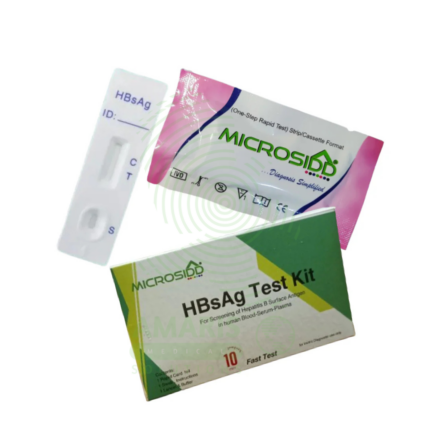
Hepatitis B Test Kit
The Hepatitis B Test Kit is an in vitro diagnostic device for the detection of Hepatitis B virus markers in human blood samples, available in rapid, ELISA, and molecular formats. It detects specific antigens (HBsAg) and antibodies (anti-HBc, anti-HBs) to diagnose acute and chronic infection, monitor treatment response, screen blood donations, and determine immunity status. With high sensitivity (>98%) and specificity (>99%), it provides results in 15 minutes to 4 hours depending on format. Essential applications include prenatal screening to prevent mother-to-child transmission, evaluation of acute hepatitis, pre-immunosuppression screening, and occupational health testing. All patient samples must be handled with universal precautions, and testing must include appropriate quality controls.