Dermatoscope and Magnifiers
 Diagnostic Kits
 Vital Signs Monitors
 Stethoscopes and Accessories
 Otoscopes, Ophthalmoscopes, and Retinoscopes
 Reflex Hammers and Neurological Tools
 Scales and Measuring Devices
 Spirometers and Pulmonary Function Tests
 Electrosurgical Units and Accessories
 Cutting Instruments
 Grasping and Holding Instruments
 Hemostatic Instruments
 Specialized Surgical Sets
 Single-Use Procedure Trays and Packs
 Surgical Drapes, Gowns, and Covers
 Tissue Unifying Instruments
 Radiation Protection
 X-Ray Machines and Accessories
 Ultrasound Systems and Probes
 MRI and CT Scanners
 Radiology Consumables
 Bone Densitometers
 Fluoroscopy Equipment
 Imaging Tables and Positioning Aids
 Microscopes and Accessories
 Centrifuges and Separators
 Analyzers
 Incubators and Ovens
 Pipettes, Dispensers, and Lab Glassware
 Refrigerators, Freezers, and Storage Units
 Lab Consumables
 Sterilizers and Autoclaves for Lab Use
 Multi-Parameter Monitors
 Ventilators and Respiratory Support Devices
 Defibrillators and AEDs
 Infusion Pumps and IV Systems
 Patient Warmers and Cooling Devices
 Central Monitoring Stations
 Accessories
 Anesthesia Machines and Workstations
 Oxygen Concentrators and Delivery Systems
 Nebulizers and Inhalers
 CPAP/BiPAP Machines
 Airway Management
 Anesthesia Masks, Circuits, and Bags
 Humidifiers and Heaters
 Respiratory Therapy Accessories
 First Aid Kits and Cabinets
 Emergency Resuscitation Equipment
 Trauma Supplies
 Emergency Carts and Crash Carts
 Burn Care Products
 Bleeding Control
 Automated External Defibrillators (AEDs)
 Transport and Evacuation
 Wheelchairs and Accessories
 Walkers, Crutches, and Canes
 Prosthetics and Orthotics
 Physical Therapy Equipment
 Transfer Devices
 Bathroom Safety
 Orthopedic Traction and Tables
 Hot/Cold Therapy Packs and Units
 Beds and Mattresses
 Chairs and Stools
 Tables
 Cabinets and Storage
 Privacy Screens & Curtains
 Stands and Racks
 Linens and Textiles
 Lighting
 Autoclaves and Sterilizers
 Ultrasonic Cleaners
 Disinfectant Solutions and Wipes
 Sterilization Pouches, Wraps, and Indicators
 Instrument Trays and Containers
 UV and Ozone Disinfection Devices
 Washer Disinfectors
 Wound Care
 Gloves
 Masks and Respirators
 Catheters and Tubing
 Swabs, Applicators, and Sponges
 Incontinence Products
 Personal Protective Equipment (PPE)
 Dental Chairs and Units
 Handpieces and Burs
 Instruments
 Consumables
 Sterilization for Dental Use
 Orthodontic Supplies
 Endodontic Tools
 Slit Lamps and Tonometers
 Lensometers and Phoropters
 Ophthalmic Surgical Instruments
 Eyewear Frames and Lenses
 Contact Lens Supplies
 Vision Testing Charts and Devices
 Eye Care Consumables
 Laser Systems for Eye Care
 ENT Exam Chairs and Tables
 Endoscopes
 Audiometers and Hearing Tests
 ENT Instruments
 Nasal and Throat Packs
 Hearing Aids and Accessories
 Otology Supplies
 Fetal Dopplers and Monitors
 Delivery Beds and Tables
 Gynecological Instruments
 Neonatal Incubators and Warmers
 Breast Pumps and Accessories
 Contraceptive Devices
 Maternity Supports and Pads
 Neonatal Consumables
 Cystoscopes and Urethroscopes
 Dialysis Machines and Supplies
 Urological Catheters and Bags
 Lithotripters
 Prostate Treatment Devices
 Urinary Incontinence Products
 Kidney Stone Management Tools
 Consumables & Disposables
 EEG and EMG Machines
 Neurosurgical Instruments
 Nerve Stimulators
 Headrests and Positioning Aids
 Lumbar Puncture Kits
 Seizure Monitoring Devices
 Consumables
 Rehabilitation for Neurological Conditions
 ECG Machines and Accessories
 Holter Monitors
 Stress Test Systems
 Pacemakers and Defibrillator Accessories
 Vascular Access Devices
 Cardiac Catheters and Guidewires
 Blood Flow Meters
 Consumables
 Orthopedic Instruments
 Casts, Splints, and Padding
 Joint Replacement Supplies
 Prosthetic Limbs and Components
 Bone Grafts and Substitutes
 Traction Devices
 Orthopedic Braces and Supports
 Rehabilitation Aids for Orthopedics
 Home Oxygen Therapy
 Hospital Beds for Home Use
 Mobility Aids
 Bathroom and Daily Living Aids
 Wound Care for Home
 Monitoring Devices
 Enteral Feeding Pumps and Tubes
 Hand Sanitizers and Dispensers
 Face Shields and Goggles
 Isolation Gowns and Suits
 Biohazard Waste Containers
 Air Purifiers and HEPA Filters
 Surface Disinfectants
 Sharps Containers
 Protective Barriers
 Cardiovascular & Endurance Training
 Strength Training & Weightlifting
 Functional Training & Core Conditioning
 Physical Therapy & Rehabilitation
 Sports & Outdoor Recreation
 Gym Flooring & Facility Equipment
 Fitness Monitoring & Accessories
 Kids & Novelties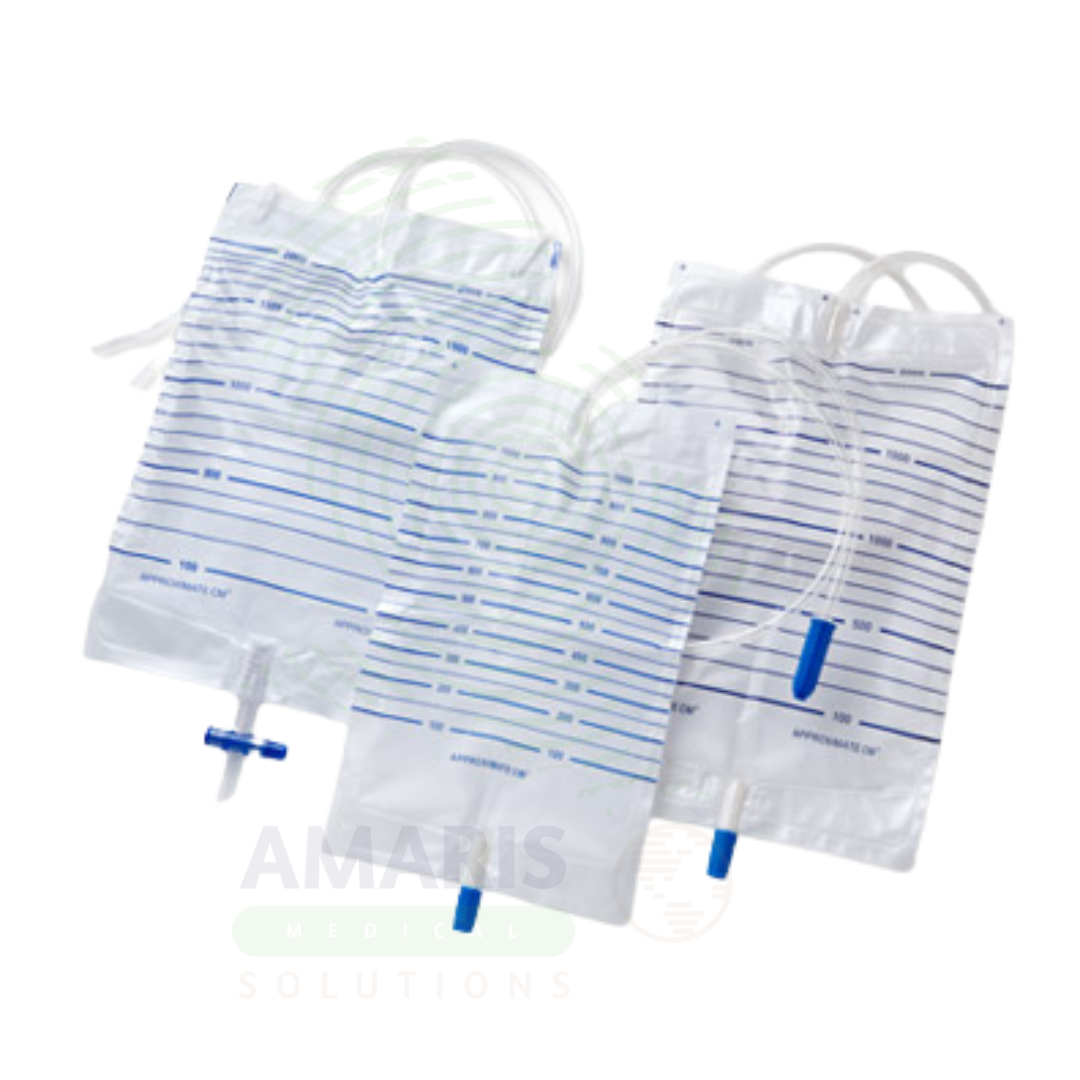
Urine Bags
$1.00
WhatsApp Order
Urine Bags are sterile, single-use, closed-system medical devices designed for gravity drainage, collection, containment, and measurement of urine from indwelling urinary catheters. Available in two primary configurations: large-capacity drainage bags (2000-4000 mL) for bedridden patients and overnight use, and smaller leg bags (350-750 mL) for ambulatory, community-dwelling patients. Core components include a transparent graduated collection bag, flexible drainage tubing, anti-reflux valve, needleless sampling port, and secure outlet valve. Manufactured from medical-grade PVC (DEHP-free alternatives available) or non-PVC materials, all components are latex-free and terminally sterilized. Critical safety requirements include maintaining the bag below bladder level at all times to prevent retrograde flow, preserving closed system integrity, and adhering to strict single-patient-use protocols. An indispensable component of CAUTI prevention bundles and urinary drainage management across acute care, long-term care, and home healthcare settings.
Description
Urine Bags
PRIMARY CLINICAL & DIAGNOSTIC USES
1. Collection and Containment of Urine from Indwelling Catheters
-
Primary Use: Attaches to an indwelling urinary catheter to collect, contain, and measure urine output from patients who are unable to void spontaneously or require continuous bladder drainage, including hospitalized, surgical, critically ill, and long-term care patients.
-
How it helps: For the nurse and critical care team managing a patient with a urinary catheter, the urine bag provides a closed, sterile collection system that continuously drains urine from the bladder—preventing urinary stasis, reducing infection risk, and allowing for accurate measurement of output. For the patient who cannot void independently, a urine bag means their bladder is kept empty and comfortable, their skin is protected from moisture, and their urine output can be monitored without repeated catheterizations.
2. Gravity Drainage of Urine
-
Primary Use: Provides a closed, sterile drainage system that uses gravity to continuously drain urine from the bladder into a collection bag positioned below the level of the patient’s bladder, maintaining low bladder pressure and preventing urinary stasis.
-
How it helps: For the healthcare team managing a catheterized patient, proper positioning of the urine bag below the bladder ensures continuous drainage by gravity—preventing the backflow of urine that would increase bladder pressure and create a reservoir for bacterial growth. For the patient, gravity drainage means their bladder remains empty and decompressed, reducing discomfort and the risk of urinary tract infection.
3. Accurate Measurement of Urine Output
-
Primary Use: Integral volume measurement chambers allow precise, hourly quantification of urine output, a critical parameter in monitoring hemodynamic stability, renal function, fluid resuscitation response, and postoperative recovery in intensive care and acute care settings.
-
How it helps: For the intensivist and critical care nurse, the graduated markings on the urine bag provide a continuous window into kidney function—every milliliter of urine output measured tells them whether the kidneys are being adequately perfused, whether fluid resuscitation is working, and whether the patient is responding to treatment. For the critically ill patient, accurate urine output monitoring guides life-saving decisions about fluids, pressors, and other interventions.
4. Prevention of Catheter-Associated Urinary Tract Infection
-
Primary Use: Maintains a closed, sterile drainage system to prevent entry of microorganisms into the urinary tract, with anti-reflux valves preventing retrograde flow of urine from the bag back into the bladder, a major pathway for CAUTI.
-
How it helps: For the infection preventionist and bedside nurse, the closed drainage system with anti-reflux valve is a critical defense against hospital-acquired infection—creating a one-way barrier that prevents bacteria from migrating from the bag up the tubing and into the bladder. For the patient with an indwelling catheter, this valve means their risk of developing a painful, dangerous catheter-associated infection is significantly reduced.
5. Night Drainage and Extended Bedrest
-
Primary Use: Large-capacity drainage bags are used for overnight or extended bedrest, reducing the frequency of bag emptying and minimizing sleep disruption.
-
How it helps: For the patient requiring continuous bladder drainage, a large-capacity night bag hung at the bedside means uninterrupted sleep—they are not woken repeatedly to have a full bag emptied, and the nursing staff’s nighttime rounds are less disruptive. For the healing patient, uninterrupted sleep supports recovery and improves the hospital experience.
6. Leg Bags for Ambulatory Patients
-
Primary Use: Smaller, discreet bags worn strapped to the thigh or calf allow mobile patients with indwelling catheters or urinary incontinence to maintain dignity, freedom of movement, and participation in daily activities outside the home.
-
How it helps: For the patient living with a long-term catheter, a leg bag worn discreetly under clothing means they can leave the house, go to work, shop, and socialize without the encumbrance of a large drainage bag—restoring independence and quality of life. For the healthcare team, leg bags support patient mobility and community participation.
SECONDARY & SUPPORTIVE USES
1. Urinary Diversion Systems: Used in conjunction with urostomy pouches or suprapubic catheters for patients who have undergone urinary diversion procedures such as ileal conduit, ureterostomy, or cystectomy. For the patient living with a urinary diversion, appropriate drainage bags are essential for continence and quality of life.
2. Condom Catheter Drainage: Attached to external condom catheters for male patients with urinary incontinence who do not require an indwelling catheter. For the patient who can use a condom catheter, a leg bag provides a non-invasive option for managing incontinence.
3. Specimen Collection: Sampling ports integrated into the drainage tubing allow for sterile aspiration of urine for microbiological culture and analysis without disrupting the closed system. For the clinician needing a urine culture, the sampling port provides access without breaking sterility.
4. Bladder Irrigation and Drainage: Used with three-way catheters for continuous bladder irrigation following urological surgery, providing both inflow of irrigation solution and outflow and drainage of fluid and blood clots. For the post-operative urology patient, continuous irrigation prevents painful clot retention.
5. Pediatric Urine Collection: Smaller capacity bags with pediatric-specific tubing and connection sizes for neonatal and pediatric patients requiring indwelling catheterization. For the smallest patients, appropriately sized equipment ensures proper function and comfort.
6. Home Healthcare and Hospice Care: Enables patients with chronic urinary retention, neurogenic bladder, or terminal illness to be managed at home with dignity and comfort, reducing hospital readmissions. For the patient receiving end-of-life care at home, a urine bag supports comfort and dignity in their final days.
KEY PRODUCT FEATURES
1. BASIC IDENTIFICATION ATTRIBUTES
-
Product Type: A sterile, single-use, closed-system fluid collection device designed for gravity drainage, containment, and measurement of urine from an indwelling urinary catheter .
-
Designation: Defined by capacity, configuration (leg vs. drainage) , valve features, sampling port type, and hanger design .
-
Core Components:
-
Collection Bag: Flexible, transparent PVC or non-PVC (EVA, polyurethane) envelope calibrated with volume graduations .
-
Drainage Tubing: Flexible PVC tubing connecting catheter to bag; typically 36-60 inches (90-150 cm) .
-
Drip Chamber: Prevents reflux and provides visual confirmation of urine flow .
-
Anti-Reflux Valve: One-way valve preventing retrograde flow of urine from bag to bladder .
-
Sampling Port: Latex-free, needleless access port for sterile specimen aspiration .
-
Outlet Valve/Drainage Spout: Bottom-mounted tap for emptying bag without disconnecting system .
-
Hanger/Attachment System: Integral hooks, straps, or brackets for securing bag to bed frame, wheelchair, or ambulatory patient .
-
Patient Identification Label: Area for documenting patient information, date of bag change .
-
-
Core Variants:
-
Drainage Bags (Night Bags): Large capacity: 2000 mL, 2500 mL, 4000 mL. For bedridden patients, overnight use, high-output diuresis .
-
Leg Bags (Day Bags): Small capacity: 350 mL, 500 mL, 750 mL. Worn on thigh or calf with elastic straps or sleeves. For ambulatory, community-dwelling patients .
-
Pediatric Bags: Reduced capacity (150-500 mL), smaller tubing diameter, pediatric-specific connectors .
-
Universal Bags: Convertible systems with removable leg straps and multiple hanger options for both bed and ambulatory use .
-
2. TECHNICAL & PERFORMANCE PROPERTIES
-
Volume Graduation Accuracy: Calibrated markings must be clear, permanent, and accurate to within ±5-10% to permit reliable clinical measurement of urine output .
-
Anti-Reflux Valve Integrity: Must reliably prevent retrograde flow under all clinical conditions (patient positioning, bag movement, accidental elevation) to prevent CAUTI .
-
Tubing Kink Resistance: Drainage tubing must resist kinking and occlusion that would obstruct urine flow and cause bladder distension .
-
Connector Compatibility: Universal connector (6.7 mm - 7.5 mm) compatible with all standard Foley catheter drainage funnels. Must provide secure, leak-proof connection .
-
Drip Chamber Function: Provides visual indication of flow; prevents urine from pooling in tubing and acting as a conduit for bacterial migration .
-
Burst Strength: Bag must withstand internal hydrostatic pressure without seam separation or leakage .
-
Odor Barrier: Multi-layer film construction may incorporate odor-barrier technology to contain urinary odor, enhancing patient dignity and caregiver comfort .
3. PHYSICAL & OPERATIONAL PROPERTIES
-
Material:
-
PVC (Polyvinyl Chloride): Traditional material, flexible, transparent, economical. May contain DEHP plasticizer (non-DEHP alternatives increasingly mandated) .
-
Non-PVC (EVA, Polyurethane, Polyolefin): Increasingly preferred; DEHP-free, more environmentally sustainable, comparable performance .
-
Latex-Free: All patient-contact and user-contact components must be manufactured without natural rubber latex .
-
-
Graduations: Clear, high-contrast volume markings (typically black on clear/white background) in milliliters (mL) . Drainage bags: graduated in 100-200 mL increments; Leg bags: graduated in 25-50 mL increments .
-
Tubing Length: Standard drainage bag: 36-48 inches (90-120 cm) . Leg bags: 6-18 inches (15-45 cm) to minimize drag and concealment .
-
Hanger Systems:
-
Drainage Bags: Integral hooks for bed frame; non-slip hooks; self-adhesive wall mounts; floor stand compatibility .
-
Leg Bags: Adjustable elastic straps (hook-and-loop closure); fabric sleeves; foam leg band with non-slip lining .
-
-
Packaging: Individually wrapped in sterile, peel-open or tear-open pouches. Sterility must be maintained until point of use .
4. SAFETY & COMPLIANCE ATTRIBUTES
-
Regulatory Standards:
-
ISO 8669: Urine collection bags - Requirements and test methods .
-
ASTM D1709: Standard test methods for impact resistance of plastic film (bag burst strength) .
-
FDA 510(k) Clearance: Required for US marketing as Class I or Class II medical device .
-
CE Marking: Required for European market .
-
California Proposition 65: Compliance for DEHP-free products .
-
-
Sterility: Terminal sterilization via ethylene oxide (EtO) or gamma irradiation. Sterility assurance level (SAL) of 10⁻⁶. Sterile fluid pathway is critical for CAUTI prevention .
-
Biocompatibility: All fluid-contact and skin-contact materials must meet ISO 10993 standards for cytotoxicity, sensitization, irritation, and systemic toxicity .
-
DEHP Compliance: Many healthcare systems and regions (EU, California) mandate DEHP-free/non-phthalate materials for neonatal, pediatric, and pregnant patient populations .
-
Latex-Free: Mandatory for use in latex-free healthcare environments and for patients with latex allergy .
5. STORAGE & HANDLING ATTRIBUTES
-
Storage: Store in original, unopened packaging in a cool, dry environment. Protect from direct sunlight, extreme temperatures, and physical damage .
-
Shelf Life: Typically 3-5 years from date of manufacture. Expiration date printed on each package. Do not use it after expiration; sterility and material integrity cannot be guaranteed .
-
Package Inspection: Before use, inspect packaging for any signs of compromise: tears, punctures, moisture ingress, or damage to sterile barrier. Do not use it if integrity is questionable .
-
Single-Use Protocol: Urine bags are strictly single-patient-use devices. They must not be reused between patients. Drainage bags are typically changed every 5-7 days per facility protocol; leg bags are typically changed every 5-14 days or per manufacturer instructions. Reuse is associated with:
-
Biofilm formation and CAUTI .
-
Material degradation and leakage .
-
Valve failure and retrograde flow .
-
Cross-contamination .
-
-
Emptying Protocol: Empty bag when approximately 2/3 to 3/4 full. Open outlet valve slowly over acceptable receptacle. Do not allow outlet spouts to contact non-sterile surfaces or collection containers. Clean outlet spout with 70% alcohol wipe after each emptying. Close the valve securely .
6. LABORATORY & CLINICAL APPLICATIONS
-
Primary Application: The essential containment component of the closed urinary drainage system, used in conjunction with indwelling urinary catheters for continuous bladder drainage across all healthcare settings: ICUs, general wards, postoperative units, long-term care facilities, and home care .
-
Selection Criteria:
-
Patient Mobility Status: Bedridden → drainage bag (night bag); Ambulatory → leg bag (day bag) .
-
Urine Output Volume: High output (diuresis, diabetes insipidus, post-obstruction) → large capacity (4000 mL) .
-
Patient Age/Size: Pediatric patients → pediatric-specific bags .
-
Infection Control Requirements: Immunocompromised, post-urological surgery → consider anti-reflux valve integrity, sampling port type .
-
Patient Preference: Discreetness, comfort, ease of operation .
-
-
CAUTI Prevention Bundles: Urine bags are a critical component of evidence-based CAUTI prevention bundles, which include:
-
Maintaining a closed, sterile drainage system .
-
Keep the bag below the level of the bladder at all times .
-
Ensuring dependent drainage (no kinks, loops) .
-
Emptying bag regularly using aseptic technique .
-
Changing bag per protocol (not routinely unless clinically indicated) .
-
Using sampling port for specimen collection .
-
SAFETY HANDLING PRECAUTIONS
1. SAFETY PRECAUTIONS
-
Maintain Dependent Drainage (Most Important): The urine bag must always be positioned below the level of the patient's bladder. Elevating the bag allows contaminated urine to flow retrograde from the bag into the bladder, introducing pathogens and causing CAUTI. Never place the bag on the patient's abdomen, bed rail above bladder level, or chair seat .
-
Prevent Tube Kinking and Looping: Drainage tubing must be free of kinks, dependent loops, and obstructions that impede urine flow. Stagnant urine in tubing promotes bacterial migration and biofilm formation. Coil excess tubing loosely on the bed, never below the bag .
-
Never Disconnect the Closed System: The integrity of the closed drainage system is the most important defense against CAUTI. Do not disconnect the catheter from the bag unless absolutely required. Use the sampling port for specimen collection. Use the outlet valve for emptying .
-
Emptying Precautions: Open outlet valve slowly over a clean, dedicated collection receptacle. Do not allow the valve spout to touch the receptacle or any non-sterile surface. Wipe the spout with 70% alcohol after each use. Close the valve securely .
-
Leg Bag Positioning: Secure leg bag to the calf or lower thigh with appropriate straps. Do not overtighten (impairs circulation). Ensure tubing is not kinked. Position bag below bladder level even when sitting or lying .
-
Night Bag Changeover: When converting from leg bag (day) to drainage bag (night), maintain aseptic technique at the connection. Clean the connector with 70% alcohol before attachment. Never leave the system open to the environment .
-
Do Not Lift Bag by Drainage Tubing: Always support the bag by its handle or hanger. Pulling on tubing may disconnect the system or damage the bag .
-
Monitor for Leakage: Inspect bag and connections regularly for signs of leakage. Leakage breaches the closed system and requires immediate replacement of the affected component(s) .
-
Patient Education: Instruct ambulatory patients on proper leg bag use, emptying technique, night bag changeover, and signs of complications (leakage, hematuria, fever, suprapubic pain) .
2. FIRST AID MEASURES
-
Accidental Disconnection: If the catheter-bag connection is accidentally separated, do not reconnect. Discard the contaminated bag and tubing. Clean the catheter connector with 70% alcohol and attach a new, sterile drainage bag using aseptic technique .
-
Bag Rupture/Leak: If the bag leaks or ruptures, immediately close the outlet valve (if intact) and remove the bag. Clean any spilled urine from patient and environment per infection control protocols. Replace with a new, sterile bag .
-
Retrograde Contamination Event: If the bag is inadvertently elevated above bladder level or known retrograde flow has occurred, consider this a contamination event. Assess patients for signs of CAUTI. Replace the bag. Document the event .
-
Chemical Spill (Disinfectant Exposure): If disinfectant (e.g., bleach, peracetic acid) is accidentally introduced into the drainage system during cleaning, replace the entire system immediately. Irrigate the catheter if indicated .
3. FIRE FIGHTING MEASURES
-
Flammability: PVC, EVA, polyurethane, and polyolefin materials are combustible .
-
Extinguishing Media: Use water, foam, CO₂, or dry chemical powder as appropriate for the surrounding fire. Burning PVC releases hydrogen chloride and toxic fumes; use self-contained breathing apparatus (SCBA) in enclosed spaces .
Related products
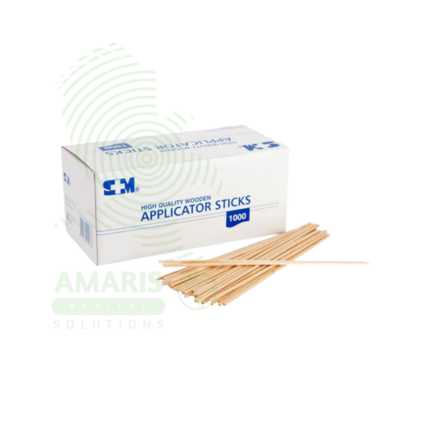
Applicator Sticks
Applicator Sticks are single-use medical devices with absorbent tips (cotton, rayon, flocked polyester) on wood, plastic, or paper shafts for collecting clinical specimens (throat, nasal, wound, cervical, urethral, rectal) for microbiological culture, rapid testing, and molecular diagnostics. Sterile individually wrapped or non-sterile bulk formats. Flocked swabs provide >90% specimen release for PCR testing. Primary applications include specimen collection for infection diagnosis, wound care and antiseptic application, gynecological sampling (Pap smears, STI testing), eye/ear specimen collection, laboratory slide preparation, and forensic evidence collection. Critical precautions include single-use only, sterile technique, proper collection method, and biohazard disposal. Essential consumable in all clinical settings.
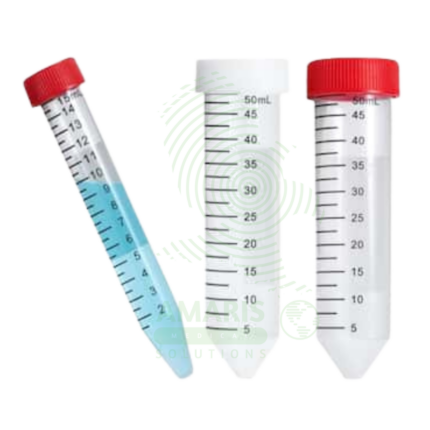
Centrifuge Tubes
Centrifuge Tubes are specialized disposable containers (polypropylene) designed to withstand high centrifugal forces (up to 30,000 x g) for separating biological fluids based on density. Available in microcentrifuge sizes (0.2-2.0 mL), conical tubes (15 mL, 50 mL), and larger volumes (100-500 mL). Features include leak-proof screw caps with O-rings (conical tubes), snap caps (microcentrifuge tubes), graduated volume markings, writing areas, and sterile/non-sterile options. Certified RNase/DNase-free, pyrogen-free, and autoclavable. Primary clinical applications include blood component separation (serum/plasma), urine sediment preparation, microbiology sample concentration, molecular biology (DNA/RNA extraction), cell culture processing, protein/enzyme analysis, and viral load testing. Critical safety precautions include never exceeding maximum RCF rating, proper balancing by weight, secure cap tightening, inspection for cracks, and disposal as biohazardous waste. Essential consumable in every clinical, research, and industrial laboratory.
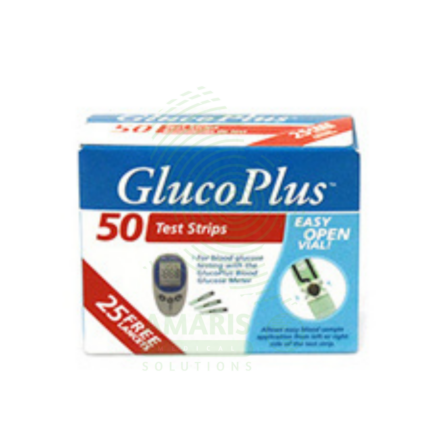
Glucosics Blood Sugar Sticks
Glucosics Blood Sugar Sticks are single-use, disposable electrochemical test sticks (ISO 15197:2013 compliant) designed exclusively for use with Glucosics glucose meters to measure capillary blood glucose from 0.5-1.0 µL samples in 5-7 seconds. Each stick contains glucose oxidase or glucose dehydrogenase reagents that generate electrical current proportional to glucose concentration (20-600 mg/dL range). Packaging options include multi-stick vials (25-100 sticks) with desiccant for daily use or individually foil-wrapped sticks for travel. Sticks feature no-coding automatic calibration, hematocrit compensation (20-60%), and interference resistance. Primary clinical applications include daily blood glucose testing for Type 1, Type 2, and gestational diabetes management, hypoglycemia and hyperglycemia detection, pre- and post-meal glucose assessment, and hospital point-of-care testing. Critical safety precautions include single-use only, immediate vial closure after stick removal to prevent humidity damage, storage at 2-30°C away from bathrooms and temperature extremes, never using expired sticks, proper hand hygiene before testing, and disposal in sharps containers. Essential consumable for diabetes self-management when used with Glucosics meters.
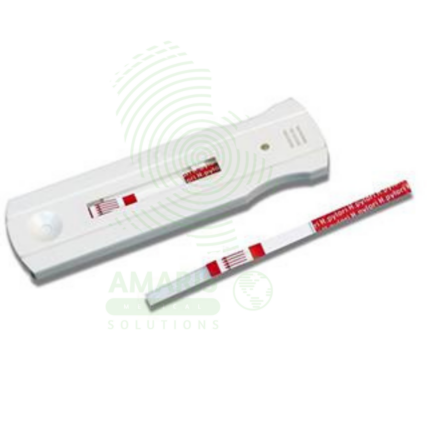
H. pylori Test Strips
H. pylori Test Strips are rapid, lateral flow immunochromatographic devices used for the qualitative detection of Helicobacter pylori antigens in human stool. As a non-invasive stool antigen test (SAT), it provides a convenient and reliable method for diagnosing active H. pylori infection and confirming eradication after therapy, with results available in under 15 minutes. Ideal for use in clinics and outpatient settings, it aids in the management of dyspepsia and peptic ulcer disease. Proper sample handling, adherence to pre-test medication restrictions, and strict biohazard precautions are essential for obtaining accurate results.

Hepatitis C Test Kit
The Hepatitis C Test Kit is an in vitro diagnostic device for the detection of Hepatitis C virus antibodies or RNA in human blood, serum, or plasma samples. Available in rapid, laboratory immunoassay, and molecular formats, it screens for HCV infection, confirms active infection with RNA testing, and monitors treatment response. With high sensitivity and specificity exceeding 99%, it is essential for identifying infected individuals, linking them to curative direct-acting antiviral therapy, and confirming cure. Essential applications include risk-based screening of high-risk populations, birth cohort screening of baby boomers, evaluation of acute hepatitis, management of occupational exposures, and monitoring of antiviral therapy that can cure over 95% of infections. All patient samples must be handled with universal precautions, and positive antibody results require confirmatory testing.
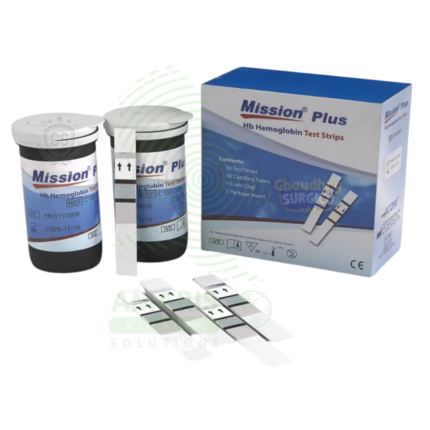
Mission plus strips
Mission Plus Strips are single-use, disposable electrochemical test strips (ISO 15197:2013 compliant) designed exclusively for use with Mission Plus glucose meters to measure capillary blood glucose from 0.5-1.0 µL samples in 5-7 seconds. Each strip contains glucose oxidase or glucose dehydrogenase reagents that generate electrical current proportional to glucose concentration (20-600 mg/dL range). Packaging options include multi-strip vials (25-100 strips) with desiccant for daily use or individually foil-wrapped strips for travel. Strips feature no-coding automatic calibration, hematocrit compensation (20-60%), and interference resistance. Primary clinical applications include daily blood glucose testing for Type 1, Type 2, and gestational diabetes management, hypoglycemia and hyperglycemia detection, pre- and post-meal glucose assessment, and hospital point-of-care testing. Critical safety precautions include single-use only, immediate vial closure after strip removal to prevent humidity damage, storage at 2-30°C away from bathrooms and temperature extremes, never using expired strips, proper hand hygiene before testing, and disposal in sharps containers. Essential consumable for diabetes self-management when used with Mission Plus meters.
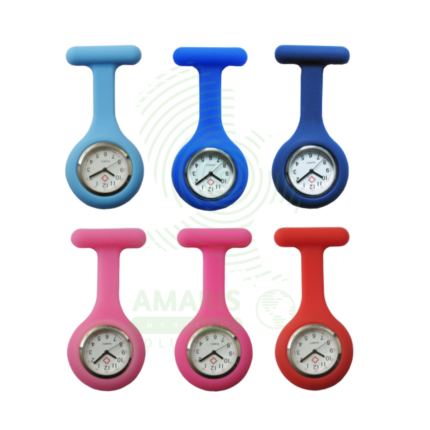
Nurse Watch
A Nurse Watch is a professional-grade analog wristwatch specifically designed for clinical use. Its hallmark is a built-in "pulsometer" scale that allows for rapid, on-the-spot calculation of a patient's heart rate by timing pulses over a short interval. Featuring a high-contrast dial with a clear sweep second hand, durable water-resistant construction, and a cleanable band, it is engineered for accuracy, legibility, and infection control in healthcare settings. It is an indispensable personal tool for nurses, enabling precise measurement of vital signs, timing of medications and procedures, and accurate clinical documentation throughout the shift.