Dermatoscope and Magnifiers
 Diagnostic Kits
 Vital Signs Monitors
 Stethoscopes and Accessories
 Otoscopes, Ophthalmoscopes, and Retinoscopes
 Reflex Hammers and Neurological Tools
 Scales and Measuring Devices
 Spirometers and Pulmonary Function Tests
 Electrosurgical Units and Accessories
 Cutting Instruments
 Grasping and Holding Instruments
 Hemostatic Instruments
 Specialized Surgical Sets
 Single-Use Procedure Trays and Packs
 Surgical Drapes, Gowns, and Covers
 Tissue Unifying Instruments
 Radiation Protection
 X-Ray Machines and Accessories
 Ultrasound Systems and Probes
 MRI and CT Scanners
 Radiology Consumables
 Bone Densitometers
 Fluoroscopy Equipment
 Imaging Tables and Positioning Aids
 Microscopes and Accessories
 Centrifuges and Separators
 Analyzers
 Incubators and Ovens
 Pipettes, Dispensers, and Lab Glassware
 Refrigerators, Freezers, and Storage Units
 Lab Consumables
 Sterilizers and Autoclaves for Lab Use
 Multi-Parameter Monitors
 Ventilators and Respiratory Support Devices
 Defibrillators and AEDs
 Infusion Pumps and IV Systems
 Patient Warmers and Cooling Devices
 Central Monitoring Stations
 Accessories
 Anesthesia Machines and Workstations
 Oxygen Concentrators and Delivery Systems
 Nebulizers and Inhalers
 CPAP/BiPAP Machines
 Airway Management
 Anesthesia Masks, Circuits, and Bags
 Humidifiers and Heaters
 Respiratory Therapy Accessories
 First Aid Kits and Cabinets
 Emergency Resuscitation Equipment
 Trauma Supplies
 Emergency Carts and Crash Carts
 Burn Care Products
 Bleeding Control
 Automated External Defibrillators (AEDs)
 Transport and Evacuation
 Wheelchairs and Accessories
 Walkers, Crutches, and Canes
 Prosthetics and Orthotics
 Physical Therapy Equipment
 Transfer Devices
 Bathroom Safety
 Orthopedic Traction and Tables
 Hot/Cold Therapy Packs and Units
 Beds and Mattresses
 Chairs and Stools
 Tables
 Cabinets and Storage
 Privacy Screens & Curtains
 Stands and Racks
 Linens and Textiles
 Lighting
 Autoclaves and Sterilizers
 Ultrasonic Cleaners
 Disinfectant Solutions and Wipes
 Sterilization Pouches, Wraps, and Indicators
 Instrument Trays and Containers
 UV and Ozone Disinfection Devices
 Washer Disinfectors
 Wound Care
 Gloves
 Masks and Respirators
 Catheters and Tubing
 Swabs, Applicators, and Sponges
 Incontinence Products
 Personal Protective Equipment (PPE)
 Dental Chairs and Units
 Handpieces and Burs
 Instruments
 Consumables
 Sterilization for Dental Use
 Orthodontic Supplies
 Endodontic Tools
 Slit Lamps and Tonometers
 Lensometers and Phoropters
 Ophthalmic Surgical Instruments
 Eyewear Frames and Lenses
 Contact Lens Supplies
 Vision Testing Charts and Devices
 Eye Care Consumables
 Laser Systems for Eye Care
 ENT Exam Chairs and Tables
 Endoscopes
 Audiometers and Hearing Tests
 ENT Instruments
 Nasal and Throat Packs
 Hearing Aids and Accessories
 Otology Supplies
 Fetal Dopplers and Monitors
 Delivery Beds and Tables
 Gynecological Instruments
 Neonatal Incubators and Warmers
 Breast Pumps and Accessories
 Contraceptive Devices
 Maternity Supports and Pads
 Neonatal Consumables
 Cystoscopes and Urethroscopes
 Dialysis Machines and Supplies
 Urological Catheters and Bags
 Lithotripters
 Prostate Treatment Devices
 Urinary Incontinence Products
 Kidney Stone Management Tools
 Consumables & Disposables
 EEG and EMG Machines
 Neurosurgical Instruments
 Nerve Stimulators
 Headrests and Positioning Aids
 Lumbar Puncture Kits
 Seizure Monitoring Devices
 Consumables
 Rehabilitation for Neurological Conditions
 ECG Machines and Accessories
 Holter Monitors
 Stress Test Systems
 Pacemakers and Defibrillator Accessories
 Vascular Access Devices
 Cardiac Catheters and Guidewires
 Blood Flow Meters
 Consumables
 Orthopedic Instruments
 Casts, Splints, and Padding
 Joint Replacement Supplies
 Prosthetic Limbs and Components
 Bone Grafts and Substitutes
 Traction Devices
 Orthopedic Braces and Supports
 Rehabilitation Aids for Orthopedics
 Home Oxygen Therapy
 Hospital Beds for Home Use
 Mobility Aids
 Bathroom and Daily Living Aids
 Wound Care for Home
 Monitoring Devices
 Enteral Feeding Pumps and Tubes
 Hand Sanitizers and Dispensers
 Face Shields and Goggles
 Isolation Gowns and Suits
 Biohazard Waste Containers
 Air Purifiers and HEPA Filters
 Surface Disinfectants
 Sharps Containers
 Protective Barriers
 Cardiovascular & Endurance Training
 Strength Training & Weightlifting
 Functional Training & Core Conditioning
 Physical Therapy & Rehabilitation
 Sports & Outdoor Recreation
 Gym Flooring & Facility Equipment
 Fitness Monitoring & Accessories
 Kids & Novelties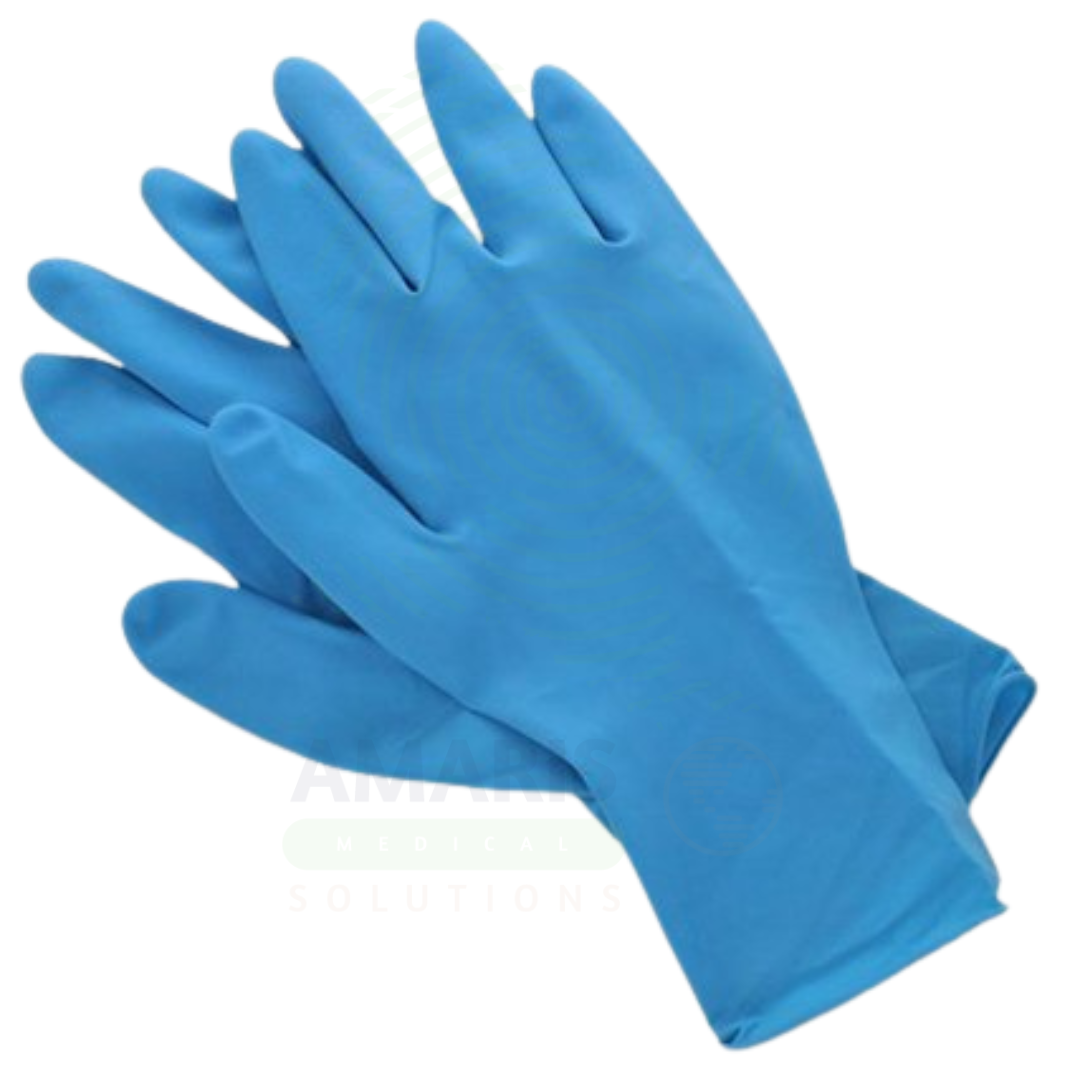
Disposable sterile gloves
$1.00
WhatsApp Order
Disposable Sterile Gloves are single-use barrier devices that provide critical protection for both healthcare workers and patients during surgical, invasive, and aseptic procedures. Available in latex, nitrile, polyisoprene, and neoprene materials with powder-free construction to minimize allergic reactions and foreign body complications, these gloves maintain the integrity of the sterile field while preventing transmission of bloodborne pathogens. Anatomically shaped for left and right hands with textured fingertips for secure instrument handling, they are available in sizes from extra small to extra large with extended cuffs for gown coverage. Essential for operating rooms, labor and delivery, interventional suites, emergency departments, and any setting where invasive procedures are performed, sterile gloves are a fundamental component of infection prevention and patient safety.
Description
Disposable Sterile Gloves
PRIMARY CLINICAL & DIAGNOSTIC USES
1. Barrier Protection Against Bloodborne Pathogens
-
Primary Use: Provides a sterile barrier between the clinician’s hands and the patient’s sterile field, protecting both parties from transmission of bloodborne pathogens including HIV, hepatitis B, hepatitis C, and other infectious microorganisms during invasive procedures.
-
How it helps: For the surgeon, nurse, and proceduralist, sterile gloves create a critical barrier that prevents cross-contamination—ensuring that pathogens from the clinician do not enter the patient’s sterile field, and that patient blood and body fluids do not contact the clinician’s skin. For the patient undergoing surgery or an invasive procedure, sterile gloves significantly reduce the risk of surgical site infection, which remains one of the most serious and preventable complications of surgical care.
2. Maintenance of Sterile Field During Surgical Procedures
-
Primary Use: Enables clinicians to handle sterile instruments, implants, and tissues while preserving the integrity of the sterile field throughout operative and invasive procedures.
-
How it helps: For the surgical team, sterile gloves allow confident manipulation of delicate tissues, handling of implants, and passage of instruments without compromising sterility—enabling complex procedures to be performed safely. For the patient, this sterility maintenance directly translates to reduced risk of post-operative infection, shorter hospital stays, and improved surgical outcomes.
3. Protection During Invasive Diagnostic Procedures
-
Primary Use: Provides necessary barrier protection during invasive diagnostic interventions including central line placement, arterial blood gas sampling, lumbar puncture, joint aspiration, and biopsy procedures.
-
How it helps: For the interventionalist, emergency physician, and radiologist, sterile gloves enable safe performance of invasive diagnostic procedures that would otherwise carry unacceptable infection risk. For the patient, this means that essential diagnostic tests can be performed with confidence that infection prevention measures are in place.
4. Aseptic Technique for Wound Care and Dressing Changes
-
Primary Use: Maintains aseptic conditions during wound assessment, debridement, dressing changes, and management of surgical incisions, central lines, and drains.
-
How it helps: For the wound care nurse and clinician, sterile gloves allow manipulation of open wounds and fresh surgical sites without introducing pathogens that could delay healing or cause serious infection. For the patient with a surgical wound, burn, or chronic ulcer, aseptic wound care using sterile gloves reduces infection risk and promotes optimal healing conditions.
5. Protection During Obstetric and Gynecologic Procedures
-
Primary Use: Provides barrier protection during vaginal deliveries, cesarean sections, and gynecologic procedures including IUD placement, endometrial biopsy, and colposcopy.
-
How it helps: For the obstetrician and midwife, sterile gloves enable safe management of childbirth—protecting both mother and newborn from transmission of pathogens during delivery. For the mother and infant, this protection reduces the risk of puerperal sepsis, neonatal infection, and other serious complications.
SECONDARY & SUPPORTIVE USES
1. Chemotherapy Drug Handling: Provides barrier protection against hazardous drugs during preparation and administration of chemotherapeutic agents, protecting clinicians from occupational exposure to cytotoxic medications.
-
For the oncology nurse and pharmacist, sterile gloves—often double-gloved—provide essential protection against dermal absorption of hazardous drugs that can cause long-term health effects. For the patient, this ensures that their chemotherapy is administered safely while protecting healthcare workers who care for them.
2. Isolation Precautions and Infection Control: Used in conjunction with other personal protective equipment when caring for patients on contact precautions, including those with multidrug-resistant organisms such as MRSA, VRE, and CRE.
-
For the infection control practitioner and bedside nurse, sterile gloves (or sterile non-sterile for contact precautions) provide a critical layer of protection in preventing transmission of resistant organisms within the healthcare facility. For the patient, this protects them from acquiring healthcare-associated infections while hospitalized.
3. Orthopedic and Implant Procedures: Required for procedures involving prosthetic implants where even minimal contamination can lead to catastrophic infection requiring implant removal.
-
For the orthopedic surgeon, sterile gloves—often changed before handling implants and frequently double-gloved—are essential for preventing the devastating complication of prosthetic joint infection. For the patient receiving a joint replacement or other implant, meticulous sterile technique directly impacts the long-term success of their procedure.
4. Burn Care and Management: Essential for assessment, debridement, and dressing of burn wounds where patients have compromised skin barriers and increased susceptibility to infection.
-
For the burn specialist and wound care nurse, sterile gloves enable safe manipulation of burn wounds without introducing pathogens to areas where skin defense mechanisms are absent. For the burn patient, this reduces infection risk that could lead to sepsis, delayed healing, and increased scarring.
5. Ophthalmic Procedures: Required for all intraocular procedures including cataract surgery, glaucoma surgery, and retinal procedures where even minimal contamination can result in vision-threatening endophthalmitis.
-
For the ophthalmologist, sterile gloves are essential for maintaining the sterility required for delicate eye surgery where the consequences of infection are blindness. For the patient, this meticulous attention to sterility preserves vision and prevents devastating post-operative complications.
6. Dental Surgical Procedures: Used for oral surgery, implant placement, and periodontal procedures where exposure to blood and entry into sterile spaces requires barrier protection.
-
For the oral surgeon and periodontist, sterile gloves provide protection against bloodborne pathogens while maintaining sterility during surgical procedures in the oral cavity. For the patient, this reduces risk of post-surgical infection and ensures safe delivery of dental surgical care.
7. Autopsy and Post-Mortem Procedures: Provides barrier protection during post-mortem examinations where exposure to bloodborne pathogens remains a significant occupational risk.
-
For the pathologist and autopsy technician, sterile gloves—often reinforced or double-gloved—provide essential protection during procedures where sharp instruments are used and exposure risk is high. For the deceased and their family, this ensures that post-mortem examination can be conducted safely and with dignity.
8. Laboratory and Pathology Handling: Used when handling sterile specimens, performing tissue processing, or working with hazardous biological materials in laboratory settings.
-
For the laboratory scientist and pathologist, sterile gloves provide protection during handling of specimens that may contain infectious agents. For the patient, this ensures that their specimens are processed safely without cross-contamination that could affect diagnostic accuracy.
9. Research and Pharmaceutical Compounding: Required for sterile compounding of medications, including intravenous admixtures and hazardous drug preparation in pharmacy settings.
-
For the pharmacist and pharmacy technician, sterile gloves are essential for maintaining sterility during preparation of parenteral medications that will be administered to patients. For the patient, this ensures that compounded medications are free from contamination that could cause serious harm.
10. Emergency and Trauma Situations: Used during emergency procedures where sterility is required, including chest tube placement, central line insertion, and surgical airway management.
-
For the trauma surgeon and emergency physician, sterile gloves enable rapid performance of life-saving procedures while maintaining infection prevention standards even in urgent situations. For the trauma patient, this reduces the risk of infection following emergency interventions performed in challenging circumstances.
KEY PRODUCT FEATURES
1. BASIC IDENTIFICATION ATTRIBUTES
-
Device Type: A single-use, disposable barrier device worn on the hands to maintain sterility and provide protection during medical procedures.
-
Designation: Sterile Gloves, Disposable Sterile Gloves, Surgical Gloves, Examination Gloves (Sterile), Powder-Free Sterile Gloves, Latex Sterile Gloves, Nitrile Sterile Gloves.
-
Key Components:
o Glove Body: Form-fitting hand covering with anatomical shaping for dexterity.
o Cuff: Extended cuff (typically 2-4 inches) to cover wrist and extend over gown cuff.
o Textured Surface: Textured fingertips or palm for enhanced grip on instruments.
o Beaded Cuff: Reinforced cuff edge for ease of donning and tear resistance.
o Inner Coating: Polymer or hydrogel coating for easy donning in powder-free varieties.
2. TECHNICAL & PERFORMANCE PROPERTIES
-
Sizes: Extra Small (XS), Small (S), Medium (M), Large (L), Extra Large (XL), Extra Extra Large (XXL).
-
Materials: Natural rubber latex, nitrile (acrylonitrile butadiene rubber), neoprene (polychloroprene), polyisoprene, or vinyl.
-
Powder Type: Powder-free (preferred for healthcare) or powdered with absorbable cornstarch.
-
AQL (Acceptable Quality Level): Surgical grade typically 1.5 or lower for pinhole defects.
-
Sterility: Ethylene oxide (EtO) or gamma irradiation sterilized; sterile until package opened.
-
Single-Use: Intended for single patient, single procedure use only.
-
Double-Gloving Compatibility: Designed to allow wearing of a second glove for enhanced protection.
-
Tensile Strength: Varies by material; latex and nitrile provide highest strength.
-
Elongation: Ability to stretch without tearing; synthetic materials vary in elasticity.
3. PHYSICAL & OPERATIONAL PROPERTIES
-
Construction: Anatomically shaped for left and right hand for proper fit and dexterity.
-
Texture: Textured fingertips or fully textured surface for secure instrument handling.
-
Cuff Design: Rolled or beaded cuff for ease of donning and tear resistance.
-
Color: Natural (latex) or colored (nitrile available in blue, purple, green, black) for easy identification of tears.
-
Packaging: Individually packaged in pairs, inner wrapper, outer peel pouch; packaged in dispenser boxes.
-
Donning: Powder-free varieties feature polymer coating for ease of donning without powder.
-
Tactile Sensitivity: Thin material allows tactile feedback essential for surgical precision.
4. SAFETY & COMPLIANCE ATTRIBUTES
-
Regulatory Status: Class I medical device (surgical gloves are Class II with 510(k) clearance).
-
FDA Standards: Compliant with FDA 21 CFR 800.20 for medical glove quality.
-
ASTM Standards: Meets ASTM D3577 (latex surgical gloves) or ASTM D6319 (nitrile surgical gloves) standards.
-
AAMI Standards: Compliant with AAMI ST71 for sterility requirements.
-
Latex-Free: Available in latex-free options for patients and healthcare workers with latex allergy.
-
Powder-Free: Reduces risk of granulomas, adhesions, and latex protein aerosolization.
-
Biocompatibility: Materials tested for skin sensitization and cytotoxicity.
-
Sterility Assurance: Sterility assurance level (SAL) of 10^-6 for surgical procedures.
5. STORAGE & HANDLING ATTRIBUTES
-
Storage: Store in a clean, dry location at room temperature (60-80°F / 15-27°C); protect from heat, humidity, direct sunlight, and ozone.
-
Shelf Life: Typically 3-5 years from date of manufacture; check expiration date before use.
-
Sterility Maintenance: Do not use if packaging is opened, torn, wet, or damaged; verify intact seal before opening.
-
Expiration: Do not use after expiration date as material degradation may compromise barrier integrity.
-
Inspection: Inspect for discoloration, stickiness, or brittleness before donning.
6. LABORATORY & CLINICAL APPLICATIONS
-
Primary Application: Sterile barrier protection for clinicians and patients during surgical, invasive, and aseptic procedures to prevent transmission of infectious agents.
-
Clinical Role: Essential personal protective equipment in operating rooms, labor and delivery, interventional suites, emergency departments, intensive care units, outpatient procedure areas, dental surgical suites, and any setting where invasive procedures are performed.
SAFETY HANDLING PRECAUTIONS
1. SAFETY PRECAUTIONS
-
Latex Allergy Screening: Screen patients and healthcare workers for latex allergy before using latex gloves; use latex-free alternatives when allergy is known or suspected.
-
Proper Sizing: Select appropriate size for proper fit—gloves that are too tight increase tear risk; too loose compromise dexterity and increase contamination risk.
-
Donning Technique: Use sterile donning technique; do not touch the outer surface of the glove with bare hands.
-
Double-Gloving: Consider double-gloving for high-risk procedures (orthopedic implants, prolonged procedures, exposure to bloodborne pathogens) to reduce risk of barrier breach.
-
Tear Detection: Monitor for tears or punctures during procedures; change immediately if barrier integrity is compromised.
-
Hand Hygiene: Perform appropriate hand hygiene before donning sterile gloves; do not use hand sanitizer in place of hand washing when contamination is present.
-
Removal Technique: Remove gloves carefully to avoid contamination of bare hands; use glove-to-glove and skin-to-skin technique.
-
Single-Use Only: Never wash, disinfect, or reuse sterile gloves; discard after each procedure.
-
Chemical Exposure: Check compatibility with chemotherapeutic agents and hazardous drugs; double-glove or use procedure-specific gloves when indicated.
2. FIRST AID MEASURES
-
Glove Tear During Procedure: If glove tear is detected during procedure, immediately remove and replace with new sterile glove; if tear occurred during exposure to patient blood or body fluids, follow exposure protocol.
-
Latex Allergy Reaction: If a patient develops signs of latex allergy during the procedure (hives, wheezing, hypotension), remove latex gloves immediately, switch to non-latex, and treat allergic reaction per protocol.
-
Glove Powder Exposure: If glove powder contaminates open wound, irrigate thoroughly; document and monitor for signs of foreign body reaction or granuloma formation.
-
Needlestick Injury: If needlestick or sharps injury occurs while gloved, remove gloves, wash wounds thoroughly with soap and water, and follow facility exposure management protocol.
3. FIRE FIGHTING MEASURES
-
Flammability: Gloves are combustible; may melt or burn if exposed to flame or high heat.
-
Extinguishing Media: Use water, foam, dry chemical, or CO₂ for fire involving gloves.
-
Fire Response: Gloves present no special fire hazard beyond typical combustible materials.
Related products
Biopsy Needles
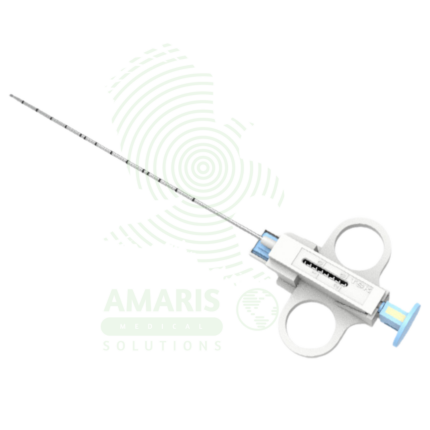
Biopsy Needles are sterile, single-use precision medical devices designed to obtain tissue or cellular specimens from internal organs, masses, and lesions for histopathological or cytological diagnosis. Available in core biopsy (automatic spring-loaded, semi-automatic, vacuum-assisted, coaxial) and fine needle aspiration configurations, with gauges ranging from 14G-27G and lengths from 6-25 cm. Core biopsy needles obtain intact tissue cores preserving histological architecture; FNA needles aspirate cellular material for cytological evaluation. Specialized variants include bone marrow biopsy needles (Jamshidi, Illinois), echogenic-tip needles for ultrasound guidance, and MRI-compatible needles (nitinol, titanium). Critical safety requirements include strict image guidance for non-palpable lesions, verification of coagulation status, adherence to single-use protocols, and immediate post-procedure monitoring for complications (hemorrhage, pneumothorax, organ injury). An indispensable tool in interventional radiology, oncology, and minimally invasive diagnosis.
Cover Glass
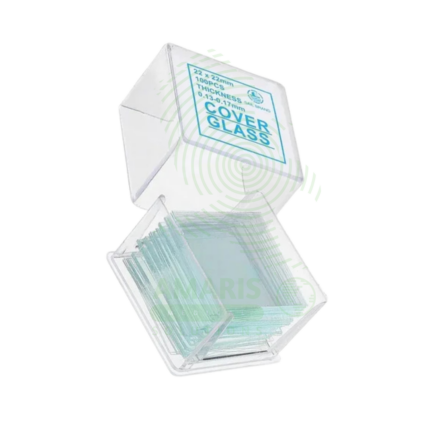
Cover Glass (coverslips) are thin, transparent glass or plastic squares (e.g., 18×18 mm, 22×22 mm) or rectangles (22×30 mm, 24×50 mm) used to cover specimens on microscope slides for microscopic examination. Available in thickness No. 1 (0.13-0.16 mm) and No. 1.5 (0.16-0.19 mm) for optimal microscopy. Made from optical glass with high light transmission (>90%), refractive index 1.52 matching immersion oil. Packaged in boxes of 100-1000, interleaved with paper to prevent scratching. Primary clinical applications include covering blood films for manual differential counts and malaria diagnosis, wet mount preparations of urine sediment and vaginal secretions, histopathology and cytology slides, Gram-stained bacterial smears, semen analysis, KOH preparations for fungal elements, and India ink preparations for Cryptococcus. Critical safety precautions include handling with forceps (sharp edges), disposing of broken coverslips in sharps containers, avoiding fingerprints on optical surface, and proper disposal of biohazard-contaminated coverslips. Essential consumable in every clinical laboratory performing microscopy.
First Aid Kit
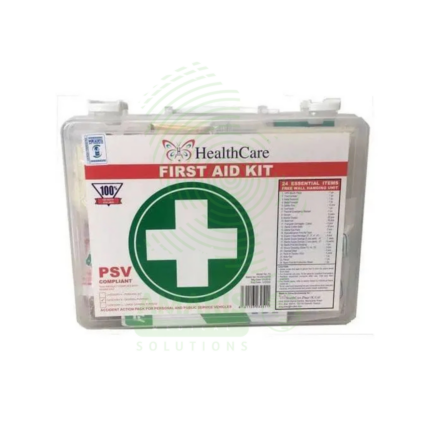
A First Aid Kit is an organized collection of medical supplies and equipment for providing initial care in emergency situations, available in various sizes and configurations for home, workplace, vehicle, travel, and specialized applications. Kits range from personal pouches (0.5-2 L) to comprehensive workplace cabinets (5-35 L) with soft-sided bags, hard cases, or wall-mounted containers. Contents are typically organized to meet regional standards (ANSI/ISEA Z308.1, CSA Z1220, BS 8599, DIN 13157/13169) and include wound care supplies (bandages, gauze, tape), antiseptics, burn care, eye care, emergency items (CPR mask, cold packs, foil blanket), instruments (scissors, tweezers), and PPE (gloves). Class A kits provide minimum supplies for low-hazard workplaces; Class B kits offer expanded quantities for high-hazard environments. Primary clinical applications include immediate treatment of minor injuries (cuts, abrasions, burns, sprains), bleeding control, wound care, fracture immobilization, and emergency assessment. Essential safety equipment for every home, workplace, vehicle, and public facility, providing critical medical supplies until professional care arrives.
Mission plus strips
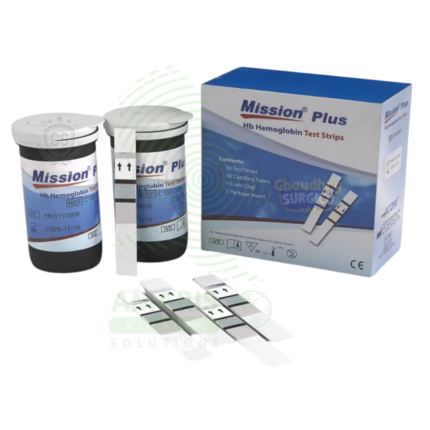
Mission Plus Strips are single-use, disposable electrochemical test strips (ISO 15197:2013 compliant) designed exclusively for use with Mission Plus glucose meters to measure capillary blood glucose from 0.5-1.0 µL samples in 5-7 seconds. Each strip contains glucose oxidase or glucose dehydrogenase reagents that generate electrical current proportional to glucose concentration (20-600 mg/dL range). Packaging options include multi-strip vials (25-100 strips) with desiccant for daily use or individually foil-wrapped strips for travel. Strips feature no-coding automatic calibration, hematocrit compensation (20-60%), and interference resistance. Primary clinical applications include daily blood glucose testing for Type 1, Type 2, and gestational diabetes management, hypoglycemia and hyperglycemia detection, pre- and post-meal glucose assessment, and hospital point-of-care testing. Critical safety precautions include single-use only, immediate vial closure after strip removal to prevent humidity damage, storage at 2-30°C away from bathrooms and temperature extremes, never using expired strips, proper hand hygiene before testing, and disposal in sharps containers. Essential consumable for diabetes self-management when used with Mission Plus meters.
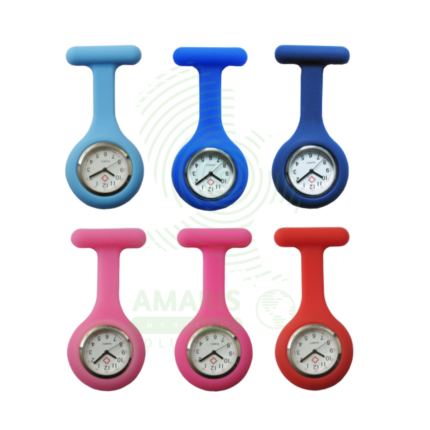
Nurse Watch
A Nurse Watch is a professional-grade analog wristwatch specifically designed for clinical use. Its hallmark is a built-in "pulsometer" scale that allows for rapid, on-the-spot calculation of a patient's heart rate by timing pulses over a short interval. Featuring a high-contrast dial with a clear sweep second hand, durable water-resistant construction, and a cleanable band, it is engineered for accuracy, legibility, and infection control in healthcare settings. It is an indispensable personal tool for nurses, enabling precise measurement of vital signs, timing of medications and procedures, and accurate clinical documentation throughout the shift.
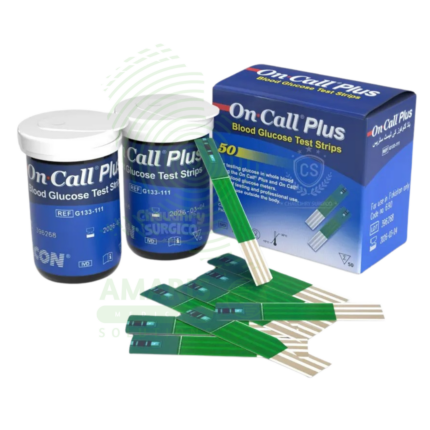
On Call Blood Sugar Strips
On Call Blood Sugar Strips are single-use, disposable electrochemical test strips (ISO 15197:2013 compliant) designed exclusively for use with On Call glucose meters to measure capillary blood glucose from 0.5-1.0 µL samples in 5-7 seconds. Each strip contains glucose oxidase or glucose dehydrogenase reagents that generate electrical current proportional to glucose concentration (20-600 mg/dL range). Packaging options include multi-strip vials (25-100 strips) with desiccant for daily use or individually foil-wrapped strips for travel. Strips feature no-coding automatic calibration, hematocrit compensation (20-60%), and interference resistance. Primary clinical applications include daily blood glucose testing for Type 1, Type 2, and gestational diabetes management, hypoglycemia and hyperglycemia detection, pre- and post-meal glucose assessment, and hospital point-of-care testing. Critical safety precautions include single-use only, immediate vial closure after strip removal to prevent humidity damage, storage at 2-30°C away from bathrooms and temperature extremes, never using expired strips, proper hand hygiene before testing, and disposal in sharps containers. Essential consumable for diabetes self-management when used with On Call meters.
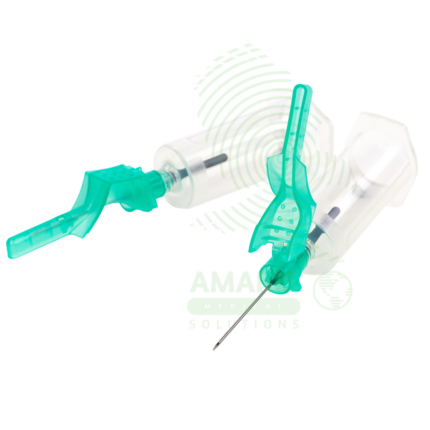
SAFE SERIES Blood Collection Needles
The SAFE SERIES (AM-SAFE) by Beijing Precil (Mindray subsidiary) is a comprehensive line of safety-engineered blood collection devices designed to prevent accidental needlestick injuries in healthcare workers. The series includes venous blood collection needles (AM-SAFE-V), standard safety needles (AM-SAFE1), winged infusion sets/butterfly needles (AM-SAFE2), high-gauge thin-wall needles for fragile veins (AM-SAFE3), premium coated needles for enhanced patient comfort (AM-GOLD), and nurse-friendly one-handed safety variants (AM-NURSE). All devices incorporate integral safety mechanisms that shield the contaminated needle immediately after withdrawal, complying with OSHA Needlestick Safety and Prevention Act requirements. Available in various gauges (18G-25G) and configurations for routine venipuncture, difficult vein access, pediatric/geriatric patients, and frequent blood draws. Sterile, single-use, latex-free, and color-coded for easy gauge identification. Essential safety devices for blood collection in hospitals, clinics, laboratories, and home healthcare settings.