Dermatoscope and Magnifiers
 Diagnostic Kits
 Vital Signs Monitors
 Stethoscopes and Accessories
 Otoscopes, Ophthalmoscopes, and Retinoscopes
 Reflex Hammers and Neurological Tools
 Scales and Measuring Devices
 Spirometers and Pulmonary Function Tests
 Electrosurgical Units and Accessories
 Cutting Instruments
 Grasping and Holding Instruments
 Hemostatic Instruments
 Specialized Surgical Sets
 Single-Use Procedure Trays and Packs
 Surgical Drapes, Gowns, and Covers
 Tissue Unifying Instruments
 Radiation Protection
 X-Ray Machines and Accessories
 Ultrasound Systems and Probes
 MRI and CT Scanners
 Radiology Consumables
 Bone Densitometers
 Fluoroscopy Equipment
 Imaging Tables and Positioning Aids
 Microscopes and Accessories
 Centrifuges and Separators
 Analyzers
 Incubators and Ovens
 Pipettes, Dispensers, and Lab Glassware
 Refrigerators, Freezers, and Storage Units
 Lab Consumables
 Sterilizers and Autoclaves for Lab Use
 Multi-Parameter Monitors
 Ventilators and Respiratory Support Devices
 Defibrillators and AEDs
 Infusion Pumps and IV Systems
 Patient Warmers and Cooling Devices
 Central Monitoring Stations
 Accessories
 Anesthesia Machines and Workstations
 Oxygen Concentrators and Delivery Systems
 Nebulizers and Inhalers
 CPAP/BiPAP Machines
 Airway Management
 Anesthesia Masks, Circuits, and Bags
 Humidifiers and Heaters
 Respiratory Therapy Accessories
 First Aid Kits and Cabinets
 Emergency Resuscitation Equipment
 Trauma Supplies
 Emergency Carts and Crash Carts
 Burn Care Products
 Bleeding Control
 Automated External Defibrillators (AEDs)
 Transport and Evacuation
 Wheelchairs and Accessories
 Walkers, Crutches, and Canes
 Prosthetics and Orthotics
 Physical Therapy Equipment
 Transfer Devices
 Bathroom Safety
 Orthopedic Traction and Tables
 Hot/Cold Therapy Packs and Units
 Beds and Mattresses
 Chairs and Stools
 Tables
 Cabinets and Storage
 Privacy Screens & Curtains
 Stands and Racks
 Linens and Textiles
 Lighting
 Autoclaves and Sterilizers
 Ultrasonic Cleaners
 Disinfectant Solutions and Wipes
 Sterilization Pouches, Wraps, and Indicators
 Instrument Trays and Containers
 UV and Ozone Disinfection Devices
 Washer Disinfectors
 Wound Care
 Gloves
 Masks and Respirators
 Catheters and Tubing
 Swabs, Applicators, and Sponges
 Incontinence Products
 Personal Protective Equipment (PPE)
 Dental Chairs and Units
 Handpieces and Burs
 Instruments
 Consumables
 Sterilization for Dental Use
 Orthodontic Supplies
 Endodontic Tools
 Slit Lamps and Tonometers
 Lensometers and Phoropters
 Ophthalmic Surgical Instruments
 Eyewear Frames and Lenses
 Contact Lens Supplies
 Vision Testing Charts and Devices
 Eye Care Consumables
 Laser Systems for Eye Care
 ENT Exam Chairs and Tables
 Endoscopes
 Audiometers and Hearing Tests
 ENT Instruments
 Nasal and Throat Packs
 Hearing Aids and Accessories
 Otology Supplies
 Fetal Dopplers and Monitors
 Delivery Beds and Tables
 Gynecological Instruments
 Neonatal Incubators and Warmers
 Breast Pumps and Accessories
 Contraceptive Devices
 Maternity Supports and Pads
 Neonatal Consumables
 Cystoscopes and Urethroscopes
 Dialysis Machines and Supplies
 Urological Catheters and Bags
 Lithotripters
 Prostate Treatment Devices
 Urinary Incontinence Products
 Kidney Stone Management Tools
 Consumables & Disposables
 EEG and EMG Machines
 Neurosurgical Instruments
 Nerve Stimulators
 Headrests and Positioning Aids
 Lumbar Puncture Kits
 Seizure Monitoring Devices
 Consumables
 Rehabilitation for Neurological Conditions
 ECG Machines and Accessories
 Holter Monitors
 Stress Test Systems
 Pacemakers and Defibrillator Accessories
 Vascular Access Devices
 Cardiac Catheters and Guidewires
 Blood Flow Meters
 Consumables
 Orthopedic Instruments
 Casts, Splints, and Padding
 Joint Replacement Supplies
 Prosthetic Limbs and Components
 Bone Grafts and Substitutes
 Traction Devices
 Orthopedic Braces and Supports
 Rehabilitation Aids for Orthopedics
 Home Oxygen Therapy
 Hospital Beds for Home Use
 Mobility Aids
 Bathroom and Daily Living Aids
 Wound Care for Home
 Monitoring Devices
 Enteral Feeding Pumps and Tubes
 Hand Sanitizers and Dispensers
 Face Shields and Goggles
 Isolation Gowns and Suits
 Biohazard Waste Containers
 Air Purifiers and HEPA Filters
 Surface Disinfectants
 Sharps Containers
 Protective Barriers
 Cardiovascular & Endurance Training
 Strength Training & Weightlifting
 Functional Training & Core Conditioning
 Physical Therapy & Rehabilitation
 Sports & Outdoor Recreation
 Gym Flooring & Facility Equipment
 Fitness Monitoring & Accessories
 Kids & Novelties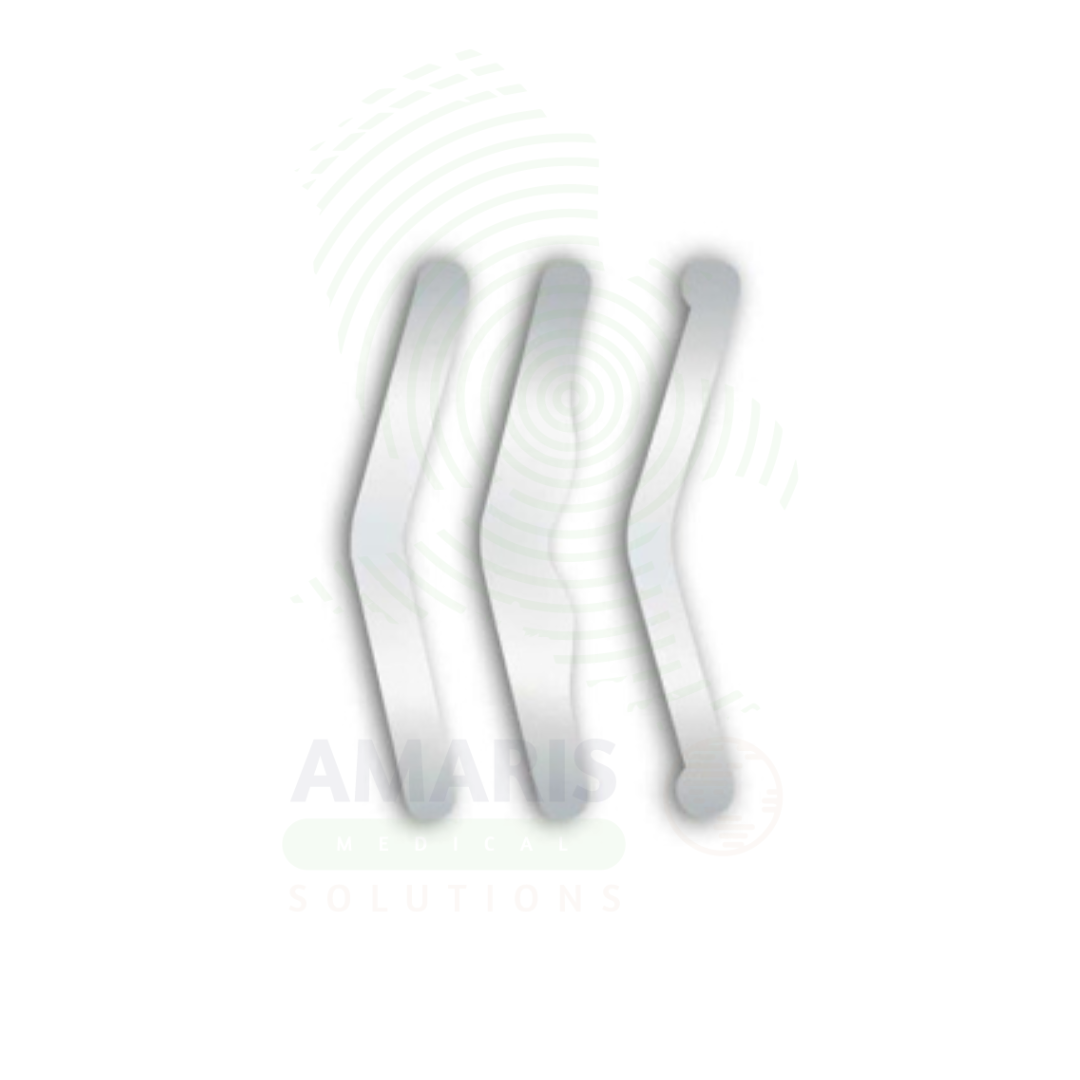


Matrix Bands
$1.00
WhatsApp Order
Matrix Bands are thin, flexible strips (metal or clear plastic) used in dentistry to create a temporary artificial wall for a missing tooth surface during the placement of direct amalgam or composite restorations. They are essential for confining the restorative material, preventing gingival overhangs, and establishing the correct proximal contour and contact with the adjacent tooth. Used with a retainer (like a Tofflemire) or a sectional matrix system and a wedge, they are a fundamental component of precise, anatomically correct restorative dentistry. Metal bands are reusable, while clear bands for composites are single-use, allowing light transmission for curing.
Description
Matrix Bands
PRIMARY CLINICAL & DIAGNOSTIC USES
1. Contouring and Containing Direct Dental Restorations
-
Primary Use: Creates a temporary artificial wall to replace a missing tooth wall during the placement of a direct Class II or Class III/IV restoration, confining the plastic restorative material and ensuring the correct anatomical contour and tight contact point with the adjacent tooth.
-
How it helps: For the dentist, the matrix band provides the necessary framework to rebuild missing tooth structure—allowing the restoration to be placed with proper contour and contact while preventing excess material from flowing into the gingival embrasure. For the patient, this means restorations that fit properly, function correctly, and maintain the natural anatomy of the tooth.
2. Preventing Overhangs
-
Primary Use: By providing a tight seal against the tooth at the gingival margin, it prevents the formation of gingival overhangs—excess restorative material that extends past the tooth contour—which are plaque-retentive and harmful to periodontal health.
-
How it helps: For the clinician, a properly placed matrix band ensures that the restoration ends flush with the tooth margin—eliminating ledges that trap plaque and lead to gum disease. For the patient, this means restorations that are not only functional but also supportive of long-term periodontal health.
3. Establishing Proper Proximal Contact
-
Primary Use: When tightened with a retainer, the band helps establish the correct tightness of contact between the restored tooth and its neighbor, crucial for food deflection and preventing food impaction.
-
How it helps: For the dentist, achieving proper proximal contact prevents food from packing between teeth—a common source of patient discomfort and recurrent decay. For the patient, a restoration with the right contact ensures comfortable flossing, natural sensation, and reduced risk of future decay between teeth.
4. Isolation
-
Primary Use: Assists in isolating the cavity preparation from gingival tissues and saliva, especially when used with a wedge, providing a clean, dry field for restorative material placement.
-
How it helps: For the clinician, the combination of matrix band and wedge creates a sealed environment that keeps the preparation dry and free from contamination—critical for adhesive restorations. For the patient, this contributes to restoration longevity and reduces the risk of post-operative sensitivity.
5. Facilitating Condensation of Amalgam
-
Primary Use: For amalgam restorations, the rigid metal band provides the necessary resistance against which amalgam is condensed, ensuring a dense, void-free restoration.
-
How it helps: For the dentist placing amalgam, the matrix band provides the counterpressure needed to condense the material tightly against the adjacent tooth—eliminating voids that could lead to fracture or recurrent decay. For the patient, this means a durable, long-lasting restoration.
6. Creation of Anatomical Contour
-
Primary Use: The band is contoured to replicate the natural convex shape of the proximal tooth surface, ensuring that the final restoration mimics natural anatomy.
-
How it helps: For the clinician, a well-contoured matrix band guides the restoration to natural form—reducing the need for extensive finishing. For the patient, this results in a restoration that looks and feels natural, with proper contours for gingival health.
7. Retention of Restorative Material
-
Primary Use: Holds plastic restorative materials within the cavity preparation during placement, preventing loss of material into the gingival sulcus or interproximal space.
-
How it helps: For the dentist, this ensures that the entire restorative material is used to build the restoration rather than being lost to the gingival area. For the patient, this means efficient use of material and reduced risk of residual material left in the sulcus.
8. Wedging for Gingival Adaptation
-
Primary Use: Used in conjunction with a wedge to tighten the band against the gingival margin and slightly separate teeth, creating space for proper contact formation.
-
How it helps: For the clinician, wedging provides the tight marginal seal needed to prevent overhangs and creates the space required for an adequate contact. For the patient, this contributes to a restoration that is flush with the gingiva and comfortable to floss.
9. Support for Composite Layering Techniques
-
Primary Use: Provides a stable backing for incremental placement and light curing of composite materials in Class II restorations, ensuring each layer is properly adapted.
-
How it helps: For the dentist using composite, the matrix band provides a rigid backing that allows for precise layering and adaptation of the material. For the patient, this contributes to a well-formed, void-free restoration with optimal physical properties.
10. Flexibility for Different Clinical Situations
-
Primary Use: Available in various materials (stainless steel, transparent, copper) and thicknesses to accommodate different restorative materials, techniques, and clinical scenarios.
-
How it helps: For the clinician, having a range of matrix band options allows selection of the ideal band for each specific case—whether for amalgam, composite, or anterior restorations. For the patient, this means the appropriate technique is used for their specific restoration.
11. Transparent Bands for Light Curing
-
Primary Use: Clear plastic matrix bands allow light to penetrate through the band for curing composite restorations in Class II situations where a metal band would block the light.
-
How it helps: For the dentist placing composite, transparent bands enable optimal light curing of the interproximal portion—ensuring complete polymerization. For the patient, this means a fully cured restoration with optimal strength and reduced risk of marginal leakage.
12. Sectional Matrix Systems for Tight Contacts
-
Primary Use: Modern sectional matrix systems provide anatomically shaped bands with separation rings that create tight, consistent proximal contacts in Class II composite restorations.
-
How it helps: For the clinician, sectional systems simplify the process of achieving predictable, tight contacts with proper anatomical contour. For the patient, this results in restorations that feel natural, floss easily, and function properly.
SECONDARY & SUPPORTIVE USES
1. Temporary Tooth Separation: Can be used to slightly separate teeth before taking an impression for crowns or bridges. For the dentist, this creates space for accurate impressions; for the patient, it ensures that crowns and bridges fit properly without interproximal binding.
2. Protecting Adjacent Teeth: During preparation of a tooth for a crown, a matrix band can be placed on the adjacent tooth to protect it from accidental damage by the bur. For the clinician, this provides a physical barrier during preparation; for the patient, it protects healthy adjacent teeth from accidental iatrogenic damage.
3. Gingival Tissue Retraction: Can assist in gently retracting gingival tissue to expose subgingival margins for impression taking or restoration placement. For the dentist, this improves access and visibility; for the patient, it contributes to more accurate impressions and better-fitting restorations.
4. Temporary Restoration Support: Can be used to support temporary materials during provisional restoration placement. For the clinician, this provides a framework for temporaries; for the patient, it ensures provisional restorations are comfortable and functional during the waiting period.
5. Post-Operative Assessment: After restoration removal, matrix bands can be used to assess the adequacy of contact points and marginal adaptation before final placement. For the dentist, this allows for verification before committing to final restoration; for the patient, it contributes to higher quality, longer-lasting restorations.
KEY PRODUCT FEATURES
1. BASIC IDENTIFICATION ATTRIBUTES
-
Type: A thin, flexible strip of metal or clear material used to form a mold for a restoration.
-
Designation: Simply Matrix Band. Differentiated by tooth type and material.
-
Common Variants:
-
By Tooth Type:
-
Universal Bands: Straight strips that can be contoured for any tooth.
-
Pre-contoured/Sectional Bands: Pre-shaped for specific teeth (e.g., molar bands, premolar bands, anterior bands). The Tofflemire system typically uses universal bands.
-
AutoMatrix Bands: Pre-formed, continuous-loop bands that do not require a separate retainer.
-
-
By Material:
-
Metal Bands (Stainless Steel): Standard for amalgam and some composite restorations. Rigid, provide excellent contour.
-
Transparent/Clear Plastic Bands (Celluloid/Polyester): Used exclusively for light-cured composite restorations, as they allow light penetration for curing. Often come in pre-formed shapes (e.g., Palodent® Sectional Matrix Systems).
-
Thin Brass or Copper Bands: For very tight contacts.
-
-
2. TECHNICAL & PERFORMANCE PROPERTIES
-
Thickness and Flexibility: Must be thin enough to pass through the interproximal contact point yet rigid enough to hold its shape under packing pressure. Metal bands are typically 0.0015" - 0.002" thick.
-
Burnishability: Metal bands should be capable of being burnished (smoothed and adapted) against the tooth for a tight gingival seal.
-
Light Transmission (for clear bands): Must allow sufficient blue light from the curing lamp to pass through to polymerize the composite.
3. PHYSICAL & OPERATIONAL PROPERTIES
-
Retention Systems:
-
Tofflemire Retainer (Universal): Holds and tensions a straight band. Adjustable for buccal-lingual width.
-
Sectional Matrix Systems: Use a pre-contoured band held by a separating ring (e.g., Palodent, Garrison). These are considered the gold standard for composite Class II restorations as they create better anatomical contours and contacts.
-
-
Wedges: Used in conjunction with the band. A wooden or plastic wedge is inserted interproximally from the buccal or lingual side to:
-
Secure the band gingivally.
-
Create slight tooth separation to compensate for the band thickness.
-
Protect the gingival papilla.
4. SAFETY & COMPLIANCE ATTRIBUTES
-
Regulatory Status: Class I medical device.
-
Biocompatibility: Must be safe for brief intraoral use. Metal bands are medical-grade stainless steel.
5. STORAGE & HANDLING ATTRIBUTES
-
Storage: Keep in a dry container. Pre-contoured bands are often stored in organizers.
-
Cleaning & Sterilization: Reusable metal bands must be cleaned of all restorative debris and sterilized (autoclaved) between patients. Clear plastic bands are single-use only and must be discarded.
-
Inspection: Check reusable bands for kinks, cracks, or corrosion before use. Damaged bands will not contour properly.
6. LABORATORY & CLINICAL APPLICATIONS
-
Primary Application: A fundamental, mandatory instrument for any direct multi-surface restoration in general dentistry.
-
Workflow: Selected, placed, and secured before the restorative material is introduced into the cavity.
SAFETY HANDLING PRECAUTIONS
1. SAFETY PRECAUTIONS
-
Sharp Edges: The ends of cut metal bands can be sharp. Handle with care to avoid lacerating the patient's cheek, tongue, or the operator's fingers.
-
Aspiration/Swallowing Risk: Ensure the band is securely held by the retainer. Have a protocol for retrieving a dropped band (e.g., use of a rubber dam, high-volume suction).
-
Tissue Trauma: Avoid forcing the band or wedge, which can lacerate the interdental papilla.
-
Correct Band Selection: Using a band that is too wide or narrow for the tooth will result in a poorly contoured restoration.
2. FIRST AID MEASURES
-
Soft Tissue Laceration: Apply pressure with gauze. Rinse with antiseptic.
-
Aspiration/Ingestion of Band: If a band is lost in the mouth or throat, remain calm. Have the patient lean forward and cough. If not retrieved, seek immediate medical/radiological assistance.
3. FIRE FIGHTING MEASURES
-
Flammability: Metal is non-flammable. Plastic bands are combustible.
-
Extinguishing Media: Use appropriate media for surrounding fires.
Related products

Chlorhexidine Mouthwash
Chlorhexidine Mouthwash is a potent, substantive antimicrobial oral rinse containing chlorhexidine gluconate (typically 0.12% or 0.2%). It is the gold-standard chemical agent for controlling plaque biofilm and gingival inflammation, prescribed for short-term therapeutic use following oral surgery, in the treatment of periodontitis, for patients with physical limitations, and in ICU protocols to prevent pneumonia. Its key property is substantivity—binding to oral tissues for prolonged effect. Major precautions include avoiding use immediately after toothpaste, limiting duration to prevent tooth staining, and never swallowing the solution.
Composite Filling Materials
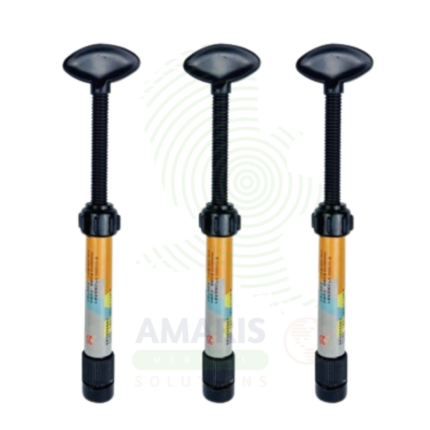
Composite Filling Materials are tooth-colored, light-cured resin-based materials used for direct dental restorations. They are the standard of care for treating cavities, repairing fractures, and performing cosmetic enhancements due to their excellent aesthetics, adhesive properties, and durability. Available in various viscosities and formulations (hybrid, nano, bulk-fill), their successful use is highly technique-sensitive, requiring impeccable moisture control, strict adherence to adhesive bonding protocols, and proper incremental placement and curing. They have largely replaced dental amalgam for most applications, offering a strong, durable, and esthetic solution that conserves tooth structure.

Cotton Rolls
Cotton Rolls are sterile or non-sterile, single-use cylinders of 100% purified, highly absorbent cotton, most commonly used in dentistry for moisture control and oral isolation. Placed in the buccal vestibule or sublingually, they absorb saliva and blood, creating a dry operative field essential for adhesive restorations, impressions, and minor surgical procedures. Standard dimensions are 1.5 inches in length and 0.5 inches in diameter, with jumbo, pediatric, tapered, and banded variants available. Critical performance properties include high absorbency (20-25x fluid weight), wet strength, and low-linting. Sterile rolls are required for surgical procedures contacting open wounds. Strict single-use protocol and careful count/retrieval are mandatory to prevent aspiration hazards. An indispensable, high-volume consumable in dental practice.
Dental Napkins
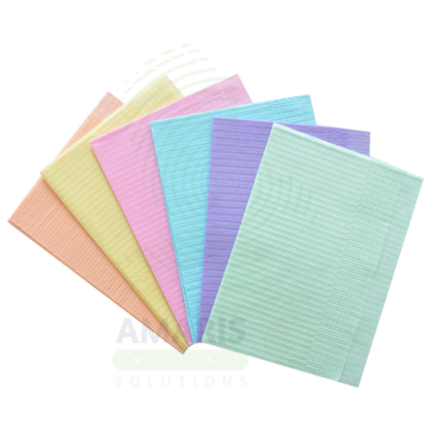
Dental Napkins are sterile or non-sterile, disposable absorbent pads (typically 2"x2") made of non-woven cellulose or gauze. They are a fundamental consumable in dentistry used primarily for intraoral isolation and moisture control. By absorbing saliva, water, and blood, they keep the operative field dry, enhance visibility, protect soft tissues, and significantly improve patient comfort during procedures. Their secure placement and strict single-use protocol are critical for safety and infection prevention.
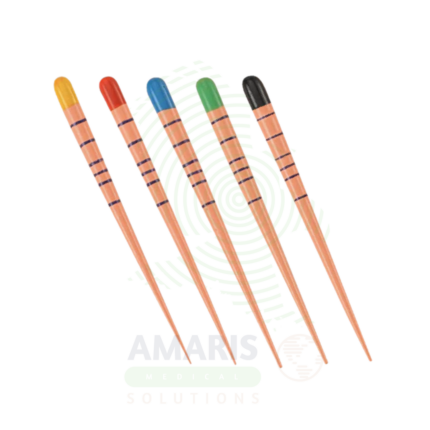
Gutta Percha Points
Gutta Percha Points are cone-shaped, thermoplastic filling materials used as the core component for permanently obturating (filling) root canals after endodontic therapy. Composed of gutta-percha polymer, zinc oxide, and radiopacifiers, they provide a biocompatible, stable, and adaptable fill when used with a sealer. Available in standardized sizes and tapers to match prepared canals, they are employed in cold lateral or warm vertical compaction techniques to achieve a three-dimensional seal that prevents bacterial re-infection. Their correct selection and placement are critical to the long-term success of root canal treatment.
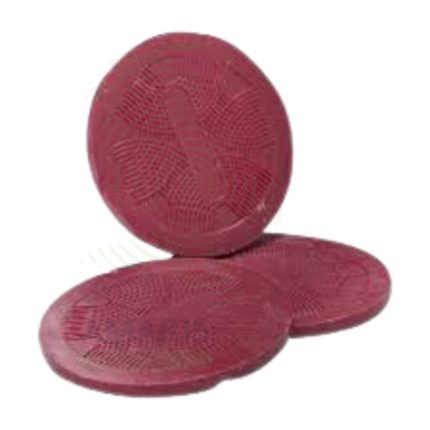
Impression Compound
Impression Compound is a rigid, thermoplastic material used in dentistry primarily for border molding of custom denture trays and preliminary impressions of edentulous arches. Softened by heat and hardened by cooling, it allows for precise functional molding of vestibular borders but cannot be elastically withdrawn from undercuts. Its use demands careful temperature control to avoid burns and ensure proper flow, making it a technique-sensitive material. While largely supplanted by modern elastomers for most impressions, it remains a valuable and sometimes irreplaceable tool in advanced complete denture prosthodontics and certain corrective impression techniques.
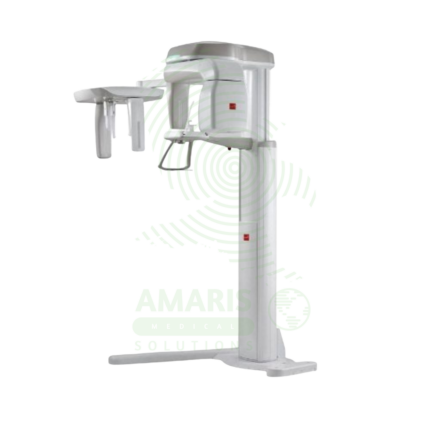
Panoramic X-ray Dental Machine
A Panoramic X-ray Dental Machine is a rotating extraoral radiographic system that produces a single, broad 2D image of the entire jaws, teeth, TMJs, and sinuses. By focusing on a curved "focal trough," it provides an efficient screening tool for wisdom teeth evaluation, orthodontic planning, and detecting large jaw pathologies. While offering a valuable overview with a relatively low radiation dose, its diagnostic utility is entirely dependent on precise patient positioning to avoid blurring and distortion. It is a cornerstone of modern dental diagnostic imaging, serving as a crucial first step in comprehensive oral assessment and treatment planning.