Dermatoscope and Magnifiers
 Diagnostic Kits
 Vital Signs Monitors
 Stethoscopes and Accessories
 Otoscopes, Ophthalmoscopes, and Retinoscopes
 Reflex Hammers and Neurological Tools
 Scales and Measuring Devices
 Spirometers and Pulmonary Function Tests
 Electrosurgical Units and Accessories
 Cutting Instruments
 Grasping and Holding Instruments
 Hemostatic Instruments
 Specialized Surgical Sets
 Single-Use Procedure Trays and Packs
 Surgical Drapes, Gowns, and Covers
 Tissue Unifying Instruments
 Radiation Protection
 X-Ray Machines and Accessories
 Ultrasound Systems and Probes
 MRI and CT Scanners
 Radiology Consumables
 Bone Densitometers
 Fluoroscopy Equipment
 Imaging Tables and Positioning Aids
 Microscopes and Accessories
 Centrifuges and Separators
 Analyzers
 Incubators and Ovens
 Pipettes, Dispensers, and Lab Glassware
 Refrigerators, Freezers, and Storage Units
 Lab Consumables
 Sterilizers and Autoclaves for Lab Use
 Multi-Parameter Monitors
 Ventilators and Respiratory Support Devices
 Defibrillators and AEDs
 Infusion Pumps and IV Systems
 Patient Warmers and Cooling Devices
 Central Monitoring Stations
 Accessories
 Anesthesia Machines and Workstations
 Oxygen Concentrators and Delivery Systems
 Nebulizers and Inhalers
 CPAP/BiPAP Machines
 Airway Management
 Anesthesia Masks, Circuits, and Bags
 Humidifiers and Heaters
 Respiratory Therapy Accessories
 First Aid Kits and Cabinets
 Emergency Resuscitation Equipment
 Trauma Supplies
 Emergency Carts and Crash Carts
 Burn Care Products
 Bleeding Control
 Automated External Defibrillators (AEDs)
 Transport and Evacuation
 Wheelchairs and Accessories
 Walkers, Crutches, and Canes
 Prosthetics and Orthotics
 Physical Therapy Equipment
 Transfer Devices
 Bathroom Safety
 Orthopedic Traction and Tables
 Hot/Cold Therapy Packs and Units
 Beds and Mattresses
 Chairs and Stools
 Tables
 Cabinets and Storage
 Privacy Screens & Curtains
 Stands and Racks
 Linens and Textiles
 Lighting
 Autoclaves and Sterilizers
 Ultrasonic Cleaners
 Disinfectant Solutions and Wipes
 Sterilization Pouches, Wraps, and Indicators
 Instrument Trays and Containers
 UV and Ozone Disinfection Devices
 Washer Disinfectors
 Wound Care
 Gloves
 Masks and Respirators
 Catheters and Tubing
 Swabs, Applicators, and Sponges
 Incontinence Products
 Personal Protective Equipment (PPE)
 Dental Chairs and Units
 Handpieces and Burs
 Instruments
 Consumables
 Sterilization for Dental Use
 Orthodontic Supplies
 Endodontic Tools
 Slit Lamps and Tonometers
 Lensometers and Phoropters
 Ophthalmic Surgical Instruments
 Eyewear Frames and Lenses
 Contact Lens Supplies
 Vision Testing Charts and Devices
 Eye Care Consumables
 Laser Systems for Eye Care
 ENT Exam Chairs and Tables
 Endoscopes
 Audiometers and Hearing Tests
 ENT Instruments
 Nasal and Throat Packs
 Hearing Aids and Accessories
 Otology Supplies
 Fetal Dopplers and Monitors
 Delivery Beds and Tables
 Gynecological Instruments
 Neonatal Incubators and Warmers
 Breast Pumps and Accessories
 Contraceptive Devices
 Maternity Supports and Pads
 Neonatal Consumables
 Cystoscopes and Urethroscopes
 Dialysis Machines and Supplies
 Urological Catheters and Bags
 Lithotripters
 Prostate Treatment Devices
 Urinary Incontinence Products
 Kidney Stone Management Tools
 Consumables & Disposables
 EEG and EMG Machines
 Neurosurgical Instruments
 Nerve Stimulators
 Headrests and Positioning Aids
 Lumbar Puncture Kits
 Seizure Monitoring Devices
 Consumables
 Rehabilitation for Neurological Conditions
 ECG Machines and Accessories
 Holter Monitors
 Stress Test Systems
 Pacemakers and Defibrillator Accessories
 Vascular Access Devices
 Cardiac Catheters and Guidewires
 Blood Flow Meters
 Consumables
 Orthopedic Instruments
 Casts, Splints, and Padding
 Joint Replacement Supplies
 Prosthetic Limbs and Components
 Bone Grafts and Substitutes
 Traction Devices
 Orthopedic Braces and Supports
 Rehabilitation Aids for Orthopedics
 Home Oxygen Therapy
 Hospital Beds for Home Use
 Mobility Aids
 Bathroom and Daily Living Aids
 Wound Care for Home
 Monitoring Devices
 Enteral Feeding Pumps and Tubes
 Hand Sanitizers and Dispensers
 Face Shields and Goggles
 Isolation Gowns and Suits
 Biohazard Waste Containers
 Air Purifiers and HEPA Filters
 Surface Disinfectants
 Sharps Containers
 Protective Barriers
 Cardiovascular & Endurance Training
 Strength Training & Weightlifting
 Functional Training & Core Conditioning
 Physical Therapy & Rehabilitation
 Sports & Outdoor Recreation
 Gym Flooring & Facility Equipment
 Fitness Monitoring & Accessories
 Kids & Novelties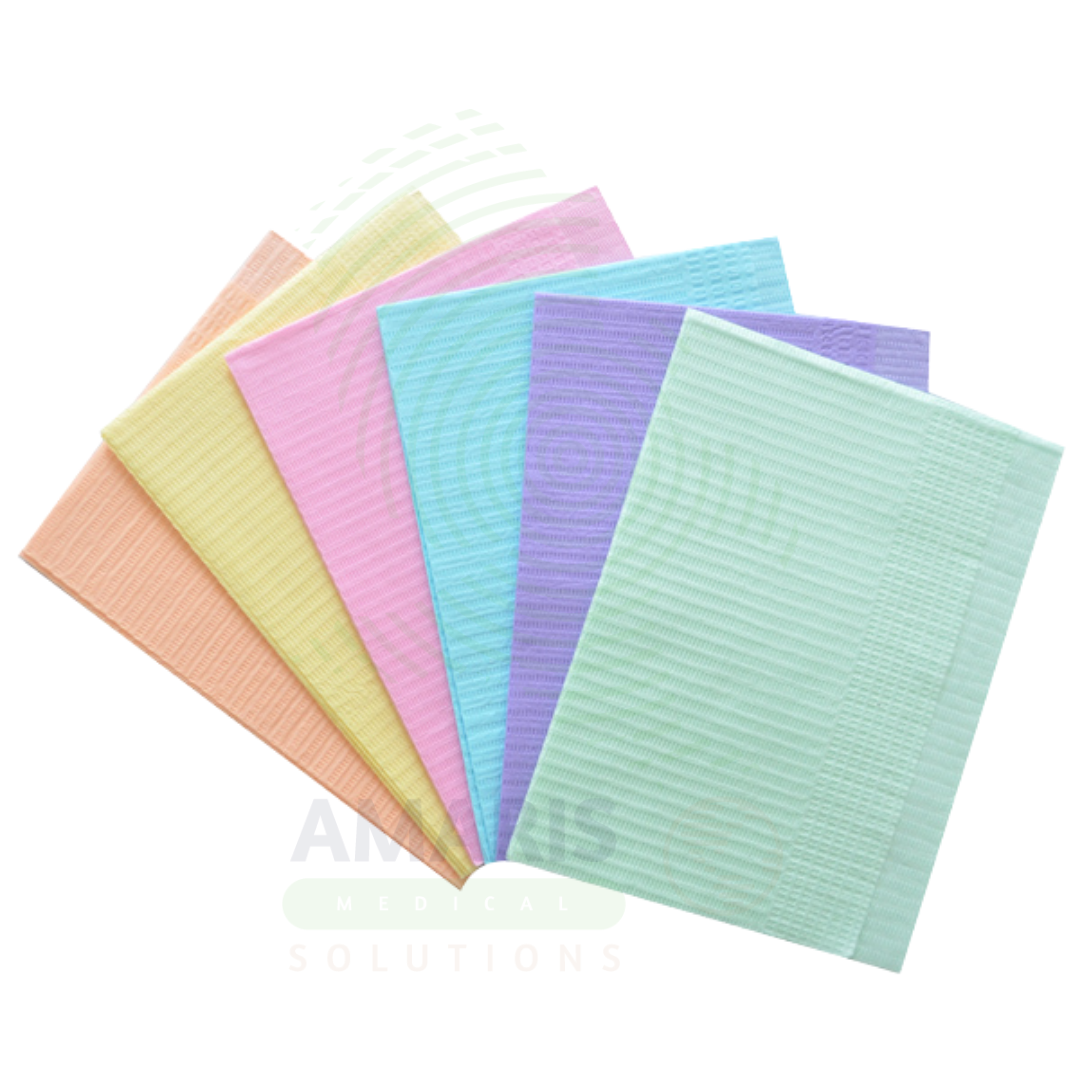


Dental Napkins
$1.00
WhatsApp Order
Dental Napkins are sterile or non-sterile, disposable absorbent pads (typically 2″x2″) made of non-woven cellulose or gauze. They are a fundamental consumable in dentistry used primarily for intraoral isolation and moisture control. By absorbing saliva, water, and blood, they keep the operative field dry, enhance visibility, protect soft tissues, and significantly improve patient comfort during procedures. Their secure placement and strict single-use protocol are critical for safety and infection prevention.
Description
Dental Napkins
PRIMARY CLINICAL & DIAGNOSTIC USES
1. Patient Isolation and Moisture Control
-
Primary Use: Isolates the treatment area by absorbing saliva, water, and blood during dental procedures, placed between the teeth and cheeks or under the tongue to keep the operative field dry, critical for the success of most dental treatments.
-
How it helps: For the dentist and dental hygienist, dental napkins provide essential moisture control that ensures restorations bond properly, impression materials set accurately, and operative fields remain visible. For the patient, effective moisture control means fewer retakes, shorter procedures, and more predictable treatment outcomes.
2. Enhancing Visibility and Operative Access
-
Primary Use: By absorbing fluids and retracting soft tissues such as cheeks, lips, and tongue, dental napkins provide a clear, unobstructed view of the teeth and gingiva, improving precision during examinations, restorative work, periodontal procedures, and oral surgery.
-
How it helps: For the clinician, unobstructed visibility is essential for precision dentistry—allowing accurate cavity preparation, precise margin placement, and thorough debridement. For the patient, this means more accurate treatment with fewer complications and better long-term outcomes.
3. Protection of Oral Soft Tissues
-
Primary Use: Acts as a physical barrier to protect the sensitive buccal mucosa, lips, and tongue from accidental injury by dental instruments, rotary burs, chemical agents, or debris generated during procedures like scaling, drilling, or polishing.
-
How it helps: For the dental professional, dental napkins provide a protective buffer that reduces the risk of soft tissue trauma during procedures. For the patient, this means fewer accidental cuts, burns, or abrasions, resulting in greater comfort and reduced post-operative sensitivity.
4. Patient Comfort and Management of Oral Secretions
-
Primary Use: Significantly increases patient comfort by preventing the accumulation and posterior flow of water, saliva, and blood down the patient’s throat, which can trigger the gag reflex and cause anxiety or discomfort during lengthy procedures.
-
How it helps: For the clinician, managing oral secretions helps prevent the gag reflex that can interrupt procedures and compromise quality. For the patient, this means a more comfortable experience with less choking sensation, reduced anxiety, and greater tolerance for lengthy treatments.
5. Absorption of Irrigation and Cooling Water
-
Primary Use: Used extensively during procedures that require continuous water spray for cooling and irrigation, such as tooth preparation with high-speed handpieces, ultrasonic scaling, and surgical extractions, efficiently absorbing the spray to maintain a manageable level of moisture in the oral cavity.
-
How it helps: For the dentist, effective absorption prevents water pooling that can obscure the operative field and compromise visibility. For the patient, this reduces the sensation of water accumulation and the need to stop frequently to suction, making procedures more comfortable and efficient.
6. Retraction of Oral Tissues
-
Primary Use: Placed to gently retract the cheek, lip, or tongue away from the operative field, providing improved access to posterior teeth and subgingival areas without the need for mechanical retractors.
-
How it helps: For the clinician, napkin retraction provides a simple, comfortable means of improving access to difficult-to-reach areas. For the patient, this reduces the need for metal retractors that can cause discomfort or pressure points.
7. Control of Salivary Flow
-
Primary Use: Strategically placed to block the openings of major salivary glands (parotid, submandibular) to temporarily reduce the flow of saliva into the operative field.
-
How it helps: For the dentist, controlling salivary flow is essential for maintaining a dry field for adhesive procedures. For the patient, this reduces the interruption of suctioning and the need for repeated drying.
8. Barrier Against Chemical Agents
-
Primary Use: Protects the oral mucosa from contact with chemical agents such as etchants, bleaching gels, and topical anesthetics that may irritate soft tissues.
-
How it helps: For the clinician, napkins provide a simple barrier that prevents chemical burns or irritation to sensitive oral tissues. For the patient, this protects against the discomfort and potential tissue damage from chemical exposure.
9. Absorption During Ultrasonic Scaling
-
Primary Use: Placed in the vestibule to absorb the water spray from ultrasonic scalers, preventing pooling and overflow that can be uncomfortable for the patient.
-
How it helps: For the dental hygienist, effective water management during scaling improves visibility and patient comfort. For the patient, this reduces the sensation of water running down the throat and the need for frequent suctioning.
10. Drying of Tooth Surfaces
-
Primary Use: Used to dry individual tooth surfaces before the application of bonding agents, sealants, or other adhesive materials that require a moisture-free environment for optimal adhesion.
-
How it helps: For the restorative dentist, thorough drying is essential for achieving maximum bond strength. For the patient, this contributes to the longevity and success of restorations.
SECONDARY & SUPPORTIVE USES
1. Instrument Placement and Wiping: Provides a clean, absorbent surface on the bracket table or tray for placing instruments momentarily, wiping excess material from instrument tips, or absorbing small amounts of bleeding. For the clinical team, this keeps the instrument tray organized and clean; for the patient, it contributes to efficient, uninterrupted procedures.
2. Temporary Packing Material: Can be lightly rolled or folded and used as a temporary absorbent packing in a shallow extraction socket to apply gentle pressure on the gingival margin or to absorb minor oozing while preparing a more definitive dressing. For the oral surgeon, this provides a temporary measure for minor bleeding; for the patient, it helps control initial post-extraction oozing.
3. Protective Drape for Non-Sterile Surfaces: Placed over the patient’s chest or chin rest to protect clothing and skin from splashes, drips, or aerosols during procedures, acting as a simple, disposable barrier. For the practice, this protects clothing and surfaces; for the patient, it provides a more comfortable, hygienic experience.
4. Aid in Application of Topical Agents: Used to dry a specific area of the gingiva or mucosa before the application of topical anesthetics, antiseptics, or desensitizing agents, ensuring better contact and efficacy. For the clinician, proper drying enhances the effectiveness of topical agents; for the patient, this means better anesthesia and more effective treatment.
5. Post-Procedural Care: Given to the patient post-treatment to gently dab and dry the lips and corners of the mouth, or to hold against the surgical site with light pressure to absorb initial bleeding. For the patient, this provides a means of managing post-procedural moisture and minor bleeding; for the practice, it enhances the patient’s post-treatment experience.
6. Placement of Topical Anesthetic: Used to isolate and dry the injection site before administering local anesthesia, ensuring better adhesion of topical anesthetic and a cleaner injection site. For the clinician, this improves the effectiveness of topical anesthetic; for the patient, this reduces the sensation of the needle stick.
7. Wipe for Excess Cement or Bonding Agent: Used to wipe away excess cement, bonding agent, or composite before curing, preventing the formation of flash or overhangs. For the restorative dentist, this improves the quality of the final restoration; for the patient, this reduces the need for post-operative finishing.
KEY PRODUCT FEATURES
1. BASIC IDENTIFICATION ATTRIBUTES
-
Product Type: A disposable, absorbent pad or sheet used for intraoral isolation and moisture control.
-
Designation: Commonly referred to as "2x2 Dental Napkins" or "Gauze Napkins," indicating their typical folded size (2 inches by 2 inches).
-
Core Composition: Typically made of multiple layers of non-woven cellulose or cotton gauze fabric, which is highly absorbent, lint-free, and soft.
2. TECHNICAL & PERFORMANCE PROPERTIES
-
Absorbency Capacity: Must have high absorbency to quickly wick and retain significant volumes of fluid (saliva, water, blood) relative to their size without falling apart or disintegrating.
-
Wet Strength: The material must maintain its structural integrity when wet, resisting tearing or shredding during placement, adjustment, or removal from the mouth.
-
Lint-Free Construction: Critical to avoid leaving fibers or residue in the oral cavity, on dental instruments, or in fresh wounds (e.g., extraction sites), which could cause irritation or contamination.
3. PHYSICAL & OPERATIONAL PROPERTIES
-
Size and Ply: The standard is a 2" x 2" square, often available in 2-ply or 3-ply thicknesses for added absorbency and durability. Other sizes (e.g., 3" x 3") may be available.
-
Packaging: Sterilized (for surgical use) or non-sterilized, individually wrapped in paper/plastic pouches or dispensed in bulk from multi-count boxes or pop-up dispensers for clinical efficiency.
4. SAFETY & COMPLIANCE ATTRIBUTES
-
Regulatory Status: Classified as a Class I medical device (low risk) intended for absorbing bodily fluids.
-
Biocompatibility: Must be made from materials that are safe for contact with oral mucosa and minor wounds, non-toxic, and non-irritating.
-
Sterility (if sold as sterile): Individually wrapped sterile napkins used in surgical procedures (e.g., extractions, implants) must be processed and validated to meet sterility assurance levels (SAL).
-
Latex-Free: Must be manufactured without natural rubber latex.
5. STORAGE & HANDLING ATTRIBUTES
-
Storage: Store in a cool, dry place in original packaging. Protect from moisture, which can compromise sterility (for sterile products) or lead to mold growth.
-
Shelf Life: Has an expiration date, especially for sterile products where packaging integrity is critical.
-
Single-Use Protocol: Dental napkins are single-use, disposable items. They must be discarded after use on a single patient to prevent cross-contamination. They are not designed or intended for cleaning and reuse.
6. LABORATORY & CLINICAL APPLICATIONS
-
Primary Application: A fundamental, high-volume consumable in every dental operatory. Their use is nearly universal across all procedure types, from simple exams to complex surgeries, making them as essential as gloves.
-
Selection Criteria: Choice between sterile and non-sterile depends on the procedure (non-surgical vs. surgical). Ply count is chosen based on anticipated fluid volume.
SAFETY HANDLING PRECAUTIONS
1. SAFETY PRECAUTIONS
-
Prevention of Aspiration or Ingestion (Most Important): The napkin must be placed securely and its trailing corner must remain outside the mouth, visible to both clinician and patient. A dental napkin holder (napkin clip) should be used for secure retention during longer procedures to prevent accidental slipping toward the pharynx.
-
Avoid Obstructing the Airway: Never pack the oropharynx or block the airway. Placement should be limited to the buccal and labial vestibules and the floor of the mouth.
-
Monitor for Dryness: During very long procedures, saturated napkins should be replaced with fresh ones to maintain effectiveness and comfort. Overly saturated napkins lose their absorbency and barrier function.
-
Post-Extraction Site Caution: If used for gentle pressure on an extraction site, instruct the patient explicitly not to chew on it and to remove it after 30-60 minutes to avoid disturbing the clot or causing choking hazard.
2. FIRST AID MEASURES
-
Accidental Aspiration/Choking: If a patient inhals or chokes on a dental napkin, follow standard emergency airway protocols (e.g., encourage coughing, perform abdominal thrusts/Heimlich maneuver if airway is obstructed) and activate emergency medical services immediately.
-
Allergic Reaction: Although rare, if signs of localized allergic reaction (itching, swelling, rash) occur on the contacted mucosa, remove the napkin, rinse the area with water, and discontinue use.
3. FIRE FIGHTING MEASURES
-
Flammability: Cellulose-based materials are combustible.
-
Extinguishing Media: Use water, foam, CO₂, or dry chemical powder as appropriate for the surrounding fire.
Related products
Amalgam Spill
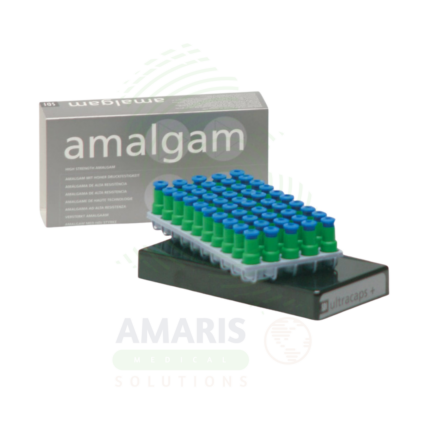
An Amalgam Spill Kit is a specialized emergency response kit designed for the safe containment and cleanup of accidental spills of dental amalgam or elemental mercury. Containing PPE, amalgamating/absorbent powder, collection tools, and hazardous waste bags, its sole purpose is to mitigate the significant health and environmental hazards posed by mercury vapor and contamination. Its correct use—which strictly prohibits vacuuming—is mandated by health and safety regulations in dental practices. All resulting waste must be treated as hazardous material. The kit is a critical component of a dental office's health, safety, and environmental compliance program.
Cotton Rolls
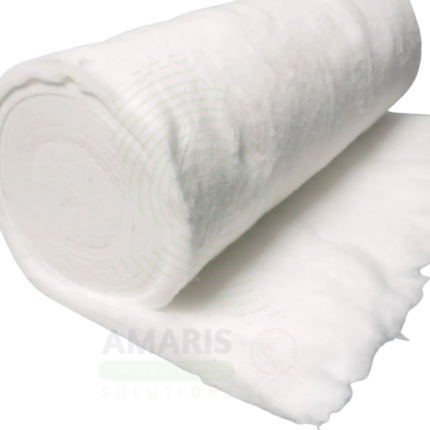
Cotton Rolls are sterile or non-sterile, single-use cylinders of 100% purified, highly absorbent cotton, most commonly used in dentistry for moisture control and oral isolation. Placed in the buccal vestibule or sublingually, they absorb saliva and blood, creating a dry operative field essential for adhesive restorations, impressions, and minor surgical procedures. Standard dimensions are 1.5 inches in length and 0.5 inches in diameter, with jumbo, pediatric, tapered, and banded variants available. Critical performance properties include high absorbency (20-25x fluid weight), wet strength, and low-linting. Sterile rolls are required for surgical procedures contacting open wounds. Strict single-use protocol and careful count/retrieval are mandatory to prevent aspiration hazards. An indispensable, high-volume consumable in dental practice.
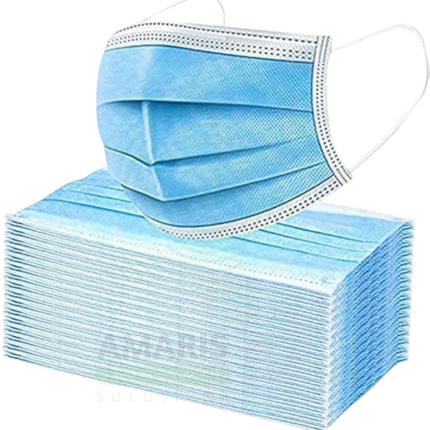
Face Masks
A Face Mask is a disposable, loose-fitting or tight-fitting (respirator) barrier device designed to cover the wearer's nose and mouth. Its primary functions are source control (to contain the wearer's respiratory secretions) and personal protection (to filter inhaled airborne particles). In healthcare, specific types—such as ASTM-rated surgical masks for sterile procedures and NIOSH-certified respirators (e.g., N95) for aerosol-generating procedures—are critical PPE for infection prevention. Correct usage, including strict single-use protocols and proper donning/doffing technique, is essential for its effectiveness in interrupting pathogen transmission.
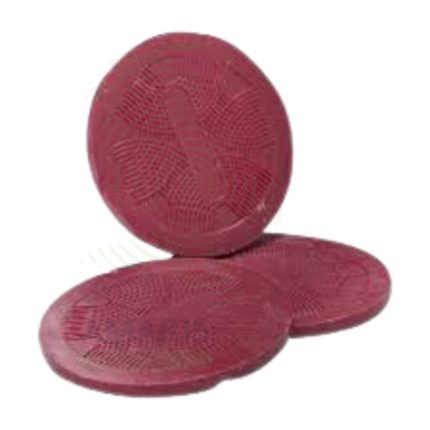
Impression Compound
Impression Compound is a rigid, thermoplastic material used in dentistry primarily for border molding of custom denture trays and preliminary impressions of edentulous arches. Softened by heat and hardened by cooling, it allows for precise functional molding of vestibular borders but cannot be elastically withdrawn from undercuts. Its use demands careful temperature control to avoid burns and ensure proper flow, making it a technique-sensitive material. While largely supplanted by modern elastomers for most impressions, it remains a valuable and sometimes irreplaceable tool in advanced complete denture prosthodontics and certain corrective impression techniques.
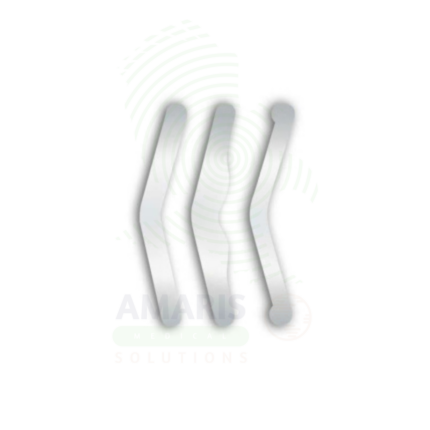
Matrix Bands
Matrix Bands are thin, flexible strips (metal or clear plastic) used in dentistry to create a temporary artificial wall for a missing tooth surface during the placement of direct amalgam or composite restorations. They are essential for confining the restorative material, preventing gingival overhangs, and establishing the correct proximal contour and contact with the adjacent tooth. Used with a retainer (like a Tofflemire) or a sectional matrix system and a wedge, they are a fundamental component of precise, anatomically correct restorative dentistry. Metal bands are reusable, while clear bands for composites are single-use, allowing light transmission for curing.
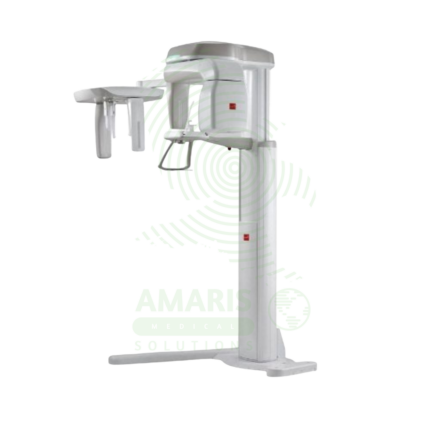
Panoramic X-ray Dental Machine
A Panoramic X-ray Dental Machine is a rotating extraoral radiographic system that produces a single, broad 2D image of the entire jaws, teeth, TMJs, and sinuses. By focusing on a curved "focal trough," it provides an efficient screening tool for wisdom teeth evaluation, orthodontic planning, and detecting large jaw pathologies. While offering a valuable overview with a relatively low radiation dose, its diagnostic utility is entirely dependent on precise patient positioning to avoid blurring and distortion. It is a cornerstone of modern dental diagnostic imaging, serving as a crucial first step in comprehensive oral assessment and treatment planning.

Shoe Covers
Shoe Covers are disposable, single-use over-shoe devices worn over personal or institutional footwear to prevent the transfer of dirt, dust, and microorganisms into sterile or controlled environments. Constructed from non-woven polypropylene, polyethylene, or CPE, they are a fundamental component of infection control protocols in operating rooms, cleanrooms, isolation units, and laboratories. Critical features include secure elasticized closures, slip-resistant soles, and appropriate fluid resistance for the intended setting. Strict single-use protocols and proper donning/doffing techniques are essential to maintain environmental integrity and prevent cross-contamination.