Dermatoscope and Magnifiers
 Diagnostic Kits
 Vital Signs Monitors
 Stethoscopes and Accessories
 Otoscopes, Ophthalmoscopes, and Retinoscopes
 Reflex Hammers and Neurological Tools
 Scales and Measuring Devices
 Spirometers and Pulmonary Function Tests
 Electrosurgical Units and Accessories
 Cutting Instruments
 Grasping and Holding Instruments
 Hemostatic Instruments
 Specialized Surgical Sets
 Single-Use Procedure Trays and Packs
 Surgical Drapes, Gowns, and Covers
 Tissue Unifying Instruments
 Radiation Protection
 X-Ray Machines and Accessories
 Ultrasound Systems and Probes
 MRI and CT Scanners
 Radiology Consumables
 Bone Densitometers
 Fluoroscopy Equipment
 Imaging Tables and Positioning Aids
 Microscopes and Accessories
 Centrifuges and Separators
 Analyzers
 Incubators and Ovens
 Pipettes, Dispensers, and Lab Glassware
 Refrigerators, Freezers, and Storage Units
 Lab Consumables
 Sterilizers and Autoclaves for Lab Use
 Multi-Parameter Monitors
 Ventilators and Respiratory Support Devices
 Defibrillators and AEDs
 Infusion Pumps and IV Systems
 Patient Warmers and Cooling Devices
 Central Monitoring Stations
 Accessories
 Anesthesia Machines and Workstations
 Oxygen Concentrators and Delivery Systems
 Nebulizers and Inhalers
 CPAP/BiPAP Machines
 Airway Management
 Anesthesia Masks, Circuits, and Bags
 Humidifiers and Heaters
 Respiratory Therapy Accessories
 First Aid Kits and Cabinets
 Emergency Resuscitation Equipment
 Trauma Supplies
 Emergency Carts and Crash Carts
 Burn Care Products
 Bleeding Control
 Automated External Defibrillators (AEDs)
 Transport and Evacuation
 Wheelchairs and Accessories
 Walkers, Crutches, and Canes
 Prosthetics and Orthotics
 Physical Therapy Equipment
 Transfer Devices
 Bathroom Safety
 Orthopedic Traction and Tables
 Hot/Cold Therapy Packs and Units
 Beds and Mattresses
 Chairs and Stools
 Tables
 Cabinets and Storage
 Privacy Screens & Curtains
 Stands and Racks
 Linens and Textiles
 Lighting
 Autoclaves and Sterilizers
 Ultrasonic Cleaners
 Disinfectant Solutions and Wipes
 Sterilization Pouches, Wraps, and Indicators
 Instrument Trays and Containers
 UV and Ozone Disinfection Devices
 Washer Disinfectors
 Wound Care
 Gloves
 Masks and Respirators
 Catheters and Tubing
 Swabs, Applicators, and Sponges
 Incontinence Products
 Personal Protective Equipment (PPE)
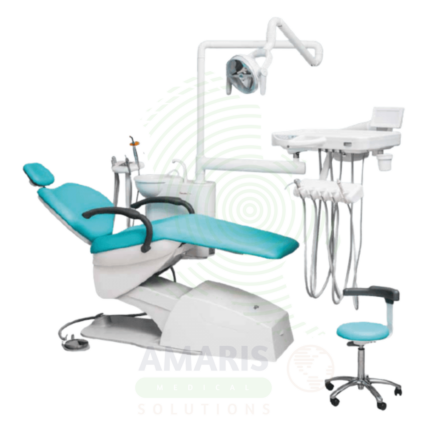
 Dental Chairs and Units
 Handpieces and Burs
 Instruments
 Consumables
 Sterilization for Dental Use
 Orthodontic Supplies
 Endodontic Tools
 Slit Lamps and Tonometers
 Lensometers and Phoropters
 Ophthalmic Surgical Instruments
 Eyewear Frames and Lenses
 Contact Lens Supplies
 Vision Testing Charts and Devices
 Eye Care Consumables
 Laser Systems for Eye Care
 ENT Exam Chairs and Tables
 Endoscopes
 Audiometers and Hearing Tests
 ENT Instruments
 Nasal and Throat Packs
 Hearing Aids and Accessories
 Otology Supplies
 Fetal Dopplers and Monitors
 Delivery Beds and Tables
 Gynecological Instruments
 Neonatal Incubators and Warmers
 Breast Pumps and Accessories
 Contraceptive Devices
 Maternity Supports and Pads
 Neonatal Consumables
 Cystoscopes and Urethroscopes
 Dialysis Machines and Supplies
 Urological Catheters and Bags
 Lithotripters
 Prostate Treatment Devices
 Urinary Incontinence Products
 Kidney Stone Management Tools
 Consumables & Disposables
 EEG and EMG Machines
 Neurosurgical Instruments
 Nerve Stimulators
 Headrests and Positioning Aids
 Lumbar Puncture Kits
 Seizure Monitoring Devices
 Consumables
 Rehabilitation for Neurological Conditions
 ECG Machines and Accessories
 Holter Monitors
 Stress Test Systems
 Pacemakers and Defibrillator Accessories
 Vascular Access Devices
 Cardiac Catheters and Guidewires
 Blood Flow Meters
 Consumables
 Orthopedic Instruments
 Casts, Splints, and Padding
 Joint Replacement Supplies
 Prosthetic Limbs and Components
 Bone Grafts and Substitutes
 Traction Devices
 Orthopedic Braces and Supports
 Rehabilitation Aids for Orthopedics
 Home Oxygen Therapy
 Hospital Beds for Home Use
 Mobility Aids
 Bathroom and Daily Living Aids
 Wound Care for Home
 Monitoring Devices
 Enteral Feeding Pumps and Tubes
 Hand Sanitizers and Dispensers
 Face Shields and Goggles
 Isolation Gowns and Suits
 Biohazard Waste Containers
 Air Purifiers and HEPA Filters
 Surface Disinfectants
 Sharps Containers
 Protective Barriers
 Cardiovascular & Endurance Training
 Strength Training & Weightlifting
 Functional Training & Core Conditioning
 Physical Therapy & Rehabilitation
 Sports & Outdoor Recreation
 Gym Flooring & Facility Equipment
 Fitness Monitoring & Accessories
 Kids & Novelties


Wooden Wedges
$1.00
WhatsApp Order
Wooden Wedges are small, triangular pieces of soft wood used in restorative dentistry to secure a matrix band at the gingival margin and create slight separation between teeth. They are a critical, single-use accessory that ensures a tight seal to prevent restorative overhangs, establishes proper interproximal contact, and protects the gingival tissue during the placement of direct fillings. Their slight compressibility and moisture expansion allow for a secure, adaptable fit. While simple, their correct selection and placement are fundamental to achieving a precisely contoured, durable, and biologically compatible Class II or III restoration.
Description
Wooden Wedges
PRIMARY CLINICAL & DIAGNOSTIC USES
1. Securing the Matrix Band
-
Primary Use: Stabilizes and secures a matrix band gingivally during the placement of a Class II or Class III/IV direct restoration, inserted into the gingival embrasure to hold the band tightly against the tooth, preventing restorative material from leaking underneath and creating an overhang.
-
How it helps: For the dentist, the wooden wedge ensures that the matrix band remains firmly adapted to the tooth margin throughout the restorative procedure—eliminating gaps that would allow material to escape and form harmful overhangs. For the patient, this means restorations that are smooth at the gumline, reducing the risk of periodontal disease and recurrent decay.
2. Creating Minor Tooth Separation
-
Primary Use: Applies gentle, controlled pressure to slightly separate the tooth being restored from its adjacent neighbor, compensating for the thickness of the matrix band and ensuring that once the band is removed, the restoration will have a tight, proper contact point.
-
How it helps: For the clinician, proper wedge placement creates the space needed for the matrix band while ensuring the final restoration will have a contact that is neither too tight nor too loose. For the patient, this means restorations that floss easily, do not trap food, and feel natural between the teeth.
3. Protecting the Interdental Papilla
-
Primary Use: Holds the matrix band firmly against the tooth while acting as a physical barrier, protecting the delicate gingival papilla from being traumatized by restorative instruments or contaminated by restorative materials.
-
How it helps: For the dentist, the wedge provides a protective buffer that shields the sensitive interdental tissues during cavity preparation and restoration placement. For the patient, this means reduced post-operative discomfort, faster healing, and preservation of the delicate gum tissue between teeth.
4. Controlling Gingival Crevicular Fluid
-
Primary Use: Helps in minor moisture control by gently displacing the gingival tissue and potentially reducing crevicular fluid seepage into the operative field.
-
How it helps: For the clinician, improved moisture control creates a cleaner, drier field for adhesive procedures—enhancing bond strength and restoration longevity. For the patient, this contributes to better adaptation of the restoration and reduced risk of post-operative sensitivity.
5. Facilitating Contour Formation
-
Primary Use: By properly positioning the band, the wedge helps the dentist create the correct anatomical contour of the restoration at the gingival margin.
-
How it helps: For the dentist, proper wedge placement guides the contour of the restoration at the critical gingival margin—ensuring a natural emergence profile that supports gingival health. For the patient, this means restorations that are not only functional but also aesthetically pleasing and easy to clean.
6. Stabilization During Instrumentation
-
Primary Use: Provides a stable foundation that prevents matrix band movement during condensation of amalgam or incremental placement of composite, ensuring consistent adaptation throughout the procedure.
-
How it helps: For the clinician, a securely wedged matrix band stays in place during the entire restorative process—eliminating the need for constant repositioning. For the patient, this contributes to a more efficient procedure and a consistently well-adapted restoration.
7. Gingival Margin Adaptation
-
Primary Use: Forces the matrix band into close adaptation against the tooth at the gingival margin, creating a tight seal that prevents extrusion of restorative material.
-
How it helps: For the dentist, this adaptation ensures that the restoration ends flush with the tooth surface—eliminating ledges that trap plaque. For the patient, this promotes long-term periodontal health and reduces the risk of secondary caries at the margin.
8. Anatomical Variation Accommodation
-
Primary Use: Available in various shapes and sizes to accommodate different tooth morphologies, interproximal spaces, and clinical situations.
-
How it helps: For the clinician, a selection of wedge sizes and shapes allows for optimal adaptation in any clinical scenario—whether for primary molars, narrow embrasures, or wide interdental spaces. For the patient, this means the appropriate wedge is used for their specific anatomy.
9. Absorption of Crevicular Fluids
-
Primary Use: Wooden wedges have natural absorbent properties that help wick away small amounts of moisture from the gingival sulcus during placement.
-
How it helps: For the dentist, this absorptive quality contributes to a drier field at the critical gingival margin. For the patient, it supports better bonding of adhesive materials and reduces the risk of moisture contamination.
10. Pliability for Adaptation
-
Primary Use: The natural pliability of wood allows the wedge to conform slightly to the contours of the tooth and adjacent anatomy, providing a customized fit.
-
How it helps: For the clinician, this conformability ensures a snug, customized fit that adapts to the specific contours of each patient’s anatomy. For the patient, this means a better seal and more predictable outcomes.
SECONDARY & SUPPORTIVE USES
1. Temporary Hemostasis: The gentle pressure can provide minor hemostasis from the gingival sulcus. For the dentist, this helps control minor bleeding that would otherwise contaminate the field; for the patient, it contributes to a cleaner procedure and better adaptation of the restoration.
2. Retracting Gingival Tissue: For very subgingival preparations, a wedge can help retract tissue slightly for better visibility and access. For the clinician, this improves visualization of deep margins; for the patient, it allows for more precise restoration placement without the need for more invasive tissue management.
3. Matrix Band Removal Aid: After restoration placement, the wedge can be used to gently loosen the matrix band for easier removal without disturbing the newly placed restoration. For the dentist, this simplifies the finishing process; for the patient, it reduces the risk of accidental damage to the fresh restoration.
4. Assessment of Contact Tightness: Before final restoration placement, wedges can be used to assess the adequacy of interproximal space and contact tightness. For the clinician, this allows for adjustment before the restoration is completed; for the patient, it contributes to better-fitting final restorations.
5. Post-Operative Contact Verification: After matrix band removal, the wedge can be used to verify the tightness of the established contact. For the dentist, this provides immediate feedback on restoration quality; for the patient, it ensures that the final contact will be comfortable and functional.
KEY PRODUCT FEATURES
1. BASIC IDENTIFICATION ATTRIBUTES
-
Type: A small, triangular or pyramidal piece of wood used in interproximal dental procedures.
-
Designation: Interproximal Wedge or Dental Wedge.
-
Common Variants:
-
Wood: The traditional and most common material (soft pine or basswood). It is slightly compressible and absorbs moisture, which can aid in expansion and retention.
-
Plastic: Rigid, transparent (allows light curing for composites), and does not splinter. Often used with clear matrix systems.
-
Size/Shape: Available in different sizes (small, medium, large) and triangular shapes to fit various interproximal embrasure shapes. Some are anatomical, shaped to match the contour of the gingival embrasure.
-
2. TECHNICAL & PERFORMANCE PROPERTIES
-
Compressibility: Wooden wedges have a slight give, allowing them to adapt to the space and apply consistent pressure without causing excessive force on the teeth.
-
Moisture Expansion: Wood expands slightly when it absorbs moisture from the gingival crevice, which can improve its stabilizing effect.
-
Biocompatibility: Must be non-toxic and non-irritating to gingival tissues.
-
Sterility: Supplied non-sterile but clean. Sterilization is not required as they are single-use items placed in a non-sterile field (the mouth).
3. PHYSICAL & OPERATIONAL PROPERTIES
-
Placement: Inserted using dental pliers (like college pliers) or fingers from the buccal or lingual aspect of the teeth. The apex of the triangular wedge points gingivally.
-
Fit: Should fit snugly without causing excessive pressure or pain. The correct size is one that holds the band securely and provides slight separation without traumatizing the periodontium.
-
Single-Use: Designed for one patient, one procedure only, then discarded.
4. SAFETY & COMPLIANCE ATTRIBUTES
-
Regulatory Status: Class I medical device.
-
Material Safety: Wood must be smooth, free of splinters, and untreated with harmful chemicals.
5. STORAGE & HANDLING ATTRIBUTES
-
Storage: Keep in a clean, dry container.
-
Shelf Life: Indefinite if kept dry.
-
Disposal: Discard as general clinical waste after use.
6. LABORATORY & CLINICAL APPLICATIONS
-
Primary Application: A mandatory accessory used in conjunction with a matrix band for virtually every direct multi-surface posterior restoration (amalgam or composite) in general dentistry.
-
Workflow: Placed after the matrix band is positioned but before the restorative material is introduced.
SAFETY HANDLING PRECAUTIONS
1. SAFETY PRECAUTIONS
-
Avoid Excessive Force: Forcing a wedge that is too large can cause patient discomfort, damage the interdental papilla, or even lead to periodontal ligament injury or slight tooth movement.
-
Check for Stability: Ensure the wedge is securely placed and does not dislodge easily, as a loose wedge is ineffective and can be aspirated or swallowed.
-
Do Not Reuse: Never reuse a wedge on another patient.
-
Splintering: Inspect wooden wedges before use; do not use if they appear dry and splintery.
-
Allergy: Rare, but be aware of potential wood allergies.
2. FIRST AID MEASURES
-
Aspiration/Swallowing: If a wedge is lost in the throat, remain calm. Have the patient cough. If not retrieved, seek medical attention for an X-ray. Wooden wedges are small and typically pass without issue if swallowed.
-
Gingival Trauma: If the papilla is lacerated or bruised, provide reassurance. Bleeding usually stops with pressure. Ensure no wood fragment is left embedded.
3. FIRE FIGHTING MEASURES
-
Flammability: Wood is combustible.
-
Extinguishing Media: Use water, foam, or CO₂ as appropriate for the surrounding fire.
Related products
Alginate
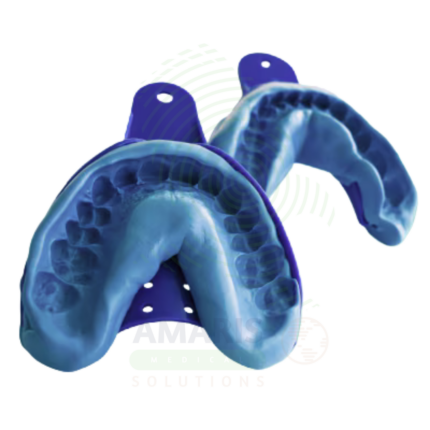
Alginate is an irreversible hydrocolloid impression material derived from seaweed, used primarily for taking fast, accurate, and economical preliminary impressions in dentistry. Valued for its ease of mixing, patient comfort, and good surface detail reproduction, it is the standard for creating study models, diagnostic casts, and custom trays. Its critical limitation is poor dimensional stability due to its water-based nature, requiring the impression to be poured in stone immediately to avoid shrinkage. As a hydrophilic material, it is technique-sensitive but remains an indispensable workhorse for initial records in general practice, orthodontics, and prosthodontics.

Chlorhexidine Mouthwash
Chlorhexidine Mouthwash is a potent, substantive antimicrobial oral rinse containing chlorhexidine gluconate (typically 0.12% or 0.2%). It is the gold-standard chemical agent for controlling plaque biofilm and gingival inflammation, prescribed for short-term therapeutic use following oral surgery, in the treatment of periodontitis, for patients with physical limitations, and in ICU protocols to prevent pneumonia. Its key property is substantivity—binding to oral tissues for prolonged effect. Major precautions include avoiding use immediately after toothpaste, limiting duration to prevent tooth staining, and never swallowing the solution.
Dental Napkins
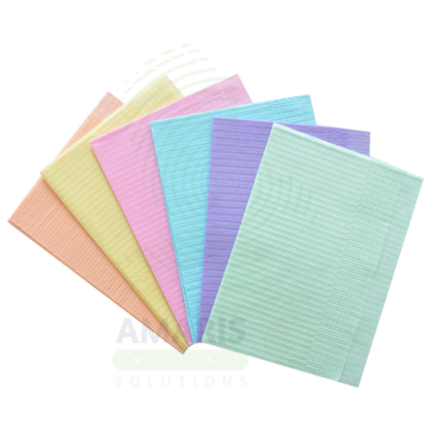
Dental Napkins are sterile or non-sterile, disposable absorbent pads (typically 2"x2") made of non-woven cellulose or gauze. They are a fundamental consumable in dentistry used primarily for intraoral isolation and moisture control. By absorbing saliva, water, and blood, they keep the operative field dry, enhance visibility, protect soft tissues, and significantly improve patient comfort during procedures. Their secure placement and strict single-use protocol are critical for safety and infection prevention.
Dental X-ray Machine
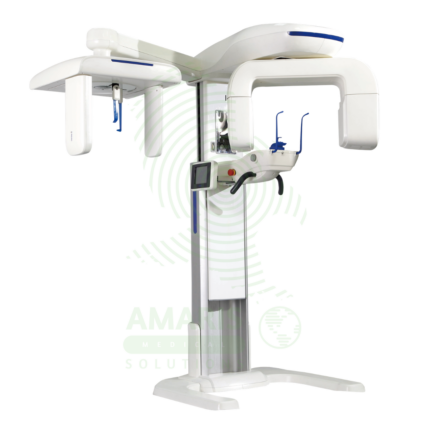
A Dental X-ray Machine is a specialized radiographic system designed for imaging teeth, jaws, and facial structures. It encompasses intraoral units for detailed tooth-specific views, panoramic machines for wide screening shots, and advanced Cone Beam CT (CBCT) scanners for 3D surgical planning. Utilizing low-dose radiation and digital imaging technology, it is indispensable for diagnosing cavities, gum disease, infections, and planning treatments like implants, orthodontics, and oral surgery. Its safe operation requires strict adherence to radiation protection protocols, including the use of lead aprons, proper collimation, and operator training to ensure patient and staff safety while obtaining critical diagnostic information.

Glass Ionomer Cement
Glass Ionomer Cement (GIC) is a versatile, water-based dental material known for its unique ability to chemically bond to tooth structure and release therapeutic fluoride. Used for permanent cementation of restorations, as a filling material in low-stress areas, a cavity liner/base, and a fissure sealant, it promotes tooth health and minimizes recurrent decay. Available as conventional hand-mixed formulas and resin-modified light-cured versions, its success depends critically on proper moisture control during placement. Its biocompatibility, adhesion, and cariostatic properties make it a fundamental material in preventive and restorative dentistry.
Gutta Percha Points
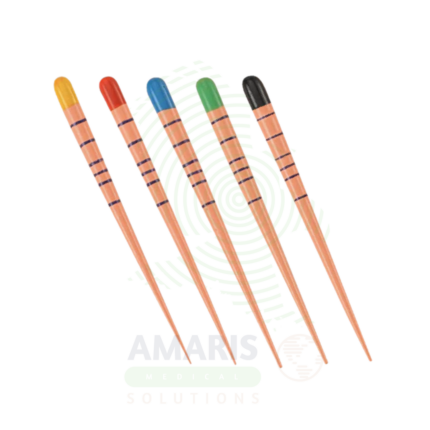
Gutta Percha Points are cone-shaped, thermoplastic filling materials used as the core component for permanently obturating (filling) root canals after endodontic therapy. Composed of gutta-percha polymer, zinc oxide, and radiopacifiers, they provide a biocompatible, stable, and adaptable fill when used with a sealer. Available in standardized sizes and tapers to match prepared canals, they are employed in cold lateral or warm vertical compaction techniques to achieve a three-dimensional seal that prevents bacterial re-infection. Their correct selection and placement are critical to the long-term success of root canal treatment.

Handpiece Spray
Handpiece Spray is a specialized aerosol lubricant essential for the daily maintenance and sterilization of dental handpieces. Its primary function is to lubricate internal turbines and bearings, reducing friction, preventing wear, and ensuring optimal performance and longevity. Applied directly into the handpiece's air inlet and distributed by running the handpiece without a bur, it must be used after every cleaning and before each autoclave cycle as per the manufacturer's strict instructions. Using the correct lubricant is critical to prevent damage and maintain warranty compliance. It is a fundamental, non-negotiable consumable in dental infection control and equipment care protocols.