Dermatoscope and Magnifiers
 Diagnostic Kits
 Vital Signs Monitors
 Stethoscopes and Accessories
 Otoscopes, Ophthalmoscopes, and Retinoscopes
 Reflex Hammers and Neurological Tools
 Scales and Measuring Devices
 Spirometers and Pulmonary Function Tests
 Electrosurgical Units and Accessories
 Cutting Instruments
 Grasping and Holding Instruments
 Hemostatic Instruments
 Specialized Surgical Sets
 Single-Use Procedure Trays and Packs
 Surgical Drapes, Gowns, and Covers
 Tissue Unifying Instruments
 Radiation Protection
 X-Ray Machines and Accessories
 Ultrasound Systems and Probes
 MRI and CT Scanners
 Radiology Consumables
 Bone Densitometers
 Fluoroscopy Equipment
 Imaging Tables and Positioning Aids
 Microscopes and Accessories
 Centrifuges and Separators
 Analyzers
 Incubators and Ovens
 Pipettes, Dispensers, and Lab Glassware
 Refrigerators, Freezers, and Storage Units
 Lab Consumables
 Sterilizers and Autoclaves for Lab Use
 Multi-Parameter Monitors
 Ventilators and Respiratory Support Devices
 Defibrillators and AEDs
 Infusion Pumps and IV Systems
 Patient Warmers and Cooling Devices
 Central Monitoring Stations
 Accessories
 Anesthesia Machines and Workstations
 Oxygen Concentrators and Delivery Systems
 Nebulizers and Inhalers
 CPAP/BiPAP Machines
 Airway Management
 Anesthesia Masks, Circuits, and Bags
 Humidifiers and Heaters
 Respiratory Therapy Accessories
 First Aid Kits and Cabinets
 Emergency Resuscitation Equipment
 Trauma Supplies
 Emergency Carts and Crash Carts
 Burn Care Products
 Bleeding Control
 Automated External Defibrillators (AEDs)
 Transport and Evacuation
 Wheelchairs and Accessories
 Walkers, Crutches, and Canes
 Prosthetics and Orthotics
 Physical Therapy Equipment
 Transfer Devices
 Bathroom Safety
 Orthopedic Traction and Tables
 Hot/Cold Therapy Packs and Units
 Beds and Mattresses
 Chairs and Stools
 Tables
 Cabinets and Storage
 Privacy Screens & Curtains
 Stands and Racks
 Linens and Textiles
 Lighting
 Autoclaves and Sterilizers
 Ultrasonic Cleaners
 Disinfectant Solutions and Wipes
 Sterilization Pouches, Wraps, and Indicators
 Instrument Trays and Containers
 UV and Ozone Disinfection Devices
 Washer Disinfectors
 Wound Care
 Gloves
 Masks and Respirators
 Catheters and Tubing
 Swabs, Applicators, and Sponges
 Incontinence Products
 Personal Protective Equipment (PPE)
 Dental Chairs and Units
 Handpieces and Burs
 Instruments
 Consumables
 Sterilization for Dental Use
 Orthodontic Supplies
 Endodontic Tools
 Slit Lamps and Tonometers
 Lensometers and Phoropters
 Ophthalmic Surgical Instruments
 Eyewear Frames and Lenses
 Contact Lens Supplies
 Vision Testing Charts and Devices
 Eye Care Consumables
 Laser Systems for Eye Care
 ENT Exam Chairs and Tables
 Endoscopes
 Audiometers and Hearing Tests
 ENT Instruments
 Nasal and Throat Packs
 Hearing Aids and Accessories
 Otology Supplies
 Fetal Dopplers and Monitors
 Delivery Beds and Tables
 Gynecological Instruments
 Neonatal Incubators and Warmers
 Breast Pumps and Accessories
 Contraceptive Devices
 Maternity Supports and Pads
 Neonatal Consumables
 Cystoscopes and Urethroscopes
 Dialysis Machines and Supplies
 Urological Catheters and Bags
 Lithotripters
 Prostate Treatment Devices
 Urinary Incontinence Products
 Kidney Stone Management Tools
 Consumables & Disposables
 EEG and EMG Machines
 Neurosurgical Instruments
 Nerve Stimulators
 Headrests and Positioning Aids
 Lumbar Puncture Kits
 Seizure Monitoring Devices
 Consumables
 Rehabilitation for Neurological Conditions
 ECG Machines and Accessories
 Holter Monitors
 Stress Test Systems
 Pacemakers and Defibrillator Accessories
 Vascular Access Devices
 Cardiac Catheters and Guidewires
 Blood Flow Meters
 Consumables
 Orthopedic Instruments
 Casts, Splints, and Padding
 Joint Replacement Supplies
 Prosthetic Limbs and Components
 Bone Grafts and Substitutes
 Traction Devices
 Orthopedic Braces and Supports
 Rehabilitation Aids for Orthopedics
 Home Oxygen Therapy
 Hospital Beds for Home Use
 Mobility Aids
 Bathroom and Daily Living Aids
 Wound Care for Home
 Monitoring Devices
 Enteral Feeding Pumps and Tubes
 Hand Sanitizers and Dispensers
 Face Shields and Goggles
 Isolation Gowns and Suits
 Biohazard Waste Containers
 Air Purifiers and HEPA Filters
 Surface Disinfectants
 Sharps Containers
 Protective Barriers
 Cardiovascular & Endurance Training
 Strength Training & Weightlifting
 Functional Training & Core Conditioning
 Physical Therapy & Rehabilitation
 Sports & Outdoor Recreation
 Gym Flooring & Facility Equipment
 Fitness Monitoring & Accessories
 Kids & Novelties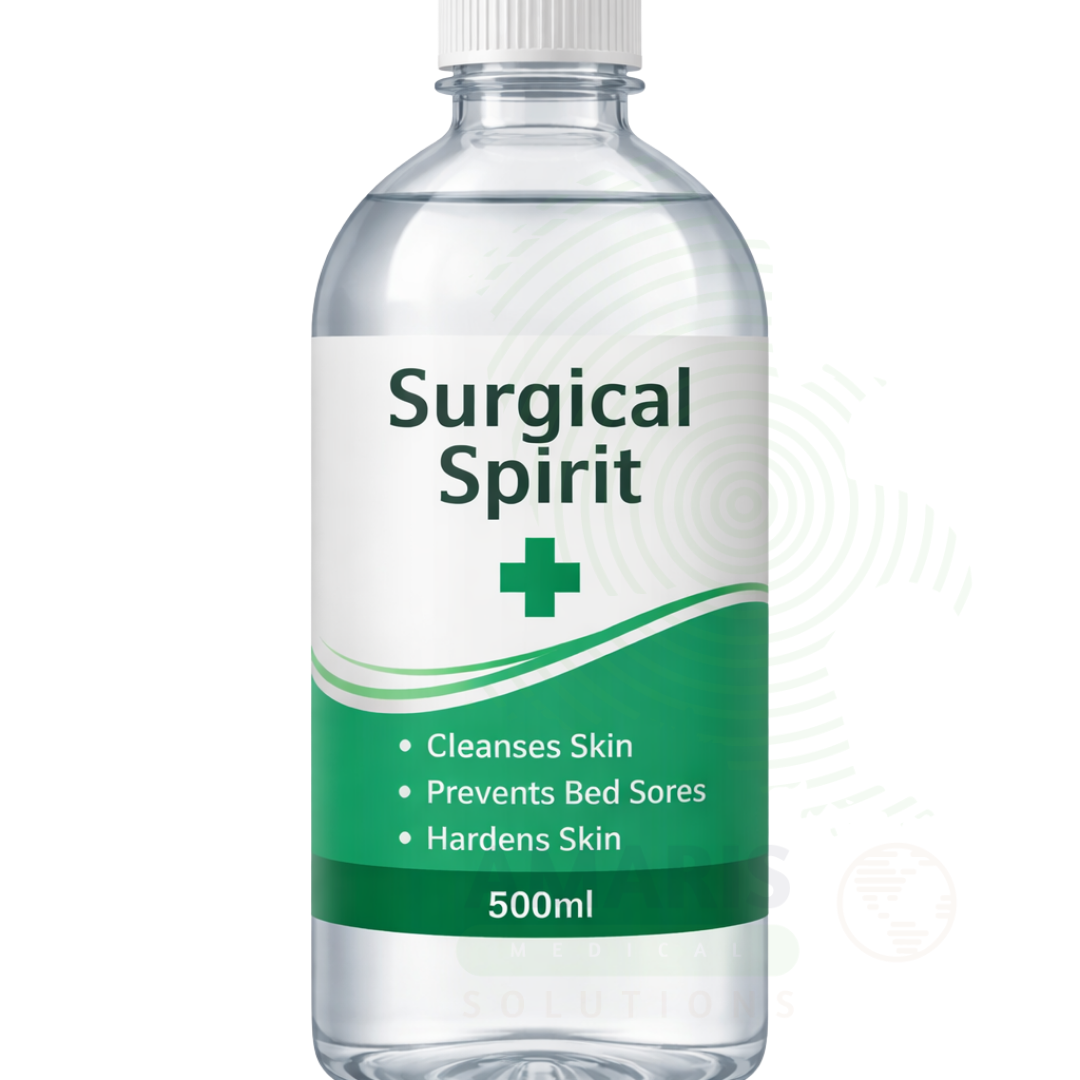
Surgical Spirit
$1.00
WhatsApp Order
Surgical Spirit is a rapid-acting antiseptic solution containing denatured alcohol (ethanol or isopropyl alcohol) used for skin disinfection before injections, blood sampling, and minor procedures. Its antimicrobial activity denatures bacterial proteins and disrupts cell membranes, providing effective reduction of skin flora within 30-60 seconds of application. Beyond disinfection, surgical spirit serves to degrease skin for secure adhesion of dressings, tapes, and ECG electrodes, and is applied to pressure-prone areas of immobile patients to harden skin and prevent pressure ulcers. Available in clear, colorless liquid form in various pack sizes, surgical spirit is highly flammable and for external use only. For the clinician, it provides a fast, cost-effective skin preparation solution across multiple clinical applications. For the patient, proper use of surgical spirit reduces infection risk from injections, prevents dressing detachment, and helps maintain skin integrity during periods of immobility.
Description
Surgical Spirit
PRIMARY CLINICAL & DIAGNOSTIC USES
1. Skin Disinfection Before Injections and Procedures
-
Primary Use: Provides a rapid-acting antiseptic solution containing denatured alcohol (typically ethanol or isopropyl alcohol) used to disinfect intact skin before venepuncture, injections, and minor surgical procedures.
-
How it helps: For the phlebotomist, nurse, and physician, surgical spirit offers a fast, effective method for reducing skin flora at injection sites—minimizing the risk of introducing bacteria into tissue during needle penetration. For the patient, proper skin disinfection before injections reduces the risk of injection site infections, abscess formation, and procedure-related complications.
2. Cleaning and Degreasing of Skin Before Adhesive Application
-
Primary Use: Removes natural skin oils, lotions, and residues from the skin surface, preparing the area for secure adhesion of dressings, tapes, ECG electrodes, and other adhesive devices.
-
How it helps: For the clinician applying ECG leads, securing intravenous lines, or placing surgical dressings, surgical spirit cleans and degreases the skin—ensuring that adhesives bond effectively and remain in place for the required duration. For the patient, proper skin preparation prevents premature detachment of dressings or electrodes, reducing the need for reapplication and maintaining continuous monitoring or wound coverage.
3. Hardening of Skin to Prevent Pressure Sores
-
Primary Use: Applied to pressure-prone areas to toughen and harden the skin, reducing the risk of pressure ulcer development in immobile patients.
-
How it helps: For the nurse caring for bedridden or wheelchair-bound patients, regular application of surgical spirit to heels, sacrum, elbows, and other pressure points helps condition the skin—increasing its resistance to friction and pressure damage. For the patient at risk of pressure injuries, this preventative measure helps maintain skin integrity and avoid painful, difficult-to-heal pressure ulcers.
4. Cooling and Soothing of Minor Injuries
-
Primary Use: Applied to minor cuts, abrasions, and insect bites to provide a cooling, soothing sensation while delivering antiseptic action.
-
How it helps: For the first aid provider and emergency clinician, surgical spirit offers immediate cooling relief for minor injuries while reducing bacterial load on the wound surface. For the patient, the evaporative cooling effect provides comfort while the antiseptic properties help prevent wound infection.
SECONDARY & SUPPORTIVE USES
1. Preparation of Skin for Blood Glucose Testing: Used to clean the fingertip before capillary blood sampling for glucose monitoring in diabetic patients.
2. Cleaning of Stethoscopes and Medical Equipment: Used to wipe down stethoscopes, blood pressure cuffs, and other non-critical medical equipment between patients.
3. Removal of Adhesive Residue from Skin: Used to dissolve and remove sticky residue left behind by tapes, dressings, and ECG electrodes.
4. Treatment of Minor Fungal Infections: Applied topically to treat minor fungal infections such as athlete’s foot (tinea pedis).
5. Prevention of Bedsores: Applied to pressure-prone areas of immobile patients to toughen skin and prevent pressure ulcer formation.
6. Cooling Relief for Sunburn: Applied sparingly to sunburned skin to provide cooling relief (caution: may cause drying).
7. Treatment of Prickly Heat (Miliaria): Applied to affected areas to provide cooling relief and reduce bacterial overgrowth in sweat ducts.
8. Cleaning of Eyeglasses and Lenses: Used to clean spectacle lenses, microscope eyepieces, and other optical surfaces.
9. Removal of Nail Polish: Used as a solvent for removing nail polish in clinical settings when standard remover is unavailable.
10. Deodorizing of Feet and Shoes: Applied to feet or inside shoes to reduce odor-causing bacteria and fungi.
11. Treatment of Minor Acne: Applied sparingly to individual pimples to dry them out and reduce bacterial load.
12. Preparation of Skin for Cupping Therapy: Used to clean and degrease skin before application of cupping therapy in complementary medicine settings.
13. Cleaning of Tattooed Skin: Used to clean freshly tattooed skin (follow artist instructions; may cause irritation).
KEY PRODUCT FEATURES
1. BASIC IDENTIFICATION ATTRIBUTES
-
Device Type: A rapid-acting antiseptic solution containing denatured alcohol (ethanol or isopropyl alcohol) used for skin disinfection, degreasing, and minor wound care.
-
Designation: Surgical Spirit, Rubbing Alcohol, Denatured Alcohol, Isopropyl Alcohol Solution, Ethanol Solution, Skin Antiseptic, Cleansing Spirit, Surgical Methylated Spirit.
-
Key Components:
o Active Ingredient: Denatured ethanol (typically 70-95%) or isopropyl alcohol (70-99%).
o Denaturant: Added substances to make the alcohol undrinkable (e.g., methyl alcohol, pyridine, bitterants).
o Water: Purified water to achieve desired concentration.
o Emollients: Some formulations include glycerin or other skin conditioners.
o Fragrance: Optional added fragrance in some commercial preparations.
2. TECHNICAL & PERFORMANCE PROPERTIES
-
Alcohol Type: Denatured ethanol (ethyl alcohol) or isopropyl alcohol (isopropanol).
-
Concentration: Typically 70-95% alcohol by volume; 70% is generally considered optimal for antimicrobial efficacy.
-
Mechanism of Action: Denatures bacterial proteins and disrupts cell membranes; rapid evaporation leaves no residue.
-
Antimicrobial Spectrum: Effective against gram-positive and gram-negative bacteria, mycobacteria, fungi, and enveloped viruses (including HIV, HBV, HCV, influenza).
-
Kill Time: Rapid activity within 30-60 seconds of application.
-
Appearance: Clear, colorless liquid.
-
Odor: Characteristic alcohol odor (sharp, medicinal).
-
Evaporation: Rapid evaporation leaves skin dry.
3. PHYSICAL & OPERATIONAL PROPERTIES
-
Physical State: Liquid at room temperature.
-
Solubility: Miscible with water.
-
Flammability: Highly flammable; keep away from open flames and sparks.
-
Packaging: Available in glass or plastic bottles with screw caps, dropper tops, or spray nozzles.
-
Pack Sizes: 100mL, 250mL, 500mL, 1L, 5L containers.
-
Application: Applied using cotton wool, gauze swab, or spray.
4. SAFETY & COMPLIANCE ATTRIBUTES
-
Regulatory Status: Generally not classified as a medical device; considered a topical antiseptic or first aid product.
-
Pharmaceutical Standards: Compliant with pharmacopoeial standards (BP, USP, EP) where applicable.
-
Denatured Alcohol Regulations: Manufactured in compliance with denatured alcohol regulations to prevent human consumption.
-
Storage: Store in a cool, well-ventilated area away from heat sources and direct sunlight.
-
Flammability Class: Highly flammable; Class IB or IC flammable liquid depending on concentration.
5. STORAGE & HANDLING ATTRIBUTES
-
Storage: Store in a cool, well-ventilated area at room temperature; keep away from heat sources, sparks, open flames, and direct sunlight.
-
Container Integrity: Ensure container is tightly closed when not in use to prevent evaporation and contamination.
-
Shelf Life: Typically 2-3 years from date of manufacture when stored properly.
-
Inspection: Do not use it if the solution appears cloudy, contaminated, or if the container is damaged.
-
Dispensing: Dispense into small working containers as needed; do not return unused solution to original container.
6. LABORATORY & CLINICAL APPLICATIONS
-
Primary Application: Skin disinfection before injections, blood sampling, and minor procedures; skin degreasing before adhesive application; pressure sore prevention; minor wound care.
-
Clinical Role: Essential first aid and clinical product in hospitals, clinics, general practice, phlebotomy, nursing homes, diabetic care, and home healthcare settings.
SAFETY HANDLING PRECAUTIONS
1. SAFETY PRECAUTIONS
-
External Use Only: Surgical spirit is for external use only; do not ingest. Denatured alcohol is toxic if swallowed.
-
Flammability: Highly flammable; keep away from open flames, sparks, cigarettes, electrical equipment that may spark, and heat sources.
-
Avoid Eyes and Mucous Membranes: Do not apply to eyes, inside nose, mouth, or other mucous membranes; causes severe stinging and irritation.
-
Broken Skin: Do not apply to deep wounds, open wounds, or severe burns; causes intense pain and may delay healing.
-
Skin Irritation: May cause dryness, cracking, or irritation with repeated use; discontinue if severe irritation occurs.
-
Ventilation: Use in well-ventilated areas to avoid inhalation of vapors.
-
Children: Keep out of reach of children; alcohol poisoning risk if ingested.
-
Pregnancy and Breastfeeding: Generally considered safe for topical use; avoid large area application.
-
Drug Interactions: May interact with certain medications applied to the skin; consult with a clinician.
2. FIRST AID MEASURES
-
Skin Contact: If irritation occurs, wash with soap and water; apply moisturizer if dryness develops.
-
Eye Contact: Rinse immediately with plenty of water for at least 15 minutes; seek medical attention.
-
Ingestion: Do not induce vomiting; seek immediate medical attention. Denatured alcohol is toxic.
-
Inhalation: Move to fresh air; if breathing difficulty persists, seek medical attention.
3. FIRE FIGHTING MEASURES
-
Flammability: Highly flammable; flash point approximately 15-25°C (59-77°F) depending on concentration.
-
Extinguishing Media: Use alcohol-resistant foam, carbon dioxide (CO₂), dry chemical powder, or water spray for surrounding fires.
-
Firefighting Instructions: Do not use water jet on burning alcohol; may spread fire. Wear full protective clothing and self-contained breathing apparatus.
-
Hazardous Combustion Products: Carbon monoxide, carbon dioxide, and other toxic fumes.
Related products
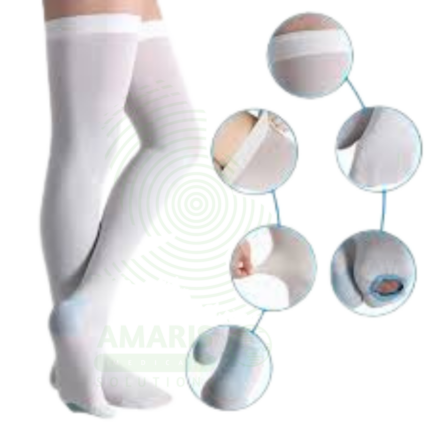
Anti-Embolic Compression Stockings
Anti-Embolic Compression Stockings are medical-grade elastic stockings designed to prevent Deep Vein Thrombosis (DVT) in non-ambulatory, surgical, or medically ill patients. By delivering graduated external pressure—tightest at the ankle and decreasing up the leg—they enhance venous blood flow and reduce stasis, a key factor in clot formation. They are a cornerstone of mechanical thromboprophylaxis in hospitals. Correct sizing based on precise leg measurements is critical for both efficacy and safety, as improper fit can lead to complications or failure of prophylaxis. Daily skin assessment and adherence to wearing guidelines are essential components of safe use.
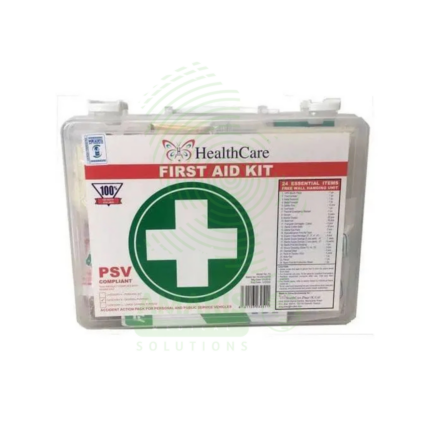
First Aid Kit
A First Aid Kit is an organized collection of medical supplies and equipment for providing initial care in emergency situations, available in various sizes and configurations for home, workplace, vehicle, travel, and specialized applications. Kits range from personal pouches (0.5-2 L) to comprehensive workplace cabinets (5-35 L) with soft-sided bags, hard cases, or wall-mounted containers. Contents are typically organized to meet regional standards (ANSI/ISEA Z308.1, CSA Z1220, BS 8599, DIN 13157/13169) and include wound care supplies (bandages, gauze, tape), antiseptics, burn care, eye care, emergency items (CPR mask, cold packs, foil blanket), instruments (scissors, tweezers), and PPE (gloves). Class A kits provide minimum supplies for low-hazard workplaces; Class B kits offer expanded quantities for high-hazard environments. Primary clinical applications include immediate treatment of minor injuries (cuts, abrasions, burns, sprains), bleeding control, wound care, fracture immobilization, and emergency assessment. Essential safety equipment for every home, workplace, vehicle, and public facility, providing critical medical supplies until professional care arrives.
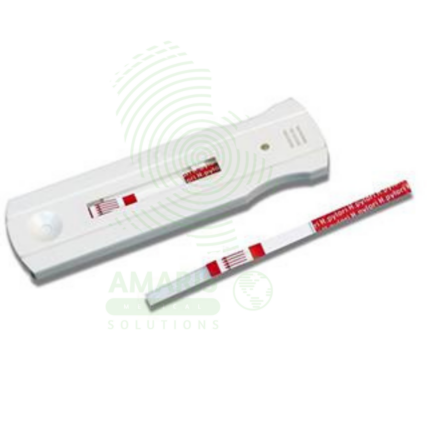
H. pylori Test Strips
H. pylori Test Strips are rapid, lateral flow immunochromatographic devices used for the qualitative detection of Helicobacter pylori antigens in human stool. As a non-invasive stool antigen test (SAT), it provides a convenient and reliable method for diagnosing active H. pylori infection and confirming eradication after therapy, with results available in under 15 minutes. Ideal for use in clinics and outpatient settings, it aids in the management of dyspepsia and peptic ulcer disease. Proper sample handling, adherence to pre-test medication restrictions, and strict biohazard precautions are essential for obtaining accurate results.
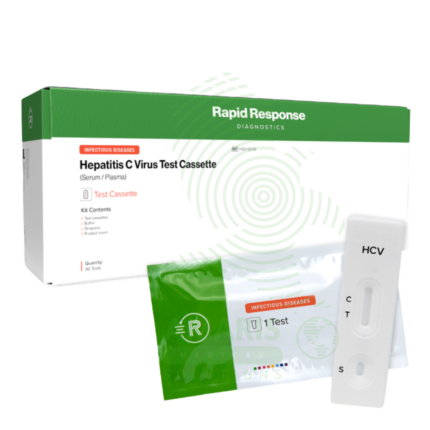
Hepatitis C Test Kit
The Hepatitis C Test Kit is an in vitro diagnostic device for the detection of Hepatitis C virus antibodies or RNA in human blood, serum, or plasma samples. Available in rapid, laboratory immunoassay, and molecular formats, it screens for HCV infection, confirms active infection with RNA testing, and monitors treatment response. With high sensitivity and specificity exceeding 99%, it is essential for identifying infected individuals, linking them to curative direct-acting antiviral therapy, and confirming cure. Essential applications include risk-based screening of high-risk populations, birth cohort screening of baby boomers, evaluation of acute hepatitis, management of occupational exposures, and monitoring of antiviral therapy that can cure over 95% of infections. All patient samples must be handled with universal precautions, and positive antibody results require confirmatory testing.
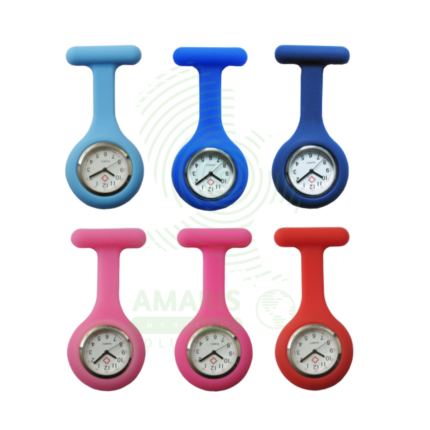
Nurse Watch
A Nurse Watch is a professional-grade analog wristwatch specifically designed for clinical use. Its hallmark is a built-in "pulsometer" scale that allows for rapid, on-the-spot calculation of a patient's heart rate by timing pulses over a short interval. Featuring a high-contrast dial with a clear sweep second hand, durable water-resistant construction, and a cleanable band, it is engineered for accuracy, legibility, and infection control in healthcare settings. It is an indispensable personal tool for nurses, enabling precise measurement of vital signs, timing of medications and procedures, and accurate clinical documentation throughout the shift.
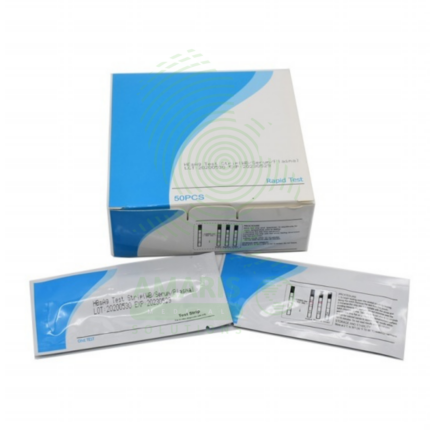
Rapid Test Kits (HIV, HBV, HCV, Malaria)
Rapid Test Kits for HIV, HBV, HCV, and Malaria are single-use, immunochromatographic devices designed for the quick, preliminary screening of these critical infectious diseases at the point of care. By detecting specific antibodies or antigens in a small blood sample (or oral fluid for some HIV tests), they provide a visual result within 15-30 minutes without the need for laboratory equipment. Their primary role is to expand access to testing in community and resource-limited settings, enabling immediate counseling, triage, and referral for confirmatory testing and treatment. As essential tools in public health, they are characterized by their simplicity, speed, and critical importance in early diagnosis and outbreak response.
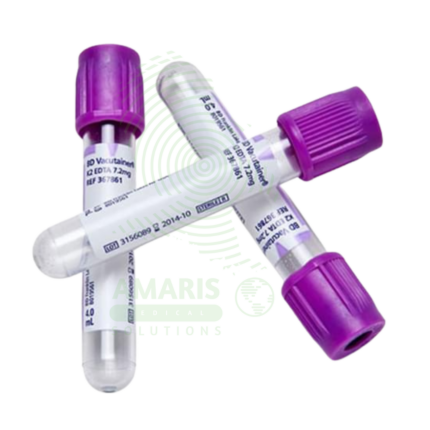
Vacutainer (EDTA/PLAIN)
Vacutainer (EDTA/PLAIN) is a sterile, evacuated blood collection tube (lavender/purple top) containing EDTA anticoagulant (K2EDTA or K3EDTA, 1.5-2.0 mg/mL blood) for hematology, blood banking, flow cytometry, and molecular diagnostics. Available in draw volumes 2-10 mL, glass or PET plastic, with color-coded stopper and sterile interior. EDTA chelates calcium, preventing coagulation while preserving cellular morphology. Primary clinical applications include complete blood count (CBC) and differential, blood typing and antibody screening (ABO/Rh, Coombs), hemoglobin A1c (HbA1c) testing, flow cytometry and immunophenotyping (CD4 counts), molecular diagnostics and PCR testing, sickle cell screening and hemoglobin electrophoresis, and parasitology (malaria smears). Critical safety precautions include filling to completion (correct blood-to-additive ratio), gentle inversion 8-10 times immediately after collection, never using for chemistry or coagulation testing, and proper disposal as biohazardous waste. Essential collection tube for hematology and immunohematology.