Dermatoscope and Magnifiers
 Diagnostic Kits
 Vital Signs Monitors
 Stethoscopes and Accessories
 Otoscopes, Ophthalmoscopes, and Retinoscopes
 Reflex Hammers and Neurological Tools
 Scales and Measuring Devices
 Spirometers and Pulmonary Function Tests
 Electrosurgical Units and Accessories
 Cutting Instruments
 Grasping and Holding Instruments
 Hemostatic Instruments
 Specialized Surgical Sets
 Single-Use Procedure Trays and Packs
 Surgical Drapes, Gowns, and Covers
 Tissue Unifying Instruments
 Radiation Protection
 X-Ray Machines and Accessories
 Ultrasound Systems and Probes
 MRI and CT Scanners
 Radiology Consumables
 Bone Densitometers
 Fluoroscopy Equipment
 Imaging Tables and Positioning Aids
 Microscopes and Accessories
 Centrifuges and Separators
 Analyzers
 Incubators and Ovens
 Pipettes, Dispensers, and Lab Glassware
 Refrigerators, Freezers, and Storage Units
 Lab Consumables
 Sterilizers and Autoclaves for Lab Use
 Multi-Parameter Monitors
 Ventilators and Respiratory Support Devices
 Defibrillators and AEDs
 Infusion Pumps and IV Systems
 Patient Warmers and Cooling Devices
 Central Monitoring Stations
 Accessories
 Anesthesia Machines and Workstations
 Oxygen Concentrators and Delivery Systems
 Nebulizers and Inhalers
 CPAP/BiPAP Machines
 Airway Management
 Anesthesia Masks, Circuits, and Bags
 Humidifiers and Heaters
 Respiratory Therapy Accessories
 First Aid Kits and Cabinets
 Emergency Resuscitation Equipment
 Trauma Supplies
 Emergency Carts and Crash Carts
 Burn Care Products
 Bleeding Control
 Automated External Defibrillators (AEDs)
 Transport and Evacuation
 Wheelchairs and Accessories
 Walkers, Crutches, and Canes
 Prosthetics and Orthotics
 Physical Therapy Equipment
 Transfer Devices
 Bathroom Safety
 Orthopedic Traction and Tables
 Hot/Cold Therapy Packs and Units
 Beds and Mattresses
 Chairs and Stools
 Tables
 Cabinets and Storage
 Privacy Screens & Curtains
 Stands and Racks
 Linens and Textiles
 Lighting
 Autoclaves and Sterilizers
 Ultrasonic Cleaners
 Disinfectant Solutions and Wipes
 Sterilization Pouches, Wraps, and Indicators
 Instrument Trays and Containers
 UV and Ozone Disinfection Devices
 Washer Disinfectors
 Wound Care
 Gloves
 Masks and Respirators
 Catheters and Tubing
 Swabs, Applicators, and Sponges
 Incontinence Products
 Personal Protective Equipment (PPE)
 Dental Chairs and Units
 Handpieces and Burs
 Instruments
 Consumables
 Sterilization for Dental Use
 Orthodontic Supplies
 Endodontic Tools
 Slit Lamps and Tonometers
 Lensometers and Phoropters
 Ophthalmic Surgical Instruments
 Eyewear Frames and Lenses
 Contact Lens Supplies
 Vision Testing Charts and Devices
 Eye Care Consumables
 Laser Systems for Eye Care
 ENT Exam Chairs and Tables
 Endoscopes
 Audiometers and Hearing Tests
 ENT Instruments
 Nasal and Throat Packs
 Hearing Aids and Accessories
 Otology Supplies
 Fetal Dopplers and Monitors
 Delivery Beds and Tables
 Gynecological Instruments
 Neonatal Incubators and Warmers
 Breast Pumps and Accessories
 Contraceptive Devices
 Maternity Supports and Pads
 Neonatal Consumables
 Cystoscopes and Urethroscopes
 Dialysis Machines and Supplies
 Urological Catheters and Bags
 Lithotripters
 Prostate Treatment Devices
 Urinary Incontinence Products
 Kidney Stone Management Tools
 Consumables & Disposables
 EEG and EMG Machines
 Neurosurgical Instruments
 Nerve Stimulators
 Headrests and Positioning Aids
 Lumbar Puncture Kits
 Seizure Monitoring Devices
 Consumables
 Rehabilitation for Neurological Conditions
 ECG Machines and Accessories
 Holter Monitors
 Stress Test Systems
 Pacemakers and Defibrillator Accessories
 Vascular Access Devices
 Cardiac Catheters and Guidewires
 Blood Flow Meters
 Consumables
 Orthopedic Instruments
 Casts, Splints, and Padding
 Joint Replacement Supplies
 Prosthetic Limbs and Components
 Bone Grafts and Substitutes
 Traction Devices
 Orthopedic Braces and Supports
 Rehabilitation Aids for Orthopedics
 Home Oxygen Therapy
 Hospital Beds for Home Use
 Mobility Aids
 Bathroom and Daily Living Aids
 Wound Care for Home
 Monitoring Devices
 Enteral Feeding Pumps and Tubes
 Hand Sanitizers and Dispensers
 Face Shields and Goggles
 Isolation Gowns and Suits
 Biohazard Waste Containers
 Air Purifiers and HEPA Filters
 Surface Disinfectants
 Sharps Containers
 Protective Barriers
 Cardiovascular & Endurance Training
 Strength Training & Weightlifting
 Functional Training & Core Conditioning
 Physical Therapy & Rehabilitation
 Sports & Outdoor Recreation
 Gym Flooring & Facility Equipment
 Fitness Monitoring & Accessories
 Kids & Novelties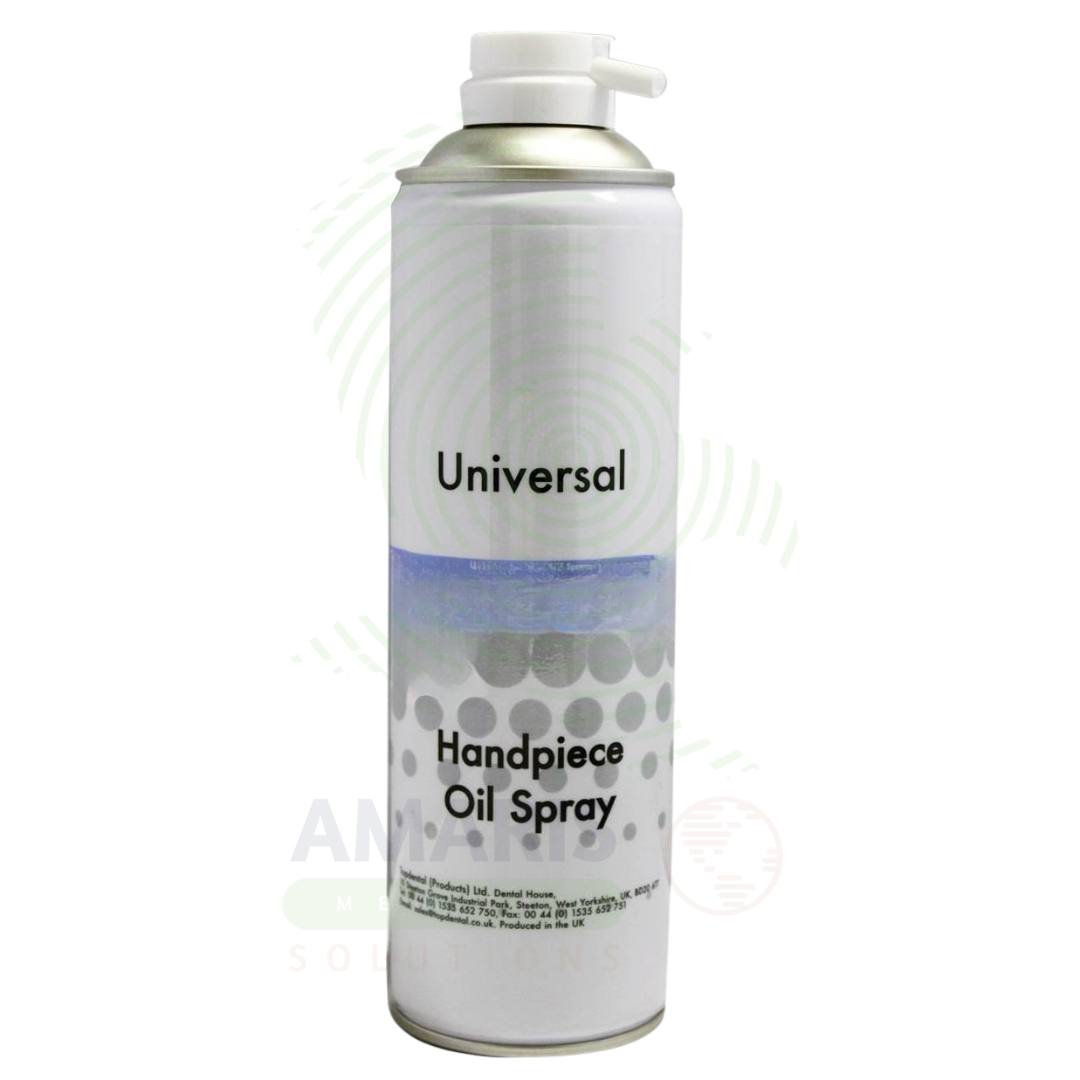

Handpiece Spray
$1.00
WhatsApp Order
Handpiece Spray is a specialized aerosol lubricant essential for the daily maintenance and sterilization of dental handpieces. Its primary function is to lubricate internal turbines and bearings, reducing friction, preventing wear, and ensuring optimal performance and longevity. Applied directly into the handpiece’s air inlet and distributed by running the handpiece without a bur, it must be used after every cleaning and before each autoclave cycle as per the manufacturer’s strict instructions. Using the correct lubricant is critical to prevent damage and maintain warranty compliance. It is a fundamental, non-negotiable consumable in dental infection control and equipment care protocols.
Description
Handpiece Spray
PRIMARY CLINICAL & DIAGNOSTIC USES
1. Lubrication of Dental Handpieces
-
Primary Use: Lubricates the internal turbine and bearing mechanisms of high-speed, low-speed, and surgical dental handpieces, reducing friction, preventing wear and tear, removing debris, and ensuring optimal performance, torque, and longevity.
-
How it helps: For the dental practitioner and clinical staff, handpiece spray provides the essential lubrication that keeps expensive handpieces operating at peak performance—reducing downtime, preventing costly repairs, and extending the life of these critical instruments. For the patient, a well-maintained handpiece means smoother, quieter, and more precise procedures with reduced vibration and noise.
2. Maintenance and Preventive Care
-
Primary Use: Essential part of daily or between-patient maintenance protocol to prevent handpiece failure, overheating, and costly repairs, applied after each cleaning and sterilization cycle to protect internal components from corrosion and damage caused by autoclave heat and moisture.
-
How it helps: For the dental practice, consistent lubrication is a critical investment in equipment longevity—preventing premature handpiece failure and reducing repair costs. For the clinical team, this means reliable instruments that perform consistently throughout the day without unexpected breakdowns.
3. Cleaning Internal Air and Water Channels
-
Primary Use: The propellant action of the spray helps to flush out residual moisture, saliva, blood, and fine debris from the internal channels of the handpiece that are not accessible by surface wiping, helping to prevent clogging and biofilm formation.
-
How it helps: For the dental assistant and sterilization technician, handpiece spray provides a means of cleaning internal components that cannot be reached by manual cleaning—reducing the risk of cross-contamination and instrument failure. For the patient, this contributes to a cleaner, safer clinical environment.
4. Pre-Sterilization Preparation
-
Primary Use: Applied before autoclaving to ensure lubricant is distributed throughout the internal mechanism, protecting it during the high-temperature sterilization process.
-
How it helps: For the sterilization team, pre-sterilization lubrication ensures that internal components are protected from the corrosive effects of steam and high heat—extending instrument life. For the practice, this reduces the frequency of handpiece replacement and repair.
5. Ensuring Consistent Performance
-
Primary Use: Proper lubrication maintains consistent cutting speed, power, and reduces vibration and noise, which is crucial for precision and patient comfort during procedures.
-
How it helps: For the dentist, a well-lubricated handpiece provides the consistent power and smooth operation needed for precise tooth preparation and efficient cutting. For the patient, reduced vibration and noise means a more comfortable experience with less anxiety during procedures.
6. Protection Against Corrosion
-
Primary Use: Creates a protective film on metal components that shields them from moisture, autoclave steam, and chemical sterilants that can cause oxidation and corrosion.
-
How it helps: For the practice, corrosion protection extends the usable life of handpieces and reduces the frequency of replacement. For the clinical team, this means reliable instruments that maintain their appearance and function over time.
7. Removal of Debris from Internal Components
-
Primary Use: The pressurized spray action dislodges and flushes out microscopic debris, metal particles, and residual materials that accumulate in the handpiece mechanism during use.
-
How it helps: For the sterilization technician, debris removal ensures that instruments are clean before sterilization—reducing the risk of retained material that could harbor microorganisms. For the patient, this contributes to a higher standard of infection control.
8. Lubricant Formulation for High-Speed Turbines
-
Primary Use: Specially formulated with the correct viscosity to penetrate the tight tolerances of high-speed turbine bearings without causing binding or excessive resistance.
-
How it helps: For the clinician, the right lubricant ensures that high-speed handpieces achieve optimal rotational speeds without overheating. For the patient, this means efficient, precise cutting with minimal trauma to tooth structure.
9. Compatibility with Sterilization Processes
-
Primary Use: Formulated to withstand the high temperatures of autoclave sterilization without breaking down, polymerizing, or leaving harmful residues.
-
How it helps: For the practice, compatible lubricants ensure that handpieces remain protected throughout the entire sterilization cycle. For the clinical team, this simplifies the maintenance protocol and reduces the risk of sterilization-related damage.
10. Ease of Application
-
Primary Use: Aerosol spray delivery allows for quick, targeted application to the handpiece drive air inlet without disassembling the instrument.
-
How it helps: For the dental assistant, the spray format simplifies the lubrication process—saving time and ensuring consistent application. For the practice, this supports efficient instrument turnover between patients.
SECONDARY & SUPPORTIVE USES
1. Lubrication of Other Air-Driven Instruments: Can be used on other air-powered dental devices such as prophy angles and air/water syringe tips to maintain their O-rings and moving parts. For the practice, this extends the life of all air-driven equipment; for the clinical team, this ensures consistent performance across all instruments.
2. Preventing Rust and Corrosion: Creates a protective film on metal components that shields them from moisture and corrosive agents. For the practice, this protects the investment in high-quality instruments; for the clinical team, this means instruments that remain in good condition over time.
3. Troubleshooting: A drop in performance or unusual noise can often be resolved with a proper lubrication cycle. For the dentist, this provides a simple first step in diagnosing handpiece issues; for the practice, this can prevent unnecessary repairs or downtime.
4. Flushing Before Sterilization: Used to flush residual cleaning agents and moisture from the handpiece before packaging for sterilization. For the sterilization team, this ensures that no residues remain that could interfere with the sterilization process; for the patient, this contributes to instrument sterility.
5. Seasonal Maintenance: Regular lubrication is particularly important in climates with high humidity or temperature fluctuations that can affect instrument performance. For the practice, this prevents seasonal variations in handpiece function; for the clinical team, this ensures consistent performance year-round.
6. Pre-Use Verification: A quick spray and run-in before use verifies that the handpiece is properly lubricated and functioning correctly. For the clinician, this confirms instrument readiness before patient contact; for the patient, this reduces the risk of instrument failure during procedures.
KEY PRODUCT FEATURES
1. BASIC IDENTIFICATION ATTRIBUTES
-
Type: An aerosol spray containing a specialized lubricant and a propellant.
-
Designation: Handpiece Lubricant, Turbine Oil, or Maintenance Spray.
-
Common Variants:
-
Synthetic Oil-Based Sprays: The most common. Contains fine, high-grade synthetic oils (like ester-based oils) that can withstand autoclave temperatures without gumming up.
-
Water-Soluble Lubricants: Easier to clean but may not withstand repeated sterilization cycles as effectively.
-
With Cleaning Agents: Some formulations include cleaning agents to help dissolve and flush out debris simultaneously.
-
Canister Size: Ranges from small personal cans to large clinic-sized containers.
-
2. TECHNICAL & PERFORMANCE PROPERTIES
-
Lubricant Properties: Must have low surface tension to penetrate tiny bearing spaces, high thermal stability to not break down in the autoclave (up to 140°C/285°F), and be non-gumming to prevent residue buildup.
-
Propellant: Uses a medical-grade, inert gas propellant to deliver a fine, targeted mist.
-
Compatibility: Formulated to be compatible with all common handpiece materials (metals, plastics, ceramics, seals) and not damage O-rings or gaskets.
-
Residue: Should leave minimal, non-sticky residue that does not attract dust or interfere with sterilization.
3. PHYSICAL & OPERATIONAL PROPERTIES
-
Application: Requires a handpiece maintenance unit (lubricator) or is sprayed directly into the handpiece's air inlet port using a provided straw attachment. The handpiece is then run for a few seconds (without a bur) to distribute the lubricant internally.
-
Frequency: Typically applied daily and after every sterilization cycle, as per the handpiece manufacturer's specific instructions. This is non-negotiable for warranty compliance.
-
Drying Time: After lubrication and before sterilization, some protocols recommend a brief "run-dry" cycle to clear excess lubricant.
4. SAFETY & COMPLIANCE ATTRIBUTES
-
Regulatory Status: Class I medical device (medical lubricant).
-
Biocompatibility: While not for patient contact, it must be safe in case of trace exposure, as it contacts instruments that enter the mouth.
-
Flammability: The propellant and oil are often flammable. Do not use near open flame or while smoking.
5. STORAGE & HANDLING ATTRIBUTES
-
Storage: Store in a cool, dry place away from heat sources and direct sunlight. Do not puncture or incinerate the can.
-
Shelf Life: Has an expiration date.
-
Disposal: Empty cans can be disposed of as general waste; follow local regulations for pressurized containers.
6. LABORATORY & CLINICAL APPLICATIONS
-
Primary Application: A mandatory maintenance consumable used in the sterilization area or dental assistant's station of every dental practice that uses air-driven handpieces.
-
Responsibility: Typically applied by dental assistants or sterilization technicians.
SAFETY HANDLING PRECAUTIONS
1. SAFETY PRECAUTIONS
-
Follow Manufacturer Instructions (CRITICAL): Use only the lubricant and protocol specified by the handpiece manufacturer. Using the wrong lubricant can void the warranty and cause immediate damage.
-
Avoid Over-Lubrication: Excessive lubricant can clog the air turbine, attract debris, and contaminate the patient's mouth during subsequent use. Use the recommended number of sprays (often 1-2 seconds).
-
Use in a Well-Ventilated Area: Avoid inhaling the fine aerosol mist.
-
Keep Away from Patient: Lubricate handpieces away from the operatory and patient care area.
-
Handpiece Connection: Ensure the handpiece is securely connected to the lubricator or clean air source before running it to prevent "windmilling" without load, which can damage bearings.
-
Eye Contact: Avoid contact with eyes.
2. FIRST AID MEASURES
-
Eye Contact: Rinse immediately with plenty of water for several minutes. Seek medical attention if irritation persists.
-
Inhalation: Move to fresh air.
-
Ingestion: Unlikely. Rinse mouth. Do not induce vomiting. Seek medical advice.
3. FIRE FIGHTING MEASURES
-
High Flammability: Contains flammable propellants and oils.
-
Extinguishing Media: Use CO₂, dry chemical, or foam. Do not use water jet.
Related products
Automatic Washer Disinfector
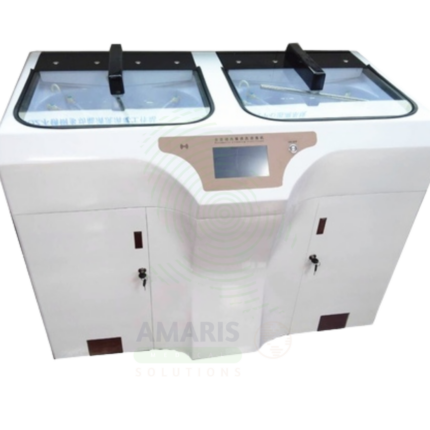
An Automatic Washer Disinfector is an automated machine that cleans and thermally disinfects reusable surgical instruments, including forceps, scissors, retractors, and hollow-bore devices. Using a combination of water, detergents, and high-temperature rinse cycles, it removes organic debris and reduces microbial load before sterilization. Essential for sterile processing departments, it standardizes instrument cleaning, provides documentation for quality assurance, and ensures that instruments are properly prepared for subsequent sterilization.

Biohazard Paper
Biohazard Paper encompasses a range of specialty paper and non-woven medical-grade materials used for sterilization processing, biohazard containment, and infection control applications. Sterilization wrap (CSR wrap) and peel pouches serve as FDA-cleared Class II sterile barrier systems for terminal sterilization of surgical instruments and medical devices, requiring strict single-use protocols and validated performance per ISO 11607. Absorbent bench liners provide disposable, fluid-resistant work surface protection in laboratories and procedure areas. Biohazard specimen bags enable safe transport of non-liquid clinical specimens. Distinct from red biohazard waste bags (plastic film), true "biohazard paper" products are characterized by controlled porosity, microbial filtration efficiency (≥99.97%), sterilant permeability, and low-linting construction. Critical safety imperatives include absolute prohibition of sterilization wrap reuse, visual integrity inspection before use, and appropriate disposal of contaminated materials as regulated medical waste.
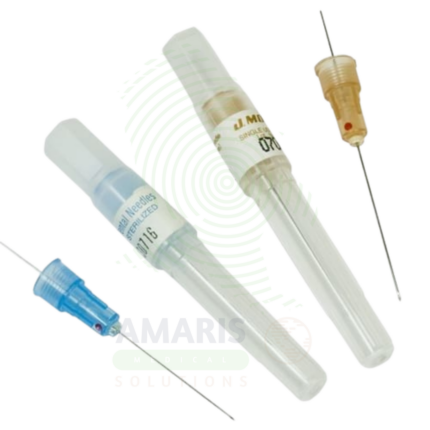
Dental Needles
Dental Needles are sterile, single-use hypodermic needles specifically designed for the administration of local anesthesia in dentistry. Characterized by their gauge (diameter) and length, they are selected to target specific nerves (e.g., long 27G for mandibular blocks, short 30G for infiltrations). Their primary functions are to penetrate oral tissue precisely, allow for aspiration to ensure safe extravascular placement, and deliver anesthetic solution. As sharps, their safe handling and immediate disposal in a designated container are paramount to prevent needlestick injuries and cross-contamination, making them a critical safety-focused consumable in dental practice.
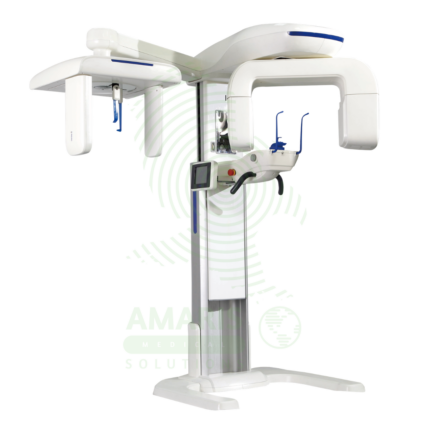
Dental X-ray Machine
A Dental X-ray Machine is a specialized radiographic system designed for imaging teeth, jaws, and facial structures. It encompasses intraoral units for detailed tooth-specific views, panoramic machines for wide screening shots, and advanced Cone Beam CT (CBCT) scanners for 3D surgical planning. Utilizing low-dose radiation and digital imaging technology, it is indispensable for diagnosing cavities, gum disease, infections, and planning treatments like implants, orthodontics, and oral surgery. Its safe operation requires strict adherence to radiation protection protocols, including the use of lead aprons, proper collimation, and operator training to ensure patient and staff safety while obtaining critical diagnostic information.
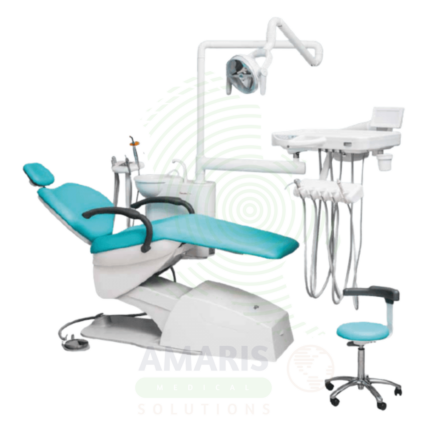
High-End Dental Chair
A High-End Dental Chair is an advanced, ergonomically engineered patient positioning system that forms the core of a modern dental operatory. It combines superior patient comfort features—such as heated surfaces, memory foam, and programmable positions—with critical ergonomic design for the dental team, including narrow backrests and multi-axis articulation. Integrated control systems manage the chair, lighting, and often other operational functions seamlessly. Built for durability and infection control with seamless upholstery, it supports a wide range of procedures while enhancing workflow efficiency, clinical outcomes, and overall patient experience in demanding dental practices.
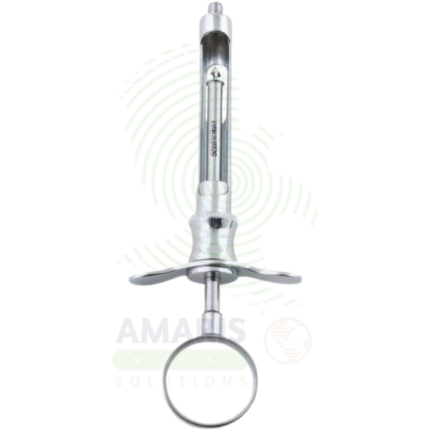
Local Anesthetic Cartridges
Local Anesthetic Cartridges are single-use, sterile glass cylinders containing a pre-measured dose of local anesthetic solution, primarily used in dentistry to induce painless numbness for procedures. Combining an anesthetic agent (e.g., Lidocaine, Articaine) with a vasoconstrictor (typically epinephrine) to prolong effect and enhance safety, they are loaded into a dental syringe for precise administration. Their safe use is paramount, requiring careful patient medical screening, mandatory aspiration before injection to avoid intravascular placement, and adherence to maximum dosage limits based on patient weight. They are the cornerstone of pain control in modern dental practice.
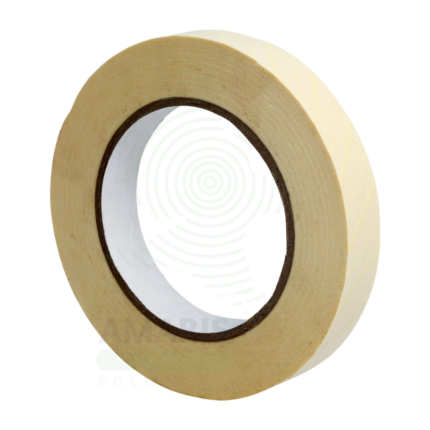
Steam indicator tape
Steam Indicator Tape is a pressure-sensitive adhesive tape with heat-sensitive chemical indicator stripes that change color when exposed to steam sterilization conditions, providing immediate visual confirmation that wrapped instrument packs, textile packs, and sterilization pouches have been processed. Manufactured with crepe paper backing for conformability around corners and irregular surfaces, this Type 1 (process indicator) tape per ISO 11140-1 securely seals sterilization wraps while the indicator stripes transition from white/light blue to dark brown/black after successful steam exposure. Available in various widths from 12mm to 50mm, steam indicator tape is an essential quality assurance tool in central sterile processing, operating rooms, and dental clinics. For the sterile processing technician, it provides a simple, cost-effective method for distinguishing processed from unprocessed packs. For the patient, the visible indicator ensures that only properly sterilized instrument trays reach the surgical field, reducing the risk of surgical site infections and procedure-related complications.