Dermatoscope and Magnifiers
 Diagnostic Kits
 Vital Signs Monitors
 Stethoscopes and Accessories
 Otoscopes, Ophthalmoscopes, and Retinoscopes
 Reflex Hammers and Neurological Tools
 Scales and Measuring Devices
 Spirometers and Pulmonary Function Tests
 Electrosurgical Units and Accessories
 Cutting Instruments
 Grasping and Holding Instruments
 Hemostatic Instruments
 Specialized Surgical Sets
 Single-Use Procedure Trays and Packs
 Surgical Drapes, Gowns, and Covers
 Tissue Unifying Instruments
 Radiation Protection
 X-Ray Machines and Accessories
 Ultrasound Systems and Probes
 MRI and CT Scanners
 Radiology Consumables
 Bone Densitometers
 Fluoroscopy Equipment
 Imaging Tables and Positioning Aids
 Microscopes and Accessories
 Centrifuges and Separators
 Analyzers
 Incubators and Ovens
 Pipettes, Dispensers, and Lab Glassware
 Refrigerators, Freezers, and Storage Units
 Lab Consumables
 Sterilizers and Autoclaves for Lab Use
 Multi-Parameter Monitors
 Ventilators and Respiratory Support Devices
 Defibrillators and AEDs
 Infusion Pumps and IV Systems
 Patient Warmers and Cooling Devices
 Central Monitoring Stations
 Accessories
 Anesthesia Machines and Workstations
 Oxygen Concentrators and Delivery Systems
 Nebulizers and Inhalers
 CPAP/BiPAP Machines
 Airway Management
 Anesthesia Masks, Circuits, and Bags
 Humidifiers and Heaters
 Respiratory Therapy Accessories
 First Aid Kits and Cabinets
 Emergency Resuscitation Equipment
 Trauma Supplies
 Emergency Carts and Crash Carts
 Burn Care Products
 Bleeding Control
 Automated External Defibrillators (AEDs)
 Transport and Evacuation
 Wheelchairs and Accessories
 Walkers, Crutches, and Canes
 Prosthetics and Orthotics
 Physical Therapy Equipment
 Transfer Devices
 Bathroom Safety
 Orthopedic Traction and Tables
 Hot/Cold Therapy Packs and Units
 Beds and Mattresses
 Chairs and Stools
 Tables
 Cabinets and Storage
 Privacy Screens & Curtains
 Stands and Racks
 Linens and Textiles
 Lighting
 Autoclaves and Sterilizers
 Ultrasonic Cleaners
 Disinfectant Solutions and Wipes
 Sterilization Pouches, Wraps, and Indicators
 Instrument Trays and Containers
 UV and Ozone Disinfection Devices
 Washer Disinfectors
 Wound Care
 Gloves
 Masks and Respirators
 Catheters and Tubing
 Swabs, Applicators, and Sponges
 Incontinence Products
 Personal Protective Equipment (PPE)
 Dental Chairs and Units
 Handpieces and Burs
 Instruments
 Consumables
 Sterilization for Dental Use
 Orthodontic Supplies
 Endodontic Tools
 Slit Lamps and Tonometers
 Lensometers and Phoropters
 Ophthalmic Surgical Instruments
 Eyewear Frames and Lenses
 Contact Lens Supplies
 Vision Testing Charts and Devices
 Eye Care Consumables
 Laser Systems for Eye Care
 ENT Exam Chairs and Tables
 Endoscopes
 Audiometers and Hearing Tests
 ENT Instruments
 Nasal and Throat Packs
 Hearing Aids and Accessories
 Otology Supplies
 Fetal Dopplers and Monitors
 Delivery Beds and Tables
 Gynecological Instruments
 Neonatal Incubators and Warmers
 Breast Pumps and Accessories
 Contraceptive Devices
 Maternity Supports and Pads
 Neonatal Consumables
 Cystoscopes and Urethroscopes
 Dialysis Machines and Supplies
 Urological Catheters and Bags
 Lithotripters
 Prostate Treatment Devices
 Urinary Incontinence Products
 Kidney Stone Management Tools
 Consumables & Disposables
 EEG and EMG Machines
 Neurosurgical Instruments
 Nerve Stimulators
 Headrests and Positioning Aids
 Lumbar Puncture Kits
 Seizure Monitoring Devices
 Consumables
 Rehabilitation for Neurological Conditions
 ECG Machines and Accessories
 Holter Monitors
 Stress Test Systems
 Pacemakers and Defibrillator Accessories
 Vascular Access Devices
 Cardiac Catheters and Guidewires
 Blood Flow Meters
 Consumables
 Orthopedic Instruments
 Casts, Splints, and Padding
 Joint Replacement Supplies
 Prosthetic Limbs and Components
 Bone Grafts and Substitutes
 Traction Devices
 Orthopedic Braces and Supports
 Rehabilitation Aids for Orthopedics
 Home Oxygen Therapy
 Hospital Beds for Home Use
 Mobility Aids
 Bathroom and Daily Living Aids
 Wound Care for Home
 Monitoring Devices
 Enteral Feeding Pumps and Tubes
 Hand Sanitizers and Dispensers
 Face Shields and Goggles
 Isolation Gowns and Suits
 Biohazard Waste Containers
 Air Purifiers and HEPA Filters
 Surface Disinfectants
 Sharps Containers
 Protective Barriers
 Cardiovascular & Endurance Training
 Strength Training & Weightlifting
 Functional Training & Core Conditioning
 Physical Therapy & Rehabilitation
 Sports & Outdoor Recreation
 Gym Flooring & Facility Equipment
 Fitness Monitoring & Accessories
 Kids & Novelties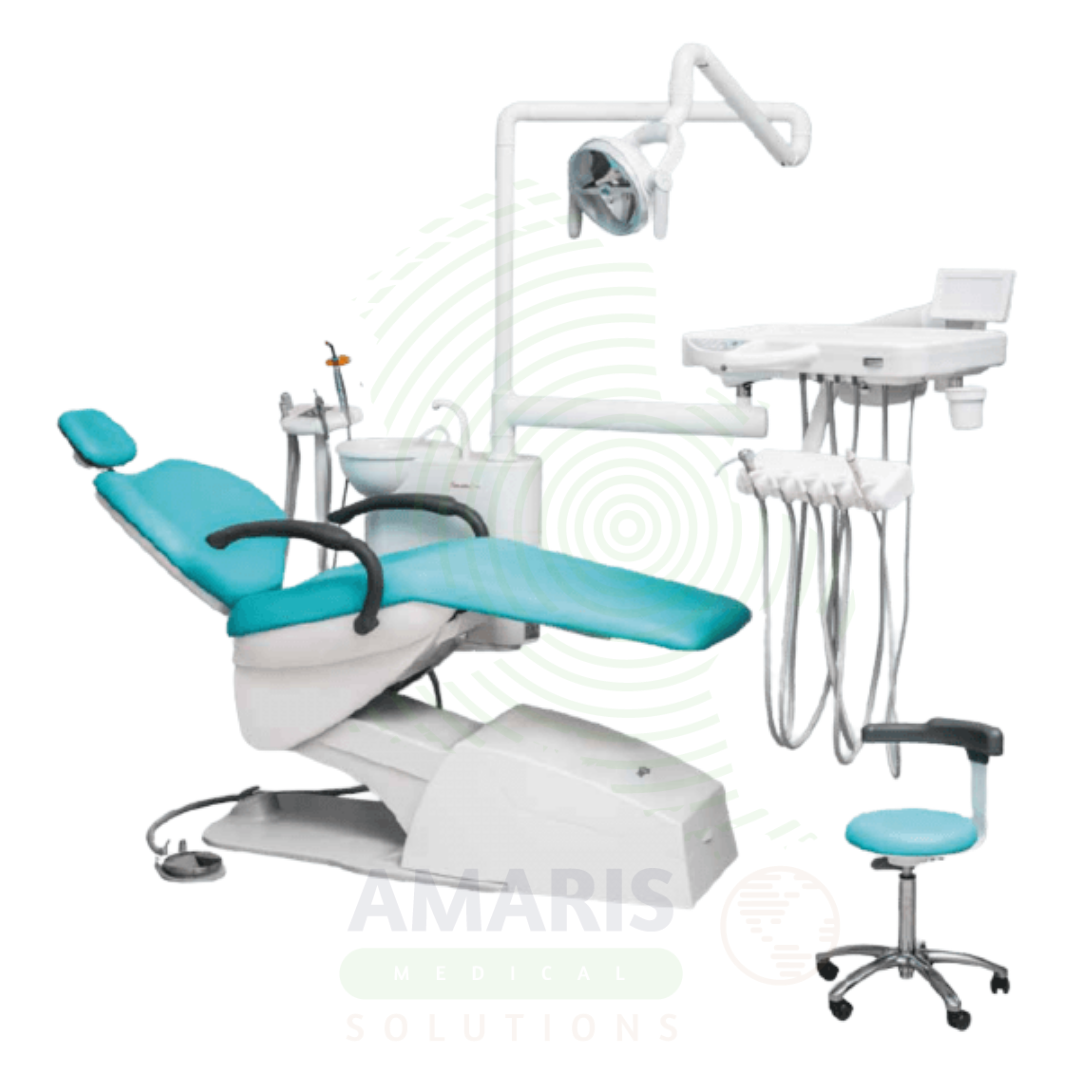
High-End Dental Chair
$1.00
WhatsApp Order
A High-End Dental Chair is an advanced, ergonomically engineered patient positioning system that forms the core of a modern dental operatory. It combines superior patient comfort features—such as heated surfaces, memory foam, and programmable positions—with critical ergonomic design for the dental team, including narrow backrests and multi-axis articulation. Integrated control systems manage the chair, lighting, and often other operational functions seamlessly. Built for durability and infection control with seamless upholstery, it supports a wide range of procedures while enhancing workflow efficiency, clinical outcomes, and overall patient experience in demanding dental practices.
Description
High-End Dental Chair
PRIMARY CLINICAL & DIAGNOSTIC USES
1. Patient Positioning for Dental Procedures
-
Primary Use: Safely, comfortably, and ergonomically positions the patient for a wide range of dental treatments, from routine examinations and cleanings to complex surgical and restorative procedures, providing stable support and allowing precise adjustment of the patient’s head, torso, and leg position relative to the dentist.
-
How it helps: For the dentist and dental hygienist, a high-end chair transforms patient positioning from a physical challenge into a precise, effortless adjustment—allowing them to focus entirely on the procedure rather than compensating for poor patient placement. For the patient, the ability to be positioned comfortably and securely reduces anxiety and physical strain during lengthy or complex procedures.
2. Enhancing Ergonomics for the Dental Team
-
Primary Use: Optimizes the working posture for the dentist and dental assistant, reducing physical strain and fatigue through features like multiple pivot points, low positioning capability, and narrow backrests that allow the clinician to work close to the patient with a straight back and arms at the correct angle, critical for preventing musculoskeletal disorders.
-
How it helps: For the dental practitioner, an ergonomically designed chair is an investment in career longevity—reducing the cumulative strain that leads to chronic back, neck, and shoulder injuries common in dentistry. For the patient, a comfortable, well-positioned clinician can perform procedures with greater precision and focus, contributing to better outcomes.
3. Integrated Delivery of Dental Services
-
Primary Use: Serves as the central hub of the operatory, featuring integrated systems for controlling the chair itself, the dental light, the assistant’s instruments, and often patient entertainment systems, all from a single touchpad or control panel.
-
How it helps: For the dental team, centralized controls streamline workflow—allowing seamless transitions between instruments, lighting adjustments, and chair positioning without interrupting the procedure. For the patient, this integration creates a smoother, more efficient experience with less waiting and fewer disruptions.
4. Improving Patient Comfort and Experience
-
Primary Use: Designed with enhanced cushioning, contoured shapes, memory foam, heated surfaces, and smooth, quiet movement to reduce patient anxiety and increase tolerance during long procedures, crucial for patient satisfaction and retention.
-
How it helps: For the dental practice, a comfortable patient is a returning patient—reducing anxiety leads to better cooperation during procedures and higher satisfaction with care. For the patient undergoing lengthy or complex treatment, features like heated surfaces, plush cushioning, and quiet movement transform what could be an uncomfortable experience into a tolerable, even relaxing one.
5. Facilitating Advanced and Specialized Dentistry
-
Primary Use: Essential for procedures requiring specific patient angles, such as endodontics (root canals), oral surgery, implantology, and full-mouth rehabilitation, where precise, stable positioning is critical for success.
-
How it helps: For the specialist performing advanced procedures, precise patient positioning is not a luxury but a necessity—allowing optimal access to treatment sites, proper visualization, and stable support for delicate instrumentation. For the patient undergoing complex dental work, a chair that provides stable, precise positioning contributes directly to procedural success and optimal outcomes.
6. Accommodation of Bariatric and Special Needs Patients
-
Primary Use: High-end dental chairs often feature higher weight capacities (600-800 lbs), wider seating, and reinforced frames to safely accommodate bariatric patients, along with accessible entry and exit designs for patients with mobility limitations.
-
How it helps: For the dental practice, chairs designed for bariatric and special needs patients ensure that all patients can receive care safely and with dignity. For the patient of size or with mobility challenges, a chair that accommodates their needs means they can access dental care without fear of equipment failure or the indignity of inadequate seating.
7. Patient Entertainment and Distraction Systems
-
Primary Use: Integrated entertainment options including audio systems, video screens, and streaming capabilities help distract patients during procedures, reducing anxiety and perceived treatment time.
-
How it helps: For the dental team, a distracted patient is often a calmer patient—reducing movement and anxiety that can interfere with procedures. For the patient, especially those with dental phobia, having music, videos, or television available helps take their mind off the procedure and makes the experience more tolerable.
8. Integration with Digital Imaging and CAD/CAM Systems
-
Primary Use: High-end dental chairs are designed to integrate seamlessly with intraoral scanners, digital radiography systems, and chairside CAD/CAM (computer-aided design and manufacturing) units, allowing for efficient workflow and same-day restorations.
-
How it helps: For the dental practice, integrated digital systems enable more efficient workflows and expanded service offerings. For the patient, this means fewer appointments, less waiting, and the convenience of same-day crowns and restorations completed in a single visit.
9. Programmable Memory Positions
-
Primary Use: Features programmable memory settings that allow the dentist and assistant to save preferred chair positions for different procedures and clinicians, enabling instant, repeatable positioning with a single touch.
-
How it helps: For the dental team, programmable positions save time and ensure consistent, optimal positioning for each procedure type. For the patient, this means faster setup and less time spent adjusting positions during their appointment.
SECONDARY & SUPPORTIVE USES
1. Emergency Management: Can be quickly positioned into a fully supine (Trendelenburg) position to manage a medical emergency (e.g., syncope) in the dental office. For the dental team, rapid positioning capability ensures immediate response to medical emergencies; for the patient, this safety feature provides critical support during unexpected medical events.
2. Radiography: Some chairs have integrated or compatible positioning aids for taking intraoral or extraoral X-rays without moving the patient. For the dental team, this streamlines imaging workflow; for the patient, it means fewer position changes and reduced appointment time.
3. Patient Education: With integrated monitors or screens, the chair can position the patient to view intraoral camera images, digital scans, or educational videos. For the dentist, this facilitates patient communication; for the patient, seeing their own images helps them understand their condition and treatment options.
4. Infection Control: High-end models are designed with seamless upholstery, waterproof materials, and minimal crevices to facilitate thorough cleaning and disinfection between patients. For the dental practice, this supports rigorous infection control protocols; for the patient, it provides assurance that the environment is clean and safe.
5. Post-Operative Recovery: The chair can be positioned in a comfortable semi-reclined or fully reclined position for patients recovering from procedures requiring observation before discharge. For the dental team, this provides a safe recovery space; for the patient, it ensures comfort during the immediate post-procedure period.
6. Articulating Headrest and Armrest Adjustments: Multiple adjustment points allow for customized positioning of the headrest and armrests to accommodate individual patient anatomy and procedural needs. For the clinician, this enables optimal access; for the patient, it provides comfortable, supportive positioning throughout the procedure.
7. Inter-Operatory Communication: Integration with practice management systems allows for communication between operatories, front desk, and sterilization areas. For the practice, this improves workflow efficiency; for the patient, it reduces waiting times and improves the overall experience.
KEY PRODUCT FEATURES
1. BASIC IDENTIFICATION ATTRIBUTES
-
Type: A sophisticated, electrically operated patient chair system for dental operatories.
-
Designation: Dental Patient Chair, Dental Treatment Chair, or Ergonomic Dental Chair.
-
Key High-End Features:
-
Multiple Programmable Positions: Memory settings for common procedures (exam, hygiene, surgery) that can be recalled with one touch.
-
Advanced Movement: 4-way, 5-way, or 6-way articulation (movement in multiple axes: up/down, recline, seat pan tilt, headrest movement) for unparalleled positioning flexibility.
-
Narrow Backrest Design: Allows the dentist to get closer to the patient while maintaining proper posture.
-
Integrated Controls: Touchscreen or joystick panels controlling chair, light, and sometimes other operatory functions.
-
Comfort Features: Heated seat and back, massage functions, advanced cushioning materials, and contoured headrests with adjustable lateral supports.
-
2. TECHNICAL & PERFORMANCE PROPERTIES
-
Drive System: Powerful, quiet electric motors with smooth hydraulic or electromechanical actuators.
-
Weight Capacity: High weight capacity (often 160kg/350lbs or more) with stable operation.
-
Control System: Microprocessor-controlled with safety sensors to prevent pinch hazards and ensure smooth transitions.
-
Integration: Often part of a "chair-mounted" delivery system where the handpiece tubing, suction, and assistant's instruments are delivered from arms attached directly to the chair, keeping the floor clear.
3. PHYSICAL & OPERATIONAL PROPERTIES
-
Upholstery: Medical-grade, impervious vinyl or synthetic leather that is durable, easy to clean, and hypoallergenic. May offer a wide range of colors.
-
Dental Light: Often includes an integrated, articulating LED dental light with automatic focus and intensity adjustment.
-
Curing Light Integration: Some models have a built-in curing light in the main operative light.
-
-
Footprint and Swivel: Designed to fit within the operative space and often features a 180-degree or greater swivel for easy patient access and instrument transfer.
4. SAFETY & COMPLIANCE ATTRIBUTES
-
Regulatory Status: Class I medical device.
-
Electrical Safety: Must comply with stringent medical electrical equipment standards (e.g., IEC 60601).
-
Mechanical Safety: Includes overload protection, emergency stop functions, and smooth edges to prevent injury.
-
Bio-compatibility: Upholstery materials must be safe for prolonged patient contact.
5. STORAGE & HANDLING ATTRIBUTES
-
Storage: N/A – It is a fixed, installed piece of equipment.
-
Cleaning & Disinfection: The entire upholstered surface must be cleaned and disinfected between every patient using EPA-approved, non-abrasive agents that do not degrade the material. Armrests, headrest, and control panels require special attention.
-
Preventive Maintenance: Requires scheduled service by a technician to check motors, hydraulics, electrical connections, and lubrication points to ensure longevity and safety.
6. LABORATORY & CLINICAL APPLICATIONS
-
Primary Application: The centerpiece of every modern dental operatory in general practices, specialty clinics (oral surgery, periodontics, endodontics), and dental schools.
-
Operational Hub: It defines the workflow and ergonomics of the entire treatment bay.
SAFETY HANDLING PRECAUTIONS
1. SAFETY PRECAUTIONS
-
Patient Security: Always ensure the patient is properly positioned and the chair is stable before starting a procedure. Use safety belts for children, elderly, or sedated patients.
-
Pinch Points: Be aware of moving parts (especially between the seat and backrest) during adjustment. Keep patient and staff clothing/hair clear.
-
Weight Limit: Do not exceed the manufacturer's stated weight capacity.
-
Emergency Position Familiarity: All staff should know how to quickly place the chair into the full supine (emergency) position.
-
Electrical Safety: Do not operate with wet hands or if the chair is damaged. Ensure power cords are not a trip hazard.
2. FIRST AID MEASURES
-
Pinch/Crush Injury: Activate emergency stop. Gently free the trapped limb/clothing. Provide first aid.
-
Patient Fall from Chair: Lower the chair immediately. Assess the patient for injury and seek medical attention if needed.
-
Electrical Malfunction: Unplug the chair from the wall. Do not use it. Tag it for service.
3. FIRE FIGHTING MEASURES
-
Flammability: Upholstery, plastics, and electronic components are combustible.
-
Extinguishing Media: Use CO₂ or dry chemical extinguishers for electrical fires. Evacuate and alert the fire department.
Related products
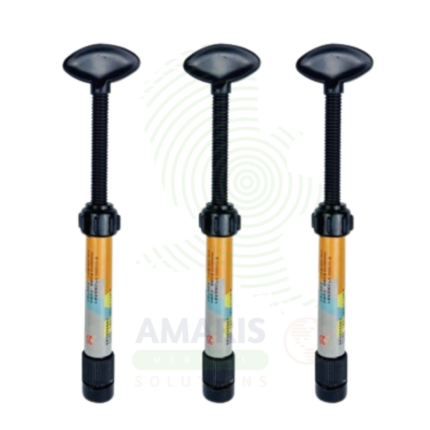
Composite Filling Materials
Composite Filling Materials are tooth-colored, light-cured resin-based materials used for direct dental restorations. They are the standard of care for treating cavities, repairing fractures, and performing cosmetic enhancements due to their excellent aesthetics, adhesive properties, and durability. Available in various viscosities and formulations (hybrid, nano, bulk-fill), their successful use is highly technique-sensitive, requiring impeccable moisture control, strict adherence to adhesive bonding protocols, and proper incremental placement and curing. They have largely replaced dental amalgam for most applications, offering a strong, durable, and esthetic solution that conserves tooth structure.
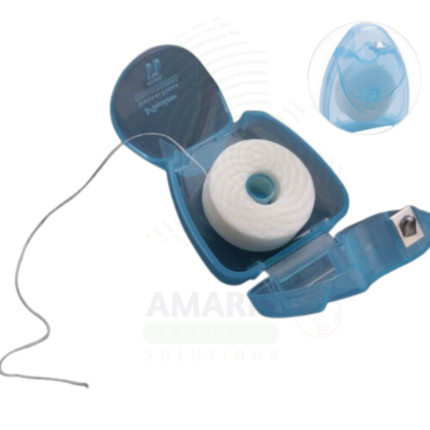
Dental Floss
Dental Floss is a thin, strong filament—available in materials like nylon or PTFE and forms such as waxed, unwaxed, or tape—designed specifically for the mechanical removal of dental plaque biofilm and debris from between teeth (interdental spaces) and below the gumline. Its daily use is a critical, evidence-based practice for preventing interdental tooth decay (caries) and gum disease (gingivitis and periodontitis), forming an indispensable part of a complete oral hygiene routine. Proper technique is essential to avoid gum injury and ensure effective cleaning.
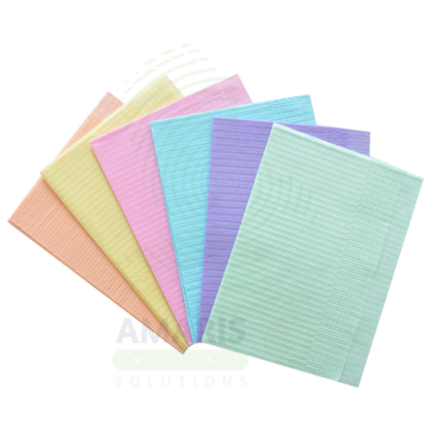
Dental Napkins
Dental Napkins are sterile or non-sterile, disposable absorbent pads (typically 2"x2") made of non-woven cellulose or gauze. They are a fundamental consumable in dentistry used primarily for intraoral isolation and moisture control. By absorbing saliva, water, and blood, they keep the operative field dry, enhance visibility, protect soft tissues, and significantly improve patient comfort during procedures. Their secure placement and strict single-use protocol are critical for safety and infection prevention.
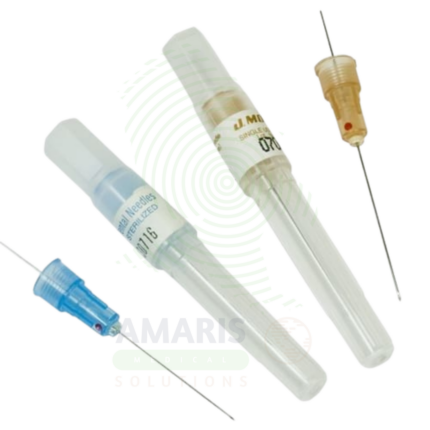
Dental Needles
Dental Needles are sterile, single-use hypodermic needles specifically designed for the administration of local anesthesia in dentistry. Characterized by their gauge (diameter) and length, they are selected to target specific nerves (e.g., long 27G for mandibular blocks, short 30G for infiltrations). Their primary functions are to penetrate oral tissue precisely, allow for aspiration to ensure safe extravascular placement, and deliver anesthetic solution. As sharps, their safe handling and immediate disposal in a designated container are paramount to prevent needlestick injuries and cross-contamination, making them a critical safety-focused consumable in dental practice.
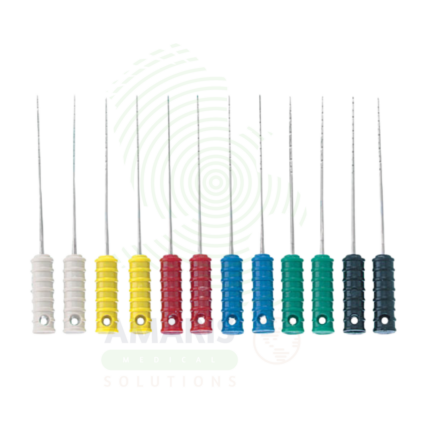
Endodontic Files, Broaches, & Points
Endodontic Files, Broaches, & Points are the essential single-use instruments and materials for root canal therapy. Files (hand and rotary) clean and shape the intricate root canal system, while broaches remove pulp tissue. Gutta-percha points are then used with sealer to permanently obturate (fill) the canal, sealing it against infection. Made from stainless steel or flexible Nickel-Titanium, their use demands precision to avoid complications like instrument separation or canal perforation. Mandatory single-use and disposal, along with strict adherence to aseptic technique under rubber dam isolation, are fundamental to safe and effective endodontic treatment.

Glass Ionomer Cement
Glass Ionomer Cement (GIC) is a versatile, water-based dental material known for its unique ability to chemically bond to tooth structure and release therapeutic fluoride. Used for permanent cementation of restorations, as a filling material in low-stress areas, a cavity liner/base, and a fissure sealant, it promotes tooth health and minimizes recurrent decay. Available as conventional hand-mixed formulas and resin-modified light-cured versions, its success depends critically on proper moisture control during placement. Its biocompatibility, adhesion, and cariostatic properties make it a fundamental material in preventive and restorative dentistry.

Handpiece Spray
Handpiece Spray is a specialized aerosol lubricant essential for the daily maintenance and sterilization of dental handpieces. Its primary function is to lubricate internal turbines and bearings, reducing friction, preventing wear, and ensuring optimal performance and longevity. Applied directly into the handpiece's air inlet and distributed by running the handpiece without a bur, it must be used after every cleaning and before each autoclave cycle as per the manufacturer's strict instructions. Using the correct lubricant is critical to prevent damage and maintain warranty compliance. It is a fundamental, non-negotiable consumable in dental infection control and equipment care protocols.