Dermatoscope and Magnifiers
 Diagnostic Kits
 Vital Signs Monitors
 Stethoscopes and Accessories
 Otoscopes, Ophthalmoscopes, and Retinoscopes
 Reflex Hammers and Neurological Tools
 Scales and Measuring Devices
 Spirometers and Pulmonary Function Tests
 Electrosurgical Units and Accessories
 Cutting Instruments
 Grasping and Holding Instruments
 Hemostatic Instruments
 Specialized Surgical Sets
 Single-Use Procedure Trays and Packs
 Surgical Drapes, Gowns, and Covers
 Tissue Unifying Instruments
 Radiation Protection
 X-Ray Machines and Accessories
 Ultrasound Systems and Probes
 MRI and CT Scanners
 Radiology Consumables
 Bone Densitometers
 Fluoroscopy Equipment
 Imaging Tables and Positioning Aids
 Microscopes and Accessories
 Centrifuges and Separators
 Analyzers
 Incubators and Ovens
 Pipettes, Dispensers, and Lab Glassware
 Refrigerators, Freezers, and Storage Units
 Lab Consumables
 Sterilizers and Autoclaves for Lab Use
 Multi-Parameter Monitors
 Ventilators and Respiratory Support Devices
 Defibrillators and AEDs
 Infusion Pumps and IV Systems
 Patient Warmers and Cooling Devices
 Central Monitoring Stations
 Accessories
 Anesthesia Machines and Workstations
 Oxygen Concentrators and Delivery Systems
 Nebulizers and Inhalers
 CPAP/BiPAP Machines
 Airway Management
 Anesthesia Masks, Circuits, and Bags
 Humidifiers and Heaters
 Respiratory Therapy Accessories
 First Aid Kits and Cabinets
 Emergency Resuscitation Equipment
 Trauma Supplies
 Emergency Carts and Crash Carts
 Burn Care Products
 Bleeding Control
 Automated External Defibrillators (AEDs)
 Transport and Evacuation
 Wheelchairs and Accessories
 Walkers, Crutches, and Canes
 Prosthetics and Orthotics
 Physical Therapy Equipment
 Transfer Devices
 Bathroom Safety
 Orthopedic Traction and Tables
 Hot/Cold Therapy Packs and Units
 Beds and Mattresses
 Chairs and Stools
 Tables
 Cabinets and Storage
 Privacy Screens & Curtains
 Stands and Racks
 Linens and Textiles
 Lighting
 Autoclaves and Sterilizers
 Ultrasonic Cleaners
 Disinfectant Solutions and Wipes
 Sterilization Pouches, Wraps, and Indicators
 Instrument Trays and Containers
 UV and Ozone Disinfection Devices
 Washer Disinfectors
 Wound Care
 Gloves
 Masks and Respirators
 Catheters and Tubing
 Swabs, Applicators, and Sponges
 Incontinence Products
 Personal Protective Equipment (PPE)
 Dental Chairs and Units
 Handpieces and Burs
 Instruments
 Consumables
 Sterilization for Dental Use
 Orthodontic Supplies
 Endodontic Tools
 Slit Lamps and Tonometers
 Lensometers and Phoropters
 Ophthalmic Surgical Instruments
 Eyewear Frames and Lenses
 Contact Lens Supplies
 Vision Testing Charts and Devices
 Eye Care Consumables
 Laser Systems for Eye Care
 ENT Exam Chairs and Tables
 Endoscopes
 Audiometers and Hearing Tests
 ENT Instruments
 Nasal and Throat Packs
 Hearing Aids and Accessories
 Otology Supplies
 Fetal Dopplers and Monitors
 Delivery Beds and Tables
 Gynecological Instruments
 Neonatal Incubators and Warmers
 Breast Pumps and Accessories
 Contraceptive Devices
 Maternity Supports and Pads
 Neonatal Consumables
 Cystoscopes and Urethroscopes
 Dialysis Machines and Supplies
 Urological Catheters and Bags
 Lithotripters
 Prostate Treatment Devices
 Urinary Incontinence Products
 Kidney Stone Management Tools
 Consumables & Disposables
 EEG and EMG Machines
 Neurosurgical Instruments
 Nerve Stimulators
 Headrests and Positioning Aids
 Lumbar Puncture Kits
 Seizure Monitoring Devices
 Consumables
 Rehabilitation for Neurological Conditions
 ECG Machines and Accessories
 Holter Monitors
 Stress Test Systems
 Pacemakers and Defibrillator Accessories
 Vascular Access Devices
 Cardiac Catheters and Guidewires
 Blood Flow Meters
 Consumables
 Orthopedic Instruments
 Casts, Splints, and Padding
 Joint Replacement Supplies
 Prosthetic Limbs and Components
 Bone Grafts and Substitutes
 Traction Devices
 Orthopedic Braces and Supports
 Rehabilitation Aids for Orthopedics
 Home Oxygen Therapy
 Hospital Beds for Home Use
 Mobility Aids
 Bathroom and Daily Living Aids
 Wound Care for Home
 Monitoring Devices
 Enteral Feeding Pumps and Tubes
 Hand Sanitizers and Dispensers
 Face Shields and Goggles
 Isolation Gowns and Suits
 Biohazard Waste Containers
 Air Purifiers and HEPA Filters
 Surface Disinfectants
 Sharps Containers
 Protective Barriers
 Cardiovascular & Endurance Training
 Strength Training & Weightlifting
 Functional Training & Core Conditioning
 Physical Therapy & Rehabilitation
 Sports & Outdoor Recreation
 Gym Flooring & Facility Equipment
 Fitness Monitoring & Accessories
 Kids & Novelties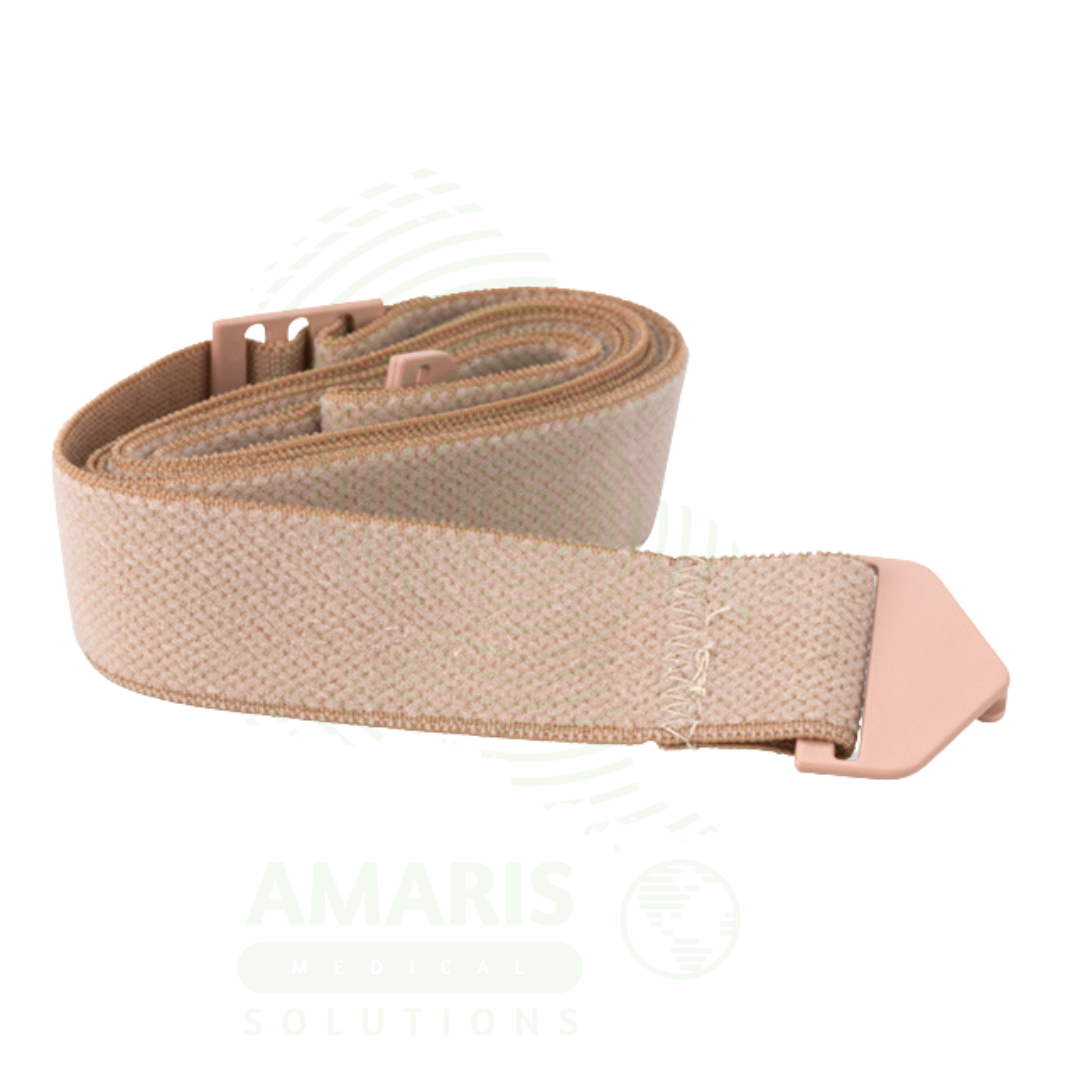

Ostomy Belt
WhatsApp Order
An Ostomy Belt is a reusable, adjustable medical garment worn around the waist to provide enhanced security, support, and concealment for an ostomy pouching system. It is available in various forms: narrow belts with clips that attach directly to the flange to prevent leaks during activity; wide hernia support belts (often with rigid stays) that help prevent parastomal hernias; and stretchy concealment belts (e.g., Stealth Belt, Brava) that flatten the pouch profile under clothing .
For the Wound, Ostomy, and Continence Nurse (WOCN), the belt is a critical tool in the fitting algorithm, particularly for patients with flush stomas (requiring convexity), active lifestyles, or early signs of hernia development . For the patient, it provides the “peace of mind” to return to work, exercise, or intimate moments without the fear of the pouch falling off . It helps distribute the weight of a full pouch, protects the stoma from bumps (e.g., seatbelts), and reduces the risk of the wafer lifting from sweat or friction . For many patients, the ostomy belt is not just an accessory; it is the difference between feeling disabled and feeling secure enough to “go anywhere and do anything.”
Description
Ostomy Belt
PRIMARY CLINICAL & DIAGNOSTIC USES
1. Securement of Ostomy Pouch to Prevent Accidental Detachment
-
Primary Use: Provides an adjustable belt that wraps around the patient’s waist and attaches to the ostomy pouch or flange via integrated hooks or loops, providing an additional layer of security to prevent the pouching system from detaching during physical activity or sleep .
-
How it helps: For the ostomy patient and wound care nurse, the belt connects directly to the ostomy appliance, creating a physical anchor that reduces torque and pulling forces on the adhesive flange. This is particularly beneficial for patients who are physically active, have a job requiring lifting, or experience nighttime leakage due to pouch weight. For the patient, the belt provides the confidence and peace of mind to engage in daily activities, exercise, and sleep without the constant fear of the pouch falling off or springing a leak .
2. Support for Convex Ostomy Systems
-
Primary Use: When used in conjunction with a convex ostomy wafer, the belt applies gentle, even pressure around the stoma to help flush or retracted stomas protrude into the pouch, improving effluent drainage and reducing skin breakdown .
-
How it helps: For the clinician managing a patient with a difficult stoma (flush, retracted, or located in a skin fold), a standard flat pouch will often leak because the stoma does not extend far enough into the pouch. The belt provides the necessary compression to press the convex wafer against the abdomen, pushing the stoma outward. For the patient, this specific use case prevents the painful cycle of effluent pooling under the wafer, which causes severe peristomal moisture-associated dermatitis (MASD) .
3. Prevention and Management of Parastomal Hernias
-
Primary Use: Worn post-operatively or after hernia development to provide gentle abdominal compression, supporting the weakened abdominal wall muscles around the stoma to reduce the risk or limit the enlargement of parastomal hernias .
-
How it helps: For the surgeon and wound care nurse, a parastomal hernia is a very common complication of ostomy surgery where the abdominal wall bulges around the stoma. Abdominal support belts (often wider, wrap-around garments) offload intra-abdominal pressure from the stoma site, providing external support to the weakened muscles. For the patient, this reduces the dragging sensation, discomfort, and bulging associated with hernias, allowing for continued mobility and preventing the need for complex surgical revision .
4. Concealment and Discreet Garment Shaping
-
Primary Use: Designed with low-profile, stretchable, and breathable fabrics (e.g., spandex, neoprene, cotton jersey) to flatten the profile of the ostomy pouch under clothing, providing a discreet and smooth appearance .
-
How it helps: For the patient, the psychological impact of the ostomy pouch “printing” (showing through tight clothes) can be significant. A wide, fabric-based support belt holds the pouch flat and close to the body, reducing the bulge and allowing the patient to wear a wider variety of clothing (swimwear, yoga pants, fitted shirts) without feeling self-conscious. For the ostomy nurse, recommending a concealment belt is a key step in helping patients return to a normal body image .
5. Protection of the Stoma from External Trauma
-
Primary Use: Acts as a physical barrier between the stoma and external objects (e.g., seatbelts, waistbands, sporting equipment), cushioning the stoma against accidental bumps or impacts .
-
How it helps: For the active patient or caregiver, the stoma is a soft, sensitive protrusion with no nerve endings but a high risk of bleeding if cut or bruised. The belt acts like a layer of armor, providing a protective shield. Some specialized belts even include rigid plastic or carbon fiber guards (stoma guards) that fit over the belt opening to block direct hits. For the patient, this protection is essential for returning to contact sports, working with heavy machinery, or simply wearing a seatbelt safely in a car .
SECONDARY & SUPPORTIVE USES
1. Extension of Appliance Wear Time: Belts help maintain the seal of the wafer, reducing edge lifting and exposure to moisture, which directly translates to longer wear time and fewer pouch changes .
2. Reduction of Skin Irritation: By stabilizing the pouch and preventing “tugging” on the adhesive flange, the belt reduces shear forces that cause mechanical skin stripping (MARSI) .
3. Post-Operative Abdominal Support: Used immediately after ostomy surgery to hold dressings in place, support the surgical incision, and reduce pain during coughing or movement .
4. Improvement of Pouch Drainage: By keeping the pouch upright and preventing it from flopping over, the belt helps gravity drain effluent down into the pouch rather than pooling it at the stoma site (pancaking) .
5. Support for Heavy Output Pouches: For patients with high-output ileostomies or urostomies where the pouch becomes heavy, the belt redistributes the weight of the pouch across the waist, relieving strain on the adhesive and the skin .
6. Moisture Management: Fabric belts (neoprene, Coolmax) wick away sweat and moisture from the skin, preventing heat rashes and fungal infections under the pouch flange .
7. Securement of Ostomy Accessories: Some belts feature pockets designed to hold deodorant filters, heating pads, or small ice packs for pain management .
8. Pediatric Ostomy Care: Used in infants and children to protect the stoma during play, tummy time, and growth spurts where the abdomen changes shape rapidly .
9. Swimming and Water Activities: Neoprene belts (like wetsuit material) are specifically designed for swimming, providing secure adhesion even when submerged in water .
10. Intimacy and Sleep: Lightweight “slip-on” belts (e.g., Stealth Belt Slip-On) are designed specifically for sleeping or intimate moments to reduce rustling noise and keep the pouch stable .
KEY PRODUCT FEATURES
1. BASIC IDENTIFICATION ATTRIBUTES
-
Device Type: A reusable, adjustable medical garment worn around the waist to support, secure, and conceal an external ostomy pouching system and to support the abdominal wall.
-
Designation: Ostomy Support Belt, Ostomy Belt, Abdominal Support Belt, Hernia Prevention Belt, Stoma Belt, Ostomy Garment .
-
Key Components:
-
Strap/Body: Elastic, neoprene, or woven fabric (e.g., cotton jersey, spandex) designed for stretch and breathability .
-
Fasteners: Velcro (hook-and-loop), buckle/prong, or plastic clips for secure waist adjustment .
-
Attachments: Plastic hooks, loops, or a fabric panel designed to connect to the ostomy flange or pouch .
-
Stabilizers: Flexible or rigid stays (steel, plastic, or carbon fiber) sewn into the fabric to prevent rolling and provide structural support .
-
Stoma Opening: An aperture cut into the belt (ranging from 2" to 4") positioned over the stoma .
-
Stoma Guard: Optional rigid plastic dome accessory that snaps over the opening for impact protection .
-
2. TECHNICAL & PERFORMANCE PROPERTIES
-
Material Types: Neoprene (waterproof, durable), Spandex/Lycra (lightweight, concealment), Elastic/Jersey (breathable, daily wear), Leather (rigid, high support) .
-
Support Levels:
-
Light Support (Concealment): Thin stretch fabric (e.g., Brava, Stealth Belt Pro). Aimed at flattening the pouch profile .
-
Medium Support (Securement): Elastic with plastic clips (e.g., standard Nu-Hope). Aimed at keeping the pouch attached during activity .
-
Maximum Support (Hernia): Wide latex-free elastic with rigid stays (e.g., Stomamed). Designed to off-load the abdominal wall .
-
-
Waist Sizes: Pediatric (up to 22-30 inches) to Adult Plus (up to 60 inches), usually adjustable by Velcro .
-
Width Options: Available in narrow widths (1-2 inches) for pouch anchoring, or wide panels (4-10 inches) for hernia support and concealment .
-
Orientation: Some belts are designed for horizontal pouch positioning or vertical pouch positioning depending on user preference .
-
Latex-Free: Many brands (e.g., Brava, Stomamed) are manufactured without natural rubber latex, though some (e.g., Stealth Belt) may contain latex .
-
Washability: Most fabric belts are hand-washable or machine-washable in a laundry bag .
3. PHYSICAL & OPERATIONAL PROPERTIES
-
Construction: Typically a flat belt that wraps around the waist. Some designs are "tube" garments (shorts/briefs) that provide 360-degree compression .
-
Adjustability: Hook-and-loop (Velcro) is most common for fine tuning; buckle systems offer fixed adjustment .
-
Customizable Cut-Outs: Many hernia belts feature a "panel" at the front that allows the patient to cut their own custom stoma hole to match their exact anatomy .
-
Anti-Roll Design: Incorporates vertical stays (plastic or metal bones) to prevent the belt from rolling down or bunching up at the waist .
-
Portability: Designed for all-day wear; requires hand washing to maintain elastic integrity.
4. SAFETY & COMPLIANCE ATTRIBUTES
-
Regulatory Status: Class I Medical Device (reusable) .
-
HCPCS Code: A4467 (Belt, ostomy) .
-
Prescription Requirement: While available OTC, hernia prevention belts should ideally be fitted by a Stoma Care Nurse (WOCN) to ensure correct sizing and pressure .
-
Sterility: Non-sterile; intended for external use only.
-
Latex Warning: Some belts (e.g., Stomamed) explicitly stated "product may contain latex" . Always verify latex-free status for patients with latex allergy.
5. STORAGE & HANDLING ATTRIBUTES
-
Storage: Store flat in a drawer or hung on a hook. Do not fold tightly, as creases may damage the internal stays or elastic.
-
Cleaning: Hand wash in warm soapy water and air dry. Machine drying (high heat) destroys elastic and neoprene. Neoprene belts must be rinsed thoroughly of saltwater/sweat .
-
Inspection: Regularly inspect the plastic hooks/clips for cracks. Ensure Velcro is not clogged with lint (clean with a stiff brush). Check for frayed edges.
-
Compatibility: Not all belts work with all systems. Check if the belt requires a specific brand of flange (e.g., belts with click-lock mechanisms) or if it is universal (fits over any wafer) .
6. LABORATORY & CLINICAL APPLICATIONS
-
Primary Application: Securement of ostomy pouches, prevention of parastomal hernias, abdominal muscle support, and concealment of medical devices.
-
Clinical Role: An essential rehabilitation and quality-of-life accessory used in surgical wards, long-term care facilities, outpatient ostomy clinics, and home healthcare to help patients return to an active lifestyle.
SAFETY HANDLING PRECAUTIONS
1. SAFETY PRECAUTIONS
-
Correct Sizing: A belt that is too tight can cause skin breakdown, restrict blood flow, or "strangulate" the stoma. A belt that is too loose will not provide support .
-
Stoma Guard Use: When using a hard stoma guard (plastic dome) for sports, ensure it is not pressing directly into the stoma tissue, but rather resting on the skin around it .
-
Hygiene: Neoprene belts can trap sweat, leading to heat rash (miliaria) or fungal infections (candidiasis). Patients should alternate between two belts or ensure daily washing .
-
Visual Checks: Patients should remove the belt daily to inspect the peristomal skin and ensure the adhesive seal is intact. The belt is an accessory, not a substitute for a properly fitted wafer .
-
Belt Removal: When removing a belt attached directly to the flange, hold the flange down with one hand while unsnapping the belt with the other to avoid ripping the wafer off the skin.
2. FIRST AID MEASURES
-
Skin Irritation: If redness or itching develops under the belt material, wash the area with soap and water. Consider switching to a cotton or hypoallergenic belt material.
-
Skin Stripping: If removing the belt causes skin tearing (MARSI), apply a skin protective film (wipe) or barrier spray to the skin before reapplying the belt .
-
Stoma Trauma: If the belt directly injures the stoma (causes bleeding), remove the belt immediately. Apply gentle pressure with a clean gauze pad. If bleeding does not stop, seek medical attention.
3. FIRE FIGHTING MEASURES
-
Flammability: Neoprene and spandex are synthetic materials that are combustible. Cotton and elastic materials will burn.
-
Extinguishing Media: Use water or standard ABC fire extinguisher.
Related products
Adult & Pediatric Nebulizer Kit
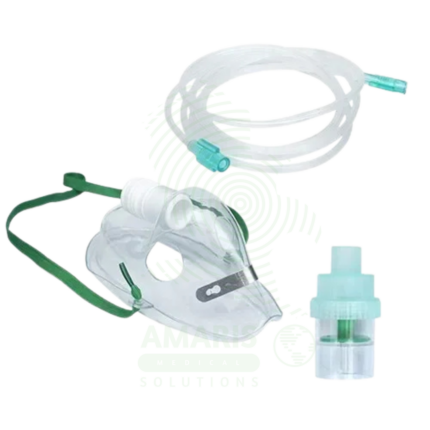
An Adult & Pediatric Nebulizer Kit is a complete set of patient-contact components required for aerosol medication delivery, including a nebulizer cup, connecting tubing, and both an adult mouthpiece and a pediatric mask (or universal fit). Designed for use with a compressor, it provides the delivery circuit for treating asthma, COPD, and other respiratory conditions. Available in disposable (single-patient-use) formats for infection control in clinics or reusable formats for home care, its proper use, coupled with rigorous cleaning for reusable kits, is essential for effective therapy and preventing respiratory infections. The kit's universal connectors ensure compatibility with standard compressors.
Centrifuge Tubes
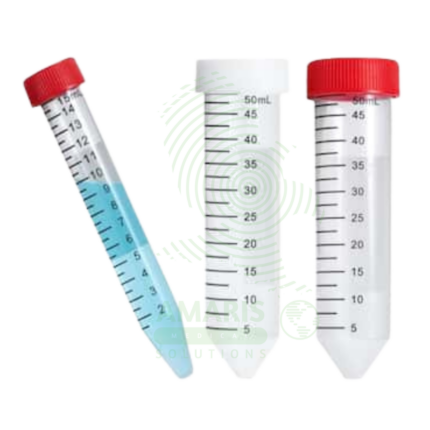
Centrifuge Tubes are specialized disposable containers (polypropylene) designed to withstand high centrifugal forces (up to 30,000 x g) for separating biological fluids based on density. Available in microcentrifuge sizes (0.2-2.0 mL), conical tubes (15 mL, 50 mL), and larger volumes (100-500 mL). Features include leak-proof screw caps with O-rings (conical tubes), snap caps (microcentrifuge tubes), graduated volume markings, writing areas, and sterile/non-sterile options. Certified RNase/DNase-free, pyrogen-free, and autoclavable. Primary clinical applications include blood component separation (serum/plasma), urine sediment preparation, microbiology sample concentration, molecular biology (DNA/RNA extraction), cell culture processing, protein/enzyme analysis, and viral load testing. Critical safety precautions include never exceeding maximum RCF rating, proper balancing by weight, secure cap tightening, inspection for cracks, and disposal as biohazardous waste. Essential consumable in every clinical, research, and industrial laboratory.
Chest Bottle
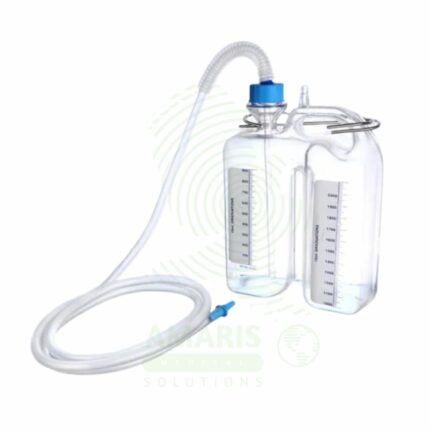
A Chest Bottle (Underwater Seal Drainage System) is a three-chamber disposable device used to drain air and fluid from the pleural space via a chest tube. Its critical component is a water seal chamber that acts as a one-way valve, preventing air from re-entering the chest while allowing drainage. It is used to treat pneumothorax, hemothorax, and pleural effusions, and is mandatory post-thoracic surgery. The system must always be kept upright and below the patient's chest level. It provides essential clinical information through tidaling in the water seal (indicating tube patency and lung expansion) and bubbling (indicating an air leak), making it both a therapeutic and diagnostic tool.
First Aid Kit For Sporting Places
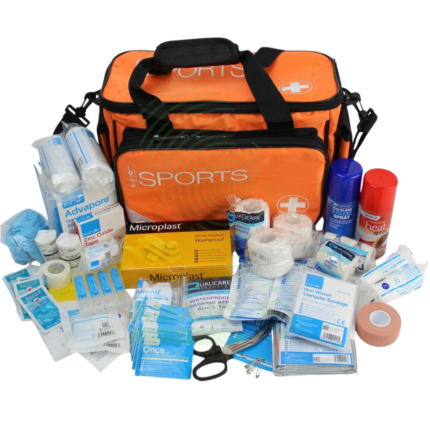
A First Aid Kit for Sporting Places is a portable, organized medical kit specifically designed for the types and frequencies of injuries encountered in athletic and sporting environments. Available in various configurations including sideline kits for team use, personal sports pouches, team travel kits, and wall-mounted cabinets for gymnasiums. Constructed from ballistic nylon, polyester, ABS plastic, or aluminum with organized interior compartments, pouches, and elastic loops for rapid access to supplies. Contains sport-specific medical supplies including wound care materials, elastic bandages, instant cold packs, splinting materials, eye wash, blister care, concussion assessment tools, and personal protective equipment. Primary clinical applications include immediate treatment of common sports injuries (sprains, strains, contusions, abrasions, lacerations), concussion assessment, bleeding control, heat illness management, eye injury care, and emergency action plan implementation. Essential equipment for athletic teams, schools, fitness centers, recreational facilities, and sporting events, providing organized, accessible medical supplies for athlete safety and injury management.
Hepatitis B Test Kit
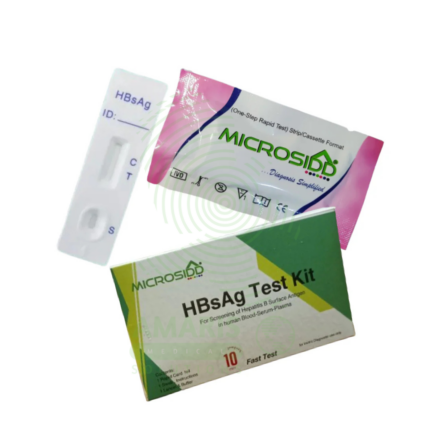
The Hepatitis B Test Kit is an in vitro diagnostic device for the detection of Hepatitis B virus markers in human blood samples, available in rapid, ELISA, and molecular formats. It detects specific antigens (HBsAg) and antibodies (anti-HBc, anti-HBs) to diagnose acute and chronic infection, monitor treatment response, screen blood donations, and determine immunity status. With high sensitivity (>98%) and specificity (>99%), it provides results in 15 minutes to 4 hours depending on format. Essential applications include prenatal screening to prevent mother-to-child transmission, evaluation of acute hepatitis, pre-immunosuppression screening, and occupational health testing. All patient samples must be handled with universal precautions, and testing must include appropriate quality controls.
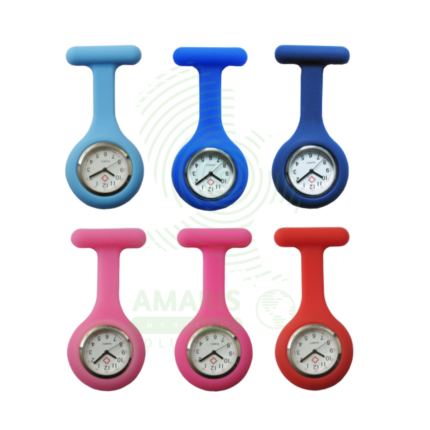
Nurse Watch
A Nurse Watch is a professional-grade analog wristwatch specifically designed for clinical use. Its hallmark is a built-in "pulsometer" scale that allows for rapid, on-the-spot calculation of a patient's heart rate by timing pulses over a short interval. Featuring a high-contrast dial with a clear sweep second hand, durable water-resistant construction, and a cleanable band, it is engineered for accuracy, legibility, and infection control in healthcare settings. It is an indispensable personal tool for nurses, enabling precise measurement of vital signs, timing of medications and procedures, and accurate clinical documentation throughout the shift.
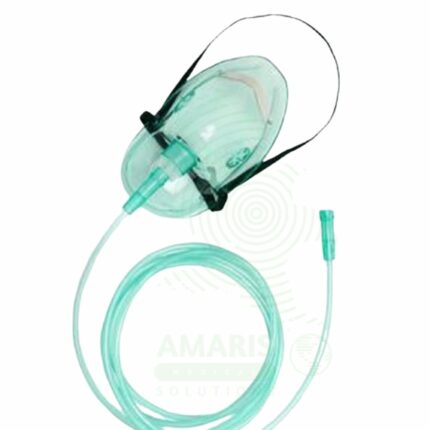
Oxygen Mask (Adult/Infant/Paediatric)
An Oxygen Mask is a disposable, single-use interface used to deliver supplemental oxygen from a medical gas supply to a patient's airways. Available in types for specific clinical needs—Simple Mask for low-flow therapy, Venturi Mask for precise FiO2 control (especially in COPD), and Non-Rebreather Mask for emergency high-flow delivery—and in sizes for adults, children, and infants. Correct selection and application, including ensuring the proper oxygen flow rate for the mask type, are essential for effective therapy and patient safety. Adherence to strict fire safety protocols is non-negotiable due to the combustion risk posed by enriched oxygen environments.