Dermatoscope and Magnifiers
 Diagnostic Kits
 Vital Signs Monitors
 Stethoscopes and Accessories
 Otoscopes, Ophthalmoscopes, and Retinoscopes
 Reflex Hammers and Neurological Tools
 Scales and Measuring Devices
 Spirometers and Pulmonary Function Tests
 Electrosurgical Units and Accessories
 Cutting Instruments
 Grasping and Holding Instruments
 Hemostatic Instruments
 Specialized Surgical Sets
 Single-Use Procedure Trays and Packs
 Surgical Drapes, Gowns, and Covers
 Tissue Unifying Instruments
 Radiation Protection
 X-Ray Machines and Accessories
 Ultrasound Systems and Probes
 MRI and CT Scanners
 Radiology Consumables
 Bone Densitometers
 Fluoroscopy Equipment
 Imaging Tables and Positioning Aids
 Microscopes and Accessories
 Centrifuges and Separators
 Analyzers
 Incubators and Ovens
 Pipettes, Dispensers, and Lab Glassware
 Refrigerators, Freezers, and Storage Units
 Lab Consumables
 Sterilizers and Autoclaves for Lab Use
 Multi-Parameter Monitors
 Ventilators and Respiratory Support Devices
 Defibrillators and AEDs
 Infusion Pumps and IV Systems
 Patient Warmers and Cooling Devices
 Central Monitoring Stations
 Accessories
 Anesthesia Machines and Workstations
 Oxygen Concentrators and Delivery Systems
 Nebulizers and Inhalers
 CPAP/BiPAP Machines
 Airway Management
 Anesthesia Masks, Circuits, and Bags
 Humidifiers and Heaters
 Respiratory Therapy Accessories
 First Aid Kits and Cabinets
 Emergency Resuscitation Equipment
 Trauma Supplies
 Emergency Carts and Crash Carts
 Burn Care Products
 Bleeding Control
 Automated External Defibrillators (AEDs)
 Transport and Evacuation
 Wheelchairs and Accessories
 Walkers, Crutches, and Canes
 Prosthetics and Orthotics
 Physical Therapy Equipment
 Transfer Devices
 Bathroom Safety
 Orthopedic Traction and Tables
 Hot/Cold Therapy Packs and Units
 Beds and Mattresses
 Chairs and Stools
 Tables
 Cabinets and Storage
 Privacy Screens & Curtains
 Stands and Racks
 Linens and Textiles
 Lighting
 Autoclaves and Sterilizers
 Ultrasonic Cleaners
 Disinfectant Solutions and Wipes
 Sterilization Pouches, Wraps, and Indicators
 Instrument Trays and Containers
 UV and Ozone Disinfection Devices
 Washer Disinfectors
 Wound Care
 Gloves
 Masks and Respirators
 Catheters and Tubing
 Swabs, Applicators, and Sponges
 Incontinence Products
 Personal Protective Equipment (PPE)
 Dental Chairs and Units
 Handpieces and Burs
 Instruments
 Consumables
 Sterilization for Dental Use
 Orthodontic Supplies
 Endodontic Tools
 Slit Lamps and Tonometers
 Lensometers and Phoropters
 Ophthalmic Surgical Instruments
 Eyewear Frames and Lenses
 Contact Lens Supplies
 Vision Testing Charts and Devices
 Eye Care Consumables
 Laser Systems for Eye Care
 ENT Exam Chairs and Tables
 Endoscopes
 Audiometers and Hearing Tests
 ENT Instruments
 Nasal and Throat Packs
 Hearing Aids and Accessories
 Otology Supplies
 Fetal Dopplers and Monitors
 Delivery Beds and Tables
 Gynecological Instruments
 Neonatal Incubators and Warmers
 Breast Pumps and Accessories
 Contraceptive Devices
 Maternity Supports and Pads
 Neonatal Consumables
 Cystoscopes and Urethroscopes
 Dialysis Machines and Supplies
 Urological Catheters and Bags
 Lithotripters
 Prostate Treatment Devices
 Urinary Incontinence Products
 Kidney Stone Management Tools
 Consumables & Disposables
 EEG and EMG Machines
 Neurosurgical Instruments
 Nerve Stimulators
 Headrests and Positioning Aids
 Lumbar Puncture Kits
 Seizure Monitoring Devices
 Consumables
 Rehabilitation for Neurological Conditions
 ECG Machines and Accessories
 Holter Monitors
 Stress Test Systems
 Pacemakers and Defibrillator Accessories
 Vascular Access Devices
 Cardiac Catheters and Guidewires
 Blood Flow Meters
 Consumables
 Orthopedic Instruments
 Casts, Splints, and Padding
 Joint Replacement Supplies
 Prosthetic Limbs and Components
 Bone Grafts and Substitutes
 Traction Devices
 Orthopedic Braces and Supports
 Rehabilitation Aids for Orthopedics
 Home Oxygen Therapy
 Hospital Beds for Home Use
 Mobility Aids
 Bathroom and Daily Living Aids
 Wound Care for Home
 Monitoring Devices
 Enteral Feeding Pumps and Tubes
 Hand Sanitizers and Dispensers
 Face Shields and Goggles
 Isolation Gowns and Suits
 Biohazard Waste Containers
 Air Purifiers and HEPA Filters
 Surface Disinfectants
 Sharps Containers
 Protective Barriers
 Cardiovascular & Endurance Training
 Strength Training & Weightlifting
 Functional Training & Core Conditioning
 Physical Therapy & Rehabilitation
 Sports & Outdoor Recreation
 Gym Flooring & Facility Equipment
 Fitness Monitoring & Accessories
 Kids & Novelties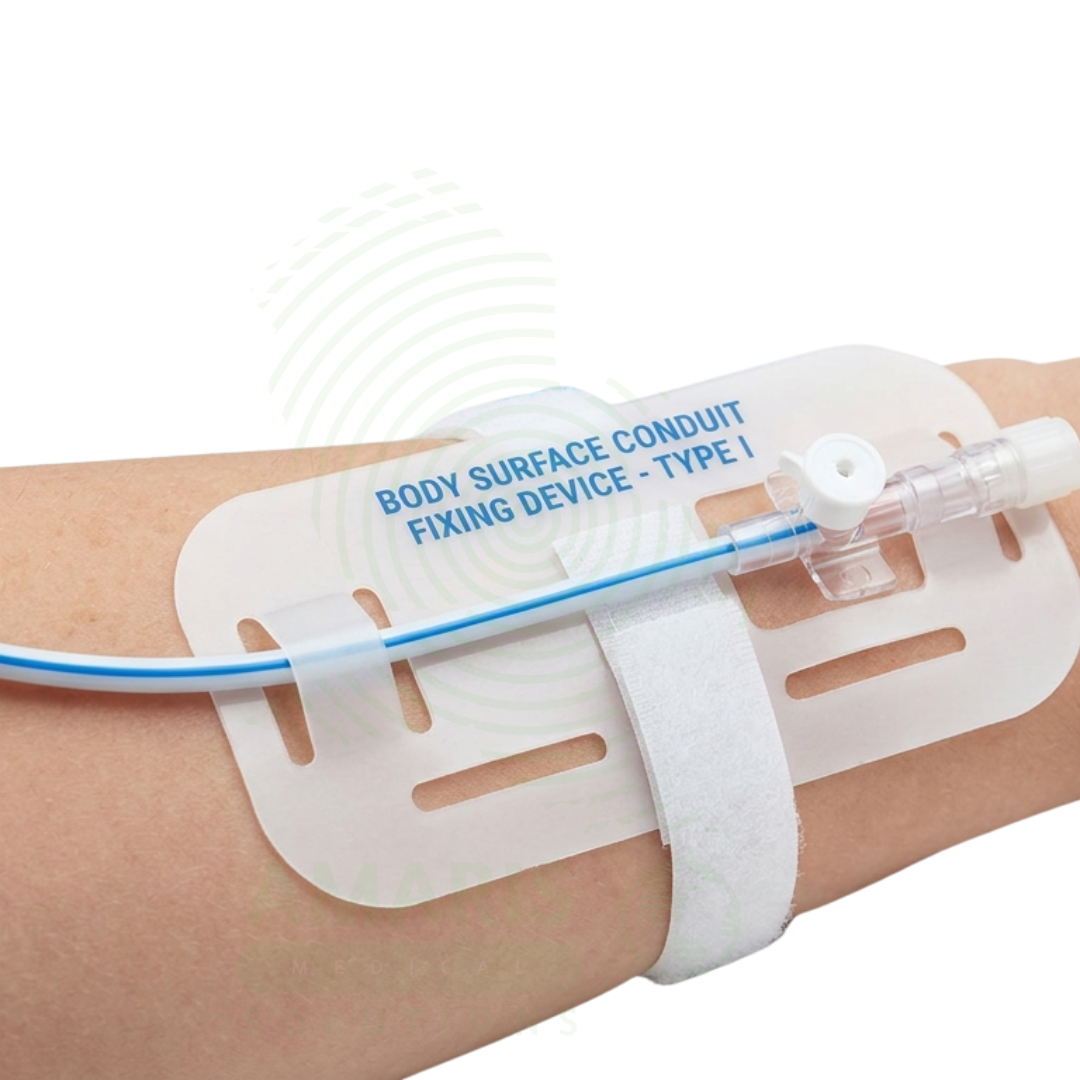
Body surface conduit fixing device – Type I
WhatsApp Order
The Body Surface Conduit Fixing Device – Type I is a sterile, single-use mechanical fixation system specifically designed for securing endotracheal tubes and other oral conduits in patients requiring airway management . Constructed from a rigid shell housing containing an integrated bite block, a sponge pad for patient comfort, a rotating nut and slider for tube clamping, and adjustable cheek fixation straps, the Type I device provides comprehensive oral tube securement that replaces traditional adhesive tape fixation methods.
For the anesthesiologist, respiratory therapist, and intensive care unit (ICU) nurse, Type I provides a mechanical alternative to tape fixation for intubated patients. The integrated bite block prevents the patient from occluding the endotracheal tube by biting down , while the rotating nut and slider mechanism allows precise tension adjustment of the clamping force around the tube . The cheek straps wrap around the patient’s head or face to secure the entire assembly, eliminating the need for adhesive tape on the face—a significant advantage for patients requiring prolonged intubation, those with facial burns or skin trauma, or those with known adhesive allergies .
For the patient, Type I offers a more secure and comfortable alternative to traditional tape fixation. The bite block prevents the distressing event of tube occlusion from biting, which can trigger ventilator alarms and require emergency intervention. The sponge cushion reduces pressure on the face and lips, decreasing the risk of pressure ulcers and skin breakdown during extended intubation periods. The adjustable straps accommodate changes in facial edema and can be loosened or tightened without complete device removal, reducing disturbance to the patient. Available in multiple configurations including specifications as a Class II medical device , Type I is the catheter fixation device of choice for endotracheal tube management in intensive care, operating rooms, emergency departments, and during patient transport, particularly for patients where facial skin preservation and secure tube fixation are both clinical priorities.
Description
Body Surface Conduit Fixing Device – Type I
PRIMARY CLINICAL & DIAGNOSTIC USES
1. Rotating Nut and Slider Mechanical Locking System
-
Primary Use: Provides a sterile, single-use catheter fixation device featuring a mechanical locking system composed of a rotating nut and slider mechanism , designed to securely fasten medical conduits without relying on adhesive contact with the catheter surface.
-
How it helps: For the intensive care unit (ICU) nurse and vascular access specialist, the Type I device employs a positive-locking mechanical interface that engages around the catheter via a slider mechanism that is tightened using a rotating nut . This design allows clinicians to achieve secure fixation with precise tension control, accommodating various catheter diameters without requiring multiple device sizes. For the patient, this mechanical locking ensures the catheter remains firmly in place even during patient movement, coughing, or repositioning, significantly reducing the risk of accidental dislodgement without the need for suture placement.
2. Sponge Pad for Patient Comfort and Pressure Relief
-
Primary Use: The Type I device incorporates a soft sponge pad/sponge cushion positioned between the locking mechanism and the patient’s skin , providing cushioning that prevents pressure ulcers and distributes device weight across a broader surface area.
-
How it helps: For the wound care nurse and long-term catheter management team, the integrated sponge layer serves as a protective barrier that absorbs shear forces and relieves pressure from the catheter hub against the skin. This design is particularly valuable for patients requiring extended catheter dwell times, those with diminished sensation (such as diabetic neuropathy or spinal cord injury), or patients who are sedated and unable to reposition themselves. For the patient, the sponge cushioning prevents the development of pressure injuries at the catheter exit site—a common complication that can lead to pain, infection, and premature catheter removal.
3. Housing with Bite Block for Oral/Endotracheal Applications
-
Primary Use: The Type I configuration includes a housing component incorporating a bite block (牙垫) and cheek fixation straps , specifically designed for oral placement to secure endotracheal tubes and prevent patients from biting down on the airway device.
-
How it helps: For the anesthesiologist, respiratory therapist, and critical care nurse, the Type I device serves as an endotracheal tube fixation system that combines a bite block to prevent tube occlusion from patient biting, with adjustable cheek straps to secure the tube position . The bite block maintains an open oral airway, while the integrated tube channel holds the endotracheal tube at the correct depth . For the intubated patient, this dual-function design prevents the life-threatening complication of tube occlusion from biting, reduces the risk of accidental extubation, and minimizes trauma to the lips, teeth, and oral mucosa from traditional tape fixation methods.
4. Cheek Fixation Straps for Secure Positioning
-
Primary Use: The Type I device is equipped with cheek fixation straps (面颊固定带) that wrap around the patient’s head or face , providing circumferential securement that distributes retention forces across a broader area rather than concentrating them at the catheter insertion site.
-
How it helps: For the ICU nurse managing a patient with an endotracheal tube or other oral conduit, the cheek straps offer an alternative to traditional adhesive tape fixation, which can cause skin breakdown on the face with prolonged use. The adjustable straps allow for tension customization and can be repositioned without removing adhesive from the skin. For the patient, this strap-based securement reduces the risk of facial skin irritation and Medical Adhesive-Related Skin Injury (MARSI) commonly associated with prolonged taping of oral tubes.
5. Multiple Component Assembly for Comprehensive Securement
-
Primary Use: The Type I device is assembled from multiple components including a rotating nut, slider mechanism, sponge pad, housing (shell) with integrated bite block, and cheek fixation straps , working together as a unified catheter securement system.
-
How it helps: For the clinician, the multi-component design allows each element to serve a distinct function: the rotating nut and slider provide mechanical clamping force on the catheter, the sponge pad cushions the patient’s skin, the housing with bite block maintains oral airway patency, and the cheek straps provide external stability . This modular approach allows for device adjustment without complete removal. For the patient, the comprehensive securement minimizes the need for multiple separate devices (bite block + tube holder + skin protectant) and reduces the number of separate adhesive applications to the skin.
SECONDARY & SUPPORTIVE USES
1. Endotracheal Tube Fixation for Mechanically Ventilated Patients: Secures endotracheal tubes in patients requiring mechanical ventilation, with the bite block preventing tube occlusion from patient biting and the straps securing tube position .
2. Tracheostomy Tube Stabilization: Some Type I configurations may be adapted for use with tracheostomy tubes, providing an external securement mechanism that reduces tube movement and prevents accidental decannulation.
3. Oropharyngeal Airway Securement: Used to hold oropharyngeal airways in place during anesthesia or sedation, preventing displacement that could compromise airway patency.
4. Nasogastric Tube Fixation (Oral Route): Secures nasogastric or orogastric feeding tubes in patients where nasal placement is contraindicated (e.g., facial trauma, nasal surgery, coagulopathy), using the bite block to prevent tube damage from biting.
5. Oral Suction Catheter Securement: Holds oral suction catheters in position for patients requiring frequent oral suctioning, maintaining access while reducing manual holding requirements.
6. Dental Procedures Requiring Mouth Opening: Used during oral surgery or dental procedures to maintain mouth opening while protecting the endotracheal tube from damage.
7. Mouth Piece Holder for Pulmonary Function Testing: May be adapted to hold mouth pieces for pulmonary function testing or sleep study equipment.
8. Intraoperative Anesthesia Airway Management: Used in operating rooms during general anesthesia to secure endotracheal tubes during surgical procedures.
9. Emergency Department Airway Securement: Quickly applied in emergency situations to stabilize endotracheal tubes before patient transport to the ICU or radiology.
10. Post-Anesthesia Care Unit (PACU) Airway Management: Secures endotracheal tubes for patients emerging from anesthesia, where coughing or agitation increases the risk of accidental extubation.
11. Burn Patient Airway Securement: Used for intubated burn patients where facial skin trauma precludes traditional tape fixation; the strap-based securement avoids adhesive application to damaged skin.
12. Trauma Patient Airway Management: Applied in trauma bays for intubated patients with facial injuries where tape adhesion is compromised by blood, moisture, or wounds.
13. Prone Positioning Airway Securement: Used during prone positioning procedures (e.g., spinal surgery, ARDS management), where gravity and positioning increase the risk of tube dislodgement.
14. Transport Airway Stabilization: Secures endotracheal tubes during intra-hospital or inter-facility patient transport, where movement and vibration can cause tube migration.
15. MRI-Compatible Airway Securement: The Type I device may contain minimal metal components; verify individual product specifications for MRI compatibility.
16. Extended ICU Stay Airway Management: Used for patients requiring prolonged intubation where facial skin integrity preservation is a priority and traditional tape causes breakdown.
17. Pediatric Airway Securement: Smaller-sized Type I devices may be available for pediatric patients, where secure tube fixation is critical but adhesive tape may cause skin damage.
18. Facial Burns and Skin Graft Protection: Particularly useful for patients with facial burns or recent facial skin grafts where adhesive tape is contraindicated.
19. Head and Neck Surgery Recovery: Secures airway devices in post-operative head and neck surgery patients where anatomy may be altered or dressings cover the face.
20. Neurologically Impaired Patient Airway Management: Used for patients with altered mental status, agitation, or seizure disorders who are at increased risk of self-extubation.
21. Long-Term Acute Care (LTAC) Airway Management: Provides durable, extended-wear securement for patients requiring prolonged mechanical ventilation in long-term acute care facilities.
22. Home Mechanical Ventilation: May be used by home healthcare providers for ventilator-dependent patients at home, where family caregivers can manage the device without specialized adhesive removal techniques.
23. Palliative Care Airway Management: For terminally ill patients requiring intubation, the strap-based system reduces the burden of frequent tape changes.
24. Interfacility Transport Airway Stabilization: Used by transport teams (air or ground) to ensure endotracheal tube security during patient transfers between facilities.
25. Operating Room Post-Extubation Airway Protection: May be used to secure oral airways during the immediate post-extubation period to maintain airway patency.
KEY PRODUCT FEATURES
1. BASIC IDENTIFICATION ATTRIBUTES
-
Device Type: A sterile, single-use mechanical catheter fixation device consisting of a rotating nut, slider mechanism, sponge pad, shell housing with integrated bite block, and cheek fixation straps, specifically configured as Type I for oral/endotracheal applications .
-
Designation: Body Surface Conduit Fixing Device - Type I; I型导管固定装置; Endotracheal Tube Holder; Oral Tube Fixation Device.
-
Key Components :
-
Rotating Nut (旋转螺母): Mechanical adjustment component that tightens or loosens the slider mechanism to secure the catheter .
-
Slider (滑块): Moving component that engages the catheter when tightened by the rotating nut, providing secure clamping force .
-
Sponge Pad (海绵垫/泡棉): Soft cushioning layer positioned between the locking mechanism and patient skin; provides pressure relief and comfort .
-
Shell Housing (壳体): Rigid outer casing containing the bite block; provides structural integrity for the fixation mechanism .
-
Bite Block (牙垫): Integrated component that prevents patient from biting down on the endotracheal tube or oral conduit .
-
Cheek Fixation Straps (面颊固定带): Adjustable straps that wrap around the patient's head or face to secure the device .
-
2. TECHNICAL & PERFORMANCE PROPERTIES
-
Fixation Mechanism Type: Mechanical locking via rotating nut and slider system; adjustable tension control; positive engagement with audible/tactile feedback .
-
Primary Materials :
-
Shell/Body: Medical-grade plastic (polyurethane/polycarbonate)
-
Sponge/泡棉: Polyurethane foam for cushioning pressure relief
-
Straps: Nylon or polyester with adjustable closure mechanism
-
Rotating Nut/Slider Components: Engineering plastic designed for repeated tension adjustments
-
-
Bite Block Material: Thermoplastic elastomer (TPE) or polyvinyl chloride (PVC) depending on manufacturer .
-
Sterility: Sterile, single-use; ethylene oxide (EtO) or gamma sterilized.
-
Latex Content: Manufactured without natural rubber latex (verify per individual manufacturer).
-
Strap Adjustability: Cheek straps are adjustable for fit; rotating nut allows tension fine-tuning on the catheter .
-
Wear Time: Designed for extended wear; replace per facility protocol or when soiled, damaged, or loosened.
3. PHYSICAL & OPERATIONAL PROPERTIES
-
Construction: Multi-component rigid plastic shell with integrated bite block, sponge cushion, and adjustable nylon straps.
-
Shape: Contoured to fit around the mouth and cheeks, with a central channel for the endotracheal tube or oral conduit.
-
Fixation Method: Clamping via rotating nut and slider mechanism rather than adhesive contacting the tube surface; straps secure the device to the head/face.
-
Adjustability: Rotating nut allows variable clamping force on the catheter; cheek straps are adjustable for patient head circumference .
-
Bite Block: Rigid protector that prevents tube occlusion from patient biting; may be removable on some models .
-
Sponge Cushion: Soft foam layer between the rigid shell and patient skin reduces pressure points .
-
Portability: Individually packaged; compact design for easy storage and transport.
-
Disposal: Discard as medical waste after single use.
4. SAFETY & COMPLIANCE ATTRIBUTES
-
Regulatory Status: Class II Medical Device (management classification II) or Class I depending on manufacturer and specific claims.
-
Registration Numbers: Examples include鲁械注准20232140627 ,鲁械注准20232140997 , and various provincial registrations.
-
Sterility Assurance: Sterile in sealed packaging; do not use if package is opened or damaged.
-
Biocompatibility: ISO 10993 tested for cytotoxicity, sensitization, and skin irritation (for components contacting skin).
-
Latex-Free: Standard in modern catheter fixation devices; verify per manufacturer labeling.
-
Flammability: Plastic components (shell, sponge, straps) are combustible.
5. STORAGE & HANDLING ATTRIBUTES
-
Storage: Store in a cool, dry location at room temperature; protect from humidity, direct sunlight, and extreme heat.
-
Shelf Life: Typically 2-3 years from date of manufacture; refer to expiration date printed on packaging.
-
Inspection: Do not use if package is opened, torn, wet, or damaged, or if obvious damage is found.
-
Skin Preparation: Clean and dry the skin and oral area thoroughly before device application; ensure oral cavity is free of debris.
-
Application Steps :Loosen the cheek fixation straps of the Type I catheter holder.
-
Wrap the straps around the patient's head or face.
-
Pull the straps tight and secure them to achieve a snug fit.
-
Rotate the nut to tighten or loosen the slider mechanism as needed to secure the conduit
-
Verify catheter secure hold after application.
-
-
Bite Block Positioning: Ensure the bite block is correctly positioned between the patient's teeth to prevent tube occlusion .
-
Tension Adjustment: Do not overtighten straps or clamping mechanism; excessive pressure may cause patient discomfort or tissue injury.
-
Do Not Reuse: Intended for single patient use only; do not re-sterilize or reuse.
-
Tube Channel Compatibility: Ensure the selected device size accommodates the catheter or tube diameter.
-
Environmental Disposal: After use, dispose of the product according to relevant regulations; do not dispose of it casually.
6. LABORATORY & CLINICAL APPLICATIONS
-
Primary Application: Fixation and stabilization of endotracheal tubes, oral airways, and other oral conduits to prevent accidental extubation, manage oral airway patency, and reduce facial skin trauma from adhesive tapes .
-
Clinical Role: Essential airway securement device in intensive care units (ICUs), operating rooms (ORs), emergency departments (EDs), post-anesthesia care units (PACUs), and during patient transport for mechanically ventilated patients.
SAFETY HANDLING PRECAUTIONS
1. SAFETY PRECAUTIONS
-
Professional Application: This product requires guidance from professional medical personnel for proper application.
-
Bite Block Function: Verify the bite block is correctly positioned between the teeth or alveolar ridges before securing the device to prevent tube occlusion .
-
Tube Channel Inspection: Ensure the endotracheal tube is correctly seated within the device channel and that the clamping mechanism tightens around the tube, not the pilot balloon or other attachments.
-
Strap Tension: Do not overtighten cheek straps; excessive pressure may cause skin breakdown, pressure injury, or patient discomfort, particularly in edematous patients.
-
Skin Inspection: Regularly inspect the skin beneath the cheek straps and sponge pad for signs of irritation, maceration, or pressure injury; remove device immediately if skin breakdown develops.
-
Oral Hygiene: The bite block and device may need to be removed periodically for oral care; coordinate with nursing staff to ensure device replacement is available.
-
Device Security: After securing, gently tug on the tube to verify the clamping mechanism has fully engaged and the tube is held securely.
-
Do Not Reuse: Intended for single patient use only; do not re-sterilize or reuse.
-
Tube Compatibility: Ensure the device is compatible with the specific endotracheal tube or conduit size being used.
-
Sedated Patient Monitoring: For sedated patients unable to communicate discomfort, perform more frequent skin and device position checks.
-
Facial Edema: For patients with facial edema (e.g., fluid overload, anaphylaxis, trauma), reassess strap fit frequently and adjust as swelling changes.
2. FIRST AID MEASURES
-
Skin Breakdown (Pressure Injury): If redness, blanching, or skin breakdown is observed under the cheek straps or sponge pad, remove the device immediately, cleanse the skin, and implement appropriate wound care. Consider switching to an alternative fixation method or applying a skin protectant before reapplying.
-
Tube Dislodgement (Accidental Extubation): If the endotracheal tube becomes partially or fully dislodged despite the fixation device, do not attempt to re-advance it without physician orders. Maintain airway patency using manual ventilation, cover the insertion site if indicated, and notify the physician immediately.
-
Biting on Tube: If the patient bites down on the tube despite the bite block (e.g., device displacement), assess tube integrity for occlusion or damage, reposition the bite block if possible, and notify the clinical team. Replace the device if compromised.
-
Clamping Mechanism Failure: If the rotating nut or slider mechanism fails to hold the tube securely, remove the device, manually secure the tube, and apply a new Type I device or an alternative fixation method.
-
Strap Discomfort: If the patient reports discomfort from the cheek straps, assess for pressure points, adjust strap tension if possible, or consider padding the straps. If discomfort persists, consider alternative fixation.
3. FIRE FIGHTING MEASURES
-
Flammability: Plastic housing, sponge foam, and strap materials are combustible; may burn if exposed to flame or high heat.
-
Extinguishing Media: Use water, foam, dry chemical, or carbon dioxide for fire involving device materials.
-
Fire Response: No special fire hazards beyond typical combustible medical materials; oxygen-enriched environments increase fire risk.
Related products
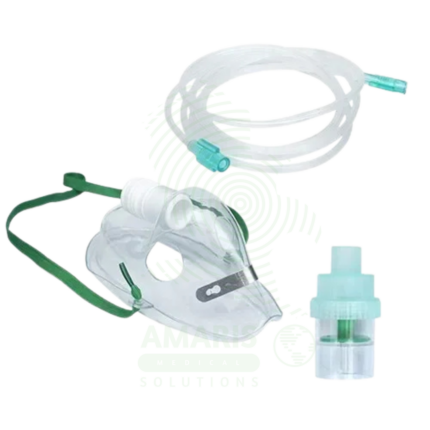
Adult & Pediatric Nebulizer Kit
An Adult & Pediatric Nebulizer Kit is a complete set of patient-contact components required for aerosol medication delivery, including a nebulizer cup, connecting tubing, and both an adult mouthpiece and a pediatric mask (or universal fit). Designed for use with a compressor, it provides the delivery circuit for treating asthma, COPD, and other respiratory conditions. Available in disposable (single-patient-use) formats for infection control in clinics or reusable formats for home care, its proper use, coupled with rigorous cleaning for reusable kits, is essential for effective therapy and preventing respiratory infections. The kit's universal connectors ensure compatibility with standard compressors.
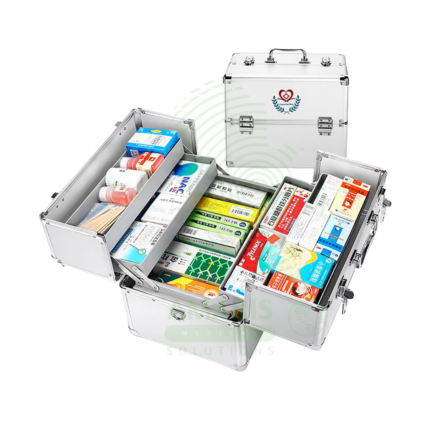
Aluminium First Aid Kit For Ambulance
An Aluminium First Aid Kit for Ambulance is a heavy-duty, weather-resistant storage case specifically designed for organizing, protecting, and securing medical supplies in emergency medical service vehicles. Constructed from 1.2-2.0 mm aluminium alloy with reinforced corners, durable latches, and rubber gaskets (IP54-IP67 rated), these cases protect contents from vibration, impact, moisture, and temperature extremes during emergency response. Available in various configurations including single compartment, multi-drawer, and clear-lid models with customizable interior dividers, elastic straps, and pouches. Designed to meet ambulance equipment mounting standards (KKK-A-1822, NFPA 1917, CEN 1789) with proper installation to withstand collision forces. Primary clinical applications include organized storage of airway management devices, bleeding control supplies, wound care materials, diagnostic equipment, emergency medications, IV supplies, splinting equipment, PPE, and obstetric supplies for BLS, ALS, and CCT ambulance services. Critical safety considerations include proper vehicle mounting to prevent projectile hazards, secure latching during transport, regular inventory management, expiration date monitoring, and decontamination after biohazard exposure. Essential equipment for organized, efficient, and safe emergency medical response.
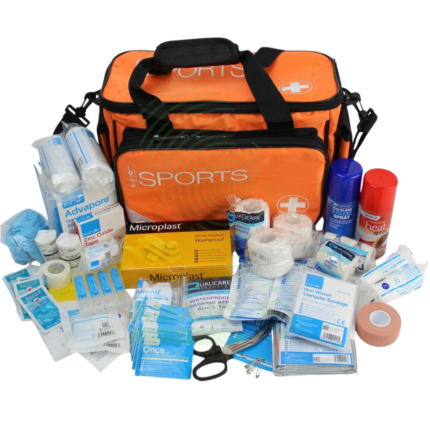
First Aid Kit For Sporting Places
A First Aid Kit for Sporting Places is a portable, organized medical kit specifically designed for the types and frequencies of injuries encountered in athletic and sporting environments. Available in various configurations including sideline kits for team use, personal sports pouches, team travel kits, and wall-mounted cabinets for gymnasiums. Constructed from ballistic nylon, polyester, ABS plastic, or aluminum with organized interior compartments, pouches, and elastic loops for rapid access to supplies. Contains sport-specific medical supplies including wound care materials, elastic bandages, instant cold packs, splinting materials, eye wash, blister care, concussion assessment tools, and personal protective equipment. Primary clinical applications include immediate treatment of common sports injuries (sprains, strains, contusions, abrasions, lacerations), concussion assessment, bleeding control, heat illness management, eye injury care, and emergency action plan implementation. Essential equipment for athletic teams, schools, fitness centers, recreational facilities, and sporting events, providing organized, accessible medical supplies for athlete safety and injury management.
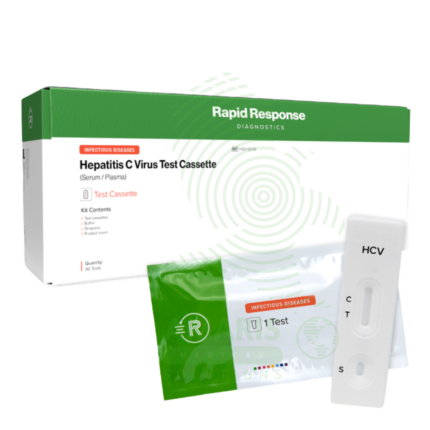
Hepatitis C Test Kit
The Hepatitis C Test Kit is an in vitro diagnostic device for the detection of Hepatitis C virus antibodies or RNA in human blood, serum, or plasma samples. Available in rapid, laboratory immunoassay, and molecular formats, it screens for HCV infection, confirms active infection with RNA testing, and monitors treatment response. With high sensitivity and specificity exceeding 99%, it is essential for identifying infected individuals, linking them to curative direct-acting antiviral therapy, and confirming cure. Essential applications include risk-based screening of high-risk populations, birth cohort screening of baby boomers, evaluation of acute hepatitis, management of occupational exposures, and monitoring of antiviral therapy that can cure over 95% of infections. All patient samples must be handled with universal precautions, and positive antibody results require confirmatory testing.
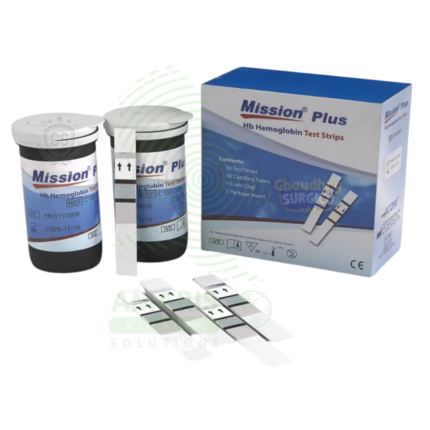
Mission plus strips
Mission Plus Strips are single-use, disposable electrochemical test strips (ISO 15197:2013 compliant) designed exclusively for use with Mission Plus glucose meters to measure capillary blood glucose from 0.5-1.0 µL samples in 5-7 seconds. Each strip contains glucose oxidase or glucose dehydrogenase reagents that generate electrical current proportional to glucose concentration (20-600 mg/dL range). Packaging options include multi-strip vials (25-100 strips) with desiccant for daily use or individually foil-wrapped strips for travel. Strips feature no-coding automatic calibration, hematocrit compensation (20-60%), and interference resistance. Primary clinical applications include daily blood glucose testing for Type 1, Type 2, and gestational diabetes management, hypoglycemia and hyperglycemia detection, pre- and post-meal glucose assessment, and hospital point-of-care testing. Critical safety precautions include single-use only, immediate vial closure after strip removal to prevent humidity damage, storage at 2-30°C away from bathrooms and temperature extremes, never using expired strips, proper hand hygiene before testing, and disposal in sharps containers. Essential consumable for diabetes self-management when used with Mission Plus meters.
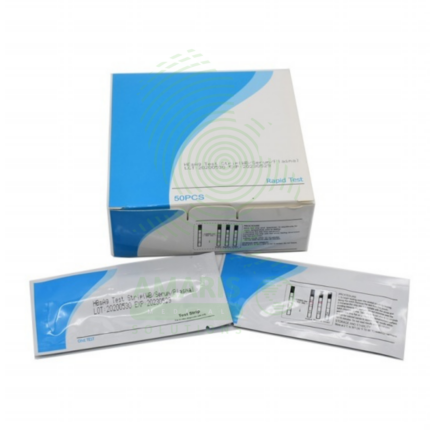
Rapid Test Kits (HIV, HBV, HCV, Malaria)
Rapid Test Kits for HIV, HBV, HCV, and Malaria are single-use, immunochromatographic devices designed for the quick, preliminary screening of these critical infectious diseases at the point of care. By detecting specific antibodies or antigens in a small blood sample (or oral fluid for some HIV tests), they provide a visual result within 15-30 minutes without the need for laboratory equipment. Their primary role is to expand access to testing in community and resource-limited settings, enabling immediate counseling, triage, and referral for confirmatory testing and treatment. As essential tools in public health, they are characterized by their simplicity, speed, and critical importance in early diagnosis and outbreak response.
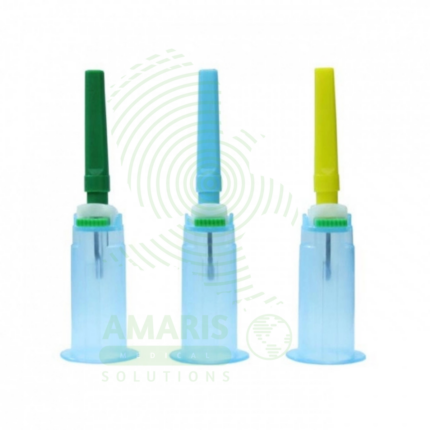
Vacutainer Needle Holder
A Vacutainer Needle Holder is a disposable plastic device (Class I/II medical device) used to securely hold double-ended blood collection needles and evacuated tubes during venipuncture, enabling safe and efficient collection of multiple blood specimens from a single venipuncture. Made from medical-grade ABS plastic or polypropylene, latex-free, approximately 12 cm length, with threaded end for needle attachment and flanged opening with flexible fingers to securely hold standard evacuated tubes (13 × 75 mm, 16 × 100 mm). Compatible with all standard double-ended needles and safety-engineered needles. Primary clinical applications include blood collection for laboratory testing (hematology, chemistry, coagulation, blood banking), multiple tube collection from single venipuncture, standardized venipuncture procedures, infection control (works with safety needles), and phlebotomy training. Critical safety precautions include single-use only (never reuse), secure needle attachment, immediate disposal of an entire unit with a needle in a sharps container, never recapping needles, and inspection for damage before use. Essential components of blood collection systems in hospitals, clinics, and laboratories.