Dermatoscope and Magnifiers
 Diagnostic Kits
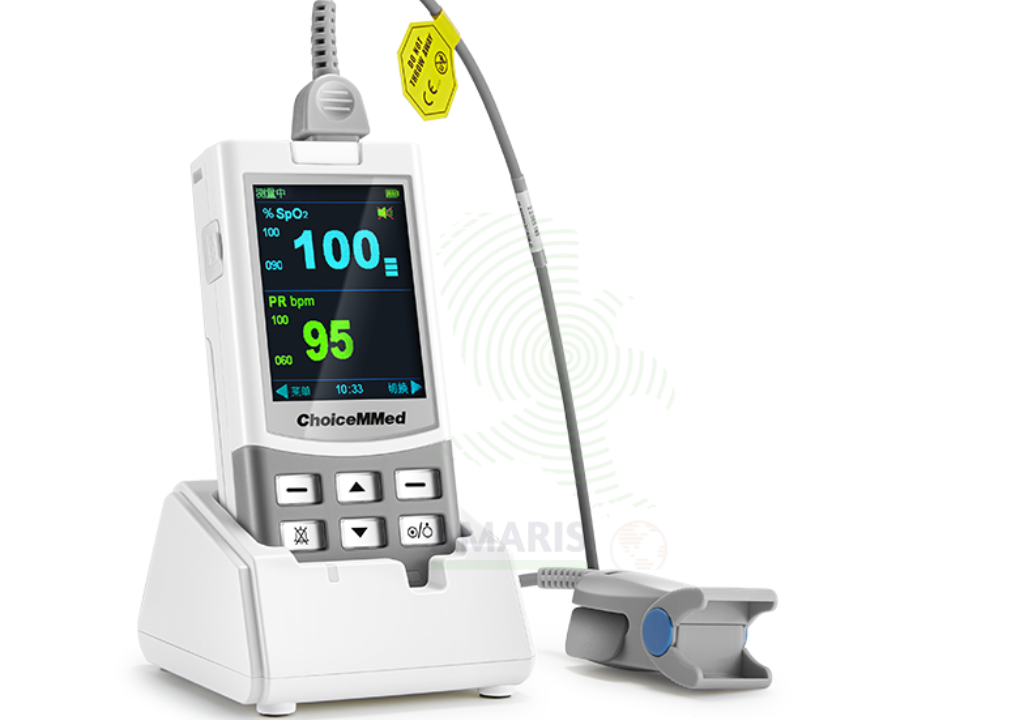
 Vital Signs Monitors
 Stethoscopes and Accessories
 Otoscopes, Ophthalmoscopes, and Retinoscopes
 Reflex Hammers and Neurological Tools
 Scales and Measuring Devices
 Spirometers and Pulmonary Function Tests
 Electrosurgical Units and Accessories
 Cutting Instruments
 Grasping and Holding Instruments
 Hemostatic Instruments
 Specialized Surgical Sets
 Single-Use Procedure Trays and Packs
 Surgical Drapes, Gowns, and Covers
 Tissue Unifying Instruments
 Radiation Protection
 X-Ray Machines and Accessories
 Ultrasound Systems and Probes
 MRI and CT Scanners
 Radiology Consumables
 Bone Densitometers
 Fluoroscopy Equipment
 Imaging Tables and Positioning Aids
 Microscopes and Accessories
 Centrifuges and Separators
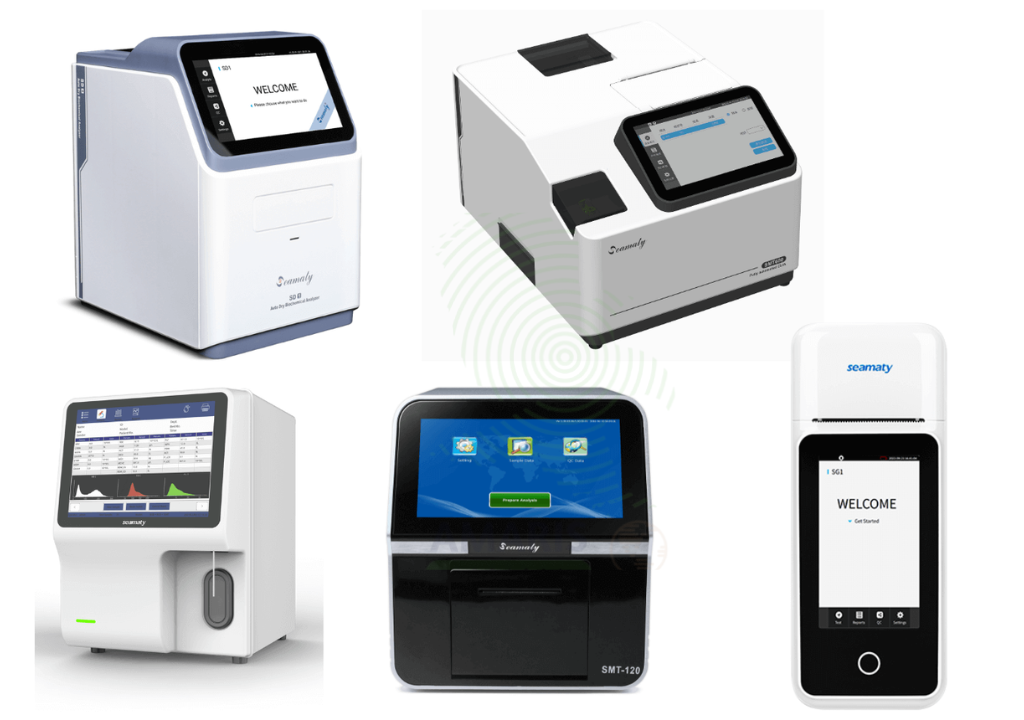
 Analyzers
 Incubators and Ovens
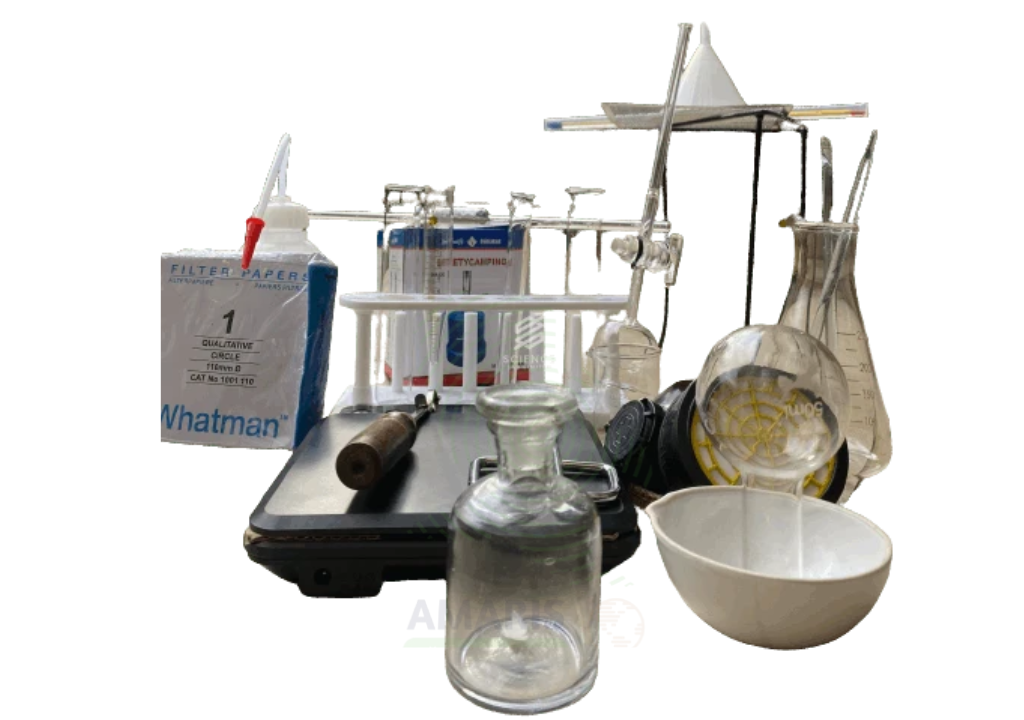
 Pipettes, Dispensers, and Lab Glassware
 Refrigerators, Freezers, and Storage Units
 Lab Consumables
 Sterilizers and Autoclaves for Lab Use
 Multi-Parameter Monitors
 Ventilators and Respiratory Support Devices
 Defibrillators and AEDs
 Infusion Pumps and IV Systems
 Patient Warmers and Cooling Devices
 Central Monitoring Stations
 Accessories
 Anesthesia Machines and Workstations
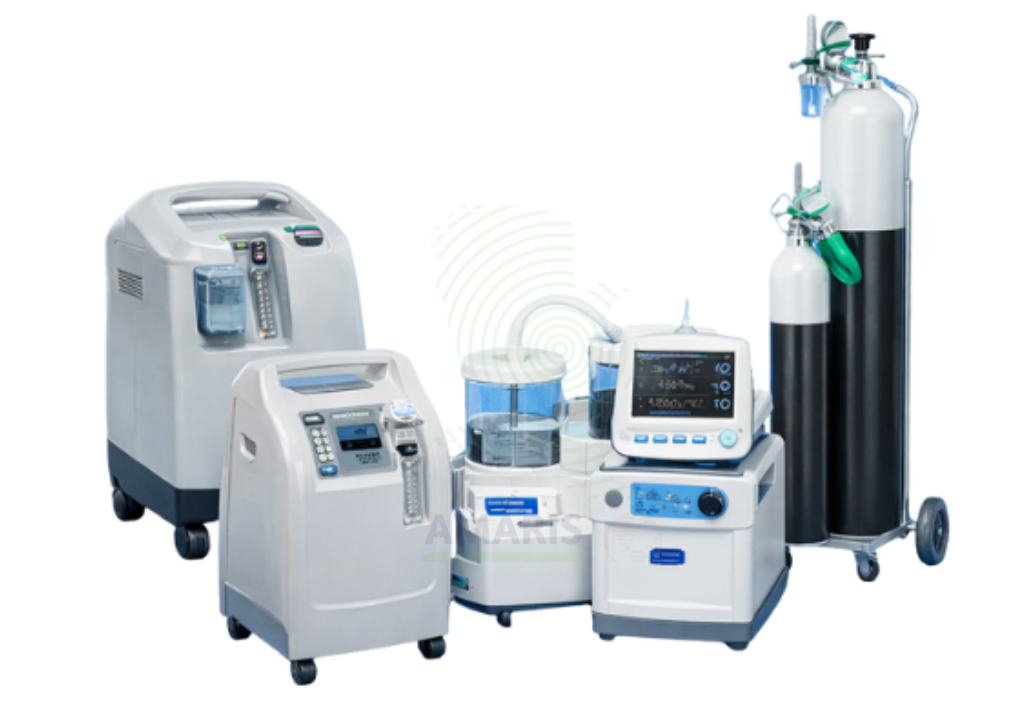
 Oxygen Concentrators and Delivery Systems
 Nebulizers and Inhalers
 CPAP/BiPAP Machines
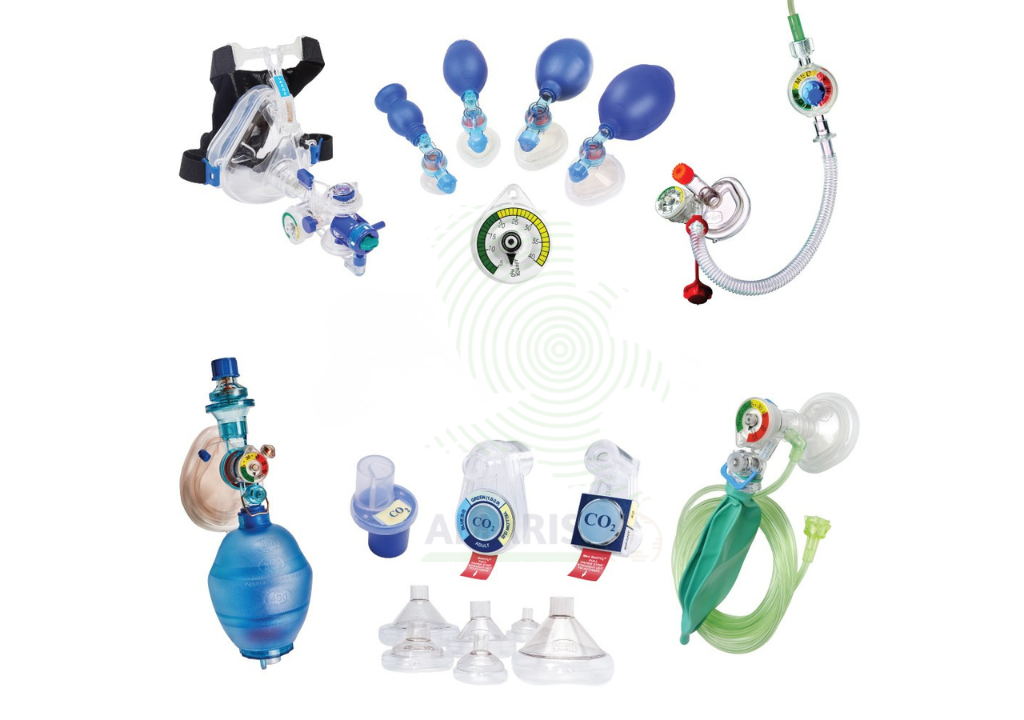
 Airway Management
 Anesthesia Masks, Circuits, and Bags
 Humidifiers and Heaters
 Respiratory Therapy Accessories
 First Aid Kits and Cabinets
 Emergency Resuscitation Equipment
 Trauma Supplies
 Emergency Carts and Crash Carts
 Burn Care Products
 Bleeding Control
 Automated External Defibrillators (AEDs)
 Transport and Evacuation
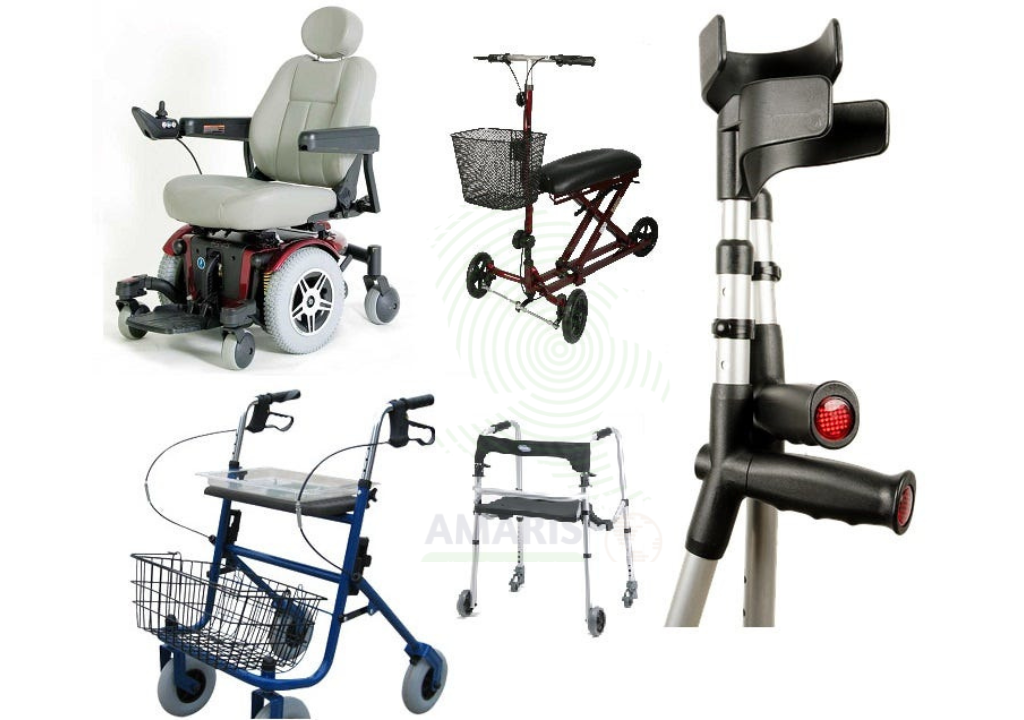
 Wheelchairs and Accessories
 Walkers, Crutches, and Canes
 Prosthetics and Orthotics
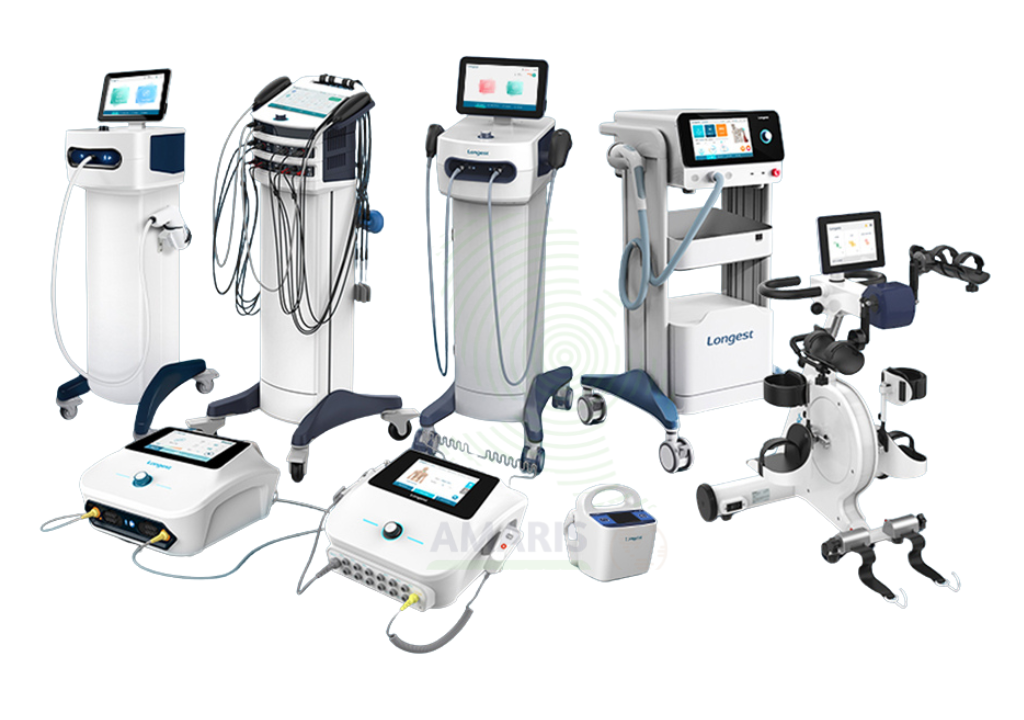
 Physical Therapy Equipment
 Transfer Devices
 Bathroom Safety
 Orthopedic Traction and Tables
 Hot/Cold Therapy Packs and Units
 Beds and Mattresses
 Chairs and Stools
 Tables
 Cabinets and Storage
 Privacy Screens & Curtains
 Stands and Racks
 Linens and Textiles
 Lighting
 Autoclaves and Sterilizers
 Ultrasonic Cleaners
 Disinfectant Solutions and Wipes
 Sterilization Pouches, Wraps, and Indicators
 Instrument Trays and Containers
 UV and Ozone Disinfection Devices
 Washer Disinfectors
 Wound Care
 Gloves
 Masks and Respirators
 Catheters and Tubing
 Swabs, Applicators, and Sponges
 Incontinence Products
 Personal Protective Equipment (PPE)
 Dental Chairs and Units
 Handpieces and Burs
 Instruments
 Consumables
 Sterilization for Dental Use
 Orthodontic Supplies
 Endodontic Tools
 Slit Lamps and Tonometers
 Lensometers and Phoropters
 Ophthalmic Surgical Instruments
 Eyewear Frames and Lenses
 Contact Lens Supplies
 Vision Testing Charts and Devices
 Eye Care Consumables
 Laser Systems for Eye Care
 ENT Exam Chairs and Tables
 Endoscopes
 Audiometers and Hearing Tests
 ENT Instruments
 Nasal and Throat Packs
 Hearing Aids and Accessories
 Otology Supplies
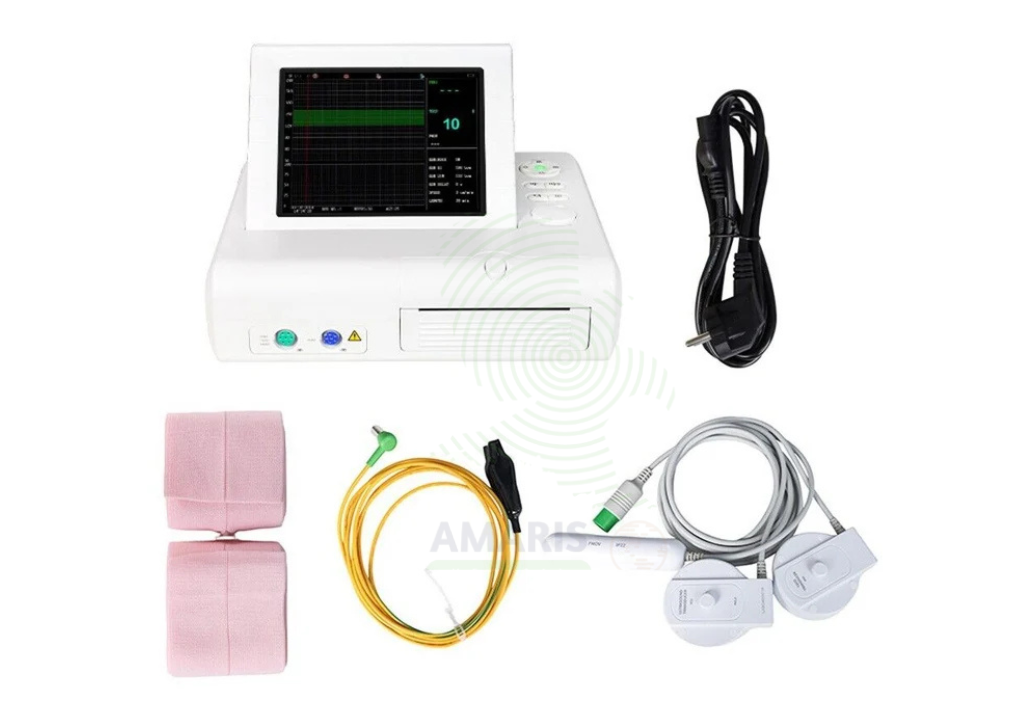
 Fetal Dopplers and Monitors
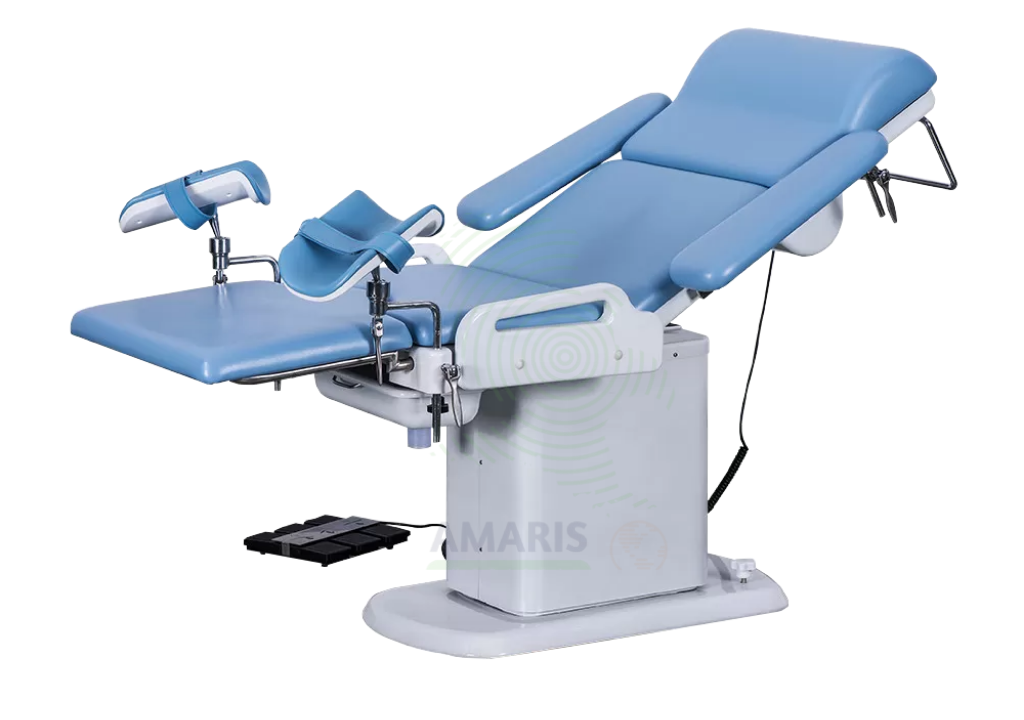
 Delivery Beds and Tables
 Gynecological Instruments
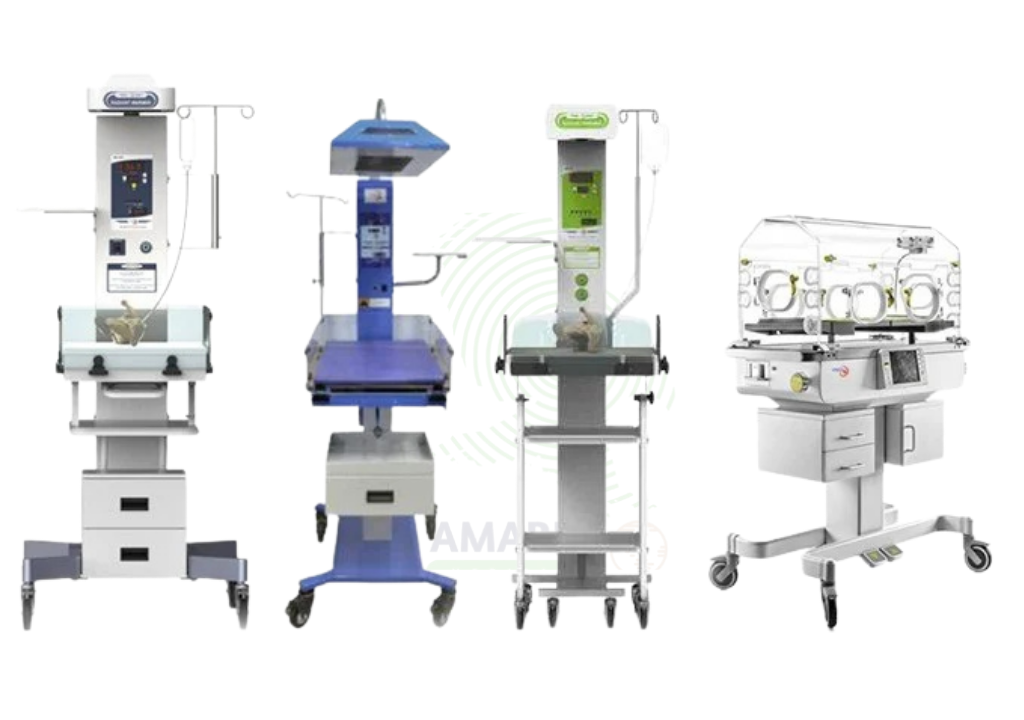
 Neonatal Incubators and Warmers
 Breast Pumps and Accessories
 Contraceptive Devices
 Maternity Supports and Pads
 Neonatal Consumables
 Cystoscopes and Urethroscopes
 Dialysis Machines and Supplies
 Urological Catheters and Bags
 Lithotripters
 Prostate Treatment Devices
 Urinary Incontinence Products
 Kidney Stone Management Tools
 Consumables & Disposables
 EEG and EMG Machines
 Neurosurgical Instruments
 Nerve Stimulators
 Headrests and Positioning Aids
 Lumbar Puncture Kits
 Seizure Monitoring Devices
 Consumables
 Rehabilitation for Neurological Conditions
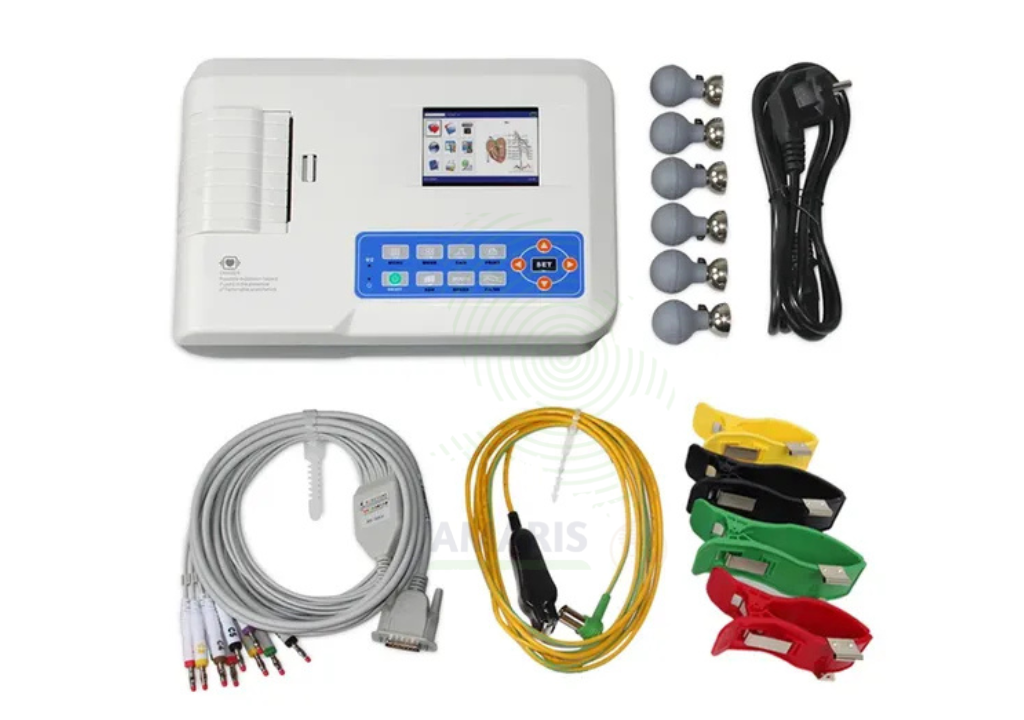
 ECG Machines and Accessories
 Holter Monitors
 Stress Test Systems
 Pacemakers and Defibrillator Accessories
 Vascular Access Devices
 Cardiac Catheters and Guidewires
 Blood Flow Meters
 Consumables
 Orthopedic Instruments
 Casts, Splints, and Padding
 Joint Replacement Supplies
 Prosthetic Limbs and Components
 Bone Grafts and Substitutes
 Traction Devices
 Orthopedic Braces and Supports
 Rehabilitation Aids for Orthopedics
 Home Oxygen Therapy
 Hospital Beds for Home Use
 Mobility Aids
 Bathroom and Daily Living Aids
 Wound Care for Home
 Monitoring Devices
 Enteral Feeding Pumps and Tubes
 Hand Sanitizers and Dispensers
 Face Shields and Goggles
 Isolation Gowns and Suits
 Biohazard Waste Containers
 Air Purifiers and HEPA Filters
 Surface Disinfectants
 Sharps Containers
 Protective Barriers
 Cardiovascular & Endurance Training
 Strength Training & Weightlifting
 Functional Training & Core Conditioning
 Physical Therapy & Rehabilitation
 Sports & Outdoor Recreation
 Gym Flooring & Facility Equipment
 Fitness Monitoring & Accessories
 Kids & Novelties
🧼🛡️ Sterilization 101: Protecting Patients Starts with Clean Instruments

In healthcare, patient safety begins long before a procedure takes place. One of the most important parts of safe medical practice happens behind the scenes—ensuring that reusable medical instruments are properly cleaned, disinfected, and sterilized before they are used again.
From surgical theatres and dental clinics to laboratories and outpatient facilities, effective sterilization helps reduce the risk of microorganisms being transferred between patients. While sterilization may not always be visible to patients, it is one of the foundations of modern infection prevention 🏥💙.
Sterilization is a process designed to eliminate all forms of microbial life from appropriately processed items. It is different from ordinary cleaning or disinfection. Cleaning removes visible dirt and organic material, while disinfection reduces microorganisms to a safer level. Sterilization goes further by eliminating viable microorganisms, including bacterial spores, when the process is properly performed.
The first step toward successful sterilization is actually thorough cleaning. Instruments must be properly cleaned before sterilization because blood, tissue, and other organic material can interfere with the sterilization process.
Depending on the healthcare facility and the instruments being processed, cleaning may involve manual methods or specialized equipment. Instruments should then be inspected carefully to ensure they are free from visible contamination and functioning correctly.
After cleaning, instruments are prepared for sterilization. Proper preparation is essential because the sterilizing agent must be able to reach all relevant surfaces. Instruments may be packaged using appropriate sterilization wraps, pouches, or containers depending on the equipment and sterilization method being used.
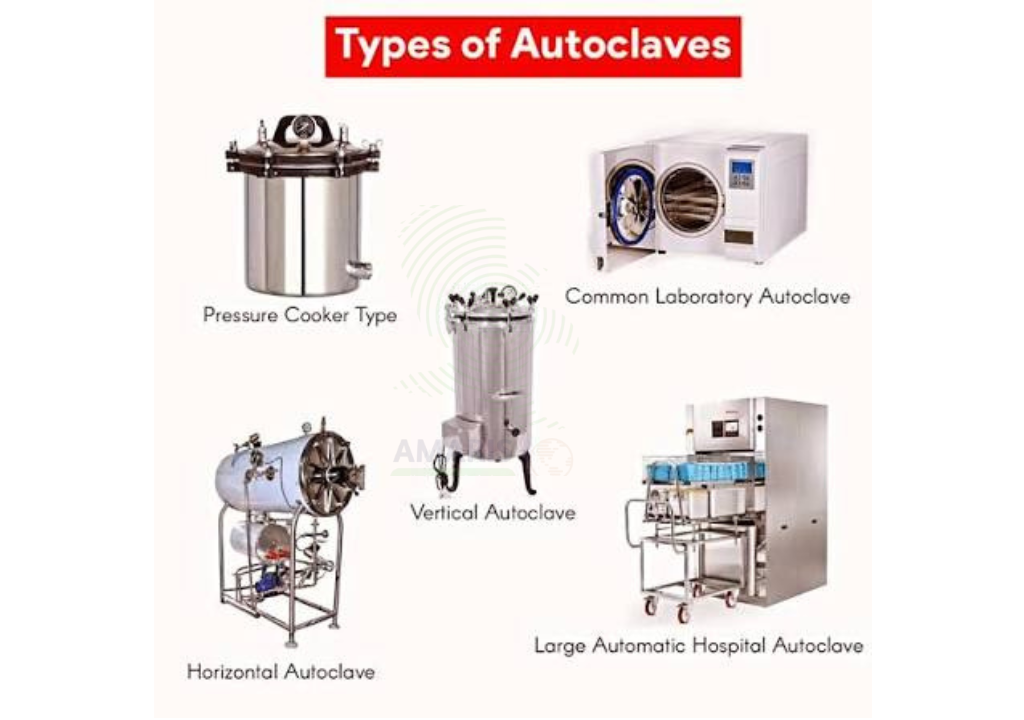
One of the most widely used sterilization methods in healthcare is steam sterilization through an autoclave. Autoclaves use pressurized steam at controlled temperatures and exposure times to sterilize compatible medical instruments.
Steam sterilization is widely used because it is effective, reliable, and suitable for many heat-resistant surgical and medical instruments. Modern autoclaves may include digital controls, automatic cycles, safety systems, and monitoring features that help healthcare professionals operate the equipment consistently ⚙️.
However, not every medical instrument can tolerate high temperatures or moisture. Some delicate devices may require alternative sterilization technologies, such as low-temperature sterilization systems.
Selecting the appropriate sterilization method depends on the type of instrument, material, manufacturer’s instructions, and the requirements of the healthcare facility.
Another critical part of sterilization is monitoring the process. Healthcare facilities should use appropriate indicators and quality-control procedures to verify that sterilization cycles have been completed effectively.
Physical indicators may provide information such as temperature, pressure, and exposure time, while chemical indicators can show whether specific sterilization conditions have been reached. Biological indicators may also be used as part of a comprehensive sterilization monitoring program.
Keeping accurate records is equally important. Documentation of sterilization cycles, equipment maintenance, monitoring results, and instrument processing helps healthcare facilities maintain consistent standards and identify potential problems quickly 📋.
Sterilization equipment maintenance should never be overlooked. Autoclaves and other sterilization systems need regular inspection, servicing, cleaning, and performance testing according to manufacturer recommendations and applicable healthcare standards.
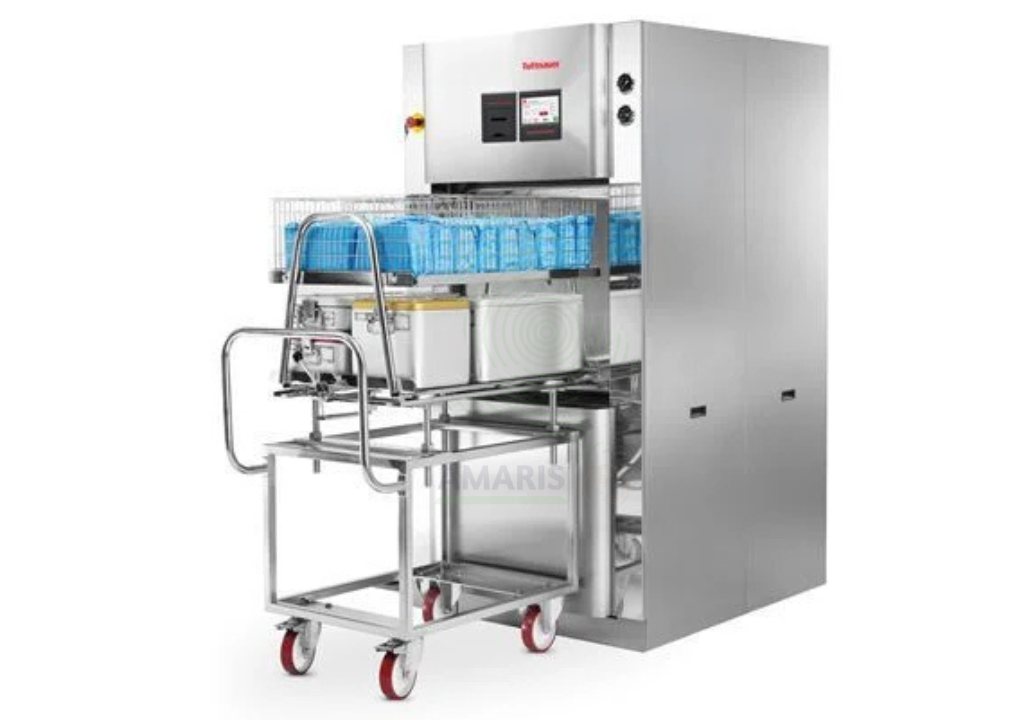
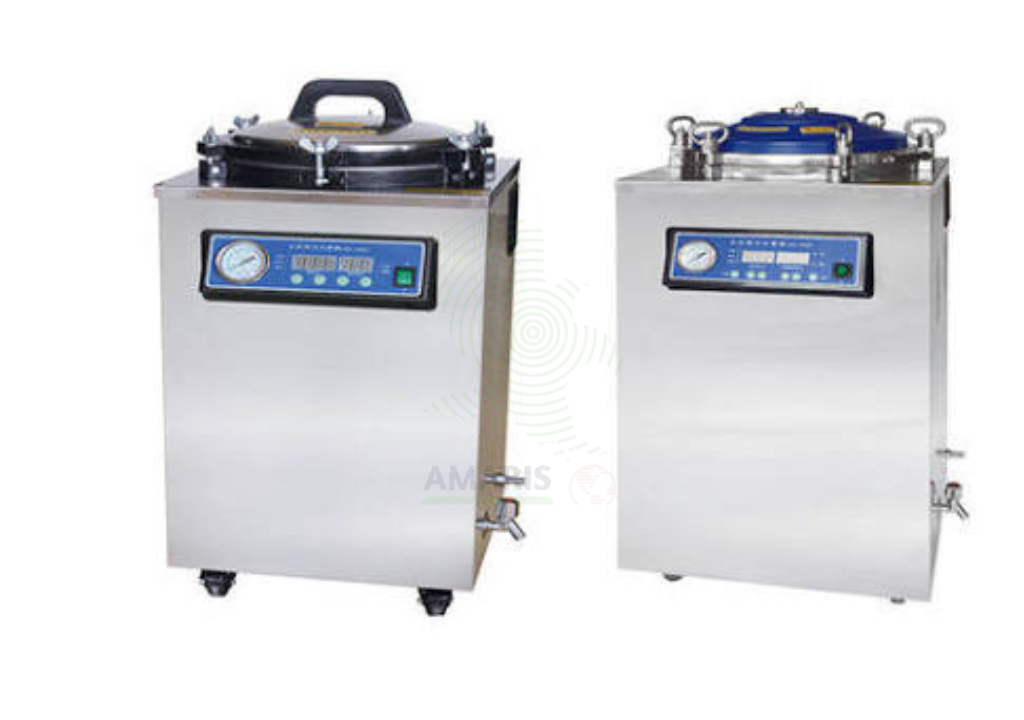
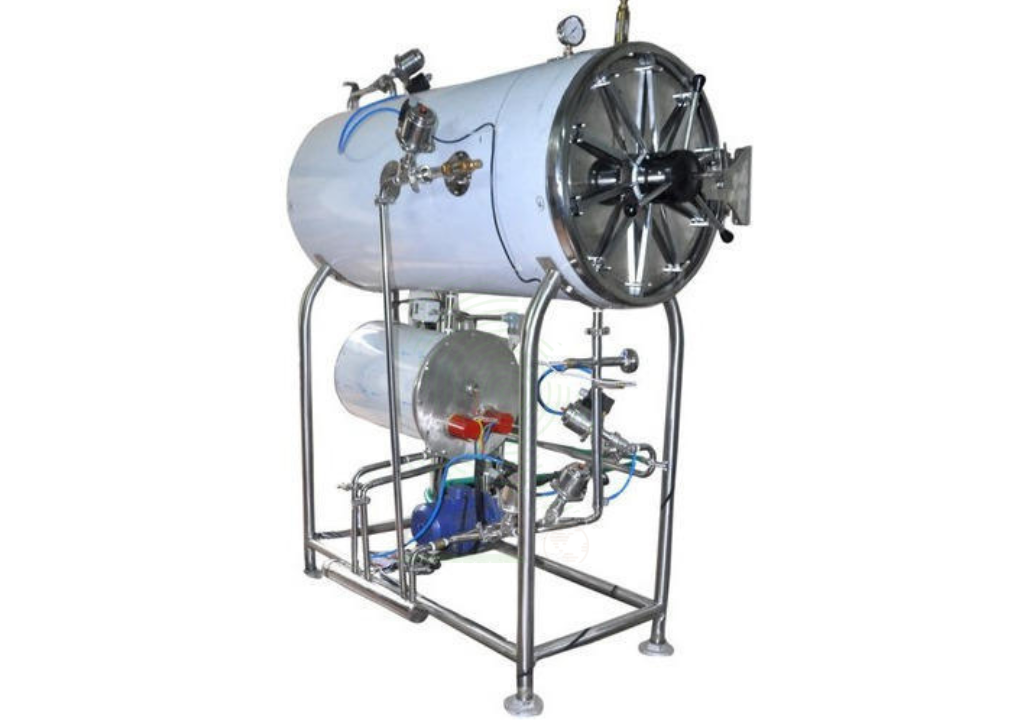
A sterilizer that is not properly maintained may fail to perform as expected, creating unnecessary risks for patients and healthcare workers.
Staff training is another essential element. Even the most advanced sterilizer cannot guarantee safe results if it is incorrectly loaded, operated, or maintained.
Healthcare workers responsible for instrument processing should understand cleaning procedures, packaging requirements, equipment operation, sterilization monitoring, storage, and infection prevention practices. Continuous training helps maintain consistency as equipment and procedures evolve 👩⚕️👨⚕️.
Once instruments have been sterilized, proper storage is also important. Sterile items should be stored in a clean, controlled environment where their packaging remains intact. Damaged, wet, or compromised packaging may affect the sterility of the contents and should be handled according to facility procedures.
Sterilization is particularly important in areas where invasive procedures are performed. Surgical theatres, maternity units, dental facilities, endoscopy departments, and procedure rooms all rely on effective instrument processing to support patient safety.
However, sterilization is only one part of a broader infection prevention strategy. Hand hygiene, appropriate PPE, environmental cleaning, safe waste management, disinfection, and proper instrument handling all work together to reduce healthcare-associated infection risks 🧤.
Modern sterilization technology continues to evolve. Automated systems, advanced monitoring features, low-temperature technologies, and improved instrument-processing workflows are helping healthcare facilities improve efficiency while maintaining high standards of infection prevention.
For healthcare facilities, investing in reliable sterilization equipment is therefore much more than purchasing a machine. It involves creating a complete system that includes appropriate equipment, trained staff, quality monitoring, regular maintenance, and clearly defined procedures.
🔚 Final Thoughts
Clean and properly sterilized instruments are fundamental to safe healthcare. From the initial cleaning stage to sterilization, monitoring, storage, and eventual use, every step matters.
Reliable autoclaves, appropriate sterilization systems, trained personnel, and consistent quality-control practices help healthcare facilities reduce avoidable risks and protect both patients and healthcare workers. In the end, effective sterilization is not simply about keeping instruments clean—it is about creating a safer environment where healthcare professionals can provide care with confidence 🛡️💙.