Dermatoscope and Magnifiers
 Diagnostic Kits
 Vital Signs Monitors
 Stethoscopes and Accessories
 Otoscopes, Ophthalmoscopes, and Retinoscopes
 Reflex Hammers and Neurological Tools
 Scales and Measuring Devices
 Spirometers and Pulmonary Function Tests
 Electrosurgical Units and Accessories
 Cutting Instruments
 Grasping and Holding Instruments
 Hemostatic Instruments
 Specialized Surgical Sets
 Single-Use Procedure Trays and Packs
 Surgical Drapes, Gowns, and Covers
 Tissue Unifying Instruments
 Radiation Protection
 X-Ray Machines and Accessories
 Ultrasound Systems and Probes
 MRI and CT Scanners
 Radiology Consumables
 Bone Densitometers
 Fluoroscopy Equipment
 Imaging Tables and Positioning Aids
 Microscopes and Accessories
 Centrifuges and Separators
 Analyzers
 Incubators and Ovens
 Pipettes, Dispensers, and Lab Glassware
 Refrigerators, Freezers, and Storage Units
 Lab Consumables
 Sterilizers and Autoclaves for Lab Use
 Multi-Parameter Monitors
 Ventilators and Respiratory Support Devices
 Defibrillators and AEDs
 Infusion Pumps and IV Systems
 Patient Warmers and Cooling Devices
 Central Monitoring Stations
 Accessories
 Anesthesia Machines and Workstations
 Oxygen Concentrators and Delivery Systems
 Nebulizers and Inhalers
 CPAP/BiPAP Machines
 Airway Management
 Anesthesia Masks, Circuits, and Bags
 Humidifiers and Heaters
 Respiratory Therapy Accessories
 First Aid Kits and Cabinets
 Emergency Resuscitation Equipment
 Trauma Supplies
 Emergency Carts and Crash Carts
 Burn Care Products
 Bleeding Control
 Automated External Defibrillators (AEDs)
 Transport and Evacuation
 Wheelchairs and Accessories
 Walkers, Crutches, and Canes
 Prosthetics and Orthotics
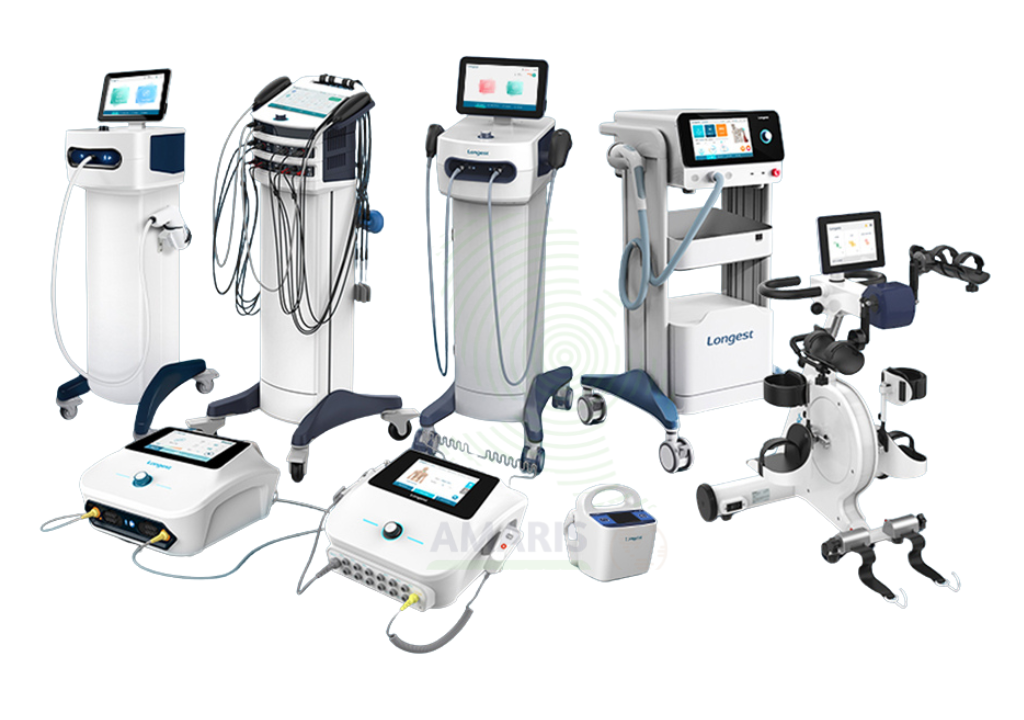
 Physical Therapy Equipment
 Transfer Devices
 Bathroom Safety
 Orthopedic Traction and Tables
 Hot/Cold Therapy Packs and Units
 Beds and Mattresses
 Chairs and Stools
 Tables
 Cabinets and Storage
 Privacy Screens & Curtains
 Stands and Racks
 Linens and Textiles
 Lighting
 Autoclaves and Sterilizers
 Ultrasonic Cleaners
 Disinfectant Solutions and Wipes
 Sterilization Pouches, Wraps, and Indicators
 Instrument Trays and Containers
 UV and Ozone Disinfection Devices
 Washer Disinfectors
 Wound Care
 Gloves
 Masks and Respirators
 Catheters and Tubing
 Swabs, Applicators, and Sponges
 Incontinence Products
 Personal Protective Equipment (PPE)
 Dental Chairs and Units
 Handpieces and Burs
 Instruments
 Consumables
 Sterilization for Dental Use
 Orthodontic Supplies
 Endodontic Tools
 Slit Lamps and Tonometers
 Lensometers and Phoropters
 Ophthalmic Surgical Instruments
 Eyewear Frames and Lenses
 Contact Lens Supplies
 Vision Testing Charts and Devices
 Eye Care Consumables
 Laser Systems for Eye Care
 ENT Exam Chairs and Tables
 Endoscopes
 Audiometers and Hearing Tests
 ENT Instruments
 Nasal and Throat Packs
 Hearing Aids and Accessories
 Otology Supplies
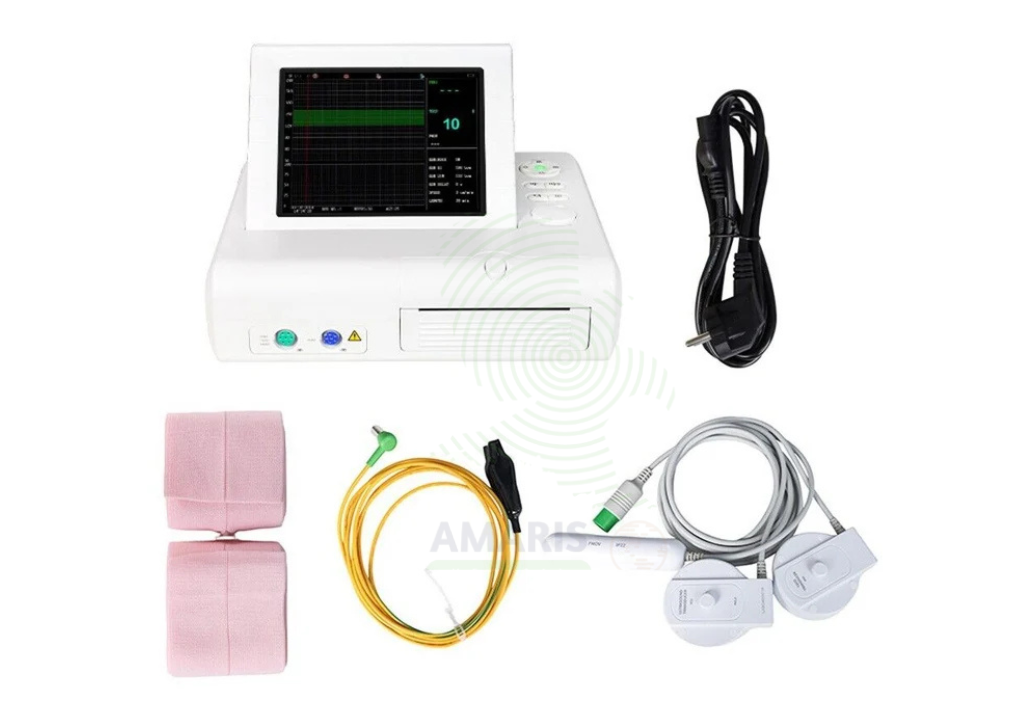
 Fetal Dopplers and Monitors
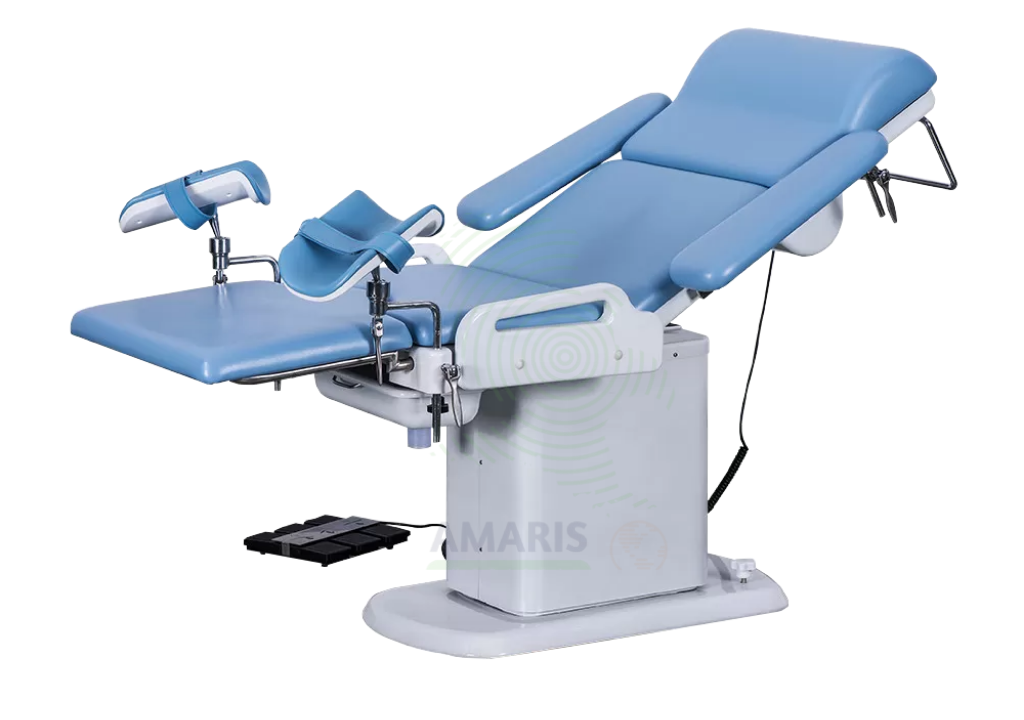
 Delivery Beds and Tables
 Gynecological Instruments
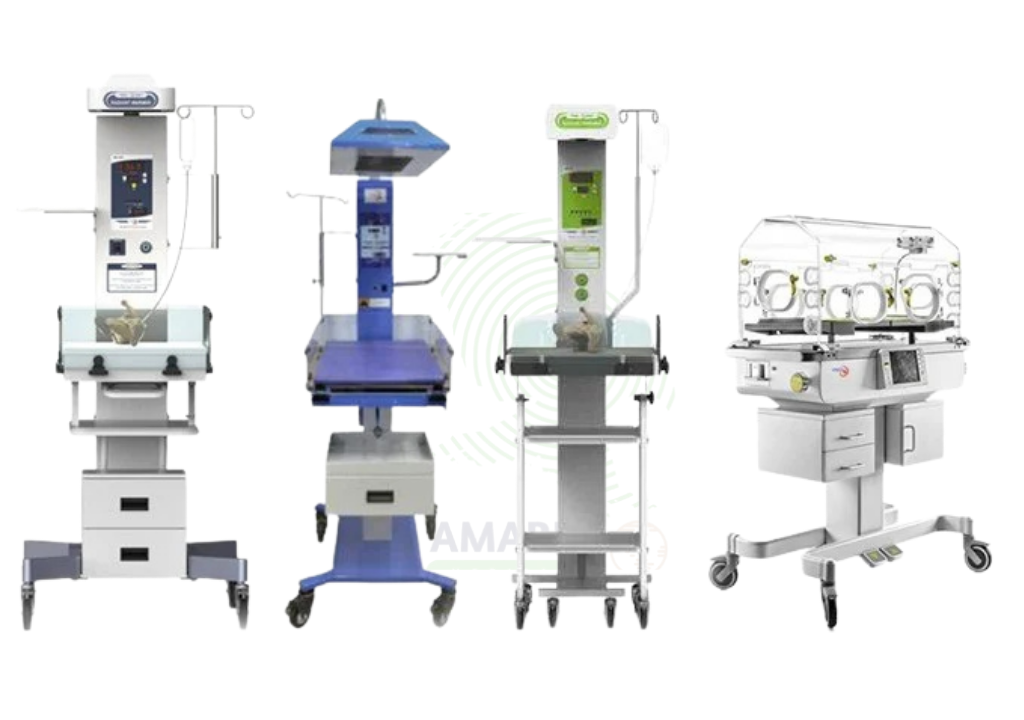
 Neonatal Incubators and Warmers
 Breast Pumps and Accessories
 Contraceptive Devices
 Maternity Supports and Pads
 Neonatal Consumables
 Cystoscopes and Urethroscopes
 Dialysis Machines and Supplies
 Urological Catheters and Bags
 Lithotripters
 Prostate Treatment Devices
 Urinary Incontinence Products
 Kidney Stone Management Tools
 Consumables & Disposables
 EEG and EMG Machines
 Neurosurgical Instruments
 Nerve Stimulators
 Headrests and Positioning Aids
 Lumbar Puncture Kits
 Seizure Monitoring Devices
 Consumables
 Rehabilitation for Neurological Conditions
 ECG Machines and Accessories
 Holter Monitors
 Stress Test Systems
 Pacemakers and Defibrillator Accessories
 Vascular Access Devices
 Cardiac Catheters and Guidewires
 Blood Flow Meters
 Consumables
 Orthopedic Instruments
 Casts, Splints, and Padding
 Joint Replacement Supplies
 Prosthetic Limbs and Components
 Bone Grafts and Substitutes
 Traction Devices
 Orthopedic Braces and Supports
 Rehabilitation Aids for Orthopedics
 Home Oxygen Therapy
 Hospital Beds for Home Use
 Mobility Aids
 Bathroom and Daily Living Aids
 Wound Care for Home
 Monitoring Devices
 Enteral Feeding Pumps and Tubes
 Hand Sanitizers and Dispensers
 Face Shields and Goggles
 Isolation Gowns and Suits
 Biohazard Waste Containers
 Air Purifiers and HEPA Filters
 Surface Disinfectants
 Sharps Containers
 Protective Barriers
 Cardiovascular & Endurance Training
 Strength Training & Weightlifting
 Functional Training & Core Conditioning
 Physical Therapy & Rehabilitation
 Sports & Outdoor Recreation
 Gym Flooring & Facility Equipment
 Fitness Monitoring & Accessories
 Kids & Novelties
🧼⚙️ Autoclaves vs Chemical Sterilization: Which Is Better?

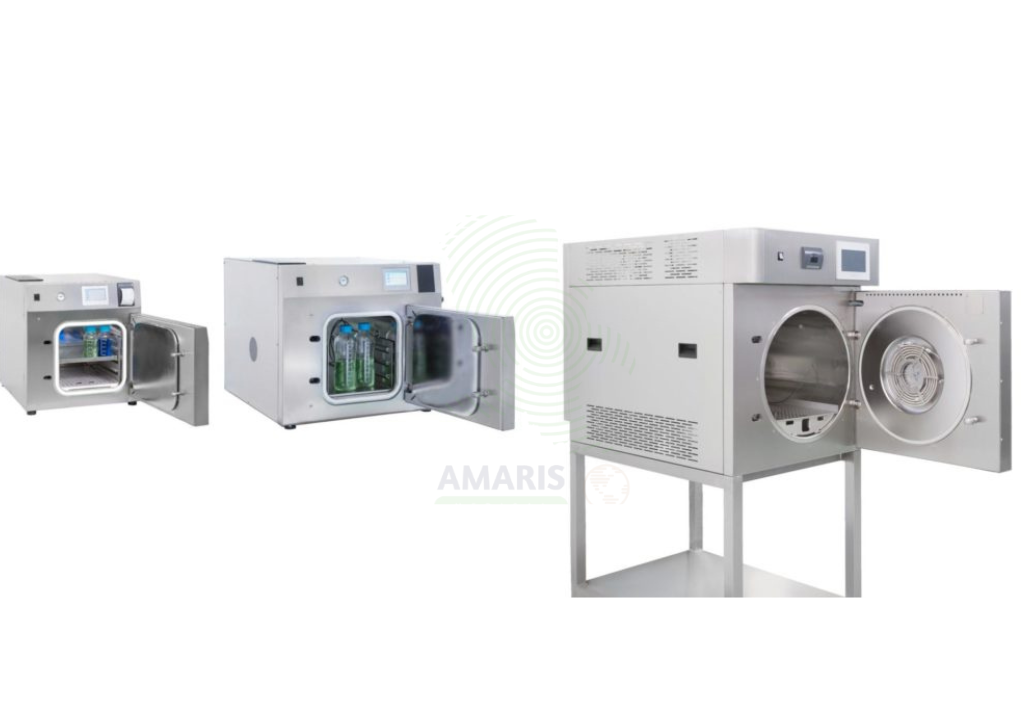
Sterilization is one of the most important processes in modern healthcare. Before reusable medical instruments are used on another patient, they must be appropriately processed to reduce the risk of transmitting harmful microorganisms. Hospitals, clinics, laboratories, dental facilities, and other healthcare settings therefore rely on different sterilization methods to keep instruments safe.
Two commonly discussed approaches are autoclave sterilization and chemical sterilization. But which one is better? The answer is not simply one or the other. The most appropriate method depends on the type of instrument, its material, manufacturer’s instructions, and the healthcare facility’s requirements 🏥💙.
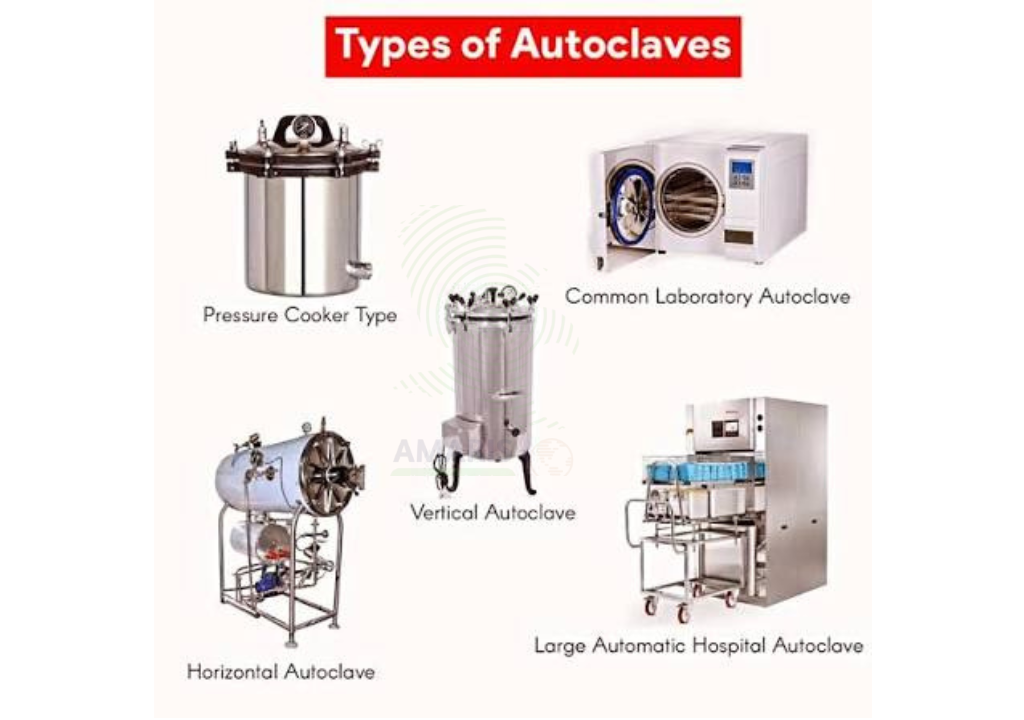
An autoclave is a sterilization device that uses pressurized steam at a controlled temperature and exposure time. Steam penetrates suitable materials and destroys microorganisms, including resistant bacterial spores, when the correct cycle is achieved.
Because of its effectiveness and reliability, steam sterilization is widely used for heat- and moisture-resistant medical instruments. Surgical instruments, metal equipment, certain glassware, and other compatible items can often be processed using an autoclave.
One of the major advantages of autoclaves is their reliability and repeatability. Modern units are designed to control important parameters such as temperature, pressure, and exposure time. Many also include automatic cycle controls and monitoring systems that help healthcare workers select and complete appropriate sterilization cycles ⚙️.
Autoclaves also avoid the need to expose instruments to chemical sterilizing agents. This can make steam sterilization an attractive option for facilities that regularly process large quantities of compatible instruments.
However, autoclaves are not suitable for everything. Some medical devices can be damaged by high temperatures, pressure, or moisture. Certain plastics, electronics, delicate instruments, and heat-sensitive materials may require an alternative sterilization method.
This is where chemical sterilization can become useful.
Chemical sterilization uses specific chemical agents to destroy microorganisms on appropriate medical devices. Depending on the technology, low-temperature chemical processes can be used for certain heat-sensitive equipment that cannot safely undergo steam sterilization.
This makes chemical sterilization valuable in specialized healthcare environments where delicate or heat-sensitive instruments need to be processed.
One advantage of chemical sterilization is its ability to process materials that would otherwise be unsuitable for high-temperature steam. However, chemical processes require careful control because the sterilizing agent must be compatible with the instrument, the process, and the intended use.
Healthcare facilities must also follow the manufacturer’s instructions regarding exposure, aeration, rinsing where applicable, and handling of processed items.
When comparing the two methods, safety and compatibility are critical considerations. An autoclave may be the preferred choice for a heat-resistant surgical instrument, while a low-temperature chemical process may be more appropriate for a heat-sensitive medical device.
Choosing a sterilization method simply because it is convenient or inexpensive can create problems if the method is unsuitable for the equipment being processed.
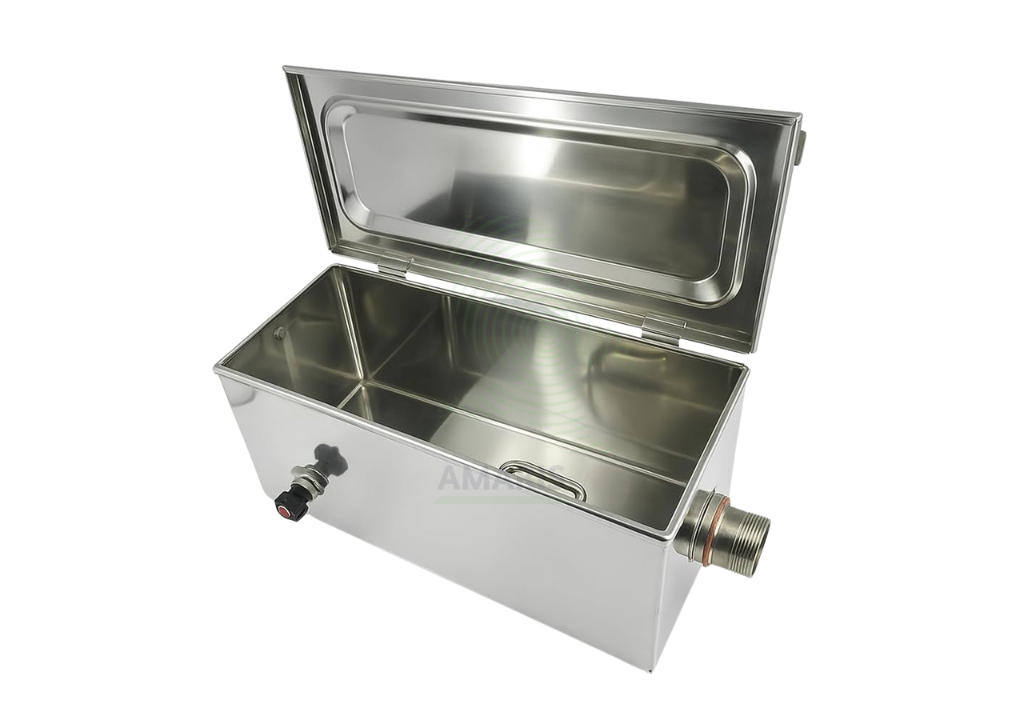
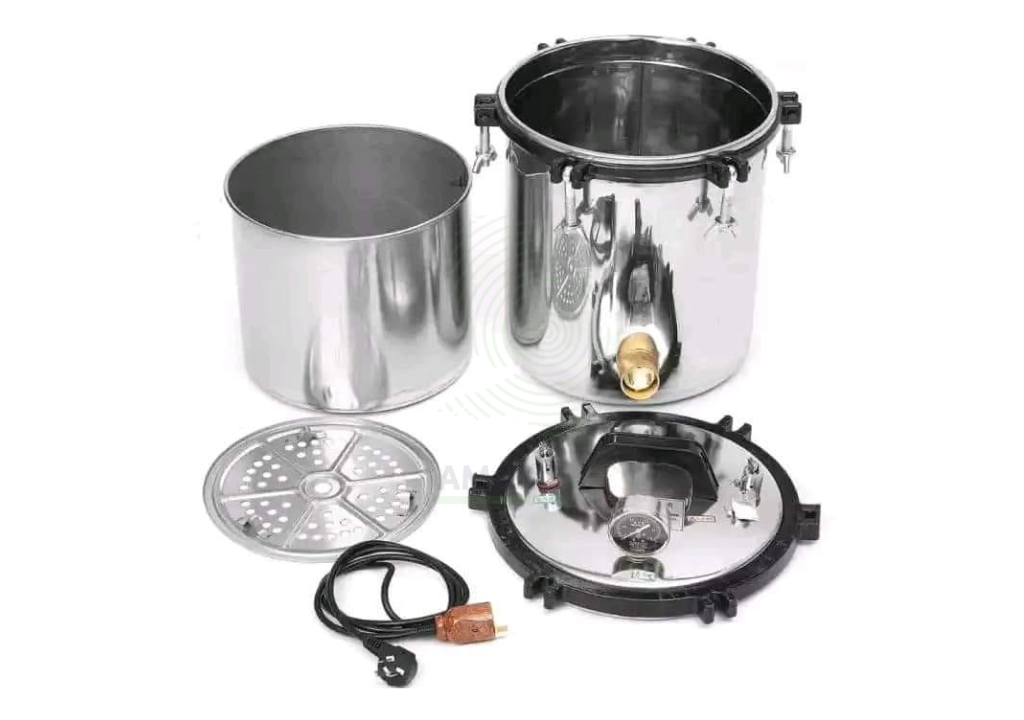
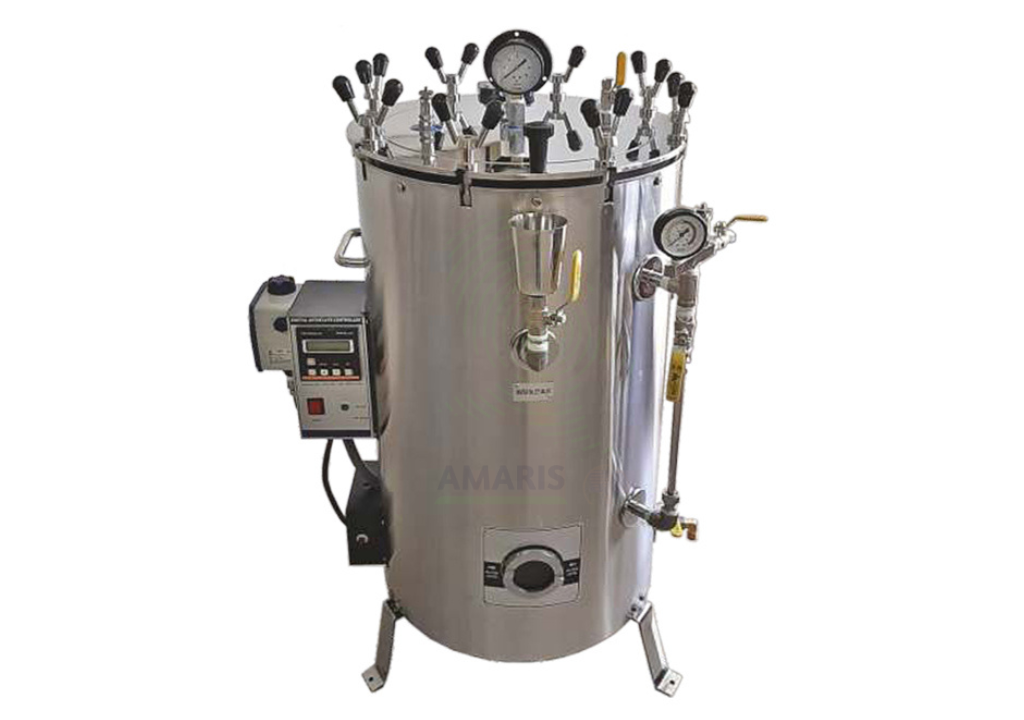
Another major difference is processing requirements. Steam sterilization primarily depends on appropriate temperature, pressure, and exposure time. Chemical sterilization depends on the correct concentration or conditions of the sterilizing agent, exposure time, temperature, and other process-specific requirements.
Both methods require monitoring and quality control to verify that the sterilization process has been performed correctly 🧪.
The condition of the instruments before sterilization is also extremely important. Neither autoclaving nor chemical sterilization should be considered a replacement for proper cleaning.
Blood, tissue, and other organic material can interfere with sterilization. Instruments should therefore be thoroughly cleaned and inspected before undergoing the appropriate sterilization process.
Packaging and storage also matter. After sterilization, instruments need to be handled and stored appropriately to preserve their sterile condition. Damaged packaging, improper handling, or unsuitable storage conditions can compromise the processed items.
Another consideration is staff training. Healthcare workers must understand which instruments can be sterilized using specific methods and how to operate the equipment safely.
For autoclaves, staff need to understand loading procedures, cycle selection, routine maintenance, and monitoring. For chemical systems, they must also understand safe chemical handling, exposure requirements, ventilation where applicable, and manufacturer-specific procedures 🧤.
From an operational perspective, healthcare facilities should consider their workload and the types of instruments they process. A busy surgical facility may depend heavily on steam sterilization because many of its reusable instruments are compatible with autoclaves.
A facility that uses delicate or heat-sensitive devices may require additional low-temperature sterilization capabilities. In some cases, having access to more than one sterilization technology provides greater flexibility.
So, which is better?
For heat- and moisture-resistant instruments, steam sterilization through a properly operated autoclave is often the preferred method because it is effective, established, and widely applicable.
Chemical or other low-temperature sterilization methods may be better suited to certain heat-sensitive devices that cannot tolerate autoclave conditions.
The best choice is therefore not about finding a universal winner. It is about selecting the right sterilization method for the right medical device.
🔚 Final Thoughts
Autoclaves and chemical sterilization both have important roles in healthcare. Autoclaves provide highly effective steam sterilization for compatible instruments, while chemical and other low-temperature methods can provide alternatives for equipment that cannot tolerate high heat or moisture.
Healthcare facilities should always follow validated processes, manufacturer instructions, appropriate monitoring procedures, and applicable infection-prevention standards when selecting and operating sterilization systems.
Ultimately, investing in the right sterilization equipment—and using it correctly—is an investment in cleaner instruments, safer procedures, and better patient protection 🏥🛡️.