Dermatoscope and Magnifiers
 Diagnostic Kits
 Vital Signs Monitors
 Stethoscopes and Accessories
 Otoscopes, Ophthalmoscopes, and Retinoscopes
 Reflex Hammers and Neurological Tools
 Scales and Measuring Devices
 Spirometers and Pulmonary Function Tests
 Electrosurgical Units and Accessories
 Cutting Instruments
 Grasping and Holding Instruments
 Hemostatic Instruments
 Specialized Surgical Sets
 Single-Use Procedure Trays and Packs
 Surgical Drapes, Gowns, and Covers
 Tissue Unifying Instruments
 Radiation Protection
 X-Ray Machines and Accessories
 Ultrasound Systems and Probes
 MRI and CT Scanners
 Radiology Consumables
 Bone Densitometers
 Fluoroscopy Equipment
 Imaging Tables and Positioning Aids
 Microscopes and Accessories
 Centrifuges and Separators
 Analyzers
 Incubators and Ovens
 Pipettes, Dispensers, and Lab Glassware
 Refrigerators, Freezers, and Storage Units
 Lab Consumables
 Sterilizers and Autoclaves for Lab Use
 Multi-Parameter Monitors
 Ventilators and Respiratory Support Devices
 Defibrillators and AEDs
 Infusion Pumps and IV Systems
 Patient Warmers and Cooling Devices
 Central Monitoring Stations
 Accessories
 Anesthesia Machines and Workstations
 Oxygen Concentrators and Delivery Systems
 Nebulizers and Inhalers
 CPAP/BiPAP Machines
 Airway Management
 Anesthesia Masks, Circuits, and Bags
 Humidifiers and Heaters
 Respiratory Therapy Accessories
 First Aid Kits and Cabinets
 Emergency Resuscitation Equipment
 Trauma Supplies
 Emergency Carts and Crash Carts
 Burn Care Products
 Bleeding Control
 Automated External Defibrillators (AEDs)
 Transport and Evacuation
 Wheelchairs and Accessories
 Walkers, Crutches, and Canes
 Prosthetics and Orthotics
 Physical Therapy Equipment
 Transfer Devices
 Bathroom Safety
 Orthopedic Traction and Tables
 Hot/Cold Therapy Packs and Units
 Beds and Mattresses
 Chairs and Stools
 Tables
 Cabinets and Storage
 Privacy Screens & Curtains
 Stands and Racks
 Linens and Textiles
 Lighting
 Autoclaves and Sterilizers
 Ultrasonic Cleaners
 Disinfectant Solutions and Wipes
 Sterilization Pouches, Wraps, and Indicators
 Instrument Trays and Containers
 UV and Ozone Disinfection Devices
 Washer Disinfectors
 Wound Care
 Gloves
 Masks and Respirators
 Catheters and Tubing
 Swabs, Applicators, and Sponges
 Incontinence Products
 Personal Protective Equipment (PPE)
 Dental Chairs and Units
 Handpieces and Burs
 Instruments
 Consumables
 Sterilization for Dental Use
 Orthodontic Supplies
 Endodontic Tools
 Slit Lamps and Tonometers
 Lensometers and Phoropters
 Ophthalmic Surgical Instruments
 Eyewear Frames and Lenses
 Contact Lens Supplies
 Vision Testing Charts and Devices
 Eye Care Consumables
 Laser Systems for Eye Care
 ENT Exam Chairs and Tables
 Endoscopes
 Audiometers and Hearing Tests
 ENT Instruments
 Nasal and Throat Packs
 Hearing Aids and Accessories
 Otology Supplies
 Fetal Dopplers and Monitors
 Delivery Beds and Tables
 Gynecological Instruments
 Neonatal Incubators and Warmers
 Breast Pumps and Accessories
 Contraceptive Devices
 Maternity Supports and Pads
 Neonatal Consumables
 Cystoscopes and Urethroscopes
 Dialysis Machines and Supplies
 Urological Catheters and Bags
 Lithotripters
 Prostate Treatment Devices
 Urinary Incontinence Products
 Kidney Stone Management Tools
 Consumables & Disposables
 EEG and EMG Machines
 Neurosurgical Instruments
 Nerve Stimulators
 Headrests and Positioning Aids
 Lumbar Puncture Kits
 Seizure Monitoring Devices
 Consumables
 Rehabilitation for Neurological Conditions
 ECG Machines and Accessories
 Holter Monitors
 Stress Test Systems
 Pacemakers and Defibrillator Accessories
 Vascular Access Devices
 Cardiac Catheters and Guidewires
 Blood Flow Meters
 Consumables
 Orthopedic Instruments
 Casts, Splints, and Padding
 Joint Replacement Supplies
 Prosthetic Limbs and Components
 Bone Grafts and Substitutes
 Traction Devices
 Orthopedic Braces and Supports
 Rehabilitation Aids for Orthopedics
 Home Oxygen Therapy
 Hospital Beds for Home Use
 Mobility Aids
 Bathroom and Daily Living Aids
 Wound Care for Home
 Monitoring Devices
 Enteral Feeding Pumps and Tubes
 Hand Sanitizers and Dispensers
 Face Shields and Goggles
 Isolation Gowns and Suits
 Biohazard Waste Containers
 Air Purifiers and HEPA Filters
 Surface Disinfectants
 Sharps Containers
 Protective Barriers
 Cardiovascular & Endurance Training
 Strength Training & Weightlifting
 Functional Training & Core Conditioning
 Physical Therapy & Rehabilitation
 Sports & Outdoor Recreation
 Gym Flooring & Facility Equipment
 Fitness Monitoring & Accessories
 Kids & Novelties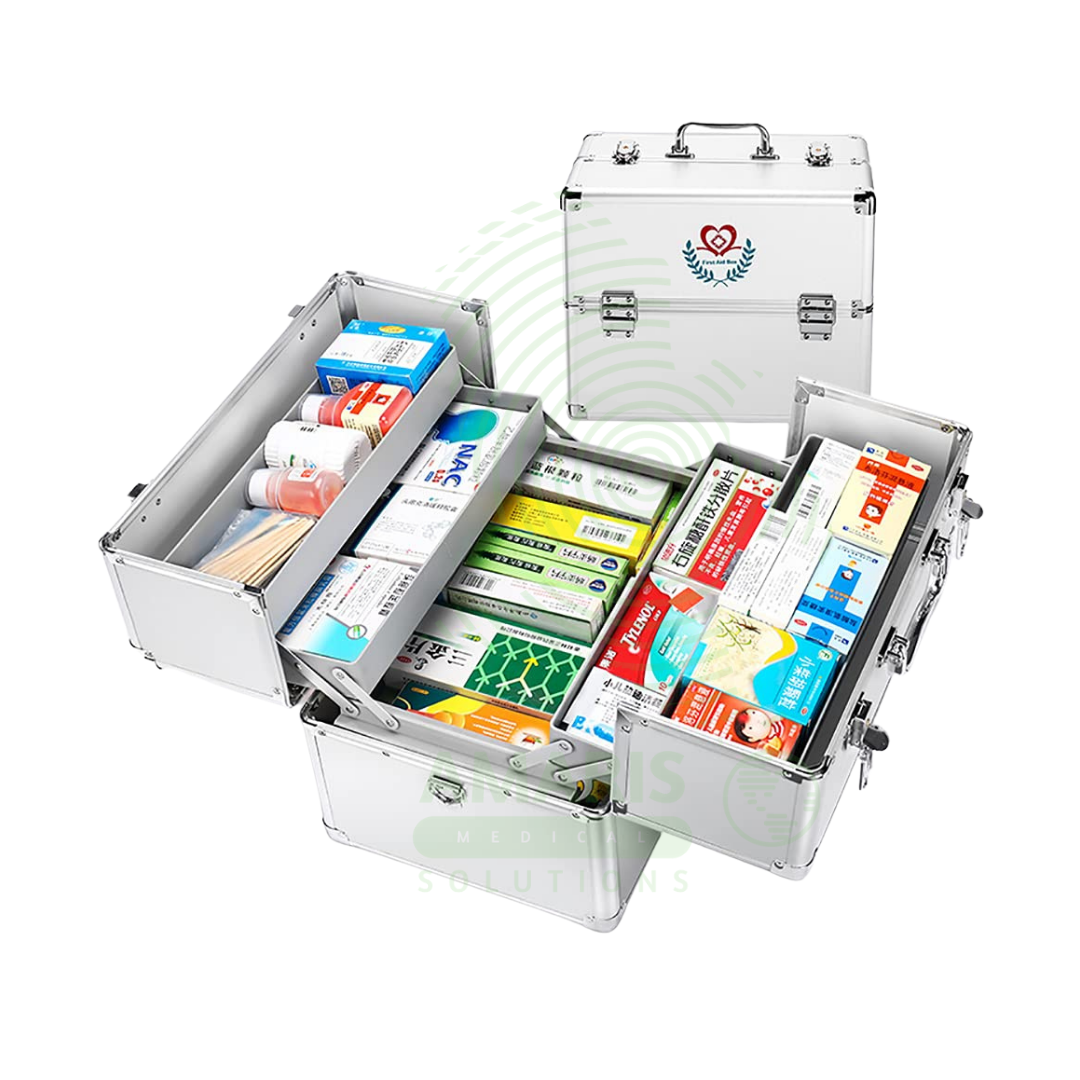
Aluminium First Aid Kit For Ambulance
WhatsApp Order
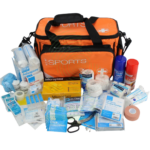
An Aluminium First Aid Kit for Ambulance is a heavy-duty, weather-resistant storage case specifically designed for organizing, protecting, and securing medical supplies in emergency medical service vehicles. Constructed from 1.2-2.0 mm aluminium alloy with reinforced corners, durable latches, and rubber gaskets (IP54-IP67 rated), these cases protect contents from vibration, impact, moisture, and temperature extremes during emergency response. Available in various configurations including single compartment, multi-drawer, and clear-lid models with customizable interior dividers, elastic straps, and pouches. Designed to meet ambulance equipment mounting standards (KKK-A-1822, NFPA 1917, CEN 1789) with proper installation to withstand collision forces. Primary clinical applications include organized storage of airway management devices, bleeding control supplies, wound care materials, diagnostic equipment, emergency medications, IV supplies, splinting equipment, PPE, and obstetric supplies for BLS, ALS, and CCT ambulance services. Critical safety considerations include proper vehicle mounting to prevent projectile hazards, secure latching during transport, regular inventory management, expiration date monitoring, and decontamination after biohazard exposure. Essential equipment for organized, efficient, and safe emergency medical response.
Description
Aluminium First Aid Kit for Ambulance
PRIMARY CLINICAL & DIAGNOSTIC USES
1. Mobile Emergency Medical Response
-
Primary Use: Provides a durable, portable container for organizing and transporting essential medical supplies in ambulances.
-
How it helps: For the paramedic or EMT, it enables rapid deployment of emergency care by keeping all critical supplies consolidated and ready to grab at a moment’s notice. For the patient, this means immediate access to life-saving equipment and medications the moment the crew reaches their side, reducing delays in critical interventions.
2. Secure Storage of Controlled and Sensitive Medications
-
Primary Use: Ensures safe storage of controlled substances, narcotics, and temperature-sensitive emergency medications required for advanced life support.
-
How it helps: For the EMS crew, the robust aluminium construction with secure locking mechanisms provides regulatory compliance and peace of mind that controlled drugs are protected during transit and when the ambulance is unattended. For the patient, it guarantees that potent medications like pain relief or cardiac drugs are available, properly stored, and have not been compromised by temperature or tampering.
3. Protection of Medical Equipment During Transport
-
Primary Use: Shields delicate medical instruments, glass ampoules, diagnostic equipment, and sterile supplies from damage.
-
How it helps: For the medic, the shock-resistant case with reinforced corners ensures that when the ambulance hits a pothole or takes a sharp turn, their tools are not shattered or compromised. For the patient, it means the equipment used on them—from thermometers to glass vials of medication—is intact, sterile, and functions exactly as intended when needed most.
4. Compliance with Ambulance Equipment Mounting Standards
-
Primary Use: Designed to be securely mounted or stored in closed compartments within the ambulance patient compartment.
-
How it helps: For the driver and crew, it meets regulatory safety requirements by preventing the kit from becoming a dangerous projectile during sudden stops, swerves, or collisions. For the patient, it ensures that the crew remains safe and unimpeded while providing care, and that no secondary injuries are caused by unsecured equipment flying through the cabin.
5. Infection Control and Decontamination
-
Primary Use: The non-porous aluminium surface with smooth, sealed edges allows for easy cleaning and disinfection between patient transports.
-
How it helps: For the cleaning crew and EMTs, the wipeable surface prevents cross-contamination and maintains infection control standards without degrading the case material. For every patient who enters the ambulance, it provides assurance that the surfaces and supplies near them are clean and free from pathogens left by previous transports.
6. Weather and Environmental Protection
-
Primary Use: Protects medical supplies from moisture, temperature extremes, dust, and environmental contaminants.
-
How it helps: For the field responder, the weather-resistant construction with gasketed seals means the kit can be thrown into the back of a truck, left on a rainy roadside, or used in extreme heat without compromising the contents. For the patient in any environment—whether a city street or a remote wilderness—it ensures that the supplies used in their care are dry, sterile, and effective regardless of weather conditions.
7. Rapid Identification and Inventory Management
-
Primary Use: Enables emergency medical technicians and paramedics to quickly locate and access required supplies during time-critical emergencies.
-
How it helps: For the EMS provider, clearly marked compartments and organized interior layouts eliminate fumbling and guesswork when seconds count. For the patient in cardiac arrest or severe trauma, this organization translates directly to faster treatment, as the medic can instantly lay hands on the airway device, medication, or bandage needed without delay.
SECONDARY & SUPPORTIVE USES
1. Mass Casualty Incident Response: For incident commanders, it serves as a portable supply cache for triage. For victims of disasters, it ensures organized treatment supplies are available when local infrastructure is overwhelmed.
2. Inter-Facility Patient Transport: For the transport team, it provides organized supplies for long-distance transfers. For the stable patient being moved between hospitals, it ensures continuity of care with familiar, accessible equipment.
3. Search and Rescue Operations: For the rescue team, it offers durable, weather-resistant storage in remote locations. For the lost or injured individual, it means medical care can reach them even in harsh, inaccessible environments.
4. Emergency Medical Services Training: For the instructor, it simulates real-world supply organization. For the trainee, it builds muscle memory and familiarity that will later benefit their future patients.
5. Community Emergency Response Teams (CERT): For community volunteers, it provides professional-grade organization. For neighbors in crisis, it ensures trained community members have the tools to help before professional responders arrive.
6. Event Medical Services: For event medics, it offers portable organization at mass gatherings. For attendees, it provides visible, accessible medical support at concerts, marathons, and sporting events.
7. Remote Clinic and Field Hospital Applications: For field clinicians, it provides durable storage in temporary facilities. For patients in underserved or disaster-stricken areas, it represents a reliable source of medical supplies where traditional infrastructure does not exist.
KEY PRODUCT FEATURES
1. BASIC IDENTIFICATION ATTRIBUTES
-
Product Type: Heavy-duty aluminium storage case specifically designed for organizing and securing medical supplies in ambulance and emergency medical service environments.
-
Common Names: Ambulance First Aid Kit, EMS Response Case, Aluminium Medical Supply Case, Emergency Equipment Case, Paramedic Jump Kit.
-
Construction Material: High-grade aluminium alloy (typically 1.2-2.0 mm thickness) with reinforced corners and edges.
-
Case Configurations:
-
Standard Compartment Case: Single compartment with removable tray for organized storage.
-
Multi-Drawer Case: Multiple pull-out drawers for categorized supply organization.
-
Clear Lid Case: Transparent polycarbonate or acrylic lid for quick visual inventory.
-
Modular Case System: Interlocking cases for expanded storage capacity.
-
-
Closure Type: Heavy-duty latches (butterfly, drawbolt, or pressure release) with padlock hasps for security.
-
Handle: Recessed or folding carry handles; some models with telescoping handles and wheels.
-
Seal/Gasket: Rubber or silicone gasket for weather and dust resistance (IP54 to IP67 ratings).
-
Interior Organization: Removable dividers, adjustable compartments, elastic straps, and clear pouches.
-
Mounting Options: Pre-drilled mounting holes, bracket systems, or strap mounts for ambulance compartment installation.
-
Weight: 3-15 kg depending on size and configuration (empty).
-
Dimensions: Various sizes from small 30×20×15 cm to large 60×40×30 cm.
2. TECHNICAL & PERFORMANCE PROPERTIES
-
Impact Resistance: Withstands drops from 1-2 meters without damage to contents (tested to MIL-STD-810 or equivalent).
-
Weight Capacity: 20-50 kg depending on case construction and latch strength.
-
Weather Resistance: IP54 (splash-proof) to IP67 (dust-tight and waterproof) ratings available.
-
Temperature Tolerance: -30°C to +70°C operating range; suitable for ambulance environments in all climates.
-
Chemical Resistance: Resistant to common disinfectants, cleaning agents, and medical fluids.
-
Corrosion Resistance: Anodized or powder-coated finish prevents oxidation and corrosion.
-
Latch Strength: 50-100 kg pull-force rating; maintains closure during vehicle impact.
-
Hinge Life: Tested to 10,000+ open/close cycles.
-
Interior Customization: Modular divider systems allow reconfiguration for different supply sets.
-
Locking Security: Compatible with standard padlocks or integrated locking mechanisms for controlled substances.
3. PHYSICAL & OPERATIONAL PROPERTIES
-
Material Thickness: 1.2-2.0 mm aluminium alloy; reinforced corners 2-3 mm.
-
Finish: Anodized, powder-coated, or brushed aluminium; standard colors silver, black, or safety yellow/red.
-
Latches: Stainless steel or chrome-plated butterfly latches with tension adjustment.
-
Hinges: Continuous piano hinge or heavy-duty strap hinges for durability.
-
Handle: Ergonomic rubber or plastic grip; recessed for compact storage.
-
Feet/Rubber Bumpers: Protective feet to prevent surface scratching and provide stability.
-
Interior Lining: Closed-cell foam, padded fabric, or modular plastic dividers.
-
Identification: Recessed areas for labeling, ID holders, or reflective safety striping.
-
Stackability: Designed for stable stacking when multiple cases are used.
-
Certifications: May meet specific ambulance equipment standards (KKK-A-1822, CEN 1789, or equivalent).
4. SAFETY & COMPLIANCE ATTRIBUTES
-
Regulatory Compliance: Meets applicable ambulance equipment mounting and safety standards (KKK-A-1822, NFPA 1917, CEN 1789).
-
Vehicle Mounting Safety: Designed to withstand 10-20g deceleration forces when properly mounted, preventing case from becoming projectile during collision.
-
Flammability: Aluminium is non-combustible; interior materials should meet UL94 V-0 or equivalent flammability standards.
-
Chemical Resistance: Resistant to common ambulance disinfectants (bleach solutions, quaternary ammonium compounds).
-
Biohazard Decontamination: Smooth, non-porous surfaces allow complete decontamination after exposure to blood or body fluids.
-
Sharp Edge Protection: Rolled or beaded edges prevent injury to personnel during rapid access.
-
Secure Closure: Latches maintain closure during vehicle movement; some models with secondary safety straps.
-
Locking Options: Padlock hasps or integrated locks for controlled substance storage compliance.
-
Visibility: High-visibility colors or reflective markings for easy location in low-light conditions.
-
Ergonomics: Designed for one-handed carry and operation in emergency settings.
5. STORAGE & HANDLING ATTRIBUTES
-
Installation: Securely mounted in the ambulance compartment using provided brackets or mounting hardware; must be secured to withstand vehicle forces.
-
Loading: Organize supplies by frequency of use; heavy items at bottom; ensure latches fully engaged.
-
Cleaning: Wipe with EPA-registered hospital disinfectant after each use or exposure; pay special attention to corners and latches.
-
Decontamination: For biohazard exposure, follow facility protocol for decontamination; aluminium can withstand bleach solutions (with proper rinsing).
-
Inspection: Regularly check latches, hinges, seals, and interior organization; replace worn components.
-
Inventory Management: Maintain inventory list attached to case or in designated pocket; restock immediately after use.
-
Winter Operation: In cold climates, ensure latches and hinges remain functional; silicone lubricant for moving parts.
-
Long-Term Storage: If removed from service, clean thoroughly and store in a dry environment.
-
Repair: Damaged latches, hinges, or seals should be replaced promptly to maintain weather resistance.
6. LABORATORY & CLINICAL APPLICATIONS
-
Primary Application: Organized, secure, and protected storage of medical supplies in ambulance and emergency medical service environments.
-
Typical Ambulance First Aid Kit Contents:
-
Airway Management: Oropharyngeal airways, nasopharyngeal airways, suction catheters, bag-valve-mask, oxygen tubing.
-
Bleeding Control: Trauma dressings, pressure bandages, tourniquets, hemostatic gauze, sterile gauze pads.
-
Wound Care: Adhesive bandages, sterile pads, medical tape, antiseptic wipes, burn dressings.
-
Diagnostic Equipment: Stethoscope, blood pressure cuff, pulse oximeter, glucometer, thermometer.
-
Medications: Oxygen, aspirin, nitroglycerin, epinephrine, naloxone, albuterol, glucose.
-
IV Supplies: IV catheters, administration sets, saline locks, IV fluids, tourniquets, alcohol swabs.
-
Splinting and Immobilization: Splints, cervical collars, triangular bandages, elastic bandages.
-
Personal Protective Equipment: Gloves, masks, eye protection, gowns, face shields.
-
Obstetric Supplies: Sterile gloves, cord clamps, blankets, bulb syringe.
-
Burn Care: Burn sheets, gel dressings, sterile saline.
-
-
Regulatory Requirements: Must meet local EMS authority requirements for ambulance equipment inventory.
-
Configuration by Service Level:
-
Basic Life Support (BLS) Ambulance: Basic airway, bleeding control, wound care, splinting.
-
Advanced Life Support (ALS) Ambulance: Adds advanced airway, cardiac medications, IV supplies, advanced monitoring.
-
Critical Care Transport (CCT) Ambulance: Adds ventilators, infusion pumps, advanced cardiac drugs.
-
SAFETY HANDLING PRECAUTIONS
1. SAFETY PRECAUTIONS
-
Secure Mounting: Case must be properly secured in an ambulance to prevent becoming projectile during collision. Follow manufacturer mounting instructions.
-
Weight Distribution: Heavier items stored at bottom; ensure case weight within mounting capacity.
-
Latch Verification: Ensure all latches are fully engaged before vehicle movement; double-check after rough roads.
-
Controlled Substance Storage: Use locking mechanisms for narcotics and controlled medications; comply with local regulations.
-
Expiration Dates: Regularly check and rotate medications and supplies; document expiration dates.
-
Biohazard Exposure: If a case is exposed to blood or body fluids, decontaminate immediately following infection control protocols.
-
Sharp Objects: Use caution when accessing sharps; ensure sharps containers available in ambulances.
-
Child Safety: Keep locked; restrict access to unauthorized personnel.
-
Fire Safety: Aluminium case is non-combustible; interior contents may be flammable.
-
Training: All EMS personnel should be familiar with case organization and contents.
2. FIRST AID MEASURES
-
Medical Emergency During Transport: Access appropriate supplies from organized cases; follow established protocols; document usage.
-
Case Damage During Collision: Assess case integrity; if damaged, carefully remove contents and transfer to backup container.
-
Biohazard Spill on Case: Wear appropriate PPE; clean with EPA-registered disinfectant; dispose of contaminated materials.
-
Sharp Object Injury from Case Contents: Follow needlestick/sharp injury protocol; report incident; seek medical evaluation.
3. FIRE FIGHTING MEASURES
-
Flammability: Aluminium case is non-combustible; interior medical supplies may be combustible.
-
Extinguishing Media: Use CO₂, dry chemical, or foam as appropriate for contents.
-
Heat Exposure: Aluminium conducts heat; contents may be damaged by high temperatures; assess integrity after fire exposure.
Related products
First Aid Kit
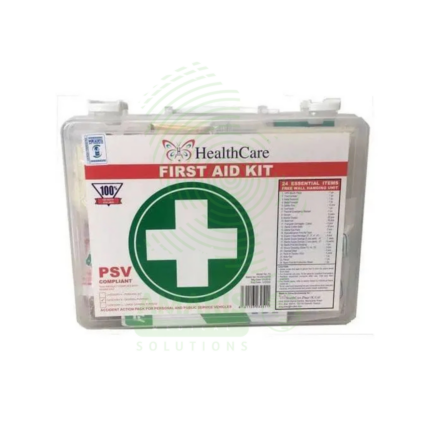
A First Aid Kit is an organized collection of medical supplies and equipment for providing initial care in emergency situations, available in various sizes and configurations for home, workplace, vehicle, travel, and specialized applications. Kits range from personal pouches (0.5-2 L) to comprehensive workplace cabinets (5-35 L) with soft-sided bags, hard cases, or wall-mounted containers. Contents are typically organized to meet regional standards (ANSI/ISEA Z308.1, CSA Z1220, BS 8599, DIN 13157/13169) and include wound care supplies (bandages, gauze, tape), antiseptics, burn care, eye care, emergency items (CPR mask, cold packs, foil blanket), instruments (scissors, tweezers), and PPE (gloves). Class A kits provide minimum supplies for low-hazard workplaces; Class B kits offer expanded quantities for high-hazard environments. Primary clinical applications include immediate treatment of minor injuries (cuts, abrasions, burns, sprains), bleeding control, wound care, fracture immobilization, and emergency assessment. Essential safety equipment for every home, workplace, vehicle, and public facility, providing critical medical supplies until professional care arrives.
Glucosics Blood Sugar Sticks
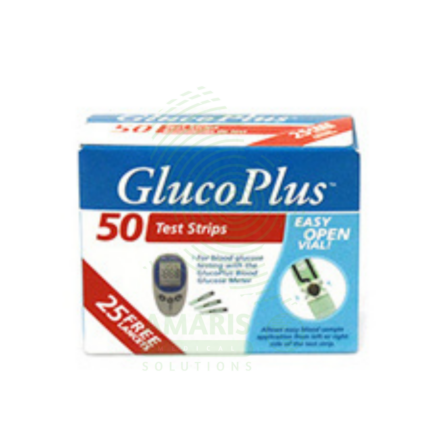
Glucosics Blood Sugar Sticks are single-use, disposable electrochemical test sticks (ISO 15197:2013 compliant) designed exclusively for use with Glucosics glucose meters to measure capillary blood glucose from 0.5-1.0 µL samples in 5-7 seconds. Each stick contains glucose oxidase or glucose dehydrogenase reagents that generate electrical current proportional to glucose concentration (20-600 mg/dL range). Packaging options include multi-stick vials (25-100 sticks) with desiccant for daily use or individually foil-wrapped sticks for travel. Sticks feature no-coding automatic calibration, hematocrit compensation (20-60%), and interference resistance. Primary clinical applications include daily blood glucose testing for Type 1, Type 2, and gestational diabetes management, hypoglycemia and hyperglycemia detection, pre- and post-meal glucose assessment, and hospital point-of-care testing. Critical safety precautions include single-use only, immediate vial closure after stick removal to prevent humidity damage, storage at 2-30°C away from bathrooms and temperature extremes, never using expired sticks, proper hand hygiene before testing, and disposal in sharps containers. Essential consumable for diabetes self-management when used with Glucosics meters.
Hepatitis B Test Kit
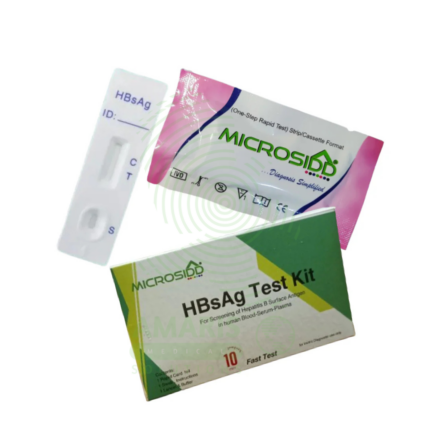
The Hepatitis B Test Kit is an in vitro diagnostic device for the detection of Hepatitis B virus markers in human blood samples, available in rapid, ELISA, and molecular formats. It detects specific antigens (HBsAg) and antibodies (anti-HBc, anti-HBs) to diagnose acute and chronic infection, monitor treatment response, screen blood donations, and determine immunity status. With high sensitivity (>98%) and specificity (>99%), it provides results in 15 minutes to 4 hours depending on format. Essential applications include prenatal screening to prevent mother-to-child transmission, evaluation of acute hepatitis, pre-immunosuppression screening, and occupational health testing. All patient samples must be handled with universal precautions, and testing must include appropriate quality controls.
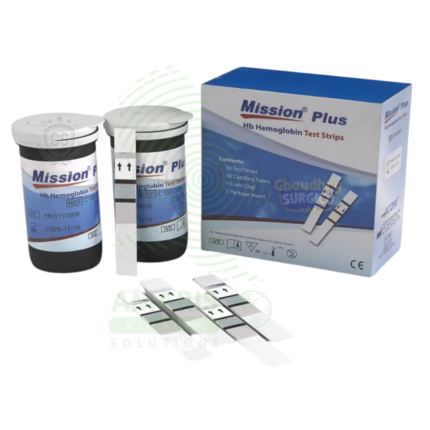
Mission plus strips
Mission Plus Strips are single-use, disposable electrochemical test strips (ISO 15197:2013 compliant) designed exclusively for use with Mission Plus glucose meters to measure capillary blood glucose from 0.5-1.0 µL samples in 5-7 seconds. Each strip contains glucose oxidase or glucose dehydrogenase reagents that generate electrical current proportional to glucose concentration (20-600 mg/dL range). Packaging options include multi-strip vials (25-100 strips) with desiccant for daily use or individually foil-wrapped strips for travel. Strips feature no-coding automatic calibration, hematocrit compensation (20-60%), and interference resistance. Primary clinical applications include daily blood glucose testing for Type 1, Type 2, and gestational diabetes management, hypoglycemia and hyperglycemia detection, pre- and post-meal glucose assessment, and hospital point-of-care testing. Critical safety precautions include single-use only, immediate vial closure after strip removal to prevent humidity damage, storage at 2-30°C away from bathrooms and temperature extremes, never using expired strips, proper hand hygiene before testing, and disposal in sharps containers. Essential consumable for diabetes self-management when used with Mission Plus meters.
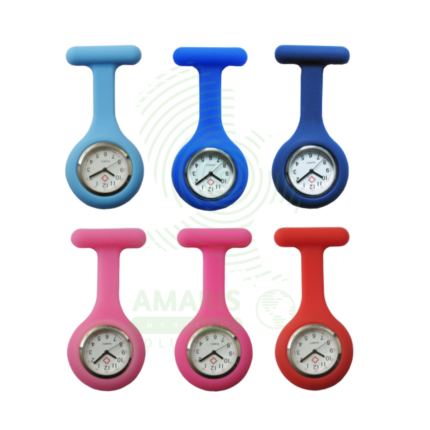
Nurse Watch
A Nurse Watch is a professional-grade analog wristwatch specifically designed for clinical use. Its hallmark is a built-in "pulsometer" scale that allows for rapid, on-the-spot calculation of a patient's heart rate by timing pulses over a short interval. Featuring a high-contrast dial with a clear sweep second hand, durable water-resistant construction, and a cleanable band, it is engineered for accuracy, legibility, and infection control in healthcare settings. It is an indispensable personal tool for nurses, enabling precise measurement of vital signs, timing of medications and procedures, and accurate clinical documentation throughout the shift.
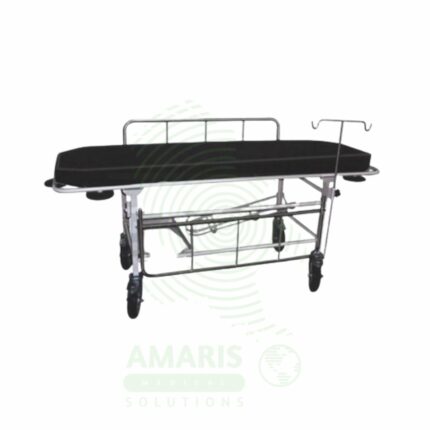
Patient Trolley
A Patient Trolley (also known as a hospital stretcher or gurney) is a mobile, height-adjustable wheeled bed essential for the safe transport and temporary holding of patients within a healthcare facility. Its core function is to serve as the primary link between clinical departments (e.g., Ward to Radiology, ED to OR), enabling efficient patient flow. Key features include locking casters, safety side rails, an IV pole, and a thin, cleanable mattress. Designed for maneuverability in corridors and elevators, it is the fundamental piece of equipment for patient logistics, emergency response, and serving as a mobile treatment platform in hospitals and large clinics.