Dermatoscope and Magnifiers
 Diagnostic Kits
 Vital Signs Monitors
 Stethoscopes and Accessories
 Otoscopes, Ophthalmoscopes, and Retinoscopes
 Reflex Hammers and Neurological Tools
 Scales and Measuring Devices
 Spirometers and Pulmonary Function Tests
 Electrosurgical Units and Accessories
 Cutting Instruments
 Grasping and Holding Instruments
 Hemostatic Instruments
 Specialized Surgical Sets
 Single-Use Procedure Trays and Packs
 Surgical Drapes, Gowns, and Covers
 Tissue Unifying Instruments
 Radiation Protection
 X-Ray Machines and Accessories
 Ultrasound Systems and Probes
 MRI and CT Scanners
 Radiology Consumables
 Bone Densitometers
 Fluoroscopy Equipment
 Imaging Tables and Positioning Aids
 Microscopes and Accessories
 Centrifuges and Separators
 Analyzers
 Incubators and Ovens
 Pipettes, Dispensers, and Lab Glassware
 Refrigerators, Freezers, and Storage Units
 Lab Consumables
 Sterilizers and Autoclaves for Lab Use
 Multi-Parameter Monitors
 Ventilators and Respiratory Support Devices
 Defibrillators and AEDs
 Infusion Pumps and IV Systems
 Patient Warmers and Cooling Devices
 Central Monitoring Stations
 Accessories
 Anesthesia Machines and Workstations
 Oxygen Concentrators and Delivery Systems
 Nebulizers and Inhalers
 CPAP/BiPAP Machines
 Airway Management
 Anesthesia Masks, Circuits, and Bags
 Humidifiers and Heaters
 Respiratory Therapy Accessories
 First Aid Kits and Cabinets
 Emergency Resuscitation Equipment
 Trauma Supplies
 Emergency Carts and Crash Carts
 Burn Care Products
 Bleeding Control
 Automated External Defibrillators (AEDs)
 Transport and Evacuation
 Wheelchairs and Accessories
 Walkers, Crutches, and Canes
 Prosthetics and Orthotics
 Physical Therapy Equipment
 Transfer Devices
 Bathroom Safety
 Orthopedic Traction and Tables
 Hot/Cold Therapy Packs and Units
 Beds and Mattresses
 Chairs and Stools
 Tables
 Cabinets and Storage
 Privacy Screens & Curtains
 Stands and Racks
 Linens and Textiles
 Lighting
 Autoclaves and Sterilizers
 Ultrasonic Cleaners
 Disinfectant Solutions and Wipes
 Sterilization Pouches, Wraps, and Indicators
 Instrument Trays and Containers
 UV and Ozone Disinfection Devices
 Washer Disinfectors
 Wound Care
 Gloves
 Masks and Respirators
 Catheters and Tubing
 Swabs, Applicators, and Sponges
 Incontinence Products
 Personal Protective Equipment (PPE)
 Dental Chairs and Units
 Handpieces and Burs
 Instruments
 Consumables
 Sterilization for Dental Use
 Orthodontic Supplies
 Endodontic Tools
 Slit Lamps and Tonometers
 Lensometers and Phoropters
 Ophthalmic Surgical Instruments
 Eyewear Frames and Lenses
 Contact Lens Supplies
 Vision Testing Charts and Devices
 Eye Care Consumables
 Laser Systems for Eye Care
 ENT Exam Chairs and Tables
 Endoscopes
 Audiometers and Hearing Tests
 ENT Instruments
 Nasal and Throat Packs
 Hearing Aids and Accessories
 Otology Supplies
 Fetal Dopplers and Monitors
 Delivery Beds and Tables
 Gynecological Instruments
 Neonatal Incubators and Warmers
 Breast Pumps and Accessories
 Contraceptive Devices
 Maternity Supports and Pads
 Neonatal Consumables
 Cystoscopes and Urethroscopes
 Dialysis Machines and Supplies
 Urological Catheters and Bags
 Lithotripters
 Prostate Treatment Devices
 Urinary Incontinence Products
 Kidney Stone Management Tools
 Consumables & Disposables
 EEG and EMG Machines
 Neurosurgical Instruments
 Nerve Stimulators
 Headrests and Positioning Aids
 Lumbar Puncture Kits
 Seizure Monitoring Devices
 Consumables
 Rehabilitation for Neurological Conditions
 ECG Machines and Accessories
 Holter Monitors
 Stress Test Systems
 Pacemakers and Defibrillator Accessories
 Vascular Access Devices
 Cardiac Catheters and Guidewires
 Blood Flow Meters
 Consumables
 Orthopedic Instruments
 Casts, Splints, and Padding
 Joint Replacement Supplies
 Prosthetic Limbs and Components
 Bone Grafts and Substitutes
 Traction Devices
 Orthopedic Braces and Supports
 Rehabilitation Aids for Orthopedics
 Home Oxygen Therapy
 Hospital Beds for Home Use
 Mobility Aids
 Bathroom and Daily Living Aids
 Wound Care for Home
 Monitoring Devices
 Enteral Feeding Pumps and Tubes
 Hand Sanitizers and Dispensers
 Face Shields and Goggles
 Isolation Gowns and Suits
 Biohazard Waste Containers
 Air Purifiers and HEPA Filters
 Surface Disinfectants
 Sharps Containers
 Protective Barriers
 Cardiovascular & Endurance Training
 Strength Training & Weightlifting
 Functional Training & Core Conditioning
 Physical Therapy & Rehabilitation
 Sports & Outdoor Recreation
 Gym Flooring & Facility Equipment
 Fitness Monitoring & Accessories
 Kids & Novelties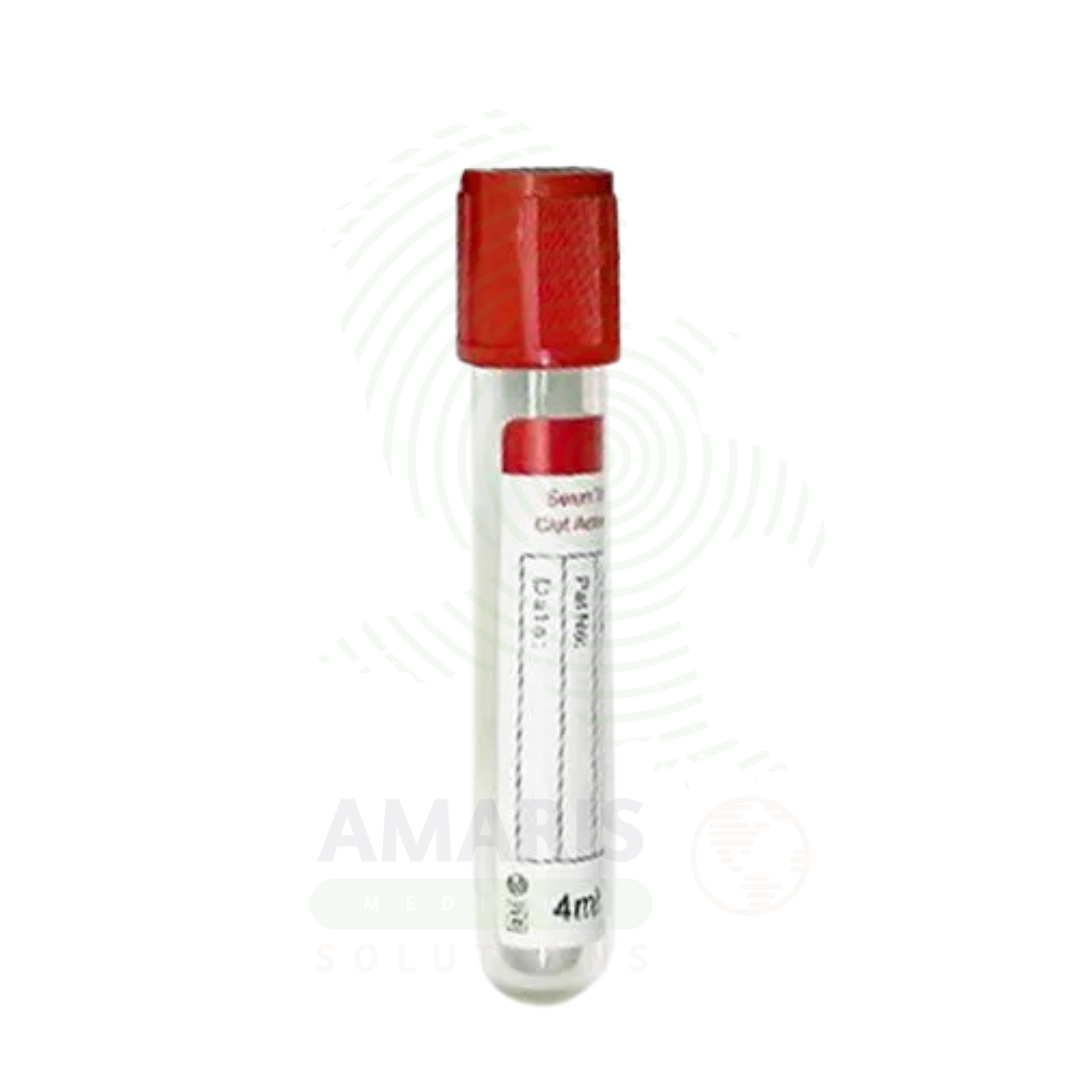
Blood Collection Tubes
$1.00
WhatsApp Order
Blood Collection Tubes are sterile, evacuated tubes for collecting venous blood specimens for diagnostic testing. Color-coded by additive type, they ensure proper specimen preservation for chemistry, hematology, coagulation, and molecular testing. Essential for hospitals, clinics, and laboratories.
Description
Blood Collection Tubes
PRIMARY CLINICAL & DIAGNOSTIC USES
1. Venous Blood Collection for Diagnostic Testing
-
Primary Use: Provides sterile, evacuated tubes for collecting venous blood specimens for laboratory analysis. The pre-measured vacuum draws a precise volume of blood directly from the vein, ensuring accurate blood-to-additive ratios essential for reliable test results.
-
How it helps: For the phlebotomist and laboratory technician, blood collection tubes standardize the specimen collection process—ensuring consistent volume, proper mixing with additives, and reliable results. For the patient, this means fewer repeat blood draws due to clotted or hemolyzed specimens and more accurate test results.
2. Additive-Specific Blood Preservation
-
Primary Use: Different tube types contain specific additives (anticoagulants, clot activators, preservatives, separation gels) that prepare blood specimens for particular diagnostic tests, ensuring optimal specimen integrity from collection to analysis.
-
How it helps: For the laboratory scientist, color-coded tubes with specific additives ensure that each specimen is collected in the optimal formulation for its intended test—preserving cellular elements, preventing clotting, or stabilizing analytes. For the patient, this means that a single blood draw can yield specimens for multiple tests, each collected in the tube that will preserve its unique characteristics for accurate analysis.
3. Standardization of Blood Collection
-
Primary Use: The evacuated tube system standardizes blood collection across healthcare settings, ensuring consistent specimen volume, correct blood-to-additive ratio, and uniform processing conditions, reducing pre-analytical errors.
-
How it helps: For the laboratory quality manager, standardized tubes reduce variability in specimen collection—improving test accuracy and reducing the need for recollection. For the patient, this means their test results are reliable and comparable across different facilities and over time.
4. Clot Activation for Serum Separation
-
Primary Use: Tubes containing clot activators (silica particles, thrombin) accelerate the clotting process, allowing rapid separation of serum for chemistry, immunology, and serology testing.
-
How it helps: For the laboratory technician, clot activator tubes enable faster processing of serum specimens—reducing turnaround time for critical results. For the patient, this means faster availability of test results for clinical decision-making.
5. Anticoagulation for Plasma and Whole Blood Testing
-
Primary Use: Tubes containing anticoagulants (EDTA, heparin, citrate) prevent clotting, preserving cellular components for hematology, coagulation, and molecular testing.
-
How it helps: For the hematology and coagulation laboratory, anticoagulated tubes ensure that specimens arrive in optimal condition for accurate cell counts, coagulation studies, and molecular assays. For the patient, this means accurate results for critical tests like complete blood counts, PT/INR, and blood cultures.
SECONDARY & SUPPORTIVE USES
1. Blood Culture Collection: Specialized tubes with culture media are used for detecting bacteremia and fungemia. For the microbiologist, blood culture bottles provide the growth medium needed to identify bloodstream infections; for the patient with suspected sepsis, this means rapid identification of the causative organism and targeted antibiotic therapy.
2. Trace Element Analysis: Tubes specially processed to minimize trace metal contamination are used for heavy metal testing and nutritional assessments. For the toxicologist, these tubes ensure accurate measurement of trace elements; for the patient undergoing environmental exposure assessment or nutritional evaluation, this means reliable results for guiding treatment.
3. Genetic and Molecular Testing: Tubes with preservatives for DNA and RNA stability are used for PCR, sequencing, and other molecular diagnostic tests. For the molecular biologist, these tubes protect nucleic acids from degradation; for the patient undergoing genetic testing or viral load monitoring, this means accurate results that guide diagnosis and treatment.
4. Therapeutic Drug Monitoring: Tubes with appropriate additives are used for measuring medication levels in patients receiving drugs with narrow therapeutic windows. For the pharmacist and clinician, accurate drug levels guide dosing adjustments; for the patient on medications like anticonvulsants, immunosuppressants, or cardiac drugs, this means optimal dosing that maximizes efficacy while minimizing toxicity.
5. Blood Bank and Transfusion Testing: Tubes are used for blood typing, antibody screening, and crossmatching. For the transfusion medicine specialist, these tubes provide the specimens needed for safe blood transfusion; for the patient receiving a blood transfusion, this means compatibility testing that prevents life-threatening transfusion reactions.
6. Research and Clinical Trials: Used for collecting specimens for research studies, biomarker discovery, and clinical trial testing. For the research scientist, standardized collection tubes ensure data integrity; for the patient participating in research, this contributes to medical knowledge and future treatments.
7. Pediatric Blood Collection: Smaller-volume tubes are designed specifically for pediatric patients to minimize blood loss. For the pediatric phlebotomist, these tubes allow necessary testing while respecting the child’s smaller blood volume; for the child and parents, this means fewer needle sticks and reduced risk of iatrogenic anemia.
8. Point-of-Care Testing Integration: Some tubes are designed for direct interfacing with point-of-care analyzers. For the clinician at the bedside, this enables rapid test results; for the patient, this means faster diagnosis and immediate treatment decisions.
9. Blood Donor Screening: Used to collect donor blood samples for mandatory infectious disease testing. For the blood bank, this ensures the safety of the blood supply; for the transfusion recipient, this means protection from transfusion-transmitted infections.
KEY PRODUCT FEATURES
1. BASIC IDENTIFICATION ATTRIBUTES
-
Product Type: Sterile, evacuated glass or plastic tubes for venous blood collection.
-
Designation: Blood Collection Tubes, Vacutainer Tubes, Venipuncture Tubes, Specimen Tubes.
-
Color Coding:
-
Lavender: EDTA (hematology, molecular)
-
Light Blue: Sodium Citrate (coagulation)
-
Red: No additive or clot activator (serum chemistry)
-
Gold/Tiger: Gel separator with clot activator (serum chemistry)
-
Green: Heparin (plasma chemistry)
-
Gray: Sodium fluoride/potassium oxalate (glucose, lactate)
-
Yellow: Acid citrate dextrose (blood bank, DNA)
-
-
Sizes: 2 mL, 3 mL, 4 mL, 5 mL, 6 mL, 7 mL, 8 mL, 10 mL, 15 mL.
-
Key Components:
-
Tube Body: Glass or PET plastic.
-
Additive: Anticoagulant, clot activator, or preservative.
-
Gel Separator: For serum or plasma separation.
-
Closure: Rubber stopper with color-coding.
-
Vacuum: Pre-measured for precise volume.
-
2. TECHNICAL & PERFORMANCE PROPERTIES
-
Vacuum: Pre-calibrated for specific fill volumes.
-
Additives: Manufactured to precise concentrations.
-
Sterility: Gamma irradiated or ethylene oxide sterilized.
-
Closure Integrity: Maintains vacuum until use.
-
Centrifugation: Gel tubes designed for specific centrifuge speeds.
-
Latex-Free: Stoppers available in latex-free formulations.
3. PHYSICAL & OPERATIONAL PROPERTIES
-
Construction: Clear for visualization of fill level and hemolysis.
-
Color Coding: Standardized for additive identification.
-
Labeling: Space for patient identification.
-
Packaging: Sterile, bulk or individually wrapped.
-
Disposal: Dispose in sharps or biohazard containers.
4. SAFETY & COMPLIANCE ATTRIBUTES
-
Regulatory Status: Class II medical device regulated by FDA.
-
Sterility Assurance: Validated sterilization process.
-
Biocompatibility: Materials safe for blood contact.
-
CLSI Standards: Meets Clinical and Laboratory Standards Institute requirements.
5. STORAGE & HANDLING ATTRIBUTES
-
Storage: Store at room temperature; protect from heat and freezing.
-
Expiration: Check expiration date; do not use expired tubes.
-
Inspection: Do not use it if the vacuum is lost or the tube is damaged.
-
Disposal: Dispose in appropriate biohazard containers.
6. LABORATORY & CLINICAL APPLICATIONS
-
Primary Application: Collection and preservation of blood specimens for diagnostic testing.
-
Clinical Role: Essential equipment in hospitals, clinics, laboratories, and blood banks.
SAFETY HANDLING PRECAUTIONS
1. SAFETY PRECAUTIONS
-
Order of Draw: Follow proper order of draw to prevent additive cross-contamination.
-
Fill Volume: Ensure tubes fill completely; underfilled tubes may have incorrect blood-to-additive ratio.
-
Mixing: Invert tubes gently to mix additives; do not shake vigorously.
-
Clotting: Allow serum tubes to clot fully before centrifugation.
-
Transport: Transport tubes upright and at appropriate temperature.
-
Inspection: Do not use tubes with lost vacuum or visible damage.
2. FIRST AID MEASURES
-
Needlestick: If needlestick occurs, follow institutional sharps injury protocol.
-
Broken Glass: If tube breaks, collect fragments carefully; dispose in a sharps container.
-
Additive Exposure: If additive contacts skin or eyes, rinse thoroughly; seek medical attention if irritation persists.
3. FIRE FIGHTING MEASURES
-
Flammability: Plastic and rubber components are combustible.
-
Extinguishing Media: Use water, foam, or CO₂ as appropriate for surrounding materials.
Related products
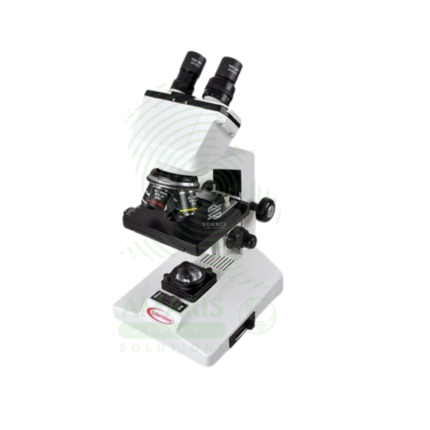
Binocular Microscope
A Binocular Microscope is a high-precision, compound optical instrument fundamental to clinical diagnostics. Featuring dual eyepieces for comfortable viewing and a suite of parfocal objective lenses (4x, 10x, 40x, 100x oil), it provides magnifications from 40x to 1000x. Its integrated LED illumination, mechanical stage, and Abbe condenser enable the detailed examination of stained blood films, tissue sections, microbiological specimens, and cytological preparations. As the primary tool for pathologists and laboratory scientists, it is indispensable for definitive diagnoses in hematology, histopathology, microbiology, and urinalysis, demanding skilled operation and meticulous maintenance for optimal performance.
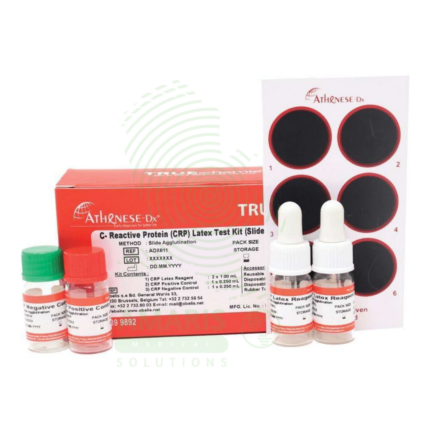
CRP Test Kit
CRP Test Kit (C-Reactive Protein) is a quantitative or semi-quantitative immunoassay (latex agglutination, turbidimetry, nephelometry, ELISA, or rapid immunochromatographic) for detecting C-reactive protein in blood, an acute-phase reactant produced in response to inflammation. Rapid rise within 6-12 hours, peaks at 24-48 hours, half-life 19 hours. Normal <5-10 mg/L; mild elevation 10-100 mg/L (viral infections, autoimmune flares); moderate 100-200 mg/L (bacterial infections); marked >200 mg/L (sepsis, major trauma). High-sensitivity CRP (hs-CRP) detects 0.1-10 mg/L for cardiovascular risk stratification (<1 mg/L low risk, 1-3 mg/L moderate, >3 mg/L high). Primary clinical applications include detection and monitoring of inflammation, diagnosis and management of infections (differentiating bacterial from viral), assessment of autoimmune disease activity, post-surgical monitoring for complications, cardiovascular risk screening (hs-CRP), monitoring rheumatic fever and inflammatory conditions, and neonatal sepsis evaluation. Critical safety precautions include proper sample handling (universal precautions), quality control verification, awareness of non-specific elevation, prozone phenomenon in very high concentrations, and clinical correlation for interpretation. Essential test for evaluating inflammation across all medical specialties.
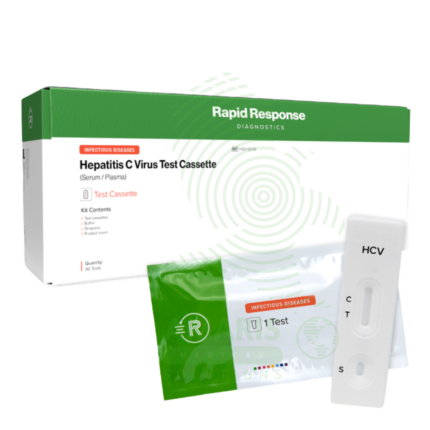
Hepatitis C Test Kit
The Hepatitis C Test Kit is an in vitro diagnostic device for the detection of Hepatitis C virus antibodies or RNA in human blood, serum, or plasma samples. Available in rapid, laboratory immunoassay, and molecular formats, it screens for HCV infection, confirms active infection with RNA testing, and monitors treatment response. With high sensitivity and specificity exceeding 99%, it is essential for identifying infected individuals, linking them to curative direct-acting antiviral therapy, and confirming cure. Essential applications include risk-based screening of high-risk populations, birth cohort screening of baby boomers, evaluation of acute hepatitis, management of occupational exposures, and monitoring of antiviral therapy that can cure over 95% of infections. All patient samples must be handled with universal precautions, and positive antibody results require confirmatory testing.
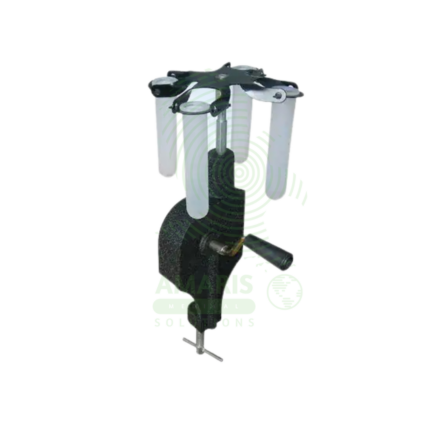
Manual Centrifuge
A Manual Centrifuge (hand-powered) is a non-electric mechanical device for separating fluids based on density, designed for use in field clinics, remote health posts, and developing world settings where electricity is unavailable or unreliable. Operated by hand crank, pull-cord, or foot pedal, achieving speeds of 1,000-4,000 RPM and RCF up to 1,500 x g. Accepts standard blood collection tubes (2-5 mL), microhematocrit tubes, and small centrifuge tubes. Primary clinical applications include separation of serum/plasma for basic diagnostic testing, urine sediment concentration for microscopy, microhematocrit determination for anemia screening, concentration of parasites for malaria and other vector-borne disease diagnosis, field epidemiology and outbreak investigation, veterinary medicine in rural settings, and teaching in resource-limited institutions. Critical safety precautions include meticulous balancing of tubes by weight (absolutely essential), never exceeding maximum rated speed, using appropriate PPE (no aerosol containment), regular inspection of gears and rotor for wear, and proper training of operators. Essential equipment for basic laboratory capabilities in low-resource and field settings.
Mission Plus HB Machine
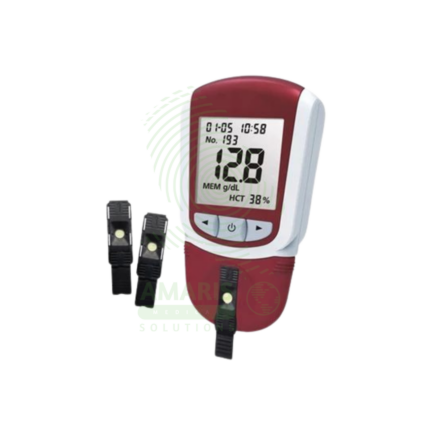
The Mission Plus HB Machine is a portable, battery-operated hemoglobin meter (Class II medical device, FDA-cleared/CE-marked) using photometric technology to measure hemoglobin concentration in capillary or venous blood within 5-15 seconds. Features include backlit LCD display, memory storage for 100-500 results, simple one-button operation, and disposable single-use cuvettes (5-20 µL sample volume). Accuracy ±0.3 g/dL compared to reference methods, measurement range 4-24 g/dL. Primary clinical applications include rapid anemia screening in outpatient clinics, preoperative assessment, antenatal care and maternal health monitoring, malaria-endemic region screening, chronic disease management (CKD, IBD, cancer), nutritional assessment and intervention programs, and blood donor screening. Critical safety precautions include single-use lancets, proper hand hygiene, correct sample application, quality control with control solutions, proper cuvette storage (protect from heat, light, humidity), and never using expired cuvettes. Essential point-of-care device for hemoglobin testing in diverse healthcare settings.
Rheumatoid factor
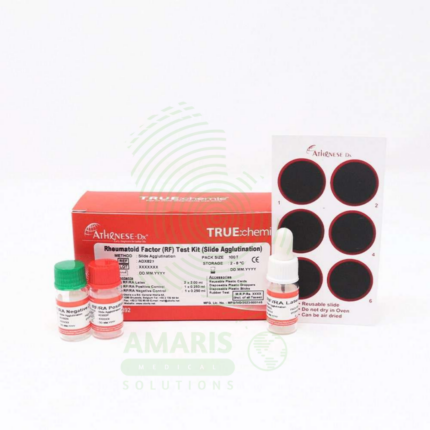
Rheumatoid Factor (RF) testing is a quantitative or semi-quantitative serological assay (nephelometry, turbidimetry, latex agglutination, or ELISA) for detecting autoantibodies against the Fc portion of immunoglobulin G, primarily of the IgM isotype. RF is a key marker in the ACR/EULAR classification criteria for rheumatoid arthritis, with sensitivity 60-80% and specificity 70-90%. Test requires serum samples; results reported in IU/mL (reference <15-20 IU/mL) or titer. Primary clinical applications include diagnosis and classification of rheumatoid arthritis, prognostic assessment (high-titer RF correlates with severe, erosive disease), differential diagnosis of inflammatory arthritis, monitoring disease activity, diagnosis of Sjögren's syndrome, evaluation of mixed cryoglobulinemia (hepatitis C-associated), and assessment of other autoimmune and chronic inflammatory conditions. Critical safety precautions include awareness of false positives (other autoimmune diseases, chronic infections, healthy elderly), false negatives (seronegative RA 20-30%), need for clinical correlation, and anti-CCP antibody testing to improve diagnostic accuracy. Essential test for rheumatology practice, autoimmune disease evaluation, and differential diagnosis of inflammatory arthritis.
Rota virus
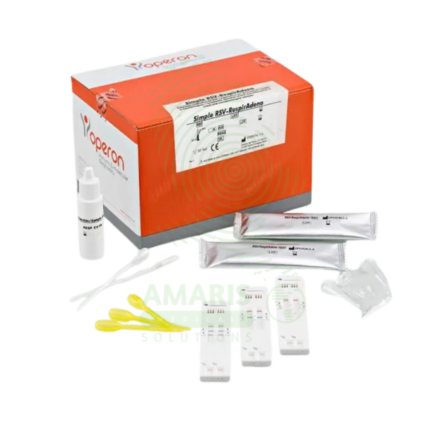
Rota virus rapid tests are immunochromatographic assays (CE-marked, FDA-cleared for some brands) for qualitative detection of rotavirus group A antigens in stool specimens, providing results in 10-20 minutes. The test principle uses monoclonal or polyclonal antibodies against rotavirus antigens (typically VP6 protein) immobilized on membranes, capturing antigens that form a visible line. Sensitivity 90-98%, specificity 95-99% compared to ELISA or PCR. The kit includes individually foil-wrapped test devices, sample diluent, and collection applicators. Primary clinical applications include rapid diagnosis of acute gastroenteritis in children (rotavirus is the leading cause of severe diarrhea in under-5 children), outbreak investigation in daycare centers and schools, hospital infection control and isolation precautions, differential diagnosis of acute diarrhea (viral vs. bacterial vs. parasitic), vaccine effectiveness monitoring and surveillance, assessment of dehydration risk, and evaluation of immunocompromised patients. Critical safety precautions include proper specimen collection (clean container, avoid contamination), biological hazard precautions (all stool potentially infectious), quality control verification, and awareness that a negative test does not rule out other causes of gastroenteritis. Essential tool for pediatric gastroenteritis management, infection control, and public health surveillance.