Dermatoscope and Magnifiers
 Diagnostic Kits
 Vital Signs Monitors
 Stethoscopes and Accessories
 Otoscopes, Ophthalmoscopes, and Retinoscopes
 Reflex Hammers and Neurological Tools
 Scales and Measuring Devices
 Spirometers and Pulmonary Function Tests
 Electrosurgical Units and Accessories
 Cutting Instruments
 Grasping and Holding Instruments
 Hemostatic Instruments
 Specialized Surgical Sets
 Single-Use Procedure Trays and Packs
 Surgical Drapes, Gowns, and Covers
 Tissue Unifying Instruments
 Radiation Protection
 X-Ray Machines and Accessories
 Ultrasound Systems and Probes
 MRI and CT Scanners
 Radiology Consumables
 Bone Densitometers
 Fluoroscopy Equipment
 Imaging Tables and Positioning Aids
 Microscopes and Accessories
 Centrifuges and Separators
 Analyzers
 Incubators and Ovens
 Pipettes, Dispensers, and Lab Glassware
 Refrigerators, Freezers, and Storage Units
 Lab Consumables
 Sterilizers and Autoclaves for Lab Use
 Multi-Parameter Monitors
 Ventilators and Respiratory Support Devices
 Defibrillators and AEDs
 Infusion Pumps and IV Systems
 Patient Warmers and Cooling Devices
 Central Monitoring Stations
 Accessories
 Anesthesia Machines and Workstations
 Oxygen Concentrators and Delivery Systems
 Nebulizers and Inhalers
 CPAP/BiPAP Machines
 Airway Management
 Anesthesia Masks, Circuits, and Bags
 Humidifiers and Heaters
 Respiratory Therapy Accessories
 First Aid Kits and Cabinets
 Emergency Resuscitation Equipment
 Trauma Supplies
 Emergency Carts and Crash Carts
 Burn Care Products
 Bleeding Control
 Automated External Defibrillators (AEDs)
 Transport and Evacuation
 Wheelchairs and Accessories
 Walkers, Crutches, and Canes
 Prosthetics and Orthotics
 Physical Therapy Equipment
 Transfer Devices
 Bathroom Safety
 Orthopedic Traction and Tables
 Hot/Cold Therapy Packs and Units
 Beds and Mattresses
 Chairs and Stools
 Tables
 Cabinets and Storage
 Privacy Screens & Curtains
 Stands and Racks
 Linens and Textiles
 Lighting
 Autoclaves and Sterilizers
 Ultrasonic Cleaners
 Disinfectant Solutions and Wipes
 Sterilization Pouches, Wraps, and Indicators
 Instrument Trays and Containers
 UV and Ozone Disinfection Devices
 Washer Disinfectors
 Wound Care
 Gloves
 Masks and Respirators
 Catheters and Tubing
 Swabs, Applicators, and Sponges
 Incontinence Products
 Personal Protective Equipment (PPE)
 Dental Chairs and Units
 Handpieces and Burs
 Instruments
 Consumables
 Sterilization for Dental Use
 Orthodontic Supplies
 Endodontic Tools
 Slit Lamps and Tonometers
 Lensometers and Phoropters
 Ophthalmic Surgical Instruments
 Eyewear Frames and Lenses
 Contact Lens Supplies
 Vision Testing Charts and Devices
 Eye Care Consumables
 Laser Systems for Eye Care
 ENT Exam Chairs and Tables
 Endoscopes
 Audiometers and Hearing Tests
 ENT Instruments
 Nasal and Throat Packs
 Hearing Aids and Accessories
 Otology Supplies
 Fetal Dopplers and Monitors
 Delivery Beds and Tables
 Gynecological Instruments
 Neonatal Incubators and Warmers
 Breast Pumps and Accessories
 Contraceptive Devices
 Maternity Supports and Pads
 Neonatal Consumables
 Cystoscopes and Urethroscopes
 Dialysis Machines and Supplies
 Urological Catheters and Bags
 Lithotripters
 Prostate Treatment Devices
 Urinary Incontinence Products
 Kidney Stone Management Tools
 Consumables & Disposables
 EEG and EMG Machines
 Neurosurgical Instruments
 Nerve Stimulators
 Headrests and Positioning Aids
 Lumbar Puncture Kits
 Seizure Monitoring Devices
 Consumables
 Rehabilitation for Neurological Conditions
 ECG Machines and Accessories
 Holter Monitors
 Stress Test Systems
 Pacemakers and Defibrillator Accessories
 Vascular Access Devices
 Cardiac Catheters and Guidewires
 Blood Flow Meters
 Consumables
 Orthopedic Instruments
 Casts, Splints, and Padding
 Joint Replacement Supplies
 Prosthetic Limbs and Components
 Bone Grafts and Substitutes
 Traction Devices
 Orthopedic Braces and Supports
 Rehabilitation Aids for Orthopedics
 Home Oxygen Therapy
 Hospital Beds for Home Use
 Mobility Aids
 Bathroom and Daily Living Aids
 Wound Care for Home
 Monitoring Devices
 Enteral Feeding Pumps and Tubes
 Hand Sanitizers and Dispensers
 Face Shields and Goggles
 Isolation Gowns and Suits
 Biohazard Waste Containers
 Air Purifiers and HEPA Filters
 Surface Disinfectants
 Sharps Containers
 Protective Barriers
 Cardiovascular & Endurance Training
 Strength Training & Weightlifting
 Functional Training & Core Conditioning
 Physical Therapy & Rehabilitation
 Sports & Outdoor Recreation
 Gym Flooring & Facility Equipment
 Fitness Monitoring & Accessories
 Kids & Novelties
Body surface conduit fixing device – Type H
WhatsApp Order
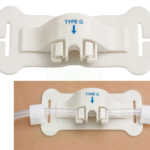
The Body Surface Conduit Fixing Device – Type H is a sterile, single-use catheter fixation system specifically engineered for securing medical conduits to patients with sensitive, fragile, or easily damaged skin. The Type H device features a body surface fixing seat constructed from satin cloth (丝绸布) coated with medical-grade pressure-sensitive adhesive, providing a softer, smoother textile backing that significantly reduces friction and shear forces against the skin compared to standard non-woven or film-based adhesives . The catheter fixing seat consists of a polypropylene plastic snap buckle (聚丙烯塑料卡扣) that locks securely around the catheter, delivering positive mechanical fixation with audible and tactile confirmation of secure engagement .
For the intensive care unit (ICU) nurse, wound care specialist, and dermatology liaison, Type H provides an essential option for patients with compromised skin integrity, including those with epidermolysis bullosa, chronic steroid use, fragile elderly skin, radiation dermatitis, or a documented history of medical adhesive-related skin injury (MARSI). The satin cloth base conforms to body contours without rigid edge lift, while the smooth texture glides over skin without catching or causing friction burns . Some Type H configurations incorporate silicone-based adhesive materials, offering an even gentler option for the most sensitive patient populations, including neonates and those with known acrylic adhesive allergies .
For the patient with sensitive skin, the Type H adhesive base offers secure fixation without the itching, redness, or contact dermatitis often associated with harsher synthetic materials. The dual-component modular design allows the adhesive base to be placed independently of the locking mechanism, optimizing placement for skin integrity while ensuring the buckle aligns perfectly with the catheter exit site and distributes fixation forces away from the insertion point—reducing tension on the catheter insertion site and minimizing the risk of tissue trauma, phlebitis, and pressure injury . Available in multiple configurations with registration as a Class II medical device , Type H is suitable for securing PICC lines, central venous catheters, hemodialysis catheters, epidural catheters, chest tubes, surgical drains, arterial lines, feeding tubes, and other percutaneous conduits across hospital, home healthcare, and long-term care settings, particularly for patients where skin preservation is a primary clinical concern.
Description
Body Surface Conduit Fixing Device – Type H
PRIMARY CLINICAL & DIAGNOSTIC USES
1. Plastic Buckle Mechanical Fixation for Catheter Securement
-
Primary Use: Provides a sterile, single-use catheter fixation device featuring a polypropylene plastic snap buckle designed to securely lock catheters in place without requiring adhesive contact with the catheter itself .
-
How it helps: For the intensive care unit (ICU) nurse and vascular access specialist, the Type H device utilizes a positive-locking plastic buckle mechanism that snaps closed over the catheter, providing audible and tactile confirmation of secure engagement. Unlike adhesive-based fixation devices that rely on skin contact, Type H allows clinicians to secure the catheter without applying pressure-sensitive materials directly to the tube surface . For the patient, this mechanical locking mechanism ensures the catheter remains firmly in place even during patient movement, coughing, or repositioning, significantly reducing the risk of accidental dislodgement.
2. Satin Cloth (Silk Fabric) Base for Sensitive Skin
-
Primary Use: The body surface fixing seat is constructed from satin cloth coated with medical-grade pressure-sensitive adhesive, offering a softer, smoother textile backing that is gentler on fragile or sensitive skin compared to standard non-woven or film-based adhesives .
-
How it helps: For the wound care nurse and dermatology liaison, the satin cloth material provides an excellent alternative for patients with compromised skin integrity, including those with epidermolysis bullosa, chronic steroid use, fragile elderly skin, or a history of medical adhesive-related skin injury (MARSI). The smooth texture reduces friction against the skin surface and minimizes shear forces during removal . For the patient with sensitive skin, the Type H adhesive base offers secure fixation without the itching, redness, or contact dermatitis often associated with harsher synthetic materials.
3. Combined Silicone Base Material Variant
-
Primary Use: Some Type H configurations may incorporate silicone-based adhesive materials, providing an even gentler option for the most sensitive patient populations while maintaining secure catheter fixation .
-
How it helps: For the neonatal intensive care unit (NICU) nurse and pediatric specialist, silicone-based adhesives offer the lowest potential for skin irritation and can be removed with minimal trauma to underdeveloped or fragile skin. The silicone material also conforms well to body contours without rigid edge lift . For the neonatal or pediatric patient, this means reduced risk of skin breakdown during prolonged catheterization, less pain during dressing changes, and improved overall comfort during critical illness.
4. Dual-Component Construction for Modular Use
-
Primary Use: The Type H device consists of two primary components: a body surface fixing seat (adhesive base) made of satin cloth with medical-grade pressure-sensitive adhesive, and a catheter fixing seat (polypropylene plastic snap buckle) that secures the conduit .
-
How it helps: For the clinical nurse, the modular design allows the adhesive base to be placed independently of the locking mechanism, optimizing placement for skin integrity while ensuring the buckle aligns perfectly with the catheter exit site. The two components work together to distribute fixation forces away from the insertion site . For the patient, this design reduces tension on the catheter insertion point, minimizing the risk of tissue trauma, phlebitis, and pressure injury at the site where the catheter enters the body.
5. Class I/II Medical Device for General Catheter Fixation
-
Primary Use: The Type H device is registered as a Class II medical device (management classification II) or Class I depending on the manufacturer, indicating its suitability for general-purpose external catheter fixation across multiple clinical scenarios .
-
How it helps: For the hospital procurement manager and clinician, the regulatory classification ensures that Type H devices meet established safety and performance standards for catheter securement applications. The broad registration allows for use across multiple hospital departments without specialized additional approvals . For the patient, this means the device has been tested and validated for its intended use in securing medical conduits to the body surface.
SECONDARY & SUPPORTIVE USES
1. Peripherally Inserted Central Catheter (PICC) Securement: Stabilizes PICC lines at the exit site on the upper arm, with the satin cloth base conforming to the limb’s curvature while the plastic buckle holds the catheter hub securely .
2. Central Venous Catheter (CVC) Fixation: Anchors central lines placed in the jugular, subclavian, or femoral veins, with the gentle satin cloth adhesive suitable for chest and neck placement where skin is often more sensitive.
3. Hemodialysis Catheter Securement: Stabilizes large-bore dialysis catheters exiting the chest, where the positive-locking plastic buckle provides the robust holding power needed to withstand the torque generated by high blood flow rates during treatment.
4. Epidural Catheter Stabilization: Secures epidural catheters used for post-operative analgesia or labor pain management, with the satin cloth base conforming to the curvature of the back while the buckle prevents catheter migration.
5. Peritoneal Dialysis Catheter Securement: Anchors Tenckhoff catheters at the abdominal exit site, with the smooth textile backing reducing irritation in this high-motion area of the body.
6. Chest Tube and Surgical Drain Securement: Holds thoracostomy tubes and surgical drains (Jackson-Pratt, Blake, Hemovac) in place, with the plastic buckle providing secure fixation even when drainage systems exert tension on the tubing.
7. Arterial Line Stabilization: Secures radial, brachial, or femoral arterial catheters for continuous blood pressure monitoring in critical care settings, preventing displacement that would interrupt hemodynamic monitoring.
8. Nasogastric and Orogastric Tube Securement: Affixes feeding or decompression tubes to the face or nose, with the satin cloth material being gentle on facial skin while the buckle holds the tube at the correct depth.
9. Tracheostomy Tube Stabilization: Functions as an accessory securement device for tracheostomy tube flanges, using the satin cloth adhesive base to reduce skin irritation around the stoma site.
10. Wound Vacuum-Assisted Closure (VAC) Tubing Securement: Holds negative pressure wound therapy tubing in place, preventing tension on the adhesive drape that could break the therapeutic vacuum seal.
11. External Ventricular Drain (EVD) Securement: Anchors cerebral spinal fluid drainage systems, with the plastic buckle allowing for secure fixation that maintains the critical zero-reference level for accurate pressure monitoring.
12. Urinary Catheter Stabilization: Secures Foley catheters to the patient’s leg or abdomen, preventing urethral traction and reducing the risk of catheter-associated urinary tract infections (CAUTI).
13. Post-Mastectomy Drain Management: Secures surgical drains placed in the axilla or chest wall following breast cancer surgery, with the satin cloth base conforming to the curved anatomy of the chest and axilla.
14. Abdominal Drain Fixation After Gastrointestinal Surgery: Secures surgical drains exiting the abdomen following bowel resection, gastrectomy, or pancreatic surgery, preventing accidental pullout during patient movement.
15. Biliary Drain and Percutaneous Drain Securement: Anchors transhepatic biliary drains or percutaneous abscess drainage catheters that must remain in place for extended periods, with the satin cloth reducing irritation at the exit site.
16. Pediatric and Neonatal Catheter Securement: Provides gentle yet secure fixation for small-bore catheters in children and infants, where the smooth satin cloth material minimizes risk of skin breakdown on delicate pediatric skin.
17. Geriatric Skin Protection: The satin cloth base is specifically designed for use on fragile, thin, or easily damaged skin common in elderly patients, reducing the risk of skin tears during dressing changes.
18. Oncology Patient Line Management: Secures central lines and PICC lines for patients receiving chemotherapy, where the gentle adhesive is particularly valuable for those with sensitive skin from cancer treatments.
19. Long-Term Care Facility Catheter Stabilization: Provides durable, extended-wear securement for residents with chronic indwelling catheters, with the satin cloth adhesive maintaining integrity over multiple days of wear.
20. Home Healthcare Line Management: Used by visiting nurses for patients discharged with central lines, PICC lines, or drainage tubes, where the user-friendly buckle design simplifies securement for caregivers.
21. Rehabilitation and Physical Therapy Support: Enables patients with indwelling catheters or lines to participate actively in physical therapy without fear of dislodgement, with the mechanical buckle providing secure fixation during movement.
22. Operating Room Post-Procedure Dressing: Applied immediately after catheter placement while the patient is still under anesthesia, ensuring secure fixation before the patient wakes and begins moving.
23. Emergency Department Rapid Securement: Quickly applied in trauma bays to stabilize emergency lines (chest tubes, central lines) before patient transport, with the satin cloth base adhering well to skin even in emergency situations.
24. Cardiothoracic Surgery Recovery: Anchors mediastinal and pleural drains following coronary artery bypass grafting (CABG) or valve replacement surgery, where the satin cloth reduces irritation on the chest wall.
25. Interventional Radiology Access Site Care: Fixes sheaths and dilators during interventional procedures requiring prolonged vascular access, with the plastic buckle maintaining stability without sutures.
26. Magnetic Resonance Imaging (MRI) Compatibility: Type H devices contain no ferromagnetic metal components (plastic buckle only), making them MRI-safe for patients requiring imaging studies with indwelling lines.
27. Prolonged Catheter Dwell Time Management: The durable construction and gentle satin cloth adhesive allow for extended wear periods (typically up to 7 days), reducing the frequency of dressing changes and associated skin trauma.
KEY PRODUCT FEATURES
1. BASIC IDENTIFICATION ATTRIBUTES
-
Device Type: A sterile, single-use catheter fixation device consisting of a body surface fixing seat (adhesive base) and a catheter fixing seat (mechanical lock), specifically configured as Type H.
-
Designation: Body Surface Conduit Fixing Device - Type H; H型导管固定装置; Catheter Fixation Device - Type H; Silk Fabric Catheter Holder.
-
Key Components:
-
Body Surface Fixing Seat (Adhesive Base): Constructed from satin cloth (丝绸布) coated with medical-grade pressure-sensitive adhesive and backed with release paper .
-
Catheter Fixing Seat (Mechanical Lock): Composed of polypropylene plastic snap buckle (聚丙烯塑料卡扣) that locks around the catheter .
-
Silicone Variant: Some Type H models may utilize silicone-based adhesive materials for ultra-sensitive skin applications .
-
Release Liner: Silicone-coated paper protecting the adhesive surface prior to application.
-
Adhesive Layer: Medical-grade pressure-sensitive adhesive formulated for gentle yet secure skin adhesion .
-
2. TECHNICAL & PERFORMANCE PROPERTIES
-
Base Material: Satin cloth (丝绸布) - a smooth, soft woven textile that is gentle on skin and reduces friction .
-
Adhesive Type: Medical-grade pressure-sensitive adhesive (acrylic or silicone-based) applied to the satin cloth backing.
-
Locking Mechanism: Polypropylene plastic snap buckle (塑料卡扣) that engages around the catheter with positive locking action .
-
Construction: Dual-component design comprising separate adhesive base and mechanical locking components .
-
Material Composition: Silk cloth/satin fabric (丝绸布) + medical pressure-sensitive adhesive + polypropylene plastic + release paper .
-
Skin Contact: The satin cloth base provides a soft interface between adhesive and skin, reducing irritation and shear forces.
-
Catheter Compatibility: Universal design accommodates various catheter types and diameters via the adjustable buckle mechanism.
-
Sterility: Sterile, single-use; ethylene oxide (EtO) or gamma sterilized.
-
Latex Content: Manufactured without natural rubber latex.
-
Adhesive Activation: Pressure-sensitive; requires firm finger pressure to activate adhesion.
-
Wear Time: Designed for extended wear (typically up to 7 days) depending on site conditions and patient factors .
-
Breathability: The satin cloth material allows for moisture vapor transmission, reducing maceration risk.
3. PHYSICAL & OPERATIONAL PROPERTIES
-
Base Texture: Soft, smooth satin weave that glides over skin without catching or causing friction burns.
-
Buckle Material: Rigid polypropylene plastic that provides secure locking without deforming under tension.
-
Buckle Engagement: Positive snap closure with audible and tactile feedback confirming secure lock.
-
Buckle Release: Requires manual manipulation to disengage; not designed for accidental release.
-
Adhesive Characteristics: Aggressive enough for secure fixation but gentle enough for atraumatic removal with adhesive remover.
-
Conformability: The satin cloth base conforms to body contours without rigid edge lifting.
-
Portability: Individually packaged in sterile peel-pouches; available in bulk boxes.
-
Disposal: Discard as medical waste after single use.
4. SAFETY & COMPLIANCE ATTRIBUTES
-
Regulatory Status: Class II Medical Device (management classification II) or Class I depending on manufacturer and market.
-
Registration Numbers: Examples include registration certificates from provincial medical product administrations .
-
Sterility Assurance: Sterile in sealed packaging; do not use if package is opened or damaged.
-
Latex-Free: Standard in modern catheter fixation devices.
-
Biocompatibility: ISO 10993 tested for cytotoxicity, sensitization, and skin irritation.
-
Skin Sensitivity: Formulated for low sensitization; satin cloth base reduces friction-related irritation .
-
Silicone Options: Available for patients with known acrylic adhesive allergies .
-
Product Classification:
-
Adhesive Type: Paste-type fixation
-
Fixation Method: Strap-type via nylon hook-and-loop (for the buckle mechanism)
-
Body Surface Fixing Seat: Coated non-woven fabric, polyurethane film, release paper
-
5. STORAGE & HANDLING ATTRIBUTES
-
Storage: Store in a cool, dry location at room temperature (15-30°C / 59-86°F); protect from humidity, direct sunlight, and extreme heat.
-
Shelf Life: Typically 2-3 years from date of manufacture; refer to expiration date printed on packaging.
-
Inspection: Do not use if package is opened, torn, wet, or damaged, or if obvious damage is found.
-
Skin Preparation: Clean and dry the application site thoroughly before device application; use intact skin as much as possible.
-
Application Steps:
-
Clean and dry the skin around the catheter exit site.
-
Remove the release liner from the satin cloth adhesive base.
-
Position the adhesive base on the skin near the catheter exit site.
-
Press firmly to ensure full adhesive contact with the skin.
-
Place the catheter into the polypropylene plastic buckle mechanism.
-
Snap the buckle closed until it clicks, confirming secure lock.
-
Gently pull the catheter to verify secure fixation .
-
-
Removal: Use medical adhesive remover if needed to prevent skin stripping; remove by gently pulling parallel to skin surface ("low and slow" technique).
-
Size Selection: Choose a sufficiently large size to ensure the device can firmly adhere to the skin around the catheter site .
-
Do Not Pull: When applying, do not pull to cause the catheter to shift, as this may damage the skin .
6.LABORATORY & CLINICAL APPLICATIONS
-
Primary Application: Fixation and stabilization of various medical catheters on the body surface, including central venous catheters, peripherally inserted central catheters (PICCs), drainage tubes, arterial lines, and other percutaneous conduits .
-
Clinical Role: Essential catheter securement device in intensive care units (ICUs), operating rooms, emergency departments, oncology clinics, interventional radiology, home healthcare, and long-term care facilities for preventing catheter displacement, reducing catheter-related complications, and improving patient safety .
-
Sensitive Skin Applications: The satin cloth base is specifically indicated for patients with fragile, thin, or easily damaged skin, including geriatric patients, neonates, and those receiving radiation therapy .
-
Silicone Variant Applications: For patients with known allergy to acrylic adhesives or extremely sensitive skin .
SAFETY HANDLING PRECAUTIONS
1. SAFETY PRECAUTIONS
-
Professional Application: This product requires guidance from professional medical personnel for proper application .
-
Not a Replacement: This device cannot replace measures such as suturing, hemostasis, skin disinfection, and drying .
-
Skin Integrity: Use intact skin as much as possible for adhesive base application; do not apply to denuded, weeping, or infected skin.
-
Do Not Reuse: Intended for single patient use only; do not re-sterilize or reuse .
-
Expiration Check: Do not use after the expiration date printed on the packaging .
-
Damage Inspection: Do not use if the packaging is obviously damaged .
-
Allergy Screening: For patients with known adhesive allergies, verify the adhesive type (acrylic vs. silicone) before use.
-
Buckle Engagement: Always verify the plastic buckle has fully engaged by gently tugging on the catheter after application.
-
Site Inspection: Regularly inspect the insertion site through the available viewing window for signs of infection, drainage, or skin breakdown.
-
Environmental Disposal: After use, dispose of the product according to relevant regulations; do not dispose of it casually .
-
Skin Reaction Monitoring: If signs of allergic reaction (rash, itching, blistering) or skin breakdown develop under the adhesive base, remove the device immediately, cleanse the skin, and consider switching to a silicone-based adhesive device or an alternative fixation method.
-
Proper Sizing: Choose a sufficiently large size to ensure the device can firmly adhere to the skin around the wound .
-
Avoid Tension: When applying, do not pull to cause the catheter to shift, as this may damage the skin .
-
Reassessment: If the patient experiences new discomfort, erythema, or drainage at the catheter site, reassess the fixation device position and security.
2. FIRST AID MEASURES
-
Allergic Reaction (Contact Dermatitis): If the skin under the satin cloth adhesive base becomes red, weepy, or itchy, remove the device, cleanse the skin with mild soap and water, and apply a mild topical steroid if ordered. Consider switching to a silicone-based Type H variant or an alternative fixation device for future applications .
-
Skin Tear (MARSI): If removal causes skin stripping, stop immediately, saturate the remaining adhesive with a silicone-based medical adhesive remover, gently roll the device off (pull parallel to skin, not vertically), and apply an appropriate wound dressing to the affected area.
-
Adhesive Residue: Use a silicone-based medical adhesive remover wipe to remove sticky residue from the skin; do not use alcohol on fragile skin as it causes drying and cracking.
-
Catheter Dislodgement with Partial Pullout: If the catheter becomes partially dislodged despite the fixation device, do not attempt to re-advance it. Cover the insertion site with sterile gauze, secure the catheter in its current position, and notify the physician immediately.
-
Buckle Malfunction: If the polypropylene plastic buckle fails to lock or disengages during use, remove the device, cleanse the skin, and apply a new Type H fixation device or an alternative securement method.
-
Bleeding at Insertion Site: If the catheter site bleeds when the device is removed (e.g., due to anticoagulation), apply sterile gauze with direct pressure for 5 minutes and assess for coagulopathy.
3. FIRE FIGHTING MEASURES
-
Flammability: Satin cloth (silk fabric), polypropylene plastic, and adhesive components are combustible; may burn if exposed to flame or high heat.
-
Extinguishing Media: Use water, foam, dry chemical, or carbon dioxide for fire involving dressing materials.
-
Fire Response: No special fire hazards beyond typical combustible medical materials.
Related products
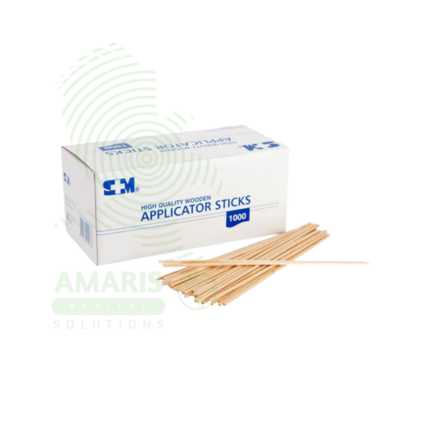
Applicator Sticks
Applicator Sticks are single-use medical devices with absorbent tips (cotton, rayon, flocked polyester) on wood, plastic, or paper shafts for collecting clinical specimens (throat, nasal, wound, cervical, urethral, rectal) for microbiological culture, rapid testing, and molecular diagnostics. Sterile individually wrapped or non-sterile bulk formats. Flocked swabs provide >90% specimen release for PCR testing. Primary applications include specimen collection for infection diagnosis, wound care and antiseptic application, gynecological sampling (Pap smears, STI testing), eye/ear specimen collection, laboratory slide preparation, and forensic evidence collection. Critical precautions include single-use only, sterile technique, proper collection method, and biohazard disposal. Essential consumable in all clinical settings.
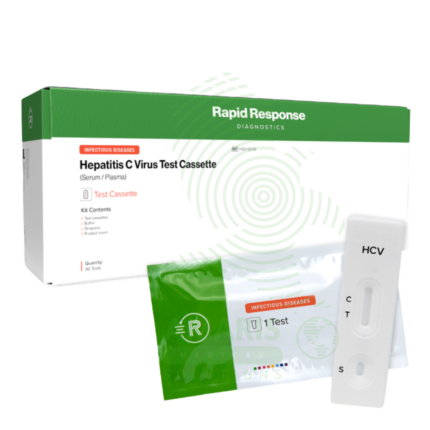
Hepatitis C Test Kit
The Hepatitis C Test Kit is an in vitro diagnostic device for the detection of Hepatitis C virus antibodies or RNA in human blood, serum, or plasma samples. Available in rapid, laboratory immunoassay, and molecular formats, it screens for HCV infection, confirms active infection with RNA testing, and monitors treatment response. With high sensitivity and specificity exceeding 99%, it is essential for identifying infected individuals, linking them to curative direct-acting antiviral therapy, and confirming cure. Essential applications include risk-based screening of high-risk populations, birth cohort screening of baby boomers, evaluation of acute hepatitis, management of occupational exposures, and monitoring of antiviral therapy that can cure over 95% of infections. All patient samples must be handled with universal precautions, and positive antibody results require confirmatory testing.
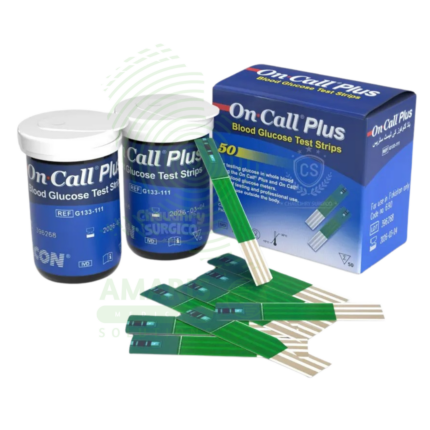
On Call Blood Sugar Strips
On Call Blood Sugar Strips are single-use, disposable electrochemical test strips (ISO 15197:2013 compliant) designed exclusively for use with On Call glucose meters to measure capillary blood glucose from 0.5-1.0 µL samples in 5-7 seconds. Each strip contains glucose oxidase or glucose dehydrogenase reagents that generate electrical current proportional to glucose concentration (20-600 mg/dL range). Packaging options include multi-strip vials (25-100 strips) with desiccant for daily use or individually foil-wrapped strips for travel. Strips feature no-coding automatic calibration, hematocrit compensation (20-60%), and interference resistance. Primary clinical applications include daily blood glucose testing for Type 1, Type 2, and gestational diabetes management, hypoglycemia and hyperglycemia detection, pre- and post-meal glucose assessment, and hospital point-of-care testing. Critical safety precautions include single-use only, immediate vial closure after strip removal to prevent humidity damage, storage at 2-30°C away from bathrooms and temperature extremes, never using expired strips, proper hand hygiene before testing, and disposal in sharps containers. Essential consumable for diabetes self-management when used with On Call meters.
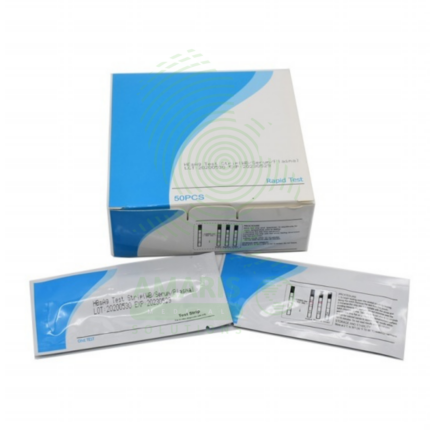
Rapid Test Kits (HIV, HBV, HCV, Malaria)
Rapid Test Kits for HIV, HBV, HCV, and Malaria are single-use, immunochromatographic devices designed for the quick, preliminary screening of these critical infectious diseases at the point of care. By detecting specific antibodies or antigens in a small blood sample (or oral fluid for some HIV tests), they provide a visual result within 15-30 minutes without the need for laboratory equipment. Their primary role is to expand access to testing in community and resource-limited settings, enabling immediate counseling, triage, and referral for confirmatory testing and treatment. As essential tools in public health, they are characterized by their simplicity, speed, and critical importance in early diagnosis and outbreak response.
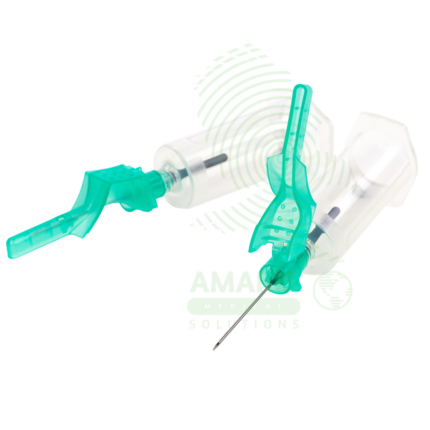
SAFE SERIES Blood Collection Needles
The SAFE SERIES (AM-SAFE) by Beijing Precil (Mindray subsidiary) is a comprehensive line of safety-engineered blood collection devices designed to prevent accidental needlestick injuries in healthcare workers. The series includes venous blood collection needles (AM-SAFE-V), standard safety needles (AM-SAFE1), winged infusion sets/butterfly needles (AM-SAFE2), high-gauge thin-wall needles for fragile veins (AM-SAFE3), premium coated needles for enhanced patient comfort (AM-GOLD), and nurse-friendly one-handed safety variants (AM-NURSE). All devices incorporate integral safety mechanisms that shield the contaminated needle immediately after withdrawal, complying with OSHA Needlestick Safety and Prevention Act requirements. Available in various gauges (18G-25G) and configurations for routine venipuncture, difficult vein access, pediatric/geriatric patients, and frequent blood draws. Sterile, single-use, latex-free, and color-coded for easy gauge identification. Essential safety devices for blood collection in hospitals, clinics, laboratories, and home healthcare settings.
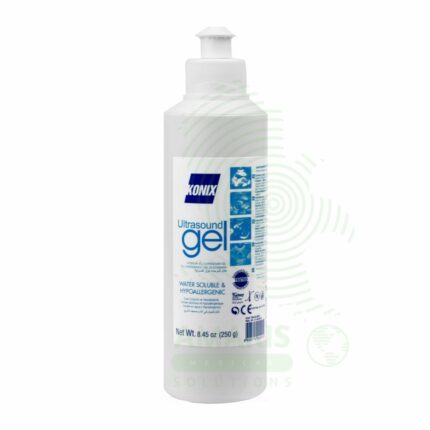
Ultrasound Gel
Ultrasound Gel is a water-based, hypoallergenic, acoustically conductive coupling medium essential for diagnostic and therapeutic ultrasound procedures. It eliminates air pockets between the transducer and skin, creating an efficient acoustic pathway for sound wave transmission and reception. Formulated to match the acoustic impedance of human tissue, it ensures high-quality imaging while providing lubrication for smooth probe movement and patient comfort. Available in standard, sterile, and hypoallergenic formulations, it is a single-use consumable critical for all ultrasound examinations. Proper storage, handling, and selection of appropriate sterile versus non-sterile formulations are essential for patient safety and image quality.
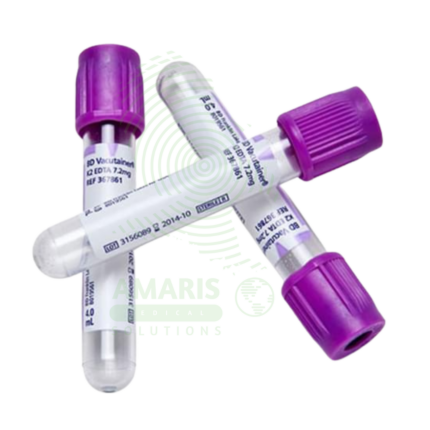
Vacutainer (EDTA/PLAIN)
Vacutainer (EDTA/PLAIN) is a sterile, evacuated blood collection tube (lavender/purple top) containing EDTA anticoagulant (K2EDTA or K3EDTA, 1.5-2.0 mg/mL blood) for hematology, blood banking, flow cytometry, and molecular diagnostics. Available in draw volumes 2-10 mL, glass or PET plastic, with color-coded stopper and sterile interior. EDTA chelates calcium, preventing coagulation while preserving cellular morphology. Primary clinical applications include complete blood count (CBC) and differential, blood typing and antibody screening (ABO/Rh, Coombs), hemoglobin A1c (HbA1c) testing, flow cytometry and immunophenotyping (CD4 counts), molecular diagnostics and PCR testing, sickle cell screening and hemoglobin electrophoresis, and parasitology (malaria smears). Critical safety precautions include filling to completion (correct blood-to-additive ratio), gentle inversion 8-10 times immediately after collection, never using for chemistry or coagulation testing, and proper disposal as biohazardous waste. Essential collection tube for hematology and immunohematology.