Dermatoscope and Magnifiers
 Diagnostic Kits
 Vital Signs Monitors
 Stethoscopes and Accessories
 Otoscopes, Ophthalmoscopes, and Retinoscopes
 Reflex Hammers and Neurological Tools
 Scales and Measuring Devices
 Spirometers and Pulmonary Function Tests
 Electrosurgical Units and Accessories
 Cutting Instruments
 Grasping and Holding Instruments
 Hemostatic Instruments
 Specialized Surgical Sets
 Single-Use Procedure Trays and Packs
 Surgical Drapes, Gowns, and Covers
 Tissue Unifying Instruments
 Radiation Protection
 X-Ray Machines and Accessories
 Ultrasound Systems and Probes
 MRI and CT Scanners
 Radiology Consumables
 Bone Densitometers
 Fluoroscopy Equipment
 Imaging Tables and Positioning Aids
 Microscopes and Accessories
 Centrifuges and Separators
 Analyzers
 Incubators and Ovens
 Pipettes, Dispensers, and Lab Glassware
 Refrigerators, Freezers, and Storage Units
 Lab Consumables
 Sterilizers and Autoclaves for Lab Use
 Multi-Parameter Monitors
 Ventilators and Respiratory Support Devices
 Defibrillators and AEDs
 Infusion Pumps and IV Systems
 Patient Warmers and Cooling Devices
 Central Monitoring Stations
 Accessories
 Anesthesia Machines and Workstations
 Oxygen Concentrators and Delivery Systems
 Nebulizers and Inhalers
 CPAP/BiPAP Machines
 Airway Management
 Anesthesia Masks, Circuits, and Bags
 Humidifiers and Heaters
 Respiratory Therapy Accessories
 First Aid Kits and Cabinets
 Emergency Resuscitation Equipment
 Trauma Supplies
 Emergency Carts and Crash Carts
 Burn Care Products
 Bleeding Control
 Automated External Defibrillators (AEDs)
 Transport and Evacuation
 Wheelchairs and Accessories
 Walkers, Crutches, and Canes
 Prosthetics and Orthotics
 Physical Therapy Equipment
 Transfer Devices
 Bathroom Safety
 Orthopedic Traction and Tables
 Hot/Cold Therapy Packs and Units
 Beds and Mattresses
 Chairs and Stools
 Tables
 Cabinets and Storage
 Privacy Screens & Curtains
 Stands and Racks
 Linens and Textiles
 Lighting
 Autoclaves and Sterilizers
 Ultrasonic Cleaners
 Disinfectant Solutions and Wipes
 Sterilization Pouches, Wraps, and Indicators
 Instrument Trays and Containers
 UV and Ozone Disinfection Devices
 Washer Disinfectors
 Wound Care
 Gloves
 Masks and Respirators
 Catheters and Tubing
 Swabs, Applicators, and Sponges
 Incontinence Products
 Personal Protective Equipment (PPE)
 Dental Chairs and Units
 Handpieces and Burs
 Instruments
 Consumables
 Sterilization for Dental Use
 Orthodontic Supplies
 Endodontic Tools
 Slit Lamps and Tonometers
 Lensometers and Phoropters
 Ophthalmic Surgical Instruments
 Eyewear Frames and Lenses
 Contact Lens Supplies
 Vision Testing Charts and Devices
 Eye Care Consumables
 Laser Systems for Eye Care
 ENT Exam Chairs and Tables
 Endoscopes
 Audiometers and Hearing Tests
 ENT Instruments
 Nasal and Throat Packs
 Hearing Aids and Accessories
 Otology Supplies
 Fetal Dopplers and Monitors
 Delivery Beds and Tables
 Gynecological Instruments
 Neonatal Incubators and Warmers
 Breast Pumps and Accessories
 Contraceptive Devices
 Maternity Supports and Pads
 Neonatal Consumables
 Cystoscopes and Urethroscopes
 Dialysis Machines and Supplies
 Urological Catheters and Bags
 Lithotripters
 Prostate Treatment Devices
 Urinary Incontinence Products
 Kidney Stone Management Tools
 Consumables & Disposables
 EEG and EMG Machines
 Neurosurgical Instruments
 Nerve Stimulators
 Headrests and Positioning Aids
 Lumbar Puncture Kits
 Seizure Monitoring Devices
 Consumables
 Rehabilitation for Neurological Conditions
 ECG Machines and Accessories
 Holter Monitors
 Stress Test Systems
 Pacemakers and Defibrillator Accessories
 Vascular Access Devices
 Cardiac Catheters and Guidewires
 Blood Flow Meters
 Consumables
 Orthopedic Instruments
 Casts, Splints, and Padding
 Joint Replacement Supplies
 Prosthetic Limbs and Components
 Bone Grafts and Substitutes
 Traction Devices
 Orthopedic Braces and Supports
 Rehabilitation Aids for Orthopedics
 Home Oxygen Therapy
 Hospital Beds for Home Use
 Mobility Aids
 Bathroom and Daily Living Aids
 Wound Care for Home
 Monitoring Devices
 Enteral Feeding Pumps and Tubes
 Hand Sanitizers and Dispensers
 Face Shields and Goggles
 Isolation Gowns and Suits
 Biohazard Waste Containers
 Air Purifiers and HEPA Filters
 Surface Disinfectants
 Sharps Containers
 Protective Barriers
 Cardiovascular & Endurance Training
 Strength Training & Weightlifting
 Functional Training & Core Conditioning
 Physical Therapy & Rehabilitation
 Sports & Outdoor Recreation
 Gym Flooring & Facility Equipment
 Fitness Monitoring & Accessories
 Kids & Novelties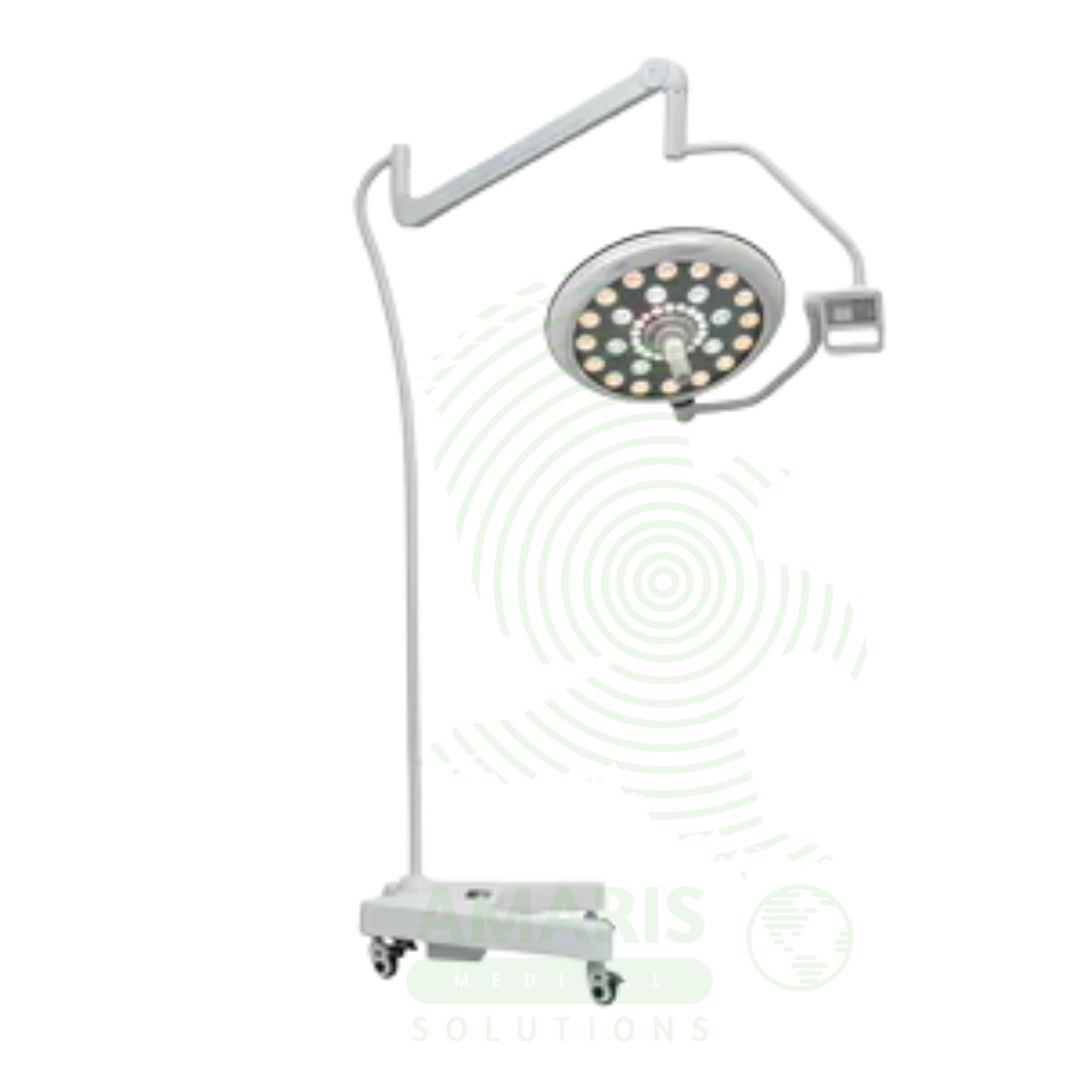
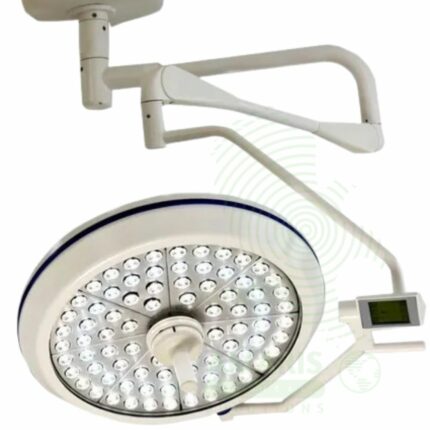
Ceiling & Stand Operating Light
WhatsApp Order
An Ceiling & Stand Operating Light is a high-intensity, shadow-reducing illumination system designed to provide brilliant, color-accurate, and cool light directly onto the surgical field. Ceiling-mounted lights offer maximum flexibility in the OR, while stand-mounted lights provide portability. Key features include extremely high illuminance (>40,000 lux), a high Color Rendering Index (CRI >90) for true tissue color, and advanced optics for deep-cavity illumination with minimal shadows. Safe operation requires proper positioning, use of sterile handle covers, and awareness of the minimal but present thermal risk. It is a fundamental capital asset critical for enabling precise and safe surgical intervention.
Description
Ceiling & Stand Operating Light
PRIMARY CLINICAL & DIAGNOSTIC USES
1. Surgical Field Illumination
-
Primary Use: Provides intense, shadow-free, and color-accurate white light directly onto the surgical site, enabling the surgeon to see minute anatomical details, differentiate between tissues, and perform precise dissections.
-
How it helps: For the surgeon and entire operative team, the operating light transforms the surgical field from a shadowed cavity into a brilliantly illuminated workspace—revealing the subtle color differences between artery and vein, the exact plane between tumor and normal tissue, the precise location of a bleeding vessel. For the patient under anesthesia, this illumination means their surgeon can see exactly what they’re doing, reducing the risk of inadvertent injury, ensuring complete tumor removal, and performing the procedure with a level of precision that darkness would never allow.
2. Deep Cavity Illumination
-
Primary Use: Specifically designed to illuminate deep, narrow surgical cavities without obstruction from the surgeon’s head or hands.
-
How it helps: For the surgeon operating deep within the abdomen, pelvis, or chest, the operating light’s design ensures that illumination reaches the bottom of the surgical field—even when the surgeon’s head and hands would otherwise cast shadows. For the patient undergoing complex abdominal, pelvic, or spinal surgery, this deep cavity illumination means that critical structures are visible even in the deepest recesses, allowing the surgeon to work confidently where visibility would otherwise be compromised.
3. Provision of a Cold Light Source
-
Primary Use: Modern lights use fiber optic or LED technology to deliver “cold” light, meaning minimal infrared heat radiation is transmitted to the surgical field, reducing the risk of tissue desiccation.
-
How it helps: For the surgical team, cold light technology means they can illuminate the field intensely without drying or burning exposed tissues—maintaining tissue integrity throughout lengthy procedures. For the patient, this means that hours under the bright lights of surgery do not translate into tissue damage, desiccation of exposed organs, or additional thermal injury beyond the procedure itself.
SECONDARY & SUPPORTIVE USES
1. Examination & Procedure Lighting: In emergency rooms, procedure rooms, and minor surgery suites, operating lights provide high-quality, focused light for examinations, wound closure, and other interventions requiring optimal visualization. For the patient undergoing a procedure outside the main operating room—a laceration repair in the ER, a central line placement in the ICU, or a minor procedure in a treatment room—this quality illumination ensures that the clinician can see clearly and perform the procedure safely.
2. Photography & Documentation: Operating lights provide consistent, high-color-rendering light for intraoperative photography and video recording used for documentation, teaching, or telemedicine. For the surgical resident learning from recorded procedures, the surgeon documenting unusual findings, or the consulting specialist reviewing a case remotely, high-quality intraoperative images depend on the operating light’s color-accurate illumination.
KEY PRODUCT FEATURES
1. BASIC IDENTIFICATION ATTRIBUTES
-
Device Type: A high-intensity, adjustable surgical illumination system.
-
Mounting & Designation:
-
Ceiling Mounted: Suspended from a track or fixed point on the OR ceiling. Offers the greatest flexibility and freedom from floor clutter. May be single or multiple heads on a boom.
-
Stand Mounted (Floor Stand): Mobile unit on a heavy base with casters. Offers portability for use in multiple rooms or facilities. Common in minor ORs, ERs, and clinics.
-
-
Core Components:
-
Light Head: Contains the light source (LED or halogen lamp), reflector system, and filters. Often comprises multiple concentric LED rings or a single bulb with a complex reflector.
-
Arm System: A series of articulated, counterbalanced arms (for ceiling lights) or a single boom (for stand lights) that allow precise positioning.
-
Control Handle: A sterile handle covered by a disposable sleeve, allowing the surgeon to adjust the light position during surgery without breaking sterility.
-
Control Panel: For adjusting light intensity and sometimes color temperature.
-
2. TECHNICAL & PERFORMANCE PROPERTIES
-
Illuminance (Lux): The intensity of light at the surgical field, typically exceeding 40,000 lux (and often 100,000+ lux) at a defined distance (e.g., 1 meter) to ensure brilliant illumination even in deep cavities.
-
Color Rendering Index (CRI): A measure of how accurately the light reveals the true colors of tissues. Surgical lights require a CRI >85, and preferably >90, to allow accurate differentiation between arteries, veins, nerves, and organs.
-
Shadow Reduction: Achieved through multiple light sources (e.g., several LED rings) or a single source with a complex reflector/diffuser. When one light path is obstructed, others fill in, minimizing disruptive shadows.
-
Depth of Field: The ability to provide uniform illumination across a range of distances (e.g., from the surface to 30cm deep into a cavity) without frequent refocusing.
-
Light Field Diameter: Adjustable, allowing the beam to be focused on a small point or widened for a larger field.
3. PHYSICAL & OPERATIONAL PROPERTIES
-
Mobility & Positioning: Ceiling lights travel on tracks; stand lights roll on wheels. Both have friction or magnetic brakes to hold position securely.
-
Sterility: Designed with a smooth, cleanable surface. The control handle is always used with a sterile disposable sleeve.
-
Heat Management: Effective heat sinks and ventilation keep the light head cool, preventing overheating in the OR.
4. SAFETY & COMPLIANCE ATTRIBUTES
-
Regulatory Status: Classified as a Class I medical device.
-
Electrical Safety: Must comply with IEC 60601-1 and the particular standard for surgical lights (IEC 60601-2-41).
-
Mechanical Safety: Ceiling mounts must be secure and rated for the light's weight. Arms must have failsafe brakes to prevent uncontrolled movement.
-
Emergency Power: Often connected to the OR's emergency backup power system to remain functional during a mains power failure.
5. STORAGE & HANDLING ATTRIBUTES
-
Storage: Ceiling lights are permanently installed. Stand lights are stored in a designated area when not in use, plugged in to maintain battery charge.
-
Cleaning: The external surfaces, especially the light head and handles, must be cleaned and disaminated after each procedure according to hospital protocol.
-
Bulb/LED Life: LED modules have a very long lifespan (often 50,000+ hours). Halogen bulbs require periodic replacement. Units often have a bulb/LED life indicator.
-
Pre-Use Check: Before surgery, verify light intensity, focus, positioning range, and sterility of handle covers.
6. LABORATORY & CLINICAL APPLICATIONS
-
Primary Application: An indispensable piece of equipment in every major and minor operating room, directly impacting surgical precision, speed, and safety.
-
Clinical Role: Considered an extension of the surgeon's vision; its quality is directly correlated with surgical outcomes.
SAFETY HANDLING PRECAUTIONS
1. SAFETY PRECAUTIONS
-
Positioning: Ensure the light is correctly positioned and secured before draping the patient to avoid accidental contact with the sterile field later.
-
Heat Caution: While "cold," prolonged close contact of the light head with drapes or skin can still cause burns. Maintain a safe distance.
-
Sterile Handle Protocol: Only the surgeon or sterile team member should adjust the light using the covered handle. Non-sterile personnel must not touch the handle sleeve.
-
Obstruction Awareness: Be aware of the light's position during patient transfer or table movement to avoid collisions.
-
Stand Light Stability: Ensure the base of a stand light is wide and the wheels are locked during use to prevent tipping.
2. FIRST AID MEASURES
-
Burn from Light Head: If a patient or staff member is burned by contact with a hot light head, cool the area with water and treat as a minor thermal burn.
-
Impact Injury: If the light falls or swings and hits someone, assess for injury and provide standard first aid. Secure the light and report the incident for mechanical inspection.
-
Electrical Fault: In case of sparking, smoke, or electrical shock, disconnect power at the source if safe to do so. Remove the light from service immediately.
3. FIRE FIGHTING MEASURES
-
Flammability: Plastic components and electrical wiring are combustible.
-
Extinguishing Media: For an electrical fire, use a CO2 extinguisher. Do not use water.
Related products
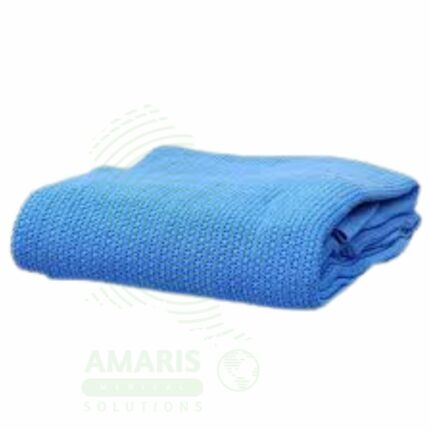
Cellular Blankets
Cellular Blankets are lightweight, breathable blankets with a distinctive honeycomb knit structure. Primarily used in healthcare for patient warmth and thermal regulation, they work by trapping insulating air within their cells while allowing moisture to escape, preventing overheating and sweating. Available in reusable (cotton/polyester) or disposable forms, they are essential for maintaining patient comfort, dignity, and temperature stability in wards, recovery areas, and during transport. Their safety depends on strict adherence to single-patient use and proper high-temperature laundering for reusable versions.
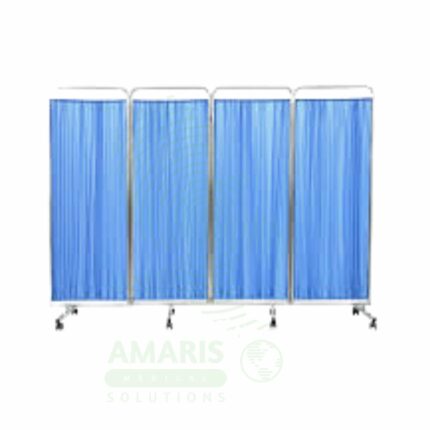
Foldable Ward Screen
A Foldable Ward Screen is a portable, folding partition used to create instant visual privacy around a patient's bed or procedure area in multi-bed hospital wards, emergency departments, and clinics. Typically consisting of three hinged opaque panels, it provides dignity during examinations and personal care, aids in infection control by creating temporary barriers, and helps manage the clinical environment. Its free-standing, foldable design allows for easy deployment, storage, and cleaning, making it a fundamental piece of non-clinical equipment for patient-centered care in shared spaces.
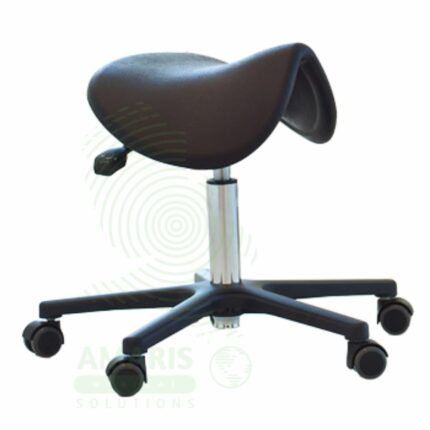
Gynecological Examination Stool & Chair
A Gynecological Examination Stool & Chair is an adjustable, mobile stool designed for clinicians performing gynecological examinations, procedures, and colposcopy. Featuring adjustable height, swivel base, and optional back support, it provides ergonomic seating that reduces physical strain during prolonged procedures. Locking castors allow mobility between examination stations while providing stability during use. Essential for gynecology clinics, women's health centers, and procedure rooms, it supports clinician comfort, proper posture, and efficient workflow during pelvic examinations, Pap smears, IUD procedures, and colposcopy.
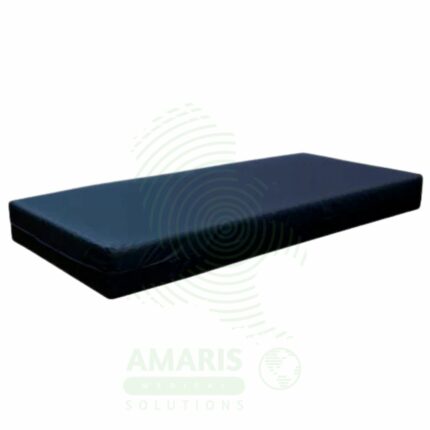
Hospital Mattress with Rexine
A Hospital Mattress with Rexine is a medical-grade mattress designed for use on hospital beds in clinical and home care settings. Featuring a high-density foam core for pressure redistribution and support, and a waterproof, fluid-resistant Rexine cover for infection control, it provides a comfortable, hygienic surface for patients requiring bed rest. The durable construction withstands repeated cleaning and disinfection, making it suitable for high-use environments. Essential for pressure injury prevention and patient comfort during hospitalization or long-term care.
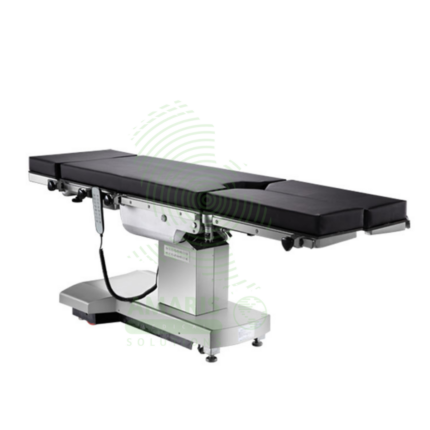
Hydraulic & Electric Operating Table
An Hydraulic & Electric Operating Table is the primary, heavy-duty patient positioning system in an operating room. Hydraulic models offer reliable, power-independent control, while electric models provide precise, programmable articulation. It is engineered for stability, a high weight capacity, and a wide range of motions (height, tilt, flexion) to optimize surgical exposure and ergonomics across all specialties. Safe use requires securing the patient, adhering to weight limits, careful padding to prevent nerve injury, and clear communication before any movement. It is a critical piece of capital equipment that forms the foundation for safe and effective surgical intervention.
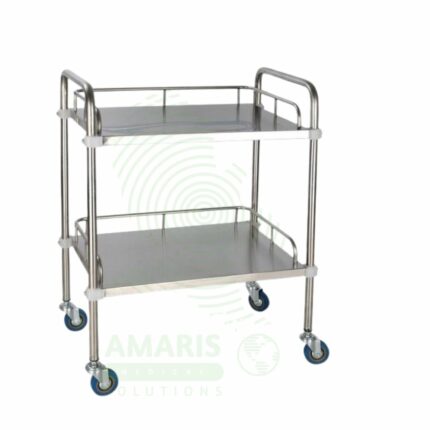
Instrument & Medicine Trolley
An Instrument & Medicine Trolley is a versatile, secure, mobile cart designed to transport, organize, and administer both medical instruments and medications. It functions as a mobile workstation for procedures, medication rounds, or emergency response, depending on its configuration. Key features include lockable, compartmentalized drawers for secure storage, a flat work surface, and smooth-rolling casters for mobility. Its adaptability makes it essential across hospital settings, from wards to treatment rooms, ensuring that organized, secure, and complete sets of tools and drugs are delivered efficiently to the point of patient care.
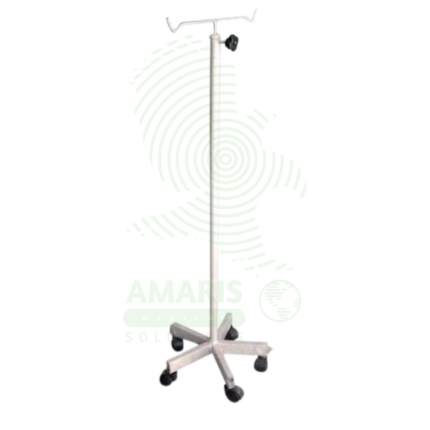
Stainless Steel Drip Stand
A Stainless Steel Drip Stand is a mobile, height-adjustable pole on a wheeled base, designed to securely hold intravenous fluid bags, blood products, and infusion pumps. Its primary function is to provide the necessary height for gravity-fed IV therapy and to serve as a stable transport system for infusions during patient mobility. Constructed from durable, corrosion-resistant stainless steel for easy cleaning and long-term use in hospitals and clinics, it is an indispensable piece of equipment for the safe and organized delivery of intravenous medications and fluids.