Dermatoscope and Magnifiers
 Diagnostic Kits
 Vital Signs Monitors
 Stethoscopes and Accessories
 Otoscopes, Ophthalmoscopes, and Retinoscopes
 Reflex Hammers and Neurological Tools
 Scales and Measuring Devices
 Spirometers and Pulmonary Function Tests
 Electrosurgical Units and Accessories
 Cutting Instruments
 Grasping and Holding Instruments
 Hemostatic Instruments
 Specialized Surgical Sets
 Single-Use Procedure Trays and Packs
 Surgical Drapes, Gowns, and Covers
 Tissue Unifying Instruments
 Radiation Protection
 X-Ray Machines and Accessories
 Ultrasound Systems and Probes
 MRI and CT Scanners
 Radiology Consumables
 Bone Densitometers
 Fluoroscopy Equipment
 Imaging Tables and Positioning Aids
 Microscopes and Accessories
 Centrifuges and Separators
 Analyzers
 Incubators and Ovens
 Pipettes, Dispensers, and Lab Glassware
 Refrigerators, Freezers, and Storage Units
 Lab Consumables
 Sterilizers and Autoclaves for Lab Use
 Multi-Parameter Monitors
 Ventilators and Respiratory Support Devices
 Defibrillators and AEDs
 Infusion Pumps and IV Systems
 Patient Warmers and Cooling Devices
 Central Monitoring Stations
 Accessories
 Anesthesia Machines and Workstations
 Oxygen Concentrators and Delivery Systems
 Nebulizers and Inhalers
 CPAP/BiPAP Machines
 Airway Management
 Anesthesia Masks, Circuits, and Bags
 Humidifiers and Heaters
 Respiratory Therapy Accessories
 First Aid Kits and Cabinets
 Emergency Resuscitation Equipment
 Trauma Supplies
 Emergency Carts and Crash Carts
 Burn Care Products
 Bleeding Control
 Automated External Defibrillators (AEDs)
 Transport and Evacuation
 Wheelchairs and Accessories
 Walkers, Crutches, and Canes
 Prosthetics and Orthotics
 Physical Therapy Equipment
 Transfer Devices
 Bathroom Safety
 Orthopedic Traction and Tables
 Hot/Cold Therapy Packs and Units
 Beds and Mattresses
 Chairs and Stools
 Tables
 Cabinets and Storage
 Privacy Screens & Curtains
 Stands and Racks
 Linens and Textiles
 Lighting
 Autoclaves and Sterilizers
 Ultrasonic Cleaners
 Disinfectant Solutions and Wipes
 Sterilization Pouches, Wraps, and Indicators
 Instrument Trays and Containers
 UV and Ozone Disinfection Devices
 Washer Disinfectors
 Wound Care
 Gloves
 Masks and Respirators
 Catheters and Tubing
 Swabs, Applicators, and Sponges
 Incontinence Products
 Personal Protective Equipment (PPE)
 Dental Chairs and Units
 Handpieces and Burs
 Instruments
 Consumables
 Sterilization for Dental Use
 Orthodontic Supplies
 Endodontic Tools
 Slit Lamps and Tonometers
 Lensometers and Phoropters
 Ophthalmic Surgical Instruments
 Eyewear Frames and Lenses
 Contact Lens Supplies
 Vision Testing Charts and Devices
 Eye Care Consumables
 Laser Systems for Eye Care
 ENT Exam Chairs and Tables
 Endoscopes
 Audiometers and Hearing Tests
 ENT Instruments
 Nasal and Throat Packs
 Hearing Aids and Accessories
 Otology Supplies
 Fetal Dopplers and Monitors
 Delivery Beds and Tables
 Gynecological Instruments
 Neonatal Incubators and Warmers
 Breast Pumps and Accessories
 Contraceptive Devices
 Maternity Supports and Pads
 Neonatal Consumables
 Cystoscopes and Urethroscopes
 Dialysis Machines and Supplies
 Urological Catheters and Bags
 Lithotripters
 Prostate Treatment Devices
 Urinary Incontinence Products
 Kidney Stone Management Tools
 Consumables & Disposables
 EEG and EMG Machines
 Neurosurgical Instruments
 Nerve Stimulators
 Headrests and Positioning Aids
 Lumbar Puncture Kits
 Seizure Monitoring Devices
 Consumables
 Rehabilitation for Neurological Conditions
 ECG Machines and Accessories
 Holter Monitors
 Stress Test Systems
 Pacemakers and Defibrillator Accessories
 Vascular Access Devices
 Cardiac Catheters and Guidewires
 Blood Flow Meters
 Consumables
 Orthopedic Instruments
 Casts, Splints, and Padding
 Joint Replacement Supplies
 Prosthetic Limbs and Components
 Bone Grafts and Substitutes
 Traction Devices
 Orthopedic Braces and Supports
 Rehabilitation Aids for Orthopedics
 Home Oxygen Therapy
 Hospital Beds for Home Use
 Mobility Aids
 Bathroom and Daily Living Aids
 Wound Care for Home
 Monitoring Devices
 Enteral Feeding Pumps and Tubes
 Hand Sanitizers and Dispensers
 Face Shields and Goggles
 Isolation Gowns and Suits
 Biohazard Waste Containers
 Air Purifiers and HEPA Filters
 Surface Disinfectants
 Sharps Containers
 Protective Barriers
 Cardiovascular & Endurance Training
 Strength Training & Weightlifting
 Functional Training & Core Conditioning
 Physical Therapy & Rehabilitation
 Sports & Outdoor Recreation
 Gym Flooring & Facility Equipment
 Fitness Monitoring & Accessories
 Kids & Novelties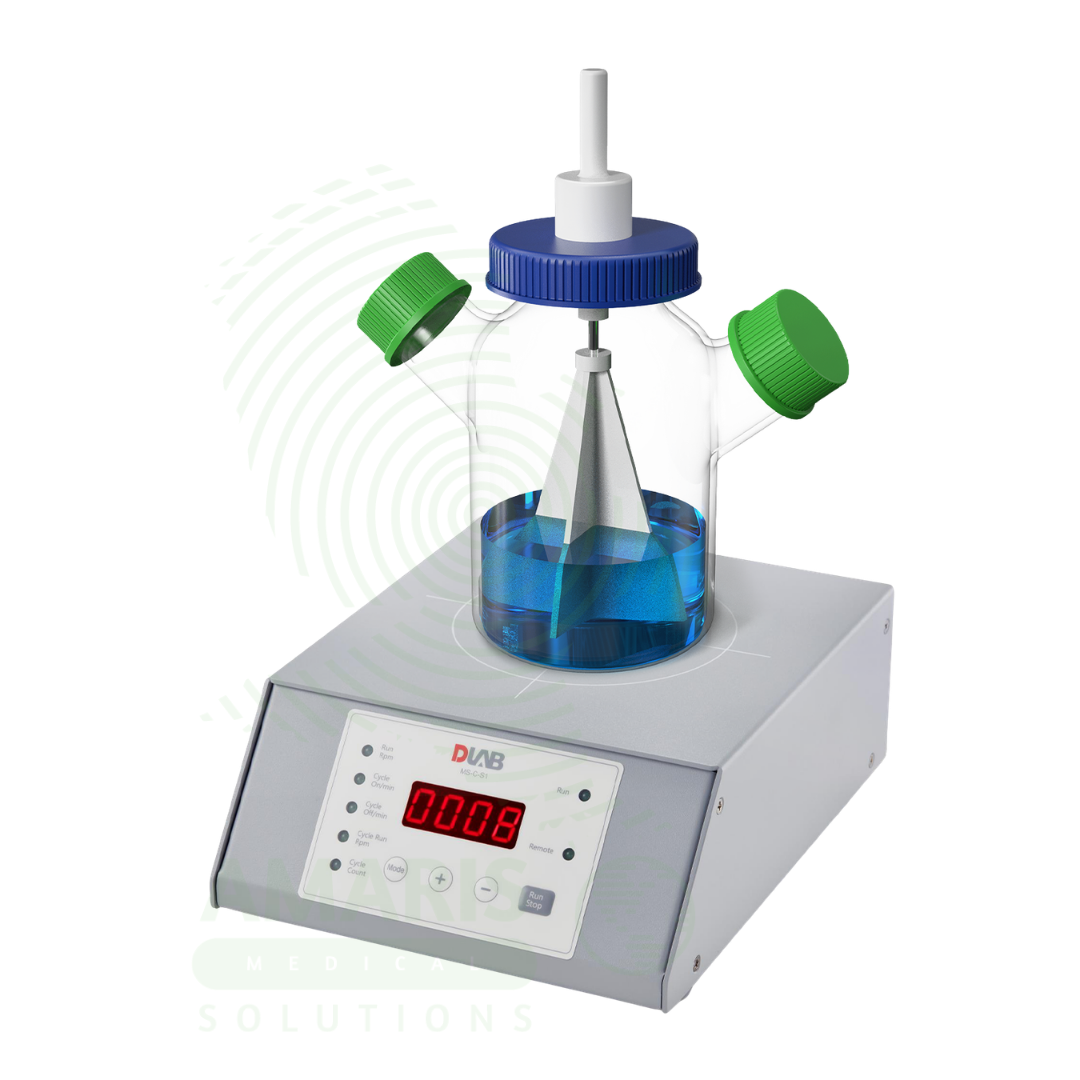

Cellular Magnetic Stirrer (MS‑C‑S1)
WhatsApp Order
Cellular magnetic stirrer (MS‑C‑S1), single channel, for gentle mixing of sensitive cell cultures; 5–200 rpm (1 rpm increments), 3 L capacity. Stepper motor for high torque at low speeds, cast-aluminium work plate, LED speed display, programmable timer (0–49 min 59 s), and multiple modes (constant, cyclic, dual-speed). Compact 250×205×90 mm chassis fits CO₂ incubators, warm rooms, and cold rooms; RS232 interface for remote monitoring and GLP-compliant data logging; CE/cTUVus certified, 2-year warranty.
Description
Cellular Magnetic Stirrer (MS‑C‑S1)
PRIMARY CLINICAL & DIAGNOSTIC USES
1. Gentle, Low‑Speed Stirring for Sensitive Cell Cultures
Primary Use: Provides a stepper motor‑driven magnetic stirrer with a single stirring point and a cast‑aluminium work plate, used for the protective, low‑shear mixing of cell suspensions, culture media, and reagent solutions in clinical cell culture, biological research, and diagnostic laboratories, with a maximum stirring capacity of 3 litres (water), a low‑speed range of 5 to 200 rpm (±1 rpm resolution), and an LED digital display that shows the actual speed in real time.
How it helps: For the clinical cell culture scientist and biomedical researcher, the Cellular Magnetic Stirrer (MS‑C‑S1) low‑speed range and precise speed control are specifically optimised to stir delicate cells without damaging them. The stepper motor delivers high torque even at the lowest speeds, ensuring smooth and reliable stirring, while the gentle, slow start and stop effectively avoid excessive agitation that could dislodge adherent cells or harm sensitive cultures. By maintaining gentle fluid movement, the stirrer improves gas and nutrient exchange, thereby promoting more efficient cell growth and viability for downstream assays. For the patient receiving cell‑based therapies (e.g., stem cells or CAR‑T cells), this reliable, gentle mixing directly supports the consistent production of high‑quality cell products, reducing the risk of therapy failure.
2. Customisable Work Modes for Diverse Cell Culture Applications
Primary Use: The MS‑C‑S1 features multiple programmable operation modes, including constant speed stirring, cyclic (intermittent) stirring, dual‑speed stirring (both high and low speeds within a single programme), and mixed cycle modes, each of which can be selected and customised through the easy‑to‑use programming interface.
How it helps: For the cell culture specialist, these programmable modes allow the stirrer to be tailored to the precise needs of a wide range of cell culture applications. For example, dual‑speed stirring can be used to alternate between a higher speed to resuspend settled cells and a lower speed to maintain gentle agitation for long‑term cultures. Intermittent (cycle) stirring can help protect very shear‑sensitive cells by providing rest periods between stirring intervals. Programmable settings also support time‑controlled runs (0–49 min 59 sec) to automate workflows. For the patient, more consistent culture conditions and reduced handling steps help ensure that the final cell product is of the highest possible quality.
3. In‑Incubator Compatibility for Optimised Cell Growth
Primary Use: The MS‑C‑S1 has a compact, low‑profile design (250 × 205 × 90 mm) and a corrosion‑resistant, water‑shedding surface, making it fully compatible for use inside CO₂ incubators, warm rooms, and cold rooms (5–40 °C ambient temperature range), where it can provide continuous, gentle stirring directly within the cell culture environment.
How it helps: For the tissue engineering and stem cell biologist, the ability to place the stirrer directly inside the incubator keeps the culture at a uniform temperature and pH while it is being stirred, eliminating the need to move the culture vessel to a separate benchtop stirrer, which risks temperature fluctuations, spills, and contamination. The non‑accumulating, corrosion‑resistant aluminium work plate prevents water build‑up, while the IP21‑rated housing protects the internal electronics against condensation and minor spills. For the patient, this integrated, undisturbed culture environment supports better cell growth, leading to more consistent and reliable cell therapy products.
4. Remote Monitoring and Data Recording for GLP Compliance
Primary Use: The Cellular Magnetic Stirrer (MS‑C‑S1) is equipped with an RS232 data interface that enables remote PC control, real‑time monitoring, and data logging of stirring parameters, such as speed and run time, directly to a laboratory computer or data management system.
How it helps: For the laboratory quality manager and GLP compliance officer, the RS232 interface allows all stirring‑related parameters to be automatically recorded, creating a full digital audit trail for each experiment. The instrument’s actual speed is continually displayed on its own LED display, but the RS232 port also communicates this information to a PC for independent verification. This combination of real‑time speed feedback (via the stirrer’s own LED) and remote data recording ensures that any deviation from the set stirring conditions is immediately seen and permanently documented. For the patient, this stringent, auditable quality control means that the final cell therapy product has been manufactured according to reliable and reproducible protocols, directly supporting patient safety.
SECONDARY & SUPPORTIVE USES
1. Biopharmaceutical production of macromolecular products: Used in the gentle mixing of cell suspensions during the biomanufacture of high‑value pharmaceutical products, including monoclonal antibodies, vaccines, enzymes, hormones, and interferons, ensuring homogeneous conditions without damaging the producing cells.
2. Suspension and adherent cell culture (microcarrier‑based): Gently stirs suspension cells or microcarrier‑based adherent cell cultures to maintain a uniform distribution of cells and nutrients throughout the vessel, preventing sedimentation and improving cell‑to‑microcarrier attachment.
3. Basic biological research (cell metabolism and growth studies): Provides a reliable and reproducible stirring environment for studying fundamental cell processes, such as metabolism, proliferation, differentiation, and gene expression, under controlled, low‑shear liquid conditions.
4. Cancer research and drug screening: Used in oncology research to prepare and maintain uniform suspensions of cancer cells for high‑throughput drug screening, dose‑response studies, and tumour biology investigations, where gentle but consistent mixing is essential.
5. Toxicology and substance testing: Mixes cells or tissues with test compounds (e.g., for toxicity screening, environmental pollutant assessment) while maintaining cell viability, enabling accurate evaluation of the effects of potentially hazardous substances.
6. Animal breeding and transgenic/cloned animal research: Supports cell culture work involved in animal biotechnology, including the maintenance of cell lines used for producing transgenic or cloned animals for research and agricultural applications.
7. Pharmaceutical process development: Used in early‑stage process development for the scale‑up of cell‑based manufacturing, where gentle stirring conditions are needed to optimise cell density, viability, and product yield.
8. General and educational laboratory cell culture: Serves as an intuitive, robust teaching tool in university and medical school laboratory courses, where students learn to culture and propagate mammalian or microbial cells under gentle, precisely controlled stirring.
KEY PRODUCT FEATURES
1. BASIC IDENTIFICATION ATTRIBUTES
-
Device Type: A low‑speed, single‑position magnetic stirrer with a stepper motor, specifically designed for cell culture applications.
-
Designation: MS‑C‑S1 Cellular Magnetic Stirrer, Single Channel.
-
Key Components:
-
Cast‑aluminium work plate (Ø105 mm) with a corrosion‑resistant, water‑shedding surface.
-
High‑torque stepper motor (15 W output).
-
LED digital display showing actual real‑time speed.
-
Programmable controller with integrated timer (0–49 min 59 sec).
-
Multiple selectable stirring modes (constant, cycle, dual‑speed, mixed cycle).
-
RS232 data interface for remote PC monitoring and control.
-
Compact, low‑profile housing (250 × 205 × 90 mm).
-
Universal power supply (100–120/200–240 V, 50/60 Hz).
-
2. TECHNICAL & PERFORMANCE PROPERTIES
-
Work plate dimensions: Ø105 mm.
-
Work plate material: Cast aluminium (corrosion‑resistant, easy to clean, water‑shedding surface).
-
Motor type: Stepper motor (15 W output).
-
Maximum stirring capacity (water): 3 litres.
-
Speed range: 5–200 rpm (adjustable; resolution ±1 rpm).
-
Speed display: LED digital display (shows actual speed).
-
Timer: Programmable timer function (0–49 minutes 59 seconds).
-
Working modes: Constant speed; cyclic (intermittent); dual‑speed (high/low within a programme); mixed cycle.
-
Programmable (user‑definable) settings: Yes.
-
Maximum stir bar length: 80 mm.
-
Number of stirring positions: 1.
-
Motor power output: 15 W.
-
Protection class: IP21.
-
Power requirements: 100–120 V / 200–240 V, 50/60 Hz (universal input).
-
Dimensions (W × D × H): 250 × 205 × 90 mm.
-
Weight: 2.5 kg.
-
Operating conditions: 5–40 °C, ≤80 % relative humidity.
-
Incubator compatibility: Yes, compact design suitable for use inside incubators.
-
Data interface: RS232.
-
Certifications: CE, cTUVus, UKCA.
3. PHYSICAL & OPERATIONAL PROPERTIES
-
Construction: Compact, low‑profile benchtop design with a cast‑aluminium work plate and a durable, corrosion‑resistant housing; IP21 protection against solid foreign objects (>12.5 mm) and vertically falling water drops.
-
Work plate: Ø105 mm cast‑aluminium plate with a corrosion‑resistant, water‑shedding surface, designed to prevent water build‑up and resist chemical attack.
-
Display: Clear LED digital display shows the actual stirring speed in real time for immediate verification.
-
Operation: Simple, intuitive controls for programming stirring speed, duration (0–49 min 59 sec), and operational mode (constant, cyclic, dual‑speed, mixed cycle).
-
Motor technology: High‑torque stepper motor delivers stable power even at very low rotating speeds (5 rpm), ensuring gentle but effective stirring.
-
Stirring system: The motor generates a smooth, rotating magnetic field that drives a magnetic stir paddle inside the culture vessel, providing contact‑free mixing that minimises contamination risk. The low‑shear field and smooth speed transitions (slow start/stop) help protect cells from damage.
-
Safety features: IP21‑rated housing protects internal electronics from minor spills and condensation. The corrosion‑resistant work plate and housing improve long‑term reliability.
-
Remote control/data logging: RS232 interface enables connection to a PC for remote monitoring, control, and data recording, supporting GLP compliance and efficient experiment documentation.
-
Incubator compatibility: The small footprint (roughly the size of an A5 sheet of paper) and wide operating temperature tolerance (5–40 °C) allow the unit to be safely placed inside standard CO₂ incubators, warm rooms, and cold rooms.
-
Portability: Lightweight (2.5 kg) unit with a small footprint, easily moved between workstations as required.
-
Maintenance: Stepper motor design is maintenance‑free, requiring no routine lubrication or brush replacement. The cast‑aluminium work plate is easily cleaned using a mild detergent and soft, damp cloth.
-
Included accessories: Magnetic stirring bar (max 80 mm length for the 3 litre capacity) is typically supplied with the unit.
4. SAFETY & COMPLIANCE ATTRIBUTES
-
Regulatory Status: A general‑purpose laboratory instrument for in vitro diagnostic (IVD) use; manufactured under ISO 9001 and ISO 13485 quality management systems. Certified to CE, cTUVus, and UKCA safety standards (as applicable).
-
Chemical Safety: The cast‑aluminium work plate is resistant to many common laboratory chemicals used in cell culture work, and its water‑shedding design prevents the accumulation of spilt liquids.
-
Electrical Safety: The universal power supply (100–120/200–240 V, 50/60 Hz) allows safe use across multiple regions. The IP21‑rated housing protects against solid foreign objects (>12.5 mm) and vertically falling water drops, providing basic splash protection.
-
Cell Protection (Low Shear Design): By operating at very low speeds (down to 5 rpm) with high torque and a smooth start/stop mechanism, the stirrer is designed to exert minimal shear force on cell suspensions, thereby preserving cell viability and membrane integrity.
-
Programmable Safety: The user‑defined timer and programmable operational modes help ensure consistent, repeatable stirring and can automatically stop the mixer at a set time, reducing the risk of over‑agitation.
-
Quality Compliance: Each unit is factory‑calibrated and tested prior to shipment. RS232 data logging supports GLP‑compliant documentation. The instrument is supplied with a calibration certificate and backed by a 2‑year manufacturer’s warranty.
5. STORAGE & HANDLING ATTRIBUTES
-
Storage: Store the instrument in a clean, dry, dust‑free environment at room temperature (15–30 °C). When not in use, the unit should be placed in a location free from excessive vibration and strong magnetic fields. If the stirrer has been used inside an incubator, allow it to adjust to room temperature before cleaning.
-
Installation: Place the stirrer on a stable, level, non‑flammable work surface within the recommended operating temperature range (5–40 °C). When installing inside an incubator, ensure adequate clearance for air circulation. Do not place the stirrer on vibrating surfaces, as this may interfere with its smooth operation.
-
Cleaning: Power off and unplug the stirrer before cleaning. Wipe the cast‑aluminium work plate and outer housing with a soft, slightly damp cloth using a mild laboratory detergent or 70 % ethanol (IPA). The corrosion‑resistant surface can be cleaned even after exposure to culture media or saline solutions. Do not immerse the unit in any liquid. Do not use abrasive cleaners or metal‑scouring pads, as these may damage the work plate.
-
Pre‑use inspection: Before each use, inspect the power cord and plug for any damage. Ensure the work plate is clean, dry, and free from any chemical residues. Confirm that the stir bar is in good condition, without chips or cracks. Check that the environmental conditions (e.g., temperature, humidity) are within the instrument’s specified range.
-
Operation: Place the culture vessel (e.g., a 3 litre spinner flask) centrally on the work plate. Add the magnetic stir bar, ensuring it is correctly positioned at the bottom of the vessel. Select the desired stirring mode (constant speed, cyclic, etc.) and set the speed and timer duration via the instrument’s control panel. Use the LED display to confirm the actual speed reading matches the set speed. Always start stirring at a low speed (e.g., 5–20 rpm) to allow the stir bar to couple correctly before gradually increasing to the target speed.
-
In‑incubator use: When using the MS‑C‑S1 inside an incubator, ensure the incubator’s internal power outlet is within the specified voltage (100–240 V) and that the power cord does not interfere with the stirrer’s positioning. Position the stirrer so that the culture vessel is centred over the work plate. Avoid placing the unit directly under an incubator’s heating element or forced‑air vent.
-
RS232 connection: For remote operation and data logging, connect the stirrer to a computer using a standard RS232 cable. The manufacturer’s optional software can be installed to monitor the actual speed and record the operational parameters.
-
Cooling down/heat dissipation: The stirrer does not incorporate a heating element, so heat dissipation is minimal. Nonetheless, allow the unit to return to room temperature if it has been used inside a warm incubator before cleaning it.
-
Periodic verification: Periodically verify the speed accuracy by comparing the LED‑displayed speed with an independent tachometer reading, particularly after long‑term use or after the stirrer has been moved to a new location. Keep a record of such verifications as part of the instrument’s performance log.
6. LABORATORY & CLINICAL APPLICATIONS
-
Primary Application: Low‑speed, gentle stirring of cell cultures, culture media, and reagent solutions, primarily for clinical research, biopharmaceutical development, and diagnostic laboratory applications, including the maintenance and expansion of suspension and microcarrier‑adherent cells.
-
Clinical Role: An essential instrument for clinical cell culture laboratories, bioprocessing and biomanufacturing facilities, cancer research and drug screening units, and academic research institutions. It is critical for applications where cell viability, shear protection, and reproducible mixing are mandatory for the generation of high‑quality cellular products, effective drug screening, and reliable research data.
SAFETY HANDLING PRECAUTIONS
1. SAFETY PRECAUTIONS
-
Magnetic Field Interference: The stirrer contains strong permanent magnets. People with implanted medical devices (e.g., pacemakers, implantable cardioverter‑defibrillators, neurostimulators) should keep a safe distance of at least 30 cm from the operating stirrer. Do not place the instrument near credit cards, hard drives, computer monitors, or other magnetic‑sensitive equipment.
-
Vessel and Stir Bar Selection: Use only flat‑bottomed vessels (spinner flasks, beakers, cell culture flasks) that sit flush on the cast‑aluminium work plate. Ensure the magnetic stir bar is in good condition without chips, cracks, or deformities and is properly centred in the vessel before starting. Do not exceed the maximum stir bar length of 80 mm.
-
Start Slowly: Always start stirring at the lowest speed (5 rpm) and gradually increase to the desired level. A sudden high‑speed start may cause the stir bar to decouple, spin erratically, or strike the vessel wall, leading to splashing, spillage, or vessel breakage. For shear‑sensitive cells, speeds above 50 rpm are rarely needed.
-
Electrical Safety: Do not operate the instrument with wet hands. Ensure the mains power cable does not come into contact with liquids or sharp edges that could damage the insulation. Use only the supplied grounded power cord and ensure the outlet provides proper grounding. Disconnect the power cord before cleaning, servicing, or moving the unit. Do not operate if the power cord is damaged. The IP21 rating offers basic protection against vertically falling water drops, but does not protect against immersion or significant liquid spills.
-
Incubator Installation: When using the stirrer inside an incubator, ensure the power cord is properly routed and does not interfere with incubator doors or airflow. Verify that the incubator’s internal power outlet is grounded and within the specified voltage range. Do not place the stirrer directly on heating elements or in front of forced‑air vents.
-
Chemical Compatibility: The cast‑aluminium work plate is resistant to many laboratory chemicals, but prolonged exposure to strong acids, strong alkalis, or aggressive organic solvents may cause damage. Clean spills promptly. Refer to the Safety Data Sheet (SDS) for specific chemicals.
-
Spill Management: If a liquid spill occurs on the work plate during operation, turn off the speed immediately. Unplug the unit, wipe the spill clean, and allow the work plate to dry thoroughly before resuming use. Do not let liquids seep under the work plate or into the housing. The IP21 rating does not protect against pooling liquids or immersion.
-
Operating Environment: Use the instrument indoors only, on a stable, level, non‑flammable benchtop or inside an incubator. Do not use in explosive atmospheres or in the presence of flammable gases or vapours. The permissible ambient temperature range is 5–40 °C with relative humidity not exceeding 80 %.
-
Cleaning and Maintenance: Unplug the unit before cleaning. Allow any warm plates to cool to room temperature before wiping. Use only a soft, damp cloth with mild detergent or 70 % isopropyl alcohol. Do not use abrasive cleaners, metal scouring pads, or sharp objects that could scratch the cast‑aluminium surface. Do not immerse the unit. The stepper motor requires no routine maintenance, but periodically inspect the power cord for damage.
-
Training Requirement: Only trained laboratory personnel with appropriate technical background in cell culture and magnetic stirrer operation should operate the MS‑C‑S1 for clinical diagnostic or research applications. Users must read and understand the operator’s manual before first use.
2. FIRST AID MEASURES
-
Sample Splash to Eyes: If a biological or chemical sample splashes into the eyes during operation, immediately flush the eyes with copious amounts of water or sterile saline for at least 15 minutes. Seek immediate medical attention.
-
Skin Contact with Chemical Sample: Remove contaminated clothing at once. Wash the affected skin area with soap and water for at least 5 minutes. If irritation or signs of chemical burn develop, seek medical evaluation. Refer to the Safety Data Sheet (SDS) for the specific chemical involved.
-
Sharps Injury (Broken Glassware): If a broken vessel punctures the skin, allow the wound to bleed freely. Wash the wound with soap and water for 15 minutes. Apply antiseptic and a sterile bandage. If the vessel contained patient biological material, follow the facility’s exposure management protocol for bloodborne pathogens.
-
Inhalation of Chemical Vapors: If vapors from volatile reagents are inhaled during sample preparation, move the affected person to fresh air immediately. Administer oxygen if breathing is difficult. Seek medical attention if coughing, dizziness, or respiratory distress persists.
-
Electrical Shock: If an electrical shock incident occurs, disconnect power at the circuit breaker before attempting to assist the victim. Do not touch the victim until the power is disconnected. Call emergency medical services immediately.
3. FIRE FIGHTING MEASURES
-
Flammability: The instrument’s plastic components and power cord are combustible. Do not operate near flammable solvents, gases, or volatile materials. The primary fire hazard is the flammable liquids being stirred.
-
Extinguishing Media: Use carbon dioxide (CO₂) or a dry chemical (ABC‑class) extinguisher for fires involving the electrical components. Do not use water on electrical fires.
-
Fire Response: In case of fire, disconnect the instrument from its power source if safe to do so. Evacuate the immediate area. Use an appropriate extinguisher for small, contained fires. For larger fires, evacuate the laboratory and call emergency services. Do not attempt to extinguish a fire if not trained or if the fire is spreading rapidly.
-
Special Protective Equipment for Firefighters: Firefighters should wear self‑contained breathing apparatus (SCBA) and full structural firefighting gear when fighting fires in laboratory settings.
Related products
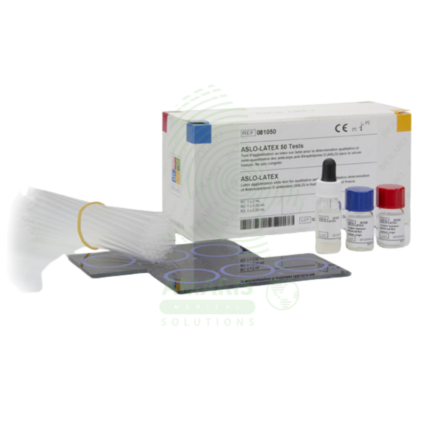
Anti-Streptol Olysin O Titer (ASOT)
Anti-Streptol Olysin O Titer (ASOT) is a quantitative or semi-quantitative serological test (latex agglutination, turbidimetry, nephelometry, or ELISA) for detecting antibodies against streptolysin O, an exotoxin produced by Group A Streptococcus. Elevated or rising titers indicate recent streptococcal infection and are essential for diagnosing post-streptococcal sequelae including acute rheumatic fever (Jones criteria) and post-streptococcal glomerulonephritis. The test requires serum samples; acute and convalescent (2-4 weeks apart) with fourfold rise confirms recent infection. Reference range typically <200-250 Todd units/mL (adults), varies by age and population. Primary clinical applications include diagnosis of Group A streptococcal infections, acute rheumatic fever evaluation, post-streptococcal glomerulonephritis diagnosis, differentiation of acute vs. past infection, evaluation of unexplained arthritis or carditis, pediatric inflammatory conditions (PANDAS), and monitoring disease activity in rheumatic fever. Critical safety precautions include proper timing of acute and convalescent samples, awareness of false negatives/positives, clinical correlation for diagnosis, and standard biohazard precautions. Essential test for rheumatology, nephrology, cardiology, and infectious disease practice.
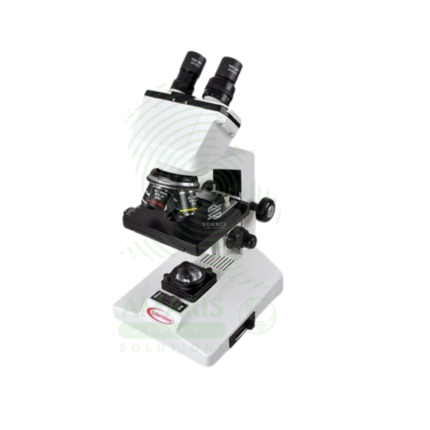
Binocular Microscope
A Binocular Microscope is a high-precision, compound optical instrument fundamental to clinical diagnostics. Featuring dual eyepieces for comfortable viewing and a suite of parfocal objective lenses (4x, 10x, 40x, 100x oil), it provides magnifications from 40x to 1000x. Its integrated LED illumination, mechanical stage, and Abbe condenser enable the detailed examination of stained blood films, tissue sections, microbiological specimens, and cytological preparations. As the primary tool for pathologists and laboratory scientists, it is indispensable for definitive diagnoses in hematology, histopathology, microbiology, and urinalysis, demanding skilled operation and meticulous maintenance for optimal performance.
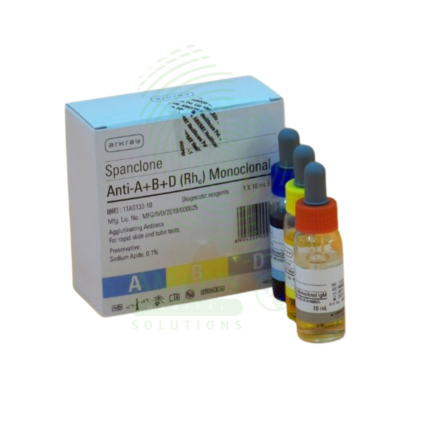
Blood Grouping kit
A Blood Grouping Kit is a Class II medical device (FDA-cleared/CE-marked) containing monoclonal antibodies (Anti-A, Anti-B, Anti-D) and control reagents for determining ABO blood group and Rh factor by agglutination method. The kit includes color-coded reagent vials, reaction cards or slides, mixing sticks, lancets, and capillary pipettes. Test time 2-5 minutes (slide method) or 15-30 minutes (tube method). Interpretation based on agglutination pattern: Anti-A positive = group A; Anti-B positive = group B; both positive = group AB; both negative = group O; Anti-D positive = Rh positive; Anti-D negative = Rh negative. Primary clinical applications include pre-transfusion compatibility testing, prenatal and neonatal testing (Rh incompatibility prevention), preoperative blood typing, blood donor screening, and emergency blood typing. Critical safety precautions include refrigerated storage (2-8°C), proper disposal of lancets in sharps containers, universal precautions for blood samples, and confirmation with reverse typing when possible. Essential kit for transfusion medicine, obstetrics, surgery, and emergency care.
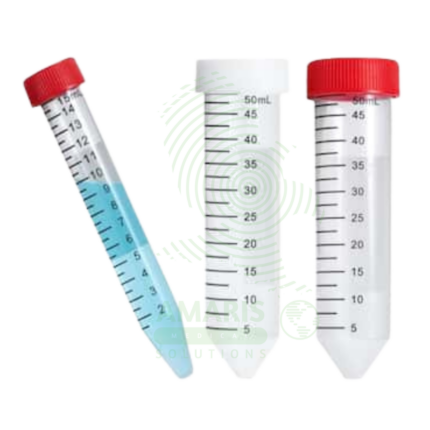
Centrifuge Tubes
Centrifuge Tubes are specialized disposable containers (polypropylene) designed to withstand high centrifugal forces (up to 30,000 x g) for separating biological fluids based on density. Available in microcentrifuge sizes (0.2-2.0 mL), conical tubes (15 mL, 50 mL), and larger volumes (100-500 mL). Features include leak-proof screw caps with O-rings (conical tubes), snap caps (microcentrifuge tubes), graduated volume markings, writing areas, and sterile/non-sterile options. Certified RNase/DNase-free, pyrogen-free, and autoclavable. Primary clinical applications include blood component separation (serum/plasma), urine sediment preparation, microbiology sample concentration, molecular biology (DNA/RNA extraction), cell culture processing, protein/enzyme analysis, and viral load testing. Critical safety precautions include never exceeding maximum RCF rating, proper balancing by weight, secure cap tightening, inspection for cracks, and disposal as biohazardous waste. Essential consumable in every clinical, research, and industrial laboratory.
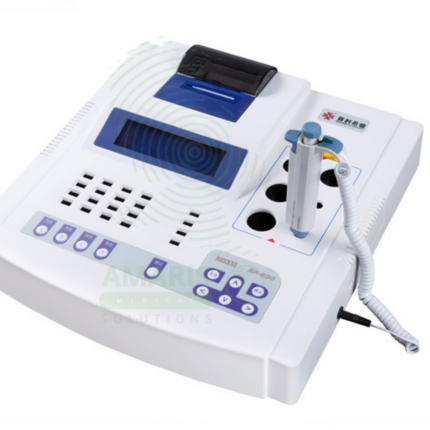
Coagulation Analyzer
A Coagulation Analyzer is a compact, automated instrument designed for performing essential tests that evaluate the blood's clotting ability. It accurately measures key parameters such as Prothrombin Time (PT/INR), Activated Partial Thromboplastin Time (aPTT), Thrombin Time, and Fibrinogen, which are critical for monitoring anticoagulant therapy (warfarin, heparin), diagnosing bleeding disorders, and assessing surgical risk. With its photometric detection and user-friendly operation, it delivers reliable results for small to medium-volume laboratories, clinics, and hospital wards. Its role in ensuring safe and effective patient management in thrombosis and hemostasis makes it a vital tool in clinical diagnostics.

Hepatitis C Test Kit
The Hepatitis C Test Kit is an in vitro diagnostic device for the detection of Hepatitis C virus antibodies or RNA in human blood, serum, or plasma samples. Available in rapid, laboratory immunoassay, and molecular formats, it screens for HCV infection, confirms active infection with RNA testing, and monitors treatment response. With high sensitivity and specificity exceeding 99%, it is essential for identifying infected individuals, linking them to curative direct-acting antiviral therapy, and confirming cure. Essential applications include risk-based screening of high-risk populations, birth cohort screening of baby boomers, evaluation of acute hepatitis, management of occupational exposures, and monitoring of antiviral therapy that can cure over 95% of infections. All patient samples must be handled with universal precautions, and positive antibody results require confirmatory testing.
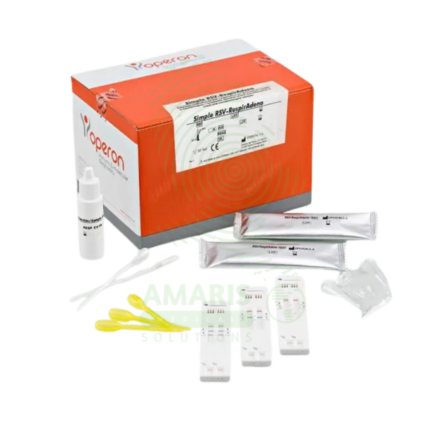
Rota virus
Rota virus rapid tests are immunochromatographic assays (CE-marked, FDA-cleared for some brands) for qualitative detection of rotavirus group A antigens in stool specimens, providing results in 10-20 minutes. The test principle uses monoclonal or polyclonal antibodies against rotavirus antigens (typically VP6 protein) immobilized on membranes, capturing antigens that form a visible line. Sensitivity 90-98%, specificity 95-99% compared to ELISA or PCR. The kit includes individually foil-wrapped test devices, sample diluent, and collection applicators. Primary clinical applications include rapid diagnosis of acute gastroenteritis in children (rotavirus is the leading cause of severe diarrhea in under-5 children), outbreak investigation in daycare centers and schools, hospital infection control and isolation precautions, differential diagnosis of acute diarrhea (viral vs. bacterial vs. parasitic), vaccine effectiveness monitoring and surveillance, assessment of dehydration risk, and evaluation of immunocompromised patients. Critical safety precautions include proper specimen collection (clean container, avoid contamination), biological hazard precautions (all stool potentially infectious), quality control verification, and awareness that a negative test does not rule out other causes of gastroenteritis. Essential tool for pediatric gastroenteritis management, infection control, and public health surveillance.