Dermatoscope and Magnifiers
 Diagnostic Kits
 Vital Signs Monitors
 Stethoscopes and Accessories
 Otoscopes, Ophthalmoscopes, and Retinoscopes
 Reflex Hammers and Neurological Tools
 Scales and Measuring Devices
 Spirometers and Pulmonary Function Tests
 Electrosurgical Units and Accessories
 Cutting Instruments
 Grasping and Holding Instruments
 Hemostatic Instruments
 Specialized Surgical Sets
 Single-Use Procedure Trays and Packs
 Surgical Drapes, Gowns, and Covers
 Tissue Unifying Instruments
 Radiation Protection
 X-Ray Machines and Accessories
 Ultrasound Systems and Probes
 MRI and CT Scanners
 Radiology Consumables
 Bone Densitometers
 Fluoroscopy Equipment
 Imaging Tables and Positioning Aids
 Microscopes and Accessories
 Centrifuges and Separators
 Analyzers
 Incubators and Ovens
 Pipettes, Dispensers, and Lab Glassware
 Refrigerators, Freezers, and Storage Units
 Lab Consumables
 Sterilizers and Autoclaves for Lab Use
 Multi-Parameter Monitors
 Ventilators and Respiratory Support Devices
 Defibrillators and AEDs
 Infusion Pumps and IV Systems
 Patient Warmers and Cooling Devices
 Central Monitoring Stations
 Accessories
 Anesthesia Machines and Workstations
 Oxygen Concentrators and Delivery Systems
 Nebulizers and Inhalers
 CPAP/BiPAP Machines
 Airway Management
 Anesthesia Masks, Circuits, and Bags
 Humidifiers and Heaters
 Respiratory Therapy Accessories
 First Aid Kits and Cabinets
 Emergency Resuscitation Equipment
 Trauma Supplies
 Emergency Carts and Crash Carts
 Burn Care Products
 Bleeding Control
 Automated External Defibrillators (AEDs)
 Transport and Evacuation
 Wheelchairs and Accessories
 Walkers, Crutches, and Canes
 Prosthetics and Orthotics
 Physical Therapy Equipment
 Transfer Devices
 Bathroom Safety
 Orthopedic Traction and Tables
 Hot/Cold Therapy Packs and Units
 Beds and Mattresses
 Chairs and Stools
 Tables
 Cabinets and Storage
 Privacy Screens & Curtains
 Stands and Racks
 Linens and Textiles
 Lighting
 Autoclaves and Sterilizers
 Ultrasonic Cleaners
 Disinfectant Solutions and Wipes
 Sterilization Pouches, Wraps, and Indicators
 Instrument Trays and Containers
 UV and Ozone Disinfection Devices
 Washer Disinfectors
 Wound Care
 Gloves
 Masks and Respirators
 Catheters and Tubing
 Swabs, Applicators, and Sponges
 Incontinence Products
 Personal Protective Equipment (PPE)
 Dental Chairs and Units
 Handpieces and Burs
 Instruments
 Consumables
 Sterilization for Dental Use
 Orthodontic Supplies
 Endodontic Tools
 Slit Lamps and Tonometers
 Lensometers and Phoropters
 Ophthalmic Surgical Instruments
 Eyewear Frames and Lenses
 Contact Lens Supplies
 Vision Testing Charts and Devices
 Eye Care Consumables
 Laser Systems for Eye Care
 ENT Exam Chairs and Tables
 Endoscopes
 Audiometers and Hearing Tests
 ENT Instruments
 Nasal and Throat Packs
 Hearing Aids and Accessories
 Otology Supplies
 Fetal Dopplers and Monitors
 Delivery Beds and Tables
 Gynecological Instruments
 Neonatal Incubators and Warmers
 Breast Pumps and Accessories
 Contraceptive Devices
 Maternity Supports and Pads
 Neonatal Consumables
 Cystoscopes and Urethroscopes
 Dialysis Machines and Supplies
 Urological Catheters and Bags
 Lithotripters
 Prostate Treatment Devices
 Urinary Incontinence Products
 Kidney Stone Management Tools
 Consumables & Disposables
 EEG and EMG Machines
 Neurosurgical Instruments
 Nerve Stimulators
 Headrests and Positioning Aids
 Lumbar Puncture Kits
 Seizure Monitoring Devices
 Consumables
 Rehabilitation for Neurological Conditions
 ECG Machines and Accessories
 Holter Monitors
 Stress Test Systems
 Pacemakers and Defibrillator Accessories
 Vascular Access Devices
 Cardiac Catheters and Guidewires
 Blood Flow Meters
 Consumables
 Orthopedic Instruments
 Casts, Splints, and Padding
 Joint Replacement Supplies
 Prosthetic Limbs and Components
 Bone Grafts and Substitutes
 Traction Devices
 Orthopedic Braces and Supports
 Rehabilitation Aids for Orthopedics
 Home Oxygen Therapy
 Hospital Beds for Home Use
 Mobility Aids
 Bathroom and Daily Living Aids
 Wound Care for Home
 Monitoring Devices
 Enteral Feeding Pumps and Tubes
 Hand Sanitizers and Dispensers
 Face Shields and Goggles
 Isolation Gowns and Suits
 Biohazard Waste Containers
 Air Purifiers and HEPA Filters
 Surface Disinfectants
 Sharps Containers
 Protective Barriers
 Cardiovascular & Endurance Training
 Strength Training & Weightlifting
 Functional Training & Core Conditioning
 Physical Therapy & Rehabilitation
 Sports & Outdoor Recreation
 Gym Flooring & Facility Equipment
 Fitness Monitoring & Accessories
 Kids & Novelties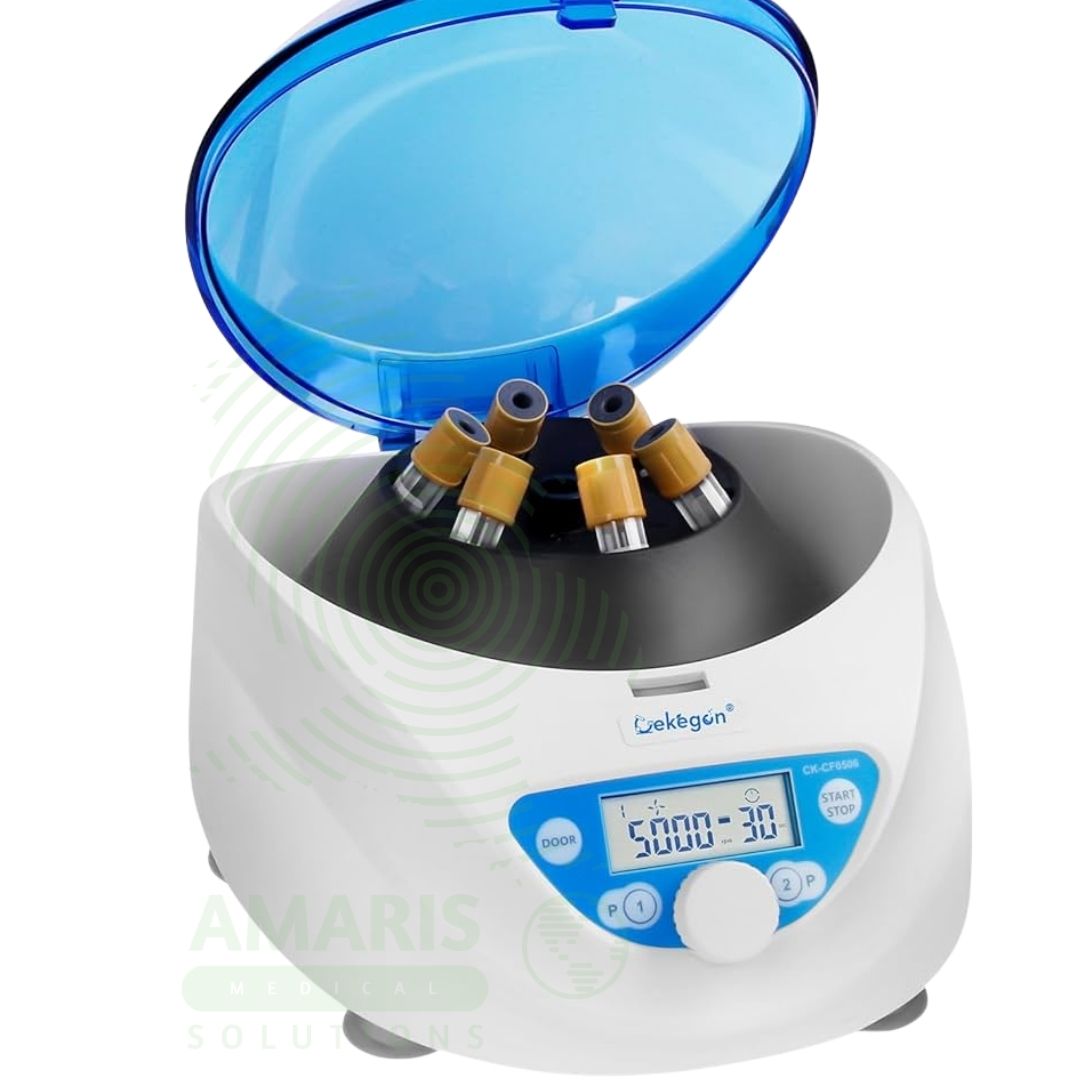
Centrifuge
WhatsApp Order
A centrifuge is an instrument that uses rapid rotation to separate components of a liquid mixture based on density. In clinical and laboratory settings, it is indispensable for preparing blood samples (serum, plasma, cells), concentrating urine sediment, and processing microbiological specimens. Key specifications include maximum relative centrifugal force (RCF) and rotor type (swinging bucket or fixed angle). Safe operation is paramount and hinges on perfect load balancing, using securely sealed tubes, and never overriding safety lids. Proper cleaning after spills and regular rotor inspection are essential for preventing equipment failure and biohazard exposure. It is a fundamental piece of equipment for sample preparation across all disciplines of laboratory medicine.
Description
Centrifuge
PRIMARY CLINICAL & DIAGNOSTIC USES
1. Blood Component Separation
-
Primary Use: Separates whole blood into its constituent components—plasma, buffy coat (white blood cells and platelets), and packed red blood cells—for transfusion medicine, therapeutic procedures, and diagnostic testing.
-
How it helps: For the blood bank technologist and transfusion medicine specialist, the centrifuge transforms donated blood into life-saving components—red cells for anemia, platelets for bleeding, plasma for clotting disorders. For the trauma patient hemorrhaging after an accident, the cancer patient with treatment-induced thrombocytopenia, or the burn patient needing plasma, the centrifuge’s work behind the scenes makes targeted transfusion therapy possible.
2. Preparation of Serum and Plasma Samples
-
Primary Use: Essential for clinical chemistry, serology, and endocrinology testing, separating serum or plasma from blood cells to provide a cell-free liquid for analysis on automated analyzers.
-
How it helps: For the clinical laboratory scientist, the centrifuge is the essential first step in almost every blood test—spinning down cells to reveal the liquid portion where glucose, electrolytes, enzymes, hormones, and drugs are measured. For the patient whose potassium level guides cardiac care, whose glucose reading determines insulin dose, or whose drug level ensures therapeutic efficacy, the centrifuge ensures that what reaches the analyzer is pure plasma, uncontaminated by cells that would skew results.
3. Urinalysis
-
Primary Use: Used to concentrate urine sediment (cells, casts, crystals, bacteria) for microscopic examination, a key component of a complete urinalysis.
-
How it helps: For the medical laboratory scientist and nephrologist, the centrifuge concentrates the diagnostic clues hidden in urine—red cells suggesting glomerulonephritis, white cells indicating infection, casts pointing to tubular injury. For the patient with suspected kidney disease, urinary tract infection, or unexplained hematuria, the centrifuged sediment provides critical diagnostic information that guides further evaluation and treatment.
4. Microbiology and Parasitology
-
Primary Use: For concentrating microorganisms in cerebrospinal fluid for bacterial meningitis diagnosis or parasites in stool samples for ova and parasite examination, increasing the sensitivity of detection.
-
How it helps: For the microbiologist, centrifugation concentrates pathogens from large volumes of body fluids, transforming a potentially dilute sample into a concentrated pellet where organisms can be visualized and identified. For the patient with suspected meningitis, a centrifuged CSF sample can reveal the bacteria causing their life-threatening infection, guiding antibiotic selection and improving outcomes.
5. Cell Culture and Biology
-
Primary Use: In research and advanced diagnostics, used to harvest cells, separate cellular organelles, purify viruses, and perform nucleic acid precipitations.
-
How it helps: For the cell biologist and molecular researcher, the centrifuge is the workhorse that separates the components of life—isolating mitochondria for metabolic studies, harvesting cells for culture expansion, purifying viruses for vaccine development. For future patients who will benefit from cell therapies, gene therapies, and vaccines, the centrifuge’s ability to separate biological components enables the research that leads to medical breakthroughs.
SECONDARY & SUPPORTIVE USES
1. Coagulation Testing: For the coagulation laboratory, centrifugation produces the platelet-poor plasma required for accurate PT/INR and aPTT testing. For the patient on warfarin, whose daily dose depends on INR results, or the patient with unexplained bleeding, properly centrifuged specimens ensure that coagulation results reflect their true clinical status.
2. Therapeutic Plasma Exchange (TPE): For the apheresis specialist, specialized continuous centrifuges separate and remove plasma from a patient’s blood while returning cellular components, treating conditions like Guillain-Barré syndrome, myasthenia gravis, and thrombotic thrombocytopenic purpura. For the patient with these devastating autoimmune or hematologic conditions, therapeutic plasma exchange can be life-saving, removing pathogenic antibodies and restoring health.
3. Blood Banking: For the transfusion service, centrifugation supports crossmatching, antibody screening, and preparation of washed red blood cells for patients with allergic transfusion reactions. For the patient requiring transfusion, these centrifuged preparations ensure compatibility and safety, preventing hemolytic reactions and other complications.
4. Semen Analysis: For the andrology laboratory, centrifugation prepares semen samples for evaluation of sperm count and motility in fertility investigations. For couples struggling with infertility, accurate semen analysis guides treatment decisions and offers hope for achieving pregnancy.
5. Lipid Testing: For the clinical laboratory, proper centrifugation conditions are essential for obtaining valid lipid panel results that guide cardiovascular risk assessment. For the patient whose statin therapy and heart disease prevention depend on accurate cholesterol and triglyceride measurements, proper centrifugation ensures that treatment decisions are based on reliable data.
KEY PRODUCT FEATURES
1. BASIC IDENTIFICATION ATTRIBUTES
-
Device Type: An instrument that uses centrifugal force (rotation around a fixed axis) to separate components of a mixture based on density.
-
Designation: Often categorized by rotor type, maximum speed (RPM), and relative centrifugal force (RCF).
-
Core Types by Design:
-
Microcentrifuge (Microfuge): Small benchtop unit for low-volume tubes (0.2mL to 2.0mL). Essential in molecular biology and small sample labs.
-
Clinical Benchtop Centrifuge: The workhorse of hospital and clinic labs. Accommodates a variety of tube sizes (e.g., 15mL, 50mL conical tubes) and often has a swinging-bucket rotor for blood collection tubes.
-
High-Speed and Ultracentrifuges: For research applications, capable of very high speeds (>20,000 RPM) to separate subcellular particles, proteins, and viruses.
-
Hematocrit Centrifuge: A specialized, small centrifuge used specifically to spin capillary tubes to determine the packed cell volume (hematocrit) of blood.
-
Continuous Flow Centrifuge: Used in large-scale industrial or apheresis applications.
-
-
Core Components:
-
Rotor: The rotating unit that holds the sample tubes. Types include:
-
Fixed-Angle Rotor: Tubes are held at a fixed angle (e.g., 45°). Offers faster separation.
-
Swinging-Bucket Rotor: Buckets swing out to a horizontal position during spin, creating a straight pellet at the bottom. Preferred for balanced separation of blood layers.
-
-
Motor and Drive System: Provides the rotational force.
-
Refrigeration System (on many models): Cools the chamber to prevent sample degradation during spinning (critical for temperature-sensitive analytes).
-
Control Panel: For setting speed (RPM or RCF), time, temperature, and acceleration/deceleration rates.
-
Safety Lid: Interlocked lid that prevents operation while open.
-
2. TECHNICAL & PERFORMANCE PROPERTIES
-
Maximum Relative Centrifugal Force (RCF or g-force): The true measure of separating power, calculated from rotor radius and speed (RPM). More important than RPM alone. Clinical benchtop models typically offer 2,000 - 6,000 x g.
-
Speed (RPM): Revolutions per minute.
-
Capacity: The number and volume of tubes the rotor can hold.
-
Timer: Countdown timer for runs.
-
Noise Level: An ergonomic and lab environment consideration.
3. PHYSICAL & OPERATIONAL PROPERTIES
-
Footprint: Benchtop space required.
-
Weight and Stability: Must be heavy/stable enough to not "walk" during operation.
-
Rotor Compatibility: Rotors are often interchangeable for different applications.
4. SAFETY & COMPLIANCE ATTRIBUTES
-
Regulatory Status: Classified as a Class I or II medical device, depending on its intended diagnostic use.
-
Safety Lid Interlock: A mandatory feature to prevent exposure to moving parts.
-
Rotor Imbalance Detection: Advanced models have sensors to detect an unbalanced load and will shut down to prevent catastrophic failure.
-
Containment: Should be designed to contain tubes and rotor in case of breakage.
-
5. STORAGE & HANDLING ATTRIBUTES
-
Storage: When not in use, store with the lid open to allow the rotor chamber to dry and prevent odor/mold.
-
Daily/Pre-Use Check: Ensure the rotor is securely attached, the chamber is clean and dry, and the lid closes and locks properly.
-
Loading/Balancing (CRITICAL):
-
Tubes must be balanced by mass, not just volume. Use a balance or fill identical tubes to the same level.
-
Opposing tube holders in the rotor must contain loads of equal mass. Use water-filled tubes as balance tubes if necessary.
-
For swinging bucket rotors, all buckets must be installed.
-
-
Cleaning: Clean the rotor and chamber regularly with mild detergent and disinfectant. Immediately clean up any spills (especially biological samples) to prevent aerosolization and corrosion.
-
Rotor Maintenance: Inspect rotors for cracks, corrosion, or wear. Follow manufacturer guidelines for rotor lifetime (often measured in run hours).
6. LABORATORY & CLINICAL APPLICATIONS
-
Primary Application: Foundational equipment in every clinical laboratory (hospital, reference lab, doctor's office), blood bank, and biomedical research facility. It is often the first step in preparing a specimen for analysis.
-
Clinical Role: Enables the pre-analytical processing of samples, which is critical for the accuracy and reliability of virtually all downstream laboratory tests.
SAFETY HANDLING PRECAUTIONS
1. SAFETY PRECAUTIONS
-
Load Balancing is Non-Negotiable: An unbalanced load is the single greatest safety hazard. It can cause violent vibration, damage the centrifuge, break tubes, and potentially cause the rotor to fail catastrophically, turning it into a high-energy projectile.
-
Secure Lid: Never operate with the lid open or the interlock overridden.
-
Use Sealed Tubes: Ensure tubes are properly sealed with caps or stoppers designed for centrifugation to prevent aerosol release of biohazardous material.
-
Wait for Complete Stop: Do not attempt to open the lid or stop the rotor with your hands. Wait until it comes to a complete stop.
-
Chemical Compatibility: Ensure tubes and rotors are compatible with the samples (e.g., no strong acids in aluminum rotors).
-
Personal Protective Equipment (PPE): Wear a lab coat, safety glasses, and gloves when handling samples and loading/unloading.
2. FIRST AID MEASURES
-
Tube Breakage/Spill Inside: If a tube breaks during a run:
-
Keep the lid closed for at least 30 minutes to allow aerosols to settle.
-
Wear appropriate PPE (gloves, face shield, respirator if significant aerosol risk).
-
Carefully remove the rotor bucket or entire rotor and submerge it in a suitable disinfectant (e.g., bleach solution) in a biosafety cabinet if possible.
-
Clean all surfaces thoroughly. Discard all contents in the affected load as biohazard waste.
-
-
Mechanical Failure/Imbalance: If violent shaking occurs, turn off the power immediately (do not open the lid). Evacuate the area if severe. After it stops, unplug the unit and report it for service.
3. FIRE FIGHTING MEASURES
-
Flammability: Electrical motors and plastic components are combustible.
-
Extinguishing Media: For an electrical fire, disconnect power and use a CO2 extinguisher.
Related products
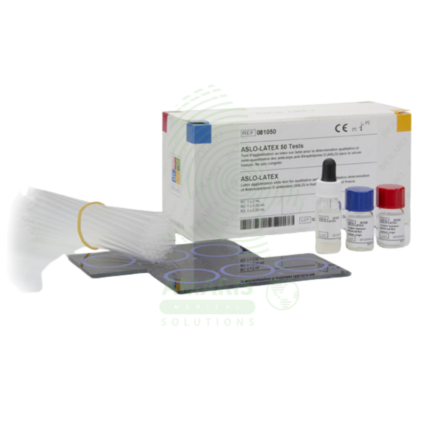
Anti-Streptol Olysin O Titer (ASOT)
Anti-Streptol Olysin O Titer (ASOT) is a quantitative or semi-quantitative serological test (latex agglutination, turbidimetry, nephelometry, or ELISA) for detecting antibodies against streptolysin O, an exotoxin produced by Group A Streptococcus. Elevated or rising titers indicate recent streptococcal infection and are essential for diagnosing post-streptococcal sequelae including acute rheumatic fever (Jones criteria) and post-streptococcal glomerulonephritis. The test requires serum samples; acute and convalescent (2-4 weeks apart) with fourfold rise confirms recent infection. Reference range typically <200-250 Todd units/mL (adults), varies by age and population. Primary clinical applications include diagnosis of Group A streptococcal infections, acute rheumatic fever evaluation, post-streptococcal glomerulonephritis diagnosis, differentiation of acute vs. past infection, evaluation of unexplained arthritis or carditis, pediatric inflammatory conditions (PANDAS), and monitoring disease activity in rheumatic fever. Critical safety precautions include proper timing of acute and convalescent samples, awareness of false negatives/positives, clinical correlation for diagnosis, and standard biohazard precautions. Essential test for rheumatology, nephrology, cardiology, and infectious disease practice.
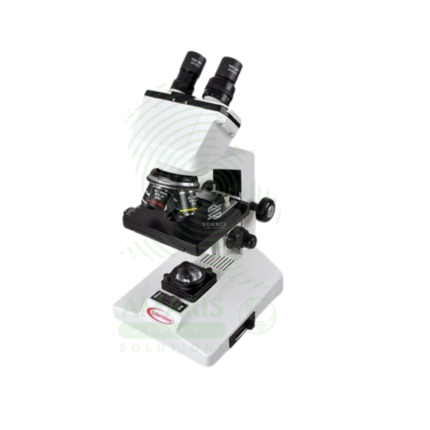
Binocular Microscope
A Binocular Microscope is a high-precision, compound optical instrument fundamental to clinical diagnostics. Featuring dual eyepieces for comfortable viewing and a suite of parfocal objective lenses (4x, 10x, 40x, 100x oil), it provides magnifications from 40x to 1000x. Its integrated LED illumination, mechanical stage, and Abbe condenser enable the detailed examination of stained blood films, tissue sections, microbiological specimens, and cytological preparations. As the primary tool for pathologists and laboratory scientists, it is indispensable for definitive diagnoses in hematology, histopathology, microbiology, and urinalysis, demanding skilled operation and meticulous maintenance for optimal performance.
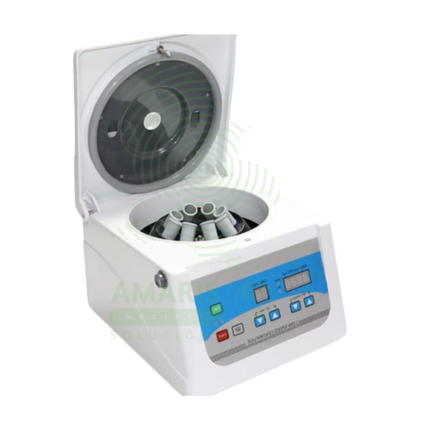
Electric Centrifuge
An Electric Centrifuge is a Class I medical device that uses rapid rotation to separate fluids of different densities, essential in clinical laboratories for processing blood, urine, and other biological specimens. Available in benchtop, refrigerated, microcentrifuge, hematocrit, and high-speed models with fixed-angle, swinging-bucket, or vertical rotors. Speed range 1,000-30,000+ RPM with RCF up to 65,000+ x g. Features include brushless induction motor, digital controls, imbalance detection, lid lock safety, and programmable protocols. Primary clinical applications include separation of serum/plasma for chemistry and hematology testing, urine sediment analysis for microscopy, platelet-rich plasma (PRP) preparation for regenerative medicine, concentration of bacteria for microbiology, cytology fluid analysis, blood banking, and molecular biology sample processing. Critical safety precautions include proper balancing of loads (weight matching), use of sealed rotors for biohazardous samples, regular rotor inspection for corrosion or cracks, never exceeding maximum rated speed, and never opening lid during operation. Essential equipment in clinical, research, and teaching laboratories.
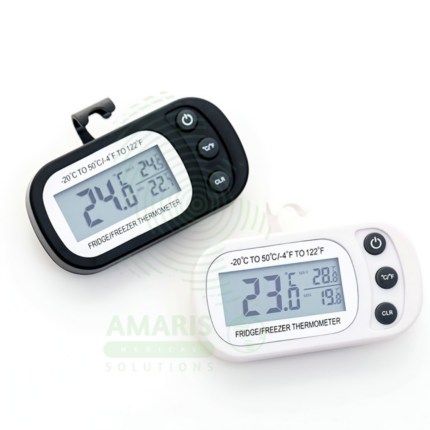
Fridge Thermometer
A Fridge Thermometer is a precision temperature monitoring device designed for continuous use inside medical and laboratory refrigerators and freezers. Its primary role is to safeguard the potency of vaccines, medications, and biological samples by ensuring storage temperatures remain within a critical specified range (e.g., +2°C to +8°C). Available in analog or digital formats, accurate models with memory functions are essential for compliance with cold chain protocols, requiring daily monitoring, logging, and regular calibration. It is a fundamental quality control tool in pharmacies, clinics, immunization centers, and laboratories.
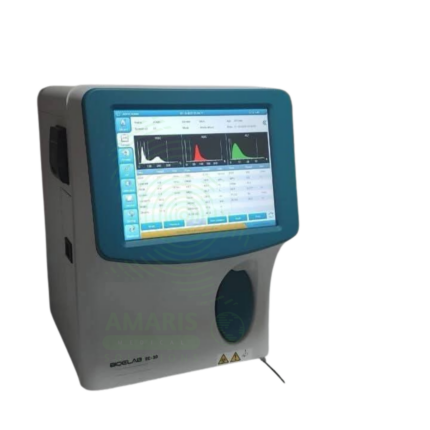
Hematology Analyzer
A Hematology Analyzer is a compact, automated benchtop analyzer designed to perform Complete Blood Counts (CBC) with a 3-part white blood cell differential. Utilizing impedance and photometric methods, it delivers rapid, precise results for red blood cells, white blood cells, platelets, and key indices from a small blood sample. Ideal for physician offices, small clinics, and satellite laboratories, it enables in-house hematology testing with walk-away operation. Its automated flagging system highlights abnormal results that require further manual smear review. As a core instrument for initial hematological screening, it combines efficiency with essential diagnostic capability for routine patient management.
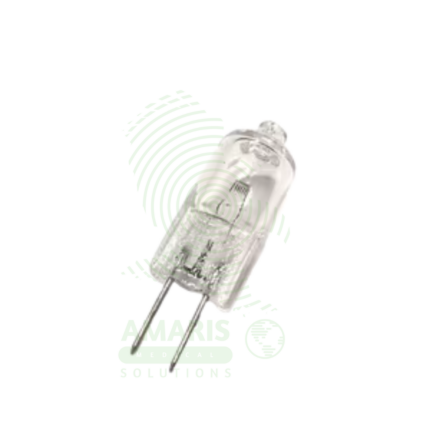
Microscope Bulb
A Microscope Bulb is a specialized halogen or LED lamp that serves as the essential illumination source for clinical and laboratory microscopes. Providing the bright, stable, and color-corrected light required for diagnostic visualization of specimens, it is a critical consumable component. Its technical specifications—voltage, wattage, base type, and filament alignment—must precisely match the microscope model. Proper handling (using gloves to avoid oil contamination) and adherence to safety protocols (allowing cooling, disconnecting power) are crucial for safe replacement and optimal bulb lifespan. Maintaining spares is vital to prevent operational downtime in diagnostic laboratories.
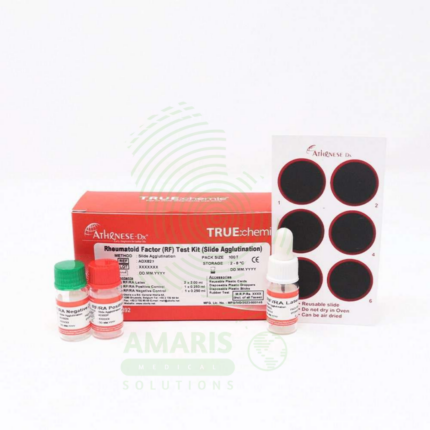
Rheumatoid factor
Rheumatoid Factor (RF) testing is a quantitative or semi-quantitative serological assay (nephelometry, turbidimetry, latex agglutination, or ELISA) for detecting autoantibodies against the Fc portion of immunoglobulin G, primarily of the IgM isotype. RF is a key marker in the ACR/EULAR classification criteria for rheumatoid arthritis, with sensitivity 60-80% and specificity 70-90%. Test requires serum samples; results reported in IU/mL (reference <15-20 IU/mL) or titer. Primary clinical applications include diagnosis and classification of rheumatoid arthritis, prognostic assessment (high-titer RF correlates with severe, erosive disease), differential diagnosis of inflammatory arthritis, monitoring disease activity, diagnosis of Sjögren's syndrome, evaluation of mixed cryoglobulinemia (hepatitis C-associated), and assessment of other autoimmune and chronic inflammatory conditions. Critical safety precautions include awareness of false positives (other autoimmune diseases, chronic infections, healthy elderly), false negatives (seronegative RA 20-30%), need for clinical correlation, and anti-CCP antibody testing to improve diagnostic accuracy. Essential test for rheumatology practice, autoimmune disease evaluation, and differential diagnosis of inflammatory arthritis.