Dermatoscope and Magnifiers
 Diagnostic Kits
 Vital Signs Monitors
 Stethoscopes and Accessories
 Otoscopes, Ophthalmoscopes, and Retinoscopes
 Reflex Hammers and Neurological Tools
 Scales and Measuring Devices
 Spirometers and Pulmonary Function Tests
 Electrosurgical Units and Accessories
 Cutting Instruments
 Grasping and Holding Instruments
 Hemostatic Instruments
 Specialized Surgical Sets
 Single-Use Procedure Trays and Packs
 Surgical Drapes, Gowns, and Covers
 Tissue Unifying Instruments
 Radiation Protection
 X-Ray Machines and Accessories
 Ultrasound Systems and Probes
 MRI and CT Scanners
 Radiology Consumables
 Bone Densitometers
 Fluoroscopy Equipment
 Imaging Tables and Positioning Aids
 Microscopes and Accessories
 Centrifuges and Separators
 Analyzers
 Incubators and Ovens
 Pipettes, Dispensers, and Lab Glassware
 Refrigerators, Freezers, and Storage Units
 Lab Consumables
 Sterilizers and Autoclaves for Lab Use
 Multi-Parameter Monitors
 Ventilators and Respiratory Support Devices
 Defibrillators and AEDs
 Infusion Pumps and IV Systems
 Patient Warmers and Cooling Devices
 Central Monitoring Stations
 Accessories
 Anesthesia Machines and Workstations
 Oxygen Concentrators and Delivery Systems
 Nebulizers and Inhalers
 CPAP/BiPAP Machines
 Airway Management
 Anesthesia Masks, Circuits, and Bags
 Humidifiers and Heaters
 Respiratory Therapy Accessories
 First Aid Kits and Cabinets
 Emergency Resuscitation Equipment
 Trauma Supplies
 Emergency Carts and Crash Carts
 Burn Care Products
 Bleeding Control
 Automated External Defibrillators (AEDs)
 Transport and Evacuation
 Wheelchairs and Accessories
 Walkers, Crutches, and Canes
 Prosthetics and Orthotics
 Physical Therapy Equipment
 Transfer Devices
 Bathroom Safety
 Orthopedic Traction and Tables
 Hot/Cold Therapy Packs and Units
 Beds and Mattresses
 Chairs and Stools
 Tables
 Cabinets and Storage
 Privacy Screens & Curtains
 Stands and Racks
 Linens and Textiles
 Lighting
 Autoclaves and Sterilizers
 Ultrasonic Cleaners
 Disinfectant Solutions and Wipes
 Sterilization Pouches, Wraps, and Indicators
 Instrument Trays and Containers
 UV and Ozone Disinfection Devices
 Washer Disinfectors
 Wound Care
 Gloves
 Masks and Respirators
 Catheters and Tubing
 Swabs, Applicators, and Sponges
 Incontinence Products
 Personal Protective Equipment (PPE)
 Dental Chairs and Units
 Handpieces and Burs
 Instruments
 Consumables
 Sterilization for Dental Use
 Orthodontic Supplies
 Endodontic Tools
 Slit Lamps and Tonometers
 Lensometers and Phoropters
 Ophthalmic Surgical Instruments
 Eyewear Frames and Lenses
 Contact Lens Supplies
 Vision Testing Charts and Devices
 Eye Care Consumables
 Laser Systems for Eye Care
 ENT Exam Chairs and Tables
 Endoscopes
 Audiometers and Hearing Tests
 ENT Instruments
 Nasal and Throat Packs
 Hearing Aids and Accessories
 Otology Supplies
 Fetal Dopplers and Monitors
 Delivery Beds and Tables
 Gynecological Instruments
 Neonatal Incubators and Warmers
 Breast Pumps and Accessories
 Contraceptive Devices
 Maternity Supports and Pads
 Neonatal Consumables
 Cystoscopes and Urethroscopes
 Dialysis Machines and Supplies
 Urological Catheters and Bags
 Lithotripters
 Prostate Treatment Devices
 Urinary Incontinence Products
 Kidney Stone Management Tools
 Consumables & Disposables
 EEG and EMG Machines
 Neurosurgical Instruments
 Nerve Stimulators
 Headrests and Positioning Aids
 Lumbar Puncture Kits
 Seizure Monitoring Devices
 Consumables
 Rehabilitation for Neurological Conditions
 ECG Machines and Accessories
 Holter Monitors
 Stress Test Systems
 Pacemakers and Defibrillator Accessories
 Vascular Access Devices
 Cardiac Catheters and Guidewires
 Blood Flow Meters
 Consumables
 Orthopedic Instruments
 Casts, Splints, and Padding
 Joint Replacement Supplies
 Prosthetic Limbs and Components
 Bone Grafts and Substitutes
 Traction Devices
 Orthopedic Braces and Supports
 Rehabilitation Aids for Orthopedics
 Home Oxygen Therapy
 Hospital Beds for Home Use
 Mobility Aids
 Bathroom and Daily Living Aids
 Wound Care for Home
 Monitoring Devices
 Enteral Feeding Pumps and Tubes
 Hand Sanitizers and Dispensers
 Face Shields and Goggles
 Isolation Gowns and Suits
 Biohazard Waste Containers
 Air Purifiers and HEPA Filters
 Surface Disinfectants
 Sharps Containers
 Protective Barriers
 Cardiovascular & Endurance Training
 Strength Training & Weightlifting
 Functional Training & Core Conditioning
 Physical Therapy & Rehabilitation
 Sports & Outdoor Recreation
 Gym Flooring & Facility Equipment
 Fitness Monitoring & Accessories
 Kids & Novelties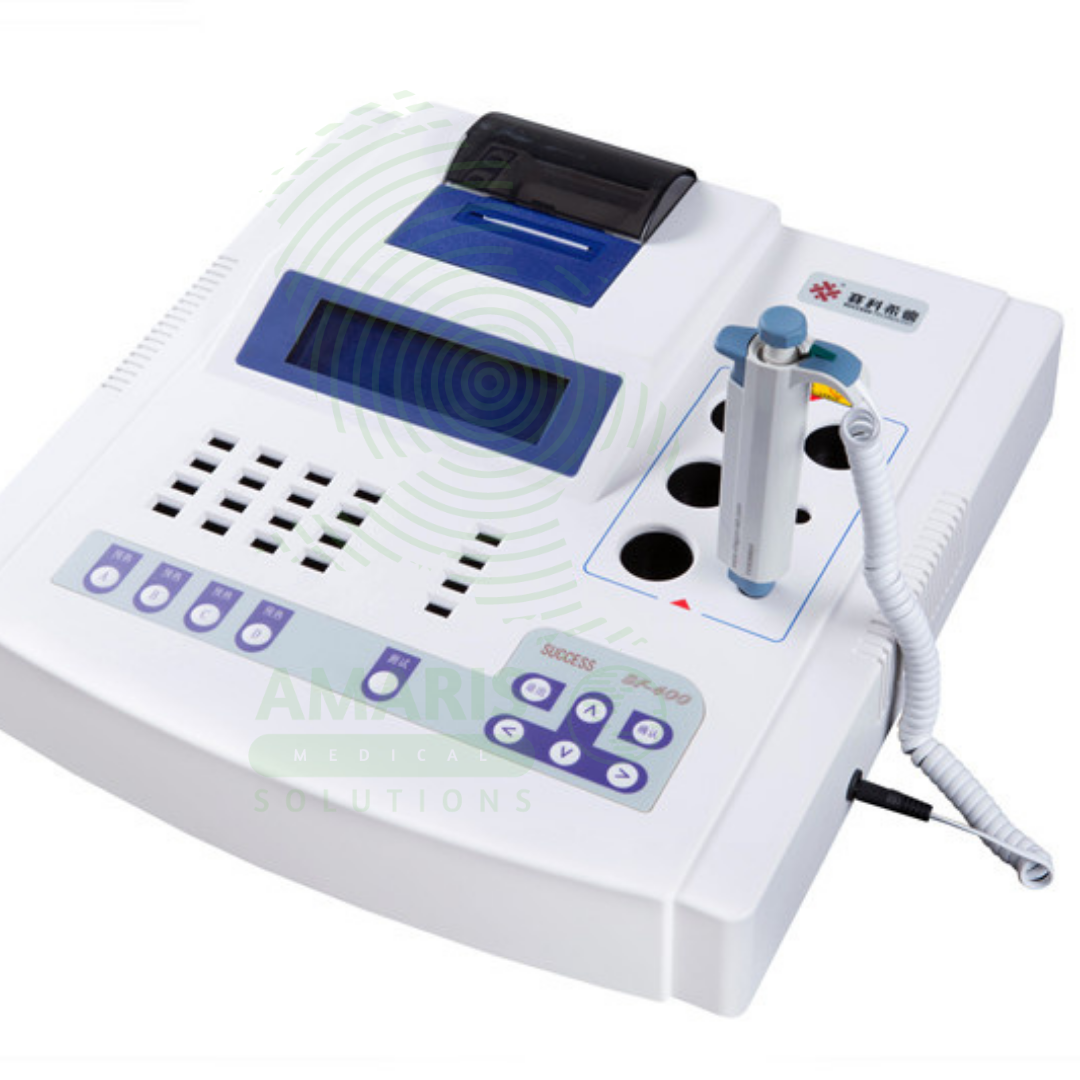
Coagulation Analyzer
WhatsApp Order
A Coagulation Analyzer is a compact, automated instrument designed for performing essential tests that evaluate the blood’s clotting ability. It accurately measures key parameters such as Prothrombin Time (PT/INR), Activated Partial Thromboplastin Time (aPTT), Thrombin Time, and Fibrinogen, which are critical for monitoring anticoagulant therapy (warfarin, heparin), diagnosing bleeding disorders, and assessing surgical risk. With its photometric detection and user-friendly operation, it delivers reliable results for small to medium-volume laboratories, clinics, and hospital wards. Its role in ensuring safe and effective patient management in thrombosis and hemostasis makes it a vital tool in clinical diagnostics.
Description
Coagulation Analyzer
PRIMARY CLINICAL & DIAGNOSTIC USES
1. Monitoring Anticoagulant Therapy:
-
Primary Use: The primary and most critical use is to monitor patients on blood-thinning medications. It measures the International Normalized Ratio (INR) for patients on warfarin (Coumadin) and activated partial thromboplastin time (aPTT) for patients on unfractionated heparin, ensuring therapeutic efficacy and preventing bleeding or clotting complications.
-
How it helps: Acts as a safety guardian for patients on blood thinners, giving doctors the precise information they need to adjust doses so the medication is strong enough to prevent dangerous clots but not so strong that it causes life-threatening bleeding.
2. Diagnosis of Bleeding & Thrombotic Disorders:
-
Primary Use: Essential for evaluating patients with unexplained bleeding, bruising, or a history of thrombosis. It helps diagnose coagulation factor deficiencies (e.g., Hemophilia A/B via aPTT), vitamin K deficiency, liver disease, and disseminated intravascular coagulation (DIC).
-
How it helps: Provides answers for patients suffering from mysterious bleeding or clotting episodes, identifying the root cause so they can receive targeted treatment and understand why their body is not clotting normally.
3. Pre-operative Coagulation Screening:
-
Primary Use: Routinely performed before surgeries (especially major or invasive procedures) to identify patients with unsuspected coagulopathies (e.g., prolonged PT/aPTT) that could lead to excessive surgical bleeding.
-
How it helps: Prevents surgical disasters by catching hidden bleeding risks before the first incision, allowing the surgical team to take precautions and ensuring patients can undergo procedures safely.
4. Assessment of Liver Function:
-
Primary Use: The Prothrombin Time (PT) is a sensitive marker of the liver’s synthetic function, as the liver produces most coagulation factors. A prolonged PT can indicate significant liver damage or disease.
-
How it helps: Provides doctors with a crucial window into liver health, helping them detect liver damage early and monitor disease progression in patients with hepatitis, cirrhosis, or other liver conditions.
5. Evaluation of Coagulation Factor Activity:
-
Primary Use: Used to perform specific factor assays (e.g., Factor VIII, IX) to quantify the level of a deficient factor, which is critical for diagnosing and managing inherited bleeding disorders.
-
How it helps: Gives patients with hemophilia and their doctors precise information about which clotting factor is deficient and by how much, enabling targeted replacement therapy that can prevent bleeding episodes and joint damage.
SECONDARY & SUPPORTIVE USES
1. Monitoring During Massive Transfusion: Used to guide transfusion therapy (with Fresh Frozen Plasma, Cryoprecipitate) in trauma, cardiac surgery, or other major hemorrhages by assessing the coagulation status in real-time, helping medical teams give patients exactly what they need to stop bleeding.
2. Detection of Lupus Anticoagulants & Antiphospholipid Syndrome: Performs specialized tests like the dilute Russell’s viper venom time (dRVVT) and lupus-sensitive aPTT as part of the diagnostic workup, helping identify an autoimmune condition that causes dangerous blood clots.
3. Point-of-Care Testing (POCT): In critical care units (ICU, Cardiac Cath Lab) or operating rooms, coagulation analyzers provide rapid results to guide immediate clinical decisions, ensuring critically ill patients receive timely interventions.
4. Research & Drug Development: Used in clinical trials for new anticoagulant and procoagulant drugs, helping researchers develop safer, more effective medications for patients with clotting disorders.
KEY PRODUCT FEATURES
1. BASIC IDENTIFICATION ATTRIBUTES
-
Device Type: Automated, Benchtop Coagulation Analyzer.
-
Methodology: Typically uses photometric (optical density) detection to measure clot formation. Some models may also use mechanical (ball or viscosity) detection.
-
Test Principle: Measures the time it takes for a plasma sample to clot after the addition of specific reagents (e.g., thromboplastin for PT, activator/phospholipids for aPTT).
2. TECHNICAL & PERFORMANCE PROPERTIES
-
Core Tests Performed:
-
Prothrombin Time (PT) / International Normalized Ratio (INR)
-
Activated Partial Thromboplastin Time (aPTT)
-
Thrombin Time (TT)
-
Fibrinogen (Clauss Method)
-
D-Dimer (on some models)
-
-
Throughput & Channels: Designed for small to medium workload (e.g., 1-4 independent channels), allowing for simultaneous or sequential testing of different parameters on a single sample. Typical throughput of 50-100 tests per hour.
-
Sample Type: Uses citrated plasma (blood collected in 3.2% sodium citrate tubes, centrifuged to obtain platelet-poor plasma). Capable of testing single samples or small batches.
-
Calibration & ISI: Requires calibration with International Sensitivity Index (ISI)-specific calibrators for PT/INR to ensure standardized, reproducible results across instruments and laboratories.
-
Quality Control (QC): Must run normal and abnormal QC materials daily (or with each batch) to verify accuracy and precision.
-
Data Management: Stores patient results, QC data, and calibration curves. Often includes connectivity (USB, RS-232) for data transfer to a LIS.
3. PHYSICAL & OPERATIONAL PROPERTIES
-
Form Factor: Compact benchtop unit with a user interface (touchscreen or keypad) and a built-in thermal printer.
-
Reagents & Consumables: Uses specific, often proprietary, reagent kits (thromboplastin, aPTT reagent, calcium chloride, etc.) and disposable cuvettes or tips.
-
Operation Modes: May offer fully automatic (pipetting, incubation, measurement, cleaning) or semi-automatic (manual reagent addition) modes to suit different laboratory workflows and skill levels.
4. SAFETY & COMPLIANCE ATTRIBUTES
-
Regulatory Approvals: Must carry CE Marking (for EU market) and other regional medical device approvals. FDA 510(k) clearance is required for sale in the USA.
-
Standardization: PT/INR results must be traceable to the World Health Organization (WHO) International Reference Preparations.
-
Quality Standards: Manufactured under ISO 13485.
-
Safety: Complies with IEC 61010-1 for laboratory equipment safety. Includes protections for electrical and biohazard safety.
5. STORAGE & HANDLING ATTRIBUTES
-
Analyzer Storage: Operate and store in a stable, clean laboratory environment (15-30°C). Protect from vibration and direct sunlight.
-
Reagent Storage: Most liquid reagents require storage at 2-8°C. Reconstituted reagents and some working solutions have limited stability at 2-8°C or room temperature. Must adhere strictly to expiration dates.
-
Sample Handling: Citrated plasma samples must be processed (centrifuged) within a specified time (usually 4 hours) and tested promptly or frozen at -20°C or below to preserve coagulation factors.
-
Maintenance: Requires daily cleaning of probes and cuvette holders, weekly or monthly maintenance (e.g., cleaning optical systems, checking pipetting volumes), as per the operator's manual.
6. LABORATORY & CLINICAL APPLICATIONS
-
Primary Application: The essential instrument for performing routine and specialized coagulation testing in clinical laboratories, anticoagulation clinics, and hospital settings.
-
Critical Value Reporting: Results like extremely high INR or prolonged aPTT are often critical values that require immediate notification to the treating physician.
SAFETY HANDLING PRECAUTIONS
1. SAFETY PRECAUTIONS
-
Biohazard: All patient samples and used cuvettes/tips are potentially infectious. Wear appropriate PPE (gloves, lab coat, safety glasses). Decontaminate work surfaces regularly.
-
Reagent Hazards: Some reagents may contain hazardous materials (e.g., sodium azide as a preservative). Consult Safety Data Sheets (SDS) and handle them with care.
-
Electrical Safety: Ensure proper grounding. Do not use it if the power cord is damaged.
-
Sharp Objects: Use caution with sample tubes and pipette tips to prevent needlestick injuries.
2. FIRST AID MEASURES
-
Sample/Reagent Contact: In case of contact with skin or eyes, rinse immediately with plenty of water for at least 15 minutes. Seek medical attention for eye exposure.
-
Ingestion: If reagents are ingested, seek immediate medical attention and provide the SDS.
-
Electrical Shock: Disconnect power. Do not touch the injured person if they are still in contact with the current. Provide first aid and call for emergency help.
3. FIRE FIGHTING MEASURES
-
Flammability: Internal plastics, electronics, and reagents are combustible.
-
Extinguishing Media: For electrical fires, use a CO₂ or dry chemical (Class C) extinguisher.
-
Special Procedures: Evacuate the area. Firefighters should use full protective gear and SCBA.
Related products
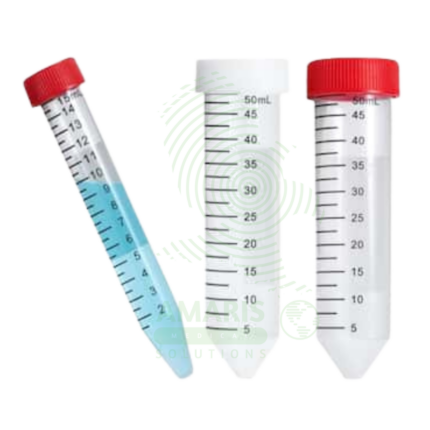
Centrifuge Tubes
Centrifuge Tubes are specialized disposable containers (polypropylene) designed to withstand high centrifugal forces (up to 30,000 x g) for separating biological fluids based on density. Available in microcentrifuge sizes (0.2-2.0 mL), conical tubes (15 mL, 50 mL), and larger volumes (100-500 mL). Features include leak-proof screw caps with O-rings (conical tubes), snap caps (microcentrifuge tubes), graduated volume markings, writing areas, and sterile/non-sterile options. Certified RNase/DNase-free, pyrogen-free, and autoclavable. Primary clinical applications include blood component separation (serum/plasma), urine sediment preparation, microbiology sample concentration, molecular biology (DNA/RNA extraction), cell culture processing, protein/enzyme analysis, and viral load testing. Critical safety precautions include never exceeding maximum RCF rating, proper balancing by weight, secure cap tightening, inspection for cracks, and disposal as biohazardous waste. Essential consumable in every clinical, research, and industrial laboratory.
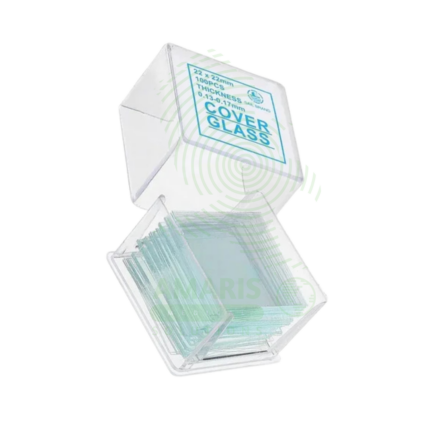
Cover Glass
Cover Glass (coverslips) are thin, transparent glass or plastic squares (e.g., 18×18 mm, 22×22 mm) or rectangles (22×30 mm, 24×50 mm) used to cover specimens on microscope slides for microscopic examination. Available in thickness No. 1 (0.13-0.16 mm) and No. 1.5 (0.16-0.19 mm) for optimal microscopy. Made from optical glass with high light transmission (>90%), refractive index 1.52 matching immersion oil. Packaged in boxes of 100-1000, interleaved with paper to prevent scratching. Primary clinical applications include covering blood films for manual differential counts and malaria diagnosis, wet mount preparations of urine sediment and vaginal secretions, histopathology and cytology slides, Gram-stained bacterial smears, semen analysis, KOH preparations for fungal elements, and India ink preparations for Cryptococcus. Critical safety precautions include handling with forceps (sharp edges), disposing of broken coverslips in sharps containers, avoiding fingerprints on optical surface, and proper disposal of biohazard-contaminated coverslips. Essential consumable in every clinical laboratory performing microscopy.
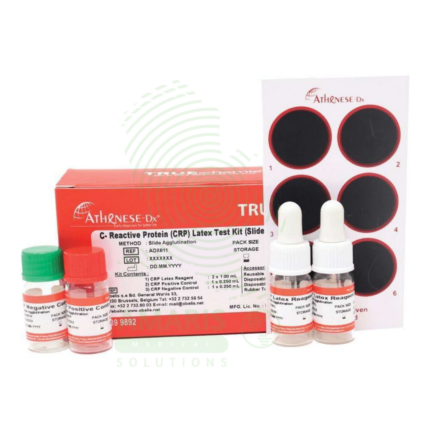
CRP Test Kit
CRP Test Kit (C-Reactive Protein) is a quantitative or semi-quantitative immunoassay (latex agglutination, turbidimetry, nephelometry, ELISA, or rapid immunochromatographic) for detecting C-reactive protein in blood, an acute-phase reactant produced in response to inflammation. Rapid rise within 6-12 hours, peaks at 24-48 hours, half-life 19 hours. Normal <5-10 mg/L; mild elevation 10-100 mg/L (viral infections, autoimmune flares); moderate 100-200 mg/L (bacterial infections); marked >200 mg/L (sepsis, major trauma). High-sensitivity CRP (hs-CRP) detects 0.1-10 mg/L for cardiovascular risk stratification (<1 mg/L low risk, 1-3 mg/L moderate, >3 mg/L high). Primary clinical applications include detection and monitoring of inflammation, diagnosis and management of infections (differentiating bacterial from viral), assessment of autoimmune disease activity, post-surgical monitoring for complications, cardiovascular risk screening (hs-CRP), monitoring rheumatic fever and inflammatory conditions, and neonatal sepsis evaluation. Critical safety precautions include proper sample handling (universal precautions), quality control verification, awareness of non-specific elevation, prozone phenomenon in very high concentrations, and clinical correlation for interpretation. Essential test for evaluating inflammation across all medical specialties.
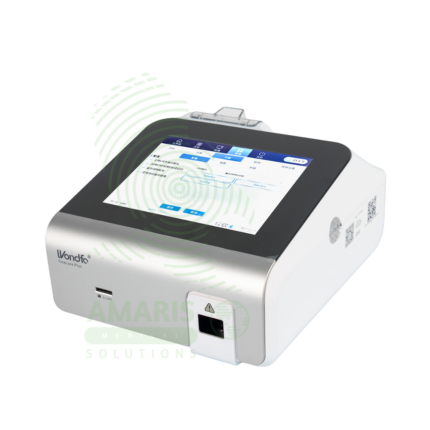
Finecare Analyzer
The Finecare Analyzer is a Class II medical device (FDA-cleared, CE-marked) fluorescence immunoassay system manufactured by Wondfo Biotech for quantitative detection of cardiac markers (troponin I, CK-MB, myoglobin), inflammatory markers (CRP, procalcitonin), thyroid hormones (TSH, FT3, FT4), diabetes markers (HbA1c), reproductive hormones (LH, FSH, prolactin), tumor markers (AFP, CEA, PSA), and infectious disease markers. Features include time-resolved fluorescence technology, color touchscreen interface, built-in printer (select models), USB/Ethernet connectivity, and internal rechargeable battery for portable use. Test time 3-15 minutes, sample volume 50-100 µL (whole blood, serum, plasma). Primary clinical applications include rapid diagnosis of acute myocardial infarction in chest pain patients, early detection of sepsis and bacterial infections, thyroid disorder diagnosis and monitoring, long-term glycemic control assessment in diabetes, fertility and reproductive health evaluation, cancer screening and surveillance, and infectious disease testing in endemic and clinical settings. Critical safety precautions include proper test cartridge storage (2-8°C), regular quality control, biohazard safety protocols, and operator training. Essential point-of-care testing system for hospitals, clinics, and remote healthcare facilities requiring rapid, quantitative results.
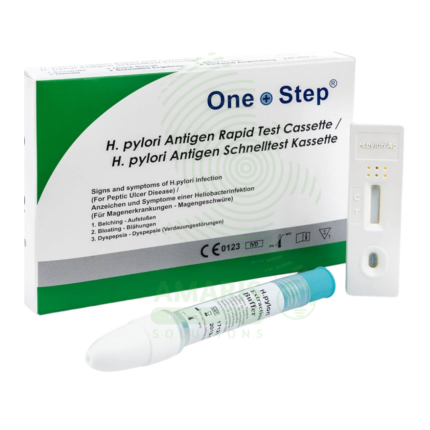
H.pylori test kits (Antigen)
H.pylori test kits (Antigen) are Class II medical devices (FDA-cleared/CE-marked) for rapid immunochromatographic or enzyme immunoassay detection of Helicobacter pylori antigens in stool specimens, enabling non-invasive diagnosis of active infection and post-treatment eradication confirmation. Test principles use monoclonal or polyclonal antibodies specific to H. pylori antigens, producing visible results in 10-20 minutes (rapid tests) or 1-2 hours (EIA). Sensitivity 90-98%, specificity 92-99% compared to gold standard methods. Primary clinical applications include rapid diagnosis of H. pylori infection in patients with dyspepsia, initial screening in uncomplicated dyspepsia (test-and-treat strategy), confirmation of active infection before therapy, post-treatment eradication confirmation (4-6 weeks after therapy), pediatric testing (preferred non-invasive method), screening in high-risk populations (family history of gastric cancer), and monitoring in patients with peptic ulcer disease or MALT lymphoma. Critical safety precautions include mandatory washout period (4 weeks off antibiotics, 2 weeks off PPIs) to avoid false negatives, proper specimen handling (universal precautions), refrigerated storage of kits (2-30°C), quality control verification, and disposal as biohazardous waste. Essential non-invasive tool for H. pylori management in gastroenterology and primary care.
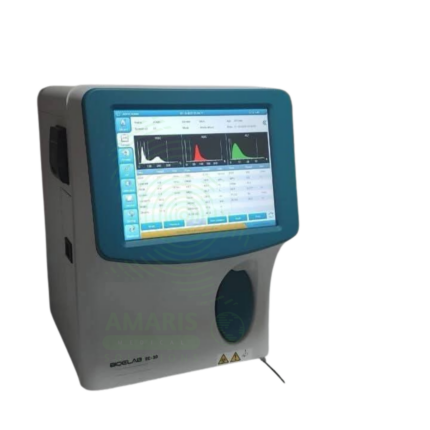
Hematology Analyzer
A Hematology Analyzer is a compact, automated benchtop analyzer designed to perform Complete Blood Counts (CBC) with a 3-part white blood cell differential. Utilizing impedance and photometric methods, it delivers rapid, precise results for red blood cells, white blood cells, platelets, and key indices from a small blood sample. Ideal for physician offices, small clinics, and satellite laboratories, it enables in-house hematology testing with walk-away operation. Its automated flagging system highlights abnormal results that require further manual smear review. As a core instrument for initial hematological screening, it combines efficiency with essential diagnostic capability for routine patient management.
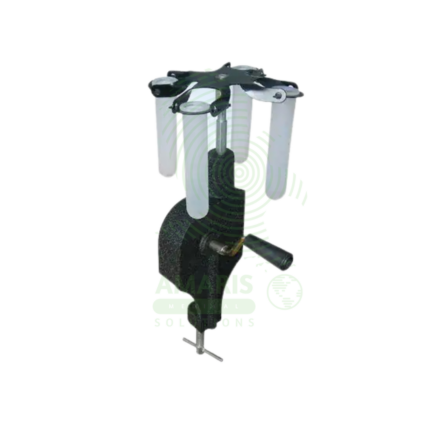
Manual Centrifuge
A Manual Centrifuge (hand-powered) is a non-electric mechanical device for separating fluids based on density, designed for use in field clinics, remote health posts, and developing world settings where electricity is unavailable or unreliable. Operated by hand crank, pull-cord, or foot pedal, achieving speeds of 1,000-4,000 RPM and RCF up to 1,500 x g. Accepts standard blood collection tubes (2-5 mL), microhematocrit tubes, and small centrifuge tubes. Primary clinical applications include separation of serum/plasma for basic diagnostic testing, urine sediment concentration for microscopy, microhematocrit determination for anemia screening, concentration of parasites for malaria and other vector-borne disease diagnosis, field epidemiology and outbreak investigation, veterinary medicine in rural settings, and teaching in resource-limited institutions. Critical safety precautions include meticulous balancing of tubes by weight (absolutely essential), never exceeding maximum rated speed, using appropriate PPE (no aerosol containment), regular inspection of gears and rotor for wear, and proper training of operators. Essential equipment for basic laboratory capabilities in low-resource and field settings.