Dermatoscope and Magnifiers
 Diagnostic Kits
 Vital Signs Monitors
 Stethoscopes and Accessories
 Otoscopes, Ophthalmoscopes, and Retinoscopes
 Reflex Hammers and Neurological Tools
 Scales and Measuring Devices
 Spirometers and Pulmonary Function Tests
 Electrosurgical Units and Accessories
 Cutting Instruments
 Grasping and Holding Instruments
 Hemostatic Instruments
 Specialized Surgical Sets
 Single-Use Procedure Trays and Packs
 Surgical Drapes, Gowns, and Covers
 Tissue Unifying Instruments
 Radiation Protection
 X-Ray Machines and Accessories
 Ultrasound Systems and Probes
 MRI and CT Scanners
 Radiology Consumables
 Bone Densitometers
 Fluoroscopy Equipment
 Imaging Tables and Positioning Aids
 Microscopes and Accessories
 Centrifuges and Separators
 Analyzers
 Incubators and Ovens
 Pipettes, Dispensers, and Lab Glassware
 Refrigerators, Freezers, and Storage Units
 Lab Consumables
 Sterilizers and Autoclaves for Lab Use
 Multi-Parameter Monitors
 Ventilators and Respiratory Support Devices
 Defibrillators and AEDs
 Infusion Pumps and IV Systems
 Patient Warmers and Cooling Devices
 Central Monitoring Stations
 Accessories
 Anesthesia Machines and Workstations
 Oxygen Concentrators and Delivery Systems
 Nebulizers and Inhalers
 CPAP/BiPAP Machines
 Airway Management
 Anesthesia Masks, Circuits, and Bags
 Humidifiers and Heaters
 Respiratory Therapy Accessories
 First Aid Kits and Cabinets
 Emergency Resuscitation Equipment
 Trauma Supplies
 Emergency Carts and Crash Carts
 Burn Care Products
 Bleeding Control
 Automated External Defibrillators (AEDs)
 Transport and Evacuation
 Wheelchairs and Accessories
 Walkers, Crutches, and Canes
 Prosthetics and Orthotics
 Physical Therapy Equipment
 Transfer Devices
 Bathroom Safety
 Orthopedic Traction and Tables
 Hot/Cold Therapy Packs and Units
 Beds and Mattresses
 Chairs and Stools
 Tables
 Cabinets and Storage
 Privacy Screens & Curtains
 Stands and Racks
 Linens and Textiles
 Lighting
 Autoclaves and Sterilizers
 Ultrasonic Cleaners
 Disinfectant Solutions and Wipes
 Sterilization Pouches, Wraps, and Indicators
 Instrument Trays and Containers
 UV and Ozone Disinfection Devices
 Washer Disinfectors
 Wound Care
 Gloves
 Masks and Respirators
 Catheters and Tubing
 Swabs, Applicators, and Sponges
 Incontinence Products
 Personal Protective Equipment (PPE)
 Dental Chairs and Units
 Handpieces and Burs
 Instruments
 Consumables
 Sterilization for Dental Use
 Orthodontic Supplies
 Endodontic Tools
 Slit Lamps and Tonometers
 Lensometers and Phoropters
 Ophthalmic Surgical Instruments
 Eyewear Frames and Lenses
 Contact Lens Supplies
 Vision Testing Charts and Devices
 Eye Care Consumables
 Laser Systems for Eye Care
 ENT Exam Chairs and Tables
 Endoscopes
 Audiometers and Hearing Tests
 ENT Instruments
 Nasal and Throat Packs
 Hearing Aids and Accessories
 Otology Supplies
 Fetal Dopplers and Monitors
 Delivery Beds and Tables
 Gynecological Instruments
 Neonatal Incubators and Warmers
 Breast Pumps and Accessories
 Contraceptive Devices
 Maternity Supports and Pads
 Neonatal Consumables
 Cystoscopes and Urethroscopes
 Dialysis Machines and Supplies
 Urological Catheters and Bags
 Lithotripters
 Prostate Treatment Devices
 Urinary Incontinence Products
 Kidney Stone Management Tools
 Consumables & Disposables
 EEG and EMG Machines
 Neurosurgical Instruments
 Nerve Stimulators
 Headrests and Positioning Aids
 Lumbar Puncture Kits
 Seizure Monitoring Devices
 Consumables
 Rehabilitation for Neurological Conditions
 ECG Machines and Accessories
 Holter Monitors
 Stress Test Systems
 Pacemakers and Defibrillator Accessories
 Vascular Access Devices
 Cardiac Catheters and Guidewires
 Blood Flow Meters
 Consumables
 Orthopedic Instruments
 Casts, Splints, and Padding
 Joint Replacement Supplies
 Prosthetic Limbs and Components
 Bone Grafts and Substitutes
 Traction Devices
 Orthopedic Braces and Supports
 Rehabilitation Aids for Orthopedics
 Home Oxygen Therapy
 Hospital Beds for Home Use
 Mobility Aids
 Bathroom and Daily Living Aids
 Wound Care for Home
 Monitoring Devices
 Enteral Feeding Pumps and Tubes
 Hand Sanitizers and Dispensers
 Face Shields and Goggles
 Isolation Gowns and Suits
 Biohazard Waste Containers
 Air Purifiers and HEPA Filters
 Surface Disinfectants
 Sharps Containers
 Protective Barriers
 Cardiovascular & Endurance Training
 Strength Training & Weightlifting
 Functional Training & Core Conditioning
 Physical Therapy & Rehabilitation
 Sports & Outdoor Recreation
 Gym Flooring & Facility Equipment
 Fitness Monitoring & Accessories
 Kids & Novelties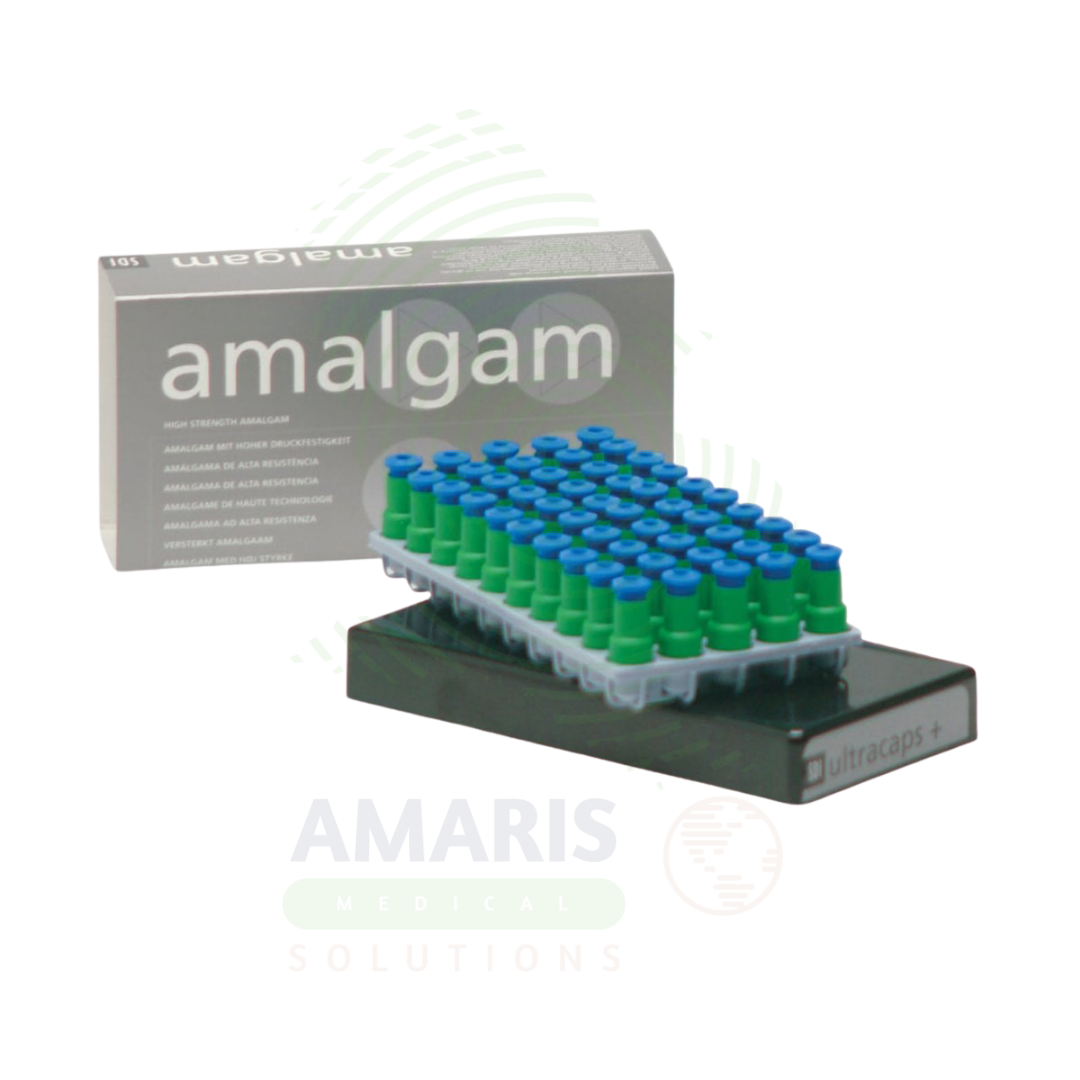
Amalgam Spill
$1.00
WhatsApp Order
An Amalgam Spill Kit is a specialized emergency response kit designed for the safe containment and cleanup of accidental spills of dental amalgam or elemental mercury. Containing PPE, amalgamating/absorbent powder, collection tools, and hazardous waste bags, its sole purpose is to mitigate the significant health and environmental hazards posed by mercury vapor and contamination. Its correct use—which strictly prohibits vacuuming—is mandated by health and safety regulations in dental practices. All resulting waste must be treated as hazardous material. The kit is a critical component of a dental office’s health, safety, and environmental compliance program.
Description
Amalgam Spill
PRIMARY CLINICAL & DIAGNOSTIC USES
1. Emergency Containment and Cleanup of Mercury Exposure
-
Primary Use: Provides immediate, safe, and compliant cleanup of an accidental spill of dental amalgam material containing elemental mercury, preventing mercury vapor release, environmental contamination, and protecting the health of dental staff and patients from mercury exposure.
-
How it helps: For the dental practice manager and clinical staff, the amalgam spill kit provides the tools and materials needed to respond quickly and safely to a mercury spill—reducing the risk of inhalation exposure, cross-contamination, and regulatory violations. For patients and staff, proper spill containment ensures that the dental environment remains safe and free from toxic mercury exposure.
2. Decontamination of Surfaces
-
Primary Use: Used to treat and decontaminate hard surfaces such as floors, countertops, and dental unit trays where amalgam particles or mercury droplets have been spilled, preventing the spread of contamination.
-
How it helps: For the dental team, the spill kit provides specialized absorbents, mercury vapor suppressants, and collection tools that effectively remove mercury from surfaces—preventing secondary contamination of other areas. For the practice, thorough decontamination ensures that the operatory can be safely returned to use without ongoing mercury exposure risk.
3. Management of Amalgam Waste
-
Primary Use: Used as part of a dental office’s amalgam waste management protocol to handle and solidify small, accidental quantities of amalgam waste before disposal as hazardous waste.
-
How it helps: For the dental practice, proper amalgam waste handling ensures compliance with environmental regulations—preventing mercury from entering the water supply or waste stream. For the community, this contributes to reducing environmental mercury contamination.
4. Response to Capsule Breakage
-
Primary Use: Used when a pre-capsulated amalgam capsule breaks during trituration (mixing), releasing amalgam alloy powder and liquid mercury, providing immediate containment and cleanup.
-
How it helps: For the dental assistant and clinician, having a spill kit ready ensures rapid response to capsule breakage—containing the spill before mercury vapor can disperse or droplets can migrate to other surfaces. For the practice, this prevents downtime and ensures the operatory can be quickly decontaminated and returned to service.
5. Regulatory Compliance Tool
-
Primary Use: Its presence and use are part of a dental practice’s required compliance with health and safety regulations concerning hazardous material spill response.
-
How it helps: For the practice owner and compliance officer, having an amalgam spill kit readily available demonstrates adherence to regulatory requirements—reducing the risk of citations, fines, and liability. For the dental team, this ensures a safe working environment and proper protocols for handling hazardous materials.
6. Mercury Vapor Suppression
-
Primary Use: Specialized mercury vapor suppressants within the spill kit reduce the release of toxic mercury vapors during cleanup, protecting staff and patients from inhalation exposure.
-
How it helps: For the dental team, vapor suppressants minimize airborne mercury concentration during the most hazardous phase of spill response—reducing inhalation risk and the spread of contamination. For the practice, this ensures that cleanup can be performed safely without prolonged exposure risks.
7. Collection and Disposal of Contaminated Materials
-
Primary Use: Provides containers and materials for safe collection and disposal of contaminated amalgam particles, mercury droplets, and used cleanup materials as hazardous waste.
-
How it helps: For the dental practice, proper collection and disposal ensures that all mercury-containing waste is handled according to environmental regulations—preventing contamination of the general waste stream. For the community, this supports responsible hazardous waste management.
8. Spill Containment Barriers
-
Primary Use: Includes barriers and absorbent materials to isolate the spill area, preventing migration of mercury droplets to adjacent areas or drains.
-
How it helps: For the dental team, containment barriers quickly confine the spill to a manageable area—preventing mercury from spreading under cabinets, equipment, or into floor drains. For the practice, this limits the scope of decontamination and reduces the risk of long-term contamination.
9. Visual Identification of Mercury Droplets
-
Primary Use: Some spill kits include materials or tools that help visualize small mercury droplets that may be difficult to see on certain surfaces, ensuring complete removal.
-
How it helps: For the dental assistant conducting cleanup, visualization aids ensure that even tiny mercury droplets are located and removed—preventing residual contamination that could later vaporize or be tracked to other areas. For the practice, this ensures thorough decontamination.
10. Post-Cleanup Verification
-
Primary Use: Some spill kits include indicators or materials to verify that mercury has been effectively removed from surfaces after cleanup.
-
How it helps: For the dental team, verification provides confidence that the area is safe for reoccupancy. For the practice, this ensures that no residual contamination remains to pose ongoing exposure risks.
SECONDARY & SUPPORTIVE USES
1. Training and Preparedness: Used in staff training drills for hazardous material spill response. For the dental practice, regular drills ensure that all staff are familiar with spill kit contents and procedures; for staff, this builds confidence and competence in handling emergency situations.
2. Cleanup of Other Mercury-Containing Spills: Can be used for spills from broken thermometers or other devices containing elemental mercury, though specialized kits are preferred. For the practice, having a kit on hand provides versatility for various mercury-containing devices; for staff, it ensures a consistent response to any mercury spill.
3. Amalgam Separator Maintenance Support: Used to manage small spills that may occur during maintenance or servicing of amalgam separators. For the dental team, this supports ongoing compliance with amalgam separator requirements; for the environment, it prevents accidental releases during equipment maintenance.
KEY PRODUCT FEATURES
1. BASIC IDENTIFICATION ATTRIBUTES
-
Type: A specialized spill response kit for mercury-containing materials.
-
Designation: Mercury Spill Kit, Amalgam Cleanup Kit, or Hg Spill Kit.
-
Kit Components (Typical):
-
Personal Protective Equipment (PPE): Nitrile gloves, safety goggles, and sometimes a disposable apron or mask.
-
Containment and Collection Tools: A scoop and scraper (often plastic or cardboard) for collecting larger amalgam pieces, and a disposable brush and dustpan.
-
Mercury Suppressant/Absorbent Powder: The core component. Often a mercury amalgamating powder containing sulfur, zinc, or a specialized polymer that reacts with or encapsulates elemental mercury droplets, forming a stable compound and suppressing vaporization.
-
Surface Decontaminant Wipes or Solution: For final cleaning of the spill area.
-
Hazardous Waste Bags and Labels: Specially marked, puncture-resistant bags or containers for sealing the collected waste.
-
Instruction Sheet: Step-by-step protocol for safe cleanup.
-
2. TECHNICAL & PERFORMANCE PROPERTIES
-
Amalgamating/Absorbent Powder Action:
-
Chemical Amalgamation: Some powders contain reactive elements (e.g., sulfur) that chemically bind with mercury to form a non-volatile mercury sulfide.
-
Encapsulation: Other powders are non-reactive but form a physical barrier around mercury droplets, trapping them and preventing vapor release.
-
-
Containment Efficiency: Designed to effectively contain and immobilize mercury to reduce airborne concentrations below permissible exposure limits (PELs).
-
Completeness: The kit must contain all items necessary for a complete cleanup without needing to search for additional supplies during an emergency.
3. PHYSICAL & OPERATIONAL PROPERTIES
-
Packaging: All components are housed in a durable, clearly labeled container that is easily accessible in the dental office (often in the sterilization or lab area).
-
Disposability: Most components are single-use and disposed of with the contaminated waste.
-
Stability: Kits have a long shelf life but should be checked periodically for damaged seals or expired components.
4. SAFETY & COMPLIANCE ATTRIBUTES
-
Regulatory Alignment: Designed to help comply with OSHA's Hazard Communication Standard and Mercury Standard, as well as EPA/Dental Office mercury rules.
-
Hazardous Waste: All used cleanup materials and collected amalgam are considered hazardous waste and must be disposed of through a licensed hazardous waste hauler, not in regular trash or down the drain.
-
Material Safety Data Sheet (MSDS/SDS): The kit and its components should have accompanying SDS sheets.
5. STORAGE & HANDLING ATTRIBUTES
-
Storage: Store in a designated, known location away from heat. Keep the container sealed.
-
Inventory Check: Periodically inspect the kit to ensure it is complete and components are not expired or damaged.
-
Replacement: The entire kit or used components must be replaced immediately after use.
6. LABORATORY & CLINICAL APPLICATIONS
-
Primary Application: An essential safety and emergency response item in any dental practice that uses or removes dental amalgam, mandated for regulatory compliance.
-
Non-Routine Use: It is for emergency response only, not for routine amalgam waste collection (which requires an amalgam separator and approved storage containers).
SAFETY HANDLING PRECAUTIONS
1. SAFETY PRECAUTIONS
-
Immediate Response: A mercury/amalgam spill is an emergency. Evacuate non-essential personnel from the area immediately. Increase ventilation (open windows, use fans to exhaust air outdoors).
-
Proper PPE: Always wear the provided PPE before beginning cleanup. Do not use bare hands.
-
Never Use a Vacuum Cleaner: Vacuuming a mercury spill will aerosolize the mercury, dramatically increasing airborne contamination and ruining the vacuum cleaner. This is a critical prohibition.
-
Contain the Spill: Prevent the spill from spreading by carefully applying the suppressant powder around the perimeter.
-
Waste Segregation: Place all contaminated items (gloves, tools, powder, amalgam scraps) into the provided hazardous waste bag. Seal it securely and label it clearly.
2. FIRST AID MEASURES
-
Mercury Exposure: The kit is for environmental cleanup, not medical treatment.
-
Inhalation: Move a person to fresh air. Seek medical attention.
-
Skin Contact: Remove contaminated clothing. Wash skin thoroughly with soap and water.
-
Eye Contact: Rinse cautiously with water for several minutes. Remove contact lenses if present. Seek medical attention.
-
Ingestion: Rinse mouth. Do NOT induce vomiting. Seek immediate medical attention.
-
-
Spill Response is First Aid: Proper and immediate use of the spill kit is the first step in preventing exposure.
3. FIRE FIGHTING MEASURES
-
Flammability: Components (plastic, paper, powders) are combustible.
-
Special Hazard: Heating mercury generates toxic fumes.
-
Extinguishing Media: Use water, foam, or CO₂ as appropriate for the surrounding fire. For a fire involving the spill area, evacuate and let professionals handle it.
Related products
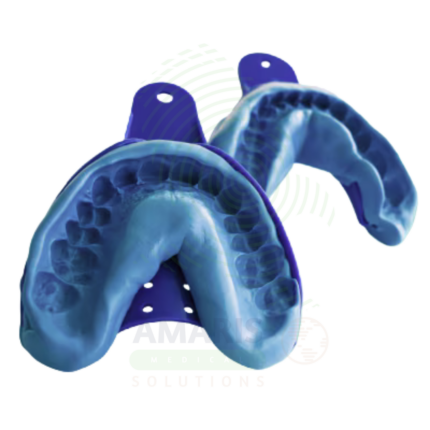
Alginate
Alginate is an irreversible hydrocolloid impression material derived from seaweed, used primarily for taking fast, accurate, and economical preliminary impressions in dentistry. Valued for its ease of mixing, patient comfort, and good surface detail reproduction, it is the standard for creating study models, diagnostic casts, and custom trays. Its critical limitation is poor dimensional stability due to its water-based nature, requiring the impression to be poured in stone immediately to avoid shrinkage. As a hydrophilic material, it is technique-sensitive but remains an indispensable workhorse for initial records in general practice, orthodontics, and prosthodontics.
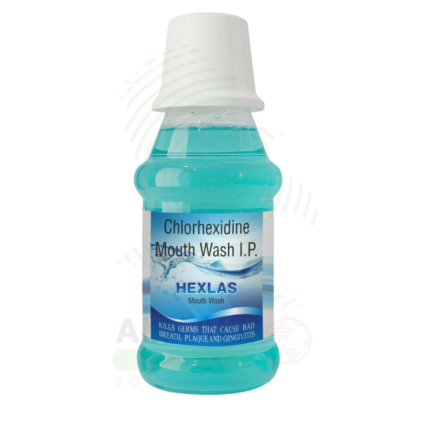
Chlorhexidine Mouthwash
Chlorhexidine Mouthwash is a potent, substantive antimicrobial oral rinse containing chlorhexidine gluconate (typically 0.12% or 0.2%). It is the gold-standard chemical agent for controlling plaque biofilm and gingival inflammation, prescribed for short-term therapeutic use following oral surgery, in the treatment of periodontitis, for patients with physical limitations, and in ICU protocols to prevent pneumonia. Its key property is substantivity—binding to oral tissues for prolonged effect. Major precautions include avoiding use immediately after toothpaste, limiting duration to prevent tooth staining, and never swallowing the solution.
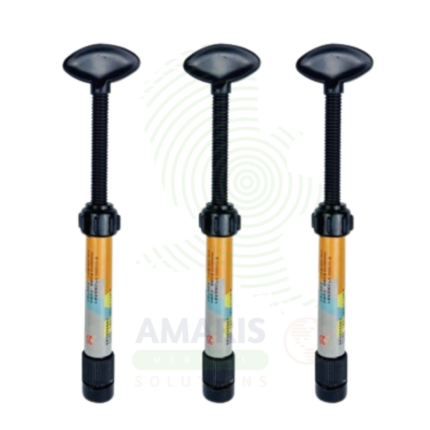
Composite Filling Materials
Composite Filling Materials are tooth-colored, light-cured resin-based materials used for direct dental restorations. They are the standard of care for treating cavities, repairing fractures, and performing cosmetic enhancements due to their excellent aesthetics, adhesive properties, and durability. Available in various viscosities and formulations (hybrid, nano, bulk-fill), their successful use is highly technique-sensitive, requiring impeccable moisture control, strict adherence to adhesive bonding protocols, and proper incremental placement and curing. They have largely replaced dental amalgam for most applications, offering a strong, durable, and esthetic solution that conserves tooth structure.
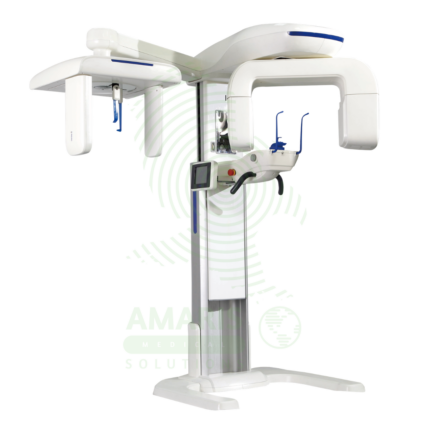
Dental X-ray Machine
A Dental X-ray Machine is a specialized radiographic system designed for imaging teeth, jaws, and facial structures. It encompasses intraoral units for detailed tooth-specific views, panoramic machines for wide screening shots, and advanced Cone Beam CT (CBCT) scanners for 3D surgical planning. Utilizing low-dose radiation and digital imaging technology, it is indispensable for diagnosing cavities, gum disease, infections, and planning treatments like implants, orthodontics, and oral surgery. Its safe operation requires strict adherence to radiation protection protocols, including the use of lead aprons, proper collimation, and operator training to ensure patient and staff safety while obtaining critical diagnostic information.
Handpiece Spray
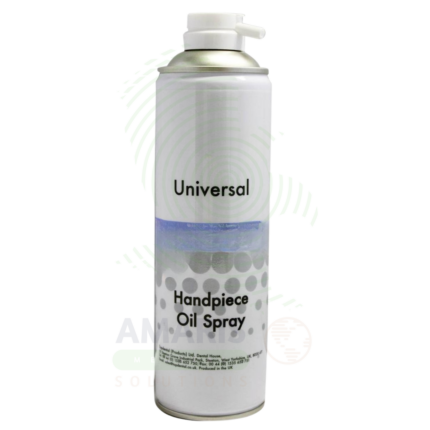
Handpiece Spray is a specialized aerosol lubricant essential for the daily maintenance and sterilization of dental handpieces. Its primary function is to lubricate internal turbines and bearings, reducing friction, preventing wear, and ensuring optimal performance and longevity. Applied directly into the handpiece's air inlet and distributed by running the handpiece without a bur, it must be used after every cleaning and before each autoclave cycle as per the manufacturer's strict instructions. Using the correct lubricant is critical to prevent damage and maintain warranty compliance. It is a fundamental, non-negotiable consumable in dental infection control and equipment care protocols.
High-End Dental Chair
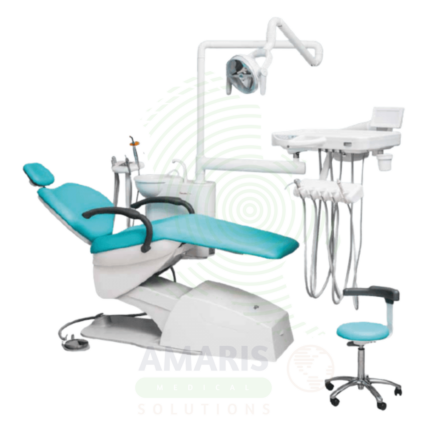
A High-End Dental Chair is an advanced, ergonomically engineered patient positioning system that forms the core of a modern dental operatory. It combines superior patient comfort features—such as heated surfaces, memory foam, and programmable positions—with critical ergonomic design for the dental team, including narrow backrests and multi-axis articulation. Integrated control systems manage the chair, lighting, and often other operational functions seamlessly. Built for durability and infection control with seamless upholstery, it supports a wide range of procedures while enhancing workflow efficiency, clinical outcomes, and overall patient experience in demanding dental practices.
Impression Compound
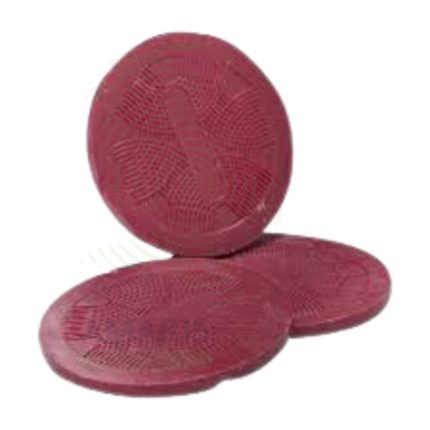
Impression Compound is a rigid, thermoplastic material used in dentistry primarily for border molding of custom denture trays and preliminary impressions of edentulous arches. Softened by heat and hardened by cooling, it allows for precise functional molding of vestibular borders but cannot be elastically withdrawn from undercuts. Its use demands careful temperature control to avoid burns and ensure proper flow, making it a technique-sensitive material. While largely supplanted by modern elastomers for most impressions, it remains a valuable and sometimes irreplaceable tool in advanced complete denture prosthodontics and certain corrective impression techniques.