Dermatoscope and Magnifiers
 Diagnostic Kits
 Vital Signs Monitors
 Stethoscopes and Accessories
 Otoscopes, Ophthalmoscopes, and Retinoscopes
 Reflex Hammers and Neurological Tools
 Scales and Measuring Devices
 Spirometers and Pulmonary Function Tests
 Electrosurgical Units and Accessories
 Cutting Instruments
 Grasping and Holding Instruments
 Hemostatic Instruments
 Specialized Surgical Sets
 Single-Use Procedure Trays and Packs
 Surgical Drapes, Gowns, and Covers
 Tissue Unifying Instruments
 Radiation Protection
 X-Ray Machines and Accessories
 Ultrasound Systems and Probes
 MRI and CT Scanners
 Radiology Consumables
 Bone Densitometers
 Fluoroscopy Equipment
 Imaging Tables and Positioning Aids
 Microscopes and Accessories
 Centrifuges and Separators
 Analyzers
 Incubators and Ovens
 Pipettes, Dispensers, and Lab Glassware
 Refrigerators, Freezers, and Storage Units
 Lab Consumables
 Sterilizers and Autoclaves for Lab Use
 Multi-Parameter Monitors
 Ventilators and Respiratory Support Devices
 Defibrillators and AEDs
 Infusion Pumps and IV Systems
 Patient Warmers and Cooling Devices
 Central Monitoring Stations
 Accessories
 Anesthesia Machines and Workstations
 Oxygen Concentrators and Delivery Systems
 Nebulizers and Inhalers
 CPAP/BiPAP Machines
 Airway Management
 Anesthesia Masks, Circuits, and Bags
 Humidifiers and Heaters
 Respiratory Therapy Accessories
 First Aid Kits and Cabinets
 Emergency Resuscitation Equipment
 Trauma Supplies
 Emergency Carts and Crash Carts
 Burn Care Products
 Bleeding Control
 Automated External Defibrillators (AEDs)
 Transport and Evacuation
 Wheelchairs and Accessories
 Walkers, Crutches, and Canes
 Prosthetics and Orthotics
 Physical Therapy Equipment
 Transfer Devices
 Bathroom Safety
 Orthopedic Traction and Tables
 Hot/Cold Therapy Packs and Units
 Beds and Mattresses
 Chairs and Stools
 Tables
 Cabinets and Storage
 Privacy Screens & Curtains
 Stands and Racks
 Linens and Textiles
 Lighting
 Autoclaves and Sterilizers
 Ultrasonic Cleaners
 Disinfectant Solutions and Wipes
 Sterilization Pouches, Wraps, and Indicators
 Instrument Trays and Containers
 UV and Ozone Disinfection Devices
 Washer Disinfectors
 Wound Care
 Gloves
 Masks and Respirators
 Catheters and Tubing
 Swabs, Applicators, and Sponges
 Incontinence Products
 Personal Protective Equipment (PPE)
 Dental Chairs and Units
 Handpieces and Burs
 Instruments
 Consumables
 Sterilization for Dental Use
 Orthodontic Supplies
 Endodontic Tools
 Slit Lamps and Tonometers
 Lensometers and Phoropters
 Ophthalmic Surgical Instruments
 Eyewear Frames and Lenses
 Contact Lens Supplies
 Vision Testing Charts and Devices
 Eye Care Consumables
 Laser Systems for Eye Care
 ENT Exam Chairs and Tables
 Endoscopes
 Audiometers and Hearing Tests
 ENT Instruments
 Nasal and Throat Packs
 Hearing Aids and Accessories
 Otology Supplies
 Fetal Dopplers and Monitors
 Delivery Beds and Tables
 Gynecological Instruments
 Neonatal Incubators and Warmers
 Breast Pumps and Accessories
 Contraceptive Devices
 Maternity Supports and Pads
 Neonatal Consumables
 Cystoscopes and Urethroscopes
 Dialysis Machines and Supplies
 Urological Catheters and Bags
 Lithotripters
 Prostate Treatment Devices
 Urinary Incontinence Products
 Kidney Stone Management Tools
 Consumables & Disposables
 EEG and EMG Machines
 Neurosurgical Instruments
 Nerve Stimulators
 Headrests and Positioning Aids
 Lumbar Puncture Kits
 Seizure Monitoring Devices
 Consumables
 Rehabilitation for Neurological Conditions
 ECG Machines and Accessories
 Holter Monitors
 Stress Test Systems
 Pacemakers and Defibrillator Accessories
 Vascular Access Devices
 Cardiac Catheters and Guidewires
 Blood Flow Meters
 Consumables
 Orthopedic Instruments
 Casts, Splints, and Padding
 Joint Replacement Supplies
 Prosthetic Limbs and Components
 Bone Grafts and Substitutes
 Traction Devices
 Orthopedic Braces and Supports
 Rehabilitation Aids for Orthopedics
 Home Oxygen Therapy
 Hospital Beds for Home Use
 Mobility Aids
 Bathroom and Daily Living Aids
 Wound Care for Home
 Monitoring Devices
 Enteral Feeding Pumps and Tubes
 Hand Sanitizers and Dispensers
 Face Shields and Goggles
 Isolation Gowns and Suits
 Biohazard Waste Containers
 Air Purifiers and HEPA Filters
 Surface Disinfectants
 Sharps Containers
 Protective Barriers
 Cardiovascular & Endurance Training
 Strength Training & Weightlifting
 Functional Training & Core Conditioning
 Physical Therapy & Rehabilitation
 Sports & Outdoor Recreation
 Gym Flooring & Facility Equipment
 Fitness Monitoring & Accessories
 Kids & Novelties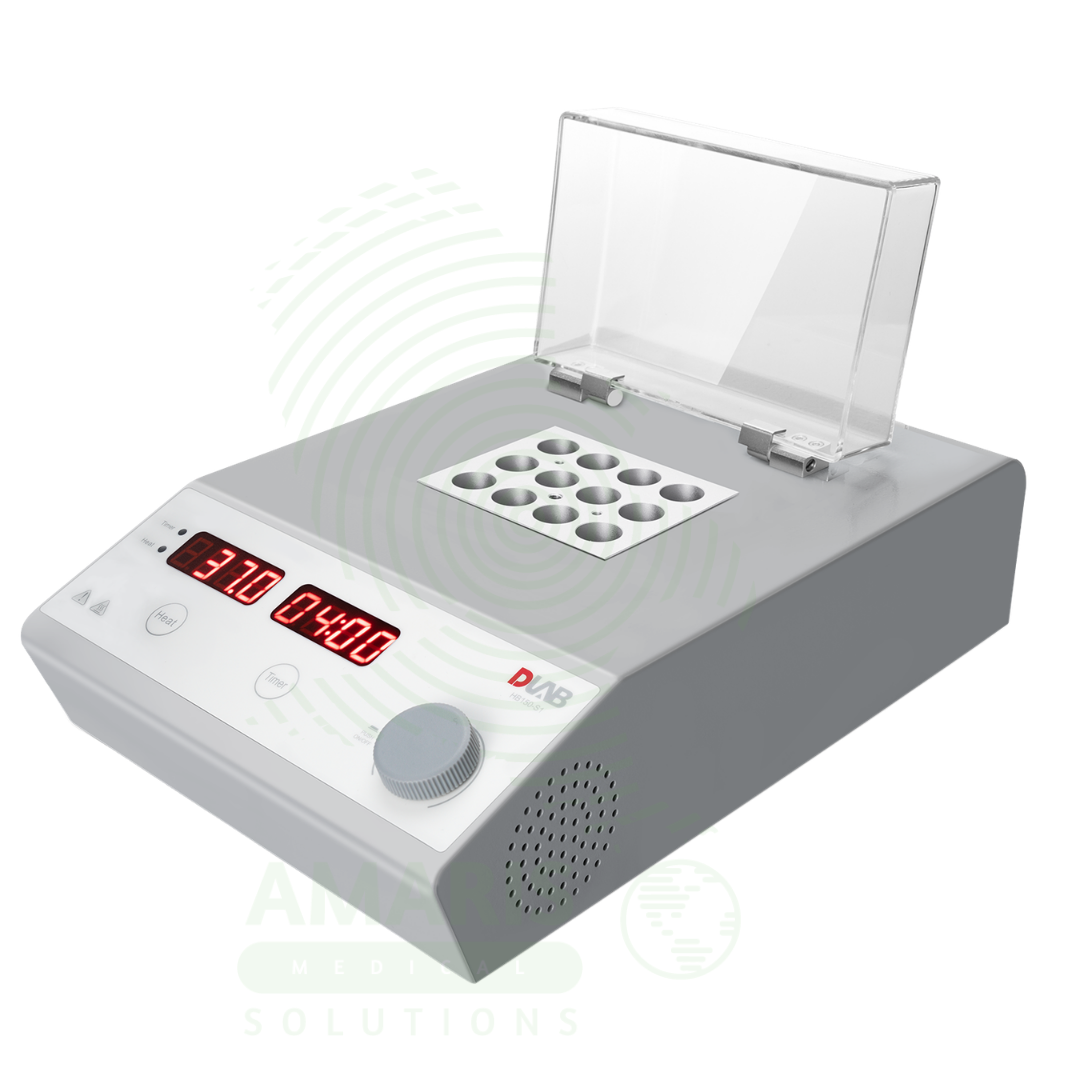

Digital Dry Bath Single Block (HB150-S1)
WhatsApp Order
The Digital Dry Bath Single Block (HB150-S1) is a compact benchtop dry thermostat with extended high-temperature capability up to 150°C, designed for advanced molecular biology applications, thermostable enzyme inactivation, and high-temperature diagnostic assay preparation in clinical and research laboratories . With a temperature range from room temperature +5°C to 150°C and temperature control accuracy of ±0.3°C (25-90°C) and ±0.6°C (90-150°C), this dry bath provides consistent, uniform heating for protocols requiring extreme temperatures up to 150°C—enabling specialized assays that cannot be performed on standard dry baths with lower maximum temperatures .
The HB150-S1 features a microprocessor-controlled system with LED display for real-time temperature and time monitoring, an intuitive control knob for simple operation without complex menus, and interchangeable aluminum heating blocks compatible with various tube formats including 0.2mL, 0.5mL, 1.5/2mL, 5mL, 15mL, and 50mL tubes . The unit supports both timing mode (0 to 99 hours 59 minutes) and continuous operation mode, with built-in overheating protection for equipment and sample safety .
Key advanced features include an external temperature sensor port (PT1000 compatible) for real-time sample temperature verification , USB interface for data export and quality record traceability , and a heat-preserving block lid that prevents contamination and ensures temperature stability . A sound reminder function alerts users when set temperature is reached and at run completion .
For the molecular biologist and clinical laboratory scientist, the HB150-S1 supports complete heat inactivation of thermostable restriction enzymes and heat-labile enzymes (preventing interference with downstream diagnostic assays), protein denaturation for SDS-PAGE and Western blotting at elevated temperatures, DNA denaturation for GC-rich templates and challenging PCR protocols, and high-temperature sample preparation with external temperature verification for quality assurance .
For the patient undergoing specialized molecular testing, the HB150-S1’s extended temperature capability (up to 150°C) ensures complete inactivation of even thermostable enzymes, thorough DNA denaturation for the most challenging templates, and reliable high-temperature sample preparation with documented temperature verification—supporting accurate diagnostic results for complex genetic conditions, infectious diseases, and oncology testing that require extreme temperature control .
Description
Digital Dry Bath Single Block (HB150-S1)
PRIMARY CLINICAL & DIAGNOSTIC USES
1. High-Temperature Incubation for Advanced Molecular Diagnostics
-
Primary Use: Provides a single-block digital dry bath with an extended temperature range from room temperature +5°C to 150°C, enabling high-temperature incubation for specialized molecular biology protocols, protein denaturation, and demanding diagnostic assay preparation .
-
How it helps: For the molecular biologist and clinical laboratory scientist, the HB150-S1 delivers precise temperature control (accuracy ±0.3°C at 25-90°C and ±0.6°C at 90-150°C) with LED display and user-friendly knob adjustment—essential for protocols requiring extreme temperatures above the standard 100°C boiling point and up to 150°C . For the patient, access to extended temperature capabilities ensures that specialized diagnostic assays can be performed in-house, reducing referral delays and accelerating diagnosis.
2. Complete Enzyme Inactivation at Elevated Temperatures
-
Primary Use: Used for complete heat inactivation of thermostable enzymes, restriction enzymes, and proteins requiring temperatures up to 150°C for irreversible denaturation .
-
How it helps: For the clinical chemist and molecular biologist, the HB150-S1’s extended temperature range ensures complete, irreversible inactivation of even highly thermostable enzymes that may interfere with downstream diagnostic assays—improving assay specificity and reducing false-positive results. For the patient, thorough enzyme inactivation prevents erroneous test results that could lead to misdiagnosis or inappropriate treatment.
3. DNA Denaturation for GC-Rich and Challenging Templates
-
Primary Use: Provides controlled high-temperature heating for DNA denaturation steps in PCR preparation, nucleic acid amplification protocols, and molecular diagnostic workflows requiring stringent denaturation conditions for GC-rich or secondary structure-prone templates .
-
How it helps: For the molecular biologist, the HB150-S1’s precise temperature control (up to 150°C) and excellent temperature uniformity (±0.2°C at 37°C) ensures complete separation of double-stranded DNA even for the most challenging GC-rich templates—critical for PCR, sequencing, and hybridization-based assays where incomplete denaturation leads to failed reactions . This supports accurate genetic testing for challenging templates and complex genomic regions.
4. High-Temperature Sample Preparation with External Temperature Verification
-
Primary Use: Used for sample preparation requiring documented temperature control, including heat treatment of clinical specimens, with support for an external temperature sensor (PT1000) for real-time sample temperature verification .
-
How it helps: For the clinical laboratory scientist and quality assurance manager, the HB150-S1’s external sensor port allows direct monitoring of sample temperature rather than block temperature—ensuring that the actual sample reaches the required temperature for proper inactivation or processing. For the patient, accurate temperature verification ensures that sample preparation steps meet established standards for safety and diagnostic accuracy.
SECONDARY & SUPPORTIVE USES
1. Restriction Enzyme Heat Inactivation for Thermostable Enzymes: Used for complete inactivation of thermostable restriction enzymes after DNA digestion to prevent interference with subsequent ligation or amplification steps .
2. Protein Purification and Western Blotting: Supports protein denaturation steps at elevated temperatures for SDS-PAGE sample preparation .
3. Nucleic Acid Extraction from Difficult Samples: Provides heating for cell lysis and protein digestion steps in DNA/RNA extraction from tissue or difficult sample types requiring elevated temperatures .
4. ELISA and Immunoassay High-Temperature Incubation: Supports specialized ELISA protocols requiring elevated temperature incubation .
5. Lipid and Cholesterol Analysis: Used for heating samples in lipid profiling and cholesterol fractionation protocols requiring elevated temperatures.
6. Histology and Pathology Tissue Processing: Used for warming embedding media and specialized processing solutions requiring higher temperatures.
7. Pharmaceutical Quality Control Stability Testing: Supports stability testing of pharmaceutical products at elevated temperatures.
8. Research and Academic Laboratories: Supports specialized research applications requiring incubation above 120°C.
9. Veterinary Diagnostic Laboratory: Supports specialized testing protocols requiring high-temperature incubation.
10. Clinical Chemistry Specialized Assays: Used for assays requiring elevated temperatures beyond standard incubation ranges.
11. Standard Molecular Biology Incubation: Routine incubation for enzyme reactions, ligations, and other standard molecular biology protocols.
12.External Temperature Monitoring with PT1000 Probe: Supports connection of external temperature sensor for sample temperature verification .
13. USB Data Export for Quality Records: USB interface allows data export for traceability and quality management documentation .
14. Sound Reminder Function: Audible alert at temperature stabilization and run completion for workflow management .
15. Heat-Preserving Lid: Block lid prevents heat loss, ensures temperature stability, and prevents contamination .
16. Overheating Protection: Built-in safety cutoff for equipment and sample protection .
KEY PRODUCT FEATURES
1. BASIC IDENTIFICATION ATTRIBUTES
-
Device Type: A single-block digital dry bath with extended high-temperature capability (up to 150°C), designed for advanced molecular biology applications, thermostable enzyme inactivation, and high-temperature diagnostic assay preparation .
-
Designation: HB150-S1 Digital Dry Bath, Single-Block Dry Bath, High-Temperature Dry Bath, LED Digital Dry Bath, DLAB HB150-S1 .
-
Key Components:
-
Heating Block: Interchangeable aluminum block compatible with various tube sizes and formats (0.2mL, 0.5mL, 1.5/2mL, 5mL, 15mL, 50mL) .
-
Microprocessor Controller: Regulates temperature with automatic feedback for precise control up to 150°C .
-
LED Display: Digital display for real-time temperature and time monitoring .
-
Control Knob: User-friendly setting knob for simple operation .
-
Insulated Lid: Block lid for heat preservation, temperature stability, and contamination prevention .
-
External Sensor Port: PT1000 temperature sensor connection for sample temperature verification .
-
USB Interface: Data export for traceability and quality records .
-
2. TECHNICAL & PERFORMANCE PROPERTIES
-
Temperature Range: Room temperature +5°C to 150°C .
-
Temperature Setting Range: 25°C to 150°C .
-
Temperature Control Accuracy: ±0.3°C (25-90°C); ±0.6°C (90-150°C) .
-
Temperature Uniformity @37°C: ±0.2°C .
-
Temperature Display Accuracy: 0.1°C .
-
Time Setting Range: 0 minutes to 99 hours 59 minutes .
-
Work Mode: Timed operation or continuous operation .
-
Heating Power: 100W .
-
Voltage/Frequency: 110/220V, 50/60Hz .
-
Display: LED digital display .
-
External Sensor: PT1000 compatible .
-
USB Interface: Yes, for data export .
-
Sound Reminder: Yes, at temperature stabilization and run completion .
-
Safety Cut-off: Overheating protection .
-
Dimensions (W × D × H): 290 × 210 × 120 mm .
-
Weight: 3.2 kg (without block) .
-
Permissible Ambient Temperature: 10-40°C .
-
Permissible Ambient Humidity: <80% RH .
3. PHYSICAL & OPERATIONAL PROPERTIES
-
Construction: Durable outer housing designed for extended temperature operation up to 150°C; single-block configuration for space-saving benchtop placement .
-
Control System: Microprocessor-controlled with LED digital display and intuitive knob adjustment .
-
Operation Modes: Timing mode (0-99h59min) and continuous operation mode .
-
Block Compatibility: Accepts various optional interchangeable aluminum heating blocks for different tube formats (0.2mL, 0.5mL, 1.5/2mL, 5mL, 15mL, 50mL) .
-
Block Lid: Included lid for heat preservation, temperature stability, and contamination prevention .
-
External Sensor: PT1000 port for sample temperature verification .
-
Data Export: USB interface for traceability and quality records .
-
Sound Reminder: Audible alert at temperature stabilization and run completion .
-
Safety Features: Overheating protection .
4. SAFETY & COMPLIANCE ATTRIBUTES
-
Regulatory Status: Class I medical device for clinical diagnostic use .
-
Safety Features: Overheating protection system, heat-preserving lid for contamination prevention, external sensor for sample temperature verification .
-
High-Temperature Safety: Extended safety margins for 150°C operation; design ensures safe handling at extreme temperatures .
-
Electrical Safety: Universal voltage (110/220V, 50/60Hz); 100W power consumption .
-
Quality Compliance: USB data export supports GLP documentation and quality management .
-
Temperature Calibration: External sensor allows verification of sample temperature for quality assurance .
5. STORAGE & HANDLING ATTRIBUTES
-
Storage: Store on clean, dry benchtop; ensure adequate clearance for ventilation.
-
Cleaning: Wipe exterior with soft, damp cloth using neutral detergent; 70% ethanol solution may be used for surface sterilization.
-
Block Maintenance: Remove and clean heating block with mild detergent; dry thoroughly before reinstallation.
-
Inspection: Inspect block contacts for residue or damage before each use; clean if needed.
-
Lid Use: Always use lid during operation to maintain temperature stability and prevent contamination .
-
Calibration: Use external PT1000 sensor periodically to verify sample temperature accuracy .
-
Power Cord: Inspect power cord for damage before each use.
6. LABORATORY & CLINICAL APPLICATIONS
-
Primary Application: Advanced molecular diagnostics requiring extended temperature capability (up to 150°C), including thermostable enzyme inactivation, DNA denaturation for GC-rich templates, and high-temperature sample preparation in clinical and research laboratories .
-
Clinical Role: Essential specialized sample preparation equipment in molecular diagnostics laboratories, reference laboratories, research facilities, and accredited clinical laboratories requiring extended temperature capabilities for challenging assays.
SAFETY HANDLING PRECAUTIONS
1. SAFETY PRECAUTIONS
-
Temperature Setting: Do not exceed recommended temperatures for specific sample types; excessive heat may denature proteins or degrade analytes; use caution when setting temperatures above 100°C .
-
Block Installation: Ensure heating block is properly seated before operation.
-
Temperature Verification: Allow unit to reach set temperature before loading temperature-sensitive samples; verify temperature stability before use using external sensor if needed .
-
Lid Use: Always use lid during operation to maintain temperature stability and prevent contamination; use caution—lid will be hot at high temperatures .
-
Hot Surface Warning: Surfaces may become very hot during extended operation at temperatures above 100°C; use caution when handling .
-
External Sensor: Use PT1000 sensor for critical applications requiring sample temperature verification; ensure sensor is properly placed .
-
Cleaning: Clean spills immediately; disinfect heating block if biological materials are involved; allow block to cool completely before removal .
-
Placement: Place on firm, flat, level, heat-resistant surface; ensure adequate clearance around unit for ventilation .
-
Training: Only trained laboratory personnel should operate the HB150-S1 for clinical diagnostic applications .
2. FIRST AID MEASURES
-
Burn/Scald: If hot heating block or surface contacts skin, cool affected area immediately with cool running water for at least 15 minutes; seek medical attention for severe burns .
-
Sample Spillage: If biological sample spills into unit, disconnect power, allow to cool completely, disinfect area immediately with 70% ethanol or appropriate disinfectant.
-
Electrical Malfunction: If unit shows signs of electrical malfunction, disconnect power immediately; do not attempt to operate; contact service personnel.
-
Calibration Verification: If test results are inconsistent, verify calibration using external PT1000 sensor before proceeding with diagnostic testing .
3. FIRE FIGHTING MEASURES
-
Flammability: Plastic housing and electrical components may burn.
-
Extinguishing Media: Use carbon dioxide or dry chemical extinguisher for electrical fires.
-
Fire Response: Unplug unit immediately; do not use water on electrical fire.
Related products
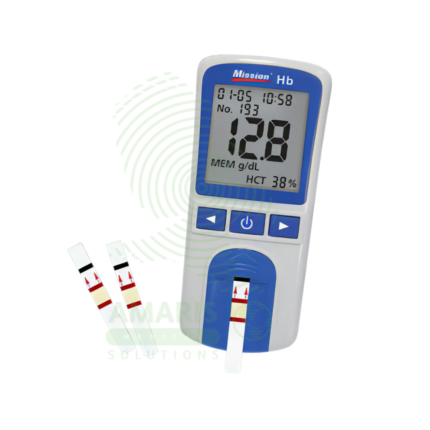
Hemoglobin Meter
A Hemoglobin Meter is a Class II medical device (FDA-cleared, CE-marked) for quantitative point-of-care measurement of hemoglobin concentration in capillary or venous blood, providing results in 5-60 seconds from a 5-20 µL sample. The meter uses photometric, electrochemical, or conductivity technology to measure hemoglobin, with accuracy ±0.3-0.5 g/dL compared to reference methods. Features include backlit LCD display, memory storage for 100-1000 results, USB/Bluetooth connectivity for data transfer, and compatibility with single-use disposable cuvettes or test strips. Primary clinical applications include anemia screening and diagnosis (WHO criteria), preoperative assessment and surgical planning, antenatal care and maternal health monitoring, malaria-endemic region screening, chronic disease management (CKD, IBD, cancer), nutritional assessment and intervention programs, and blood donor screening. Critical safety precautions include single-use lancets, proper hand hygiene, correct sample application, quality control with control solutions, proper cuvette storage (protect from heat, light, humidity), and never using expired cuvettes. Essential point-of-care device for hemoglobin testing in hospitals, clinics, community health programs, and blood donation centers.
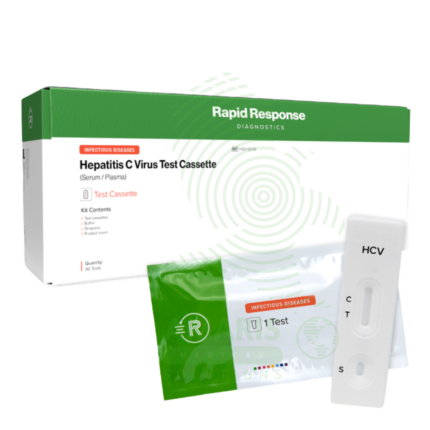
Hepatitis C Test Kit
The Hepatitis C Test Kit is an in vitro diagnostic device for the detection of Hepatitis C virus antibodies or RNA in human blood, serum, or plasma samples. Available in rapid, laboratory immunoassay, and molecular formats, it screens for HCV infection, confirms active infection with RNA testing, and monitors treatment response. With high sensitivity and specificity exceeding 99%, it is essential for identifying infected individuals, linking them to curative direct-acting antiviral therapy, and confirming cure. Essential applications include risk-based screening of high-risk populations, birth cohort screening of baby boomers, evaluation of acute hepatitis, management of occupational exposures, and monitoring of antiviral therapy that can cure over 95% of infections. All patient samples must be handled with universal precautions, and positive antibody results require confirmatory testing.
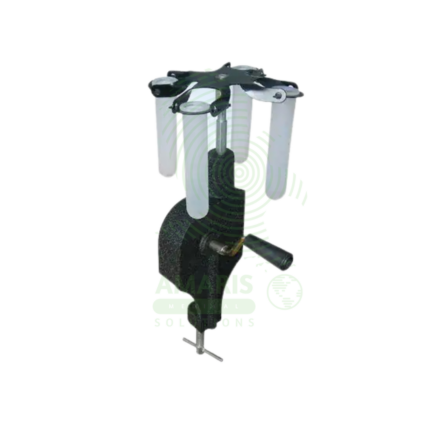
Manual Centrifuge
A Manual Centrifuge (hand-powered) is a non-electric mechanical device for separating fluids based on density, designed for use in field clinics, remote health posts, and developing world settings where electricity is unavailable or unreliable. Operated by hand crank, pull-cord, or foot pedal, achieving speeds of 1,000-4,000 RPM and RCF up to 1,500 x g. Accepts standard blood collection tubes (2-5 mL), microhematocrit tubes, and small centrifuge tubes. Primary clinical applications include separation of serum/plasma for basic diagnostic testing, urine sediment concentration for microscopy, microhematocrit determination for anemia screening, concentration of parasites for malaria and other vector-borne disease diagnosis, field epidemiology and outbreak investigation, veterinary medicine in rural settings, and teaching in resource-limited institutions. Critical safety precautions include meticulous balancing of tubes by weight (absolutely essential), never exceeding maximum rated speed, using appropriate PPE (no aerosol containment), regular inspection of gears and rotor for wear, and proper training of operators. Essential equipment for basic laboratory capabilities in low-resource and field settings.
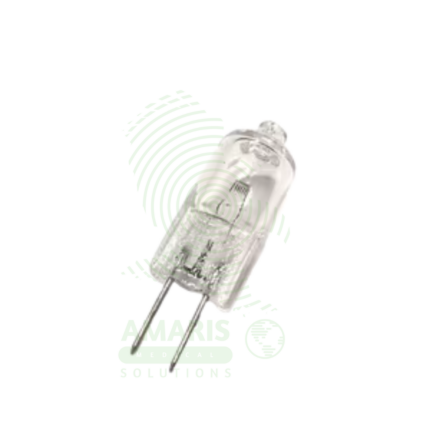
Microscope Bulb
A Microscope Bulb is a specialized halogen or LED lamp that serves as the essential illumination source for clinical and laboratory microscopes. Providing the bright, stable, and color-corrected light required for diagnostic visualization of specimens, it is a critical consumable component. Its technical specifications—voltage, wattage, base type, and filament alignment—must precisely match the microscope model. Proper handling (using gloves to avoid oil contamination) and adherence to safety protocols (allowing cooling, disconnecting power) are crucial for safe replacement and optimal bulb lifespan. Maintaining spares is vital to prevent operational downtime in diagnostic laboratories.
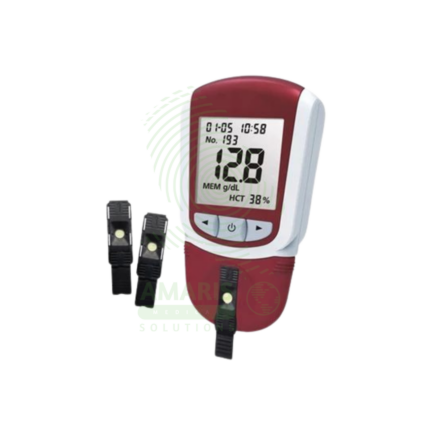
Mission Plus HB Machine
The Mission Plus HB Machine is a portable, battery-operated hemoglobin meter (Class II medical device, FDA-cleared/CE-marked) using photometric technology to measure hemoglobin concentration in capillary or venous blood within 5-15 seconds. Features include backlit LCD display, memory storage for 100-500 results, simple one-button operation, and disposable single-use cuvettes (5-20 µL sample volume). Accuracy ±0.3 g/dL compared to reference methods, measurement range 4-24 g/dL. Primary clinical applications include rapid anemia screening in outpatient clinics, preoperative assessment, antenatal care and maternal health monitoring, malaria-endemic region screening, chronic disease management (CKD, IBD, cancer), nutritional assessment and intervention programs, and blood donor screening. Critical safety precautions include single-use lancets, proper hand hygiene, correct sample application, quality control with control solutions, proper cuvette storage (protect from heat, light, humidity), and never using expired cuvettes. Essential point-of-care device for hemoglobin testing in diverse healthcare settings.
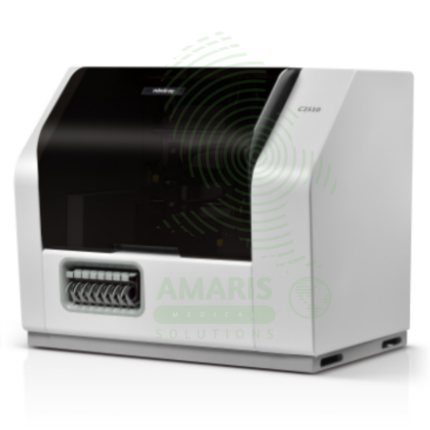
PRECIL Series
The PRECIL Series, originally developed by Beijing Precil and now associated with Mindray, comprises specialized coagulation analyzers and hemorheology analyzers for clinical laboratory testing. Coagulation analyzers measure PT, APTT, fibrinogen, TT, D-dimer, factor assays, and thrombophilia markers for diagnosing bleeding disorders, monitoring anticoagulant therapy, and assessing liver function. Hemorheology analyzers measure whole blood viscosity, plasma viscosity, erythrocyte aggregation, and deformability for evaluating hyperviscosity syndromes, sickle cell disease, diabetes, and cardiovascular disorders. The series includes specialized cleaning solutions and reagents (such as PLS cleaner) for maintaining analyzer performance and ensuring accurate results. Features include automated sample processing, color touchscreen interface, LIS connectivity, and comprehensive quality control programs. Primary clinical applications include coagulation testing for preoperative assessment, anticoagulant monitoring, DIC diagnosis, thrombophilia workup, and hemorheology assessment for conditions affecting blood flow. Essential laboratory instrumentation for hematology, coagulation, and specialized testing in hospital laboratories, reference laboratories, and research facilities.
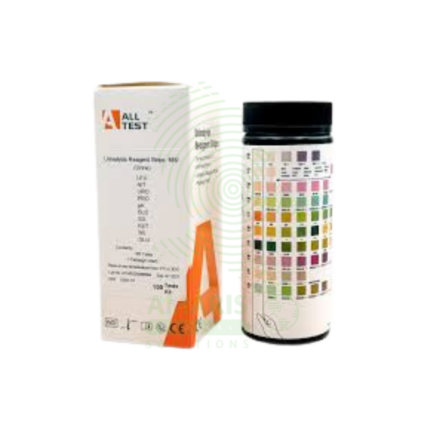
Urinalysis strips
Urinalysis Strips are Class II medical devices (FDA-cleared) consisting of plastic strips with multiple reagent-impregnated pads for simultaneous semi-quantitative detection of urine analytes including leukocytes, nitrites, urobilinogen, protein, pH, blood, specific gravity, ketones, bilirubin, and glucose. Results read by visual comparison to color chart at specified times (30-120 seconds). Primary clinical applications include routine health screening, urinary tract infection diagnosis, diabetes screening and monitoring, kidney disease assessment (proteinuria), hematuria detection, liver function evaluation, and pregnancy monitoring (preeclampsia screening). Critical safety precautions include proper specimen collection (fresh urine), storage at 15-30°C in original container with desiccant, protection from humidity, reading at exact specified times, awareness of interfering substances (ascorbic acid), and confirmation of abnormal results with quantitative tests. Essential screening tool in primary care, emergency medicine, nephrology, urology, and obstetrics.