Dermatoscope and Magnifiers
 Diagnostic Kits
 Vital Signs Monitors
 Stethoscopes and Accessories
 Otoscopes, Ophthalmoscopes, and Retinoscopes
 Reflex Hammers and Neurological Tools
 Scales and Measuring Devices
 Spirometers and Pulmonary Function Tests
 Electrosurgical Units and Accessories
 Cutting Instruments
 Grasping and Holding Instruments
 Hemostatic Instruments
 Specialized Surgical Sets
 Single-Use Procedure Trays and Packs
 Surgical Drapes, Gowns, and Covers
 Tissue Unifying Instruments
 Radiation Protection
 X-Ray Machines and Accessories
 Ultrasound Systems and Probes
 MRI and CT Scanners
 Radiology Consumables
 Bone Densitometers
 Fluoroscopy Equipment
 Imaging Tables and Positioning Aids
 Microscopes and Accessories
 Centrifuges and Separators
 Analyzers
 Incubators and Ovens
 Pipettes, Dispensers, and Lab Glassware
 Refrigerators, Freezers, and Storage Units
 Lab Consumables
 Sterilizers and Autoclaves for Lab Use
 Multi-Parameter Monitors
 Ventilators and Respiratory Support Devices
 Defibrillators and AEDs
 Infusion Pumps and IV Systems
 Patient Warmers and Cooling Devices
 Central Monitoring Stations
 Accessories
 Anesthesia Machines and Workstations
 Oxygen Concentrators and Delivery Systems
 Nebulizers and Inhalers
 CPAP/BiPAP Machines
 Airway Management
 Anesthesia Masks, Circuits, and Bags
 Humidifiers and Heaters
 Respiratory Therapy Accessories
 First Aid Kits and Cabinets
 Emergency Resuscitation Equipment
 Trauma Supplies
 Emergency Carts and Crash Carts
 Burn Care Products
 Bleeding Control
 Automated External Defibrillators (AEDs)
 Transport and Evacuation
 Wheelchairs and Accessories
 Walkers, Crutches, and Canes
 Prosthetics and Orthotics
 Physical Therapy Equipment
 Transfer Devices
 Bathroom Safety
 Orthopedic Traction and Tables
 Hot/Cold Therapy Packs and Units
 Beds and Mattresses
 Chairs and Stools
 Tables
 Cabinets and Storage
 Privacy Screens & Curtains
 Stands and Racks
 Linens and Textiles
 Lighting
 Autoclaves and Sterilizers
 Ultrasonic Cleaners
 Disinfectant Solutions and Wipes
 Sterilization Pouches, Wraps, and Indicators
 Instrument Trays and Containers
 UV and Ozone Disinfection Devices
 Washer Disinfectors
 Wound Care
 Gloves
 Masks and Respirators
 Catheters and Tubing
 Swabs, Applicators, and Sponges
 Incontinence Products
 Personal Protective Equipment (PPE)
 Dental Chairs and Units
 Handpieces and Burs
 Instruments
 Consumables
 Sterilization for Dental Use
 Orthodontic Supplies
 Endodontic Tools
 Slit Lamps and Tonometers
 Lensometers and Phoropters
 Ophthalmic Surgical Instruments
 Eyewear Frames and Lenses
 Contact Lens Supplies
 Vision Testing Charts and Devices
 Eye Care Consumables
 Laser Systems for Eye Care
 ENT Exam Chairs and Tables
 Endoscopes
 Audiometers and Hearing Tests
 ENT Instruments
 Nasal and Throat Packs
 Hearing Aids and Accessories
 Otology Supplies
 Fetal Dopplers and Monitors
 Delivery Beds and Tables
 Gynecological Instruments
 Neonatal Incubators and Warmers
 Breast Pumps and Accessories
 Contraceptive Devices
 Maternity Supports and Pads
 Neonatal Consumables
 Cystoscopes and Urethroscopes
 Dialysis Machines and Supplies
 Urological Catheters and Bags
 Lithotripters
 Prostate Treatment Devices
 Urinary Incontinence Products
 Kidney Stone Management Tools
 Consumables & Disposables
 EEG and EMG Machines
 Neurosurgical Instruments
 Nerve Stimulators
 Headrests and Positioning Aids
 Lumbar Puncture Kits
 Seizure Monitoring Devices
 Consumables
 Rehabilitation for Neurological Conditions
 ECG Machines and Accessories
 Holter Monitors
 Stress Test Systems
 Pacemakers and Defibrillator Accessories
 Vascular Access Devices
 Cardiac Catheters and Guidewires
 Blood Flow Meters
 Consumables
 Orthopedic Instruments
 Casts, Splints, and Padding
 Joint Replacement Supplies
 Prosthetic Limbs and Components
 Bone Grafts and Substitutes
 Traction Devices
 Orthopedic Braces and Supports
 Rehabilitation Aids for Orthopedics
 Home Oxygen Therapy
 Hospital Beds for Home Use
 Mobility Aids
 Bathroom and Daily Living Aids
 Wound Care for Home
 Monitoring Devices
 Enteral Feeding Pumps and Tubes
 Hand Sanitizers and Dispensers
 Face Shields and Goggles
 Isolation Gowns and Suits
 Biohazard Waste Containers
 Air Purifiers and HEPA Filters
 Surface Disinfectants
 Sharps Containers
 Protective Barriers
 Cardiovascular & Endurance Training
 Strength Training & Weightlifting
 Functional Training & Core Conditioning
 Physical Therapy & Rehabilitation
 Sports & Outdoor Recreation
 Gym Flooring & Facility Equipment
 Fitness Monitoring & Accessories
 Kids & Novelties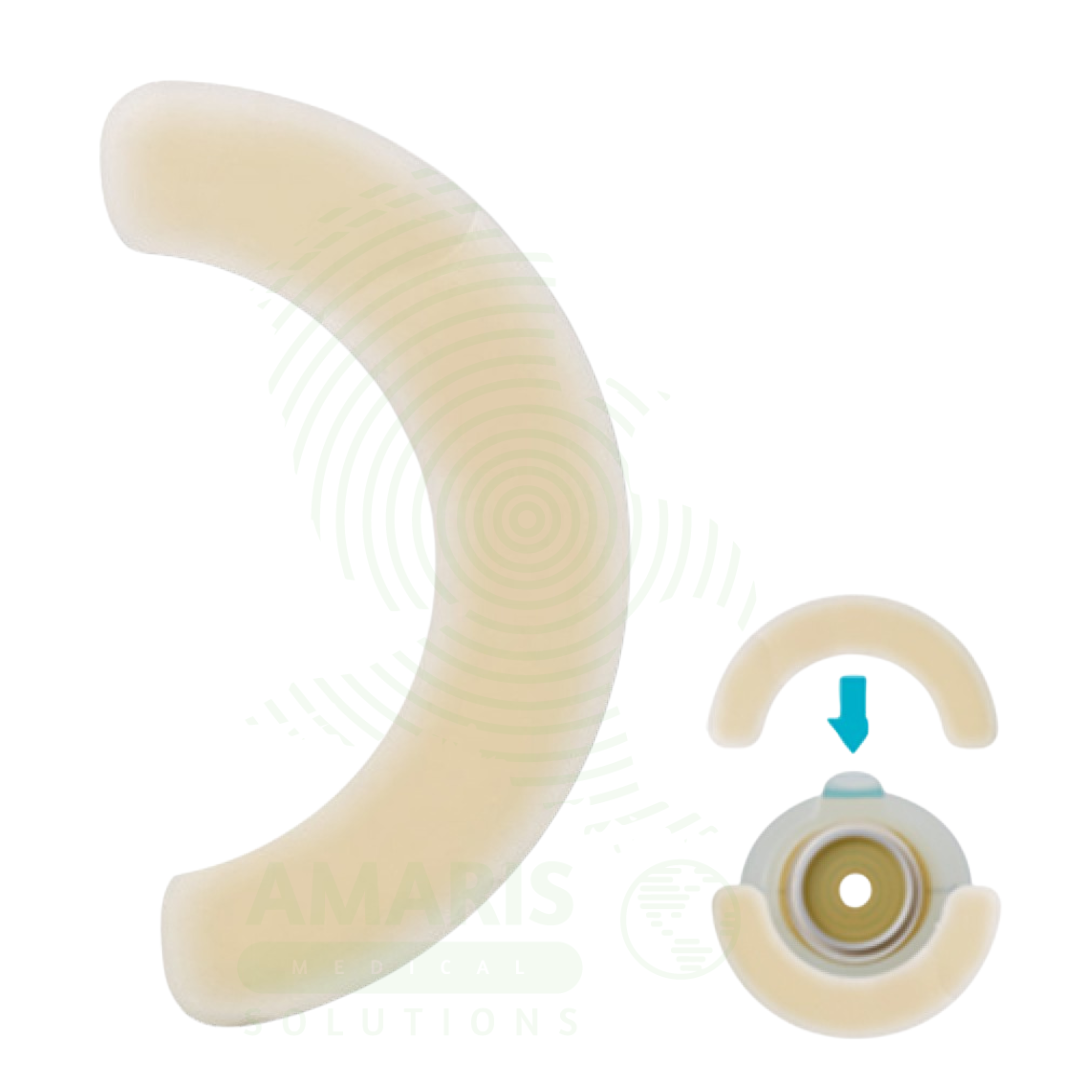
Elastic Barrier Tape
WhatsApp Order
Elastic Barrier Tape is a skin-friendly, hydrocolloid-based adhesive strip designed to be placed over the outer edges of an ostomy baseplate (wafer) to prevent lifting, rolling, and leakage . Manufactured by leading ostomy care brands such as Coloplast (Brava® Elastic Barrier Strips), this tape features up to 1.5 times the elasticity of conventional medical tape, allowing it to stretch and move dynamically with the wearer’s body during bending, twisting, running, swimming, and other physical activities . The moisture-absorbing, waterproof composition maintains a secure seal even under sweaty or submerged conditions, enabling patients to shower, swim, and exercise without fear of appliance failure .
For the Wound, Ostomy, and Continence Nurse (WOCN), elastic barrier tape is an essential accessory for troubleshooting common ostomy problems, including edge lifting due to body contours, excessive moisture, or active lifestyles. It provides a non-invasive solution to extend appliance wear time and protect peristomal skin integrity without requiring a complete system change . Available in curved (C-shaped) versions for round barriers, straight strips for square barriers, and belt-style options for hernias, the tape can be used in singles or multiples to create a full “picture frame” seal around any brand of ostomy appliance 。
For the patient, elastic barrier tape offers the freedom to live an active, confident life without the constant worry of leaks. The ultra-thin, beveled edges lie flat against the skin, preventing catching on clothing and remaining invisible under tight athletic wear, swimsuits, or yoga pants . The skin-friendly, breathable adhesive minimizes irritation, making it suitable for long-term daily use even on sensitive or fragile skin . Whether returning to competitive sports, enjoying a beach vacation, or simply sleeping through the night, elastic barrier tape provides the extra layer of security that transforms ostomy management from a burden into a routine.
Description
Elastic Barrier Tape
PRIMARY CLINICAL & DIAGNOSTIC USES
1. Securing Ostomy Baseplate Edges to Prevent Lifting and Rolling
-
Primary Use: Provides an elastic, hydrocolloid-based adhesive tape placed over the outer edges of an ostomy baseplate (wafer) to secure it firmly against the skin, preventing edges from lifting, rolling, or detaching during movement .
-
How it helps: For the ostomy patient and wound care nurse, the elastic barrier tape acts as an additional security layer around the perimeter of the ostomy appliance. It reinforces the adhesive seal, particularly in areas prone to friction or sweating, ensuring the baseplate remains flat against the abdomen. For the patient, this prevents painful edge lifting which can lead to effluent leakage, skin irritation, and premature failure of the pouching system .
2. Elastic Conformability for Freedom of Movement
-
Primary Use: Engineered with high elasticity (1.5 times more stretchable than conventional tape) that bends and stretches with body contours and movements during walking, bending, sports, and exercise .
-
How it helps: For the active patient and sports medicine clinician, the elastic property of the barrier tape allows the adhesive seal to move dynamically with the wearer’s body rather than resisting it. The tape follows abdominal expansion and contraction during deep breathing, bending, and twisting motions. For the patient, this means they can return to competitive sports, swimming, running, and gym workouts without the constant fear of the appliance seal breaking due to body movement .
3. Moisture Absorption for Extended Wear Time
-
Primary Use: The hydrocolloid material actively absorbs moisture (sweat) from the skin surface, preventing moisture buildup that would otherwise cause the baseplate adhesive to detach prematurely .
-
How it helps: For the ostomy nurse and patient, perspiration is a leading cause of appliance failure, especially during hot weather, physical activity, or for patients with naturally moist skin. The barrier tape’s moisture-absorbing properties wick sweat away from the skin-adhesive interface, maintaining a dry seal throughout the wear period. For the patient, this translates directly to extended wear time, fewer appliance changes, reduced supply costs, and the confidence to remain active without worrying about sweat-induced leaks .
4. Water Resistance for Swimming and Showering
-
Primary Use: Provides a waterproof seal that protects the baseplate edges from water penetration during swimming, showering, bathing, or hot tub use, maintaining adhesive integrity even when fully submerged .
-
How it helps: For the patient and rehabilitation specialist, the ability to participate in water activities is a major quality-of-life milestone for ostomy patients. The waterproof barrier tape seals the vulnerable outer edges of the baseplate, preventing water from wicking underneath and causing the adhesive to fail. For the patient, this enables swimming laps, soaking in hot tubs, taking long showers, and enjoying beach vacations without the need for immediate post-water appliance changes .
5. Skin-Friendly Protection to Prevent Irritation from Adhesives
-
Primary Use: Manufactured from medical-grade, breathable, non-woven materials that are gentle on sensitive peristomal skin, reducing the risk of contact dermatitis, irritation, and mechanical stripping during removal .
-
How it helps: For the wound care nurse and dermatology specialist, many ostomy patients have fragile, irradiated, or naturally sensitive skin that reacts poorly to strong medical adhesives. The skin-friendly composition of elastic barrier tape provides a protective barrier between the skin and the appliance, distributing adhesive forces evenly and reducing the risk of Medical Adhesive-Related Skin Injury (MARSI). For the patient, this means less itching, redness, and pain, allowing for comfortable long-term wear without compromising skin integrity .
SECONDARY & SUPPORTIVE USES
1. Prolonging Ostomy Appliance Wear Time: Used to extend the life of the ostomy baseplate by securing edges that begin to lift, allowing patients to achieve their desired wear schedule (3-7 days) without premature changes .
2. Convex Barrier Support: Applied over convex baseplates to enhance the seal around retracted or flush stomas, providing additional outward pressure for improved effluent drainage .
3. Customizable Fit for All Appliance Brands: Universal design compatible with all major ostomy brands including Coloplast, Convatec, Hollister, and others, ensuring patients can use the tape regardless of their primary appliance system .
4. Hernia Area Support: Used in conjunction with ostomy belts to provide extra reinforcement over parastomal hernia bulges, preventing the baseplate from lifting over the convex contour .
5. Nighttime Leak Prevention: Applied before sleep to secure the baseplate against the weight of a full pouch during the night, reducing the risk of nocturnal leaks .
6. Pediatric Ostomy Care: Used for children and infants with ostomies to protect the appliance during active play, tummy time, and growth-related body shape changes .
7. Post-Operative New Ostomy Protection: Applied in the early post-operative period to reinforce the initial seal while the patient is still learning to manage their new appliance .
8. Pressure Ulcer Prevention: Used as a securement device for medical tubing, catheters, and drainage lines on intact peristomal or abdominal skin to prevent accidental dislodgement .
9. Caregiver-Assisted Application: Designed for easy application by family caregivers or home health aides, simplifying the ostomy maintenance routine for patients with limited dexterity .
10. Travel and Emergency Kits: Compact, lightweight packaging makes barrier strips ideal for inclusion in travel kits, ensuring patients have security supplies available while away from home 。
11. Swimwear and Athletic Gear Compatibility: Provides an ultra-low-profile edge that sits flush against the skin, allowing patients to wear tight-fitting athletic wear, swimsuits, or yoga pants without visible bulging .
12. Deodorizing Filter Protection: Placed over or around deodorizing vents and filters to prevent them from being dislodged during physical activity or sleep.
13. Night Drainage System Securement: Used to secure tubing from overnight bedside drainage systems to prevent tension on the baseplate during sleep.
KEY PRODUCT FEATURES
1. BASIC IDENTIFICATION ATTRIBUTES
-
Device Type: A single-use, skin-friendly, elastic adhesive strip designed to be placed over the outer edges of an ostomy baseplate to prevent lifting, rolling, and leakage, and to extend appliance wear time .
-
Designation: Elastic Barrier Tape, Ostomy Barrier Strip, Skin Barrier Strip, Brava Elastic Tape, Hydrocolloid Extender, Flange Seal Strip, Curved Barrier Tape, Straight Barrier Strip .
-
Key Components:
-
Adhesive Material: Hydrocolloid-based, medical-grade adhesive .
-
Backing: Non-woven fabric or PE (polyethylene) film .
-
Shape Options: Curved (C-shaped) for round barriers; Straight for square/rectangular barriers; Belt-style for full abdominal support .
-
Thickness: Ultra-thin (beveled) edges to prevent catching on clothing .
-
Packaging: Individually wrapped or box of 10, 20, or 40 strips 。
-
2. TECHNICAL & PERFORMANCE PROPERTIES
-
Elasticity: Up to 1.5 times more stretchable than conventional medical tapes .
-
Stretch Capacity: Designed to stretch up to 30% beyond original length to accommodate body movement .
-
Moisture Absorption: Hydrocolloid composition absorbs skin moisture and sweat to maintain adhesion 。
-
Waterproofing: Provides a water-resistant seal that maintains adhesion during swimming and showering 。
-
Adhesion Strength: Pressure-sensitive, ultra-stick adhesive formulation .
-
Wear Time: Designed to last the full duration of the ostomy appliance wear cycle (typical 3-7 days) .
-
Skin Safety: Hypoallergenic, breathable, non-irritating formulation for sensitive skin .
-
Removal: Clean removal without leaving sticky residue or causing skin trauma when used as directed 。
-
Latex Content: Some brands manufactured with natural rubber latex; others are latex-free (verify individual product specifications) .
-
Individual Strip Size: Typical dimensions 14-16cm x 8-10cm x 0.1cm .
-
Adhesive Area: XL versions provide up to 60% larger adhesive surface coverage than standard strips .
3. PHYSICAL & OPERATIONAL PROPERTIES
-
Construction: Multi-layer design with beveled edges that taper to a thin profile, preventing the tape from catching on clothing or creating uncomfortable ridges .
-
Application: Peel-and-stick application; can be applied directly to skin or over the baseplate edge .
-
Flexibility: Highly conformable; moves dynamically with body contours without wrinkling or bunching .
-
Visibility: Matte white or translucent finish; some versions blend with skin tone for discretion under clothing .
-
Portability: Individually sealed strips are lightweight and easy to carry in purse, pocket, or travel bag .
-
Disposal: Discard with used ostomy appliance as medical waste 。
-
Compatibility: Works with one-piece and two-piece ostomy systems across all major brands .
4. SAFETY & COMPLIANCE ATTRIBUTES
-
Regulatory Status: Class I medical device .
-
Sterility: Available in both sterile and non-sterile presentations depending on manufacturer .
-
Skin Compatibility: Dermatologically tested; hypoallergenic; free from common irritants .
-
Latex Warning: Patients with latex allergy must verify latex-free status before use .
-
HCPCS Code: A4361 (Ostomy skin barrier, solid, 4x4 inches or equivalent) .
-
Single-Patient Use: Intended for single patient use only; do not share between patients .
5. STORAGE & HANDLING ATTRIBUTES
-
Storage: Store in a cool, dry place at room temperature; avoid exposure to direct sunlight, heat, or humidity .
-
Shelf Life: Typically 2-3 years from date of manufacture when stored properly.
-
Inspection: Do not use if the individual pouch is torn, damaged, or if the tape appears dried out or discolored.
-
Application Temperature: Best applied to clean, dry skin at room temperature for optimal adhesion .
-
Removal: Remove gently by pulling parallel to the skin surface; use medical adhesive remover if needed to prevent skin stripping 。
6. LABORATORY & CLINICAL APPLICATIONS
-
Primary Application: Reinforcement of ostomy baseplate edges, prevention of appliance lifting and leakage, extension of ostomy wear time, and enhancement of patient confidence during physical activity and water exposure .
-
Clinical Role: Essential ostomy accessory used in surgical wards, home healthcare, outpatient ostomy clinics, long-term care facilities, wound care centers, and rehabilitation programs .
SAFETY HANDLING PRECAUTIONS
1. SAFETY PRECAUTIONS
-
Skin Preparation: Clean and dry peristomal skin thoroughly before application; remove any residue from previous tape .
-
Drying Time: Ensure skin is completely dry before applying tape; moisture under the tape will prevent proper adhesion 。
-
Do Not Stretch Excessively: Apply tape with slight tension but do not overstretch, as this may cause skin tension blisters or premature release 。
-
Do Not Apply Over Open Wounds: Do not place tape directly over open peristomal skin lesions, weeping denuded areas, or active fungal infections without appropriate wound care product underneath 。
-
Monitor Skin: Check skin under the tape at each appliance change; discontinue use if rash, itching, redness, or irritation develops 。
-
Use with Adhesive Remover: If tape is difficult to remove, use a medical adhesive remover wipe or spray to prevent skin stripping 。
-
Latex Allergy: For patients with confirmed latex allergy, use only latex-free versions of barrier tape 。
-
Not for Internal Use: For external use only around the stoma appliance; not intended for internal use or direct application to stoma tissue.
2. FIRST AID MEASURES
-
Skin Irritation: If redness, itching, or rash occurs, remove tape immediately, clean skin gently with warm water, and allow air to dry. Consult an ostomy nurse if irritation persists 。
-
Allergic Reaction: If signs of allergic contact dermatitis (blistering, intense itching, spreading redness) develop, discontinue use and consult healthcare providers .
-
Tape Adhesion to Skin: If tape adheres excessively and causes pain upon removal, apply adhesive remover and allow it to soak under the tape edges before gently peeling away.
-
Skin Tear: If tape removal causes a skin tear, cleanse the wound with normal saline, apply appropriate wound dressing, and consult a wound care nurse for ongoing management 。
3. FIRE FIGHTING MEASURES
-
Flammability: The non-woven fabric and PE materials are combustible; may ignite if exposed to open flame or high heat.
-
Extinguishing Media: Use water, foam, dry chemical, or carbon dioxide for fires involving tape materials.
-
Fire Response: No special fire hazards beyond ordinary combustible materials; tape does not contain significant flammable solvents.
Related products
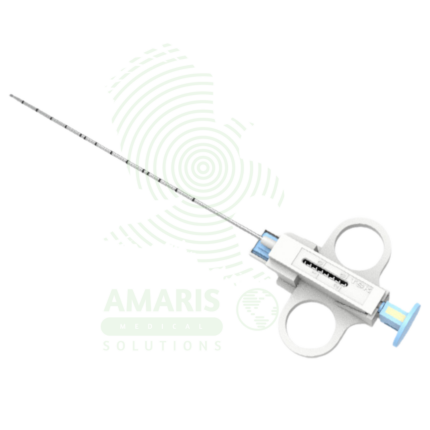
Biopsy Needles
Biopsy Needles are sterile, single-use precision medical devices designed to obtain tissue or cellular specimens from internal organs, masses, and lesions for histopathological or cytological diagnosis. Available in core biopsy (automatic spring-loaded, semi-automatic, vacuum-assisted, coaxial) and fine needle aspiration configurations, with gauges ranging from 14G-27G and lengths from 6-25 cm. Core biopsy needles obtain intact tissue cores preserving histological architecture; FNA needles aspirate cellular material for cytological evaluation. Specialized variants include bone marrow biopsy needles (Jamshidi, Illinois), echogenic-tip needles for ultrasound guidance, and MRI-compatible needles (nitinol, titanium). Critical safety requirements include strict image guidance for non-palpable lesions, verification of coagulation status, adherence to single-use protocols, and immediate post-procedure monitoring for complications (hemorrhage, pneumothorax, organ injury). An indispensable tool in interventional radiology, oncology, and minimally invasive diagnosis.
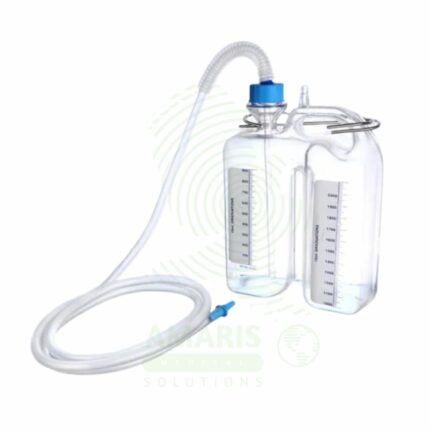
Chest Bottle
A Chest Bottle (Underwater Seal Drainage System) is a three-chamber disposable device used to drain air and fluid from the pleural space via a chest tube. Its critical component is a water seal chamber that acts as a one-way valve, preventing air from re-entering the chest while allowing drainage. It is used to treat pneumothorax, hemothorax, and pleural effusions, and is mandatory post-thoracic surgery. The system must always be kept upright and below the patient's chest level. It provides essential clinical information through tidaling in the water seal (indicating tube patency and lung expansion) and bubbling (indicating an air leak), making it both a therapeutic and diagnostic tool.
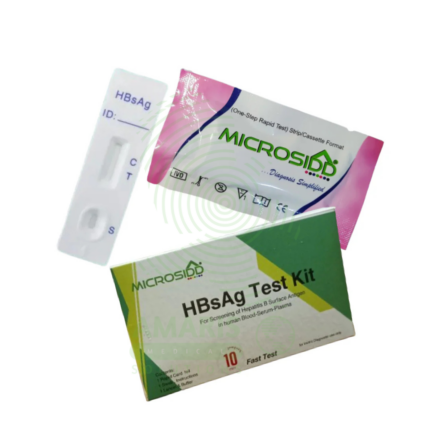
Hepatitis B Test Kit
The Hepatitis B Test Kit is an in vitro diagnostic device for the detection of Hepatitis B virus markers in human blood samples, available in rapid, ELISA, and molecular formats. It detects specific antigens (HBsAg) and antibodies (anti-HBc, anti-HBs) to diagnose acute and chronic infection, monitor treatment response, screen blood donations, and determine immunity status. With high sensitivity (>98%) and specificity (>99%), it provides results in 15 minutes to 4 hours depending on format. Essential applications include prenatal screening to prevent mother-to-child transmission, evaluation of acute hepatitis, pre-immunosuppression screening, and occupational health testing. All patient samples must be handled with universal precautions, and testing must include appropriate quality controls.
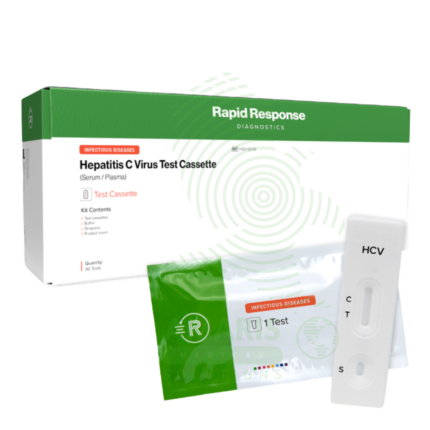
Hepatitis C Test Kit
The Hepatitis C Test Kit is an in vitro diagnostic device for the detection of Hepatitis C virus antibodies or RNA in human blood, serum, or plasma samples. Available in rapid, laboratory immunoassay, and molecular formats, it screens for HCV infection, confirms active infection with RNA testing, and monitors treatment response. With high sensitivity and specificity exceeding 99%, it is essential for identifying infected individuals, linking them to curative direct-acting antiviral therapy, and confirming cure. Essential applications include risk-based screening of high-risk populations, birth cohort screening of baby boomers, evaluation of acute hepatitis, management of occupational exposures, and monitoring of antiviral therapy that can cure over 95% of infections. All patient samples must be handled with universal precautions, and positive antibody results require confirmatory testing.
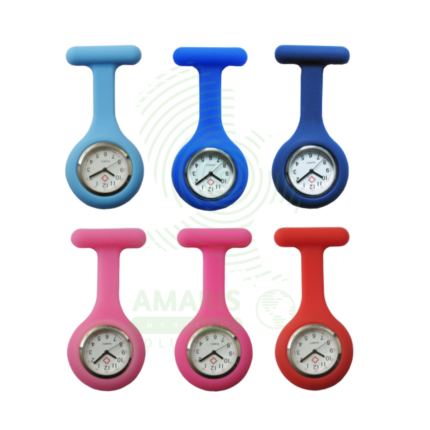
Nurse Watch
A Nurse Watch is a professional-grade analog wristwatch specifically designed for clinical use. Its hallmark is a built-in "pulsometer" scale that allows for rapid, on-the-spot calculation of a patient's heart rate by timing pulses over a short interval. Featuring a high-contrast dial with a clear sweep second hand, durable water-resistant construction, and a cleanable band, it is engineered for accuracy, legibility, and infection control in healthcare settings. It is an indispensable personal tool for nurses, enabling precise measurement of vital signs, timing of medications and procedures, and accurate clinical documentation throughout the shift.
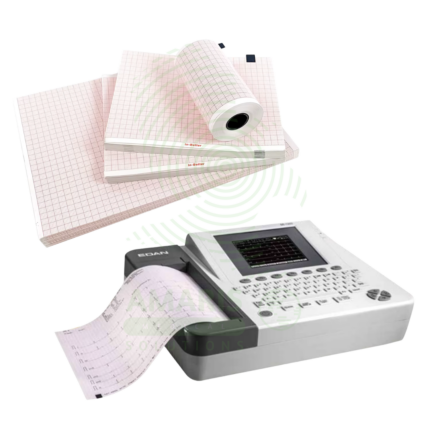
Thermal Printing Paper Roll
Thermal Printing Paper Roll is a heat-sensitive recording medium used with medical monitoring and diagnostic equipment including ECG machines, fetal monitors, ultrasound printers, and telemetry systems. The paper produces high-contrast, permanent images of physiological waveforms and data when passed over the printer's thermal head. Available in various widths, lengths, and grid patterns to match specific device requirements, it is an essential consumable for creating hard copy records for patient charts, consultation, and legal documentation. Proper storage away from light, heat, and moisture is essential to preserve image quality. BPA-free and archival-grade options are available for specific applications.
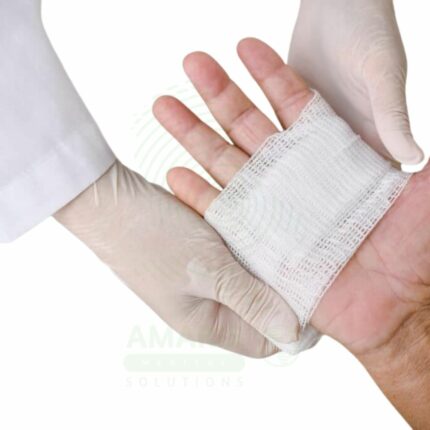
Wound Care Dressings
Wound Care Dressings are sterile or clean medical products applied directly to wounds to protect them, manage exudate, and promote an optimal moist healing environment. They are not a single product but a category encompassing various technologies—including films, hydrocolloids, foams, alginates, hydrogels, and antimicrobial versions—each designed for specific wound conditions (dry, wet, infected, necrotic). Correct selection based on a thorough wound assessment is the most critical factor for effective treatment. They are fundamental consumables used in every healthcare setting for managing acute injuries, surgical incisions, and chronic wounds like pressure injuries and leg ulcers.