Dermatoscope and Magnifiers
 Diagnostic Kits
 Vital Signs Monitors
 Stethoscopes and Accessories
 Otoscopes, Ophthalmoscopes, and Retinoscopes
 Reflex Hammers and Neurological Tools
 Scales and Measuring Devices
 Spirometers and Pulmonary Function Tests
 Electrosurgical Units and Accessories
 Cutting Instruments
 Grasping and Holding Instruments
 Hemostatic Instruments
 Specialized Surgical Sets
 Single-Use Procedure Trays and Packs
 Surgical Drapes, Gowns, and Covers
 Tissue Unifying Instruments
 Radiation Protection
 X-Ray Machines and Accessories
 Ultrasound Systems and Probes
 MRI and CT Scanners
 Radiology Consumables
 Bone Densitometers
 Fluoroscopy Equipment
 Imaging Tables and Positioning Aids
 Microscopes and Accessories
 Centrifuges and Separators
 Analyzers
 Incubators and Ovens
 Pipettes, Dispensers, and Lab Glassware
 Refrigerators, Freezers, and Storage Units
 Lab Consumables
 Sterilizers and Autoclaves for Lab Use
 Multi-Parameter Monitors
 Ventilators and Respiratory Support Devices
 Defibrillators and AEDs
 Infusion Pumps and IV Systems
 Patient Warmers and Cooling Devices
 Central Monitoring Stations
 Accessories
 Anesthesia Machines and Workstations
 Oxygen Concentrators and Delivery Systems
 Nebulizers and Inhalers
 CPAP/BiPAP Machines
 Airway Management
 Anesthesia Masks, Circuits, and Bags
 Humidifiers and Heaters
 Respiratory Therapy Accessories
 First Aid Kits and Cabinets
 Emergency Resuscitation Equipment
 Trauma Supplies
 Emergency Carts and Crash Carts
 Burn Care Products
 Bleeding Control
 Automated External Defibrillators (AEDs)
 Transport and Evacuation
 Wheelchairs and Accessories
 Walkers, Crutches, and Canes
 Prosthetics and Orthotics
 Physical Therapy Equipment
 Transfer Devices
 Bathroom Safety
 Orthopedic Traction and Tables
 Hot/Cold Therapy Packs and Units
 Beds and Mattresses
 Chairs and Stools
 Tables
 Cabinets and Storage
 Privacy Screens & Curtains
 Stands and Racks
 Linens and Textiles
 Lighting
 Autoclaves and Sterilizers
 Ultrasonic Cleaners
 Disinfectant Solutions and Wipes
 Sterilization Pouches, Wraps, and Indicators
 Instrument Trays and Containers
 UV and Ozone Disinfection Devices
 Washer Disinfectors
 Wound Care
 Gloves
 Masks and Respirators
 Catheters and Tubing
 Swabs, Applicators, and Sponges
 Incontinence Products
 Personal Protective Equipment (PPE)
 Dental Chairs and Units
 Handpieces and Burs
 Instruments
 Consumables
 Sterilization for Dental Use
 Orthodontic Supplies
 Endodontic Tools
 Slit Lamps and Tonometers
 Lensometers and Phoropters
 Ophthalmic Surgical Instruments
 Eyewear Frames and Lenses
 Contact Lens Supplies
 Vision Testing Charts and Devices
 Eye Care Consumables
 Laser Systems for Eye Care
 ENT Exam Chairs and Tables
 Endoscopes
 Audiometers and Hearing Tests
 ENT Instruments
 Nasal and Throat Packs
 Hearing Aids and Accessories
 Otology Supplies
 Fetal Dopplers and Monitors
 Delivery Beds and Tables
 Gynecological Instruments
 Neonatal Incubators and Warmers
 Breast Pumps and Accessories
 Contraceptive Devices
 Maternity Supports and Pads
 Neonatal Consumables
 Cystoscopes and Urethroscopes
 Dialysis Machines and Supplies
 Urological Catheters and Bags
 Lithotripters
 Prostate Treatment Devices
 Urinary Incontinence Products
 Kidney Stone Management Tools
 Consumables & Disposables
 EEG and EMG Machines
 Neurosurgical Instruments
 Nerve Stimulators
 Headrests and Positioning Aids
 Lumbar Puncture Kits
 Seizure Monitoring Devices
 Consumables
 Rehabilitation for Neurological Conditions
 ECG Machines and Accessories
 Holter Monitors
 Stress Test Systems
 Pacemakers and Defibrillator Accessories
 Vascular Access Devices
 Cardiac Catheters and Guidewires
 Blood Flow Meters
 Consumables
 Orthopedic Instruments
 Casts, Splints, and Padding
 Joint Replacement Supplies
 Prosthetic Limbs and Components
 Bone Grafts and Substitutes
 Traction Devices
 Orthopedic Braces and Supports
 Rehabilitation Aids for Orthopedics
 Home Oxygen Therapy
 Hospital Beds for Home Use
 Mobility Aids
 Bathroom and Daily Living Aids
 Wound Care for Home
 Monitoring Devices
 Enteral Feeding Pumps and Tubes
 Hand Sanitizers and Dispensers
 Face Shields and Goggles
 Isolation Gowns and Suits
 Biohazard Waste Containers
 Air Purifiers and HEPA Filters
 Surface Disinfectants
 Sharps Containers
 Protective Barriers
 Cardiovascular & Endurance Training
 Strength Training & Weightlifting
 Functional Training & Core Conditioning
 Physical Therapy & Rehabilitation
 Sports & Outdoor Recreation
 Gym Flooring & Facility Equipment
 Fitness Monitoring & Accessories
 Kids & Novelties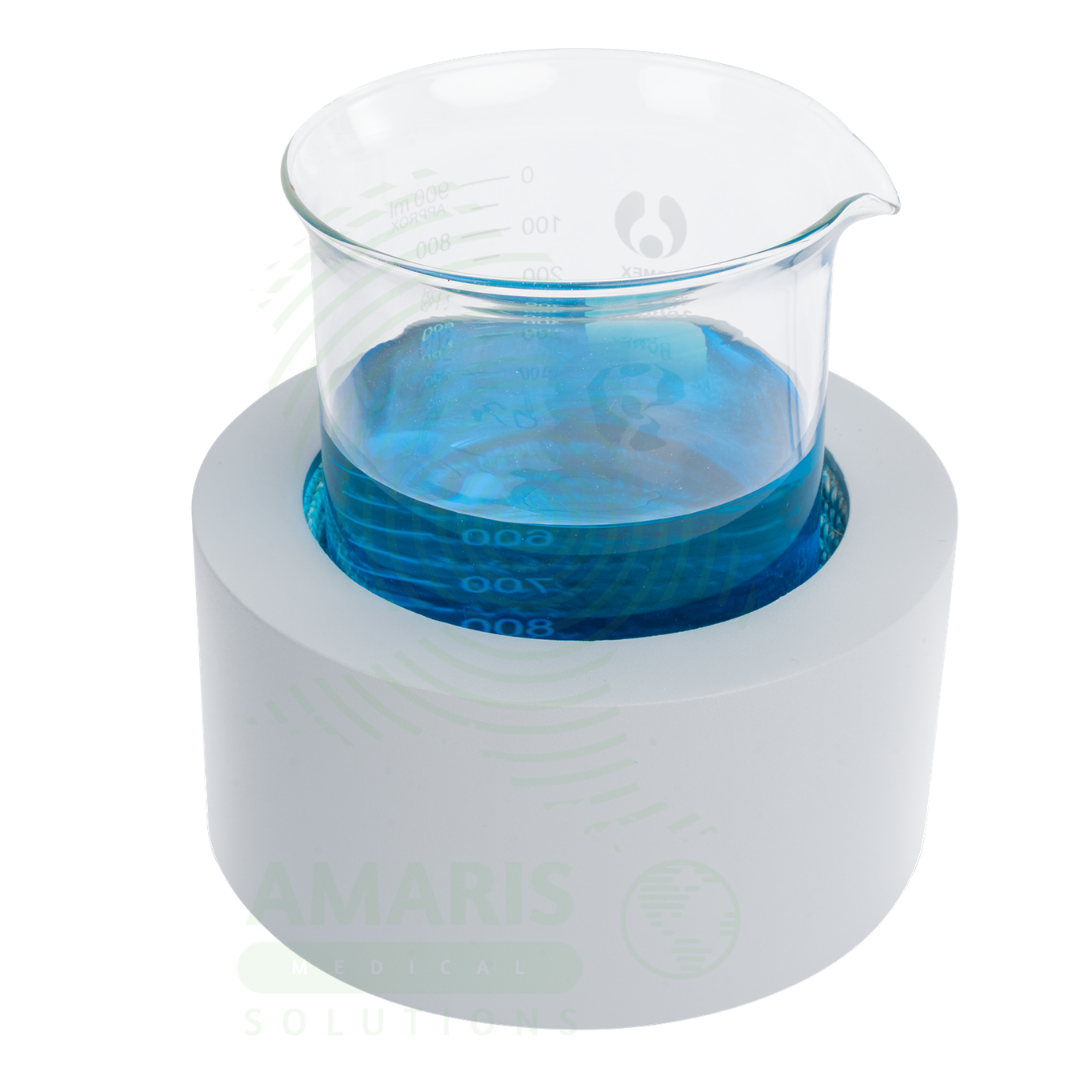

Heating Mantle for 1000mL Beaker (HB1000)
WhatsApp Order
The Heating Mantle for 1000mL Beaker (HB1000) is a dedicated, form‑fitting electric heating mantle engineered for safe, uniform, and efficient heating of 1000 mL beakers in clinical chemistry, pharmaceutical quality control, analytical chemistry, and medical laboratory science education. With a precisely machined inner diameter (118.75 mm) for optimal thermal contact, this heating mantle provides a maximum temperature of 450 °C and a power consumption appropriately scaled for 1000mL capacity, making it ideal for larger‑scale sample digestion, bulk reagent preparation, high‑throughput buffer heating, and educational large‑volume teaching demonstrations.
Every Heating Mantle for 1000mL Beaker (HB1000) features an enclosed heating element embedded within a chemically resistant fiberglass chamber, which provides excellent thermal insulation while protecting the user from burns and the element from chemical spills. The rigid outer metal housing ensures durability for heavy clinical diagnostic laboratory demands, and the bottom‑entry port allows connection of an optional temperature probe for precise temperature monitoring. The unit is typically sold with an external analog or digital controller for adjustable heating intensity.
Key user‑focused features include uniform heat distribution across the beaker wall, which prevents localized overheating and ensures reproducible results; fiberglass insulation that keeps the external housing at a safe temperature; chemical spill resistance that absorbs small spills without short‑circuiting; and a form‑fitting design that securely holds the beaker in place. The larger 1000 mL beaker format allows for unobstructed observation of boiling, dissolution, and crystallization phenomena directly through the glassware while supporting higher throughput or larger batch sizes.
For the clinical chemistry technologist, toxicology analyst, pharmaceutical quality control scientist, and teaching laboratory instructor, the Heating Mantle for 1000mL Beaker (HB1000) delivers the safe, uniform, and efficient heating required for larger‑volume sample digestion for trace element analysis (blood lead, urine cadmium), bulk buffer and reagent preparation, large‑scale dissolution testing simulation, and teaching fundamental heating techniques at a teaching laboratory scale. For the patient, reliable and reproducible heating ensures that diagnostic test results for heavy metal poisoning, metabolic disorders, and pharmaceutical products are accurate and consistent, directly supporting effective clinical decision‑making and patient safety.
Description
Heating Mantle for 1000mL Beaker (HB1000)
PRIMARY CLINICAL & DIAGNOSTIC USES
1. Precision Heating for 1000mL Large‑Volume Clinical Chemistry Workflows
Primary Use: Provides a dedicated electric heating mantle specifically designed for 1000mL beakers, featuring a precisely machined inner diameter to ensure optimal thermal contact, used for the controlled heating of large volumes of reagents, buffers, diagnostic samples, and standard solutions in clinical chemistry and pharmaceutical quality control laboratories, with a maximum operating temperature of 450 °C for maximum heating requirements and a maximum power consumption appropriately scaled for 1000mL capacity.
How it helps: For the clinical chemistry technologist, the HB1000‘s form‑fitting design ensures uniform heat distribution across the beaker wall, preventing localized overheating that can degrade reagents or introduce variability in test conditions. The heating element is fully enclosed within an insulating fiberglass chamber, which protects the user from accidental burns and makes the device resistant to accidental liquid spills. The 1000mL beaker format is uniquely useful for processing high-volume, batch‑oriented workflows in a single run — such as preparing large‑volume extraction buffers, dissolving hard‑to‑solubilize powders, or heating mobile phases for preparative‑scale chromatography. For the patient, controlled and reproducible heating of larger biological specimens ensures reliable results for diagnostic tests requiring precise thermal pre‑treatment steps, providing consistent sample processing for each patient in large batch runs in a clinical diagnostic lab.
2. Large‑Volume Digestion of Biological Samples for Trace Element Analysis
Primary Use: Used for the controlled heating and digestion of larger volumes of biological samples, such as serum, plasma, urine, and bulk tissue homogenates (up to 1000 mL), prior to spectrophotometric or enzymatic analyses in clinical chemistry and toxicology workflows.
How it helps: For the trace element analysis technologist, the HB1000 provides stable and uniform heating, ensuring consistent digestion of organic matrices in strong acids without the risk of hot spots that can lead to incomplete digestion or sudden exothermic reactions. The durable construction withstands repeated use and exposure to chemical spills in fume‑hood environments. The larger 1000mL capacity optimally supports high patient sample throughput or pooling of specimens for lower detection limit analyses, such as environmental exposure or clinical toxicology studies. For the patient, accurate digestion of larger volume samples is critical for measuring blood lead, urine cadmium, or other heavy metals for occupational or environmental exposure monitoring, enabling precise diagnosis and regulatory‑level health protection.
3. Bulk Solvent Heating and Reagent Preparation for Pharmaceutical QC
Primary Use: Aids in the rapid and uniform heating of large volumes of organic solvents and reagents commonly used in pharmaceutical and chemical quality control workflows, including large‑batch buffer preparation, quality control dissolution testing of solid dosage forms, and the heating of large Newtonian and non‑Newtonian chemical samples in a 1000 mL beaker.
How it helps: For the pharmaceutical quality control analyst, the enclosed heating element and fiberglass casing greatly reduce the risk of sparking in volatile environments. The design does not require a stirring mechanism, making it ideal for heating thick pastes, gelatinous samples, or high‑viscosity solutions that would stall a magnetic stir bar. The 1000mL capacity supports semi‑preparative scale work, such as preparing large volumes of quality control mobile phases for preparative HPLC or dissolving bulk excipients for raw material testing. Known for delivering uniform thermal spread across the flask or beaker wall, it is considered a reliable and safe laboratory heating tool. For the patient, robust bulk sample processing supported by consistent, uniform heating ensures the safety of pharmaceutical medicines and regulatory compliance.
4. Heating in Educational and Teaching Laboratories for Large‑Scale Demonstrations
Primary Use: Serves as a safe, reliable, and intuitive tool for teaching the principles of solution preparation, chemical reaction thermodynamics, and distillation to medical and clinical laboratory science students, with the ability to heat up to 1000 mL of liquid in a standard beaker.
How it helps: For the instructor, the HB1000’s simple plug‑and‑play operation, built‑in insulation, and resistance to spills make it ideal for high‑use teaching environments. The 1000mL beaker shape allows students to easily observe boiling, dissolution, and crystallization phenomena directly through the transparent glassware, while the larger volume makes demonstrations visible to a classroom. For the patient, the training of capable future medical laboratory personnel with safe, reliable equipment is the cornerstone of future innovation in diagnostic accuracy and safe clinical practice.
SECONDARY & SUPPORTIVE USES
1. Boiling point determination for analytical chemistry: Securely heats up to 1000 mL of sample to a boil or to a specific below‑boiling temperature point in a beaker to accurately determine boiling points of Newtonian and non‑Newtonian fluids while providing an unobstructed view of the fluid.
2. Dissolution testing simulation for drug development: Acts as an affordable alternative heating source to simulate dissolution test conditions for solid oral dosage forms (tablets, capsules) placed inside a 1000 mL beaker containing heated buffer solutions, useful for preliminary formulation screening of larger batch sizes.
3. Protein denaturation and enzyme inactivation in biochemistry: Heats protein solutions to temperatures above 70 °C directly in a 1000 mL beaker to completely denature enzymes and coagulate proteins, stopping enzymatic reactions before downstream analysis of larger sample volumes, enabling higher‑throughput pre‑analytic processing.
4. Heat‑based sample preservation and concentration: Gently heats larger volumes of biological specimens to remove excess water or other volatile solvents without causing thermal shock or destroying the underlying analyte, used in sample preservation and concentration workflows for low‑abundance analytes, maximizing sensitivity for clinical diagnostic testing.
5. Reagent and buffer pre‑warming for cell culture and clinical assays: Pre‑warms large volumes (up to 1000 mL) of phosphate‑buffered saline, cell culture media, or wash buffers to physiological temperatures (37 °C) or higher temperatures, accelerating dissolution of reagents for high-throughput, batch‑to‑batch consistent clinical workflows.
6. Extraction and leaching studies in environmental and food analysis: Heats solid and semi‑solid environmental samples, food homogenates, or plant material in aqueous or organic solvents inside a 1000 mL beaker to accelerate the leaching of metal ions, organic pollutants, or nutritional components from the solid matrix before analysis, with larger capacity allowing for representative bulk sampling.
7. Thermal stability assessment of polymers and materials: Heats larger material or polymer samples in a 1000 mL beaker to assess thermal stability, melting points, or heat‑induced property changes, with uniform heating and clear observation of the sample for new material quality control testing.
8. General and educational laboratory heating: Serves as a versatile, user‑friendly heating tool for demonstrating the principles of solution preparation, chemical reaction kinetics, and the effect of heat on chemical systems in medical technology and university clinical chemistry courses, with safe fiberglass insulation and intuitive operation for larger scale experiments and multi‑student teaching demonstrations.
KEY PRODUCT FEATURES
1. BASIC IDENTIFICATION ATTRIBUTES
-
Device Type: A dedicated electric heating mantle designed specifically for 1000 mL beakers.
-
Designation: HB1000 Heating Mantle for 1000mL Beaker, DLAB HB1000, Product No. 18900834.
-
Key Components:
-
Rigid outer metal housing (steel sheet or aluminum)
-
Inner insulating fiberglass heating chamber with heating element embedded inside
-
Precise inner diameter (118.75 mm) machined for a snug fit around standard 1000 mL beakers
-
Built‑in heating element (nichrome wire) completely sealed for protection
-
Two‑wire power cord with an in‑line analog controller (on many models) to adjust heating intensity
-
Bottom‑entry thermocouple or thermistor port for connecting an optional temperature probe
-
Orange warning label indicating hot surface.
-
2. TECHNICAL & PERFORMANCE PROPERTIES
-
Capacity: 1000 mL beakers or similarly sized Berzelius beakers
-
Inner diameter: 118.75 mm (pre‑machined for a tight but gap‑free fit around a standard 1000 mL beaker)
-
Maximum heating temperature: Approximately 350–450 °C (dependent on the controller and model)
-
Power consumption: Estimated 400–550 W at maximum heating (scaled appropriately for 1000mL capacity, using comparable instrument guidance)
-
Rated voltage: 100/110 V or 220/230 V AC, 50/60 Hz (depending on model)
-
Heating element: Embedded inside the fiberglass chamber with no exposed metal, reducing risk of arcing or electrochemical contamination
-
Temperature probe support: Dedicated bottom‑entry port for inserting a thermocouple or thermistor (sensor sold separately)
-
Controller type: Separate analog (continuously variable) controller or digital controller to adjust energy delivered to the heating element
-
Housing material: Painted or powder‑coated steel sheet for durability, or polished aluminum in high‑temperature industrial‑grade mantles
-
Thermal insulation: Fiberglass layer holds the heating element, mechanically supports the beaker, and provides excellent thermal insulation
-
Product code: 18900834
3. PHYSICAL & OPERATIONAL PROPERTIES
-
Construction: Durable steel or aluminum housing designed to withstand decades of use in clinical, educational, or quality control laboratories
-
Form factor: Single‑vessel, kettle‑style shape (cylindrical) with slightly flared top for easy beaker insertion and removal
-
Operation: Simple plug‑and‑play operation with external controller: manual analog adjustment knob or digital push‑button controls
-
Safety shroud: Fiberglass chamber fully encloses the heating element and the beaker, preventing fingertip access, containing minor glass shatter events, and preventing damage from small chemical spills
-
Placement: Designed to sit directly on a laboratory benchtop or fireproof mat; base remains cool to touch if properly ventilated
-
Portability: Compact benchtop heater (approx. 230 mm diameter, 200 mm height) weighing between 2.4–3.0 kg
-
Maintenance: Virtually maintenance‑free; if fiberglass chamber becomes contaminated, the whole unit may need replacement
-
Compliance: CE marked; complies with UKCA, IEC/EN 61010‑1, and other applicable laboratory safety standards.
4. SAFETY & COMPLIANCE ATTRIBUTES
-
Regulatory Status: General laboratory equipment for in vitro diagnostic (IVD) use; complies with CE, UKCA, IEC/EN 61010‑1 safety standards.
-
Burn Hazard Prevention: Thick outer layer of fiberglass insulation keeps external housing temperature at a safe level for a 450 °C‑rated heater.
-
Electrical Safety: Heating element completely embedded inside fiberglass chamber with no exposed metal inside heating cavity; design resists arcing and electrochemical contamination.
-
Chemical Spill Resistance: Fiberglass heating chamber is chemically resistant and will absorb small chemical spills without short‑circuiting the heating element or catching fire.
-
Sample Containment: The heating mantle itself is the vessel holder; it contains the sample vessel and safely contains the beaker in event of glass crack or chemical spill.
-
Over‑Temperature Protection: Not built into simplest version, but user‑settable safety temperature cutoff can be applied via external controller or plug‑in thermal cutoff device.
-
Thermal Efficiency: 360° fiberglass wrap provides far more efficient heating than an exposed hot plate, greatly reducing total wattage needed to bring 1000 mL of liquid to a boil.
5. STORAGE & HANDLING ATTRIBUTES
-
Storage: Store in a clean, dry, dust‑free environment at room temperature when not in use. Do not leave any glassware inside the heating mantle during storage.
-
Cleaning: Unplug the unit and allow it to cool completely before cleaning. Wipe the metal housing with a soft, slightly damp cloth using mild detergent. If the inner fiberglass chamber becomes contaminated, do not attempt to clean it; the whole unit may need replacement.
-
Pre‑use inspection: Before each use, inspect the power cord, plug, and fiberglass chamber for any damage or contamination.
-
Installation: Place the Heating Mantle for 1000mL Beaker (HB1000) on a stable, level, non‑flammable benchtop away from flammable materials. Allow at least 10 cm clearance on all sides for heat dissipation. Do not use near water baths or sinks.
-
Beaker selection: Use only standard 1000 mL beakers (borosilicate glass such as Pyrex or Kimax) designed to withstand the operating temperature. Ensure the beaker is dry and free of cracks before inserting into the heating mantle.
-
Operation with controller: Connect the HB1000 to the external controller, then plug the controller into a grounded outlet. Turn on the power and gradually increase the heating intensity to the desired level using the analog knob or digital controls. Allow the beaker to heat slowly to prevent thermal shock.
-
Temperature monitoring: Insert an optional thermocouple or thermistor probe through the bottom port for precise temperature monitoring. Do not allow the probe to touch the glass directly; suspend it in the liquid or place it between the beaker wall and the fiberglass.
-
Cooling down: After use, turn off the power and allow the heating mantle to cool completely with the beaker still inside (or remove the beaker carefully using heat‑resistant gloves). Cooling time may take 30–60 minutes depending on operating temperature.
-
Periodic verification: Verify temperature performance periodically using a calibrated external thermometer. If the beaker no longer fits snugly or if heating is uneven, replace the unit.
6. LABORATORY & CLINICAL APPLICATIONS
-
Primary Application: Controlled heating of larger volumes of reagents, buffers, and biological samples in clinical chemistry, pharmaceutical quality control, analytical chemistry, and educational laboratories, where uniform, safe, and efficient heating of 1000 mL beaker volumes is required.
-
Clinical Role: An essential instrument for clinical chemistry laboratories, toxicology labs, pharmaceutical quality control facilities, environmental testing stations, and educational institutions. Critical for sample digestion for trace element analysis (blood lead, urine cadmium) of larger patient batches, bulk reagent preparation, bulk solvent dissolution testing, and teaching fundamental heating techniques at a larger scale.
SAFETY HANDLING PRECAUTIONS
1. SAFETY PRECAUTIONS
-
Burn Hazard: The heating mantle can reach 450 °C and remains hot for an extended period after power is turned off. Do not touch the fiberglass chamber or metal housing during or immediately after use. Use heat‑resistant gloves when inserting or removing beakers. Allow the unit to cool completely before cleaning or storing.
-
Fire Hazard: Do not operate the heating mantle near flammable materials, volatile solvents, combustible gases, or paper products. Keep the work area clear of flammable substances. Do not leave the instrument unattended while operating at high temperatures.
-
Electrical Safety: Do not operate with wet hands. Disconnect the power cord before cleaning or servicing. Use only the supplied grounded power cord and ensure proper grounding. Do not operate if the power cord is damaged.
-
Chemical Compatibility: The fiberglass chamber is chemically resistant but may degrade over time with repeated exposure to strong acids or bases. Use appropriate spill containment. Refer to Safety Data Sheets (SDS) for specific chemicals.
-
Beaker Selection: Use only standard 1000 mL borosilicate glass beakers rated for the operating temperature. Do not use cracked or damaged beakers. Ensure the beaker is properly seated inside the heating mantle before turning on the power.
-
Thermal Shock: Do not place a cold beaker directly into a pre‑heated heating mantle, as thermal shock may cause the glass to crack or shatter. Allow the beaker and heating mantle to heat up together gradually.
-
Vessel Removal: Always turn off the power and allow the heating mantle to cool before removing the beaker. If immediate removal is necessary, use heat‑resistant gloves and beaker tongs. Never touch the beaker with bare hands.
-
Training Requirement: Only trained laboratory personnel with appropriate technical background should operate the HB1000 Heating Mantle for clinical diagnostic or research applications. Users should read and understand the operator's manual before first use.
2. FIRST AID MEASURES
-
Burn from Hot Surface: If skin contacts the hot beaker, fiberglass chamber, or metal housing, immediately cool the burn area with cool (not cold) running water for at least 15 minutes. Do not apply ice directly. Cover the burn with a sterile, non‑adhesive dressing. Seek medical attention for large area burns, deep burns, or burns causing blistering.
-
Fire: If a fire occurs on or near the heating mantle, immediately turn off the power if safe to do so. Use a class ABC dry chemical fire extinguisher or carbon dioxide (CO₂) extinguisher. Do not use water on electrical fires. Evacuate the area if the fire cannot be immediately controlled.
-
Chemical Splash to Eyes: If a heated chemical sample splashes into the eyes, immediately flush eyes with copious amounts of cool water or sterile saline for at least 15 minutes. Seek immediate medical attention.
-
Chemical Splash to Skin: Remove contaminated clothing immediately. Flush the affected skin area with cool running water for at least 15 minutes. Seek medical evaluation for chemical burns. Refer to the Safety Data Sheet (SDS) for the specific chemical involved.
-
Inhalation of Fumes: If fumes from heated chemicals are inhaled, move the affected person to fresh air immediately. Seek immediate medical attention if breathing is difficult.
-
Electrical Shock: Disconnect power at the circuit breaker before attempting to assist the victim. Do not touch the victim until power is disconnected. Call emergency medical services immediately.
3. FIRE FIGHTING MEASURES
-
Flammability: The fiberglass chamber is non‑flammable, but the outer metal housing, power cord, and internal wiring are combustible. The primary fire hazard is the flammable chemicals being heated.
-
Extinguishing Media: Use carbon dioxide (CO₂), dry chemical (ABC class), or alcohol‑resistant foam extinguishers for fires involving electrical components or nearby flammable materials. Do not use water on electrical fires.
-
Fire Response: Immediately disconnect power to the instrument if safe to do so. Evacuate the immediate area. Use an appropriate fire extinguisher for small, contained fires. For larger fires, evacuate the laboratory and call emergency services.
-
Special Protective Equipment for Firefighters: Firefighters should wear self‑contained breathing apparatus (SCBA) and full structural firefighting gear when fighting fires in laboratory settings, as combustion products may include toxic fumes from burning plastics and chemicals.
Related products
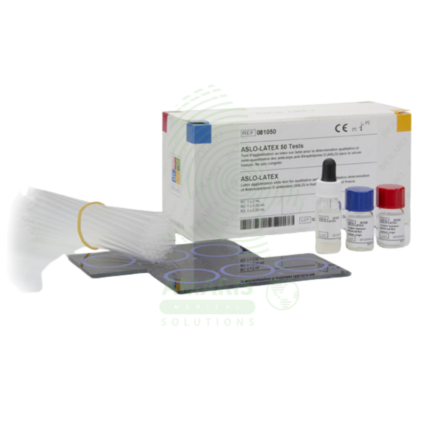
Anti-Streptol Olysin O Titer (ASOT)
Anti-Streptol Olysin O Titer (ASOT) is a quantitative or semi-quantitative serological test (latex agglutination, turbidimetry, nephelometry, or ELISA) for detecting antibodies against streptolysin O, an exotoxin produced by Group A Streptococcus. Elevated or rising titers indicate recent streptococcal infection and are essential for diagnosing post-streptococcal sequelae including acute rheumatic fever (Jones criteria) and post-streptococcal glomerulonephritis. The test requires serum samples; acute and convalescent (2-4 weeks apart) with fourfold rise confirms recent infection. Reference range typically <200-250 Todd units/mL (adults), varies by age and population. Primary clinical applications include diagnosis of Group A streptococcal infections, acute rheumatic fever evaluation, post-streptococcal glomerulonephritis diagnosis, differentiation of acute vs. past infection, evaluation of unexplained arthritis or carditis, pediatric inflammatory conditions (PANDAS), and monitoring disease activity in rheumatic fever. Critical safety precautions include proper timing of acute and convalescent samples, awareness of false negatives/positives, clinical correlation for diagnosis, and standard biohazard precautions. Essential test for rheumatology, nephrology, cardiology, and infectious disease practice.
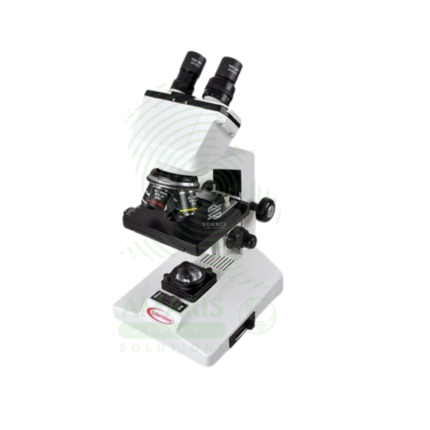
Binocular Microscope
A Binocular Microscope is a high-precision, compound optical instrument fundamental to clinical diagnostics. Featuring dual eyepieces for comfortable viewing and a suite of parfocal objective lenses (4x, 10x, 40x, 100x oil), it provides magnifications from 40x to 1000x. Its integrated LED illumination, mechanical stage, and Abbe condenser enable the detailed examination of stained blood films, tissue sections, microbiological specimens, and cytological preparations. As the primary tool for pathologists and laboratory scientists, it is indispensable for definitive diagnoses in hematology, histopathology, microbiology, and urinalysis, demanding skilled operation and meticulous maintenance for optimal performance.
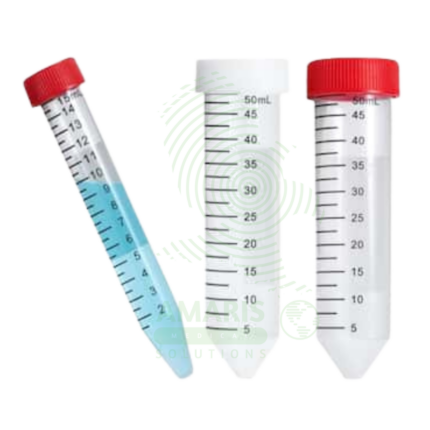
Centrifuge Tubes
Centrifuge Tubes are specialized disposable containers (polypropylene) designed to withstand high centrifugal forces (up to 30,000 x g) for separating biological fluids based on density. Available in microcentrifuge sizes (0.2-2.0 mL), conical tubes (15 mL, 50 mL), and larger volumes (100-500 mL). Features include leak-proof screw caps with O-rings (conical tubes), snap caps (microcentrifuge tubes), graduated volume markings, writing areas, and sterile/non-sterile options. Certified RNase/DNase-free, pyrogen-free, and autoclavable. Primary clinical applications include blood component separation (serum/plasma), urine sediment preparation, microbiology sample concentration, molecular biology (DNA/RNA extraction), cell culture processing, protein/enzyme analysis, and viral load testing. Critical safety precautions include never exceeding maximum RCF rating, proper balancing by weight, secure cap tightening, inspection for cracks, and disposal as biohazardous waste. Essential consumable in every clinical, research, and industrial laboratory.
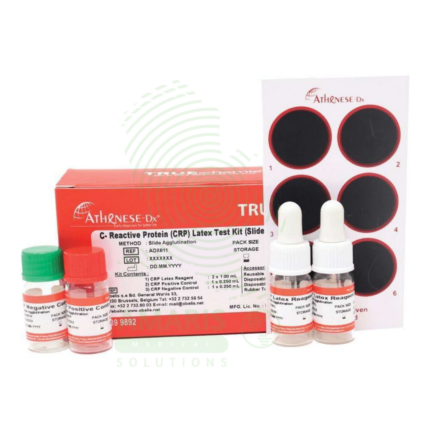
CRP Test Kit
CRP Test Kit (C-Reactive Protein) is a quantitative or semi-quantitative immunoassay (latex agglutination, turbidimetry, nephelometry, ELISA, or rapid immunochromatographic) for detecting C-reactive protein in blood, an acute-phase reactant produced in response to inflammation. Rapid rise within 6-12 hours, peaks at 24-48 hours, half-life 19 hours. Normal <5-10 mg/L; mild elevation 10-100 mg/L (viral infections, autoimmune flares); moderate 100-200 mg/L (bacterial infections); marked >200 mg/L (sepsis, major trauma). High-sensitivity CRP (hs-CRP) detects 0.1-10 mg/L for cardiovascular risk stratification (<1 mg/L low risk, 1-3 mg/L moderate, >3 mg/L high). Primary clinical applications include detection and monitoring of inflammation, diagnosis and management of infections (differentiating bacterial from viral), assessment of autoimmune disease activity, post-surgical monitoring for complications, cardiovascular risk screening (hs-CRP), monitoring rheumatic fever and inflammatory conditions, and neonatal sepsis evaluation. Critical safety precautions include proper sample handling (universal precautions), quality control verification, awareness of non-specific elevation, prozone phenomenon in very high concentrations, and clinical correlation for interpretation. Essential test for evaluating inflammation across all medical specialties.
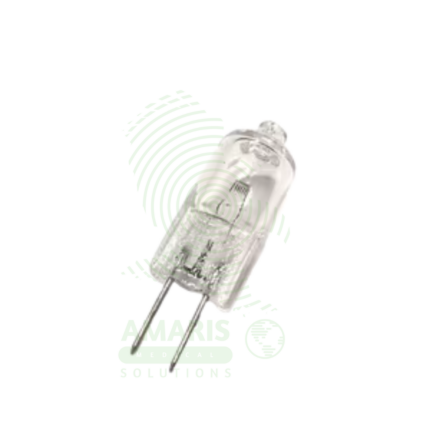
Microscope Bulb
A Microscope Bulb is a specialized halogen or LED lamp that serves as the essential illumination source for clinical and laboratory microscopes. Providing the bright, stable, and color-corrected light required for diagnostic visualization of specimens, it is a critical consumable component. Its technical specifications—voltage, wattage, base type, and filament alignment—must precisely match the microscope model. Proper handling (using gloves to avoid oil contamination) and adherence to safety protocols (allowing cooling, disconnecting power) are crucial for safe replacement and optimal bulb lifespan. Maintaining spares is vital to prevent operational downtime in diagnostic laboratories.
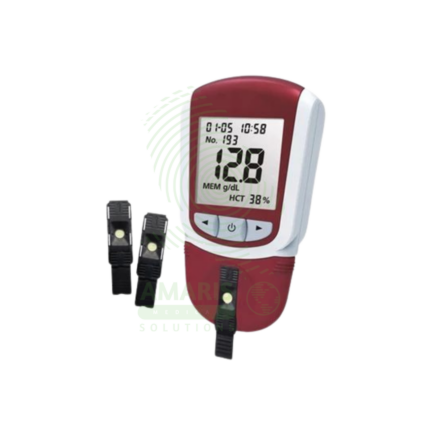
Mission Plus HB Machine
The Mission Plus HB Machine is a portable, battery-operated hemoglobin meter (Class II medical device, FDA-cleared/CE-marked) using photometric technology to measure hemoglobin concentration in capillary or venous blood within 5-15 seconds. Features include backlit LCD display, memory storage for 100-500 results, simple one-button operation, and disposable single-use cuvettes (5-20 µL sample volume). Accuracy ±0.3 g/dL compared to reference methods, measurement range 4-24 g/dL. Primary clinical applications include rapid anemia screening in outpatient clinics, preoperative assessment, antenatal care and maternal health monitoring, malaria-endemic region screening, chronic disease management (CKD, IBD, cancer), nutritional assessment and intervention programs, and blood donor screening. Critical safety precautions include single-use lancets, proper hand hygiene, correct sample application, quality control with control solutions, proper cuvette storage (protect from heat, light, humidity), and never using expired cuvettes. Essential point-of-care device for hemoglobin testing in diverse healthcare settings.
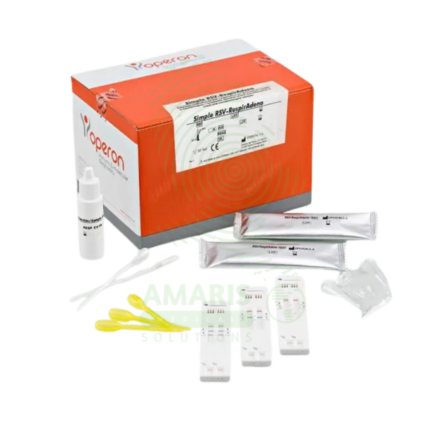
Rota virus
Rota virus rapid tests are immunochromatographic assays (CE-marked, FDA-cleared for some brands) for qualitative detection of rotavirus group A antigens in stool specimens, providing results in 10-20 minutes. The test principle uses monoclonal or polyclonal antibodies against rotavirus antigens (typically VP6 protein) immobilized on membranes, capturing antigens that form a visible line. Sensitivity 90-98%, specificity 95-99% compared to ELISA or PCR. The kit includes individually foil-wrapped test devices, sample diluent, and collection applicators. Primary clinical applications include rapid diagnosis of acute gastroenteritis in children (rotavirus is the leading cause of severe diarrhea in under-5 children), outbreak investigation in daycare centers and schools, hospital infection control and isolation precautions, differential diagnosis of acute diarrhea (viral vs. bacterial vs. parasitic), vaccine effectiveness monitoring and surveillance, assessment of dehydration risk, and evaluation of immunocompromised patients. Critical safety precautions include proper specimen collection (clean container, avoid contamination), biological hazard precautions (all stool potentially infectious), quality control verification, and awareness that a negative test does not rule out other causes of gastroenteritis. Essential tool for pediatric gastroenteritis management, infection control, and public health surveillance.