Dermatoscope and Magnifiers
 Diagnostic Kits
 Vital Signs Monitors
 Stethoscopes and Accessories
 Otoscopes, Ophthalmoscopes, and Retinoscopes
 Reflex Hammers and Neurological Tools
 Scales and Measuring Devices
 Spirometers and Pulmonary Function Tests
 Electrosurgical Units and Accessories
 Cutting Instruments
 Grasping and Holding Instruments
 Hemostatic Instruments
 Specialized Surgical Sets
 Single-Use Procedure Trays and Packs
 Surgical Drapes, Gowns, and Covers
 Tissue Unifying Instruments
 Radiation Protection
 X-Ray Machines and Accessories
 Ultrasound Systems and Probes
 MRI and CT Scanners
 Radiology Consumables
 Bone Densitometers
 Fluoroscopy Equipment
 Imaging Tables and Positioning Aids
 Microscopes and Accessories
 Centrifuges and Separators
 Analyzers
 Incubators and Ovens
 Pipettes, Dispensers, and Lab Glassware
 Refrigerators, Freezers, and Storage Units
 Lab Consumables
 Sterilizers and Autoclaves for Lab Use
 Multi-Parameter Monitors
 Ventilators and Respiratory Support Devices
 Defibrillators and AEDs
 Infusion Pumps and IV Systems
 Patient Warmers and Cooling Devices
 Central Monitoring Stations
 Accessories
 Anesthesia Machines and Workstations
 Oxygen Concentrators and Delivery Systems
 Nebulizers and Inhalers
 CPAP/BiPAP Machines
 Airway Management
 Anesthesia Masks, Circuits, and Bags
 Humidifiers and Heaters
 Respiratory Therapy Accessories
 First Aid Kits and Cabinets
 Emergency Resuscitation Equipment
 Trauma Supplies
 Emergency Carts and Crash Carts
 Burn Care Products
 Bleeding Control
 Automated External Defibrillators (AEDs)
 Transport and Evacuation
 Wheelchairs and Accessories
 Walkers, Crutches, and Canes
 Prosthetics and Orthotics
 Physical Therapy Equipment
 Transfer Devices
 Bathroom Safety
 Orthopedic Traction and Tables
 Hot/Cold Therapy Packs and Units
 Beds and Mattresses
 Chairs and Stools
 Tables
 Cabinets and Storage
 Privacy Screens & Curtains
 Stands and Racks
 Linens and Textiles
 Lighting
 Autoclaves and Sterilizers
 Ultrasonic Cleaners
 Disinfectant Solutions and Wipes
 Sterilization Pouches, Wraps, and Indicators
 Instrument Trays and Containers
 UV and Ozone Disinfection Devices
 Washer Disinfectors
 Wound Care
 Gloves
 Masks and Respirators
 Catheters and Tubing
 Swabs, Applicators, and Sponges
 Incontinence Products
 Personal Protective Equipment (PPE)
 Dental Chairs and Units
 Handpieces and Burs
 Instruments
 Consumables
 Sterilization for Dental Use
 Orthodontic Supplies
 Endodontic Tools
 Slit Lamps and Tonometers
 Lensometers and Phoropters
 Ophthalmic Surgical Instruments
 Eyewear Frames and Lenses
 Contact Lens Supplies
 Vision Testing Charts and Devices
 Eye Care Consumables
 Laser Systems for Eye Care
 ENT Exam Chairs and Tables
 Endoscopes
 Audiometers and Hearing Tests
 ENT Instruments
 Nasal and Throat Packs
 Hearing Aids and Accessories
 Otology Supplies
 Fetal Dopplers and Monitors
 Delivery Beds and Tables
 Gynecological Instruments
 Neonatal Incubators and Warmers
 Breast Pumps and Accessories
 Contraceptive Devices
 Maternity Supports and Pads
 Neonatal Consumables
 Cystoscopes and Urethroscopes
 Dialysis Machines and Supplies
 Urological Catheters and Bags
 Lithotripters
 Prostate Treatment Devices
 Urinary Incontinence Products
 Kidney Stone Management Tools
 Consumables & Disposables
 EEG and EMG Machines
 Neurosurgical Instruments
 Nerve Stimulators
 Headrests and Positioning Aids
 Lumbar Puncture Kits
 Seizure Monitoring Devices
 Consumables
 Rehabilitation for Neurological Conditions
 ECG Machines and Accessories
 Holter Monitors
 Stress Test Systems
 Pacemakers and Defibrillator Accessories
 Vascular Access Devices
 Cardiac Catheters and Guidewires
 Blood Flow Meters
 Consumables
 Orthopedic Instruments
 Casts, Splints, and Padding
 Joint Replacement Supplies
 Prosthetic Limbs and Components
 Bone Grafts and Substitutes
 Traction Devices
 Orthopedic Braces and Supports
 Rehabilitation Aids for Orthopedics
 Home Oxygen Therapy
 Hospital Beds for Home Use
 Mobility Aids
 Bathroom and Daily Living Aids
 Wound Care for Home
 Monitoring Devices
 Enteral Feeding Pumps and Tubes
 Hand Sanitizers and Dispensers
 Face Shields and Goggles
 Isolation Gowns and Suits
 Biohazard Waste Containers
 Air Purifiers and HEPA Filters
 Surface Disinfectants
 Sharps Containers
 Protective Barriers
 Cardiovascular & Endurance Training
 Strength Training & Weightlifting
 Functional Training & Core Conditioning
 Physical Therapy & Rehabilitation
 Sports & Outdoor Recreation
 Gym Flooring & Facility Equipment
 Fitness Monitoring & Accessories
 Kids & Novelties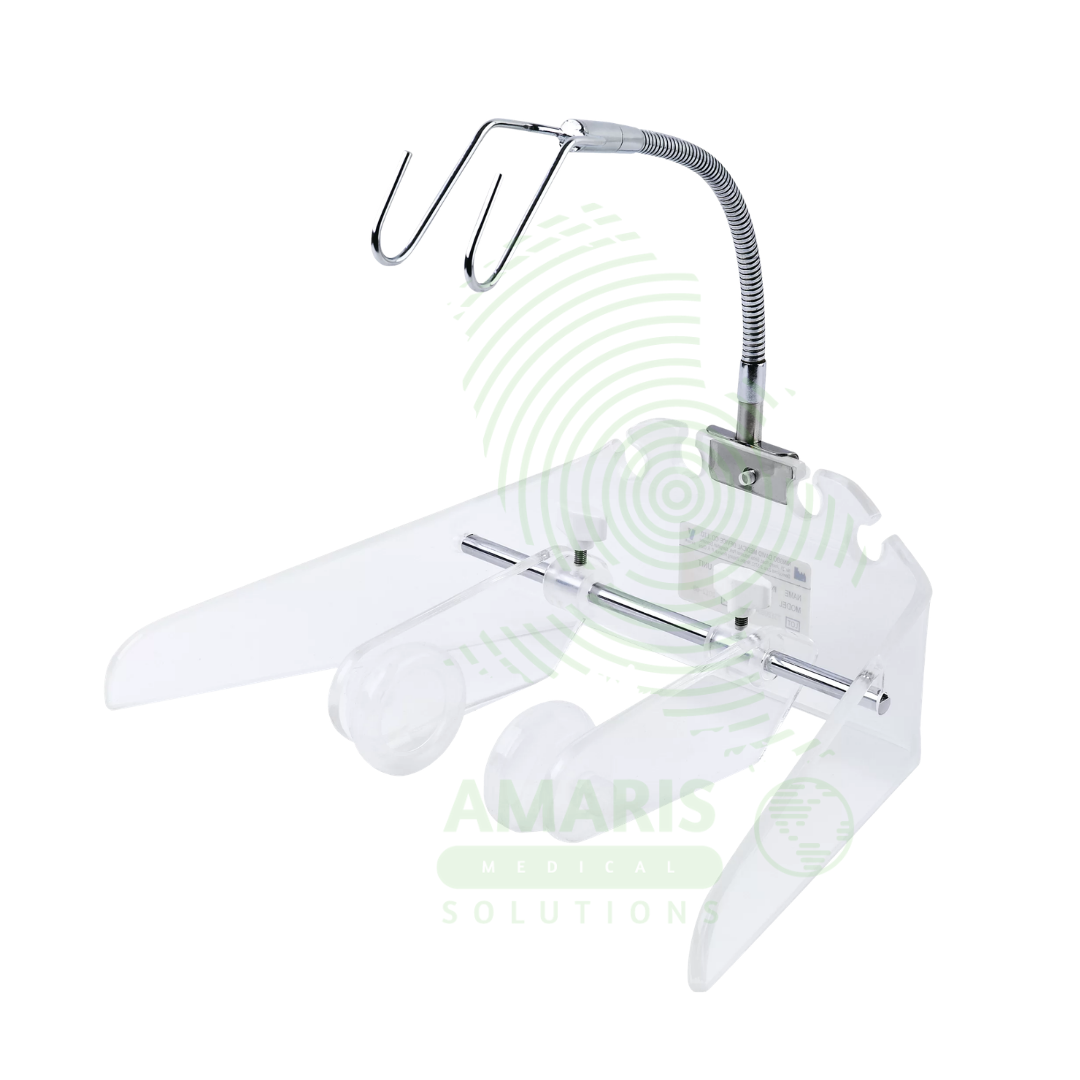
Infant Head Fixing Unit
WhatsApp Order
An Infant Head Fixing Unit is a Class I medical positioning device designed to safely stabilize and maintain proper head and neck alignment in neonates and infants during medical procedures, respiratory support, imaging studies, and ongoing care in NICUs, delivery rooms, and transport settings. Constructed with medical-grade materials (radiolucent plastics, pressure-distributing foam/gel, waterproof covers) and available in preterm, term, infant, and adjustable sizes. Features include contoured head support, adjustable lateral stabilizers, optional securing straps, and compatibility with incubators, radiant warmers, and procedure tables. Primary clinical applications include maintaining airway alignment during non-invasive ventilation (CPAP, high-flow nasal cannula), stabilizing head for procedures (umbilical line placement, lumbar puncture), preventing motion artifact during imaging (cranial ultrasound, CT, MRI), protecting neurosurgical sites post-operatively, and preventing positional plagiocephaly. Critical safety considerations include verifying neutral head position to maintain patent airway, regular skin checks for pressure points, appropriate sizing to prevent movement or pressure injury, and radiolucent/MRI-safe verification for imaging studies. Essential positioning equipment for safe, developmentally supportive care of hospitalized infants.
Description
Infant Head Fixing Unit
PRIMARY CLINICAL & DIAGNOSTIC USES
1. Cranial Immobilization for Ventilation Procedures
-
Primary Use: Securely positions and stabilizes the neonate’s head during non-invasive ventilation (CPAP, high-flow nasal cannula) to maintain proper airway alignment and prevent skin breakdown.
-
How it helps: For the respiratory therapist and NICU nurse, it eliminates the constant struggle of keeping ventilation prongs properly seated in tiny nostrils, ensuring consistent pressure delivery. For the fragile infant, it means effective respiratory support without the pain and skin injury caused by ill-fitting, shifting masks, protecting their delicate facial skin while helping them breathe.
2. Positioning for Intravenous Access and Procedures
-
Primary Use: Provides stable head positioning during insertion of umbilical catheters, peripheral IV lines, or arterial lines in the scalp or neck.
-
How it helps: For the neonatologist or NICU nurse practitioner, a stabilized head means they can focus both hands on the delicate procedure rather than holding the infant still, improving success rates on the first attempt. For the tiny patient, it reduces the number of painful needle sticks and the stress of being restrained during procedures, preserving their limited energy for growth and healing.
3. Radiographic and Imaging Studies
-
Primary Use: Maintains consistent head positioning during cranial ultrasound, CT scans, or MRI in neonates, reducing motion artifact.
-
How it helps: For the radiologist and technician, it ensures clear, diagnostic-quality images without the need for repeat scans or sedation. For the infant, it means less handling, less radiation exposure from repeat studies, and avoidance of sedation medications that carry risks for developing brains.
4. Post-Surgical Cranial Immobilization
-
Primary Use: Used after neurosurgical procedures (e.g., ventriculoperitoneal shunt placement, craniosynostosis repair) to prevent head movement that could disrupt surgical sites.
-
How it helps: For the neurosurgeon and surgical team, it protects their delicate work during the critical healing period when accidental movement could undo the procedure. For the post-operative infant and their anxious parents, it provides the security of knowing that the surgical site is protected while the baby moves and squirms naturally during sleep.
5. Prevention of Positional Plagiocephaly
-
Primary Use: Helps maintain proper head positioning to prevent or manage positional plagiocephaly (flat head syndrome) in infants receiving prolonged care in NICUs.
-
How it helps: For the occupational therapist and developmental care team, it provides a tool to regularly rotate head position without disturbing the infant’s medical support. For the baby spending weeks in the NICU, it preserves normal head shape and prevents the need for helmet therapy later in infancy, supporting both cosmetic outcomes and developmental progress.
6. Stabilization During Lumbar Puncture
-
Primary Use: Provides controlled head positioning to maintain proper flexion during lumbar puncture procedures in infants.
-
How it helps: For the performing physician, a stable, properly flexed position is essential for accessing the tiny spinal space safely. For the infant undergoing this critical diagnostic procedure, proper positioning means a higher likelihood of success on the first attempt, fewer traumatic taps, and reduced risk of complications from repeated attempts.
7. Thermoregulation Support
-
Primary Use: Some units integrate with incubator systems to maintain head positioning while allowing access for radiant warmers or incubator heat management.
-
How it helps: For the NICU nurse managing the thermal environment, it ensures the infant stays warm without compromising positioning or access. For the premature infant with immature temperature regulation, it contributes to maintaining the warm, stable environment they need to grow and thrive.
SECONDARY & SUPPORTIVE USES
1. Transport Positioning: For the transport team moving a critically ill infant, it maintains head stability during the chaos of ambulance or helicopter transfers. For the fragile baby, it ensures continuous airway protection and reduces the risk of position-related complications during this vulnerable journey.
2. Phototherapy Management: For the nurse managing jaundiced infants under phototherapy lights, it positions the baby for optimal light exposure while protecting the eyes. For the infant with hyperbilirubinemia, it ensures effective treatment while maintaining comfort and safety.
3. Feeding Support: For the feeding specialist or nurse, it provides gentle head positioning during gavage feeds to maintain proper tube position. For the infant, this positioning can reduce reflux and aspiration risk, making feedings safer and more comfortable.
4. Parental Holding and Kangaroo Care: For the NICU staff, adjustable units allow parents to hold their baby safely without compromising medical support. For parents desperate for skin-to-skin contact with their critically ill infant, it enables precious bonding moments while ensuring their baby’s head and airway remain protected.
5. Simulation and Training: For the neonatal resuscitation instructor, it teaches proper head positioning technique in a controlled way. For the trainee—whether a new nurse or respiratory therapist—it builds muscle memory and understanding that will keep their future tiny patients safe.
6. Developmental Care: For the developmental specialist, it supports neurodevelopmental positioning that reduces stress in premature infants. For the fragile newborn, a well-supported neutral head position can mean better sleep, less agitation, and energy redirected toward brain development rather than coping with an unsupported posture.
KEY PRODUCT FEATURES
1. BASIC IDENTIFICATION ATTRIBUTES
-
Product Type: Positioning and stabilization device specifically designed to maintain proper head and neck alignment in neonates and infants during medical procedures and ongoing care.
-
Common Names: Infant Head Fixing Unit, Neonatal Head Positioner, Cranial Stabilization Device, Head Positioning System, Infant Head Restraint, Neonatal Positioning Aid.
-
Components:
-
Base Platform: Rigid or semi-rigid base that sits on incubator mattress, radiant warmer, or procedure table.
-
Head Support: Contoured cushion or cradle that supports the occiput and lateral aspects of the head.
-
Side Stabilizers: Adjustable or fixed lateral supports to prevent head rotation (may include foam pads, inflatable bladders, or rigid wings).
-
Chin Support: Optional anterior support to maintain neutral neck position and prevent airway obstruction.
-
Straps/Harnesses: Soft, adjustable securing straps (typically hook-and-loop/Velcro) to maintain position without excessive pressure.
-
Mattress Integration: Designed to work with standard incubator mattresses or procedure table surfaces.
-
-
Sizes: Preterm (<1,500 g), term (1,500-3,500 g), infant (3,500-5,000 g), and adjustable multi-size models.
-
Materials:
-
Base: Medical-grade ABS plastic, polycarbonate, or aluminum.
-
Padding: Medical-grade foam, gel, or air-filled bladders; hypoallergenic, pressure-distributing.
-
Covering: Waterproof, easy-clean polyurethane or vinyl; removable/washable covers.
-
Straps: Soft, breathable fabric with hook-and-loop closures; latex-free.
-
-
Configuration: Integrated with incubator, radiant warmer, or freestanding for procedure tables.
2. TECHNICAL & PERFORMANCE PROPERTIES
-
Positioning Range: Adjustable for neutral to slightly flexed/extended positions as clinically indicated.
-
Pressure Distribution: Engineered to minimize pressure on occiput, reducing risk of positional plagiocephaly.
-
Stability: Maintains head position despite infant movement, ventilator tubing tugging, or caregiver access.
-
Airway Protection: Maintains patent airway by preventing neck flexion or rotation that could obstruct breathing.
-
Radiographic Compatibility: Radiolucent materials allow imaging without repositioning or removal.
-
MRI Compatibility: Non-ferromagnetic materials available for MRI-safe positioning.
-
Temperature Stability: Materials maintain consistent temperature; do not interfere with incubator thermoregulation.
-
Chemical Resistance: Resistant to common disinfectants and cleaning agents.
-
Weight Capacity: Supports head weight of infants up to 5-6 kg (varies by model).
-
Adjustability: Tool-free adjustment for different infant sizes and clinical requirements.
3. PHYSICAL & OPERATIONAL PROPERTIES
-
Base Dimensions: 30-50 cm × 20-35 cm (fits standard incubator mattresses).
-
Height: 5-15 cm (depends on cushion thickness and base design).
-
Weight: 1-5 kg (varies by materials and features).
-
Head Support Dimensions: 10-20 cm × 8-15 cm (contoured to occiput).
-
Lateral Support Adjustment: 5-15 cm range of motion.
-
Covering: Removable, machine-washable covers for infection control.
-
Color: Often neutral colors (blue, gray, white) for clinical environments.
-
Mounting: Some models have non-slip backing to prevent movement on mattress.
-
Accessories: Replacement covers, additional padding inserts, MRI-safe versions.
4. SAFETY & COMPLIANCE ATTRIBUTES
-
Regulatory Status: Class I medical device (FDA, CE marked); may be Class II if specific therapeutic claims made.
-
Safety Standards: Complies with relevant standards for pediatric positioning devices (ASTM, ISO).
-
Biocompatibility: All patient-contact materials meet ISO 10993 standards (cytotoxicity, sensitization, irritation).
-
Latex-Free: All components manufactured without natural rubber latex.
-
Flammability: Materials meet hospital-grade flammability standards.
-
Airway Protection: Design prevents neck flexion or rotation that could compromise airway.
-
Pressure Ulcer Prevention: Pressure-distributing materials reduce risk of occipital pressure sores.
-
Entrapment Prevention: No gaps or spaces that could trap infant's fingers or extremities.
-
Cleaning/Disinfection: Withstands repeated cleaning with hospital disinfectants.
-
Quality Management: Manufactured under ISO 13485 or ISO 9001 certified processes.
5. STORAGE & HANDLING ATTRIBUTES
-
Storage: Store in clean, dry environment; protect from dust and physical damage.
-
Assembly: Some models require minimal assembly; follow manufacturer instructions.
-
Size Selection: Choose appropriate size based on infant's weight and head circumference.
-
Positioning:
-
Place unit on flat, stable surface (incubator mattress, warmer bed, procedure table).
-
Adjust lateral supports to fit infant's head width (snug but not tight).
-
Position infant's head in neutral alignment with body.
-
Secure with straps if used (avoid excessive pressure).
-
Verify airway patency and comfort.
-
-
Cleaning: Wipe with EPA-registered hospital disinfectant between patients; remove and wash covers per manufacturer instructions.
-
Cover Replacement: Replace covers if worn, stained, or after patient use (if not disposable).
-
Inspection: Regularly check for cracks, foam deterioration, strap integrity; replace if damaged.
-
Expiration: Check manufacturer recommendations for service life; replace per guidelines.
6. LABORATORY & CLINICAL APPLICATIONS
-
Primary Application: Safe, stable head positioning for neonates and infants during medical care.
-
NICU Applications:
-
Ventilation Support: Maintains airway alignment during CPAP, high-flow nasal cannula, or mechanical ventilation.
-
Procedure Support: Stabilizes head during umbilical line placement, peripheral IV insertion, lumbar puncture.
-
Imaging Studies: Positions for cranial ultrasound, CT, MRI without motion artifact.
-
Post-Surgical Care: Protects neurosurgical sites from movement-related disruption.
-
Positional Plagiocephaly Prevention: Alternating head position to prevent flat spots.
-
-
Delivery Room Applications:
-
Resuscitation: Maintains neutral head position during bag-mask ventilation or intubation.
-
Transitional Care: Supports head positioning during initial stabilization after birth.
-
-
Transport Applications:
-
Intra-Hospital Transport: Maintains head stability during movement within facility.
-
Inter-Hospital Transport: Secures head position during ambulance or air transport.
-
-
Developmental Care:
-
Neutral Positioning: Supports neurodevelopmental goals by maintaining midline head orientation.
-
Kangaroo Care: Some units allow safe positioning during skin-to-skin contact.
-
-
Parental Involvement:
-
Bonding Support: Allows parents to interact with infant while maintaining safe head position.
-
Feeding Support: Positions infant for gavage feeding to reduce reflux risk.
-
SAFETY HANDLING PRECAUTIONS
1. SAFETY PRECAUTIONS
-
Airway Patency (MOST IMPORTANT): Always verify neutral head position with patent airway. Avoid neck flexion (obstructs airway) or hyperextension (stretches trachea).
-
Pressure Points: Check skin under head and neck regularly (every 2-4 hours) for redness or breakdown. Reposition as needed.
-
Secure Fit: Lateral supports should be snug but not tight; should not exert pressure on ears or temples.
-
Strap Tension: If using straps, ensure they are secure but not constrictive; check circulation and skin integrity.
-
Size Appropriateness: Use correct size for infant's weight and head circumference; too large allows movement, too small causes pressure.
-
Radiographic Compatibility: Verify radiolucent properties before imaging; some components may need removal.
-
MRI Safety: Use only MRI-safe versions in MRI environment; standard units may contain ferromagnetic components.
-
Cleaning Compatibility: Use only approved disinfectants; harsh chemicals may degrade materials.
-
Temperature Monitoring: Unit may affect thermoregulation; monitor infant temperature closely.
-
Training: All caregivers should be trained on proper positioning techniques.
2. FIRST AID MEASURES
-
Skin Redness/Breakdown: Remove infant from unit; assess skin; apply appropriate barrier; reposition using different area or device; document and report.
-
Airway Compromise: Immediately reposition infant to open airway; remove device if necessary; provide respiratory support as needed.
-
Device Failure (strap breakage, pad displacement): Remove infant; replace with backup device; inspect and repair/replace damaged unit.
-
Entrapment (finger/limb caught): Gently free extremity; assess for injury; modify positioning to prevent recurrence.
3. FIRE FIGHTING MEASURES
-
Flammability: Plastic, foam, and fabric components are combustible.
-
Extinguishing Media: Use water, foam, CO₂, or dry chemical as appropriate for surrounding fire.
-
Evacuation: Follow NICU fire evacuation protocols; ensure infant safely removed.
Related products
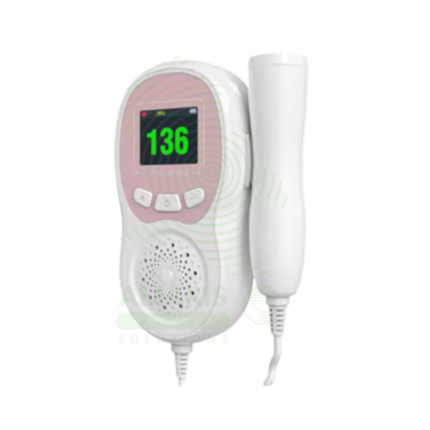
Fetoheart Sonic Aid Doppler (home use)
A Fetoheart Sonic Aid (Doppler) for Home Use is a consumer-grade, FDA-cleared handheld ultrasound device (2-3 MHz) that enables expectant parents to detect and listen to fetal heart sounds in the home environment from approximately 16 weeks gestation. Features include compact lightweight design (100-250g), simple controls, digital heart rate display (50-210 bpm), built-in speaker, headphone jack, and AA battery or USB rechargeable power. Continuous wave Doppler technology provides real-time audio of fetal heart sounds for maternal reassurance and bonding. Primary applications include maternal reassurance and emotional bonding between prenatal visits, confirmation of fetal activity, supplemental monitoring for high-risk pregnancies under provider guidance, and family involvement in the pregnancy experience. Critical safety information includes FDA-mandated labeling that device is for reassurance only (not medical diagnosis), optimal use after 16 weeks, limitation to 5–10-minute sessions, recognition that inability to detect heartbeat may not indicate a problem, and requirement to continue regular prenatal care. Not a substitute for professional medical evaluation; seek immediate care for bleeding, pain, fluid leakage, or decreased fetal movement.
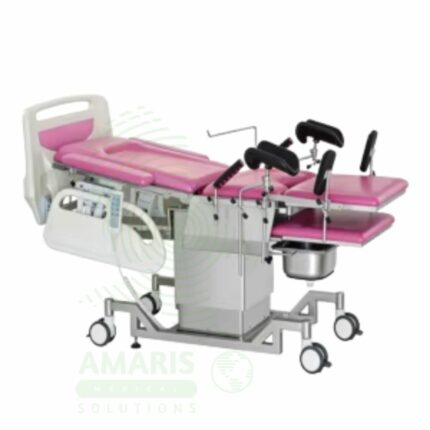
Gynecological examination couch (Parturition Bed)
A Gynecological Examination Couch (Parturition Bed) is a specialized medical couch designed for gynecologic examinations, obstetric delivery, and related procedures. Featuring adjustable backrest, removable leg sections, and adjustable stirrups for lithotomy positioning, it supports pelvic examinations, Pap smears, IUD procedures, and all stages of labor and delivery. The couch provides Trendelenburg and reverse Trendelenburg positioning, height adjustment, and fluid-resistant upholstery for easy cleaning. Essential for gynecology clinics, labor and delivery units, and women's health centers, it combines examination and delivery functions in a single versatile unit.
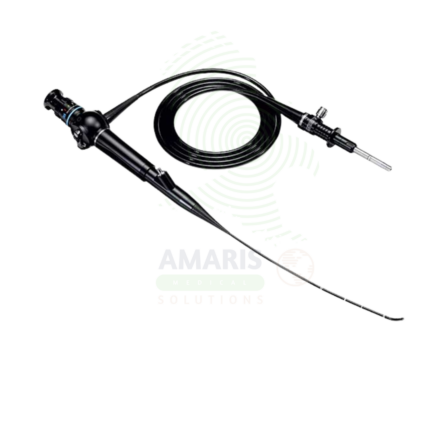
Hysteroscope
A Hysteroscope is a specialized endoscope used for visualization and treatment of the uterine cavity. Diagnostic hysteroscopy provides direct examination of the endometrium for evaluation of abnormal bleeding, infertility, and recurrent pregnancy loss. Operative hysteroscopy enables minimally invasive treatment of polyps, fibroids, adhesions, and uterine septa through the natural orifice of the cervix. Essential for gynecology and reproductive medicine, hysteroscopy offers accurate diagnosis and effective treatment with preservation of fertility and rapid recovery.
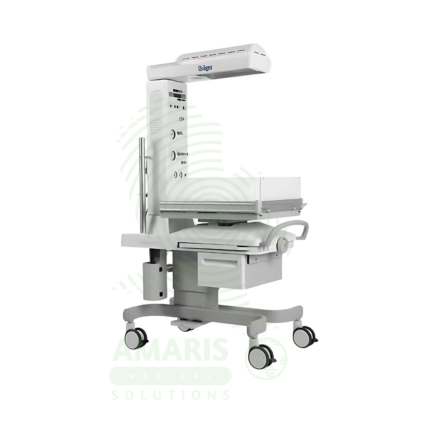
Infant radiant warmer (resuscitaire)
An Infant Radiant Warmer (Resuscitaire) is an open-bassinet, overhead radiant heating system designed for neonatal thermoregulation and resuscitation. It provides servo-controlled infrared warmth to maintain infant body temperature during the critical transition from intrauterine to extrauterine life. The integrated resuscitation platform features built-in oxygen and air sources, suction apparatus, cardiorespiratory monitoring, and storage for resuscitation equipment, ensuring all necessary tools are immediately accessible during newborn stabilization. Essential equipment for every delivery room and neonatal intensive care unit, the radiant warmer supports thermoregulation, resuscitation, and ongoing care while allowing unrestricted access to the infant. Proper temperature probe placement, pre-warming, and alarm response are critical for safe operation.
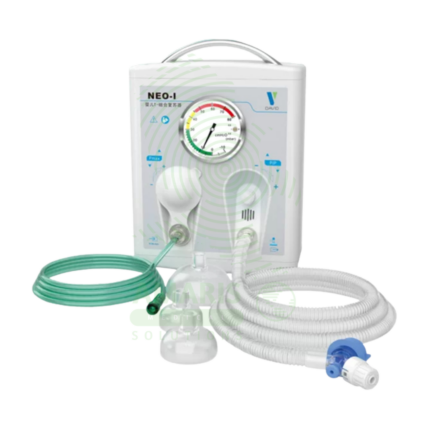
Infant T-Piece Resuscitator
An Infant T-piece Resuscitator is a Class II medical device designed for neonatal resuscitation and controlled positive pressure ventilation, delivering precise, consistent peak inspiratory pressures (PIP) and positive end-expiratory pressure (PEEP) as recommended by Neonatal Resuscitation Program (NRP) guidelines. The T-piece assembly connects to compressed air/oxygen source (5-15 L/min) with adjustable PIP (10-40 cmH₂O) and PEEP (0-10 cmH₂O) controls, built-in pressure manometer, and pressure relief valve (30-40 cmH₂O). Operator occludes port to deliver breaths (typically 40-60/min), with consistent pressures maintained regardless of technique. Essential advantages over bag-valve-mask devices include operator-independent pressure delivery, ability to provide PEEP (critical for preterm lung protection), reduced risk of barotrauma, and hands-free PEEP allowing two-handed mask seal. Primary clinical applications include delivery room resuscitation, stabilization of extremely preterm infants (<1,000 g), CPAP/PEEP delivery, meconium aspiration management, and neonatal transport ventilation. Critical safety considerations include verifying gas supply (5-15 L/min), monitoring manometer pressures, ensuring proper mask seal, observing chest rise, and titrating FiO2 to SpO2 targets. Indispensable resuscitation equipment in every delivery room, NICU, and neonatal transport setting worldwide.
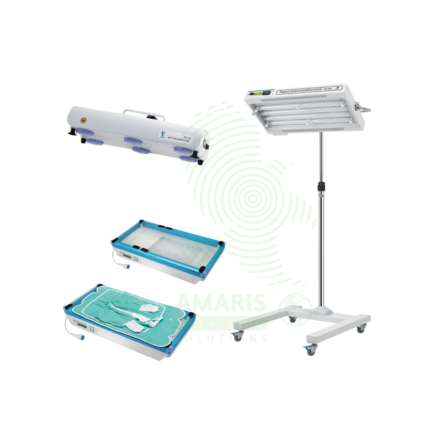
Neonatal Jaundice Treatment Device
A Neonatal Jaundice Treatment Device (phototherapy unit) is a Class II medical device that delivers therapeutic blue light (450-470 nm) to treat hyperbilirubinemia in newborns, preventing bilirubin-induced neurological damage (kernicterus). Available as overhead units (mobile stands with LED or fluorescent lamps), fiberoptic systems (Biliblanket) with illuminated pads placed against the infant's skin, and combination systems for intensive therapy. Irradiance ranges from 10-50+ µW/cm²/nm at treatment distance. LED units offer specific wavelength output, minimal heat, long life (10,000-50,000 hours), and energy efficiency. Treatment indications follow AAP hour-specific nomograms based on gestational age, birth weight, postnatal age, and risk factors. Essential safety requirements include opaque eye shields to protect neonatal retinas, temperature monitoring to prevent hyperthermia, hydration maintenance, and regular irradiance verification. Used in hospital NICUs, newborn nurseries, and (select devices) home care settings for mild jaundice. Critical for preventing permanent neurological sequelae of untreated severe neonatal jaundice.
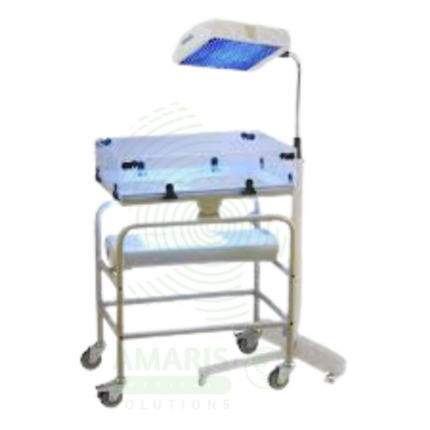
Phototherapy Machine
A Phototherapy Machine is a therapeutic light delivery system used to treat neonatal hyperbilirubinemia by converting toxic, fat-soluble bilirubin into water-soluble isomers that can be excreted. Using blue-spectrum light from LED, fluorescent, or fiber optic sources, it reduces bilirubin levels non-invasively, preventing kernicterus and permanent neurological damage. Available in overhead, ceiling-mounted, and fiber optic blanket configurations, it is standard equipment in hospital nurseries and NICUs, with portable units available for home use. Safe operation requires proper eye protection, temperature monitoring, and verification of adequate light output.