Dermatoscope and Magnifiers
 Diagnostic Kits
 Vital Signs Monitors
 Stethoscopes and Accessories
 Otoscopes, Ophthalmoscopes, and Retinoscopes
 Reflex Hammers and Neurological Tools
 Scales and Measuring Devices
 Spirometers and Pulmonary Function Tests
 Electrosurgical Units and Accessories
 Cutting Instruments
 Grasping and Holding Instruments
 Hemostatic Instruments
 Specialized Surgical Sets
 Single-Use Procedure Trays and Packs
 Surgical Drapes, Gowns, and Covers
 Tissue Unifying Instruments
 Radiation Protection
 X-Ray Machines and Accessories
 Ultrasound Systems and Probes
 MRI and CT Scanners
 Radiology Consumables
 Bone Densitometers
 Fluoroscopy Equipment
 Imaging Tables and Positioning Aids
 Microscopes and Accessories
 Centrifuges and Separators
 Analyzers
 Incubators and Ovens
 Pipettes, Dispensers, and Lab Glassware
 Refrigerators, Freezers, and Storage Units
 Lab Consumables
 Sterilizers and Autoclaves for Lab Use
 Multi-Parameter Monitors
 Ventilators and Respiratory Support Devices
 Defibrillators and AEDs
 Infusion Pumps and IV Systems
 Patient Warmers and Cooling Devices
 Central Monitoring Stations
 Accessories
 Anesthesia Machines and Workstations
 Oxygen Concentrators and Delivery Systems
 Nebulizers and Inhalers
 CPAP/BiPAP Machines
 Airway Management
 Anesthesia Masks, Circuits, and Bags
 Humidifiers and Heaters
 Respiratory Therapy Accessories
 First Aid Kits and Cabinets
 Emergency Resuscitation Equipment
 Trauma Supplies
 Emergency Carts and Crash Carts
 Burn Care Products
 Bleeding Control
 Automated External Defibrillators (AEDs)
 Transport and Evacuation
 Wheelchairs and Accessories
 Walkers, Crutches, and Canes
 Prosthetics and Orthotics
 Physical Therapy Equipment
 Transfer Devices
 Bathroom Safety
 Orthopedic Traction and Tables
 Hot/Cold Therapy Packs and Units
 Beds and Mattresses
 Chairs and Stools
 Tables
 Cabinets and Storage
 Privacy Screens & Curtains
 Stands and Racks
 Linens and Textiles
 Lighting
 Autoclaves and Sterilizers
 Ultrasonic Cleaners
 Disinfectant Solutions and Wipes
 Sterilization Pouches, Wraps, and Indicators
 Instrument Trays and Containers
 UV and Ozone Disinfection Devices
 Washer Disinfectors
 Wound Care
 Gloves
 Masks and Respirators
 Catheters and Tubing
 Swabs, Applicators, and Sponges
 Incontinence Products
 Personal Protective Equipment (PPE)
 Dental Chairs and Units
 Handpieces and Burs
 Instruments
 Consumables
 Sterilization for Dental Use
 Orthodontic Supplies
 Endodontic Tools
 Slit Lamps and Tonometers
 Lensometers and Phoropters
 Ophthalmic Surgical Instruments
 Eyewear Frames and Lenses
 Contact Lens Supplies
 Vision Testing Charts and Devices
 Eye Care Consumables
 Laser Systems for Eye Care
 ENT Exam Chairs and Tables
 Endoscopes
 Audiometers and Hearing Tests
 ENT Instruments
 Nasal and Throat Packs
 Hearing Aids and Accessories
 Otology Supplies
 Fetal Dopplers and Monitors
 Delivery Beds and Tables
 Gynecological Instruments
 Neonatal Incubators and Warmers
 Breast Pumps and Accessories
 Contraceptive Devices
 Maternity Supports and Pads
 Neonatal Consumables
 Cystoscopes and Urethroscopes
 Dialysis Machines and Supplies
 Urological Catheters and Bags
 Lithotripters
 Prostate Treatment Devices
 Urinary Incontinence Products
 Kidney Stone Management Tools
 Consumables & Disposables
 EEG and EMG Machines
 Neurosurgical Instruments
 Nerve Stimulators
 Headrests and Positioning Aids
 Lumbar Puncture Kits
 Seizure Monitoring Devices
 Consumables
 Rehabilitation for Neurological Conditions
 ECG Machines and Accessories
 Holter Monitors
 Stress Test Systems
 Pacemakers and Defibrillator Accessories
 Vascular Access Devices
 Cardiac Catheters and Guidewires
 Blood Flow Meters
 Consumables
 Orthopedic Instruments
 Casts, Splints, and Padding
 Joint Replacement Supplies
 Prosthetic Limbs and Components
 Bone Grafts and Substitutes
 Traction Devices
 Orthopedic Braces and Supports
 Rehabilitation Aids for Orthopedics
 Home Oxygen Therapy
 Hospital Beds for Home Use
 Mobility Aids
 Bathroom and Daily Living Aids
 Wound Care for Home
 Monitoring Devices
 Enteral Feeding Pumps and Tubes
 Hand Sanitizers and Dispensers
 Face Shields and Goggles
 Isolation Gowns and Suits
 Biohazard Waste Containers
 Air Purifiers and HEPA Filters
 Surface Disinfectants
 Sharps Containers
 Protective Barriers
 Cardiovascular & Endurance Training
 Strength Training & Weightlifting
 Functional Training & Core Conditioning
 Physical Therapy & Rehabilitation
 Sports & Outdoor Recreation
 Gym Flooring & Facility Equipment
 Fitness Monitoring & Accessories
 Kids & Novelties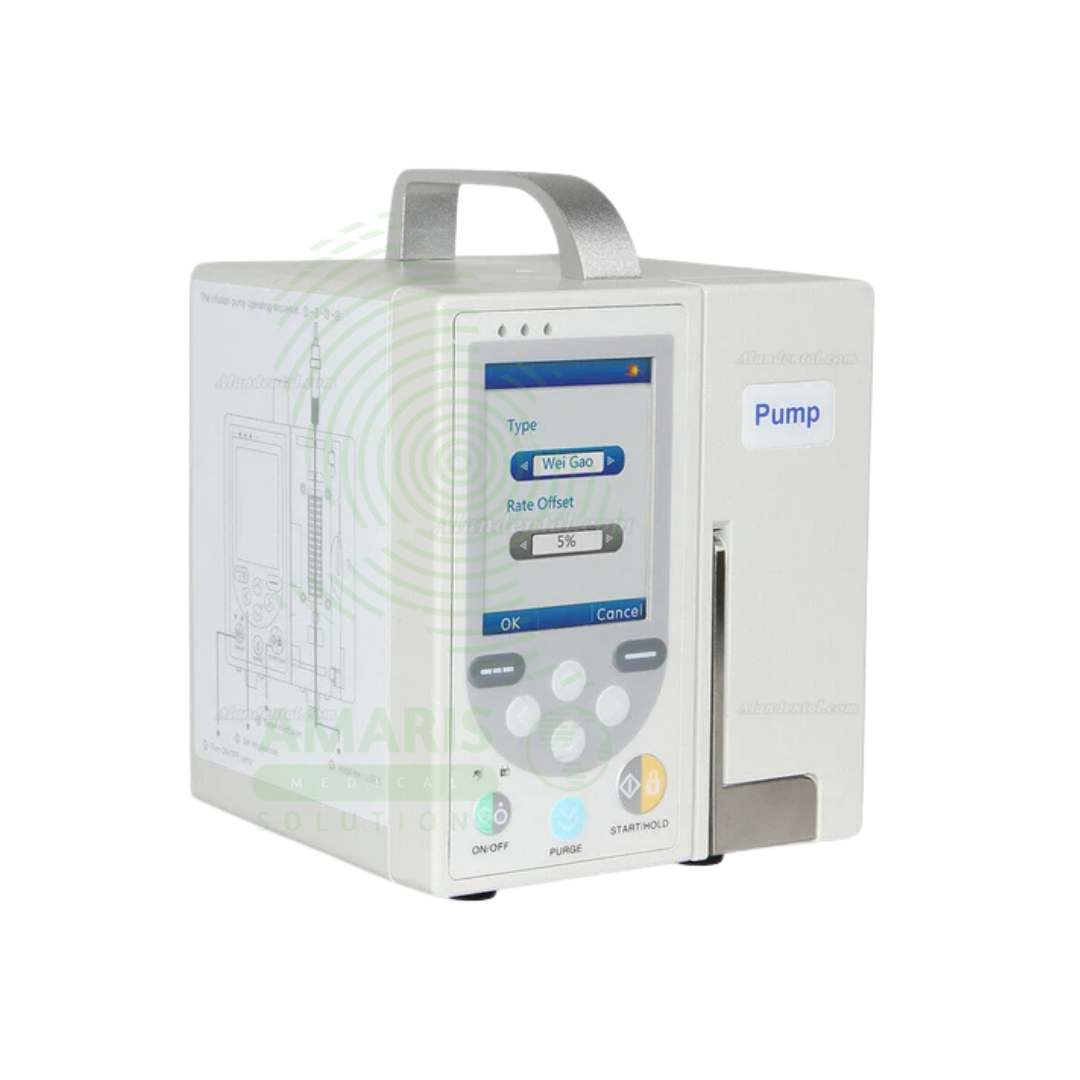
Infusion Pump
$1.00
WhatsApp Order
An Infusion Pump is a microprocessor-controlled device that delivers fluids, medications, or nutrients into a patient’s circulatory system at precisely programmed rates. Replacing error-prone gravity drips, it is indispensable for the safe administration of critical IV therapies, including vasoactive drugs, chemotherapy, analgesics (via PCA), and nutrition. Engineered with multiple safety features—such as anti-free-flow mechanisms, air-in-line detectors, occlusion alarms, and dose error reduction software—it ensures accurate delivery and minimizes the risk of adverse events. Its use spans hospitals, clinics, and home care, making it a cornerstone of modern intravenous therapy.
Description
Infusion Pump
PRIMARY CLINICAL & DIAGNOSTIC USES
1. Controlled Intravenous Medication Delivery
-
Primary Use: Provides precise, automated administration of intravenous fluids, medications, nutrients, and blood products at a programmed rate or volume, eliminating the variability and errors associated with manual gravity drips.
-
How it helps: For the nurse and prescribing clinician, the infusion pump removes the guesswork from IV therapy—set the rate, and the pump delivers exactly what was ordered, hour after hour, without drifting or needing constant adjustment. For the patient, this means receiving the exact dose of medication their doctor prescribed, whether it’s antibiotics, hydration fluids, or life-sustaining nutrition, with the confidence that errors from manual counting are eliminated.
2. Critical Care & Titration of Potent Drugs
-
Primary Use: Essential in Intensive Care Units, Cardiac Care Units, and operating rooms for titrating vasoactive drugs, sedatives, analgesics, and insulin, where minute-by-minute rate adjustments are required based on patient response.
-
How it helps: For the intensivist and critical care nurse managing a hemodynamically unstable patient, the infusion pump allows them to dial up or down life-supporting medications like norepinephrine with precision—responding to blood pressure changes in real time. For the critically ill patient whose life depends on a continuous drip of medication to keep their heart pumping or blood pressure stable, the pump delivers these potent drugs without fluctuation, maintaining the delicate balance between too little and too much.
3. Chemotherapy Administration
-
Primary Use: Used in oncology to deliver cytotoxic drugs over specific, often prolonged, periods to maximize efficacy and minimize toxicity.
-
How it helps: For the oncologist and chemotherapy nurse, the infusion pump ensures that powerful cancer-fighting drugs are delivered at precisely controlled rates—fast enough to be effective, slow enough to protect healthy tissues. For the patient undergoing cancer treatment, the pump provides confidence that their chemotherapy is being administered exactly as the protocol intends, optimizing the chance of treatment success while minimizing side effects.
4. Patient-Controlled Analgesia (PCA)
-
Primary Use: A specialized mode that allows patients to self-administer preset doses of analgesic medication within safe limits, providing better pain control.
-
How it helps: For the pain management team and bedside nurse, PCA transfers a measure of control to the patient, eliminating the “pain cycle” of waiting for medication and then waiting for relief. For the patient in acute post-operative pain or with severe chronic pain, the ability to press a button and receive immediate relief—within strict safety parameters—means they stay ahead of their pain rather than chasing it, leading to better comfort and faster recovery.
5. Enteral & Parenteral Nutrition
-
Primary Use: Delivers total parenteral nutrition (TPN) and enteral tube feeding formulas at a controlled rate to meet metabolic needs without causing gastrointestinal distress.
-
How it helps: For the nutrition support team and dietitian, the pump ensures that patients receive their complete nutritional requirements at a rate their body can tolerate, whether through a vein or feeding tube. For the patient unable to eat normally—due to surgery, critical illness, or gastrointestinal failure—the pump delivers life-sustaining nutrition continuously, supporting healing and preventing the muscle wasting that complicates recovery.
SECONDARY & SUPPORTIVE USES
1. Epidural Infusion: For the anesthesiologist and pain specialist, the pump enables continuous administration of local anesthetics and opioids into the epidural space for post-operative or chronic pain management. For the patient after major surgery or with refractory pain, this targeted delivery provides superior pain relief with fewer systemic side effects than oral or IV medications.
2. Subcutaneous Infusion (Hypodermoclysis): For the palliative care team and hospice nurse, the pump allows continuous hydration or medication delivery under the skin when IV access is difficult or undesirable. For the patient at end of life, this gentle method of hydration and symptom control maintains comfort and dignity without repeated needle sticks or hospital visits.
3. Neonatal & Pediatric Care: For the neonatologist and pediatric nurse, the infusion pump’s ability to deliver extremely precise, low-flow rates is essential for tiny patients where even small errors could be catastrophic. For the fragile newborn or ill child, the pump ensures that life-saving medications, fluids, and nutrition are delivered with an accuracy that matches their small size and unique vulnerabilities.
KEY PRODUCT FEATURES
1. BASIC IDENTIFICATION ATTRIBUTES
-
Device Type: Programmable, electromechanical medical device.
-
Infusion Modes: Operates in several key modes:
-
Continuous Infusion: Constant rate over time.
-
Intermittent/Bolus Infusion: Delivers a set volume at set intervals.
-
PCA Mode: Patient-activated bolus with clinician-set lockout intervals and background infusion.
-
Multi-Step/Taper: Complex protocols where rate changes automatically per a pre-set sequence.
-
-
Form Factors: Large-Volume Pump (for fluids, TPN), Syringe Pump (for small, precise medication volumes), PCA Pump, Ambulatory Pump (wearable).
2. TECHNICAL & PERFORMANCE PROPERTIES
-
Flow Rate Range & Accuracy: The core specification. Ranges from very low (0.1 mL/hr for neonatal syringe pumps) to high (999 mL/hr for rapid fluid resuscitation). Accuracy is critical, typically within ±2-5% of the set rate.
-
Safety Mechanisms:
-
Anti-Free-Flow Mechanism: Physically prevents unintended gravity flow when the set is removed from the pump.
-
Occlusion Pressure Alarm: Detects blockages in the line (e.g., kinked tubing, clotted IV) by monitoring upstream pressure.
-
Air-in-Line Detector: Uses ultrasonic sensors to detect dangerous air bubbles and stops infusion.
-
Dose Error Reduction Software (DERS): Includes a customizable drug library with hard and soft dose limits to prevent programming errors (e.g., setting 10 mL/hr instead of 1.0 mL/hr).
-
Empty Reservoir/Battery Alarm: Alerts before the fluid bag or syringe is empty or battery is depleted.
-
-
User Interface: Features a keypad or touchscreen for programming, with clear visual and audible alarms.
3. PHYSICAL & OPERATIONAL PROPERTIES
-
Power Source: Operates on AC mains power with a rechargeable battery backup for transport and power failure.
-
Connectivity: Modern pumps have wireless connectivity to integrate with Hospital Information Systems (HIS) and Electronic Medical Records (EMR) for electronic charting of infusion data and remote monitoring.
-
Disposable Sets: Requires specific, manufacturer-approved administration sets (tubing, syringes) that are mechanically compatible with the pump's drive mechanism (peristaltic finger, rotary piston, syringe plunger driver).
4. SAFETY & COMPLIANCE ATTRIBUTES
-
Regulatory Approvals: FDA 510(k) Cleared (US) and CE Marked (EU) as a Class IIb or III medical device (moderate to high risk due to potential for serious harm).
-
Standards: Complies with IEC 60601-1 (General Safety), IEC 60601-1-2 (EMC), and the particular standard IEC 60601-2-24 for infusion pumps.
-
Cybersecurity: Networked pumps must have safeguards to prevent unauthorized access and ensure data integrity.
5. STORAGE & HANDLING ATTRIBUTES
-
Storage: Store in a clean, dry environment. Protect from extreme temperatures and physical impact.
-
Cleaning & Disinfection: The external housing must be cleaned regularly with hospital-grade, non-abrasive disinfectant wipes. Do not immerse. Internal components require professional servicing.
-
Preventive Maintenance: Requires scheduled performance verification (flow rate accuracy, occlusion pressure, alarm function) and calibration by biomedical engineering as per manufacturer schedule.
6. LABORATORY & CLINICAL APPLICATIONS
-
Primary Application: The standard of care for safe, accurate, and reliable delivery of a wide range of IV therapies across all inpatient and many outpatient settings.
-
Critical Dependency: Malfunction or programming error can lead directly to patient harm (over-infusion, under-infusion, air embolism).
SAFETY HANDLING PRECAUTIONS
1. SAFETY PRECAUTIONS
-
Programming Vigilance (The "Five Rights"): Verify the right drug, right dose, right patient, right route, and right time at the pump and at the patient's bedside. Use the drug library with dose limits.
-
Line Management: Ensure tubing is not kinked and is properly seated in all sensors (air-in-line, door). Use anti-free-flow sets correctly.
-
Alarm Response: Never silence an alarm without identifying and resolving the cause. Common causes include occlusions, air, near-empty reservoir, or battery issues.
-
Electrical Safety: Plug into a grounded outlet. Inspect power cord for damage.
2. FIRST AID MEASURES
-
Pump Failure or Error: In case of critical pump failure or suspected runaway infusion, stop the infusion immediately by clamping the IV tubing manually. Switch to a manual gravity drip or a new pump as needed while attending to the patient's clinical status.
-
Air Embolism: If a large air bubble is infused, place patient in left lateral decubitus position (to trap air in right atrium) and administer oxygen. Seek emergency intervention.
3. FIRE FIGHTING MEASURES
-
Flammability: Plastic housing, electronic components, and lithium battery are combustible.
-
Extinguishing Media: For electrical fires, use a CO₂ or dry chemical (Class C) extinguisher.
-
Special Hazards: Risk of battery explosion/thermal runaway in a fire.
Related products
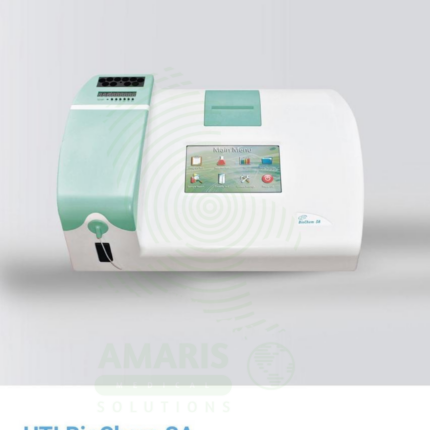
BioChem SA Semi Automated Chemistry Analyzer
The BioChem SA Semi Automated Chemistry Analyzer is a compact, semi-automated benchtop clinical chemistry system designed for low to medium-volume clinical laboratories, physician office labs (POLs), and small hospital laboratories . The analyzer performs colorimetric and kinetic analysis of patient samples (serum, plasma, whole blood, urine) using endpoint, kinetic, fixed-time, absorbance, monochromatic, and bichromatic assay types .
The optical system features a 6V 10W halogen lamp with 2000-hour lifespan, 7 standard filters (340, 405, 492, 510, 546, 578, 630nm with ±2nm accuracy), and a quartz glass flow cell (32µL, 10mm optical path) with 0.0001Abs resolution and <1.0% precision . The 37°C incubator with 10 round wells maintains temperature stability of ±0.1°C .
The analyzer features a 7 inch color LCD touchscreen interface , 80 user-defined programmable test profiles , internal storage for 100,000 patient results , internal thermal printer, RS-232 connectivity , and Levy-Jennings quality control with automatic statistical analysis . Calibration options include factor, one-point linear, and multi-point linear modes .
For the clinical laboratory scientist and pathologist, the BioChem SA provides reliable, entry-level chemistry testing for liver function (ALT, AST, ALP, bilirubin, total protein, albumin), renal function (BUN, creatinine, uric acid), lipid profiles (cholesterol, triglycerides, HDL, LDL), pancreatic enzymes (amylase, lipase), and glucose . For the patient, accurate chemistry results enable diagnosis of hepatitis, cirrhosis, chronic kidney disease, diabetes, hyperlipidemia, pancreatitis, and cardiovascular disease, guiding appropriate medical therapy and lifestyle interventions.
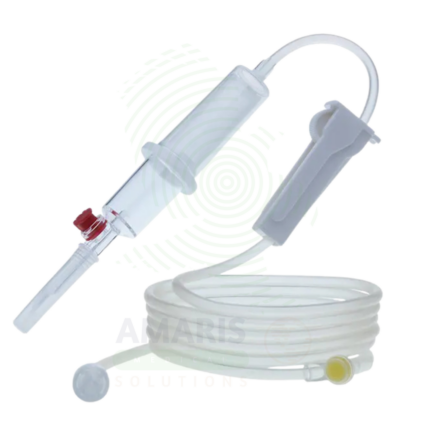
Blood giving set
A Blood Giving Set is a sterile, single-use intravenous administration set specifically designed for transfusing whole blood and blood components—including packed red blood cells, platelets, fresh frozen plasma, and cryoprecipitate—to patients with bleeding, anemia, or coagulation disorders. Featuring an integral microaggregate filter (170-260 microns) that removes clots and particulate matter, large-bore tubing for optimal flow rates, and a precision roller clamp for controlled infusion, the blood giving set ensures safe, filtered delivery of life-saving blood products. Compatible with blood warming devices and pressure infusers, the set supports both slow, controlled transfusions for medically fragile patients and rapid, high-volume infusion for those with active hemorrhage. For the clinician, the blood giving set simplifies transfusion set-up, ensures consistent filtration, and enables precise flow control. For the patient receiving blood transfusion due to trauma, surgery, gastrointestinal bleeding, cancer, or bone marrow failure, the blood giving set delivers essential blood components that restore oxygen-carrying capacity, correct coagulation, and support survival.
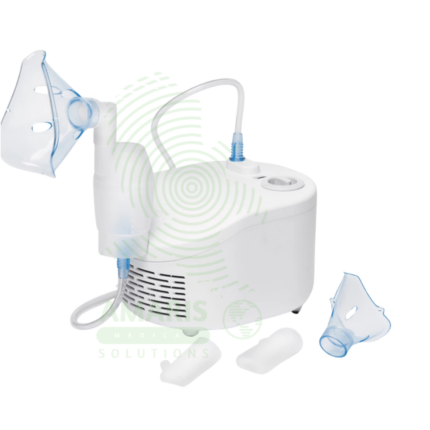
Compressor Nebulizer Machine
A Compressor Nebulizer Machine is a pneumatic device that transforms liquid medication into a breathable mist for treating respiratory conditions. Consisting of an electric air compressor, a nebulizer cup, tubing, and a mask or mouthpiece, it is particularly effective for infants, children, and patients with severe asthma, COPD, or cystic fibrosis who require reliable aerosol delivery. While offering robust performance for home and clinical use, its safety and efficacy depend critically on proper cleaning to prevent infection, correct assembly, and the use of prescribed nebulizer-compatible medications. It remains a fundamental tool for both acute intervention and chronic management of pulmonary diseases.
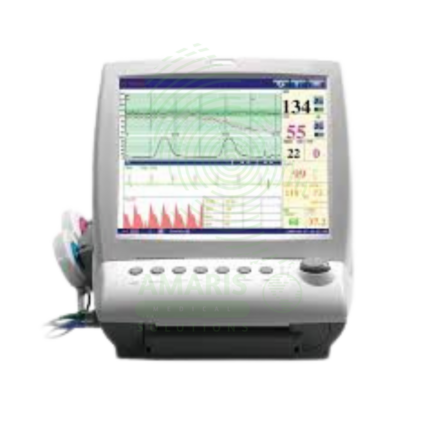
Fetal & Maternal Monitor
A Fetal & Maternal Monitor is an electronic monitoring system that simultaneously records fetal heart rate (via external ultrasound or internal scalp electrode), uterine contractions (via external tocodynamometer or intrauterine pressure catheter), and maternal vital signs (blood pressure, heart rate, oxygen saturation). Used for antepartum and intrapartum fetal assessment, non-stress tests, contraction stress tests, and monitoring of high-risk pregnancies including gestational diabetes, hypertensive disorders, and multiple gestations. Features high-resolution display, continuous paper recording, alarm systems for fetal distress, and data storage for medical records. External monitoring is non-invasive for routine use; internal monitoring provides more accurate data but requires ruptured membranes and cervical dilation. Class II medical device requiring FDA clearance and qualified interpretation of fetal heart rate patterns. Essential for assessing fetal well-being and guiding obstetric interventions.
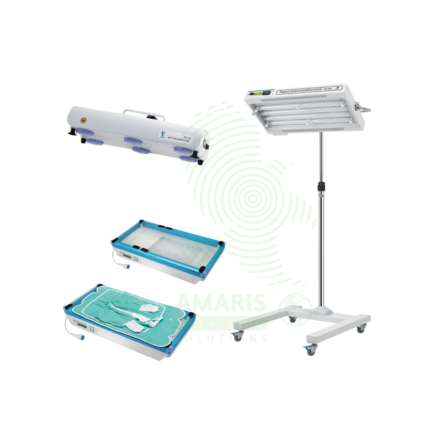
Neonatal Jaundice Treatment Device
A Neonatal Jaundice Treatment Device (phototherapy unit) is a Class II medical device that delivers therapeutic blue light (450-470 nm) to treat hyperbilirubinemia in newborns, preventing bilirubin-induced neurological damage (kernicterus). Available as overhead units (mobile stands with LED or fluorescent lamps), fiberoptic systems (Biliblanket) with illuminated pads placed against the infant's skin, and combination systems for intensive therapy. Irradiance ranges from 10-50+ µW/cm²/nm at treatment distance. LED units offer specific wavelength output, minimal heat, long life (10,000-50,000 hours), and energy efficiency. Treatment indications follow AAP hour-specific nomograms based on gestational age, birth weight, postnatal age, and risk factors. Essential safety requirements include opaque eye shields to protect neonatal retinas, temperature monitoring to prevent hyperthermia, hydration maintenance, and regular irradiance verification. Used in hospital NICUs, newborn nurseries, and (select devices) home care settings for mild jaundice. Critical for preventing permanent neurological sequelae of untreated severe neonatal jaundice.
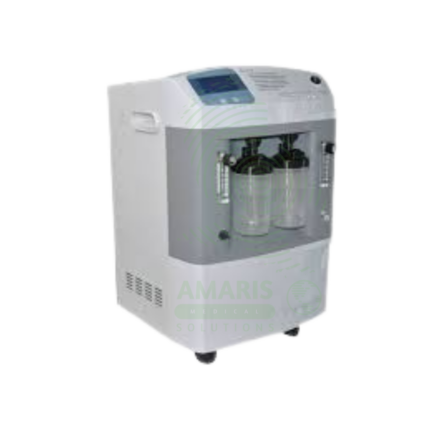
Oxygen Concentrator
An Oxygen Concentrator is a Class II medical device that delivers 90-95% pure supplemental oxygen to patients with chronic hypoxemia using pressure swing adsorption (PSA) technology to concentrate oxygen from room air. Available as stationary/home units (10-30 kg, 0.5-10 L/min continuous flow) for long-term oxygen therapy (LTOT) and portable/ambulatory units (1-10 kg, 0.5-3 L/min pulse-dose or continuous flow) for active patients requiring mobility. Features include oxygen purity monitoring with alarms, digital flow control, hour meters, washable filters, and (for portable units) rechargeable batteries, FAA approval for travel, and pulse-dose delivery to conserve oxygen. Primary clinical indications include COPD, pulmonary fibrosis, cystic fibrosis, and other chronic respiratory conditions with resting, exertional, or nocturnal hypoxemia (PaO2 ≤55 mmHg or SpO2 ≤88%). Essential for home-based oxygen therapy, enabling patients to maintain independence, reduce hospitalizations, and improve quality of life. Critical safety precautions include NO SMOKING in the oxygen environment, keeping away from heat sources and open flames, proper electrical safety, regular filter cleaning, and having backup oxygen for power outages.
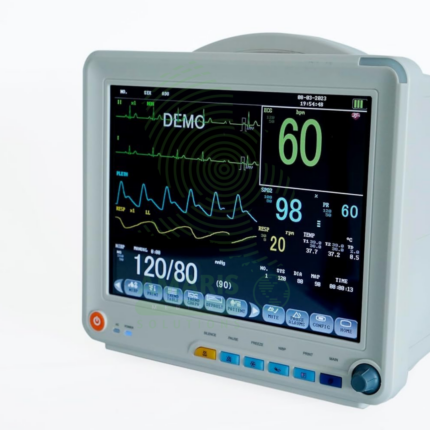
Patient Monitor
The Patient Monitor (6 Parameters BCCMS8000) is a versatile multi-parameter monitor designed for continuous surveillance of core vital signs in various clinical settings. It tracks six essential parameters—ECG, SpO2, Non-Invasive Blood Pressure (NIBP), Respiration, Temperature, and Pulse Rate—providing clinicians with real-time waveforms and numerical data on a clear color display. With its robust alarm system, battery backup for transport, and reliable performance, it is a fundamental tool for ensuring patient safety on general hospital wards, during procedures, and in emergency departments. Its design balances comprehensive monitoring capability with user-friendly operation.